The global marketplace has never been more accessible, and at its heart lies China, a manufacturing titan offering unparalleled opportunities for businesses to source innovative products at competitive prices. For entrepreneurs and established companies alike, the prospect of tapping into this vast ecosystem is exhilarating. Yet, this excitement is often tempered by a daunting reality: the immense complexities of navigating a market separated by thousands of miles, a different language, a unique business culture, and an ocean of potential suppliers. This is where the quest to how to find an agent in China begins, a journey that is not merely about logistics but about forging a strategic partnership that can define your success in international trade.
Many importers start their journey on sprawling B2B platforms, believing technology alone can bridge the gap. While these platforms are powerful tools, they are only the first step. The real work—the nuanced negotiations, the rigorous quality control, the on-the-ground problem-solving—requires a human touch and local expertise. A reliable agent is more than a middleman; they are your eyes, ears, and hands in China. They are your cultural translator, your quality watchdog, and your strategic ally. Mastering how to find a China sourcing agent is therefore not just a task to be checked off a list; it is the cornerstone of building a resilient, profitable, and sustainable supply chain. This comprehensive guide will walk you through every stage of this critical process, from understanding why you need an agent to finding the right one and cultivating a partnership that fuels your growth.

In the digital age, it’s tempting to believe that all sourcing can be done from behind a computer screen. Platforms like Alibaba and Made-in-China.com have democratized access to suppliers on an unprecedented scale. However, relying solely on these platforms is like navigating a vast ocean with only a map and no compass. To truly succeed, you need an experienced captain. Here’s why a sourcing agent is an indispensable part of your strategic toolkit.
B2B platforms are marketplaces, and like any market, they have a mix of vendors—from world-class factories to small trading companies and outright scams. For a foreign buyer, distinguishing between them is a monumental task. A supplier’s online profile can be polished and professional, but it rarely tells the whole story. Are they a genuine factory or a trading company with a markup? Do they have a robust quality management system or just a collection of certificates? These are questions that can only be answered through rigorous due diligence. While you can ask if they are an Alibaba Verified Supplier, this is often just the beginning of the verification process. An agent performs this crucial vetting, conducting background checks, verifying licenses, and, most importantly, conducting on-site factory audits to assess capabilities in the real world. This initial verification is the first line of defense against costly mistakes.
Business in China is built on relationships, or guanxi, a concept that goes far beyond a simple contractual agreement. It’s a network of influence and mutual obligation that can significantly impact business outcomes. Negotiations are often less direct, and a “yes” might not always mean what you think it does. A local agent understands these cultural nuances. They can interpret the subtle cues in a negotiation, build rapport with suppliers in their native language, and advocate for your interests in a way that is both effective and culturally appropriate. This cultural fluency prevents misunderstandings that can lead to production errors, delays, and soured relationships.
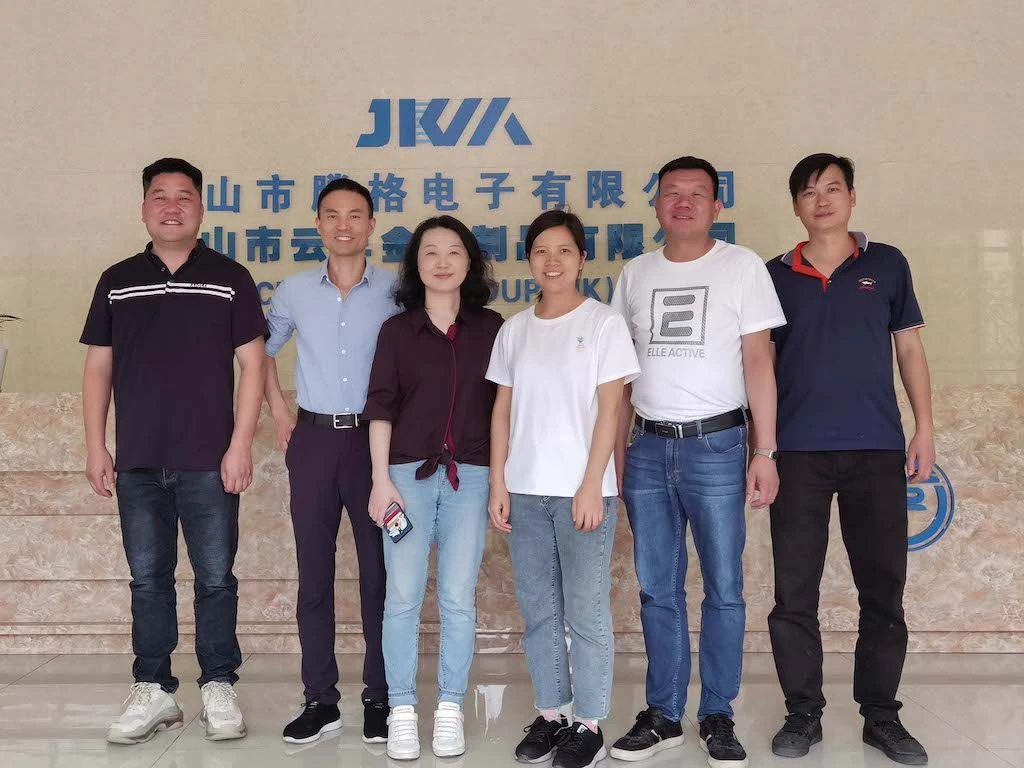
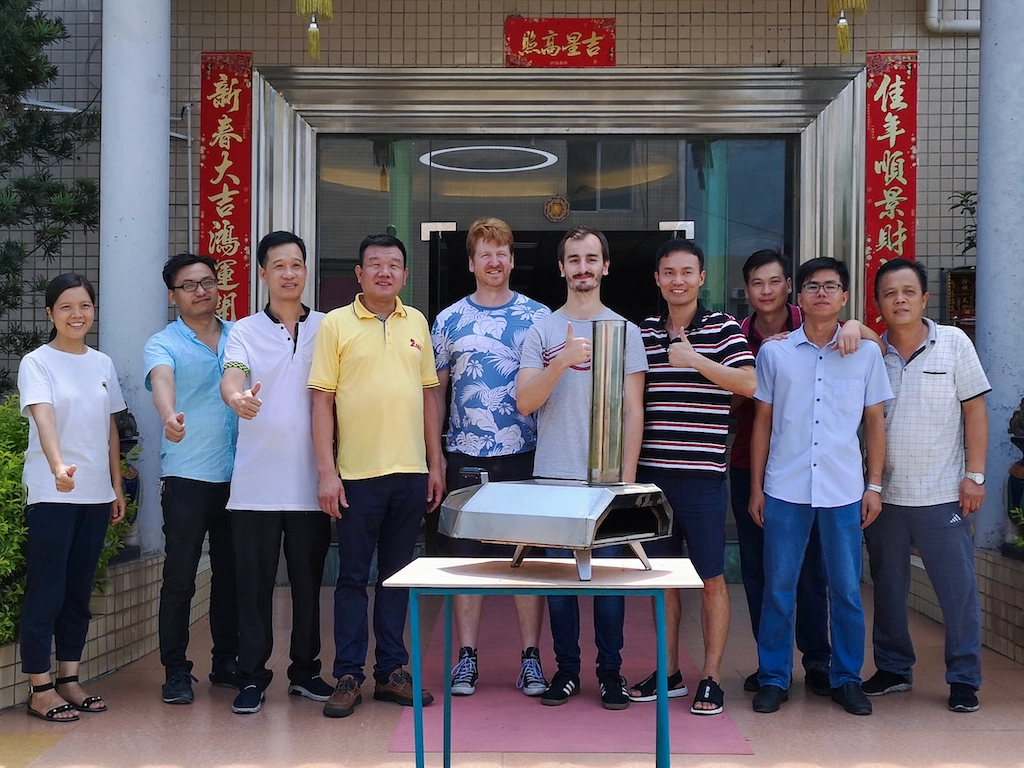
There is no substitute for having a physical presence in the country of manufacture. An agent provides these essential “boots on the ground.” When you need to assess a potential factory, they can be there tomorrow. When a production issue arises, they can visit the factory immediately to diagnose the problem and oversee the solution. They can inspect raw materials before production begins and check the quality of goods mid-production to catch issues early, saving you from discovering a disastrous quality problem only after the goods have arrived in your warehouse. For any serious importer, a China Factory Audit is a non-negotiable step, and having your own trusted agent to conduct it is invaluable.
Sourcing from China, like any international trade, involves inherent risks. These can range from quality fade and production delays to payment scams and intellectual property theft. An agent is your frontline defense against these threats. They structure secure payment terms (e.g., 30% deposit, 70% after quality inspection) to protect your capital. They manage the entire quality control process, ensuring your specifications are understood and met. A critical part of this is understanding the different types of inspection in production management, from initial material checks to final random inspections. This comprehensive approach to risk management in sourcing is perhaps the single greatest value an agent provides, safeguarding your investment, your brand’s reputation, and your peace of mind. The process to find sourcing agent in China is, at its core, a process of finding a partner to manage these risks.
Once you’ve embraced the strategic necessity of an agent, the next step is to understand that they come in various forms, each suited to different business needs and models. Choosing the right type of agent and understanding their fee structure is crucial for aligning their incentives with your own. The journey to how to find agent in China effectively begins with defining exactly what kind of partner you are looking for.
These terms are often used interchangeably, but they represent distinct business models:
Sourcing Agent: A true sourcing agent acts as your representative. They work for you, the buyer, to find and vet suppliers, manage production, and ensure quality based on your requirements. Their loyalty is to you.
Trading Company: A trading company buys products from a factory and sells them to you with a markup. They are their own entity and their primary loyalty is to their own profit margin. They can be a good option for small orders or for consolidating products from multiple factories, but they add a layer between you and the manufacturer.
Purchasing Agent: This role can sometimes be more limited. A purchasing agent might be hired simply to execute purchase orders with suppliers you have already found, primarily handling the transaction and logistics rather than the strategic sourcing and vetting.
For most importers looking to build a long-term supply chain, a dedicated sourcing agent is the preferred model.
The way an agent is paid significantly influences their behavior. There are two primary models:
Commission-Based: This is the most traditional model. The agent charges a percentage of the factory price of the goods, typically ranging from 3% to 10%.
* Pros: It’s a straightforward model that requires no upfront payment. The agent is motivated to handle larger orders.
* Cons: The fundamental conflict of interest is that the higher the price you pay, the more commission the agent makes. This can disincentivize them from negotiating the lowest possible price. Unscrupulous agents may also accept kickbacks from factories, further inflating your costs.
Service-Fee-Based (or Flat-Fee): In this model, you pay the agent a pre-agreed fee for their services. This could be a flat fee per project, a monthly retainer, or a combination of both.
* Pros: This model is highly transparent. You know exactly what you are paying for the service, and the agent has no incentive to see your product cost increase. Their goal is to find the best supplier to retain you as a long-term client.
* Cons: It often requires an upfront payment or a retainer, which can be a hurdle for new businesses.
For businesses that have scaled their operations, a third model is emerging: the dedicated or private agent China. This isn’t a formal category but rather a description of a deeper relationship. A private agent often works exclusively for one or a very small number of clients. They become a deeply integrated part of your team, almost like having your own overseas procurement office. This model is ideal for companies with high order volumes, complex product lines, or those who need a partner deeply involved in product development and long-term strategic planning. They often work on a transparent retainer or service-fee basis, ensuring complete alignment with your goals.
Finally, consider whether you need a specialist or a generalist.
Specialist Agents: These agents focus on a specific industry, such as electronics, furniture, or textiles. Their deep industry knowledge, technical expertise, and established network of specialized factories can be a massive advantage. If you are looking for finding clothing manufacturers in China, a specialist agent is almost always the best choice.
Generalist Agents: These agents source a wide variety of products. They are a good fit for retailers, promotional companies, or Amazon sellers who deal in diverse product categories.
Defining your needs across these categories—agent type, fee structure, and specialization—will give you a clear profile of your ideal partner, making the subsequent search process far more targeted and efficient.
With a clear profile of your ideal agent, it’s time to begin the search. Finding a trustworthy and competent partner requires a proactive, multi-channel approach. Casting a wide net and then systematically narrowing it down is the most effective strategy. Here’s how to find sourcing agent in China using a variety of proven channels.
The internet is the most powerful tool for generating an initial list of potential agents.
Targeted Google Searches: Go beyond simple searches. Use long-tail keywords that reflect your specific needs. For example:
“sourcing agent Shenzhen for electronics”
* “Yiwu market sourcing agent for small business”
* “private agent China for Amazon FBA”
* “find sourcing agent in China for furniture”
Scrutinize the websites that appear. A professional, well-written website with a clear explanation of services, a physical address, and team photos is a positive sign. Be wary of sites with poor English, no address, and generic stock photos.
LinkedIn: LinkedIn is an excellent professional networking tool. Search for “China Sourcing Agent” or “Procurement Manager China” and filter by location. You can examine profiles, see their experience, and check their connections. Many reputable sourcing companies maintain a professional presence on LinkedIn.
Professional Directories: Websites like Clutch.co and other B2B review platforms sometimes list sourcing and procurement service providers. These can be valuable as they often include client reviews.
A recommendation from a trusted source is often the best way to find a high-quality agent.
Your Professional Network: Reach out to other business owners, importers, or colleagues in your industry who have experience sourcing from China. A personal referral comes with a layer of pre-vetting.
Industry Forums and Online Communities: Platforms like Reddit have dedicated communities (subreddits) for e-commerce, Amazon FBA, and international trade (e.g., r/fulfillmentbyamazon, r/ecommerce). While you must be cautious of self-promotion, you can ask for recommendations and often receive candid feedback from other members about agents they have used.
Trade Associations: If you are a member of an industry-specific trade association, they may have resources or member directories that can point you toward reputable sourcing service providers.
For those who can invest the time and travel, meeting potential partners in person is invaluable.
Trade Fairs: Major trade fairs in China, such as the Canton Fair in Guangzhou, the Yiwu International Commodities Fair, and various industry-specific expos, are not just for finding suppliers. They are also prime locations for meeting sourcing agents who attend to connect with international clients. Walking the floor and striking up conversations can give you a feel for their professionalism and expertise. For those interested in the famous Yiwu market, understanding its scale is key; you can get a preview by reading about Yiwu Market Product List.
Visiting Manufacturing Hubs: If you are already traveling to China to visit potential factories, you can arrange to meet with potential agents in their offices in major hubs like Shenzhen, Guangzhou, Yiwu, or Shanghai.
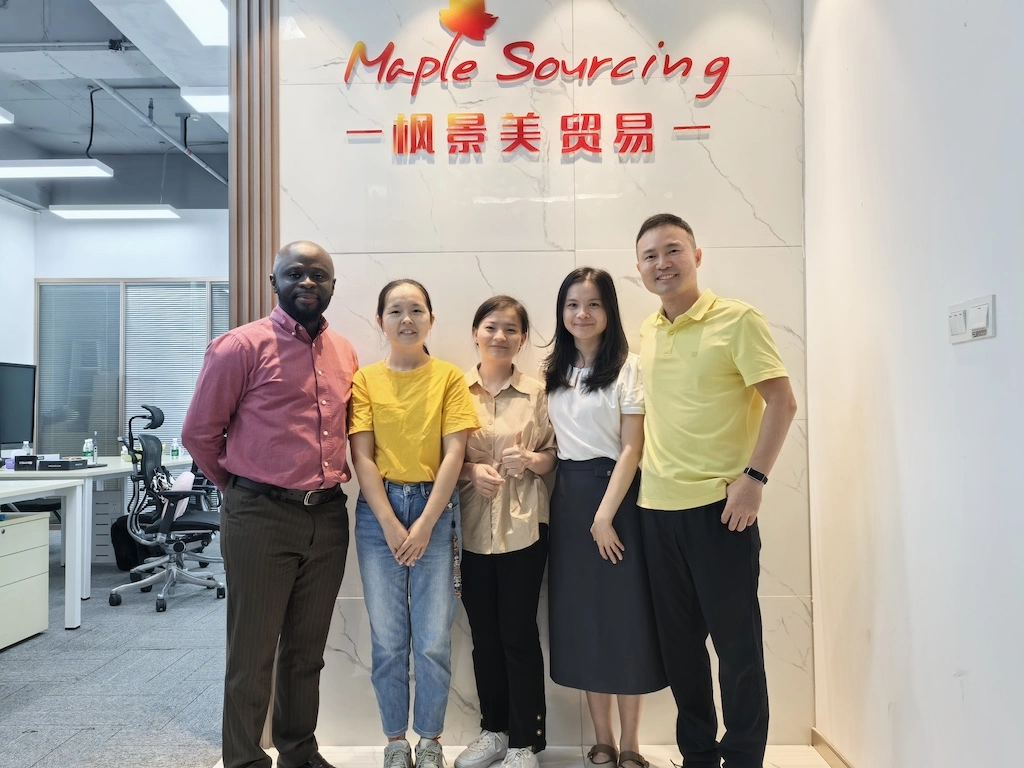
Finally, you can opt to work with an established, professional sourcing company from the outset. Companies like Maple Sourcing have already done the work of building a team, vetting processes, and developing a network of reliable suppliers. Engaging with a firm like ours streamlines the entire process, as you are tapping into a pre-existing infrastructure of expertise and trust. This approach moves you directly from the search phase to the qualification phase with a credible partner. Learn more about our comprehensive sourcing services.
By combining these channels, you can compile a strong initial list of 5-10 potential agents. The next, and most critical, step is to put them through a rigorous due diligence process.
You’ve compiled a list of potential agents. Now comes the most critical phase of the process: due diligence. This is where you separate the professional, trustworthy partners from the amateurs and potential scams. A systematic vetting process will save you immense time, money, and stress down the line. This is the practical application of how to find an agent in China who you can truly rely on.
Your first contact should be professional and detailed. Send a concise email that introduces your company, outlines your product category, and asks a series of specific questions designed to gauge their professionalism and capabilities.
Key Questions to Ask:
* “How long has your company been in business?”
* “Can you provide a copy of your business license?”
* “What is your primary area of product expertise?”
* “Describe your process for sourcing and vetting new factories.”
* “How is your fee structure broken down? Are there any hidden charges?”
* “Can you describe your quality control process? What kind of inspections do you perform?”
* “How many people are on your team, and where are you located?” A professional agent will welcome these questions and provide clear, detailed answers. Vague responses or an unwillingness to share information is a major red flag.
For the 2-3 agents who respond impressively, the next step is a video call. This is your chance to assess their communication skills and deep-dive into their expertise.
What to Look For:
* Communication Skills: Are they fluent in English? Can they explain complex topics clearly and concisely?
* Industry Knowledge: Do they understand your product category? Can they speak intelligently about materials, manufacturing processes, and potential challenges?
* Transparency: Are they open about their processes and fees? Do they answer questions directly or evasively?
* Professionalism: Did they prepare for the call? Do they seem organized and genuinely interested in your business?
* Ask Scenario-Based Questions: “Imagine we receive a production batch where 10% of the items have a quality defect. How would you handle this situation?” Their answer will reveal their problem-solving skills and commitment to quality.
Never skip this step. Trust, but verify.
- Verify Their Business License: An agent should be willing to provide their business license. You can use online services or hire a local lawyer for a small fee to verify that the company is legally registered.
- Check Their Physical Address: Use Google Maps and search online to confirm their office address is a legitimate commercial location, not a residential apartment.
- Contact References: This is non-negotiable. Ask for 2-3 references from current or past clients, preferably from your own country or region. When you speak to the references, ask specific questions:
* “How long have you worked with this agent?”
* “What types of products do they source for you?”
* “Can you describe their communication and reporting?”
* “Have you had any significant problems, and if so, how did the agent resolve them?”
* “Would you recommend them without reservation?”
The ultimate test of an agent’s competence is a trial order. Start with a small, relatively low-risk product. This allows you to evaluate their entire process in a real-world scenario before committing to a larger volume or a more complex product. Pay close attention to:
* Sourcing Report: How detailed and professional is the report they provide on potential suppliers?
* Communication: How proactive and clear are their updates during the production process?
* Problem-Solving: If small issues arise, how quickly and effectively do they address them?
* Quality Control: Review their inspection report. Is it detailed, with clear photos and explanations? A key part of their service should be top-notch inspection and quality control in manufacturing.
Successfully navigating this due diligence gauntlet ensures that the partner you choose has been thoroughly vetted and has demonstrated their capability, building a strong foundation for a future relationship.
Finding the right agent is a major victory, but it’s the beginning, not the end, of the process. The most successful importers understand that the relationship with their agent is a dynamic partnership that requires ongoing effort, communication, and mutual respect. This is how you move from simply having a private agent China to building a true strategic alliance.
Before any significant work begins, formalize the relationship with a comprehensive partnership agreement. This document protects both parties and sets clear expectations. It should be drafted by a lawyer familiar with international trade law.
Key Clauses to Include:
* Scope of Services: Detail every service the agent will provide, from sourcing and factory audits to quality control, logistics management, and payment processing.
* Fee Structure: Clearly outline the commission or service fees, payment schedule, and what expenses are included.
* Confidentiality and IP Protection: Include a strong Non-Disclosure, Non-Use, Non-Circumvention (NNN) clause. This is crucial for protecting your product designs and business strategy. For more on this, understanding how to protect your product idea is essential.
* Performance Standards: Define the Key Performance Indicators (KPIs) that will be used to measure the agent’s success (e.g., lead time adherence, quality pass rate).
* Termination Clause: Outline the conditions under which either party can terminate the agreement.
Clear, consistent, and detailed communication is the single most important factor in a successful agent relationship.
* Provide Detailed Product Specifications: Never assume your agent or the factory understands your quality standards. Provide a detailed “spec sheet” with materials, dimensions, colors (with Pantone codes), tolerances, packaging requirements, and approved samples.
* Establish a Communication Rhythm: Set up a regular schedule for updates, whether it’s a daily email, a weekly call, or a shared project management board. Proactive communication prevents small issues from escalating.
* Be Responsive: Treat your agent as a priority partner. When they have questions, respond as quickly and clearly as possible. Delays on your end can cause delays in production.
The best agent relationships evolve beyond a simple vendor-client dynamic into a strategic partnership.
* Share Your Vision: Help your agent understand your business goals, your target market, and your long-term vision. The more they understand your “why,” the better they can find suppliers and solutions that align with it.
* Seek Their Input: Your agent is an expert on the local market. Ask for their opinion on new product ideas, material choices, or potential manufacturing challenges.
* Cultivate Trust: Be transparent with your agent, pay them on time, and treat their team with respect. This builds loyalty and makes them more willing to go the extra mile for you. This approach is central to the entire philosophy of Supplier Relationship Management.
By investing in the relationship, you create a powerful competitive advantage—a loyal, motivated partner on the ground who is deeply committed to your success.
The journey to how to find an agent in China is one of the most crucial investments you can make in your import-export business. It is a path that leads from uncertainty and complexity to clarity and control. A great agent does more than just find factories; they are a force multiplier, a risk mitigator, and a strategic partner who empowers you to leverage the full potential of China’s manufacturing ecosystem. They bridge the gaps of culture, language, and distance, transforming what seems like a daunting challenge into a streamlined and profitable operation.
We have explored the strategic necessity of an agent, delving into why on-the-ground expertise far surpasses the capabilities of online platforms alone. We have profiled the different types of agents and fee structures, enabling you to define your ideal partner. We have provided a multi-channel guide to actively find sourcing agent in China and laid out a rigorous due diligence process to ensure you select a partner who is both competent and trustworthy. Finally, we have outlined the best practices for cultivating this relationship, transforming it from a simple transaction into a powerful, long-term alliance.
The process requires diligence, patience, and a strategic mindset, but the rewards are immense. A reliable agent provides not only cost savings and quality assurance but also invaluable peace of mind. They are the cornerstone of a resilient supply chain, allowing you to focus on what you do best: innovating, marketing, and growing your business. As you embark on this journey, remember that the right partner is out there.
If you are ready to take the next step and partner with a team that embodies these principles of transparency, expertise, and strategic alignment, we invite you to learn more about our comprehensive sourcing services. Let us be your trusted gateway to success in China.
 English