



In retail, the right product can change how customers perceive an entire store in seconds, and few categories do that more effectively than drinkware. A shelf of clear, durable drinking glasses can signal quality, style, and practicality all at once. Curated sets of cocktail glasses can suggest celebration and premium gifting. Everyday tumblers can communicate value for families, offices, and home kitchens. For US retailers navigating tight margins and fast-changing shopper preferences, choosing your source for drinkware is not just an inventory decision. It is a merchandising strategy that influences sell-through, repeat visits, and average order value.
This section introduces how drinkware suppliers shape retail performance and why the category deserves more intentional planning than many buyers initially expect. The core thesis is simple: if retailers treat drinkware as a strategic category, not a basic utility purchase, they can create stronger assortments, protect profitability, and build customer trust across both practical and aspirational price points. That means understanding how suppliers support product quality, compliance, fulfillment reliability, and trend responsiveness for everything from basic drinking glasses to specialty cocktail glasses used in home entertaining and restaurant bar settings.
At first glance, drinkware may look like a straightforward assortment: tumblers, highballs, stemware, and shot glasses in various materials and finishes. In practice, however, successful purchasing requires balancing design appeal with breakage risk, shipment efficiency, replacement cycles, and evolving use cases. US consumers shop drinkware for daily hydration, home bar setups, hosting, gifting, and seasonal events. Commercial buyers for a restaurant bar may also purchase through retail-adjacent channels when they need quick restocks or specific styles. As a result, retailers need suppliers who can support a broad spectrum of things drinkware shoppers expect, from entry-level utility pieces to elevated collections.
A strong drinkware supplier relationship starts with product architecture. Retailers need clarity on capacity, wall thickness, weight, rim finish, dishwasher suitability, and packaging protection. For example, two sets of similar-looking drinking glasses can perform very differently once they reach customer homes. One set may hold up to daily dishwashing; another may cloud or chip quickly, driving returns and poor reviews. The same applies to cocktail glasses with delicate stems or textured finishes. Without clear standards from your source, retailers risk overbuying visually attractive items that underperform in real-world use.
Supplier selection also determines how effectively a retailer can build good-better-best tiers. Entry-level wholesale glassware may attract budget shoppers, while mid-tier and premium designs can improve gross margin dollars per transaction. This matters in stores where drinkware sits near complementary categories such as bar tools, table linens, beverage mixers, and gifting accessories. When your source offers coherent lines of drinking glasses, cocktail glasses, and specialty pieces, merchandising teams can build bundles that feel intentional rather than random. A customer buying two old fashioned glasses may add matching shot glasses or stemmed options for wine beer service when the assortment is visually cohesive.
For US retail operations, operational reliability is just as important as assortment breadth. Drinkware is fragile, often heavy, and costly to ship poorly. Suppliers who understand US distribution realities can reduce headaches through better carton engineering, clearer master pack logic, and dependable lead times. A delayed replenishment of core drinking glasses can leave visible gaps on shelf and online stockouts during high-demand periods such as summer entertaining or holiday gifting. Retailers therefore need your source to provide practical coordination, including clear reorder thresholds, predictable freight planning, and payment flexibility through common methods like Credit Cards, PayPal, and Apple Pay where applicable in B2B checkout systems.
Compliance and product communication are another foundational area. While drinkware is not a wellness supplement category, retailers still need accurate material disclosures and safe-use guidance, especially when products are marketed for hot or cold beverages, food-contact use, or repeated dishwashing. In the US, teams should evaluate supplier documentation with FDA-facing awareness around food-contact materials and labeling implications. Claims should stay precise and supportable. A responsible your source helps retailers avoid vague or risky statements and provides product specs that enable honest shelf tags and ecommerce descriptions for drinking glasses, cocktail glasses, and other things drinkware customers compare closely.
Retailers should also account for channel differences. In-store shoppers often buy drinkware based on hand feel, clarity, and perceived durability, while online buyers rely on dimensions, ounce capacity, care instructions, and packaging confidence. The supplier must equip both journeys. High-quality images, accurate dimension charts, and realistic lifestyle context improve conversion and reduce return rates. This is especially important for cocktail glasses and shot glasses, where minor size differences can lead to disappointment if not clearly disclosed. The same principle applies to multiuse sets marketed for wine beer service or mixed beverage occasions.
To evaluate drinkware suppliers with discipline, retail buyers can use a focused framework:
Assortment depth and coherence Confirm that your source covers everyday drinking glasses, occasion-based cocktail glasses, and specialty items without large quality gaps between tiers.
Quality and durability standards Require consistent specifications, drop-test informed packaging, and clear care guidance to limit returns and protect margin.
Operational fit for US retail Review lead times, carton logic, replenishment cadence, and practical payment options such as Credit Cards, PayPal, and Apple Pay.
Compliance and product claims discipline Ensure material and food-contact statements are accurate, conservative, and aligned with US regulatory expectations, including FDA-related considerations where relevant.
Merchandising support Favor suppliers that provide complete product data and imagery so both stores and ecommerce teams can sell things drinkware with confidence.
One common mistake is treating drinkware as a low-involvement category that can be refreshed casually. In reality, shoppers notice details quickly. Uneven rims, awkward weights, or unclear sizing can undermine trust in the broader home assortment. Conversely, thoughtfully selected drinking glasses and cocktail glasses can become reliable repeat purchases because customers return for replacements, expansions, and gifts. This repeat behavior is especially valuable when a retailer maintains continuity across core shapes while introducing seasonal accents.
Another key point is use-case clarity. Products built for daily hydration should not be positioned the same way as products designed for mixology or formal service. A durable tumbler line addresses one mission, while a refined set for a restaurant bar aesthetic addresses another. Suppliers that segment these use cases clearly help retailers avoid confusing planograms and mixed customer expectations. Over time, that clarity supports stronger reviews, fewer damages, and better attachment to adjacent categories.
Ultimately, drinkware suppliers influence far more than unit cost. They shape product performance, brand perception, fulfillment efficiency, and customer loyalty. For US retailers, the opportunity is to make drinkware a strategic pillar: dependable basics, profitable upgrades, and occasion-driven specialty items supported by clear standards and practical operations. When your source aligns with those priorities, drinking glasses become more than shelf fillers, cocktail glasses become more than decorative extras, and the full range of things drinkware can serve households, gifting moments, and even restaurant bar-inspired home entertaining with confidence.
As you move from evaluating supplier basics into actual product selection, the next step is defining what your shelves should carry. In practical terms, that means understanding how material, form, and use-case shape which drinking glasses and related things drinkware will perform best for your customers.
Glass remains the core category for many retailers because it delivers visual clarity, broad style range, and strong perceived value. If your source is a supplier serving both home and hospitality buyers, you will usually see glass collections organized by function first, then by finish and durability. For example, stemware often includes red and white wine bowls sized for different pours, while beer-focused lines include pilsner, pint, and tasting options for wine beer merchandising displays in gourmet stores.
For everyday use, tumblers are often your volume driver. These drinking glasses cover water, juice, and mixed beverages, and they typically move faster than niche pieces because customers replace broken sets more frequently. In upscale assortments, weighted-base rocks glasses and highballs become entry-level cocktail glasses for home entertaining. In value assortments, stackable tumbler sets are easier to ship, display, and replenish.
Specialty glassware can improve margin when matched to a specific shopping intent. Think martini cocktail glasses for holiday gifting, shot glasses for party bundles, and coupe sets for customers recreating a restaurant bar experience at home. When comparing wholesale glassware options, check practical details your source should clearly provide: wall thickness, dishwasher tolerance, lead-free status, and case-pack configuration. Those details affect breakage rates, return risk, and shelf profitability as much as style does.
Although glass is dominant, alternative materials are essential when your customer base values durability, portability, or heat retention. A balanced mix of things drinkware can protect your business from being overly dependent on fragile categories and can open seasonal or event-driven sales opportunities.
Ceramic mugs are strong performers in gift, kitchen, and lifestyle segments. They work especially well where customers prioritize design, color, and comfort in hand. For US retail, review whether decorative glazes are suitable for repeated dishwasher and microwave use, and confirm product documentation aligns with FDA-facing safety expectations for food-contact surfaces. Even in a glass-forward store, ceramic adds a stable everyday category that complements drinking glasses and can increase basket size.
Stainless steel is highly practical for travel and outdoor channels. Insulated tumblers, water bottles, and stemless cups appeal to commuters, gym users, and families who prefer reusable options. If your source carries stainless pieces with lids or straws, inspect replacement-part availability before buying deeply. Easy replacement helps reduce customer frustration and improves repeat visits. Stainless collections can also sit beside cocktail glasses and bar tools as part of a complete home-mixology set for buyers inspired by restaurant bar trends.
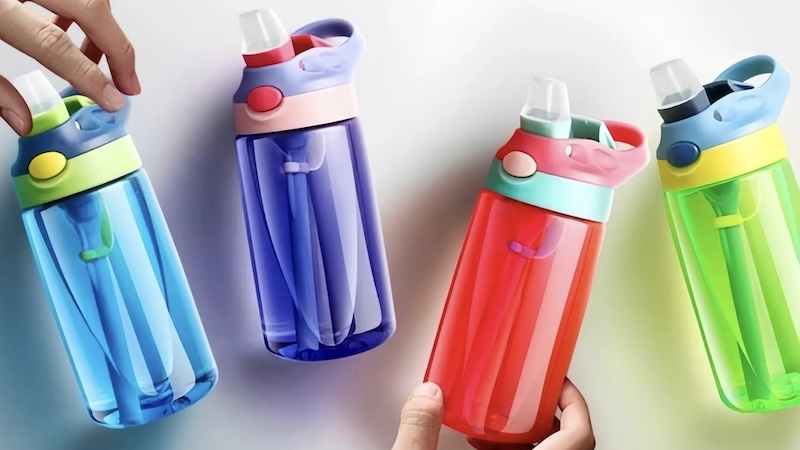
Plastic options, including acrylic and Tritan-style drinkware, are useful for poolside, patios, kids, and high-traffic events. They are commonly lower-risk for breakage and often easier to merchandise in multipacks at accessible USD price points. For assortment planning, separate premium reusable plastic from low-end disposable perception. Clear labeling around care instructions and expected lifespan helps customers choose confidently and helps your source reduce avoidable returns.
The most effective assortment is not the biggest one. It is the one that matches how your customers actually shop. Start with your niche, then build layers of drinking glasses and complementary things drinkware that solve specific use cases. A suburban home-goods store, an urban gift boutique, and a specialty kitchen retailer can all buy from the same source but require different product depth.
A practical planning structure:
Define core demand first. Keep high-rotation drinking glasses in stock year-round, including tumblers and simple stemware. These are your baseline revenue categories.
Add occasion-driven items. Bring in cocktail glasses, shot glasses, and celebratory sets around graduation, summer hosting, and year-end gifting windows.
Balance form and function. Pair attractive glass with durable alternatives such as stainless or plastic, especially if your customers include families, students, or outdoor entertainers.
Merchandise by lifestyle. Bundle wine beer glass options, mixers, and tools to mirror a restaurant bar setup for home hosts, while maintaining straightforward daily-use shelves for practical shoppers.
Buy to payment behavior and price sensitivity. In US retail, customers paying by Credit Cards, PayPal, or Apple Pay often respond well to clear good-better-best pricing tiers, such as $12.99 entry sets, $24.99 mid-tier, and $49.99 gift-grade collections.
Finally, let returns and reorder velocity guide refinement. If one source’s thin-rim stemware looks great but chips quickly, shift spend toward sturdier lines. If wholesale glassware bundles move quickly in 4-packs but stall in 12-piece sets, adjust pack architecture. Good assortment strategy is iterative: use sales-floor evidence to keep the right drinking glasses, improve your mix of things drinkware, and make your source decisions increasingly precise over time.
After defining material priorities in the previous section, the next step is translating those preferences into supplier requirements you can actually buy against. For most US retailers, the decision often comes down to two practical filters: how much you must buy and how fast the inventory can land in your warehouse or store.
When evaluating partners for drinking glasses and broader things drinkware assortments, start with minimum order quantities (MOQs) and wholesale pricing structures. MOQs directly affect your cash flow, storage space, and merchandising flexibility. A supplier may look attractive on per-unit pricing, but if the MOQ forces you to buy too many cocktail glasses or slow-moving specialty items, your margin can shrink once carrying costs are included. In contrast, a slightly higher unit cost with a lower MOQ can be the safer choice, especially for seasonal drops, new store locations, or test collections in a restaurant bar adjacent retail concept.
Use a structured review process:
Break down MOQ by SKU, case, and order value Some suppliers set MOQs per style, some per carton, and others by total order value in USD. Clarify whether 1 case of drinking glasses means 12, 24, or 36 units, and whether mixed-case ordering is allowed. If your source inventory strategy includes both staple tumblers and trend-led cocktail glasses, mixed-case flexibility is valuable.
Map pricing tiers to realistic reorder patterns Ask for tiered pricing at volumes you will truly buy, not just at ideal high-volume targets. For example, compare cost at 5, 20, and 100 cases of wholesale glassware. Include freight estimates so landed cost is clear. The best partner is not always the lowest invoice price; it is often your source for predictable margin over repeated purchase cycles.
Confirm payment terms and transaction options In the US market, many retailers expect Credit Cards, PayPal, or Apple Pay for initial orders, then may transition to net terms after account history is established. Payment flexibility matters when scaling things drinkware quickly for holiday peaks or event-driven demand in wine beer service categories.
Check breakage, replacement, and return policies With glass, breakage risk is operational reality. Review how quickly damaged drinking glasses and shot glasses are credited or replaced, and whether claims must be filed within a strict window after delivery. A strong policy protects margin and keeps shelf sets complete.
Once MOQ and pricing are workable, lead time and shipping performance become decisive. A supplier can offer excellent cocktail glasses and wholesale glassware pricing, but if replenishment takes too long, stockouts can hurt both sales and customer trust. Evaluate lead times at three levels: production lead time, warehouse processing time, and transit time to your US destination. Ask whether items are stocked domestically or imported after order placement. For retailers serving a restaurant bar customer base, speed often matters more than absolute lowest cost because replacement demand is immediate.
Geographic availability should be reviewed state by state, not just nationally. Some suppliers can ship drinking glasses to all 48 contiguous states quickly but add delays or surcharges for Alaska, Hawaii, or rural ZIP codes. If you operate multiple locations, test a sample shipment to each region before committing. Also check split-shipment capabilities when one DC needs tumblers and another needs shot glasses and cocktail glasses for local promotion.
A practical lead-time checklist includes:
In-stock vs. made-to-order status for each core SKU in your things drinkware assortment.
Standard dispatch window in business days after payment clears via Credit Cards, PayPal, or Apple Pay.
Carrier options and service levels, including ground vs. expedited shipping within the US.
Delivery performance during peak periods like Q4, wedding season, and summer hospitality spikes tied to wine beer and entertaining demand.
Backorder communication quality, including whether substitutes in similar drinking glasses profiles are offered.
Finally, align supplier reliability with your compliance and brand risk standards. While most drinkware is not sold with health claims, any coatings, decorations, or food-contact surfaces should be suitable for intended use, and supplier documentation should support US expectations around FDA-related food-contact safety considerations when applicable. This is especially important if your assortment includes decorated cocktail glasses or novelty things drinkware that customers use in high-turnover restaurant bar environments. Strong documentation, dependable replenishment, and transparent pricing together define your source for sustainable growth, whether you focus on everyday drinking glasses, premium wholesale glassware, or curated sets blending wine beer service pieces with giftable shot glasses.
Once you have compared minimum order quantities, lead times, and shipping reliability, the next decision is brand and manufacturing fit. In practice, your source for drinking glasses should be evaluated as carefully as your pricing sheet, because product consistency, replacement availability, and perceived value all affect sell-through at the shelf and in a restaurant bar setting.
For many US retailers, three names appear repeatedly when evaluating premium drinkware portfolios: Libbey, Arc Cardinal, and Riedel. Libbey is often chosen for broad assortment depth, especially when you need practical cocktail glasses, classic tumblers, and dependable shot glasses that can move in both hospitality and home channels. Arc Cardinal is frequently associated with high-volume durability and clean modern styling, making it a strong fit when your customer base includes operators buying for a busy restaurant bar program. Riedel, by contrast, is more specialized in experience-driven formats, especially wine beer service-focused stemware and varietal-specific shapes that command higher average ticket pricing. If your assortment strategy includes both opening-price-point and premium tiers, combining these manufacturer relationships can help you cover everyday drinking glasses as well as aspirational pieces without overcommitting to one style profile.
Balancing quality and affordability is where wholesale strategy becomes real margin strategy. Premium positioning does not always require stocking only top-tier SKUs. A common approach is to build a “good, better, best” architecture across things drinkware categories so each customer segment has an obvious entry point. For example, you might carry high-turn, value-oriented drinking glasses for impulse replacement purchases, mid-tier cocktail glasses for gifting and entertaining, and premium stemware for enthusiasts. This structure protects margin while still giving your store a quality story. In US terms, buyers often compare landed cost in USD against realistic shelf pricing and breakage expectations, then map each item to target gross margin bands. Payment flexibility matters too, especially when opening larger seasonal orders. If your source accepts Credit Cards, PayPal, and Apple Pay for qualifying accounts or invoices, you can smooth cash flow while testing new things drinkware lines in smaller batches before scaling reorder volume.
Supplier experience and industry reputation should be validated with operational questions, not just catalog presentation. Ask how long the manufacturer or distributor has served US retail and hospitality accounts, how frequently molds or lines are updated, and how they handle continuity when a popular SKU is revised. In drinkware, quiet consistency is a competitive advantage: the replacement glass ordered six months later should match the original run closely enough for mixed sets and restaurant bar replenishment. Also confirm service standards around damage claims, backorder communication, and fulfillment accuracy. Experienced partners usually provide clear policies and predictable turnaround, which reduces friction for your team and protects customer trust.
A focused qualification checklist can keep evaluations objective:
Brand-position fit: Does the lineup cover your core needs in drinking glasses, cocktail glasses, and shot glasses without forcing overbuying in slow categories?
Margin realism: Can wholesale glassware costs support your target MSRP while accounting for freight, breakage reserve, and promo discounting?
Operational reliability: Are fill rates, case-pack logic, and reorder timelines dependable enough for seasonal US demand spikes?
Reputation signals: Do long-term buyers in retail and restaurant bar channels describe the partner as consistent, responsive, and fair during claim resolution?
Compliance and risk controls: Are materials and product claims presented in a way that aligns with FDA regulations where health-related statements might be implied?
The strongest partnerships are rarely the cheapest on paper. They are the ones that let your source of things drinkware scale with you, maintain quality across replenishment cycles, and preserve margin discipline while meeting customer expectations for design, durability, and value.
After reviewing leading brand partnerships, the next practical step is side-by-side comparison. Even if a catalog looks strong, US buyers still need to confirm whether a supplier can support real day-to-day purchasing for drinking glasses across multiple sales channels and seasonality patterns.
A useful comparison framework starts with where each supplier is strongest, then moves to cost clarity and post-sale support. For most US retailers, the goal is to keep your source consistent enough to avoid frequent requalification while still expanding things drinkware assortments as demand shifts from basic tumblers to specialty cocktail glasses for home entertaining and restaurant bar programs.
A broad catalog only helps if products are organized in a way that matches how your customers buy. When comparing wholesale glassware options, check whether drinking glasses are grouped by real use case, not just by shape name. A supplier that separates everyday kitchen sets, event-ready cocktail glasses, and heavy-duty restaurant bar lines makes assortment planning faster and reduces purchasing errors.
In practice, strong categorization should let you build balanced sets across size, durability, and margin tiers. For example, if your shoppers buy wine beer bundles for parties, you should be able to quickly pair stemware, pilsner formats, and complementary shot glasses without searching multiple disconnected sections. The same applies to hospitality accounts: a restaurant bar buyer may want stackable highballs, mixing glasses, and replacement-ready rocks glasses in one filtered path.
Look for suppliers that identify key product attributes clearly:
Capacity in ounces and recommended pour use.
Material and treatment, such as tempered or lead-free glass.
Commercial versus residential suitability.
Case-pack options for store shelves versus back-of-house replenishment.
Care instructions, including dishwasher durability claims that align with FDA regulations when health or safety language appears.
A well-structured catalog improves forecasting because your source data is easier to map into merchandising plans. It also helps buyers prevent over-indexing on one style while missing profitable adjacent things drinkware categories that can lift average order value.
Pricing comparison should go beyond headline unit cost. Two suppliers may quote similar prices on drinking glasses, but actual profitability changes once carton breaks, freight thresholds, and discount timing are applied. Ask each supplier to provide a full landed-cost view in USD, including per-case pricing, minimum reorder quantity, and any surcharges tied to fragile packing.
For US retail teams, transparency matters most when you scale reorders. If cocktail glasses are priced at $2.40 each on paper but only at a 5-case minimum, your source may not fit test-market volumes. Conversely, a slightly higher unit quote with flexible breaks can produce better cash flow and lower markdown risk. This is especially relevant when you run mixed assortments that include shot glasses, classic beverage tumblers, and wine beer sets across multiple stores.
When evaluating discount structures, compare these elements in the same template:
Tier thresholds by units and by dollars.
Whether discounts apply per SKU or combined things drinkware spend.
Promotional windows and date cutoffs using MM/DD/YYYY for purchase order planning.
Payment-term impact, including availability of Credit Cards, PayPal, and Apple Pay for smaller or urgent buys.
Policies on price protection if costs change between order placement and ship date.
A reliable supplier should explain pricing in plain terms and give consistent formulas for repeat buys. If you have to recalculate every invoice to understand margins, your source is creating hidden operational cost. The best partners make it easy to estimate margin by channel, whether you sell direct-to-consumer gift bundles or fulfill restaurant bar replacement programs.
Customer service quality often becomes visible only when a shipment arrives damaged or incomplete. That is why returns and support responsiveness should be scored before you commit larger volume. For drinkware, where breakage risk is inherent, compare how each supplier handles claims on drinking glasses, especially for high-velocity cocktail glasses and fragile specialty lines.
Start with response standards. A dependable support team should define clear service windows, escalation contacts, and documentation requirements for freight claims. If your source expects photos, carton labels, and delivery timestamps, these steps should be listed upfront so your receiving team can comply quickly. Clear processes reduce claim disputes and protect sell-through timelines for seasonal things drinkware launches.
Also evaluate whether return policy language is practical for retail operations:
Claim filing deadlines after delivery.
Restocking fees for unopened versus opened cases.
Credit issuance speed and format.
Replacement shipping responsibility for supplier error.
Exceptions for discontinued SKUs and custom packs.
For US buyers serving both ecommerce and store shelves, flexibility matters. A supplier that offers partial credits, replacement cartons, or rapid reship options can preserve customer satisfaction when restaurant bar clients need immediate replenishment. Review policy consistency across all product families, including shot glasses and wine beer assortments, so you are not surprised by stricter rules on specific categories.
Ultimately, service terms reveal how dependable your source will be under pressure. Strong communication and fair returns protect margin just as much as initial pricing, especially in categories like drinking glasses where minor logistics issues can quickly become expensive.

After comparing product range, pricing clarity, and support policies, the final decision comes down to execution consistency. At this stage, you are not only choosing who ships drinking glasses, cocktail glasses, and specialty things drinkware, you are choosing your source for reliability inside a fast-moving U.S. restaurant bar environment.
The strongest final selections are usually made with a practical scorecard and a short trial period, not just with a catalog review. A supplier can look excellent on paper, yet still create friction if lead times slip, breakage rates are high, or reorder communication is weak. For operators managing a restaurant bar program, those details affect service speed, replacement cycles, and profit per pour.
A practical way to decide is to rank your top two or three candidates against the same factors, then pressure-test them using a real purchase. Keep the framework simple enough that your team actually uses it.
Create a weighted decision matrix tied to operations Focus on what impacts daily execution in your business, not generic procurement checklists. Typical weighted factors include fill quality consistency, packaging protection for drinking glasses and cocktail glasses, reorder lead times, minimum order quantities, and damage-resolution speed. If your concept includes high-volume weekend traffic, place extra weight on availability and replenishment cadence. If presentation drives premium pricing, place more weight on finish quality across things drinkware lines such as stemware and shot glasses. In a U.S. setting, include payment flexibility in your matrix, especially whether the supplier supports Credit Cards, PayPal, or Apple Pay and whether terms become available after several successful orders. The matrix helps you compare options objectively and identify your source for each key category.
As you move from final selection into relationship building, the practical goal is consistency: the same quality, delivery reliability, and communication cadence every time you reorder. The strongest outcomes come from treating your source as a long-term operational partner, not just a one-time checkout cart for drinking glasses.
At this stage, the most useful takeaway is that selection and partnership are inseparable. A supplier may look attractive on first order pricing, but if they cannot sustain inventory depth across cocktail glasses, shot glasses, and everyday drinking glasses, your restaurant bar program will eventually feel the strain. Reliable things drinkware planning means mapping each product line to service needs, replacement cycles, and menu evolution, then confirming your source can support that plan over multiple order periods.
A concise decision framework can keep this practical:
Prioritize fit by service model, not by catalog size alone. For a high-volume restaurant bar, durable dishwasher-safe drinking glasses and stackable cocktail glasses may matter more than novelty items. If your source carries broad wholesale glassware but lacks the exact rim profiles, capacities, and case packs you need, operational friction follows. Start from your use case: table water service, wine beer programs, mixed drinks, and events. Then verify things drinkware options align with that real workflow.
Validate pricing clarity beyond headline unit cost. True value comes from landed cost and reorder predictability. Confirm breakpoints, freight terms, minimums, and lead times in writing, then compare scenarios like 6-case, 12-case, and pallet buys in USD. Your source should be transparent about how cocktail glasses and drinking glasses are priced when demand spikes seasonally. Stable structures help restaurant bar teams protect margins without sacrificing guest-facing quality.
Stress-test reliability before scaling. Place an initial order that includes core drinking glasses plus a smaller mix of cocktail glasses and shot glasses. Evaluate pack integrity, damage rates, and responsiveness during claims. A dependable your source relationship is shown in how issues are handled, not only how the first invoice looks. For restaurant bar operations, a fast, clear replacement process can prevent service interruptions during peak weekends.
Standardize communication and payment workflows early. Long-term performance often depends on process discipline. Set reorder thresholds, identify primary contacts, and agree on check-in cadence. Use payment methods your accounting team already controls, such as Credit Cards, PayPal, or Apple Pay, to keep procurement efficient and traceable. When your source supports these workflows cleanly, things drinkware replenishment becomes routine rather than reactive.
Treat compliance and product claims with care. If any messaging touches food contact safety or wellness-adjacent claims, ensure products and descriptions align with applicable FDA regulations and labeling expectations. Most restaurant bar buyers do not need complex legal interpretation, but they do need cautious, accurate language. With drinking glasses and cocktail glasses, focus on verified material specs and usage guidance rather than exaggerated performance claims.
Q1: What should I look for when choosing a drinkware supplier for my retail business?
When selecting a drinkware supplier, prioritize product quality, minimum order quantities that match your inventory capacity, and competitive wholesale pricing that allows healthy margins. Evaluate their product range to ensure it aligns with your customer demographics—whether you need everyday tumblers, premium cocktail glasses, or specialty drinkware. Reliability is crucial: assess their shipping times, consistency in fulfilling orders, and return/defect policies. Look for suppliers offering customization options if you plan to create private-label products. Finally, consider their customer service responsiveness and whether they provide product samples before committing to large orders. A supplier who understands retail seasonality and can scale with your business growth will become a valuable long-term partner.
Q2: What are typical minimum order quantities (MOQs) for drinkware suppliers?
Minimum order quantities for drinkware suppliers vary significantly based on the supplier type and product category. Domestic US wholesalers often have lower MOQs ranging from 24 to 144 pieces per style, making them accessible for smaller retailers testing new products. Overseas manufacturers, particularly those in China and India, typically require higher MOQs of 500 to 5,000+ units per design, though they offer lower per-unit costs. Mid-tier suppliers may set MOQs around 200-500 pieces. Some suppliers also impose dollar-value minimums rather than piece counts, typically ranging from $500 to $2,000 per order. For retailers just starting out, seeking suppliers with flexible or tiered MOQ structures can help manage cash flow while building inventory strategically.
Q3: How do drinkware suppliers handle custom branding and private labeling?
Many drinkware suppliers offer custom branding services including logo printing, engraving, etching, and custom packaging for retailers wanting to build private-label products. Methods vary by material: glass drinkware commonly uses screen printing, decal application, or sandblasting for frosted logos, while stainless steel options may feature laser engraving or powder-coated designs. Customization typically requires higher MOQs (often 500-1,000+ pieces) and involves setup fees ranging from $50 to $500 depending on complexity. Lead times extend 4-8 weeks beyond standard orders to accommodate design approval and production. Suppliers may provide design assistance, mockups, and samples before full production. For retailers, private labeling creates brand differentiation, customer loyalty, and often justifies premium pricing, though it requires upfront investment and longer planning cycles.
Q4: What are the typical profit margins on wholesale drinkware for retailers?
Retail profit margins on drinkware typically range from 50% to 100% markup over wholesale cost, though this varies by product type, quality tier, and competitive positioning. Standard drinking glasses and everyday tumblers often operate at 50-70% margins due to higher competition and price sensitivity. Premium cocktail glasses, specialty barware, and designer collections can command 80-150% markups, especially when paired with attractive merchandising and gifting narratives. Private-label and customized drinkware generally achieves higher margins (70-120%) since comparison shopping is more difficult. Seasonal or trending items may temporarily support premium pricing. Successful retailers balance volume items with attractive baseline margins against premium pieces that elevate average transaction values, creating a portfolio approach that optimizes both turnover and profitability across the drinkware category.
Q5: How long does shipping typically take from drinkware suppliers?
Shipping timelines from drinkware suppliers depend heavily on supplier location and shipping method. Domestic US suppliers typically deliver within 3-10 business days via ground shipping, with expedited options available for rush orders. International suppliers shipping from Asia generally require 30-60 days for sea freight (the most economical option for bulk orders) or 7-14 days for air freight (significantly more expensive but faster). European suppliers usually ship within 14-21 days. Many established suppliers maintain US-based warehouses to reduce lead times even when manufacturing overseas. Factors affecting delivery include customs clearance for international orders, product availability, order size, and seasonal demand spikes. Retailers should plan inventory 60-90 days ahead when sourcing internationally, while domestic reorders can support just-in-time inventory strategies with weekly or bi-weekly replenishment cycles.
For U.S. operators, the conclusion is straightforward: treat drinkware as operational equipment, not just décor. The right mix of drinking glasses, cocktail glasses, shot glasses, and wine beer formats directly affects portion consistency, guest perception, breakage costs, and service speed in any restaurant bar. When teams standardize what they buy and why they buy it, they reduce confusion on the floor, protect margins, and keep presentation consistent across dayparts.
A strong closeout framework for drinkware decisions should include five practical checks:
Function before trend. Confirm each SKU has a defined use case in your restaurant bar, including target pours, garnish style, and storage footprint. If a glass shape cannot be tied to service flow or menu design, it is likely excess inventory.
Durability tied to total cost. Compare not only case pricing in USD, but also expected lifespan under your wash program and handling patterns. In many settings, slightly higher upfront wholesale glassware cost is justified if replacement frequency drops.
Safety and compliance discipline. Verify products intended for beverage contact are appropriate for commercial use and align with FDA-related material expectations for food-contact items. Keep written product specs and invoices organized for audit readiness.
Par-level planning by station. Build pars for bar, service well, patio, banquet, and backup stock separately. This avoids overbuying one style of drinking glasses while running short on core cocktail glasses during peak nights.
Procurement consistency. Use one approved item list and one purchasing workflow so managers are not ordering mismatched things drinkware from multiple channels without quality control.
This approach helps clarify what “your source” should mean in practice. In a procurement context, your source is not just where you click to buy. Your source is the place in your process where standards are documented, substitutions are controlled, and incoming cases are checked against specs. If your source of truth is inconsistent, your floor execution will also be inconsistent, no matter how attractive the catalog appears.
In day-to-day operations, successful programs usually separate drinkware into practical tiers. Core daily-use drinking glasses cover high-turn service. Specialized cocktail glasses support signature builds and premium presentation. Volume-support items, including dependable shot glasses and stackable options, protect throughput on high-traffic nights. Event-ready reserves handle spikes without forcing emergency purchases at unfavorable prices. This tiered model gives managers flexibility without sacrificing uniformity.
It is also important to recognize how drinkware interacts with menu economics. A pour can be technically correct yet feel visually weak in an oversized vessel. Conversely, a smaller silhouette can make the same pour appear more generous. Standardized cocktail glasses and drinking glasses allow beverage teams to present wine beer and spirits programs with predictable visual value, which supports guest trust and reduces comp risk tied to perceived underpours. In a restaurant bar, visual consistency is part of quality control.
From an inventory perspective, disciplined operators avoid treating all breakage as unavoidable loss. Some breakage is normal, but recurring patterns often point to preventable issues: glass geometry that does not fit dish racks, shelves set too high for safe unloading, thin rims in high-volume stations, or rushed handoff procedures at expo. When teams track breakage by glass type and station, they can adjust ordering patterns and retraining plans. That is where thoughtful things drinkware selection pays off beyond initial purchase price.
Payment workflow is another practical closeout point for U.S. buyers. Standardizing approved payment methods such as Credit Cards, PayPal, and Apple Pay can speed reorders and improve documentation. Consistent payment channels also make it easier to reconcile invoices, monitor price shifts, and validate that each case of drinking glasses or cocktail glasses matches approved SKUs. Procurement discipline is operational discipline.
Seasonality should be built into your conclusion as well. Patio months, holiday banquets, and local event calendars can quickly stress a restaurant bar inventory plan. Instead of reacting late, teams should set reorder triggers in advance for core drinking glasses, backup shot glasses, and specialty cocktail glasses tied to seasonal menus. Planned buys are usually cleaner than urgent buys, especially when freight windows tighten and substitutions become more likely.
Finally, quality control should continue after delivery. On receipt, managers should inspect a sample from each case for seam consistency, rim finish, and dimensional uniformity. Even reliable wholesale glassware programs can vary lot to lot. A simple intake checklist prevents flawed inventory from entering active service and reduces downstream frustration at the bar. Over time, this habit creates a clearer record of which things drinkware lines perform best under your exact operating conditions.
In short, the conclusion is not that there is one perfect catalog. The conclusion is that effective drinkware management comes from a repeatable system: define standards, buy to function, verify compliance, monitor breakage, and reorder intentionally. When that system is in place, drinking glasses and cocktail glasses stop being a recurring pain point and become a stable part of beverage profitability.
For teams refining their next purchasing cycle, keep the end goal simple: every glass on the shelf should earn its space. If an item improves speed, durability, and guest presentation in your restaurant bar, it belongs. If it does not, remove it from the approved list. Treat your source of standards as carefully as your source of product, and your drinkware program will stay resilient through menu changes, staffing shifts, and seasonal volume swings.
That is the durable advantage: not chasing trends, but building a controlled, practical framework for drinking glasses and related things drinkware that performs reliably shift after shift.
 English