



Can one city really decide whether your next product launch succeeds or stalls? For many importers, Amazon sellers, retail buyers, and brand builders, Shenzhen is that city. Its dense network of factories, component vendors, and trading hubs makes it one of the most practical places to source electronics and related products at scale. This guide starts by helping you see the landscape clearly, so your sourcing decisions are faster, safer, and tied to profit.
When people refer to Shenzhen markets, they often mean very different channels under one label: public wholesale malls, specialized component floors, private showrooms, and factory-connected sales offices. If you treat them as the same, you risk comparing unlike quotes, misjudging lead times, or buying products that are difficult to support after shipment. A better approach is to map each market type to your business goal before you ask for prices.
In practical terms, electronic markets in Shenzhen are best understood as an ecosystem rather than a single destination. Some areas are strong for finished consumer products, others for parts and modules, and others for low-MOQ testing orders. This matters because your stage of business changes what "good sourcing" looks like. A first test order might prioritize flexibility and speed, while a mature SKU may require stable quality controls, better payment terms, and tighter production planning.
To approach Shenzhen electronics markets effectively, start with a simple sourcing lens:
Product clarity first: Define your exact item, target cost, required certifications, and packaging needs before market outreach.
Channel fit second: Decide whether you need component-level sourcing, finished-goods wholesale, or a factory-direct path.
Verification early: Confirm business identity, production capability, and sample consistency before scaling orders.
Total cost mindset: Include tooling, defects, shipping, and payment risk, not just unit price.
Relationship strategy: Build a shortlist of repeatable partners instead of chasing one-off bargains.
This framework keeps your search for Shenzhen electronic wholesale options grounded in business outcomes, not market noise. It also prepares you for the core sections ahead, where we break down how to identify reliable sellers, compare quotations, negotiate terms, inspect quality, and manage logistics from inquiry to delivery.
Because electronics sourcing can involve many moving parts, many buyers also common comparisons market vendors against broader electronics wholesale distributors in China. Doing both gives you stronger negotiating context and helps you spot when a market quote is attractive but operationally weak. In some cases, working with a vetted product sourcing company can reduce communication friction and help coordinate supplier checks, sample handling, and order follow-through.
The key point for this introduction is simple: treat Shenzhen as a structured sourcing system, not a single shopping trip. With that mindset, each supplier conversation becomes a strategic comparison, and each order decision supports long-term margin, quality, and delivery reliability.
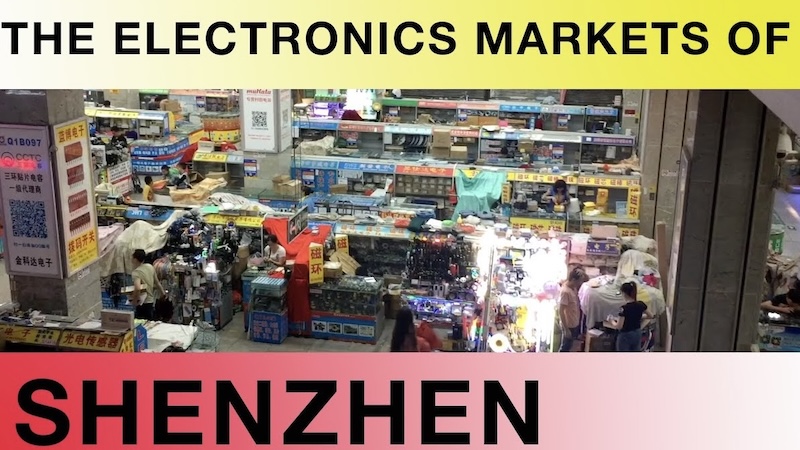
With the market landscape in view, the practical question becomes where to start walking the floor and meeting sellers. Among Shenzhen markets, three hubs stand out for different sourcing goals: Huaqiangbei for electronics depth, Luohu Commercial City for mixed-category buying, and Dongmen for trend-led, fast-turn products.
If your focus is components, devices, accessories, or private-label tech, Huaqiangbei is usually the center of gravity in Shenzhen electronics markets. The district is made up of multiple buildings, each with different strengths, from chips and modules to phone accessories and repair parts. For buyers working in Shenzhen electronic wholesale, this concentration helps you compare prices, MOQs, and lead times in one trip instead of spreading visits across the city.
For better outcomes, treat Huaqiangbei as a verification environment, not only a price-hunting trip. Shortlist target SKUs before arrival, test samples on-site, and confirm whether sellers are trading companies or direct factories. Ask for consistency details such as packaging standards, version control, and replacement policy. If your team is new to China product sourcing, a product sourcing agent/company can help validate suppliers, reduce communication gaps, and connect you with suitable electronics wholesale distributors in China after initial market discovery.
Luohu Commercial City is valuable when your catalog includes non-electronic lines or gift-oriented products that complement core items. While it is not as technically specialized as electronic markets in Shenzhen, it offers broad exposure to fashion accessories, luggage, watches, and small consumer goods often used in bundled retail programs. For importers testing category expansion, this market can help identify add-on products that improve average order value.
From a sourcing workflow perspective, Luohu is useful for early-stage assortment building. You can compare styling, finishing quality, and packaging options quickly, then narrow vendors for follow-up factory checks. Keep negotiations structured: clarify unit pricing tiers, customization limits, and re-order timelines before committing. Buyers who plan blended shipments from multiple categories should also discuss carton labeling and consolidation terms early, since these details affect downstream logistics and landed cost.
Dongmen is known for high-traffic retail energy, but it can still support wholesale discovery when you are tracking trends and price-sensitive products. Compared with Shenzhen markets built around components, Dongmen gives faster visibility into what is currently moving in accessories, apparel-adjacent goods, and impulse categories. That makes it useful for product scouting, especially when you need to refresh lines quickly.
Use Dongmen mainly as a demand signal and product concept checkpoint. Observe design patterns, materials, and merchandising styles, then verify whether identified items are available through stable wholesale channels. Some sellers may focus on small-batch turnover, so confirm production continuity and QC expectations before scaling. For businesses building repeatable procurement systems, combine Dongmen trend insights with supplier qualification from a Product Sourcing Company to avoid one-off purchasing risks and create a more reliable sourcing pipeline.
Together, these three markets support different stages of product sourcing, from technical validation to assortment expansion and trend detection, giving buyers a practical route through Shenzhen electronic wholesale and beyond.
After reviewing key buying hubs, the practical challenge is execution on the ground. Success in Shenzhen markets depends less on luck and more on preparation, communication discipline, and a clear sourcing process tied to your business goals.
Before entering Shenzhen electronics markets, define exactly what you are sourcing: product category, target quality, acceptable defect rate, packaging requirements, and landed cost target. Bring this as a one-page brief so conversations stay focused and comparable across booths. For buyers exploring electronic markets in Shenzhen, this single document prevents impulse decisions and helps you evaluate offers by business fit, not just headline price.
Plan your visit in layers. Start with market mapping, then shortlisting, then negotiation. In practice, that means identifying priority floors or blocks, setting daily meeting windows, and leaving time for follow-up visits with your top candidates. If your catalog includes multiple SKUs, group meetings by product family so you can compare Shenzhen electronic wholesale options more efficiently.
A practical field kit also improves outcomes: sample photos, specification sheets, test checklist, business cards, and a live tracking sheet for MOQ, lead time, tooling costs, and payment terms. Capture every quote in the same format. That structure makes it easier to decide whether to buy directly, work with electronics wholesale distributors in China, or engage a product sourcing company for verification and order management.
In fast-paced Shenzhen markets, clear communication is a commercial skill. Keep requests specific and concrete: ask for material grade, certification scope, production lead time, and what changes at different volume tiers. Instead of asking for the "best price," request pricing under clear conditions, such as unit cost at 500, 1,000, and 3,000 units with your required packaging. This reduces misunderstandings and gives you a realistic basis for negotiation.
Use a short supplier question framework to keep meetings productive:
Product capability: Can this exact specification be produced consistently?
Commercial terms: What are MOQ, lead time, payment stages, and sample cost?
Quality control: How are inspections handled before shipment?
Customization: What branding, packaging, or firmware changes are possible?
Risk controls: What happens if output differs from approved samples?
After each discussion, send a brief written recap the same day. Confirm agreed specs, target price, timeline, and next action. This simple habit is especially valuable in Shenzhen electronics markets, where buyers often compare many suppliers quickly. It also creates cleaner handoff documentation if you later work with a product sourcing team. By combining disciplined prep with structured communication, you can navigate Shenzhen markets with fewer surprises and build a sourcing pipeline that scales.
Strong preparation and clear communication put you in a better position to discuss numbers with confidence. In Shenzhen markets, pricing is rarely just a sticker on a sample. It is a structure tied to order volume, product specs, payment terms, and delivery expectations.
In major Shenzhen electronics markets and other Shenzhen electronic wholesale zones, suppliers usually quote by quantity tiers. A low minimum order quantity may carry a higher unit price, while larger orders reduce cost per unit. Ask for a price ladder in writing, such as 100, 500, and 1,000 units, so you can model your margins before committing.
For electronic markets in Shenzhen, pricing often changes with component quality, packaging, branding, and testing standards. A "same" product can have very different internal parts, so compare specifications line by line. Clarify whether the quote is ex-factory, includes domestic delivery to your forwarder, or covers export packaging. These details matter as much as the unit price when sourcing a China product for resale.
Effective negotiation in Shenzhen markets is collaborative, not aggressive. Start by confirming your target specification and forecast volume, then request the supplier’s best price for repeat business rather than a one-time order. This approach often opens better terms on both price and production priority.
Use a structured negotiation checklist:
Confirm MOQ, tier pricing, and lead time in one message.
Ask what changes the price: materials, logo, accessories, or packaging.
Negotiate bundled value, such as spare parts, labeling, or carton upgrades.
Lock payment milestones clearly, including deposit and final balance triggers.
Reconfirm the final pro forma invoice before production starts.
If you are comparing electronics wholesale distributors in China, evaluate total landed cost and reliability together. A product sourcing company can help standardize supplier quotes so you compare like-for-like terms instead of mixed assumptions.
Many first-time buyers focus on headline unit cost and miss downstream expenses. In Shenzhen electronics markets, common hidden costs include sample fees, mold or tooling charges, third-party inspection, export packing upgrades, and bank transfer fees. Depending on your channel, you may also need barcodes, compliance labels, or retail-ready packaging adjustments.
Logistics can also shift your final margin. Freight rates, insurance, customs duties, and local last-mile delivery may outweigh small unit-price differences. Build a full-cost worksheet before placing orders, including a buffer for rework or replacement units. For businesses scaling Shenzhen electronic wholesale purchasing, this cost discipline protects cash flow and helps you choose suppliers who support long-term growth, not just the lowest first quote.

Good pricing only creates value when the supplier can deliver consistent quality and dependable service. After comparing quotes and hidden costs in Shenzhen markets, your next priority is supplier reliability, because weak execution can erase any negotiated savings.
In electronic markets in Shenzhen, start verification before placing a full order. Ask for clear company details, product specifications, and recent production photos that match the item you are sourcing. Then request samples from at least two shortlisted vendors so you can compare build quality, packaging, labeling accuracy, and functional performance side by side.
For Shenzhen electronics markets, use a simple three-layer check:
1. Document check: business license, export capability, and product compliance documents relevant to your category.
2. Product check: sample testing against your required specs, including dimensions, materials, compatibility, and failure rate during basic stress use.
3. Process check: lead time consistency, response speed, and willingness to confirm quality standards in writing.
If you are building a repeat electronics wholesale program, define acceptance criteria before payment milestones. That keeps disputes objective and helps you compare suppliers on execution, not only on price.
When sourcing through Shenzhen electronic wholesale channels, certain warning signs appear early. A supplier that avoids specific answers about factory location, production capacity, or warranty handling should be treated cautiously. The same applies when quotations change frequently without a clear material or component reason.
Watch for these operational red flags:
- Sample quality that does not match mass-production promises.
- Pressure to pay quickly without a formal proforma invoice or agreed terms.
- Refusal to document specifications, inspection standards, or defect handling.
- Inconsistent communication between sales contact and technical contact.
- Unrealistic lead times that conflict with component availability.
Also look at behavior during negotiation. Reliable wholesale distributors usually discuss trade-offs directly, while risky suppliers may overpromise on every point. In Shenzhen markets, disciplined skepticism protects margin more effectively than optimistic assumptions.
Strong supplier relationships reduce risk, improve forecasting, and often unlock better terms over time. After your first successful order, move from transactional buying to structured account management: share rolling demand estimates, provide consolidated feedback, and review performance after each shipment.
For buyers exploring electronics wholesale distributors in China, relationship quality is practical, not symbolic. Set regular checkpoints on quality trends, delivery performance, and corrective actions. Keep records of defect categories, replacement timing, and communication response windows. This creates a shared operating baseline and makes scaling smoother.
In Shenzhen markets, the most dependable partners usually earn larger allocations gradually. Start with smaller repeat orders, expand volumes only after consistent quality, and align payment terms with proven performance. This approach supports stable growth and helps your sourcing model stay resilient as product lines expand.
After evaluating product quality signals and supplier reliability, the final decisions come down to discipline in execution. In Shenzhen markets, buyers who perform consistently well treat sourcing as a repeatable system rather than a one-time bargain hunt.
Define your buying framework before you negotiate. In Shenzhen electronics markets, clear targets for product specs, acceptable defect levels, minimum order quantities, lead times, and landed-cost limits keep conversations focused and reduce costly compromises. A written framework also helps compare multiple offers objectively instead of choosing based on price alone.
Use total cost logic, not unit price logic. Shenzhen electronic wholesale pricing can look attractive at first glance, but practical decisions should account for packaging changes, testing requirements, payment terms, shipping method, and post-purchase issue handling. The strongest sourcing outcomes usually come from balanced trade-offs across cost, quality, and operational reliability.
Standardize verification at each decision point. Across electronic markets in Shenzhen, consistent checks on product samples, production consistency, and order documentation reduce ambiguity before funds are committed. A standardized process supports faster decisions, cleaner handoffs, and fewer misunderstandings when moving from inquiry to confirmed order.
Protect margin by planning for risk, not reacting to it. Red flags matter most when they are tied to predefined go or no-go criteria. Buyers navigating Shenzhen markets should treat unclear communication, shifting terms, or inconsistent product details as decision triggers, not minor inconveniences, so risk control remains part of normal procurement rather than an emergency response.
Prioritize relationship quality that supports repeatability. Sustainable results in Shenzhen electronics markets are built when expectations, accountability, and communication rhythms stay consistent across orders. The goal is not only to complete a single transaction, but to create a sourcing cycle that becomes more predictable, efficient, and scalable with each reorder.
Taken together, these points align sourcing decisions around clarity, cost realism, controlled risk, and long-term operating consistency. That combination is what turns early market research into dependable purchasing performance.
Q1: What are the main types of wholesale markets in Shenzhen?
Shenzhen's wholesale markets fall into several distinct categories: public wholesale malls like Huaqiangbei for electronics and components, specialized product markets such as SEG Electronics Market, factory showrooms in industrial districts, and private trading offices. Each serves different buyer needs—component markets suit prototype builders and repair shops, while factory showrooms work better for bulk orders with customization. Understanding these distinctions helps you choose the right venue based on your order volume, product category, and whether you need ready stock or custom manufacturing capabilities.
Q2: Do I need to speak Chinese to source products from Shenzhen wholesale markets?
While many suppliers in major markets have basic English skills, language barriers remain common, especially when negotiating complex terms or technical specifications. Larger stalls and showrooms serving international buyers often employ English-speaking staff. However, hiring a local sourcing agent or interpreter significantly improves communication accuracy, helps verify product details, and strengthens negotiation outcomes. Mobile translation apps can assist with simple interactions, but for serious purchasing decisions involving quality standards, payment terms, or customization requirements, professional language support is highly recommended.
Q3: What is the typical minimum order quantity (MOQ) in Shenzhen wholesale markets?
MOQs vary dramatically by market type and supplier. Public wholesale malls often allow small orders—sometimes as low as 1-10 units for ready stock items, making them ideal for testing products or small retail operations. Factory showrooms typically require larger commitments, ranging from 100 to 1,000+ units depending on the product complexity and customization level. Component markets may sell individual pieces or small batches. Always clarify MOQ early in negotiations, as it directly impacts unit pricing, and be prepared that lower quantities usually mean higher per-unit costs and limited customization options.
Q4: How can I verify product quality when sourcing from Shenzhen wholesale markets?
Quality verification requires multiple steps. Start by requesting samples before placing bulk orders—reputable suppliers expect this. Physically inspect products for build quality, test functionality, and compare against specifications. For larger orders, hire third-party inspection services to conduct factory audits and pre-shipment checks. Research supplier credentials by checking business licenses, visiting their factory if possible, and requesting references from previous buyers. Document everything with photos and written specifications. Many experienced buyers also conduct small trial orders first to assess quality consistency, supplier reliability, and after-sales support before committing to larger volumes.
To maximize outcomes in Shenzhen markets, treat each purchase cycle as a system: define product specs, validate supplier capability, test samples, confirm terms, and only then scale volume. This discipline is especially important in electronic markets in Shenzhen, where product variation can be subtle and quality differences are not always obvious at first glance. A structured approach helps you compare like-for-like offers instead of chasing the lowest quote.
For most importers, the real advantage of Shenzhen electronics markets is speed of iteration. You can review alternatives quickly, refine requirements, and improve your China product sourcing decisions in shorter cycles than in many other hubs. Still, speed should not replace control. Keep written specifications, approved sample references, packaging standards, and inspection checkpoints aligned before production begins. Doing this early protects margin, delivery timelines, and customer experience in your home market.
As you close this guide, focus on five decision-oriented actions:
Choose a sourcing model deliberately. Decide whether you will buy directly in Shenzhen electronic wholesale channels or work with a product sourcing agent/company for on-the-ground coordination. Your choice should match order complexity, internal bandwidth, and risk tolerance.
Standardize supplier evaluation. Use the same criteria across quotes: technical match, communication quality, production readiness, quality controls, and post-sale support. Consistent evaluation prevents emotional or price-only decisions.
Pilot before scaling. Start with a controlled trial order and clear pass/fail thresholds for quality, packaging, and lead time. A pilot is cheaper than correcting a large shipment failure.
Protect transaction clarity. Confirm payment terms, defect handling, replacement policy, and shipping responsibilities in writing before production. Clarity reduces disputes and protects working capital.
Build continuity, not one-off wins. Treat strong suppliers as long-term partners and review performance after each cycle. Continuous improvement turns sourcing into a strategic advantage.
If your team wants a faster path with tighter process control, a specialized Product Sourcing Company can help coordinate factory screening, sample management, quality checks, and order follow-through while you keep strategic ownership of product decisions. This is often useful when you are managing multiple SKUs, entering new categories, or balancing sourcing work against sales and operations.
Your next step is simple and concrete: select one priority product, create a one-page sourcing brief, and run a pilot through your chosen channel this month. That single execution cycle will tell you where to tighten your process and how to convert Shenzhen sourcing from a tactical purchase into a reliable growth engine.
 English