



A single oversight during container loading can lead to significant financial loss, cargo damage, and supply chain delays. Container loading supervision is the critical, proactive process of monitoring and verifying the stowage of goods into shipping containers to ensure safety, compliance, and integrity from origin to destination. This specialized inspection mitigates risks like improper weight distribution, inadequate securing, and incorrect documentation before the container doors are sealed. For businesses in the United States, effective loading supervision is not merely a procedural step; it is a fundamental safeguard for protecting assets and maintaining seamless logistics operations, inquire here for details.
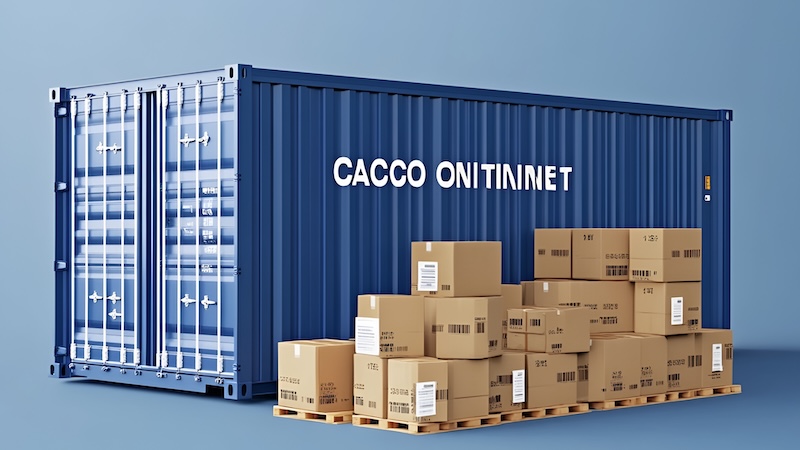
Following the initial planning phase, the physical process of container loading begins. Container loading supervision is the critical, on-site verification conducted by a qualified inspector to ensure cargo is packed correctly, securely, and in compliance with all contractual and quality requirements before the container doors are sealed for transit.
This loading inspection is a proactive risk management step.
Proper stowage and weight distribution to prevent in-transit damage.
Correct use of dunnage and securing materials like straps and braces.
Accurate documentation and marking of goods against the packing list.
Ultimately, this supervision provides documented assurance that your goods were loaded securely, forming a reliable chain of custody from origin to destination.
Understanding what container loading supervision entails reveals its critical role. It is a non-negotiable safeguard against costly errors and disputes that can derail your supply chain. Proper loading inspection directly prevents several key risks.
Prevents Damage and Loss: Supervisors ensure cargo is stowed, blocked, and braced correctly, preventing shifting and damage during transit. Learn more from Container Loading supervision. This protects your investment from the moment of loading unloading.
Ensures Documentation Accuracy: The supervisor verifies the count, condition, and packing of goods against shipping documents. This accurate loading supervision creates an indisputable record, crucial for resolving claims with carriers or insurance.
Mitigates Compliance Risks: For regulated goods, supervision confirms proper handling and segregation, helping avoid costly port holds or rejections in the US.
Without this oversight, you risk receiving damaged goods, facing shipment delays from incorrect documentation, and losing leverage in freight disputes. For US importers, integrating professional container loading inspection is a fundamental step in securing your cargo and financial interests.
Given its critical role in risk mitigation, effective container loading supervision requires a systematic approach. A professional supervisor's checklist is comprehensive, verifying every stage of the loading unloading process to ensure cargo integrity and compliance.
Key verification points include:
Cargo Condition & Documentation: Inspecting goods for damage, verifying quantities against packing lists, and confirming all required documentation is present and accurate.
Container Integrity & Suitability: Checking the cargo container for structural soundness, cleanliness, and fitness for the specific shipment, including proper ventilation if needed.
Stowage & Securement: Supervising the loading inspection to ensure proper weight distribution, correct use of dunnage and blocking, and that all cargo is secured to prevent in-transit movement.
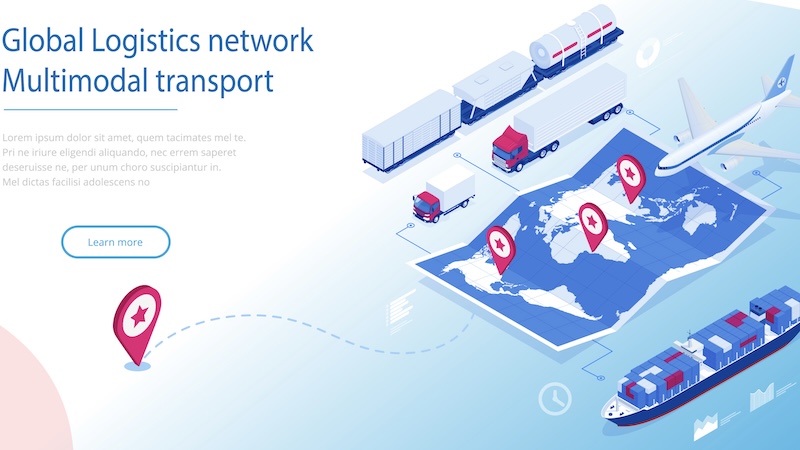
Building on the verification checklist, understanding key logistics terms is essential for effective container loading supervision.
WWT (Weight of Water in Tanks) and CW (Cargo Weight) are critical for accurate container loading and vessel stability calculations. Confusing these terms can lead to dangerous cargo shifts.
Key cost factors include:
Scope & Duration: Complexity and time on-site.
Location: Travel to remote US ports or warehouses.
Cargo Type: Special handling for hazardous or high-value goods.
A professional checklist ensures systematic loading inspection. It covers cargo verification, blocking and bracing, and container condition, providing a clear audit trail for compliance with US regulations.
Building on the practical checklist, a supervisor's expertise extends to strategic load planning. Container loadability is the maximum cargo weight and volume a container can safely and legally hold. It is a critical factor in container loading supervision, ensuring optimal space utilization while preventing dangerous overloading by the Chinese supplier.
Loadability is governed by a container's internal cubic capacity and its maximum gross weight rating. A professional loading inspection verifies that cargo distribution respects these limits. Proper loadability analysis prevents costly rework during loading unloading, ensures compliance with U.S. road weight limits, and protects cargo integrity during transit.
Building on the technicalities of loadability and stowage, effective container loading supervision is a critical risk management process. It ensures physical cargo integrity and verifies that all logistics documentation is accurate and complete before shipment.
Key actions for a successful operation include:
Conducting a pre-loading inspection of the empty container for structural soundness and cleanliness.
Supervising the loading process to verify proper stowage, blocking, and bracing to prevent in-transit damage.
Performing a final unloading supervision check at destination to document any discrepancies or damage for claims.
Ultimately, professional loading inspection provides documented proof of condition, protecting your financial interests and ensuring your cargo arrives as intended.
Following the key takeaways, here are answers to common questions about container loading supervision.
What is the primary goal of container loading supervision? The core goal is to ensure cargo is loaded safely, securely, and in compliance with all regulations to prevent damage and delays. This involves verifying proper blocking, bracing, and weight distribution.
What are the critical inspection points during loading? Key checks include:
Container Integrity: Inspecting for water damage, holes, or structural issues.
Cargo Securement: Verifying dunnage, straps, and load locks are correctly applied.
Documentation: Ensuring the packing list and bill of lading accurately reflect the loaded goods.
How does supervision differ between loading and unloading? Loading supervision focuses on proper stowage and securing from the origin. Unloading supervision at the destination prioritizes inspecting for any transit damage and verifying the cargo count and condition matches shipping documents.
When is professional loading supervision most crucial? It is vital for high-value goods, hazardous materials, oversized cargo, and shipments subject to strict US customs or FDA regulations to avoid costly rejections or fines.
Following the key takeaways and FAQs, the final step is implementing a robust strategy. Professional container loading supervision is the definitive safeguard for your cargo. This critical loading inspection process directly secures your financial and operational investment by ensuring proper stowage and documentation from the start.
Effective loading unloading oversight mitigates the primary risks of international shipping: damage, loss, and costly delays. By engaging expert loading supervision, you gain control and visibility, transforming a vulnerable logistical link into a secured asset. This proactive measure is essential for protecting the value within our container and ensuring a smooth supply chain.
 English