



What if the biggest barrier between your brilliant idea and a successful product isn't the idea itself, but the daunting process of finding the right partner to build it? For entrepreneurs, inventors, and procurement managers across the United States, the journey from concept to market-ready product is often the most challenging phase. You have a vision for a unique item, a solution to a market gap, or an improvement on an existing product. The question then becomes: do you search for product development companies near me, or do you look overseas? And what's the real difference between what is OEM vs ODM when it comes to bringing your specific vision to life?
This initial stage, custom product development, is where many ventures succeed or stumble. It's more than just manufacturing; it's about translating your unique requirements into a tangible, high-quality, and commercially viable good. This process typically involves several key services that form the foundation of a successful launch:
Prototype Design Services: Transforming sketches, CAD files, or even rough ideas into a working physical model for testing, validation, and investor presentations.
Product Customization Services: Modifying an existing product platform to meet your specific branding, functional, or material needs, offering a faster path to market.
Strategic Sourcing: Identifying and vetting manufacturing partners who not only have the technical capability but also align with your quality standards and business values.
The path of OEM (Original Equipment Manufacturing) versus ODM (Original Design Manufacturing) is a fundamental fork in the road. An OEM partner manufactures a product precisely to your design and specifications. You own the intellectual property (IP) and provide the complete blueprint. An ODM partner, on the other hand, offers pre-designed products that you can customize and brand as your own. The choice between these models hinges on your resources, IP strategy, and how unique your product needs to be. Navigating this complex landscape alone, especially across international borders, introduces significant risks in quality, communication, timelines, and cost control.
Our role is to act as your trusted guide and partner through this critical development phase. We simplify the process by connecting you with vetted manufacturing experts who specialize in turning concepts into reality. We focus on providing transparency, managing quality from the first prototype, and ensuring a smooth transition into production, so you can focus on your business and go-to-market strategy. This article will explore the essential steps, considerations, and partnerships needed to navigate custom product development successfully, setting the stage for a reliable supply chain and a strong market entry.
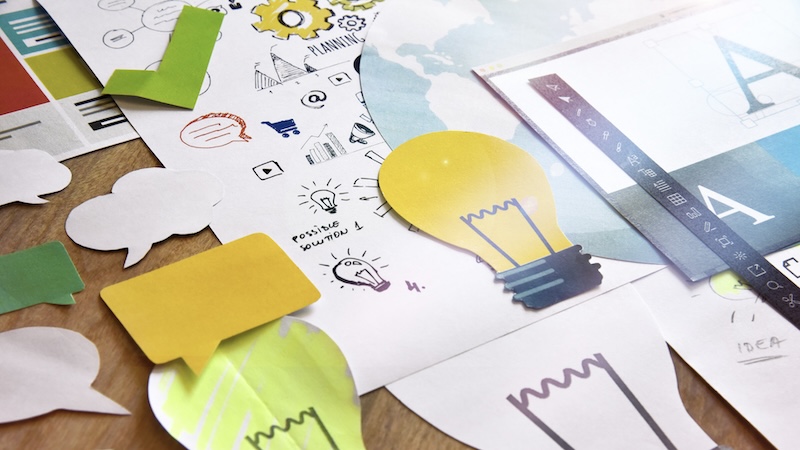
As we've established the importance of a reliable sourcing partner, let's explore a powerful strategy that can transform your business: custom product development. This isn't just about tweaking a color; it's about creating a product that is uniquely yours, perfectly aligned with your vision and market needs.
At its core, custom product development is the process of designing and manufacturing a product from the ground up to meet your specific requirements. This stands in contrast to simply buying an existing, generic product off the shelf. To understand the landscape, it's helpful to know two key manufacturing models:
OEM (Original Equipment Manufacturing): Here, you provide the complete design and specifications (blueprints, materials list, etc.), and a manufacturer builds it for you. You own the intellectual property.
ODM (Original Design Manufacturing): In this model, you work with a manufacturer who has existing designs and capabilities. You can customize their base product—changing features, materials, branding, and packaging—to create your own version without starting from a blank slate.
For many entrepreneurs and SMEs, ODM is a fantastic entry point into product customization services, allowing for significant differentiation without the full cost and time of a ground-up OEM project.
Why go custom? The advantages are substantial and directly address the challenges of competing in today's market:
Perfect Market Fit: You solve a specific problem for your target audience in a way that generic products cannot. This leads to stronger customer loyalty and better reviews.
Stronger Brand Identity: A unique product is a powerful brand statement. It separates you from competitors and becomes synonymous with your company's values and quality.
Intellectual Property (IP) Control: With proper agreements, especially in OEM models, you secure the rights to your design, creating a valuable business asset and a barrier to competition.
Optimized Cost & Quality: You specify the exact materials and production standards, ensuring quality matches your brand promise and that you're not paying for unnecessary features of an off-the-shelf item.
The biggest misconception is that custom development is only for tech giants with unlimited R&D budgets. This is simply no longer true. The global manufacturing ecosystem has evolved.
Modern product development companies and sourcing partners have streamlined the process, making it feasible for smaller businesses. They offer staged approaches:
Concept & Feasibility: Discuss your idea to assess manufacturability and ballpark costs.
Prototype Design Services: Create a physical or 3D model of your product. This critical step allows for testing, refinement, and investor pitches before committing to mass production.
Sampling & Refinement: Produce a small batch of pre-production samples for final checks on quality, function, and packaging.
Production & Quality Assurance: Move into mass manufacturing with structured inspections at every stage.
You don't need to search for "product development companies near me" and be limited by geography. A proficient global partner manages the entire process remotely, connecting you with specialized factories, handling prototype design services, and ensuring transparency at every step. The initial investment in custom development is often a strategic move that pays for itself through higher margins, customer loyalty, and a defensible market position.
While custom product development is more accessible than many believe, it's not without its hurdles. The 'difficulty' often stems from managing the process itself, not the core idea. Let's break down where these challenges typically arise and how to navigate them.
The journey begins with an idea, but translating a vision into a manufacturable specification is the first major hurdle. This phase involves defining clear requirements, which can be surprisingly complex. Ambiguity here leads to costly changes later. This is where understanding the difference between what is OEM vs ODM becomes crucial. Are you providing a complete design (OEM), or do you need a partner to help design and engineer the product from a concept (ODM)? Clarifying this upfront sets the right expectations with your development partner.
Engaging with product development companies near me or overseas specialists early can provide immense value. They can offer feasibility assessments and help turn your concept into actionable technical drawings and material lists. Utilizing professional prototype design services at this stage is a strategic investment. A physical prototype, even a basic one, validates the design, ergonomics, and functionality before committing to expensive tooling, saving significant time and budget down the line.
Budget and schedule overruns are common pain points. The challenge lies in forecasting accurately for a process with inherent unknowns. Initial quotes may cover unit costs, but overlook expenses for:
Multiple prototype iterations
International communication and project management
Compliance testing (e.g., for FDA or FCC regulations)
Unexpected tooling modifications
A transparent partner will help you build a realistic timeline that accounts for design, prototyping, testing, and production ramp-up. They should provide clear milestones and cost breakdowns, not just a final price. Effective resource allocation on your end is also key—someone must own the project internally to manage communication, make timely decisions, and review deliverables.
A brilliant custom product is only valuable if it integrates seamlessly into your business. This challenge is often underestimated. Considerations include:
Packaging & Logistics: Will the custom dimensions fit your standard shipping cartons or require new packaging solutions?
Inventory Management: Does your warehouse software or ERP system need new SKU setups?
Marketing & Sales: How does the new product fit into your existing lineup? Do you need new marketing assets or sales training?
After-Sales Support: Will you need new manuals, spare parts, or a different returns process?
Proactive product customization services should address these integration points. A good partner doesn't just deliver a product; they deliver a product ready for your ecosystem, providing necessary documentation, compliance certificates, and packaging specs that align with your operational flow.
| Challenge Area | Common Pitfall | Proactive Strategy |
|---|---|---|
| Scope & Ideation | Vague requirements leading to redesigns. | Invest in feasibility studies and clear prototyping milestones. |
| Cost & Timeline | Unexpected expenses from unplanned iterations. | Demand detailed, phased quotes with buffer for testing. |
| Integration | Product arrives but doesn't fit operations. | Plan packaging, logistics, and system updates alongside development. |
By anticipating these challenges, you shift from being reactive to strategic. The goal is to partner with experts who illuminate the path, turning potential difficulties into managed, predictable steps toward your unique product's success.
While the challenges of custom development are real, they are far from insurmountable. The key is to replace uncertainty with a structured, phased approach. By breaking down the journey into manageable steps, you can navigate from concept to market with clarity and confidence. Here is a practical roadmap to guide you.
This foundational phase is about moving from a vague idea to a clear, actionable product definition. It's where you answer the critical questions before any design or manufacturing begins.
Clarify Your Vision: Start by documenting your core objectives. What problem does your product solve? Who is your target customer? What are your key performance indicators (KPIs) for success? This clarity is your North Star.
Conduct Market and Feasibility Analysis: Research existing solutions, identify gaps, and validate demand. Simultaneously, engage with potential product development companies or manufacturers to assess technical and production feasibility. This is also the stage to understand key manufacturing models. Knowing what is OEM vs ODM is crucial: OEM (Original Equipment Manufacturing) typically involves producing a design you provide, while ODM (Original Design Manufacturing) offers a manufacturer's existing design that can be customized. Your choice here fundamentally shapes the project scope and your required investment in prototype design services.
Define Scope and Specifications: Create a detailed Product Requirements Document (PRD). This should include functional specs, target materials, dimensions, compliance needs (like FDA for US markets), and quality standards. A well-defined scope prevents costly changes later.
With a solid plan in hand, you move into the creation phase. The goal here is to build, test, and refine iteratively.
Prototype Design and Creation: This is where prototype design services prove their value. Start with simple 3D models or non-functional mock-ups to evaluate form and ergonomics. Progress to functional prototypes (alpha/beta) that test core mechanics and electronics. Working with experienced partners at this stage can save immense time and cost.
Rigorous Testing and User Feedback: Don't test in a vacuum. Put prototypes in the hands of real users, conduct durability tests, and gather actionable feedback. This validation loop is essential to refine the product and ensure market fit.
Agile Refinement: Adopt an agile mindset. Be prepared to iterate on the design based on test results. This phase is about perfecting the product before committing to mass production tooling.
The final phase transitions from development to commercialization and long-term success.
Pre-Production and Pilot Run: Finalize all designs for manufacturing (DFM), approve pre-production samples, and conduct a pilot run. This small-scale production validates the manufacturing process, supply chain, and final quality before full-scale investment.
Full-Scale Production and Launch: Ramp up to mass production with established quality control checkpoints. Develop your marketing, sales, and distribution strategy for launch. Consider how the new product integrates with your existing operations and systems.
Post-Launch Support and Iteration: The work isn't over at launch. Monitor product performance, gather customer feedback, and plan for future iterations. Continuous improvement is what turns a successful launch into a lasting product line.
Following this structured roadmap demystifies custom development. It transforms a complex undertaking into a series of clear, achievable goals, ensuring that every step brings you closer to a product that truly resonates with your market.
With a clear roadmap in place, the next critical decision is determining who will execute it. The choice between building an internal team, partnering with an external agency, or adopting a hybrid approach fundamentally shapes your project's cost, timeline, and ultimate success. Let's break down each path to help you make an informed decision.
Establishing an in-house development team offers maximum control and deep integration with your company's culture and long-term vision. This path is ideal if your product is a core, proprietary technology that will require continuous, rapid iteration and maintenance. However, it comes with significant overhead:
Pros: Direct oversight, aligned company knowledge, faster internal communication, and full retention of intellectual property.
Cons: High fixed costs (salaries, benefits, tools), lengthy recruitment cycles for specialized skills (like prototype design services), and the challenge of scaling the team up or down with project needs.
For many startups and SMEs, the upfront investment and management burden of a full internal team can divert crucial resources from marketing, sales, and other core business functions.
Partnering with specialized product development companies can provide immediate access to expertise, established processes, and often, a faster time-to-market. This is where understanding the partnership model is key. You'll often encounter firms offering OEM vs ODM services; knowing the difference ensures you partner with one aligned with your needs for product customization services versus starting from a blank slate.
When vetting potential partners, go beyond a simple search for "product development companies near me." Focus on their proven track record:
Portfolio & Case Studies: Do they have experience in your industry or with similar product complexities?
Communication & Transparency: Are their processes clear? Do they provide regular updates and detailed documentation?
Prototyping & Validation Approach: How do they handle the critical stages of turning an idea into a tangible, testable product?
References: Speak directly to their past clients about project management, problem-solving, and final outcomes.
A reliable partner acts as an extension of your team, mitigating risk through professional project management and quality assurance protocols.
For many businesses, the optimal solution is a hybrid model. This approach keeps core strategic functions and project management in-house while outsourcing specific, specialized tasks to expert partners. For example, you might retain overall product vision and business analysis internally but contract a firm for industrial design, engineering, and prototype fabrication.
| Aspect | In-House Team | Development Agency | Hybrid Model |
|---|---|---|---|
| Control & IP | Highest | Shared, defined by contract | Strategic control in-house, tactical IP shared |
| Cost Structure | High fixed cost (salaries) | Variable project-based cost | Mixed: fixed core team + variable project fees |
| Speed to Start | Slow (recruitment) | Fast (existing team) | Moderate (core team exists, partners onboarded) |
| Specialized Expertise | Must be hired/developed | Immediately available | On-demand for specific phases |
| Best For | Core, perpetually evolving products | Well-defined projects with clear scope | Companies with some internal capability needing to scale expertise |
The hybrid model offers flexibility, allowing you to leverage external prototype design services for a development sprint without the long-term commitment of a full hire. It's about building a nimble, cost-effective ecosystem around your project, combining internal oversight with external executional excellence.
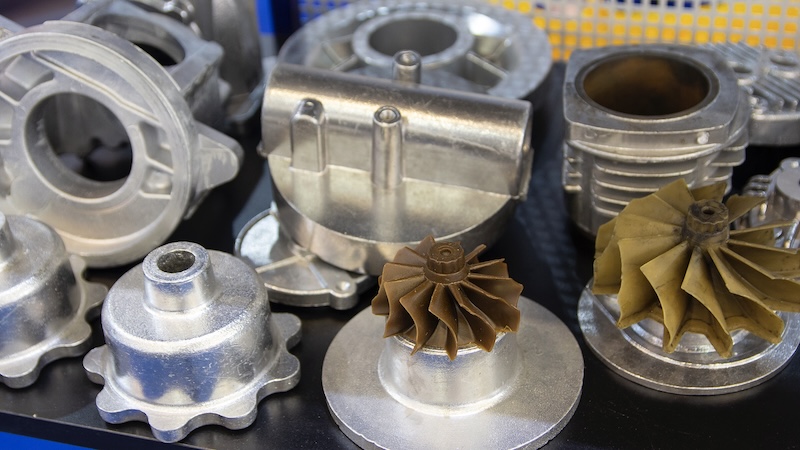
Having chosen your development path, the next step is to equip your team with the right tools. Modern technology has dramatically lowered the barriers to custom product development, making processes faster, more collaborative, and less risky. Here are key categories of tools that can streamline your journey from concept to market.
One of the most significant advancements for entrepreneurs and small teams is the rise of low-code and no-code platforms. These tools allow you to create functional prototypes, user interfaces, and even basic applications with minimal traditional coding. This is a game-changer for prototype design services, enabling you to:
Visualize ideas quickly: Turn sketches into clickable mockups to validate user experience and core functionality before heavy engineering investment.
Facilitate clearer communication: A visual prototype is far more effective than a written specification when communicating requirements to product development companies near me or overseas manufacturing partners. It bridges the gap between your vision and their execution.
Test market fit: Use these prototypes to gather early user feedback, reducing the risk of developing a product that doesn't resonate.
By using these platforms in the early stages, you can refine your concept with agility, ensuring that when you engage in detailed engineering (whether in-house or with a partner), the path is much clearer.
Custom development is a symphony of moving parts—design, engineering, sourcing, and quality control. Keeping everyone aligned, especially across time zones, is critical. Robust project management and collaboration tools create a single source of truth for your project. Key features to look for include:
Centralized task tracking: Assign actions, set deadlines, and monitor progress for every stage, from initial sketches to final pre-production samples.
Integrated file sharing and version control: Ensure everyone is working from the latest design files, CAD drawings, or compliance documents.
Real-time communication channels: Reduce email clutter with dedicated chat for quick questions and decision logs.
This transparency is invaluable, whether you're managing a hybrid team or relying on an external partner for product customization services. It builds trust and ensures nothing falls through the cracks.
For the software or smart hardware component of your product, understanding APIs (Application Programming Interfaces) and a microservices architecture is key. This approach is about building flexibility into your product's digital core.
APIs as connectors: Think of APIs as standardized plugs. They allow your product's software to seamlessly connect with other services (e.g., payment gateways like PayPal, analytics dashboards, or cloud storage). This means you don't have to build every feature from scratch.
Microservices for resilience: Instead of one massive, monolithic software program, a microservices architecture breaks down functionality into independent, smaller services. This makes the system easier to update, scale, and maintain. If one service needs improvement, it doesn't require overhauling the entire application.
This technological approach supports scalable product customization services. It allows for easier updates, feature additions, and integration with other business systems down the line, protecting your long-term investment.
In essence, leveraging these tools doesn't just make development easier; it makes it smarter. They reduce ambiguity, enhance collaboration, and build a more adaptable foundation for your custom product, directly addressing the core challenges of cost, timeline, and integration we discussed earlier.
While the right tools and technologies, as discussed previously, can streamline the process, the ultimate question remains: is the investment in custom product development justified for your business? The answer is a resounding "yes," but only when approached strategically. The value lies not in avoiding difficulty, but in embracing it for a significant competitive edge.
The return on investment (ROI) from custom development becomes clear in specific scenarios. It pays off when you need a product that simply doesn't exist on the market, when you require a unique feature set to solve a niche problem, or when brand identity and intellectual property control are paramount to your business strategy. For instance, a startup creating a smart home device with a proprietary algorithm would find immense value in prototype design services and a full development cycle, as off-the-shelf solutions wouldn't suffice.
Consider these key indicators that signal a strong potential ROI:
Market Differentiation: Your product concept offers a unique solution that sets you apart from generic competitors.
Scalability Needs: You anticipate growth and need a product architecture that can evolve with your business, a core strength of working with experienced product development companies.
Long-Term Cost Control: While upfront costs are higher, owning your design (common in OEM models) can lead to better margins and supply chain control over time compared to licensing or reselling generic goods.
Before diving in, a quick self-assessment can ensure you're set up for success. Use this checklist to gauge your readiness:
| Readiness Factor | Questions to Ask Yourself |
|---|---|
| Problem Clarity | Is the market need or problem I'm solving well-defined and validated? |
| Resource Commitment | Do I have the budget and timeline to support the discovery, prototyping, and production phases? |
| Internal Alignment | Is my team prepared to integrate and support a new, custom product into our operations? |
| Partner Preparedness | Have I researched and identified potential product development companies near me or reliable sourcing partners with proven OEM/ODM experience? |
If you can answer "yes" to most of these, you are likely in a strong position to begin. Understanding the distinction between what is OEM vs ODM will also be crucial in your early partner discussions to align on ownership and development responsibilities.
Custom product development is an investment in your business's future. The "effort" involved—the detailed planning, prototyping, and partner vetting—is the strategic difficulty that builds moats around your business. It transforms a generic idea into a proprietary asset, fosters deeper supplier relationships, and creates products that truly resonate with your target audience. By methodically working through the roadmap and leveraging the right expertise, the initial complexity paves the way for long-term brand strength, customer loyalty, and sustainable growth. The journey requires patience and partnership, but the destination—a product that is uniquely and successfully yours—is worth it.
Having established that the strategic difficulty of custom product development is worthwhile for long-term gain, let's consolidate the essential insights from our journey. This roadmap is designed to transform a complex process into a manageable and successful project.
At its heart, successful custom product development is about clarity, partnership, and structured execution. It's not about finding a factory to simply build your idea; it's about collaborating with the right partner to refine and execute a viable product strategy. Understanding the fundamental models is your first step: knowing what is OEM vs ODM determines your level of creative control versus development speed and cost.
Start with Strategy, Not Specs: Before you search for "product development companies near me," invest time in market validation and a clear product definition document. This upfront work prevents costly scope changes later.
The Prototype is Your Proof of Concept: Never skip the prototyping phase. Prototype design services are not an expense; they are an investment in risk mitigation. A physical or digital prototype validates design, function, and manufacturability before full-scale production begins.
Choose Your Development Path Wisely: Evaluate the in-house, agency, and hybrid models against your core competencies, budget, and timeline. For most SMEs, partnering with an experienced firm provides the fastest path to market with reduced operational overhead.
Leverage Modern Tools: Utilize project management platforms (like Asana or Trello), 3D CAD software, and collaboration tools to maintain transparency, manage revisions, and keep your project on track, especially when working with remote teams.
Plan for the Entire Lifecycle: Your project isn't finished at shipment. Factor in packaging, logistics, compliance (like FDA regulations for relevant products), and post-launch support from the beginning. True product customization services encompass this end-to-end journey.
Use this quick list to gauge your readiness:
Clear Vision: Do you have a detailed Product Requirements Document (PRD)?
Market Fit: Is there validated demand for your customized product?
Budget Realism: Have you accounted for NRE (Non-Recurring Engineering) costs, tooling, and unit costs?
Partner Vetted: Have you qualified potential partners on experience, communication, and quality control processes?
Internal Alignment: Does your team have the capacity to manage the project or partner relationship?
By internalizing these takeaways, you move from seeing custom development as a daunting challenge to viewing it as a structured, executable strategy for building a unique and competitive product. The complexity is managed through preparation and partnership, paving the way for innovation and market success.
Having distilled the key takeaways, let's address some of the most common questions we encounter about custom product development. These answers aim to provide clarity and help you move forward with confidence.
What is the core difference between OEM and ODM?
This is a fundamental distinction that shapes your entire project. In an OEM (Original Equipment Manufacturer) model, you provide the manufacturer with your own detailed designs and specifications. They build the product exactly to your blueprint. This offers maximum control but requires you to have a fully developed design. In an ODM (Original Design Manufacturer) model, you work with a manufacturer who has existing designs or platforms that can be modified and customized for your brand. This is often faster and more cost-effective, especially for startups, as you're leveraging the manufacturer's expertise and existing tooling. The choice depends on whether you have a unique invention (OEM) or are looking to brand an existing product type with your own tweaks (ODM).
What exactly do prototype design services include?
Prototype design services are a critical phase that bridges your concept and mass production. A comprehensive service typically includes:
Concept Refinement: Translating your idea into actionable technical sketches or 3D models.
Material Selection: Recommending appropriate materials based on function, cost, and manufacturability.
3D CAD Modeling: Creating precise digital models for visualization and testing.
Functional Prototyping: Building physical samples using methods like 3D printing, CNC machining, or handcrafting to test form, fit, and function.
design for manufacturing (DFM) Analysis: Reviewing the design to identify potential production issues and suggest modifications for efficiency and cost reduction before tooling begins.
How do I find reputable product development companies near me?
While searching for "product development companies near me" can connect you with local design firms, for physical goods, the manufacturing expertise is often concentrated overseas. A more effective strategy is to partner with a sourcing agent or development partner with a strong network in key manufacturing regions. They act as your local expert, handling communication, factory vetting, and quality control, providing you with the benefits of offshore manufacturing while mitigating the risks of distance and cultural barriers. Look for partners with proven experience in your product category and transparent processes.
What are the typical stages and costs involved in product customization services?
Costs vary widely based on complexity, but understanding the stages helps in budgeting. Here's a general framework:
| Stage | Key Activities | Cost Considerations |
|---|---|---|
| Discovery & Planning | Market research, feasibility study, project scoping. | Often a fixed fee or retainer. |
| Design & Prototyping | Industrial design, 3D modeling, prototype creation and testing. | Costs depend on the number of design iterations and prototype types (looks-like vs. works-like). |
| Pre-Production | Finalizing designs, sourcing components, creating molds/tooling. | This is a major upfront investment, especially for injection molding. |
| Mass Production | Manufacturing first production run, quality inspections, packaging. | Per-unit cost drops with volume. MOQs (Minimum Order Quantities) apply. |
How long does the entire custom development process usually take?
Timelines are project-dependent. A simple ODM customization might take 3-6 months from concept to shipped goods. A complex, from-scratch OEM project involving new tooling and multiple prototype revisions can easily take 9-18 months. The step-by-step roadmap outlined earlier provides the best structure for estimating your specific timeline, with clear milestones at each phase.
Having addressed the most common questions in our FAQ, we hope the path forward for your custom product development project feels clearer and more navigable. The journey from a brilliant idea to a tangible, market-ready product is undoubtedly complex, but as we've explored, it's a manageable and highly rewarding process when approached with the right strategy and partners.
At its core, successful custom product development is about making informed choices. It begins with understanding the fundamental partnership models like what is OEM vs ODM, which dictates the level of creative control and technical responsibility you'll assume. It continues through the critical prototype design services phase, where your concept is tested and refined into a viable product. Ultimately, it relies on selecting the right product development companies—whether they are local partners you can meet in person or specialized global experts—to execute your vision with precision and reliability.
We've seen that the "difficulty" often stems not from the technical work itself, but from managing scope, costs, and integration into your existing business. The roadmap, tools, and execution models we've discussed are designed to mitigate these very challenges. For businesses in the United States looking to innovate, the goal isn't to eliminate complexity but to master it, transforming a custom project from a daunting risk into a calculated, strategic investment in your brand's future.
Remember, the most successful products aren't just manufactured; they are carefully developed through collaboration, iteration, and a steadfast focus on the end-user. By embracing a structured process and leveraging the expertise of seasoned partners, you can navigate the intricacies of product customization services with confidence. Your unique product idea has the potential to solve a problem, capture a market, and define your brand—the journey to bring it to life starts with a single, well-informed step.
 English