With globalization booming, businesses are increasingly turning their eyes toward international markets for both supply and demand. Among these, China stands out as a manufacturing powerhouse. The benefits of direct sourcing from China can be substantial, but so can the risks and challenges. So, is direct sourcing from China worth it for E-commerce business? In this comprehensive article, we'll explore various aspects, benefits, and pitfalls of direct sourcing solutions from China to help businesses make informed decisions.
Direct sourcing is the process of purchasing goods or raw materials directly from manufacturers, bypassing third-party agents, distributors, or brokers. This approach allows businesses to establish direct relationships with suppliers, giving them greater control over product quality, pricing, and lead times. Unlike traditional procurement models, where middlemen play a significant role in negotiations and logistics, direct sourcing focuses on fostering long-term partnerships with the manufacturers themselves.
In the context of global trade, direct sourcing from China has become increasingly popular due to China's vast manufacturing capabilities and competitive pricing. By engaging directly with Chinese factories, companies can enjoy better margins, faster production cycles, and the flexibility to customize products according to specific requirements.
In today's global economy, businesses are constantly looking for ways to streamline their supply chains, cut costs, and enhance product quality. One strategy that has gained widespread attention is direct sourcing, where companies bypass middlemen and engage directly with manufacturers to procure goods. Among the most popular countries for direct sourcing, China stands out as a leading hub for manufacturing a wide range of products at competitive prices.
1. Cost Savings and Competitive Pricing
One of the most significant benefits of direct sourcing from China is the ability to achieve considerable cost savings. This cost advantage stems from several factors that make China an attractive option for manufacturers and buyers alike.
(1) Lower Labor and Production Costs
China is known for its relatively low labor costs compared to other manufacturing regions, which translates into more affordable production. These lower costs enable Chinese manufacturers to produce goods at a fraction of the price you might find in countries with higher labor expenses. As a result, businesses sourcing directly from Chinese factories can offer competitive pricing in their markets without compromising on quality.
(2) Elimination of Middlemen
Traditional sourcing methods often involve multiple intermediaries such as agents, brokers, or wholesalers, each adding their own markup to the product's final cost. Direct sourcing eliminates the need for these middlemen, allowing businesses to negotiate directly with manufacturers. This means fewer layers of added costs, resulting in better pricing for the buyer.
By cutting out the intermediaries, businesses can achieve lower per-unit costs, especially when dealing with high-volume orders. The ability to negotiate directly with manufacturers also gives companies greater flexibility in adjusting order quantities, pricing, and payment terms, further optimizing their cost structure.
(3) Bulk Purchasing and Economies of Scale
China's manufacturing sector is well-suited to large-scale production, which makes it ideal for companies seeking to purchase goods in bulk. When businesses engage in direct sourcing from China, they can leverage the country's manufacturing capacity to benefit from economies of scale. Bulk orders often come with discounted pricing, lower shipping rates, and the ability to reduce the overall cost per unit.
By combining China's cost advantages with bulk purchasing, companies can significantly enhance their profitability and market competitiveness.
2. Customization and Product Flexibility
In addition to cost savings, direct sourcing from China provides businesses with unparalleled flexibility in customizing their products. China's manufacturers have extensive experience producing a wide variety of goods for global markets, making it easy to tailor products to meet specific requirements.
(1) Custom Product Design
Whether your business needs unique product specifications, customized packaging, or personalized branding, direct sourcing allows you to work directly with manufacturers to create products that align with your vision. Chinese manufacturers are known for their adaptability and are often willing to accommodate special requests, making it possible to develop a custom product that stands out in the market.
This is particularly valuable for businesses in industries like fashion, electronics, and consumer goods, where innovation and differentiation are key to success. By working directly with the factory, you can ensure that your product meets your exact design and functionality specifications.
(2) Faster Iteration and Prototyping
When sourcing directly, businesses benefit from shorter feedback loops and faster communication with manufacturers. This is especially important in product development cycles where iteration and prototyping are required. Direct communication allows for quicker adjustments to design changes, more rapid prototyping, and an overall faster time-to-market for new products.
By eliminating the need for third-party intermediaries, businesses can work closely with manufacturers to test, tweak, and perfect their products, ensuring they meet consumer demands while staying ahead of competitors.
3. Quality Control and Reliability
One common concern with global sourcing, particularly from low-cost regions, is maintaining product quality. However, direct sourcing solutions from China provide businesses with greater quality control in China over the production process, ensuring that products meet high-quality standards.
(1) On-the-Ground Quality Assurance
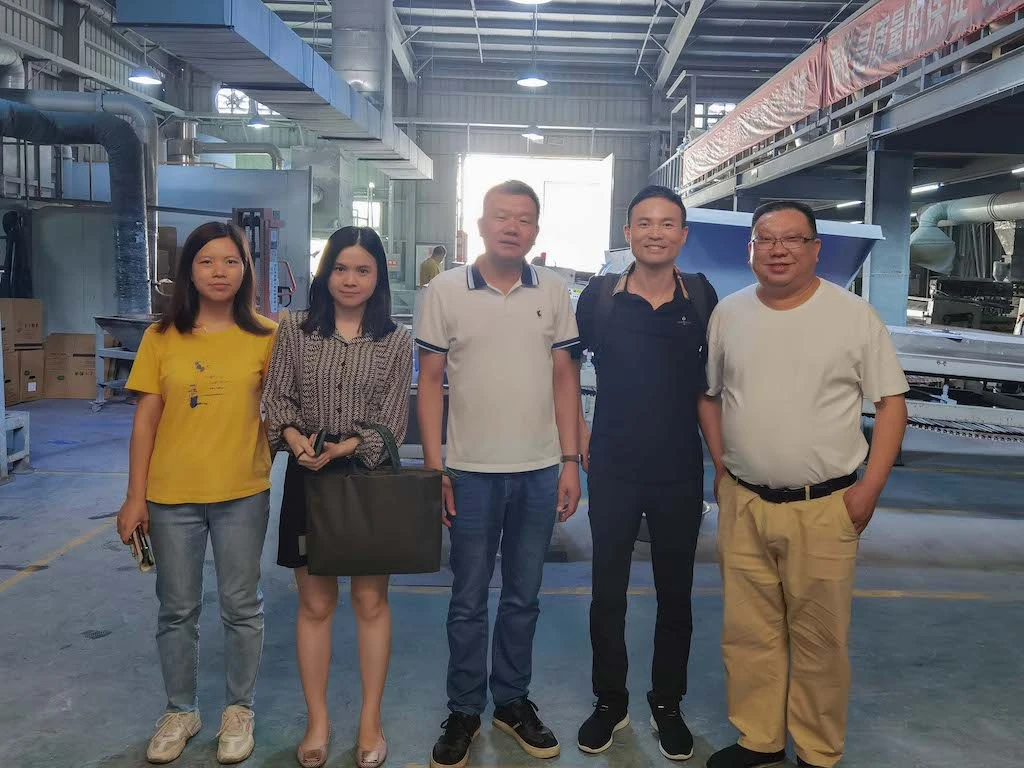
When sourcing directly from Chinese manufacturers, businesses can establish stringent quality control measures by visiting factories, conducting inspections, and overseeing the production process firsthand. Many companies choose to hire third-party inspectors or quality assurance firms based in China to carry out regular audits and monitor product quality at different stages of production.
By implementing a comprehensive quality control plan as part of a direct sourcing solution, businesses can minimize the risk of defects and ensure that products meet both international standards and customer expectations.
(2) Long-Term Relationships with Manufacturers
Building long-term relationships with reliable manufacturers is another significant advantage of direct sourcing. Over time, these partnerships foster trust, collaboration, and mutual understanding, resulting in better quality products and improved reliability. Manufacturers are more likely to prioritize businesses that consistently source from them, making it easier to negotiate favorable terms, ensure timely production, and reduce the risk of delays or quality issues.
In contrast, companies that work with intermediaries may not have direct access to the manufacturer, making it harder to address problems or build strong, reliable partnerships.
4. Streamlined Supply Chain and Faster Delivery
A streamlined supply chain is critical for businesses looking to improve efficiency and reduce lead times. Direct sourcing from China offers significant advantages in terms of supply chain management, leading to faster delivery and more efficient production processes.
(1) Direct Communication and Faster Response Times
When working directly with manufacturers, businesses benefit from quicker response times and more efficient communication. Without intermediaries slowing down the process, you can address issues, request updates, or implement changes swiftly. This is especially important for industries that require frequent updates or adjustments to orders, such as fashion or consumer electronics.
Quicker communication translates into faster production and delivery, which helps businesses meet market demand and maintain a competitive edge.
(2) Reduced Lead Times and Improved Inventory Management
By working closely with manufacturers in China, businesses can also better forecast production schedules and reduce lead times. With direct access to real-time information, companies can plan inventory levels more effectively, reducing the risk of stockouts or overproduction.
In industries with seasonal demand or fast-changing trends, this flexibility is invaluable. Having the ability to adjust order volumes, production timelines, and delivery schedules allows businesses to stay agile and responsive to market shifts, ultimately improving their overall supply chain management.
Direct sourcing from China has become an increasingly popular strategy for businesses looking to reduce costs, improve product customization, and gain control over their supply chains. While there are significant benefits to this approach, such as lower production costs and direct relationships with manufacturers, there are also potential risks and challenges that companies need to consider. Without careful planning and the right direct sourcing solution, these challenges can lead to disruptions in production, quality issues, and even financial losses.
1. Quality Control and Product Consistency
One of the most significant risks when direct sourcing from overseas, especially from a country as vast as China, is ensuring consistent product quality. While many manufacturers in China produce high-quality goods, others may not meet international standards, particularly if proper oversight is lacking.
(1) Variability in Manufacturing Standards
Manufacturing standards can vary significantly between factories in China. Without third-party oversight or quality checks in place, companies may face issues with product defects, inferior materials, or inconsistent production runs. This is particularly problematic for businesses that rely on precise specifications or high-quality products, as even small variations in materials or manufacturing processes can impact the final outcome.
To mitigate this risk, it's essential to develop a comprehensive direct sourcing solution that includes thorough quality control measures. These measures could involve regular factory audits, the use of third-party inspectors, and setting clear quality benchmarks before starting production.
(2) Supply Chain Transparency
When dealing directly with manufacturers, there may be less transparency in the supply chain compared to using intermediaries who specialize in handling these relationships. Businesses may not always have full visibility into where materials are sourced, how they are processed, or whether ethical labor standards are followed. This lack of transparency can lead to reputational damage or supply chain disruptions if issues arise.
Working with a trusted direct sourcing solution that includes regular supplier assessments and increased visibility into the production process can help mitigate this challenge.
2. Communication Barriers and Cultural Differences
Effective communication is essential for successful direct sourcing. However, language barriers and cultural differences can make it difficult to establish clear lines of communication, which may lead to misunderstandings, delays, and misaligned expectations.
(1) Language Barriers
While many Chinese manufacturers have staff who can communicate in English, the proficiency level can vary, leading to potential miscommunications regarding product specifications, production timelines, or quality standards. Misunderstandings can result in incorrect orders, delays, or the need for costly revisions. For businesses dealing with technical or highly specific products, this can be especially challenging.
To overcome this, it's important to work with bilingual staff, translators, or sourcing agents who can bridge the language gap and ensure clear communication between your company and the manufacturer.
(2) Cultural Differences
In addition to language barriers, cultural differences can affect how business is conducted. In China, for example, relationships play a crucial role in business dealings, and building trust and long-term partnerships can be a more time-consuming process than in Western countries. Failing to understand these cultural nuances can hinder negotiations or lead to misaligned expectations on timelines, payment terms, or business practices.
To navigate these challenges, businesses should invest time in building strong relationships with Chinese manufacturers and consider using sourcing agents with local knowledge and experience.
Another potential challenge with direct sourcing from China is managing the logistics of shipping and transportation, especially for businesses unfamiliar with international trade regulations and shipping processes. While China has an extensive and efficient manufacturing ecosystem, shipping goods from China to global markets can be complex.
(1) Customs and Regulatory Issues
International shipments are subject to customs regulations, import duties, and various trade compliance requirements. Without proper documentation, businesses can face customs delays, unexpected fees, or even the seizure of goods. This is particularly problematic for companies unfamiliar with the intricacies of international shipping regulations.
An effective direct sourcing solution should include a thorough understanding of the legal requirements for importing goods from China, as well as partnerships with logistics experts who can help manage the paperwork, tariffs, and customs clearance process.
(2) Shipping Delays and Rising Costs
Shipping delays are a common issue when dealing with overseas manufacturing, particularly when global supply chains are disrupted by factors like port congestion, natural disasters, or geopolitical tensions. In recent years, rising shipping costs due to container shortages and increased demand have added another layer of complexity for businesses.
While direct sourcing from China can offer cost advantages, companies need to account for potential fluctuations in shipping times and costs. Having a reliable logistics partner and building in extra lead time for potential delays are important steps to avoid disruptions in your supply chain.
Direct sourcing from China offers substantial benefits, including cost savings, quality control, and flexible order management. However, these advantages come with challenges such as quality concerns, communication barriers, and legal complexities. By adopting best practices like thorough research, clear communication, stringent quality control, and robust legal safeguards, businesses can navigate these challenges effectively.
Ultimately, whether direct sourcing solutions from China are worth it will depend on your specific needs, resources, and risk tolerance. For those willing to invest the time and effort into establishing reliable supplier relationships, direct sourcing can be a game-changer, offering a significant competitive edge in an increasingly globalized market.
 English