



What if the key to a more profitable, resilient, and competitive business wasn't a groundbreaking new product, but a fundamental shift in how you manage your existing operations? For entrepreneurs, inventors, and procurement managers navigating the complexities of global supply chains, this question is more than philosophical—it's a practical roadmap to success. The answer lies in the powerful synergy between two foundational business disciplines: Operations Management and Total Quality Management (TQM).
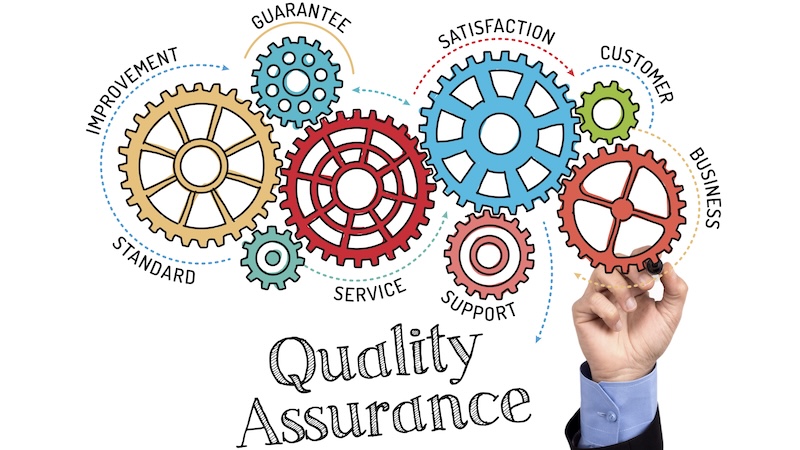
At its heart, Operations Management is the engine room of your business. It's the systematic design, execution, and control of the processes that transform inputs—like raw materials, labor, and capital—into valuable outputs, whether they are physical products or services. Think of it as the conductor of your business orchestra, ensuring every section works in harmony to deliver value to your customer.
Its core functions are universal, whether you're manufacturing a new tech gadget or managing the procurement of components from overseas:
Process Design & Planning: Mapping out the most efficient way to create your product or deliver your service.
Capacity & supply chain management: Ensuring you have the right resources, from machinery to materials, at the right time and place.
Inventory & quality control: Balancing stock levels to meet demand without excess waste while maintaining standards.
Scheduling & Maintenance: Keeping operations running smoothly and reliably.
The ultimate goal is to optimize this entire system to achieve key competitive advantages: lower costs, higher efficiency, consistent output, and greater flexibility to adapt to market changes. For a business sourcing internationally, robust operations management is what turns a complex, multi-stage procurement quality assurance process into a reliable, repeatable system.
While operations management focuses on the "how," Total Quality Management (TQM) provides the "how well." TQM is not merely a set of inspection checkpoints; it is a comprehensive, organization-wide philosophy that places customer satisfaction at the center of every activity. It's the commitment to excellence that permeates every department, from the executive suite to the factory floor.
TQM is built on several key principles:
Customer-Focus: Quality is defined by the customer's needs and expectations.
Total Employee Involvement: Every team member is empowered and responsible for quality.
Process-Centered: Consistent, well-defined processes are the foundation of consistent quality.
Integrated System: All departments work together toward common quality goals.
Strategic & Systematic Approach: Quality is a core part of the company's long-term strategy.
Continuous Improvement (Kaizen): The relentless pursuit of making processes better, faster, and more efficient.
In practice, this philosophy is operationalized through structured activities like a quality assurance audit process, which systematically evaluates processes against standards, and a supplier quality assurance procedure, which extends the quality mandate to your external partners. The outcome is superior product quality assurance that builds brand reputation and customer loyalty.
Treating operations and quality as separate functions is a critical mistake. Integrating TQM into the core of your operations management isn't an added cost—it's a strategic investment and a powerful imperative for several reasons:
Builds a Culture of Reliability: When every employee views their role through the lens of quality, errors are caught earlier, waste is reduced, and reliability becomes ingrained in your company's DNA. This builds the trustworthy partner image that is crucial for securing long-term business.
Creates a Sustainable Competitive Advantage: Consistent, high-quality output is difficult for competitors to replicate quickly. It reduces returns, minimizes costly rework, and enhances customer satisfaction, leading to repeat business and positive referrals.
Mitigates Supply Chain Risk: A TQM approach forces you to scrutinize and improve every link in your chain. By implementing rigorous supplier quality assurance procedures, you proactively identify and address potential failures in your overseas sourcing before they impact your customers, protecting your brand and your bottom line.
Drives Efficiency and Profitability: The TQM principle of continuous improvement directly targets operational waste—be it in time, materials, or effort. Streamlining processes to be right the first time lowers costs and increases throughput, directly boosting profitability.
For the modern business leader, understanding this integration is the first step toward transforming their supply chain from a potential liability into a definitive asset. It's the framework that ensures the products you design, source, or sell not only meet specifications but consistently exceed expectations, laying the groundwork for sustainable growth and market leadership.
As we've established, integrating Total Quality Management (TQM) into your operations is a strategic necessity for building a resilient, efficient, and customer-centric business. But what does this integration look like in practice? It's about embedding four core principles into the very fabric of your daily workflows.
At its heart, TQM begins and ends with the customer. This principle moves beyond simply delivering a product; it's about ensuring every operational process is designed to create and maximize customer-perceived value. For a procurement or operations manager, this means constantly asking: "Does this step in our workflow enhance the final product's quality, reliability, or delivery for our end-user?"
In practice, a customer-focused operation might involve:
Mapping the customer journey from order placement to delivery, identifying and eliminating pain points like delays or communication gaps.
Establishing clear, measurable quality specifications based on customer needs, which then inform your entire supplier quality assurance procedure.
Implementing feedback loops where customer complaints or returns are systematically analyzed to drive corrective actions in manufacturing or sourcing.
This outward-looking focus ensures your operations are not just efficient internally, but are perfectly aligned to deliver what the market truly values.
The Japanese concept of Kaizen, or continuous improvement, is the engine of TQM. It rejects the idea of a "finished" or "good enough" process. Instead, it fosters a culture where every team member is empowered to suggest small, incremental improvements to their daily tasks. The cumulative effect of these small changes can lead to dramatic gains in efficiency, cost reduction, and product quality assurance.
For an operations team, Kaizen might look like:
Holding regular, short "gemba walks" (going to the actual place where work is done) to observe processes and identify waste—be it in movement, waiting, or over-processing.
Using simple tools like PDCA (Plan-Do-Check-Act) cycles to test improvements on a small scale before full implementation.
Encouraging suggestions for streamlining paperwork, optimizing inventory staging areas, or improving communication protocols between procurement and warehouse teams.
TQM cannot be a top-down mandate managed solely by leadership. Its success depends on total employee involvement. The individuals executing the processes—your buyers, planners, logistics coordinators, and quality inspectors—possess invaluable, ground-level knowledge. Empowering them to identify problems, suggest solutions, and take ownership of quality outcomes transforms your operations.
Actionable steps to foster this include:
Providing cross-training so team members understand how their role impacts upstream and downstream processes.
Establishing clear channels for submitting improvement ideas and ensuring they are reviewed and acknowledged.
Integrating quality metrics and goals into team and individual performance discussions, making product quality assurance a shared responsibility, not just a QC department's duty.
TQM shifts the focus from blaming individuals for errors to examining and improving the processes they use. A robust process, consistently followed, is the best predictor of a quality outcome. This principle is tightly linked to data-driven decision-making. Instead of relying on intuition or "how it's always been done," operations managers should use data to understand process performance.
| What to Measure | Why It Matters for TQM | Example in Operations |
|---|---|---|
| Process Cycle Time | Identifies bottlenecks and delays that impact delivery and customer satisfaction. | Time from purchase order issuance to supplier confirmation, or from goods receipt to inspection completion. |
| First-Pass Yield | Measures the percentage of units completing a process correctly the first time without rework. | The percentage of received shipments that pass the initial quality assurance audit process without requiring sorting or rejection. |
| Supplier Defect Rate | Provides objective data for procurement quality assurance and supplier performance reviews. | Tracking the number of quality incidents (e.g., non-conforming materials) per supplier over a quarter. |
| Cost of Quality (CoQ) | Quantifies the cost of prevention, appraisal, and failure, highlighting the financial impact of quality. | Calculating expenses related to inspection audits, rework labor, and costs of scrap or returned goods. |
By defining, documenting, and measuring key processes—from supplier onboarding to final packaging—you create a stable foundation for consistency. This data then informs where to apply resources for improvement, ensuring your efforts are targeted and effective. It turns the quality assurance audit process from a simple compliance check into a rich source of performance intelligence for your entire operation.
Having established the core principles of TQM, the next step is to equip your operations with the practical tools to bring those principles to life. Moving from philosophy to action requires a structured approach, and several proven techniques form the backbone of a robust quality management system.
SPC is about using data to manage your processes, not just inspecting the final output. It involves collecting real-time data from your production line and plotting it on control charts. These charts have upper and lower control limits that define the normal range of variation for a stable process.
How it works: If a data point falls outside these limits, or if a non-random pattern emerges, it signals a "special cause" of variation that needs immediate investigation. This proactive approach prevents defects before they occur, ensuring consistent product quality assurance.
Example: Imagine you manufacture precision metal components. By measuring the diameter of samples every hour and plotting them on an X-bar and R chart, you can instantly see if your machining process is drifting out of specification, allowing for correction long before a batch of unusable parts is produced.
When a quality issue arises, the instinct is often to apply a quick fix. TQM demands we dig deeper. Root Cause Analysis (RCA) is a systematic method for identifying the fundamental reason for a problem, not just its symptoms. Tools like the 5 Whys or Fishbone (Ishikawa) Diagrams are invaluable here.
Application: Instead of stopping at "the shipment was late," you ask "why?" repeatedly. Was it a late production finish? Why? Was there a machine breakdown? Why? Was maintenance skipped? Why? This drilling-down reveals the true systemic failure, allowing you to implement a permanent solution that strengthens your entire supplier quality assurance procedure.
Operational excellence isn't achieved in a vacuum. Benchmarking involves comparing your processes and performance metrics against industry leaders or recognized best practices. The goal isn't to copy blindly, but to understand the "gap" and adapt superior methods to your context.
This leads naturally to standardization—documenting the most effective way to perform a task. Standard Operating Procedures (SOPs) ensure consistency, reduce errors, and make training new employees much easier. They are the foundation for reliable, repeatable outcomes, a critical element for any procurement quality assurance strategy that depends on predictable supplier performance.
The PDCA Cycle, also known as the Deming Cycle, is the engine of continuous improvement (Kaizen). It provides a simple, iterative framework for testing changes and implementing solutions.
Plan: Identify an opportunity and plan for a change. (e.g., "We plan to reduce assembly line errors by redesigning the workstation layout.")
Do: Execute the change on a small scale. (Implement the new layout in one section.)
Check: Analyze the results. Did errors decrease? Use data from SPC or other metrics.
Act: If successful, standardize the change across all operations. If not, analyze why and begin the cycle again with a new plan.
This cyclical process embeds improvement into your daily operations, turning problem-solving into a routine discipline. It is the procedural heartbeat of a mature quality assurance audit process, ensuring that audits lead to actionable, verified improvements rather than just a checklist of findings.
Together, these tools transform TQM from an abstract goal into a tangible, daily practice. They provide the clarity, structure, and evidence needed to build operations that are not only efficient but inherently reliable and quality-driven.
Now that you're familiar with the powerful tools of TQM, the next step is putting them into practice. A structured implementation plan is what transforms theory into tangible operational gains. This section provides a practical, step-by-step guide to launching your TQM initiative, addresses common hurdles, and shows you how to measure success.
A successful launch requires careful planning and clear communication. Follow these steps to build a solid foundation for your TQM journey.
Secure Leadership Commitment and Define Vision: TQM must start at the top. Leadership must not only approve the initiative but actively champion it. Define a clear vision statement that connects TQM to your company's strategic goals, such as "To become the most reliable supplier in our niche by achieving zero-defect production." This vision provides direction and purpose.
Establish a Cross-Functional Steering Committee: Form a team with representatives from operations, quality, procurement, and even customer service. This committee will oversee the implementation, develop training programs, and ensure the initiative stays on track. Their diverse perspectives are crucial for a holistic approach.
Conduct a Baseline Assessment: Before you can improve, you need to know your starting point. Use tools like process mapping and data analysis to document current workflows, identify bottlenecks, and measure baseline performance metrics. This assessment will highlight your most critical areas for improvement.
Develop Training and Communication Plans: Empower your team with knowledge. Roll out training sessions on TQM principles, relevant tools (like the PDCA cycle or SPC), and problem-solving techniques. Communicate the "why" behind TQM consistently to every employee, emphasizing their vital role in the process.
Pilot a Project: Don't try to overhaul everything at once. Select a specific, manageable process or production line for your first TQM project. Apply the full PDCA cycle here: Plan the improvement, Do the changes on a small scale, Check the results against your KPIs, and Act to standardize or adjust. A successful pilot builds confidence and creates a model for future rollouts.
Integrate and Standardize: Once the pilot proves successful, standardize the new, improved process. Update work instructions, integrate new checks into your supplier quality assurance procedure, and ensure the changes are sustainable. Then, gradually expand TQM principles to other areas of your operations.
Even with the best plan, you may encounter obstacles. Being prepared for these common challenges is key to maintaining momentum.
Resistance to Change: Employees may be skeptical or comfortable with old routines. Counter this by involving them early, clearly communicating benefits, and celebrating quick wins from the pilot project to demonstrate value.
Lack of Sustained Resources: TQM is a long-term investment. Ensure budget and personnel are allocated not just for launch, but for ongoing training, data analysis, and team activities. Frame it as a core operational cost, not a one-off project.
Inconsistent Application: TQM can fail if it's seen as "quality's job" or only applied sporadically. Leadership must consistently model TQM behaviors, and its principles must be woven into daily management routines and performance reviews.
Poor Data Management: TQM relies on facts. Investing in simple systems to collect, analyze, and visualize operational data is non-negotiable. Without good data, efforts revert to guesswork.
What gets measured gets managed. To track the impact of your TQM framework, monitor a balanced set of KPIs. These indicators should reflect improvements in quality, efficiency, and customer satisfaction.
| KPI Category | Example Metrics | What It Tells You |
|---|---|---|
| Quality Performance | Defect Rate, First-Pass Yield, Customer Return Rate | Directly measures the effectiveness of your product quality assurance efforts and the reduction of errors. |
| Process Efficiency | Cycle Time, Throughput, Overall Equipment Effectiveness (OEE) | Shows if processes are becoming faster, less wasteful, and more reliable. |
| Cost of Quality | Cost of Internal Failures (rework), Cost of External Failures (returns/warranty) | Quantifies the financial impact of poor quality, which should decrease as TQM takes hold. |
| Supplier & Input Quality | Incoming Material Defect Rate, On-Time Delivery from Suppliers | Gauges the effectiveness of your procurement quality assurance and the stability of your supply chain inputs. |
| Employee Engagement | Suggestion Rate, Training Hours Completed, Employee Satisfaction Scores | Measures the cultural shift towards total employee involvement and continuous improvement. |
Regularly reviewing these KPIs, perhaps in monthly operational reviews, provides objective evidence of progress. It also helps identify new areas for improvement, keeping the quality assurance audit process focused and dynamic. Remember, the goal is not just to hit a number, but to foster a culture where quality is everyone's responsibility and improvement is continuous.
Having established a practical framework for implementing TQM, the logical next question is: what are the concrete returns on this investment? The true power of TQM is realized when its philosophy is fully integrated into your operational DNA, yielding measurable improvements that directly impact your bottom line and market reputation. Let's explore the tangible benefits that make this integration a strategic imperative.
At its core, TQM is about delivering consistent, superior value to the customer. By embedding quality checks into every stage of your operations—from raw material intake to final packaging—you systematically reduce defects and variability. This proactive approach to product quality assurance means fewer customer complaints, reduced returns, and a significant boost in brand loyalty. Satisfied customers become repeat buyers and powerful brand advocates. For businesses managing complex supply chains, this internal rigor is the foundation of a robust supplier quality assurance procedure, ensuring that quality is not inspected in but built into the process from the start.
Contrary to the misconception that quality is costly, a well-executed TQM program is a powerful engine for cost savings. By focusing on process-centric management and continuous improvement (Kaizen), you identify and eliminate waste—be it in materials, time, or motion. Streamlined workflows reduce rework, minimize downtime, and optimize resource allocation. The data-driven nature of TQM, using tools like Statistical Process Control, allows you to pinpoint inefficiencies with precision. This leads to:
Lower production costs through reduced scrap and higher first-pass yield rates.
Decreased warranty and service costs due to more reliable products.
Optimized inventory levels as processes become more predictable and stable.
These efficiencies not only improve your profit margins but also make your business more agile and responsive to market changes.
Perhaps the most profound benefit is the cultural transformation within your organization. TQM moves quality from being a departmental responsibility (like a final inspection team) to a shared value embraced by every employee. When teams are empowered and involved in problem-solving, they take ownership of their work. This environment fosters a mindset of continuous learning and innovation, as employees are encouraged to suggest improvements. A regular quality assurance audit process then becomes less about finding fault and more about celebrating adherence to standards and identifying new opportunities for growth. This self-reinforcing culture of excellence becomes your organization's sustainable competitive advantage, attracting talent and assuring partners of your commitment to reliability.
For procurement and supply chain professionals, this internal culture directly translates into stronger external partnerships. A company that has mastered its own operations through TQM principles inherently understands and values the importance of procurement quality assurance. It seeks suppliers who share its commitment to systematic excellence, creating more resilient and transparent supply chains. The result is a virtuous cycle: internal operational excellence builds a reputation that attracts better partners, which in turn further strengthens your operational outcomes.
As we've explored, the strategic integration of Operations Management and Total Quality Management (TQM) delivers tangible benefits that directly strengthen your supply chain and brand. To solidify these concepts, here are the core principles and actionable strategies you can implement to build a more reliable, efficient, and quality-driven operation.
At its heart, this integration is a cultural and strategic shift, not just a set of tools. It requires moving from a reactive, inspection-based approach to a proactive, prevention-focused philosophy. This means quality and efficiency are designed into every process from the start, rather than being checked for at the end. A robust supplier quality assurance procedure is a critical outcome of this mindset, ensuring that quality standards are met before materials even enter your production flow.
Customer Value is the Ultimate Metric: Every operational decision, from process design to resource allocation, must be evaluated against its contribution to customer value. This aligns perfectly with procurement quality assurance, where the goal is to source components that meet end-user expectations for performance, safety, and durability.
Empower Your Team for Continuous Improvement (Kaizen): Your frontline employees are your greatest asset for identifying waste and inefficiencies. Creating channels for their feedback and empowering them to suggest and implement small, incremental changes fosters a sustainable culture of ownership and innovation.
Manage by Process and Data: Map your core operational processes to identify bottlenecks, redundancies, and variation. Use data from tools like Statistical Process Control (SPC) charts to make objective decisions, not guesses. This data-driven approach is the backbone of a formal quality assurance audit process, providing evidence of control and areas for improvement.
Prevention Over Inspection: The goal is to build quality in, not inspect defects out. Investing in robust design, clear work instructions, capable equipment, and trained personnel prevents errors and rework, leading to higher overall product quality assurance and lower costs.
While the mindset comes first, these tools provide the structure:
| Tool / Technique | Primary Purpose in Operations | Key Outcome for Your Business |
|---|---|---|
| PDCA Cycle (Plan-Do-Check-Act) | A systematic framework for testing changes and implementing improvements. | Creates a disciplined, repeatable method for solving problems and innovating processes. |
| Root Cause Analysis (e.g., 5 Whys) | Drills down past symptoms to identify the fundamental source of a problem. | Prevents recurring issues, saving time and resources spent on temporary fixes. |
| Statistical Process Control (SPC) | Monitors process performance using control charts to distinguish common from special cause variation. | Enables proactive management of processes, ensuring consistent output and early detection of deviations. |
| Benchmarking | Compares your processes and performance metrics against industry leaders or internal best practices. | Identifies performance gaps and sets realistic, competitive goals for improvement. |
Implementation is a journey. Start with a pilot project in one area, secure leadership commitment, and provide consistent training. Measure your progress with Key Performance Indicators (KPIs) tied to quality (e.g., defect rates, customer returns), efficiency (e.g., throughput time, cost of quality), and culture (e.g., employee improvement suggestions implemented).
Ultimately, merging Operations Management with TQM transforms your business into a more resilient and competitive entity. It builds a foundation of trust—trust in your processes, your team, and the consistent quality of your output. This internal reliability is what external partners, from suppliers to end customers, depend on, making it a non-negotiable element of modern, risk-resilient supply chain management.
As we've explored, integrating Total Quality Management (TQM) into your operations is a powerful strategy for building a reliable, efficient, and customer-focused business. To help clarify this approach, here are answers to some common questions.
A standard inspection is often a final, reactive check—a snapshot of quality at a single point in time. In contrast, a TQM-based supplier quality assurance procedure is a proactive, integrated, and continuous process. It embeds quality into every stage of the supplier relationship and your own operations.
Focus: Inspection focuses on finding defects. TQM-based assurance focuses on preventing them by improving processes.
Timing: Inspection is typically at the end. Assurance is ongoing, from supplier selection and onboarding through production and delivery.
Responsibility: Inspection is often the job of a dedicated team. Assurance is a shared responsibility across procurement, operations, and the supplier, fostering collaboration.
Goal: The goal of inspection is to sort good from bad. The goal of assurance is to build systems that only produce good outcomes.
The foundational first step is securing genuine, organization-wide commitment from top leadership. TQM is not just a set of tools for the factory floor; it's a cultural shift. Leadership must actively champion the philosophy, allocate resources for training, and consistently communicate that quality is everyone's responsibility. This commitment paves the way for defining clear quality objectives aligned with customer needs, which then guides the selection and application of specific TQM tools like Statistical Process Control (SPC) or the PDCA cycle.
The frequency of your quality assurance audit process should be risk-based and data-driven. A new supplier or a critical production line might require quarterly audits, while a stable, high-performing process might be audited annually. The audit itself should be a comprehensive review, not just a checklist. It should cover:
Process Adherence: Are documented procedures (SOPs) being followed consistently?
Data Integrity: Is data from SPC charts, customer feedback, and defect logs being collected and analyzed accurately?
Effectiveness of Corrective Actions: Have past audit findings or non-conformities been addressed effectively to prevent recurrence?
Employee Engagement: Are team members trained, empowered, and participating in continuous improvement activities?
Absolutely. Procurement quality assurance is a prime area for TQM application. Instead of viewing procurement as simply buying parts, TQM reframes it as managing a critical input process. This means:
Customer Focus: Defining quality specifications based on the end-customer's requirements, not just the cheapest available option.
Process-Centric Management: Mapping the entire supplier qualification, ordering, and communication process to identify and eliminate inefficiencies or quality risks.
Data-Driven Decisions: Using performance scorecards for suppliers based on defect rates, on-time delivery, and responsiveness, rather than anecdotal feedback.
Continuous Improvement (Kaizen): Regularly reviewing supplier performance data with them to collaboratively find ways to improve quality, reduce lead times, or optimize costs.
Yes, TQM is scalable. The core philosophy of continuous, incremental improvement is perfectly suited for smaller operations. You don't need to implement every tool at once. Start small:
Pick one process: Choose a single, repetitive process that causes frequent minor issues (e.g., order fulfillment accuracy, packaging).
Apply one tool: Use the PDCA (Plan-Do-Check-Act) cycle to methodically analyze and improve just that one process.
Involve your team: Hold a brief weekly meeting with the people who do the work to brainstorm small improvements. This is "total employee involvement" in its simplest form.
Celebrate small wins: Document the improvement in quality, speed, or cost savings. This builds momentum and demonstrates the value of the TQM mindset, making it easier to expand to other areas later.
The goal for a small team isn't a perfect, certified system on day one. It's about fostering a mindset where everyone is looking for ways to do their work better and more reliably, every single day.
As the FAQ section clarified, integrating Total Quality Management into your operations is a practical, data-driven journey, not an abstract ideal. The future of successful operations management is unequivocally quality-driven. In a global marketplace where reliability, transparency, and consistency are paramount, a robust supplier quality assurance procedure is no longer a luxury—it's the core of a resilient and competitive supply chain. This final integration of philosophy and practice is what separates market leaders from the rest.
Reflecting on our journey through Operations Management and TQM, several critical insights emerge for leaders steering their organizations:
Quality is a Strategic Engine, Not a Cost Center: Viewing product quality assurance as an investment rather than an expense transforms your financial outlook. The savings from reduced waste, fewer returns, and avoided recalls directly boost profitability, while enhanced brand reputation drives growth.
Culture Eats Strategy for Breakfast: A successful TQM implementation hinges on total employee involvement. Empowering every team member to identify issues and suggest improvements creates a self-sustaining culture of excellence that is far more powerful than any top-down mandate.
Data is Your Most Valuable Asset: Moving from intuition-based decisions to process-centric, data-driven management is non-negotiable. Tools like Statistical Process Control (SPC) and the PDCA Cycle provide the objective evidence needed to optimize processes and validate improvements.
Procurement is a Quality Gatekeeper: Procurement quality assurance must be integrated from the very beginning. Selecting and managing suppliers based on their commitment to and capability for quality ensures that excellence is built into your supply chain from the source, preventing defects from ever entering your production flow.
Continuous Improvement is the Only Constant: The journey never ends. Benchmarking against industry leaders and relentlessly pursuing incremental improvements through cycles like PDCA ensures your operations remain agile, efficient, and ahead of evolving customer expectations.
Understanding the "why" and "what" is the first step. Now, it's time to focus on the "how." Here is a practical roadmap to begin integrating TQM into your operations:
Conduct a Honest Baseline Assessment:Start with a candid evaluation of your current state. Map your key operational processes and identify where quality failures or inefficiencies most frequently occur. This diagnostic phase is crucial for targeting your efforts.
Launch a Pilot Program:Don't attempt a full-scale overhaul overnight. Select one process, product line, or team for a focused TQM pilot. Apply the core principles and tools discussed—perhaps starting with Root Cause Analysis on a persistent issue or implementing basic SPC charts.
Define and Track KPIs:Establish clear, measurable Key Performance Indicators aligned with your goals. These could include First Pass Yield, Customer Defect Rates, On-Time Delivery, or Cost of Quality. What gets measured gets managed and improved.
Invest in Team Training and Communication:Equip your team with the knowledge and authority to contribute. Train them on TQM principles and specific tools relevant to their roles. Transparent communication about the program's goals and early wins builds buy-in and momentum.
Formalize and Systematize:As your pilot proves successful, begin to formalize the new methods into standard operating procedures. Develop a structured quality assurance audit process to regularly review both internal operations and supplier performance, ensuring standards are consistently met and opportunities for improvement are captured.
Celebrate, Refine, and Scale:Recognize and reward teams for their contributions to quality improvements. Analyze the results of your pilot, refine your approach, and then systematically scale the integrated TQM framework to other areas of your operations.
The integration of Operations Management and Total Quality Management builds more than just efficient processes; it builds trust. For businesses sourcing globally, this internal culture of operational excellence is your most compelling credential. It demonstrates to international partners and customers that you are a reliable, professional, and quality-obsessed organization capable of delivering consistent value. By embarking on this journey, you are not just optimizing your factory floor or warehouse—you are future-proofing your business and solidifying your reputation as a trusted partner in the global supply chain.
 English