China Sourcing Agent: How to Find the Right One
A sourcing agent works inside China on your behalf, and the hard part is not hiring one but hiring the right one. They find factories, negotiate, check production, and ship the result. The decision comes down to six questions, and each answers differently depending on what you make and how you buy.
| The Question | Where It Gets Settled |
|---|---|
| Do I need one | Order size and access |
| Is this really an agent | How they earn |
| Where to find candidates | Referrals and platforms |
| Which one to trust | References and a trial |
| What it costs | Fee model, not headline |
| After signing | Gates and reporting |
Taking them out of order is how buyers end up negotiating a rate with someone who cannot reach their factory.
What a China Sourcing Agent Actually Does
The job is to be your presence in China, doing the parts of buying that need someone on the ground. An agent shortlists factories against your specification, handles the daily contact in Mandarin, pushes samples through revisions, books inspections, and coordinates the shipment. You keep the decisions, and they carry the legwork.
Procurement agent, purchasing agent, and buying agent are used almost interchangeably, though the emphasis differs. A China buying agent leans hardest on the buying itself, meaning someone who places the order and pays domestic sellers who will not take a foreign card.
What matters is not the label but what happens on your order. If the person on the other end owns the goods and earns a margin inside the price, that order is a sale rather than an agency. The agent or trading company question decides who can chase your factory when a batch fails.
Being able to name the factory, see its quote, and send someone back after a bad run is what product sourcing means in practice.
Do You Need One at All
An agent is worth paying when there is a real gap between you and the factory floor. No Mandarin, no contacts, small orders split across several suppliers, no way to visit, or a first import from China are the situations where the money comes back.
The fee is harder to justify when the gap is already closed. That covers a factory that already exports well and has shipped to you, a partner already in China, or a product simple enough to buy from a catalogue. If you are still deciding whether to use a middleman at all, that is the buying direct from factories question and it comes first.
Where to Find Sourcing Agents in China
Referrals from importers in your own category beat every other channel, and it is not close. Someone who has shipped your kind of product can tell you how that agent behaved when a batch failed. No directory will show you that.
After referrals, the useful sources are narrower than most lists suggest. Trade shows let you meet candidates and watch how they handle samples in one afternoon. Category forums and importer groups surface names with a track record attached, and B2B platforms list agencies you can at least check against a business license. Cold email is the weakest channel and the one most buyers start with.
Judge the shortlist by how they respond, not by how they present. Send the same brief to three candidates on the same day, since identical inputs make response speed and scope differences visible immediately. That first exchange is also where you learn whether they can find Chinese suppliers beyond the same handful of factories everyone uses.
What a Strong First Proposal Looks Like
A proposal is a work sample, so read it as one. The useful ones restate your requirements in the agent’s own words, then name the regions they would search, a rough timeline, and a fee range with what it covers.
The most telling part is what they still need from you. An agent asking about tolerances, packaging, certification, and annual volume is scoping real work, while one with no questions has not started thinking. A company profile and a standard rate card are marketing, not a proposal.
How to Check One Before You Commit
Three checks decide it, and two of them cost nothing but time. Call references in your exact category, then ask the agent to name a project that went wrong and listen for dates and outcomes rather than a tidy story. The third is a paid trial, covered next.
The transparency test matters as much as the capability test. Ask whether they will name the factory, show the factory’s own quote, and let you compare Chinese suppliers yourself. Working out which firm deserves the work is a decision in its own right, laid out in how to choose a sourcing company.
How to Run a Paid Trial
A trial does not have to be an order. One round of supplier search, three quotes on the same specification, or a single factory inspection are each small enough to buy and big enough to judge.
Set the terms before it starts. Name the deliverable, the deadline, how often they will update you, and what you are judging. Paying for it matters, because free work gets the attention free work deserves.
Then score four things. How fast they replied, whether quotes came broken down or as one number, whether they raised a problem you had not spotted, and how quickly bad news reached you. An agent who reports a delay on day two is worth more than one who reports it on day ten with an apology.
When to Reject a Sourcing Agent
Two answers end the conversation outright. A company name you cannot verify against a registration, and factory details that change between messages, both leave you with nothing to fall back on later.
The rest are signals to test rather than verdicts. Refusing to explain how they earn, claiming they can source anything in any category, and promising the lowest price before seeing your specification all deserve one more question first. So does pushing for a large payment before the scope is agreed. If the follow-up answer is as thin as the first, you have your verdict.
What It Costs
Most agents charge a percentage of order value, a flat project fee, or a monthly retainer, and the headline number tells you very little on its own. What matters is what the percentage is calculated on and which outside costs are charged at cost with a receipt.
A visible fee is information, and an all-in price is not automatically cheaper. The full breakdown of models, minimums, and the charges that appear later sits in China sourcing agent fees, and it is worth reading before you negotiate rather than after.
What to Put in Writing
The agreement is where you decide things while both sides are still friendly. Scope, fee calculation, factory disclosure, quality responsibility, and ownership of tooling and designs all belong in one document. So does how either side exits.
Eight clauses carry almost all the risk. What goes under each one is set out in the sourcing agent agreement. Sign before the first sample brief goes out, because every clause is easier to agree before there is money and a deadline on the table.
What Happens After You Sign
Signing is the start of the work, not the end of it. Set the brief, decide what they may approve alone, name the approval gates, and fix one reporting format. Keep the supplier trail visible, and judge the relationship on a pattern rather than on the last thing that went wrong.
The gates matter most. Approve the reference sample before bulk material is committed, and approve the pre-shipment inspection result before the balance moves. The full routine, including the habits that quietly undo it, is in how to manage a China sourcing agent.
Where the City Matters
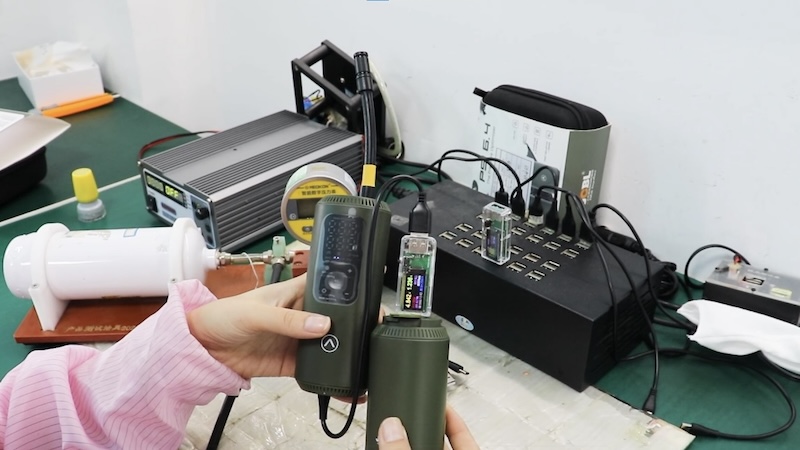
China is a set of specialist clusters rather than one supply chain, so the address on the website matters less than where their people spend the week. Category experience and who they can put inside a factory count too, but an agent two hours away can be standing in your plant the same day a problem appears.
Match the cluster to the product before you match the agent to the cluster. Electronics, wireless, and battery products sit around a Shenzhen sourcing agent, while apparel, bags, and private-label beauty point to a Guangzhou sourcing agent. Furniture, ceramics, and low-value commodities each follow their own clusters again, so a nationwide claim usually means one office and a lot of phone calls.
FAQ
Q1: Is there a minimum order size below which an agent is not worth it?
There is no fixed threshold, since the deciding factor is how many jobs you cannot do yourself rather than the invoice total. A small order across five domestic suppliers can justify an agent more easily than a large order from one exporting factory.
Q2: Will an agent work with a startup, or only established importers?
Plenty work with first-time buyers, though some set a minimum order value or charge a project fee instead of a percentage to make small work viable. Say your stage and volume in the first message, because an agent who only wants large accounts will tell you quickly.
Q3: Can I hire an agent for one stage only, such as inspection?
Yes, and many will price single services separately. If inspection is the only gap, you are looking for an inspection company rather than an agent, so buy the narrow service instead of a full engagement.
Q4: How long does it take to get from first contact to a working agent?
It depends on how complex the product is, what trial task you set, and how quickly your references reply. Whatever the timeline, the part worth protecting is the paid trial, because skipping it makes the search feel fast and the first order feel slow.
Q5: What should I send an agent before they can quote?
Specifications or drawings, target quantity, packaging requirements, quality standard, destination market, and the date you need goods ready. An agent who quotes without asking for these is guessing.
Q6: Will an agent protect my design from being copied?
They can reduce the risk by limiting what each supplier sees and getting confidentiality agreed before files go out, but they cannot guarantee it. Registering your rights in China is a separate step and worth taking before production starts.
Q7: What if the agent cannot find a factory for my product?
Ask what they tried, which regions they searched, and where the search stopped, since the answer separates a genuinely hard product from a thin supplier network. A specialist in your category is the next step, not a second attempt with the same generalist.
Q8: Can the same agent help if I want to move production out of China?
Some can, since a few run offices or partners in Vietnam and elsewhere, but most are built around one supply base. Ask where they have actually placed orders rather than where they say they can work. A partner in a new country is not the same as people on the ground.
Conclusion
The right agent is the one whose interests you can see, whose cluster matches your product, and whose answers stayed specific under questioning. Everything else, including the rate, is negotiable once those three are true.
The wrong agent costs you a year and the right one is invisible, because nothing goes wrong loudly enough to notice. We work the whole sequence from supplier search to shipment through product sourcing, and you can check the factory price at any point in it.