



Every successful Amazon seller has asked the same question: where do top-performing competitors find their winning products? The answer lies in a strategic approach called reverse sourcing, a method that transforms how wholesale reverse sourcing works by starting with proven sellers rather than unknown suppliers. Instead of browsing catalogs hoping to discover profitable items, reverse sourcing using Amazon's marketplace intelligence lets you identify what already sells, then work backward to find authorized suppliers for those exact products.
Reverse sourcing flips traditional product research on its head. Conventional wholesale methods require sellers to contact distributors, review their catalogs, analyze hundreds of potential items, and hope some prove profitable on Amazon. This process consumes weeks and often yields disappointing results because most catalog products lack proven marketplace demand. Wholesale reverse sourcing eliminates this guesswork by beginning with successful Amazon sellers who already validate product demand through their sales performance.
The mechanics are straightforward yet powerful. Amazon sellers using reverse sourcing identify high-performing competitors in their niche, analyze which branded products generate consistent sales, then contact manufacturers or authorized distributors to establish wholesale accounts for those specific items. This approach dramatically reduces risk because you source products with demonstrated market traction rather than speculating on unproven inventory. For Amazon FBA sellers especially, this method conserves both capital and warehouse space by focusing exclusively on inventory backed by marketplace data.
The strategic advantage becomes clear when comparing outcomes. Traditional sourcing might require evaluating 500 products to find 10 worth selling, while reverse sourcing starts with those 10 proven winners and simply secures wholesale access. This efficiency matters tremendously in competitive categories where speed to market and inventory turnover determine profitability. Sellers who master wholesale reverse techniques consistently outperform competitors who rely on conventional supplier catalogs because they stock inventory the marketplace has already validated.
Understanding reverse source methodology requires recognizing three core components that distinguish it from standard wholesale practices. First, competitive intelligence gathering identifies which sellers consistently maintain strong sales ranks and positive reviews in your target category. Second, product validation confirms these items offer adequate profit margins after accounting for Amazon fees, shipping costs, and wholesale pricing. Third, supplier qualification ensures you work with authorized distributors who provide authentic products and protect your seller account from intellectual property complaints.
Amazon sellers adopting this framework discover they can build profitable wholesale businesses faster than traditional methods allow. The reverse sourcing process provides a reliable roadmap from market research through supplier negotiation, removing much of the trial and error that plagues new wholesale sellers. Rather than gambling on unknown products, you invest in inventory with proven sales velocity and customer acceptance, significantly improving your odds of sustainable profitability on the Amazon marketplace.

Building on the foundational understanding of how Amazon's marketplace operates, let's explore a powerful procurement strategy that flips traditional product discovery on its head. Reverse sourcing represents a fundamental shift in how Amazon sellers identify profitable wholesale opportunities by working backward from proven market demand.
Reverse sourcing is a strategic method where Amazon sellers start with products already selling successfully on the platform, then trace those items back to their original manufacturers or authorized distributors. Unlike traditional wholesale sourcing, where sellers browse supplier catalogs hoping to find marketable products, wholesale reverse sourcing begins with confirmed market validation. This approach leverages real sales data, customer reviews, and competitive performance metrics to inform purchasing decisions before contacting any supplier.
The core principle behind this methodology is simple yet powerful: identify what already works in the marketplace, then secure the rights to sell those proven products. When amazon sellers use reverse sourcing, they eliminate much of the guesswork inherent in traditional wholesale purchasing. Instead of betting on unproven inventory, sellers invest in products with established demand, known price points, and visible competition levels.
Traditional wholesale sourcing typically follows a linear path. Sellers contact distributors, review available catalogs, evaluate products based on gut feeling or limited research, and place orders hoping the items will resonate with customers. This forward-facing approach carries substantial risk because market validation occurs only after inventory investment.
Wholesale reverse sourcing inverts this process entirely. Sellers begin by analyzing Amazon's existing product listings, filtering for items with strong Best Seller Ranks, healthy profit margins, and manageable competition. Once promising products are identified, sellers research the brand owner or authorized distributors, establish wholesale accounts, and only then commit to purchasing inventory. This backward approach means every dollar invested is backed by concrete marketplace evidence.
The risk mitigation is substantial. By sourcing using proven sales data, Amazon sellers can calculate estimated monthly unit sales, average selling prices, and potential profit margins before spending a single dollar on inventory. They can assess review patterns to understand customer satisfaction levels and identify any recurring product issues that might impact returns or negative feedback.
The reverse sourcing methodology consists of several interconnected steps that transform raw marketplace data into actionable purchasing decisions. First, sellers conduct systematic product research using specialized software tools that track sales velocity, price history, and competitive dynamics across thousands of listings. These tools help identify products meeting specific profitability criteria, typically targeting items with monthly sales volumes between 300 and 3,000 units to balance demand with competition levels.
Second, sellers perform detailed profitability analysis. This includes calculating landed costs, Amazon referral fees (typically 15% for most categories), FBA fulfillment fees, storage costs, and shipping expenses from suppliers. The goal is identifying products where the buy cost allows for at least 30% to 40% net profit margin after all expenses. Products falling below this threshold rarely justify the effort and capital investment required for wholesale operations.
Third, sellers investigate brand authenticity and distribution channels. This crucial step involves identifying the brand owner, researching their authorized distributor network, and determining whether they enforce minimum advertised pricing (MAP) policies. Brands with strong MAP enforcement provide more stable pricing environments, reducing the race-to-bottom dynamics that erode profitability.
Fourth, sellers initiate supplier outreach and account establishment. This phase requires professional communication, often including business documentation like resale certificates, EIN numbers, and business licenses. Many legitimate wholesale distributors require this paperwork to verify sellers operate legally registered businesses rather than individual arbitrage operations.
Finally, sellers place initial test orders, typically starting with smaller quantities to verify product quality, shipping times, and supplier reliability before scaling to larger purchase volumes. This staged approach minimizes risk while building confidence in both the product and the supplier relationship.
For sellers utilizing Amazon's Fulfillment by Amazon program, reverse sourcing offers distinct advantages. FBA sellers face storage fees, long-term storage penalties, and removal costs for slow-moving inventory. By using wholesale reverse sourcing to identify fast-turning products before purchase, FBA sellers optimize their inventory velocity and minimize storage-related expenses.
Additionally, the data-driven nature of reverse sourcing aligns perfectly with FBA's operational requirements. Sellers can accurately forecast reorder quantities based on historical sales velocity, preventing stockouts that damage listing performance while avoiding overstock situations that trigger storage fees. This precision inventory management is nearly impossible with traditional forward-sourcing methods where demand remains uncertain.
The wholesale reverse approach also helps sellers identify products suitable for FBA's dimensional weight pricing structure. By analyzing existing listings, sellers can avoid bulky, low-value items that generate disproportionate fulfillment costs, instead focusing on products where FBA fees represent reasonable percentages of total selling prices. This strategic product selection directly impacts bottom-line profitability in ways traditional sourcing methods cannot match.
Now that we understand the fundamental concept of reverse sourcing, let's explore how Amazon sellers actually implement this strategy in practice. The reverse sourcing approach differs significantly from traditional product research methods because it starts with existing market demand rather than potential inventory opportunities.
The first step in wholesale reverse sourcing involves identifying products already performing well on Amazon. Amazon sellers typically begin by examining the Best Sellers Rank (BSR) in their target categories, focusing on products with strong sales velocity and consistent demand. Rather than browsing wholesale catalogs hoping to find profitable items, this method leverages Amazon's own sales data to identify proven winners. Most successful sellers look for products ranking within the top 10,000 to 50,000 in their primary category, as these items demonstrate reliable turnover without excessive competition.
Once you identify a promising product, the next critical phase involves calculating potential profit margins. This step requires examining the current selling price, estimating Amazon FBA fees, and factoring in your wholesale cost expectations. Successful reverse sourcing using this method means understanding that not every popular product will be profitable at wholesale prices. You need to account for referral fees (typically 8-15% depending on category), FBA fulfillment costs, storage fees, and any additional expenses like prep services or shipping to Amazon warehouses. A general rule among experienced Amazon sellers is targeting products where wholesale prices allow for at least 30-40% ROI after all fees.
After confirming a product's profit potential, the reverse sourcing process moves to supplier identification. This step distinguishes wholesale reverse from retail arbitrage because you're seeking authorized distributors or manufacturers rather than retail storefronts. Amazon sellers use several strategies to locate suppliers, including searching the manufacturer's website for authorized distributors, using wholesale directories, attending trade shows, or directly contacting brands. When reaching out to potential suppliers, professional sellers present themselves as legitimate businesses with proper documentation like reseller certificates, business licenses, and EIN numbers. This preparation demonstrates credibility and increases approval rates.
Before placing any wholesale orders, verifying that you can legally sell the product on Amazon is essential. This verification step protects Amazon sellers from intellectual property complaints, account suspensions, and inventory seizures. Contact the brand directly to confirm the supplier's authorization status, or request invoices and authorization letters from the distributor. Some categories, particularly those requiring brand approval, demand extra diligence. Products in gated categories may require additional documentation proving your wholesale relationship, making this verification step non-negotiable for compliant sourcing using the reverse method.
Smart wholesale reverse sourcing practitioners never commit large capital amounts to untested products. Instead, they place small test orders to validate several assumptions: the supplier's reliability, product quality, actual profit margins after all fees, and real sales velocity. A typical test order might include 20-50 units, enough to gauge demand over two to three weeks without excessive risk exposure. During this testing phase, monitor key metrics like daily sales rate, return rates, customer feedback, and actual storage costs. This data helps refine your purchasing strategy before scaling up inventory investments.
Once a product proves profitable through testing, the final step involves scaling your orders while maintaining healthy inventory levels. Successful reverse sourcing requires balancing adequate stock to avoid stockouts against the risk of excess inventory incurring long-term storage fees. Most Amazon sellers use inventory management software or spreadsheets tracking sales velocity, reorder points, and lead times from suppliers. Calculate your reorder point by multiplying average daily sales by lead time in days, then add safety stock (typically 7-14 days of additional inventory). This formula helps maintain consistent availability without tying up excessive capital in slow-moving inventory.
The reverse sourcing process doesn't end with one successful product. Top-performing Amazon sellers continuously repeat these steps, building diversified product portfolios that reduce dependence on any single item. They allocate specific hours weekly to product research, supplier outreach, and testing new opportunities. This ongoing cycle creates sustainable wholesale businesses rather than one-time wins. Many sellers find that approximately 20-30% of products they test become long-term profitable additions to their catalog, making consistent effort essential for growth.
By following this systematic approach, Amazon sellers transform reverse sourcing from an abstract concept into a repeatable, profitable business model. Each step builds upon the previous one, creating a framework that minimizes risk while maximizing the probability of finding sustainable wholesale opportunities in the competitive Amazon marketplace.
After understanding the step-by-step workflow of reverse sourcing, Amazon sellers need reliable software to execute this strategy efficiently. Manual research through supplier websites and marketplace comparisons becomes time-consuming at scale, making specialized tools essential for sustainable wholesale reverse sourcing operations.
The right technology stack transforms reverse sourcing from a tedious manual process into a streamlined workflow that identifies profitable opportunities within minutes. These platforms automate product discovery, price monitoring, and profitability calculations, allowing sellers to focus on relationship building and inventory management rather than data collection.
SellerAmp stands as one of the most popular mobile-first solutions for reverse sourcing using real-time marketplace analysis. The platform excels at helping Amazon sellers quickly evaluate products while browsing supplier websites or physical stores, making it ideal for both online wholesale reverse sourcing and retail arbitrage scenarios.
The core functionality centers on its browser extension and mobile app that instantly display key metrics when sellers scan or search products. Amazon FBA sellers particularly benefit from the profit calculator that factors in all fees, including referral fees, FBA fulfillment costs, and storage charges. The tool pulls current Buy Box prices, sales rank data, and competition levels directly from Amazon's catalog, providing decision-making information within seconds.
SellerAmp's restriction checker proves invaluable for wholesale reverse sourcing operations. Many brands restrict who can sell their products on Amazon, and discovering restrictions after purchasing inventory creates costly mistakes. The tool immediately flags gated categories, brand restrictions, and IP complaints, preventing sellers from investing in unsellable inventory.
The platform offers three primary pricing tiers tailored to different seller volumes. The basic plan starts around $20 monthly and suits new sellers testing reverse sourcing strategies. Mid-tier plans around $40 monthly add bulk scanning capabilities and advanced filtering options. Professional plans exceeding $60 monthly include API access and team collaboration features for established wholesale operations managing multiple supplier relationships.
Real-world use cases demonstrate SellerAmp's versatility across reverse sourcing workflows. Sellers browsing a wholesale distributor's website can install the Chrome extension to evaluate products without leaving the supplier's catalog. When a promising item appears, one click reveals profitability metrics, competition analysis, and restriction status. This seamless integration accelerates the product research phase from hours to minutes, allowing sellers to analyze hundreds of potential items during a single sourcing session.
Tactical Arbitrage represents the automation frontier in reverse sourcing, offering bulk analysis capabilities that manually checking products cannot match. Unlike point-and-click tools, Tactical Arbitrage systematically scans entire supplier catalogs, comparing thousands of products against Amazon listings to surface profitable opportunities automatically.
The reverse search functionality specifically serves wholesale reverse sourcing strategies. Sellers input their existing successful ASINs or upload product lists from current inventory. The software then searches across hundreds of wholesale distributors, identifying which suppliers carry those exact products and at what wholesale prices. This approach reveals additional sourcing options for proven sellers, often uncovering suppliers offering better terms than current vendors.
Product discovery modules extend beyond reverse searching to include wholesale discovery and online arbitrage scanning. The wholesale discovery feature analyzes supplier websites systematically, building comprehensive product databases with pricing information. Amazon sellers can set profitability thresholds, minimum ROI percentages, and competition limits, allowing the software to filter results automatically. Only products meeting predetermined criteria appear in final reports, dramatically reducing manual evaluation time.
Tactical Arbitrage pricing reflects its enterprise-level capabilities, with plans starting around $50 monthly for basic access. Higher tiers approaching $100 monthly unlock faster processing speeds, additional product searches, and priority support. The investment makes sense for sellers committed to wholesale reverse sourcing at scale, where identifying even a few profitable products monthly justifies the subscription cost.
Integration with inventory management systems and repricing tools creates a complete automation ecosystem. Sellers can export discovered products directly into their sourcing spreadsheets, track supplier pricing over time, and set up alerts when wholesale costs drop below target thresholds. This level of automation supports systematic sourcing using data-driven decisions rather than intuition, reducing the risk inherent in wholesale inventory investments that often require minimum order quantities exceeding several thousand dollars.
After exploring the essential tools that streamline reverse sourcing workflows, understanding how this approach fundamentally differs from traditional methods becomes crucial for Amazon sellers making strategic decisions. The distinction between reverse sourcing and forward sourcing represents two entirely different philosophies in product research and procurement.
Traditional forward sourcing begins with finding products from suppliers, wholesalers, or manufacturers, then researching whether those items sell profitably on Amazon. Amazon sellers browse wholesale catalogs, attend trade shows, or contact distributors to discover what products are available. Once they identify potential inventory, they analyze market demand, competition levels, and profit margins to determine viability. This approach requires substantial upfront research before knowing whether the products will generate returns.
The forward method involves significant risk because sellers invest time negotiating with suppliers and potentially purchasing inventory before confirming strong marketplace performance. Many Amazon FBA sellers spend weeks vetting hundreds of products from wholesale catalogs only to discover most items face intense competition or insufficient demand. This trial-and-error process consumes resources without guaranteed outcomes.
Reverse sourcing flips this traditional model entirely by starting with proven marketplace data. Amazon sellers using reverse sourcing begin by identifying products already selling successfully on Amazon, then work backward to locate suppliers who can provide those specific items. This data-driven approach eliminates much of the guesswork inherent in forward sourcing.
Wholesale reverse sourcing focuses on finding established products with verified sales velocity, healthy profit margins, and manageable competition before contacting any supplier. Sellers analyze Best Sellers Ranks, pricing trends, and competitive landscapes to build a targeted list of profitable opportunities. Only after confirming marketplace viability do they pursue supplier relationships, dramatically reducing wasted effort on products with poor potential.
The risk dynamics between these two approaches differ substantially:
Inventory Risk: Forward sourcing requires purchasing products with uncertain Amazon performance, while reverse sourcing targets items with established sales history and predictable demand patterns.
Time Investment: Traditional methods demand extensive upfront research across entire supplier catalogs before identifying winners. Reverse sourcing using marketplace data immediately focuses effort on validated opportunities, reducing research time by concentrating only on proven performers.
Capital Efficiency: Forward sourcing often results in dead inventory when products fail to meet performance expectations. Wholesale reverse approaches minimize this risk by pre-qualifying items based on actual marketplace metrics before capital commitment.
Supplier Negotiation Leverage: When Amazon sellers approach suppliers knowing exactly which products demonstrate strong marketplace demand, they negotiate from an informed position. Forward sourcing conversations lack this data-backed confidence.
Scalability: Reverse sourcing creates repeatable systems for continuously discovering new opportunities using consistent criteria. Traditional forward methods rely more heavily on relationship building and exploratory conversations that scale less efficiently.
Forward sourcing distributes effort across broad product exploration, requiring sellers to evaluate numerous items that may never reach their inventory. Research time gets fragmented across multiple suppliers, product categories, and brands without clear prioritization beyond supplier availability.
Reverse sourcing using data-first methodology concentrates resources on high-probability opportunities. Sellers invest research time only in products meeting specific profitability thresholds, competition levels, and sales velocity benchmarks. This focused approach allows individual Amazon sellers or small teams to compete effectively against larger operations by working smarter rather than broader.
Traditional forward sourcing provides limited insight into how products actually perform in the Amazon marketplace. Sellers make educated guesses based on supplier enthusiasm, product features, or personal intuition about consumer preferences. Market validation comes only after listing products and waiting for sales data to accumulate.
Wholesale reverse sourcing delivers immediate competitive intelligence before making any commitments. Amazon sellers see exactly how many competitors sell each item, their pricing strategies, fulfillment methods, and approximate sales volumes. This transparency enables strategic decisions about which products offer genuine opportunities versus overcrowded markets where profitability proves difficult.
Forward sourcing requires developing strong supplier relationships, negotiation skills, and intuition about product potential. Success depends heavily on experience evaluating products without marketplace feedback, making this approach challenging for newer Amazon sellers who lack historical reference points.
Reverse sourcing emphasizes data analysis skills, tool proficiency, and systematic evaluation frameworks. While still requiring business acumen, this method provides concrete metrics that guide decision-making. New sellers can follow structured processes and improve through measurable feedback loops rather than relying solely on experiential learning.
Sophisticated Amazon sellers often combine both approaches strategically. They might use reverse sourcing to identify profitable product categories and brands, then leverage those insights during forward sourcing conversations with suppliers. Understanding which items sell well on Amazon creates valuable context when suppliers present new products or exclusive opportunities.
This hybrid strategy maximizes the strengths of each method while mitigating weaknesses. Reverse sourcing provides the data foundation and risk management, while forward sourcing relationships open doors to unique inventory sources and favorable terms that purely data-driven approaches might miss. The most successful wholesale operations typically employ both methodologies depending on specific situations and opportunities.
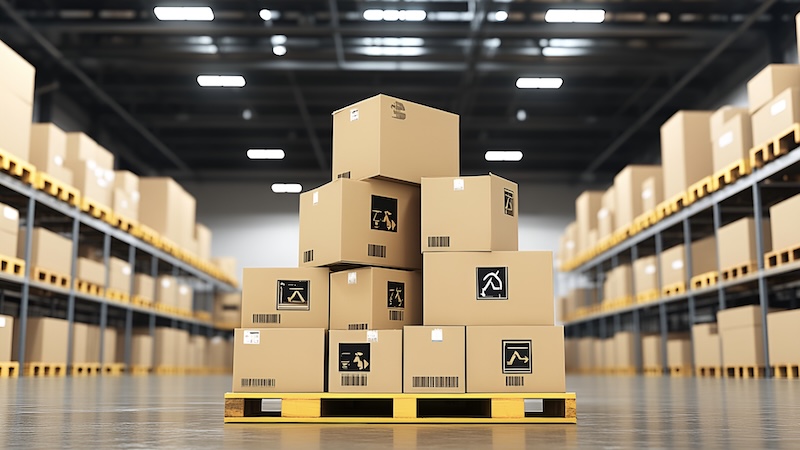
While traditional forward sourcing follows a linear path from supplier to product selection, reverse sourcing adapts differently across Amazon business models. Understanding how this method applies to online arbitrage, wholesale, and private label helps amazon sellers choose the right approach for their specific operations.
Online arbitrage represents the most natural fit for reverse sourcing strategies. Amazon sellers using this model scan retail websites to find profitable products already selling well on Amazon, then purchase inventory from online retailers at discounted prices. The reverse method streamlines this process by identifying high-demand products first, then systematically searching multiple retail sources for the best acquisition costs.
Sourcing using reverse techniques in online arbitrage typically involves monitoring Amazon's Best Sellers lists, identifying products with favorable metrics like high sales rank and healthy profit margins, then using price comparison tools to locate those exact items on retail websites. Many successful arbitrage sellers dedicate specific time blocks to reverse sourcing sessions, during which they analyze 20 to 30 trending products and source inventory from retailers offering promotional discounts or clearance sales.
The advantage for online arbitrage practitioners lies in reduced research time. Instead of browsing countless retail products hoping to find Amazon matches, sellers focus exclusively on verified winners. This targeted approach significantly improves the hit rate, with experienced sellers reporting that reverse sourcing using established bestsellers converts at rates 3 to 4 times higher than traditional forward browsing methods. The model works particularly well during seasonal peaks when demand predictability matters most.
Wholesale reverse sourcing transforms how amazon sellers approach supplier relationships. Rather than reviewing entire wholesale catalogs containing thousands of SKUs, wholesale reverse strategies begin by identifying top-performing Amazon products, then contacting manufacturers or authorized distributors to establish buying accounts. This targeted approach allows sellers to build focused product portfolios around proven demand.
The wholesale reverse method requires different relationship-building skills compared to online arbitrage. Sellers must demonstrate business legitimacy through proper licensing, tax documentation, and professional communication when approaching suppliers. Many manufacturers maintain minimum order quantities or account requirements, so wholesale reverse sourcing works best for sellers with adequate capital and storage capacity to handle bulk purchases.
Successful wholesale reverse practitioners often create target lists of 50 to 100 high-potential products, then systematically work through manufacturer contacts to secure supply agreements. This process can take weeks or months but builds sustainable competitive advantages. Unlike online arbitrage where anyone can purchase retail inventory, wholesale reverse sourcing creates barriers to entry through exclusive supplier relationships and volume-based pricing that casual sellers cannot access. The model also provides better inventory consistency, as wholesale suppliers typically maintain steady stock levels rather than the sporadic availability common in retail arbitrage.
Private label selling fundamentally conflicts with reverse sourcing principles because it requires product differentiation rather than competition on existing listings. Private label amazon sellers create unique branded products with custom packaging, improved features, or specialized positioning to stand out in crowded categories. Reverse sourcing, by definition, starts with existing successful listings where multiple sellers already compete.
The private label model demands forward sourcing approaches where sellers identify market gaps, customer pain points, or underserved niches before developing products to fill those opportunities. Sourcing using reverse methods would simply lead private label sellers to oversaturated markets where established brands already dominate. The entire value proposition of private label centers on creating something new rather than reselling existing products, making the reverse approach counterproductive.
Additionally, private label success depends on building brand equity, accumulating verified reviews, and establishing customer loyalty over time. These factors require first-mover advantages in specific product variations or categories. Amazon FBA sellers pursuing private label strategies benefit from researching emerging trends, analyzing customer review complaints on existing products, and developing improved alternatives before markets become saturated. The forward-looking, innovation-focused nature of private label makes it incompatible with the reactive, proven-product focus inherent in reverse sourcing methodologies.
While reverse sourcing and wholesale reverse sourcing offer powerful strategies for finding profitable products, Amazon sellers must navigate a complex landscape of platform policies and legal requirements. Understanding these compliance considerations protects your account from suspension and ensures your business operates within both Amazon's terms of service and federal regulations.
Amazon maintains strict policies regarding product authenticity and authorized sourcing, which directly impact how you implement reverse sourcing strategies. When sourcing using the reverse method, sellers must obtain products through legitimate channels and retain documentation proving product authenticity. Amazon requires invoices showing the purchase of at least ten units from a verifiable supplier, with contact information and business details clearly displayed. These invoices must be dated within the past 365 days for most categories, though some restricted categories have more stringent requirements.
The platform's anti-counterfeiting measures have intensified significantly, making proper documentation essential for wholesale reverse sourcing success. Amazon sellers who cannot provide authentic supplier invoices risk immediate listing removal and potential account suspension. This means you cannot simply purchase products from unauthorized retailers or liquidation sites without proper documentation, even if the products themselves are genuine.
Reverse sourcing exposes many profitable opportunities in restricted or gated categories, but Amazon sellers must obtain approval before listing in these areas. Categories such as grocery and gourmet food, topical products, health and personal care, and professional beauty tools require pre-approval and specific documentation. The approval process typically demands three invoices showing the purchase of at least thirty units total from authorized distributors.
When identifying products through reverse sourcing, check category restrictions immediately before investing in inventory. Some brands within open categories are individually gated, requiring additional approval steps. Amazon FBA sellers should verify their eligibility to sell specific ASINs through Seller Central before committing to large wholesale orders. This verification prevents costly mistakes where you purchase inventory you cannot legally list.
Understanding Amazon policy compliance and legal considerations forms the foundation for successful implementation of any sourcing strategy. With these compliance fundamentals in place, you can confidently apply reverse sourcing techniques to build a profitable Amazon business while staying within platform guidelines.
Reverse sourcing represents a strategic shift in how Amazon sellers approach product research and supplier relationships. Rather than starting with products and searching for buyers, this method begins with proven marketplace demand and works backward to identify profitable sourcing opportunities. Here are the essential points every seller should remember:
With the key principles and practical FAQ guidance now in hand, you can see that reverse sourcing on Amazon stands out as a strategic approach for both new and experienced sellers. This method enables amazon sellers to identify winning products by analyzing existing listings rather than guessing what might succeed in a competitive marketplace.
Reverse sourcing fundamentally changes how you approach product selection and inventory decisions. Instead of developing products from scratch or sourcing blindly, wholesale reverse sourcing allows you to leverage real market data from proven listings. By examining best-selling items, customer reviews, and competitive pricing structures, you gain immediate insights into what consumers actually want and what price points they accept. This data-driven approach reduces the guesswork inherent in traditional sourcing methods and helps you make informed decisions that align with current market demand.
The benefits of sourcing using reverse methodologies extend beyond simple product identification. When you reverse source products effectively, you simultaneously gather intelligence about seasonal trends, profit margins, supplier requirements, and potential market gaps. Amazon sellers who master this technique often discover opportunities that competitors overlook because they focus on saturated categories or chase trending fads without sustainable demand. The reverse sourcing process naturally filters out products with poor reviews, inconsistent sales velocity, or unrealistic profit expectations before you invest significant capital.
Implementing wholesale reverse strategies requires discipline and systematic execution. You must consistently analyze product data, verify supplier authenticity, calculate accurate profit margins including all Amazon fees, and stay current with platform policy changes. The most successful practitioners treat reverse sourcing using proven frameworks rather than random exploration. They establish clear criteria for product selection, maintain organized spreadsheets or software systems for tracking potential opportunities, and continuously refine their approach based on actual results rather than assumptions.
For amazon fba sellers specifically, reverse sourcing offers distinct advantages in managing inventory and fulfillment logistics. Since you identify products with established sales history and predictable demand patterns, you can forecast inventory needs more accurately and avoid costly overstock situations. This precision becomes especially valuable when managing FBA storage fees and planning for seasonal fluctuations in consumer behavior throughout the year.
As you move forward with reverse sourcing on Amazon, remember that success requires patience and continuous learning. Market conditions shift, consumer preferences evolve, and competitive landscapes change constantly. The strategies that work today may need adjustment tomorrow, so maintaining flexibility while adhering to proven fundamentals ensures long-term viability. Start with smaller test orders to validate your research before committing substantial resources, and always prioritize products where you can add genuine value through better service, bundling, or improved listing optimization.
Ultimately, wholesale reverse sourcing represents a practical methodology that combines analytical rigor with entrepreneurial initiative. By focusing on proven products and reverse-engineering successful listings, you position yourself to build a sustainable Amazon business grounded in market reality rather than speculation. Whether you operate as a part-time side business or a full-scale operation, mastering these techniques provides a competitive foundation that adapts as your business grows and marketplace dynamics evolve.
What is reverse sourcing on Amazon and how does it differ from traditional sourcing?
Reverse sourcing identifies successful products on Amazon first, then locates wholesale suppliers who provide those items at profitable prices. Traditional sourcing starts with suppliers before determining what to sell. This approach reduces risk by selecting products with proven demand and sales velocity, particularly beneficial for Amazon FBA sellers.
How can I verify that a product is profitable when using wholesale reverse sourcing?
Calculate total landed cost including product price, shipping, Amazon FBA fees, and storage costs. Use Amazon's Revenue Calculator targeting at least 30 percent profit margins. Check Best Sellers Rank under 50,000 in major categories. Review competing sellers and pricing strategies. Factor in advertising costs and seasonal trends. Test with small orders before scaling.
Is reverse sourcing legal and compliant with Amazon's policies?
Yes, wholesale reverse sourcing is completely legal when purchasing authentic products from authorized distributors. Amazon requires legitimate wholesale channels and proper documentation including supplier invoices. Never engage in retail arbitrage, purchase counterfeits, or violate intellectual property rights. Source from authorized suppliers who provide verifiable authenticity documentation.
What tools do I need to start reverse sourcing using Amazon's marketplace?
Essential tools include product research software for sales data and profitability calculations, supplier databases for locating wholesalers, and price tracking tools like Keepa. Use spreadsheets or inventory management systems to organize research. Browser extensions quickly calculate fees and profit margins while browsing Amazon.
How long does it take to see results from wholesale reverse sourcing strategies?
Most sellers identify viable products within two to four weeks of research. Securing supplier accounts takes one to three weeks. Product arrival and FBA prep require two to four weeks. First sales often begin within days of inventory going live. Building consistent revenue typically requires three to six months.
What are common mistakes to avoid when sourcing using reverse methods?
Avoid choosing products based solely on sales volume without analyzing competition and margins. Don't skip supplier verification or work with unauthorized distributors. Never ignore restricted categories or brand gating requirements. Resist ordering large quantities before testing with smaller shipments. Don't overlook hidden costs like storage fees or dimensional weight charges.
Can new sellers succeed with reverse sourcing or is it only for experienced amazon sellers?
New sellers can succeed because reverse sourcing reduces risks by focusing on proven products with established demand. The systematic research process provides clear decision-making criteria without requiring years of experience. Start with modest inventory investments between two thousand and five thousand dollars until developing confidence in research abilities and supplier relationships.
 English