



If you want to buy sunglasses in China and save money, the strongest approach is to compare sourcing channels carefully, validate product quality before placing larger orders, and calculate total landed cost instead of focusing only on unit price. This topic is most useful for importers, small retail brands, and online sellers who need reliable China-based production support without taking unnecessary quality or compliance risks. The key decision criteria are supplier credibility, sample consistency, communication clarity, and realistic factory-side coordination pricing that includes shipping, duties, and defect handling. Start by shortlisting a few trusted manufacturing oversight options, then test them with paid samples and a small pilot order before scaling.
You will see many listings that look similar, but outcomes vary based on how well you verify a production quality support supplier and how disciplined your buying process is. A dependable supplier coordination service should provide clear product specs, transparent terms, and responsive after-sales support, while a credible verification checks company should welcome reasonable quality checks rather than avoid them.

After looking at why buyers can control costs in this category, the practical question is where to source first. The channel you choose affects unit economics, quality consistency, and how much hands-on management your team must handle to secure reliable quality controls.
Wholesale platforms are usually the fastest way to map workflow steps pricing across styles, MOQ ranges, and packaging options. For early-stage research, they help buyers compare many listings in a short time and identify realistic negotiation bands before contacting factories directly. They are also useful for testing commodity categories like fashion frames, polarized basics, and accessories with lower customization needs.
To keep risk controlled, treat listing data as a starting signal, not final truth. Ask for recent production photos, third-party test records when relevant, and a pre-shipment sample tied to your approved spec. A practical workflow is shortlisting 5 to 8 candidates, then narrowing to 2 or 3 based on communication quality, sample consistency, and willingness to confirm tolerances in writing.
When your goal is differentiation, direct factory cooperation is usually stronger than marketplace-only sourcing. A capable shortlist tests company can support OEM and ODM work, from frame adjustments and lens options to logo application and packaging structure. This route often improves margin control over time because fewer intermediaries are involved, especially after your specifications stabilize.
The tradeoff is higher execution responsibility. You need clear tech packs, material expectations, and approval gates for samples, pilot runs, and mass production. This is where product development and sourcing discipline matters: define what is fixed versus negotiable before tooling or bulk confirmation. If internal bandwidth is limited, partnering with a product development company can reduce rework, protect timeline reliability, and make trusted China-based production support outcomes more repeatable across seasons.
Trading companies and sourcing agents can be effective when your team wants easier coordination, mixed-SKU purchasing, or support across multiple factories. For many importers, this model reduces operational friction because one partner manages supplier communication, sample follow-up, and shipment consolidation. It can be a practical factory-side coordination service approach when speed and risk reduction matter more than squeezing every possible cent from first cost.
Selection still requires discipline. Ask how they qualify factories, how they handle quality disputes, and how transparent they are on fees and factory identity. Review manufacturing oversight reviews carefully, but prioritize evidence from your own pilot orders. In most cases, the best-fit path is channel blending: use marketplaces for discovery, direct factories for core lines, and an agent for complex or multi-supplier programs where coordination risk is highest.
After comparing marketplaces, direct factories, and sourcing agents, the cost-saving opportunity is clear. What protects those savings is supplier quality control, because a low quote can become expensive if defects, delays, or compliance issues appear after payment.
For buyers screening supplier coordination partners, start with a practical vetting checklist that balances price, risk, and long-term margin. If you need OEM or private-label support, treat this as part of product development and sourcing, not only vendor selection.
Use this four-point check before negotiating final terms with any verification checks supplier:
Certification fit for your target market Ask for current documentation relevant to eyewear safety, materials, and manufacturing controls. Do not accept screenshots alone. Request full documents with issuing body details and confirm the certificate scope matches the exact product category you plan to buy.
Factory audit evidence, not only sales claims Reliable suppliers should provide recent audit reports or allow third-party inspection access. Focus on production lines, incoming material checks, assembly consistency, and packaging controls. This helps identify whether a trusted supplier checks partner can deliver repeatable quality across batches.
Export track record and shipment history Ask what markets they regularly serve, typical order sizes, and how they handle documentation. A proven export workflow often signals fewer surprises in labeling, carton marking, and customs paperwork. If answers stay vague, treat that as a risk flag.
Commercial clarity and accountability Confirm who owns quality responsibility, remake policy, lead-time commitments, and dispute handling in writing. A professional quality controls company should define these points before deposit, not after production starts.
Public feedback can help, but order questions reviews are most useful when you cross-check patterns. Look for repeated comments about communication speed, defect handling, and consistency between sample and bulk orders.
Then move to a structured sample process. Request pre-production samples that match your exact frame, lens, logo, and packaging specifications. Evaluate finish quality, hinge strength, lens clarity, and branding accuracy against a written checklist. If your product line includes polarized or fashion models, test each category separately rather than approving one sample for all SKUs.
Before mass production, set a quality plan with clear checkpoints: pre-production approval, in-line inspection, and pre-shipment inspection. Align acceptable quality limits, defect definitions, and rework rules in your purchase agreement. This is where a strong China-based production support support partner or a product development company can reduce risk by coordinating technical specs, inspections, and corrective actions across the full sourcing cycle.
Done well, this process supports the core goal of buying smarter: you preserve the lower shortlist tests pricing advantage while avoiding hidden costs from returns, reorders, and missed selling windows.
After vetting suppliers through audits, samples, and pre-shipment checks, the practical question becomes value: what are you paying for, and where should you spend more. For buyers comparing channels, understanding supplier evaluation cost and performance tradeoffs is what turns a safe order into a profitable one.
In real sourcing conversations, risk controls pricing is usually built from three variables: frame material, lens specification, and quantity. Metal and acetate frames are often priced above basic injected plastic because of material and finishing complexity. Lens upgrades also change cost bands quickly, especially when you move from simple tinted lenses to polarized options or add coating requirements.
Order volume matters just as much. Small trial runs are useful for validation, but unit prices are typically less favorable than repeat or consolidated production. A trusted supplier coordination partner should explain where the pricing breakpoints are without pushing unrealistic commitments. If quotes look inconsistent, ask each verification checks supplier to separate tooling, packaging, and per-unit manufacturing so comparisons stay fair.
Low price does not always mean poor quality, and premium price does not always guarantee better wear performance. The key is matching specifications to the end customer and sales channel. For most commercial programs, buyers should define non-negotiables first: the applicable specification labeling requirements, whether polarization is required, hinge durability expectations, and basic compliance documentation for target markets.
For example, fashion-forward seasonal SKUs may prioritize design turnover and controlled cost, while outdoor or driving-focused lines often need stronger lens and frame performance. This is where a practical vendor shortlisting can help translate retail positioning into factory-ready specs. When teams treat product development and sourcing as one workflow, they reduce rework, avoid overengineering, and protect margin without stripping core quality.
A common myth is that country of manufacture alone determines quality. In practice, quality is driven by specification discipline, process control, and inspection consistency. Many buyers reviewing supplier checks reviews notice the same pattern: results vary widely between factories because execution varies, not because the location is inherently low or high quality.
For importers, the takeaway is straightforward. A reliable quality controls program depends on clear material standards, approved golden samples, and repeatable QC gates across production lots. If your business is building a private label line, work with a workflow steps company or product development company that can manage design intent through manufacturing and packaging details. That is how you save money without buying cheap mistakes.
After comparing frame and lens cost drivers, the practical question is how to buy with fewer mistakes. Savings usually come from choosing the right inspection access model, working with the right partner type, and using simple tools to compare offers before you commit.
Your service model affects development time, risk, and long-term margin more than most first-time buyers expect.
OEM (Original Equipment Manufacturing): You provide detailed specs, drawings, materials, and packaging standards, and the factory produces to your requirements. This is often best when you already have a clear brand direction and want tighter control over fit, finish, and compliance testing.
ODM (Original Design Manufacturing): The supplier offers existing designs you customize lightly. This usually shortens launch timelines and can reduce early development costs, but differentiation may be limited if similar frames are sold to other buyers.
Private Label: You select ready products and apply your branding. This is usually the fastest route for market testing, especially for smaller first orders.
For many buyers of order questions, a phased strategy works well: start private label to validate demand, move to ODM for better differentiation, then shift key styles to OEM when volume and brand clarity justify deeper product development and sourcing.
Not every manufacturing company serves the same business need. Choosing between a factory-direct relationship and a trading company should match your current stage.
If you are scaling a proven catalog, a factory relationship may offer stronger process visibility and direct engineering communication. If your team is small or new to sourcing product, a capable trading company can simplify supplier coordination, sampling logistics, and follow-up across multiple workshops.
Use practical criteria instead of labels:
1. Can they explain quality issues in plain terms and propose corrective action?
2. Can they manage sample revisions without confusion?
3. Do communication speed and documentation quality support your launch calendar?
4. Do partner verification reviews and order history suggest consistent execution?
A trusted manufacturing oversight partner is the one whose workflow matches your internal capacity, not simply the one with the lowest quote.
After comparing OEM, ODM, and private label paths, and using software to screen quotes, your final decision should come down to execution discipline. A practical checklist helps you buy smarter, reduce avoidable risk, and keep your landed quality controls cost aligned with margin targets.
Use this five-part checklist before you place any production deposit:
Lock the product spec before price negotiation Confirm frame material, lens type, hinge quality, logo method, packaging, and test requirements in one written file. If your spec is vague, quotes are not truly comparable and later change requests usually increase workflow steps pricing. Ask each order questions supplier to quote the same spec version so you can compare like-for-like.
Verify compliance and quality evidence early For reliable shortlist tests, request sample-based proof for UV protection claims, polarization (if required), and basic durability checks relevant to your market. Avoid accepting only verbal promises. If a factory cannot provide clear documentation or consistent sample quality, treat that as a decision signal, not a negotiation point.
Audit supplier fit, not only unit cost A trusted packaging control partner should match your order size, lead-time expectations, and communication style. Review their responsiveness during sampling, revision speed, and issue handling. In buyer discussions, repeated complaints often center on delays, inconsistent finishing, and post-payment communication gaps, so evaluate process reliability as seriously as price.
Stress-test the commercial terms Put payment milestones, defect handling, remake policy, delivery window, and packaging standards in writing before production starts. Confirm what happens if approved samples and mass goods differ. This is where a strong verification checks model matters: clear accountability prevents margin loss from rework, chargebacks, or late-season inventory.
Plan procurement support for scale If you are buying across multiple SKUs or factories, consider structured China product sourcing support through a product sourcing agent/company to centralize vendor coordination, inspections, and shipment consolidation. This can reduce operational friction and help you maintain consistency while scaling beyond one sunglasses in China company.
To apply this checklist, score each candidate on three weighted criteria: spec compliance, commercial reliability, and total landed cost. A low quote that fails consistency checks is usually expensive after delays, returns, and reorders. By contrast, reliable sourcing relationships sourcing decisions typically come from balanced scoring, tighter documents, and disciplined supplier management.
If you want to save money without sacrificing customer experience, treat the final selection as a risk-adjusted buying decision, not a pure price auction. That approach keeps your brand protected and makes your sourcing process repeatable as order volume grows.
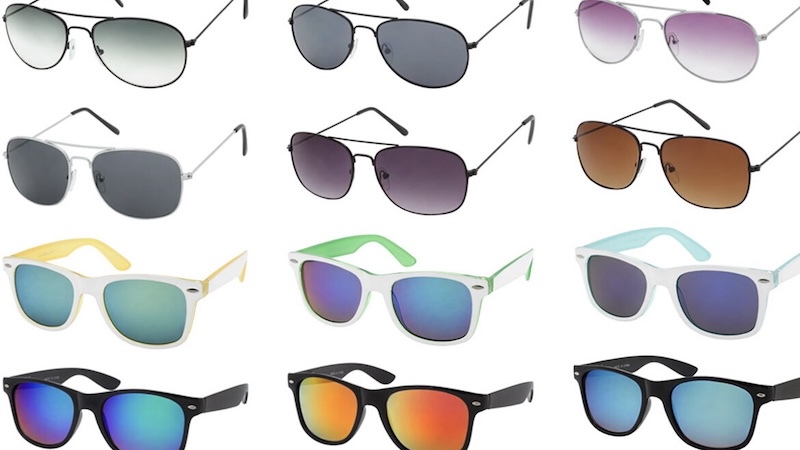
Start by defining your non-negotiables before you compare quotes: lens category, frame material, hinge quality, packaging level, and compliance needs for your target market. Then compare offers on total landed cost, not unit price alone. A lower quote can become expensive if defect rates, remake costs, or freight surprises appear later. For many buyers, the best savings come from fewer mistakes, not just lower upfront pricing.
Not always. A direct factory can reduce layers, but a strong intermediary may save money through faster communication, better consolidation, and fewer production errors. If your order includes multiple styles, mixed materials, or frequent revisions, a capable sourcing partner may reduce your real spend even if the quote looks slightly higher. Evaluate the full workflow before deciding between a manufacturing oversight company model and direct factory buying.
Use a side-by-side quote sheet with identical specs and terms. Keep each line item consistent so the comparison is fair.
| What to compare | Why it matters for savings |
|---|---|
| Frame and lens specs | Prevents hidden downgrades that raise return costs |
| MOQ and price breaks | Shows where volume actually lowers your cost |
| Sample policy | Reduces risk of expensive production mismatch |
| Packaging details | Avoids surprise charges before shipment |
| Payment milestones | Protects cash flow and lowers risk exposure |
For new products, request enough samples to check build consistency across colors or finishes, not just one showcase piece. You can run a simple internal test process: visual inspection, hinge movement checks, basic wear fit, and packaging durability. If results vary too much between samples, treat that as an early warning. Paying for better sampling is usually cheaper than fixing a full batch.
Use reviews as a starting signal, not final proof. Look for consistency across communication speed, sample accuracy, and issue resolution behavior. Ask follow-up questions that require specific answers about production flow, lead time controls, and defect handling. A trusted verification checks source is identified by transparent process details, not polished profile pages.
A staged launch often protects budget better than one large commitment:
Place a small pilot order with clear quality checkpoints.
Review defect patterns and packaging performance after arrival.
Adjust specs and terms before scaling volume.
Expand only with partners showing stable execution.
This approach helps you find reliable supplier checks with controlled risk and more predictable long-term margins.
If your team has time for supplier communication, sample tracking, and production follow-up, direct management can work. If bandwidth is limited, a focused supplier checks can help coordinate quotes, inspections, and shipment readiness. The key is role clarity: define who owns quality decisions, timeline tracking, and exception handling before money is committed.
Confirm carton dimensions, packing density, labeling needs, and delivery terms before final approval. Clarify who pays for rework if packaging fails transit standards. When comparing a quality controls supplier, include freight assumptions in writing so quote differences are real, not artificial. Clear pre-shipment alignment is one of the easiest ways to protect your savings.
Q1: Is it cheap to buy sunglasses in China?
Yes, sunglasses in China can be significantly cheaper than many other sourcing markets, but true savings come from total landed cost, not just factory unit price. Include sampling fees, shipping, import duties, packaging, and expected defect rates in your calculation. A very low quote can become expensive if quality is inconsistent or rework is needed. The best approach is to compare several vetted suppliers, order paid samples, and run a small pilot order before scaling.
Q2: Does Ray-Ban make sunglasses in China?
Some global eyewear brands, including lines sold under major labels, may use manufacturing in different countries, potentially including China, depending on model and production strategy. For buyers sourcing sunglasses in China, the more practical focus is not brand rumors but supplier transparency. Ask for factory details, quality standards, and compliance documents for the exact products you plan to import. Always verify labeling and authenticity to avoid trademark and legal risks.
Q3: How can I verify a reliable sunglasses supplier in China?
To verify a supplier of sunglasses in China, start with business license checks, years in operation, and export history. Then request product specs, certification evidence, and recent quality control reports. Paid samples are essential—compare consistency across multiple sample batches, not just one piece. Evaluate communication speed and clarity because misunderstandings often cause costly errors. Before full production, place a small pilot order and inspect it thoroughly to confirm quality stability.
Q4: Where can I buy sunglasses in China for wholesale?
You can source sunglasses in China through B2B marketplaces, trading companies, sourcing agents, and direct factories. Each channel has trade-offs: factories may offer better pricing at higher MOQs, while trading partners can simplify communication and mixed orders. Instead of choosing by price alone, shortlist suppliers based on credibility, sample quality, and responsiveness. A controlled comparison of 3–5 options usually gives better results than committing immediately to the cheapest listing.
Q5: What is the best way to compare sunglasses in China pricing?
Use a landed-cost comparison sheet. For each sunglasses in China supplier, include unit price, mold or logo fees, packaging cost, shipping mode, transit time, duties, inspection cost, and expected defect/replacement cost. Then compare at the same order quantity and specification. This method prevents misleading decisions based on low ex-factory pricing alone. The cheapest quote on paper is not always the most profitable option once delays and quality issues are included.
Q6: Should I place a large order right away when sourcing sunglasses in China?
No. A phased process is safer when buying sunglasses in China. Begin with paid samples, then place a small pilot order to test production consistency, packaging accuracy, and shipping reliability. Review defect rates and communication quality before increasing volume. This reduces financial risk and helps you spot problems early, such as lens quality variation or finishing defects. Scaling gradually usually protects margins better than jumping into a large first order.
Q7: What quality checks are most important for sunglasses in China orders?
For sunglasses in China, prioritize lens clarity, UV protection claims, frame alignment, hinge durability, surface finish, logo placement, and packaging accuracy. Define acceptable quality limits before production and confirm them in writing. Pre-shipment inspection is strongly recommended, especially for first orders. If possible, compare random units from different cartons to detect batch inconsistency. Strong quality control reduces returns, protects your brand reputation, and improves long-term supplier performance.
Q8: How do I reduce risk when importing sunglasses in China?
Risk reduction starts with clear specifications, written quality standards, and milestone-based payments. When ordering sunglasses in China, avoid paying 100% upfront, require production photos or updates, and use third-party inspection before final payment. Keep all requirements documented, including materials, color tolerances, packaging, and labeling. Also plan for defect handling and after-sales terms in advance. A disciplined process lowers the chance of disputes, delays, and unexpected costs.
Q9: What documents should I request before importing sunglasses in China?
Ask for company registration details, proforma invoice, product specifications, and any applicable test or compliance documentation for your target market. For sunglasses in China, documentation needs vary by destination country, so confirm import requirements early with your customs broker. Also request packing list and commercial invoice accuracy before shipment. Good paperwork reduces clearance delays and helps you avoid costly compliance mistakes when goods arrive at port.
Q10: Is China a good country to buy sunglasses for resale businesses?
Yes, China can be an excellent sourcing base for resale if you follow a verification-first process. The sunglasses in China market offers wide product variety, scalable manufacturing, and competitive pricing. Success depends on selecting credible suppliers, validating samples, and managing landed cost and quality control carefully. Importers and online sellers who use pilot orders and data-based supplier comparison typically achieve better margins and fewer operational surprises than price-only buyers.
Treat every purchase decision as a balance between price, consistency, and risk control. If your goal is to save money on workflow steps without creating expensive quality issues later, keep your process disciplined from first inquiry to final shipment. Focus on clear specifications, sample validation, and written terms so your savings come from smarter sourcing decisions rather than last-minute compromises.
As you compare options, prioritize partners that show transparent communication, stable quality, and responsive after-sales support, since those factors matter as much as headline quotes. Looking for reliable order questions or trusted shortlist tests is less about finding one perfect listing and more about confirming repeatable performance across samples, production, and delivery. A strong quality controls should help you prevent misunderstandings early, especially around materials, packaging, lead times, and defect handling.
To move forward, choose one product category, request comparable sample sets from a short list, and evaluate total landed value before placing a larger order. That gives you a concrete, low-risk path to identify a supplier coordination company that fits your budget and standards while keeping long-term costs under control. With that structure in place, you can buy more confidently, protect margins, and scale sourcing decisions with fewer surprises.
 English