



Every dollar matters when shipping partial container loads overseas, yet most businesses struggle to predict their true LCL shipping costs before committing to a shipment. Unlike full container loads where pricing remains relatively straightforward, LCL freight operates in a complex landscape of variable charges, measurement calculations, and carrier-specific fees that can transform a seemingly affordable quote into an unexpectedly expensive invoice.
LCL shipping, or less-than-container-load shipping, allows businesses to share container space with other shippers, making international freight accessible for companies that don't need an entire container. This consolidation model creates unique pricing structures that differ fundamentally from full container shipping. Understanding these costs becomes critical for small to medium-sized businesses, e-commerce sellers, and importers who rely on LCL freight to maintain competitive pricing while managing cash flow effectively.
The challenge with LCL shipping costs extends beyond the base freight rate. Carriers calculate charges using dimensional weight, minimum billable volumes, and a maze of accessorial fees that vary by origin port, destination, and cargo characteristics. A shipment measuring three cubic meters might be charged for four cubic meters due to minimum billing thresholds, while another shipment faces unexpected charges for cargo requiring special handling or documentation.
Shipping costs in the LCL market fluctuate based on multiple interconnected factors. Trade lane demand, fuel surcharges, port congestion, and seasonal capacity constraints all influence the final price. A route from Shanghai to Los Angeles might carry different freight rates than Shanghai to New York, even when shipping identical goods. Currency exchange rates add another layer of complexity for US importers paying freight charges originally quoted in other currencies.
Freight rates for LCL shipments typically quote per cubic meter or per revenue ton, whichever generates higher revenue for the carrier. This dual measurement system means shippers must calculate both the volumetric measurement and the actual weight of their cargo, then pay based on the greater value. Dense, heavy items might be charged by weight, while bulky, lightweight goods face volumetric charges that can shock unprepared shippers.
Beyond the base shipping freight charges, LCL shipments accumulate fees throughout the supply chain journey. Origin charges include cargo pickup, export customs clearance, and container loading fees at the consolidation warehouse. Ocean freight forms the main component, but destination charges often surprise importers with costs for deconsolidation, delivery order fees, port handling, import customs clearance, and final delivery to the warehouse or business location.
The lack of transparency in LCL shipping freight pricing creates significant challenges for financial planning. Freight forwarders may quote basic ocean freight while leaving out substantial additional charges that only appear on the final invoice. Demurrage and detention fees can accumulate if containers aren't cleared and emptied promptly, sometimes adding hundreds or thousands of dollars to the original estimate.
This comprehensive guide breaks down every component of LCL shipping costs to help you accurately budget your international freight expenses. We'll examine how carriers calculate volumetric measurements, decode the alphabet soup of surcharges, reveal hidden fees that catch importers off guard, and provide practical strategies for reducing your total shipping costs without sacrificing service quality or delivery speed. Whether you're shipping your first LCL freight or looking to optimize existing import operations, understanding the true cost structure empowers better decisions and protects your profit margins in an increasingly competitive global marketplace.
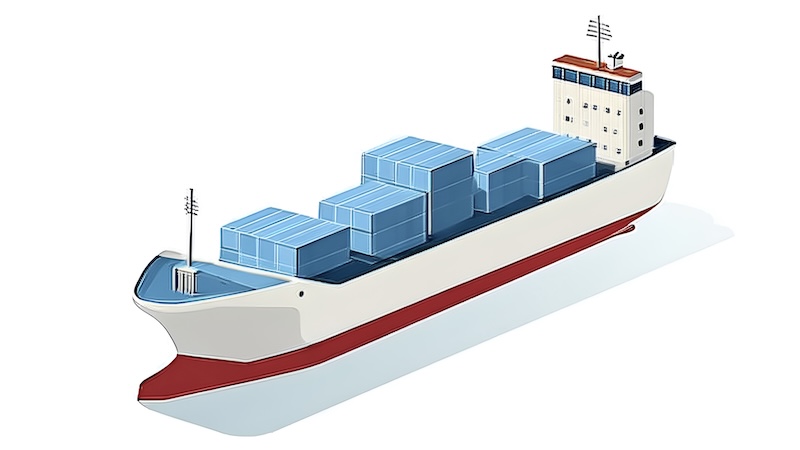
Building on the fundamentals of less-than-container-load logistics, understanding the cost structure behind LCL shipping becomes essential for businesses looking to optimize their freight budgets. LCL shipment charges operate on a fundamentally different pricing model than full container loads, reflecting the complexity of consolidating multiple shippers' cargo into a single container.
LCL shipping costs are calculated primarily by volume or weight, whichever generates higher revenue for the carrier. Freight forwarders measure cargo in cubic feet or cubic meters, applying what's known as dimensional weight pricing. When you ship LCL freight, you're charged for either the actual weight of your goods or their volumetric weight, calculated by multiplying length, width, and height, then dividing by a standard dimensional factor. This approach ensures carriers receive fair compensation for the space your shipment occupies, regardless of whether you're shipping heavy machinery parts or lightweight textiles.
The base freight rate forms the foundation of your total shipping costs, but it's rarely the only charge you'll encounter. Ocean freight rates fluctuate based on trade lane demand, fuel prices, and seasonal shipping patterns. A shipment from Los Angeles to Shanghai during peak season in September and October typically commands higher rates than the same route in February. Carriers adjust LCL freight pricing weekly or even daily on high-volume routes, responding to market conditions and vessel capacity.
Beyond the base ocean freight component, LCL shipping accumulates various surcharges and handling fees throughout the supply chain. The pickup charge covers inland transportation from your warehouse or facility to the origin port's container freight station, where consolidation occurs. This fee varies significantly based on distance and local market rates in your region.
Destination charges often surprise first-time LCL shippers with their complexity. Once your consolidated container arrives at the destination port, the cargo undergoes deconsolidation at another container freight station. This process incurs deconsolidation fees, which cover the labor and facility costs of separating individual shipments. Delivery charges then apply for final-mile transport to your consignee's address, calculated similarly to origin pickup fees.
Port-related charges add another layer to LCL shipping costs. Terminal handling charges compensate the port facility for loading and unloading containers from vessels. Documentation fees cover the processing of bills of lading, customs paperwork, and other shipping documents required for international trade. Customs clearance fees ensure your freight complies with FDA regulations and other US import requirements, with costs varying based on commodity classification and regulatory complexity.
The consolidation process directly impacts your final shipping costs through both advantages and trade-offs. Freight forwarders pool cargo from multiple shippers heading to similar destinations, achieving economies of scale that make LCL shipping freight more affordable than booking dedicated transport for small volumes. However, consolidation introduces handling touchpoints that don't exist in full container shipments.
Your cargo moves through at least four distinct handling stages in a typical LCL shipment: pickup, origin consolidation, destination deconsolidation, and final delivery. Each stage adds labor costs and potential accessorial charges. If your shipment requires special handling such as temperature control, oversized cargo accommodation, or hazardous materials protocols, expect additional fees at multiple touchpoints.
Minimum charges represent another consolidation-related cost factor. Most freight forwarders establish minimum billing thresholds for LCL shipping, typically ranging from 1 to 2 cubic meters. Even if your actual cargo measures less than this minimum, you'll pay the minimum rate. This pricing structure reflects the fixed costs carriers incur regardless of shipment size, including documentation, tracking systems, and administrative overhead.
To estimate your total LCL shipping costs accurately, you need complete shipment details including precise dimensions, weight, commodity type, and origin-destination pair. Start by calculating volumetric weight: multiply length times width times height in inches, then divide by 166 for air freight dimensional standards or 1728 for ocean freight calculations to convert to cubic feet.
Compare your actual weight in pounds to your volumetric weight. Carriers will charge based on whichever number is higher, applying their per-cubic-foot or per-hundred-pounds rate. Request all-inclusive quotes that itemize every component rather than accepting single-line estimates. Transparent freight forwarders break down ocean freight, origin charges, destination charges, fuel surcharges, security fees, and any applicable currency adjustment factors.
Seasonal variations significantly influence freight rates on major US trade lanes. Container capacity tightens before Chinese New Year in late January or early February, driving up rates on Asia-US routes. Back-to-school and holiday shopping seasons create westbound capacity crunches from Asia to US ports in Long Beach, Los Angeles, and New York-New Jersey from July through October. Understanding these patterns helps you time shipments strategically or budget for premium rates during peak periods.
LCL shipping typically operates on prepaid or collect payment terms. Prepaid means you pay all charges at origin before the shipment moves, while collect terms defer payment until cargo arrives at destination. Most US importers prefer prepaid arrangements using credit cards, PayPal, or wire transfers to maintain control over freight timing and avoid destination holds that delay cargo release.
Invoices for LCL freight often arrive in multiple parts from different service providers. Your freight forwarder bills ocean freight and coordination services, while local trucking companies may invoice pickup and delivery separately. Port authorities and customs brokers send their own invoices for terminal services and clearance activities. Consolidating these expenses for accounting purposes requires careful documentation and communication with your logistics provider to ensure nothing gets overlooked or paid twice.
Understanding the mechanics of LCL shipment charges sets the foundation for grasping how carriers and freight forwarders actually calculate your bill. The two primary measurement systems that determine lcl shipping costs are cubic meter (CBM) and the weight-to-volume (W/M) ratio, both of which play a critical role in how freight rates are structured.
CBM stands for cubic meter, a volumetric measurement that quantifies the space your cargo occupies in a shipping container. To calculate CBM, multiply the length, width, and height of your cargo in meters. For example, a pallet measuring 4 feet by 4 feet by 4 feet converts to approximately 1.22 meters per dimension, resulting in roughly 1.82 CBM. Since US businesses typically use imperial measurements, converting feet to meters is essential: divide inches by 39.37 or feet by 3.281.
Carriers use CBM as a baseline for lcl freight pricing because container space is a finite resource. When multiple shippers share a single container, the freight forwarder must allocate costs proportionally based on how much room each shipment occupies. If your cargo measures 3 CBM and the full container holds 30 CBM, you are effectively renting 10 percent of that container's capacity.
The W/M principle ensures carriers charge for whichever measure is greater: actual weight or volumetric weight. Freight rates are typically quoted per CBM or per metric ton (1,000 kilograms or approximately 2,205 pounds), whichever yields a higher billable unit. This prevents shippers from exploiting the system by sending lightweight but bulky cargo that monopolizes space without generating proportional revenue.
To illustrate, assume your shipment weighs 500 pounds but occupies 2 CBM. The carrier calculates the volumetric weight by converting CBM to a weight equivalent, often using a standard ratio like 1 CBM equals 1,000 kilograms. In this scenario, 2 CBM translates to roughly 4,410 pounds of volumetric weight, which exceeds your actual weight of 500 pounds. The carrier bills you based on the 2 CBM measurement because it represents the greater value.
LCL shipping costs extend beyond the base freight rate per CBM or metric ton. Understanding these additional components helps you anticipate your total invoice:
Base Ocean Freight: The per-CBM or per-ton rate for transporting your cargo from origin port to destination port. This rate fluctuates based on shipping lanes, seasonal demand, and fuel costs. US importers should expect higher rates during peak seasons like late summer and early fall when retailers stock inventory for the holiday period.
Origin Charges: Fees incurred at the departure port, including terminal handling charges, documentation fees, and customs clearance at origin. These charges are often bundled into the overall lcl freight quote but may appear as separate line items depending on your freight forwarder's invoicing structure.
Destination Charges: Costs associated with unloading, customs clearance, and delivery in the US. Destination terminal handling charges at major US ports like Los Angeles, New York, or Savannah can range from USD 75 to USD 150 per CBM, though exact amounts vary by port and carrier.
Fuel Surcharges: Also called bunker adjustment factors (BAF), these surcharges offset fluctuating fuel prices. Carriers adjust BAF monthly or quarterly, and the surcharge typically appears as a percentage of the base freight rate.
Documentation and Administrative Fees: Charges for preparing bills of lading, commercial invoices, and other shipping documents required by US Customs and Border Protection. Freight forwarders may charge flat fees ranging from USD 50 to USD 200 per shipment.
Some carriers apply dimensional weight formulas that differ slightly from the standard CBM-to-weight conversion. Dimensional weight divides the volume in cubic inches by a divisor, commonly 166 for international shipments. For instance, cargo measuring 48 inches by 40 inches by 48 inches yields 92,160 cubic inches. Dividing by 166 produces a dimensional weight of approximately 555 pounds. If your actual weight is less, the dimensional weight becomes the billable weight.
This calculation method is more common in air freight but occasionally surfaces in lcl shipping when carriers standardize their pricing models across transportation modes. Always confirm with your freight forwarder which measurement system applies to your specific shipment to avoid billing surprises.
Most lcl freight providers enforce minimum charges, typically equivalent to 1 CBM, even if your cargo occupies less space. This minimum ensures the carrier recovers baseline handling and administrative costs. For US shippers sending small parcels or samples, this minimum can make LCL less economical than courier services like FedEx or UPS for shipments under 0.5 CBM.
Conversely, there is a break point where lcl shipping costs approach the expense of booking a full container load (FCL). If your cargo exceeds 15 to 18 CBM, requesting FCL quotes often reveals better value. A standard 20-foot container holds approximately 28 CBM, while a 40-foot container accommodates around 58 CBM. Shipping costs per CBM decrease significantly when you book an entire container, eliminating the per-CBM premiums inherent in LCL consolidation.
Freight rates are negotiable, especially for businesses that ship regularly. Establishing a relationship with a freight forwarder allows you to lock in contracted rates that remain stable for a set period, typically three to six months. Volume commitments often unlock discounts on both base freight and accessorial charges.
Request itemized quotes that break down each component of your lcl shipping costs. Transparent pricing enables you to compare offers from multiple forwarders and identify which provider delivers the best overall value. Watch for hidden fees that inflate the final invoice, such as excessive container freight station (CFS) charges or inflated customs brokerage fees that exceed standard industry rates in the US market.
Once you understand how LCL freight rates are calculated using CBM and weight-measurement formulas, the next challenge becomes identifying the additional costs that can dramatically increase your final invoice. Many importers discover that the base freight rate represents only a fraction of their total lcl shipping costs, with hidden fees and surcharges often adding 30 to 50 percent or more to the original quote.
Shipping freight involves substantial paperwork, and freight forwarders typically charge separate fees for processing documentation. Bill of lading issuance fees range from $25 to $75 per shipment, covering the legal document that serves as your receipt and proof of ownership. Certificate of origin processing adds another $30 to $100, particularly important for imports requiring preferential duty treatment under trade agreements. Customs documentation preparation fees commonly reach $50 to $150, depending on commodity complexity and classification requirements. Some forwarders also impose documentation amendment fees between $50 and $100 whenever you need to correct information after initial filing, making accuracy crucial during the booking process.
Every container passing through US ports generates multiple handling charges that significantly impact lcl freight expenses. Destination terminal handling charges at major ports like Los Angeles, Long Beach, and New York typically range from $150 to $350 per shipment, covering the unloading and processing of containers at the terminal. Wharfage fees, calculated as a percentage of cargo value or a flat rate per ton, add another layer of cost for using port facilities. Container freight station charges apply when your LCL cargo gets consolidated or deconsolidated at specialized facilities, usually running $75 to $200 per shipment. Pier pass fees in Southern California ports specifically address traffic congestion, adding approximately $175 per twenty-foot equivalent unit to shipments moving during peak hours.
Freight rates fluctuate with global economic conditions, and carriers protect themselves through variable surcharges. Bunker adjustment factor or fuel surcharges reflect changing diesel and marine fuel costs, typically adding 15 to 35 percent to your base shipping costs depending on current energy prices. These surcharges update monthly or quarterly and appear as separate line items on invoices. Currency adjustment factor charges compensate carriers for exchange rate fluctuations between the US dollar and other currencies involved in your shipping route. When the dollar weakens against major currencies, expect these charges to increase your lcl shipping costs by 2 to 8 percent.
Post-September 11 security requirements created mandatory fees affecting all cargo entering the United States. The Importer Security Filing fee ranges from $25 to $75 for the required advance electronic filing of cargo information 24 hours before vessel loading. Automated Manifest System fees cover electronic submission of cargo details to US Customs and Border Protection, typically costing $25 to $50 per shipment. Container security initiative charges may apply at certain foreign ports participating in pre-screening programs, adding $30 to $100 to your total. Some carriers also assess separate security surcharges unrelated to specific programs, ranging from $25 to $75 per shipment for general security measures.
Non-standard cargo requirements trigger additional fees that can substantially increase freight rates. Overweight cargo exceeding standard weight limits per cubic meter incurs surcharges starting at $50 and scaling with excess weight. Hazardous materials requiring special documentation, labeling, and handling protocols generate fees between $100 and $500 depending on classification and quantity. Temperature-controlled or refrigerated cargo commands premium charges of 25 to 100 percent above standard lcl shipping rates. Cargo requiring special equipment like flatracks for oversized items or tanks for liquids adds $150 to $500 per shipment. Peak season surcharges during high-volume periods, particularly October through December before the holiday season, can inflate shipping costs by 10 to 40 percent.
Moving cargo from the port to your final destination generates costs beyond ocean freight. Drayage charges for transporting your LCL cargo from the port terminal to the container freight station typically range from $150 to $400 depending on distance and local market rates. Delivery order fees authorize the release of cargo at destination, costing $30 to $75 per shipment. Demurrage charges apply when cargo remains at the terminal beyond the allowed free time, usually starting at $75 to $150 per day after a grace period of 3 to 5 days. Detention fees penalize delayed container or equipment returns, accruing at similar daily rates and potentially reaching thousands of dollars for extended delays.
The fundamental nature of lcl freight creates inherent handling expenses. Consolidation fees at origin cover loading your cargo into shared containers with other shipments, typically ranging from $50 to $150 per shipment. Deconsolidation charges at destination handle unloading and segregating individual shipments from consolidated containers, adding another $50 to $200 to your costs. Cargo handling fees during these processes may appear as separate line items, particularly for heavy or awkwardly shaped freight requiring special equipment or labor.
Understanding these hidden fees and surcharges allows you to budget accurately for total landed costs rather than focusing solely on the advertised freight rate. Request detailed, all-inclusive quotes that itemize every potential charge, and specifically ask carriers to confirm which fees apply to your particular shipment characteristics and routing. This transparency prevents budget-breaking surprises when final invoices arrive and helps you compare quotes accurately across different freight forwarders.
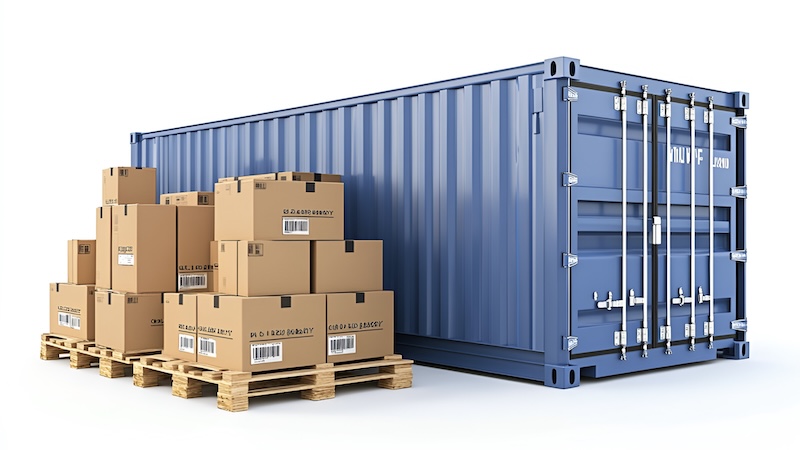
Understanding the hidden fees and surcharges that inflate LCL shipping costs is only half the battle — the other half is knowing when those cumulative costs signal that it's time to switch to a full container load. The LCL vs. FCL decision is fundamentally a math problem, but it's one that many US importers and exporters get wrong because they compare only the base freight rates rather than total landed costs.
LCL shipping is priced per cubic meter (CBM), which makes it cost-effective for smaller shipments that don't justify booking an entire container. A standard 20-foot container holds roughly 25–28 CBM of usable cargo space, while a 40-foot container offers approximately 55–60 CBM. When your shipment volume creeps toward the upper range of what LCL can carry, the per-CBM rate — combined with all the consolidation fees, documentation charges, and destination handling fees discussed in the previous section — can quickly exceed what you'd pay for sole use of a full container.
As a general rule of thumb in the US freight market, many logistics professionals consider 15 CBM the informal tipping point. Below that threshold, LCL shipping costs are almost always lower. Above it, the math frequently favors FCL freight rates, especially on high-volume trade lanes such as China-to-Los Angeles or Vietnam-to-Long Beach.
The mistake most shippers make is comparing only the ocean freight line item. A complete LCL vs. FCL cost analysis must include every charge on both sides of the ledger:
LCL total cost: Ocean freight (per CBM) + origin CFS handling + destination CFS handling + documentation fees + port security surcharges + any applicable fuel or peak season surcharges
FCL total cost: Flat container rate + origin drayage + destination drayage + chassis fees + port fees + documentation fees
When you add up all LCL shipping costs for a 15–18 CBM shipment, the total can sometimes rival or exceed a discounted FCL rate on popular US trade routes. Requesting an itemized quote for both options from your freight forwarder — rather than accepting a single recommendation — gives you the clearest picture.
The 15 CBM benchmark is not a universal law. Several variables move the tipping point up or down for US-based shippers:
Trade lane competitiveness: FCL freight rates on heavily trafficked lanes like Shanghai-to-Los Angeles are often aggressively priced due to carrier competition. On thinner lanes — such as a secondary Asian port to a mid-tier US port like Baltimore or Houston — FCL rates may be higher, making LCL shipping viable at larger volumes.
Cargo density and weight: LCL freight is billed on a weight-or-measurement (W/M) basis, meaning a heavy but compact shipment may be charged on weight rather than volume. Dense cargo like machinery components or metal parts can reach the FCL tipping point at far fewer CBMs because the weight charges escalate quickly under LCL pricing formulas.
Seasonal rate fluctuations: During peak shipping seasons — typically July through October ahead of the US holiday retail cycle — both LCL and FCL freight rates spike, but they don't always spike equally. FCL spot rates on the transpacific lane can surge dramatically during peak demand, temporarily making LCL shipping costs more competitive even at higher volumes.
Transit time sensitivity: LCL shipments require consolidation and deconsolidation at cargo freight stations (CFS), which adds several days to transit compared to FCL. If your supply chain requires predictable, faster delivery, the added time cost of LCL freight may justify moving to FCL even when the pure dollar comparison is close.
Rather than relying solely on the CBM threshold, consider applying a structured decision process before every significant shipment:
Get parallel quotes: Always request both LCL and FCL pricing from your freight forwarder, including all origin and destination fees, before committing to a mode.
Calculate total cost per unit: Divide the all-in shipping costs by the number of units in your shipment. This reveals whether LCL or FCL delivers a lower cost-per-unit, which is the figure that ultimately affects your margins.
Factor in risk and reliability: LCL cargo shares container space with other shippers' goods, which introduces a small but real risk of damage, contamination, or delay caused by co-loaded freight. FCL eliminates that exposure.
Review your shipping cadence: If you're currently sending three LCL shipments per month from the same origin, consolidating into one monthly FCL shipment could reduce total freight rates significantly — and simplify your US Customs clearance process at the same time.
FCL is not always the answer, even when the volume numbers lean that direction. LCL shipping continues to make sense when cash flow is a priority — paying for only the space you use preserves working capital that would otherwise be tied up in pre-purchasing a full container's worth of inventory. For small and mid-sized US businesses managing tight inventory cycles, the flexibility of LCL freight often outweighs the marginal cost savings of FCL.
LCL also remains advantageous when sourcing from multiple suppliers in the same region. Rather than booking separate FCL shipments from each vendor, a skilled freight forwarder can consolidate goods from several factories into a single LCL or co-loaded container, reducing per-shipment shipping freight costs while maintaining flexibility.
Ultimately, the LCL vs. FCL decision should be revisited regularly — not locked in as a standing policy. As your business grows and shipment volumes increase, the tipping point will shift, and so will the most cost-effective approach to managing your international freight rates.
After evaluating when to switch between LCL and FCL options, understanding how trade lanes influence your shipping costs becomes the next critical step in cost management. LCL shipping rates vary dramatically depending on the origin and destination regions, with some trade lanes commanding premium pricing while others offer more competitive rates based on cargo volume, carrier capacity, and regional demand patterns.
Trade lane pricing for LCL freight reflects the economic dynamics between trading partners, infrastructure quality, and shipping frequency. The United States maintains active LCL shipping routes with multiple global regions, each characterized by distinct pricing structures that directly impact your bottom line.
The Asia-US trade lane represents the highest volume corridor for LCL shipping, with particularly competitive freight rates due to abundant carrier capacity and frequent sailings. Chinese ports including Shanghai, Shenzhen, and Ningbo typically offer the most attractive LCL shipping costs, ranging from USD 40 to USD 90 per cubic meter to major US ports like Los Angeles, Long Beach, and New York. Southeast Asian origins such as Vietnam and Thailand generally command slightly higher rates, typically USD 55 to USD 105 per cubic meter, reflecting longer transit times and fewer direct services.
Japanese and South Korean origins maintain premium positioning within Asian trade lanes, with LCL freight rates ranging from USD 70 to USD 130 per cubic meter. These higher shipping costs reflect superior handling standards, shorter transit times, and more reliable scheduling. Peak season surcharges during September through November can add USD 200 to USD 500 per shipment as retailers stock inventory for holiday demand.
Transatlantic LCL shipping from European origins presents a different cost structure compared to Asian routes. Northern European ports including Rotterdam, Hamburg, and Antwerp offer relatively competitive rates ranging from USD 60 to USD 110 per cubic meter to East Coast US destinations. Mediterranean origins such as Barcelona, Genoa, and Istanbul typically command higher freight rates of USD 75 to USD 140 per cubic meter due to less frequent direct services and additional feeder connections.
UK origins face unique pricing considerations following recent trade policy changes, with LCL shipping costs from Felixstowe and Southampton averaging USD 65 to USD 120 per cubic meter. Eastern European origins generally require consolidation through major hubs, adding USD 15 to USD 35 per cubic meter in feeder costs before ocean freight charges apply.
Latin American trade lanes exhibit significant price variation based on infrastructure development and shipping frequency. Mexican origins benefit from proximity and USMCA trade advantages, with LCL freight rates ranging from USD 45 to USD 85 per cubic meter for ocean shipments from Manzanillo and Veracruz. Brazilian origins command higher shipping costs of USD 90 to USD 160 per cubic meter from Santos and Rio de Janeiro, reflecting longer transit times and limited direct services to US ports.
Central American and Caribbean origins typically range from USD 55 to USD 100 per cubic meter, though frequent weather disruptions during hurricane season can temporarily spike freight rates by 20 to 40 percent. These regional variations mean businesses sourcing from multiple Latin American suppliers should consolidate shipments at major hubs when possible to optimize LCL shipping costs.
Your chosen US destination port significantly influences total LCL shipping costs beyond base ocean freight rates. West Coast ports including Los Angeles, Long Beach, and Oakland typically receive the lowest rates from Asian origins, while East Coast destinations like New York, Savannah, and Charleston add USD 800 to USD 1,500 per container in additional costs for all-water services or require intermodal rail connections.
Freight invoices frequently contain errors or unexpected surcharges. Implement a systematic invoice review process comparing actual charges against initial quotes. Common discrepancies include incorrect weight calculations, duplicate fuel surcharges, and unauthorized handling fees. Industry data suggests that 8 to 12 percent of freight invoices contain billing errors favoring the carrier. Maintain detailed shipping records documenting quoted rates, weight measurements, and service agreements. When discrepancies arise, contact your freight forwarder immediately with supporting documentation. Most reputable forwarders will issue credits for legitimate billing errors within one billing cycle.
After exploring the most common questions about LCL freight, it becomes clear that managing LCL shipping costs effectively requires both strategic planning and a thorough understanding of how freight rates are calculated. Whether you are a small business importing goods for the first time or an experienced shipper looking to optimize your logistics budget, the principles remain consistent: knowledge of cost drivers, proactive communication with carriers, and careful attention to documentation can significantly reduce unexpected charges.
LCL shipping offers flexibility that full container loads simply cannot match for businesses with smaller cargo volumes. While LCL freight rates may appear higher on a per-unit basis compared to FCL options, the ability to share container space eliminates the need to wait until you have enough goods to fill an entire container. This balance between cost efficiency and operational flexibility makes LCL shipping an invaluable option for businesses managing inventory strategically, testing new markets, or working with suppliers who cannot accommodate minimum order quantities for full containers.
The journey to controlling shipping costs begins with understanding exactly what you are paying for. Base ocean freight, port handling fees, customs clearance, documentation charges, and destination delivery all contribute to your total LCL shipping costs. Each component serves a specific purpose in the supply chain, and while some fees are non-negotiable, others can be minimized through proper cargo preparation, accurate weight and dimension declarations, and selecting the right service level for your shipment timeline. Remember that the cheapest freight rate does not always represent the best value when hidden fees, transit time delays, or service quality issues emerge later.
Timing plays a crucial role in freight rates, as seasonal demand fluctuations, fuel surcharges, and global shipping capacity constraints all impact pricing. Businesses that plan shipments during off-peak seasons or book space in advance often secure better rates than those making last-minute arrangements. Building relationships with freight forwarders who understand your shipping patterns can also unlock preferential pricing and priority service during high-demand periods. These partnerships become especially valuable when supply chain disruptions occur, as experienced providers can quickly identify alternative routing options or consolidation opportunities.
Proper packaging and accurate cargo classification protect against additional charges that frequently catch shippers off guard. Dimensional weight calculations, hazardous material surcharges, and reweighing fees at destination ports all stem from discrepancies between declared and actual cargo specifications. Investing time in correct measurements, appropriate packaging materials, and complete product descriptions before shipment departure saves money and prevents delays at customs checkpoints. The few minutes spent verifying these details upfront can prevent hundreds or thousands of dollars in penalties and storage fees.
As you move forward with your LCL shipping strategy, remember that the freight industry constantly evolves with changing regulations, new technology platforms, and shifting global trade patterns. Staying informed about these developments through regular communication with your freight forwarder, industry publications, and trade associations helps you anticipate changes that could affect your shipping costs. The knowledge you have gained about LCL freight fundamentals provides a solid foundation, but continuous learning ensures you remain competitive in an increasingly complex logistics environment.
Ultimately, successful LCL shipping comes down to balancing cost, speed, and reliability according to your specific business needs. Not every shipment requires the fastest transit time, and not every product justifies premium handling services. By carefully evaluating each shipment against your operational requirements and customer expectations, you can make informed decisions that optimize your supply chain performance while keeping freight rates manageable. The strategies and insights covered throughout this guide equip you with the tools needed to navigate LCL shipping confidently and cost-effectively in the United States market.
Understanding LCL Shipping Fundamentals
LCL shipping charges by cubic meter or weight ton, whichever is higher. Costs include base freight, origin handling, destination charges, documentation fees, and customs clearance. Base rates represent only 50-60% of total landed costs, with accessorial charges comprising the remainder. Request itemized quotes to identify where costs accumulate.
Regional Trade Lane Variations Matter Significantly
Asia-US routes offer competitive pricing due to high volumes and established infrastructure. European routes carry premium rates but provide faster transit and frequent schedules. Emerging markets show lower base rates but higher destination charges and longer lead times. Seasonal demand from August-October creates rate spikes of 30-50%. Build relationships with specialized freight forwarders for better rate stability.
Strategic Optimization Delivers Measurable Savings
Consolidate shipments for better volumetric efficiency and lower per-unit costs. Flexible timing avoids peak season surcharges. Proper packaging maximizes space utilization and impacts chargeable weight calculations. Long-term contracts provide rate protection and guaranteed space. Technology platforms comparing multiple carriers identify cost-effective routing.
Hidden Costs Require Proactive Management
US destination charges frequently exceed origin costs, especially in smaller metropolitan areas. Detention and demurrage fees accumulate when cargo exceeds free time allowances. Storage fees apply for early arrivals or extended holding periods. Insurance protects against loss during multiple handling touchpoints. Customs brokerage fees vary widely between providers.
Documentation Accuracy Prevents Costly Delays
Incomplete documentation causes customs delays triggering additional charges. Commercial invoices must accurately describe goods, declare proper values, and include complete consignee information. Packing lists should detail items with precise dimensions and weights. Understanding Harmonized Tariff Schedule classifications predicts duty obligations. Digital systems reduce errors and speed processing.
Relationship Building Creates Long-Term Value
Partnerships with reliable freight forwarders yield benefits beyond rate negotiations. Preferred status provides priority booking during capacity constraints, flexible payment terms, and proactive problem resolution. Regular communication about shipping forecasts helps forwarders secure better carrier allocations. Volume commitments strengthen negotiating positions.
Mastering LCL costs requires understanding freight rates, accessorial charges, trade lane dynamics, and operational efficiency. Regular review of shipping patterns, ongoing rate comparisons, and continuous optimization of packaging and timing maintain competitive advantage in global logistics.
 English