What if the biggest risk in sourcing from China is not price, shipping, or customs, but quietly accepting product quality problems that could damage your brand in the U.S. market?
For many importers, quality issues do not appear in a factory profile or a sample photo. They appear later, as return requests, poor quality sourcing reviews from customers, chargebacks through Credit Cards or PayPal, and lost repeat sales. That is why this article focuses on one core goal: how to avoid low-quality products when sourcing from China, before those problems reach your warehouse or storefront.
In this context, quality sourcing means building quality controls into each decision, from supplier screening to pre-shipment inspection. It is not a single checkpoint. It is a process that connects product specs, factory capability, production monitoring, and acceptance standards. Whether you work with a direct factory or a product sourcing agent/company, the principle is the same: quality must be defined, measured, and verified.
A practical U.S.-focused approach starts with business impact. Low-quality goods can trigger refund pressure, marketplace account risk, and regulatory exposure in sensitive categories. For example, if your china product falls into health and wellness, you may need to consider FDA regulations during development and documentation, not after inventory lands. Quality sourcing solutions should therefore protect both product performance and compliance readiness.
To frame the rest of this guide, here are the key pillars of strong china product sourcing:
Clear quality definition
Translate expectations into measurable standards: materials, tolerances, packaging, labeling, and test requirements. Avoid vague terms like "good quality" in purchase documents.
Supplier capability validation
Confirm whether a factory has experience with your category, process controls, and stable output. A credible quality sourcing provider will verify these points before production starts.
In-process and pre-shipment checks
Inspecting only at the end is risky. Stage-based checks during production help catch defects early, reducing expensive rework and delays.
Commercial and payment risk alignment
Tie payment milestones to quality gates where possible. Even when paying via bank transfer, structure terms to encourage quality performance.
Documented accountability
Keep records of specifications, approvals, and inspection outcomes. This creates traceability and reduces disputes when issues arise.
As we move forward, this article will break down how to apply these pillars in real buying workflows, including how to compare factories, how to evaluate quality sourcing services, and when a quality sourcing company can improve consistency. If you are exploring support options, a structured China product sourcing process with a qualified product sourcing agent/company can help turn quality from a hope into a controlled outcome.

After understanding the basics of quality sourcing from China, the practical question is where quality breaks down in real orders. Most preventable failures come from three patterns: material substitution, inconsistent factory standards, and unclear specifications that get interpreted differently on each side.
Material substitution happens when the approved material is replaced with a cheaper alternative during production. In US-facing categories, this can create serious risk, especially for children’s goods, electronics, and health-related items that may trigger FDA or other compliance concerns. A sample can look correct while bulk units use different plastics, thinner metals, or lower-grade internal parts.
To reduce exposure, define acceptable materials in writing and tie them to test methods, not just product photos. Ask for bill-of-material confirmation before mass production, then verify again during in-process and pre-shipment checks. Strong quality sourcing solutions also include random component checks at the factory floor level, where substitutions are easier to detect early than after goods reach a US warehouse.
Many buyers assume one factory line produces every order the same way, but consistency often varies by shift, subcontractor use, and raw material batch. This is why one shipment can pass while the next has cosmetic defects, tolerance drift, or early failure rates. In china product sourcing, repeatability matters as much as one-time quality.
A practical control plan includes approved golden samples, measurable defect criteria, and clear acceptance thresholds for each production stage. If your product has moving parts or fit requirements, define critical dimensions and test frequency in advance. Reliable quality sourcing services usually combine first-article checks, inline inspections, and final random inspection to catch variation before export. This process protects margins by reducing rework, chargebacks, and refund pressure in US channels.
Even experienced teams face quality loss when requirements are implied instead of documented. Terms like "high quality" or "premium finish" are subjective and can lead to mismatched outcomes. Time zone delays and language nuance can also hide confusion until production is complete.
Use a specification pack that removes interpretation risk: material grade, dimensions with tolerances, color standards, packaging rules, labeling text, and pass/fail examples. Visual references should be paired with written criteria, not used alone. During purchase order confirmation, require the factory to restate key requirements in its own words so gaps surface early.
For many US importers, working with a qualified product sourcing agent/company can improve execution by aligning factory communication, inspection schedules, and corrective actions in one workflow. As you compare quality sourcing reviews, look for evidence that a quality sourcing provider prevented recurring defects, not just delivered a single successful shipment.
The quality failures discussed earlier usually start before production, not during inspection. Strong pre-sourcing due diligence reduces surprises by validating who you are buying from and whether that factory can consistently meet your specs for the US market.
For quality sourcing, supplier verification is your first risk filter. Treat it as a structured process, not a quick online check. In china product sourcing, many factories present polished profiles, but your goal is to confirm legal identity, operating scope, and real production capability before any deposit is sent.
Focus on five checks:
Confirm business registration details match contracts, bank account name, and stamped documents. Misaligned records are an early warning sign.
Verify export history and primary product categories. A factory that mainly ships unrelated products may struggle with your quality requirements.
Request recent client references for similar SKUs sold in the US. Ask specifically about defect handling and replacement speed.
Review ownership, litigation signals, and major organizational changes that could affect stability.
Run sample validation under your specification sheet, packaging standards, and labeling rules, including FDA-related requirements where applicable.
If you work with a product sourcing agent/company, require a documented verification checklist and evidence package. Reliable quality sourcing services make this process transparent, including photo records, document copies, and risk notes. This is where quality sourcing reviews are useful: not as proof of perfection, but as insight into communication quality and issue resolution discipline. A dependable quality sourcing provider should clearly explain why a supplier is approved, conditionally approved, or rejected.
Verification tells you who the supplier is. Audits and certification review tell you how the factory actually operates day to day. For buyers focused on quality sourcing solutions, this step is essential because paperwork alone cannot confirm process control.
A practical factory audit should evaluate incoming material checks, in-line inspection methods, final quality control, traceability, and corrective action workflows. Pay attention to whether quality records are current and consistent, not created only for audit day. Ask how nonconforming batches are segregated and how rework decisions are documented.
Certifications should be reviewed for relevance and validity. Confirm the certificate scope matches your product type and manufacturing site, and verify expiration dates. For US-bound products, certification review should be paired with regulatory readiness, such as labeling accuracy and, where applicable, FDA compliance expectations. This keeps quality aligned with market access, not just factory claims.
In business terms, these steps protect margin. Defect-heavy shipments create chargebacks, customer refunds through Credit Cards, PayPal, or Apple Pay disputes, and brand damage that is expensive to recover from. Whether you use a quality sourcing company or internal team, disciplined pre-sourcing due diligence is one of the most practical ways to avoid low-quality products when sourcing from China.
After you verify a supplier and review factory credentials, quality control has to move from paperwork into daily execution. This is where many US buyers protect margin, reduce returns, and make quality sourcing decisions based on evidence instead of promises.
Clear specifications are your first operational quality gate. If requirements are vague, factories fill in the gaps with assumptions, often using lower-grade materials or looser tolerances. For china product sourcing, your spec pack should define measurable standards, not just design intent.
Include material grade, dimensions and tolerances, finish requirements, packaging standards, labeling, and testing criteria tied to your market. If your product touches health or wellness claims, note relevant FDA regulations and required documentation before production starts. Add approved sample photos with pass/fail notes so your product sourcing agent or internal team can inspect against the same baseline.
A practical format is a version-controlled specification sheet with revision dates in MM/DD/YYYY format. This reduces disputes, supports quality sourcing services, and gives your quality sourcing provider a clear reference during inspections.
Pre-production inspection confirms the factory can meet your requirements before full output begins. It is especially useful when working with a new manufacturing sourcing company or launching a revised SKU. The goal is to catch misalignment early, when corrections are still inexpensive.
Focus checks on incoming raw materials, critical components, tooling readiness, and pilot samples. Verify that the factory has the correct test methods and acceptance criteria documented on-site, not only in email threads. For US brands, this step also helps ensure packaging, warning labels, and barcode placement meet retailer expectations.
Treat pre-production findings as a formal go or no-go decision. If major issues appear, pause mass production, issue corrective actions, and recheck. Teams comparing quality sourcing reviews often find that disciplined pre-production control is a major differentiator among providers.
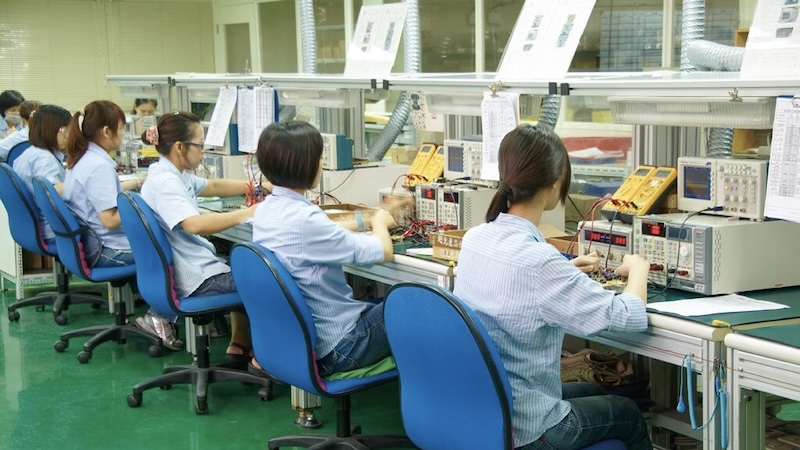
In-process monitoring prevents small defects from turning into expensive batch failures. Instead of waiting for final inspection, check quality at defined production milestones and escalate quickly when trends appear. This is a core part of practical quality sourcing solutions.
Use a simple control rhythm:
First-article confirmation: Approve the first units against specs before full run volume.
Inline inspections: Inspect random samples each shift for critical defects and process drift.
Defect logging: Track defect type, frequency, and root cause in one shared report.
Corrective action closure: Confirm fixes on the line, then verify with follow-up sampling.
This approach supports manufacturing and quality control continuity and gives buyers visibility before final payment through common methods. Whether you work directly with factories or through a quality sourcing company, consistent monitoring is how you avoid low-quality products and keep customer-facing quality stable.
Detailed specifications, pre-production checks, and in-process monitoring reduce early defects. Long-term results, however, depend on whether your supplier relationship keeps those standards stable as volumes, timelines, and product variations grow.
A reliable partnership starts with written, shared quality expectations that are specific enough to be measured. For US buyers, this means defining pass/fail criteria in plain language, with tolerances, test methods, packaging requirements, and acceptable defect levels tied to each SKU. Include compliance requirements where relevant, such as FDA-related labeling rules for health and wellness products, so expectations are clear before production begins.
Keep expectations visible in every commercial document: purchase orders, approved samples, and inspection checklists. If you use a quality sourcing provider or internal sourcing team, require one single "source of truth" document to avoid conflicting instructions. This discipline supports quality sourcing by reducing interpretation gaps between your US team and factory line supervisors.
Even strong suppliers need structured feedback loops. Hold recurring performance reviews monthly or per production cycle, then evaluate defect trends, rework causes, on-time shipment quality, and response speed to corrective actions. A short scorecard helps: first-pass yield, critical defect count, repeat non-conformance items, and closure time for corrective actions.
Feedback works best when it is balanced and specific. Confirm what improved, document what failed, and assign owners and deadlines. If your partner provides quality sourcing services, ask for formal quality sourcing reviews after each order so lessons are captured before the next PO. This turns quality from a one-time inspection activity into an operational routine that continuously lowers risk.
Contracts should reward consistent quality and create consequences for avoidable failures. Define measurable quality clauses, including inspection rights, rework responsibilities, replacement terms, and chargeback conditions for defects found before US fulfillment. Add a clear escalation path for repeated quality misses and a process for approving engineering changes.
For practical execution, include payment terms tied to quality milestones rather than shipment alone. For example, a buyer might release part of payment by Credit Card, PayPal, or Apple Pay after pre-shipment acceptance, with final release after receiving conforming goods at the US destination. Whether you work directly or through a quality sourcing company, this structure aligns incentives and supports durable quality sourcing solutions instead of short-term cost compromises.
When expectations, reviews, and contracts work together, supplier relationships become more predictable, and low-quality product risk drops materially over time.
Clear expectations, structured feedback, and quality-based contracts give you control on paper. To keep that control in daily operations, many US importers add professional support and digital systems that make quality sourcing consistent across suppliers and purchase cycles.
A qualified quality sourcing provider can help you move from reactive problem-solving to repeatable prevention. In practical terms, a strong quality sourcing company acts as your local quality team in China, especially when you do not have in-country staff. They screen factories, verify production capabilities, and confirm whether a supplier can actually meet your spec before you commit volume.
For US buyers, this matters because quality failures can trigger chargebacks, returns, and possible compliance issues in regulated categories. If you sell health or wellness products, for example, your sourcing partner should understand when FDA-related documentation, labeling controls, or testing workflows need extra checks. This is where quality sourcing services should be tied to your business model, not treated as a generic checklist.
When evaluating a sourcing partner, focus your quality sourcing reviews process on operational proof:
Factory qualification method and audit depth
Pre-production sample control and golden sample handling
In-line and final inspection execution standards
Escalation speed when defects appear
Reporting clarity for US teams and stakeholders
The right partner supports manufacturing and quality control from supplier onboarding through shipment release, reducing the chance that low-quality goods reach your warehouse.
Even strong teams miss issues when data lives in emails and spreadsheets. Quality sourcing solutions built around quality management software improve visibility by centralizing specifications, inspection records, corrective actions, and supplier scorecards in one workflow.
For sourcing from China, useful tools typically support four core functions: spec version control, inspection checklist standardization, defect trend tracking, and closure tracking for corrective and preventive actions. This helps your product, sourcing, and operations teams align on one source of truth, rather than debating which file is current.
A practical setup for US importers is to connect software checkpoints to buying milestones: sample approval, production start, mid-production inspection, pre-shipment inspection, and shipment release. If a checkpoint fails, release is paused until corrective evidence is reviewed. That process discipline is often more valuable than adding more ad hoc inspections.
If you work with a manufacturing sourcing company or product sourcing agent/company, ask how their platform integrates with your internal purchasing flow and payment controls for approved service stages. Good systems do not replace judgment, but they make quality sourcing decisions auditable, faster, and less dependent on individual memory.
Used together, professional services and software create a practical defense against low-quality products: people on the ground to verify reality, and systems that keep standards enforceable at scale.
Building on the role of skilled partners and strong software workflows, the core lesson is simple: consistent quality comes from a system, not a single inspection. To avoid low-quality products when sourcing from China, keep your decisions structured, documented, and tied to measurable checks.
Define quality before production starts. Use clear product specs, approved samples, packaging standards, and pass/fail criteria so factories and inspectors work from the same baseline. This is the foundation of effective quality sourcing.
Inspect at multiple checkpoints, not only before shipment. Combine pre-production review, in-process checks, and pre-shipment inspection to catch defects early, reduce rework, and protect timelines.
Choose partners based on proven control, not price alone. A dependable quality sourcing provider should show process discipline, communication reliability, and traceable issue resolution. Strong quality sourcing reviews are useful when they describe how problems were handled, not just outcomes.
Use contracts and payment terms to enforce standards. Link purchase terms to measurable quality requirements, corrective action timelines, and final acceptance conditions. For US buyers paying by Credit Cards, PayPal, or Apple Pay, clear documentation supports dispute handling when quality misses occur.
Treat quality as ongoing performance management. Blend supplier scorecards, recurring audits, and digital tracking into a repeatable cycle. Whether you work with internal teams, a quality sourcing company, or external quality sourcing services, long-term consistency depends on regular feedback and accountability.
Taken together, practical quality sourcing solutions focus on prevention, verification, and follow-through. This keeps defect risk lower, protects margin, and supports dependable product quality for US market expectations.
Q1: What is the most common mistake importers make when sourcing from China?
The most common mistake is prioritizing price over quality control processes. Many importers select suppliers based solely on the lowest quote without verifying factory capabilities, conducting product inspections, or establishing clear quality standards. This often leads to receiving substandard products that damage brand reputation and result in costly returns. Successful sourcing requires investing in supplier verification, detailed product specifications, sample testing, and third-party inspections before mass production. While quality control measures add upfront costs, they prevent far more expensive problems like chargebacks, negative reviews, and lost customer trust in your market.
Q2: How can I verify a Chinese supplier's quality capabilities before placing an order?
Verify supplier quality capabilities through multiple steps: Request factory certifications (ISO 9001, product-specific standards), ask for references from current clients in your market, and review production capacity details. Conduct a factory audit either in-person or through third-party inspection services to assess equipment, quality control systems, and working conditions. Request pre-production samples and test them against your specifications. Check the supplier's experience with similar products and export history. Use platforms like Alibaba's Trade Assurance or verify business licenses through official Chinese databases. Never skip the sample testing phase, as it reveals potential quality issues before committing to bulk orders.
Q3: What are pre-shipment inspections and why are they important?
Pre-shipment inspections are independent quality checks conducted by third-party inspectors before your products leave the factory in China. Inspectors verify that finished goods match your specifications, check random samples for defects, assess packaging quality, and confirm order quantities. They typically occur when 80-100% of production is complete. These inspections are crucial because they catch quality problems before shipping, when corrections are still possible and relatively inexpensive. Discovering defects after arrival means paying return shipping from your country, disposal costs, and lost sales opportunities. Pre-shipment inspections typically cost $200-400 but can save thousands in potential losses and protect your brand reputation.
Q4: How detailed should my product specifications be when sourcing from China?
Your product specifications should be extremely detailed, leaving no room for interpretation or assumptions. Include exact measurements, materials (with technical grades or standards), colors (using Pantone codes or physical samples), weight tolerances, packaging requirements, labeling instructions, and applicable safety certifications. Provide technical drawings, photos, or CAD files when possible. Specify testing standards and acceptable quality limits (AQL levels). The more precise your specifications, the less likely you'll receive products that don't meet expectations. Document everything in writing as part of your contract. Remember that unclear specifications are the leading cause of quality disputes between importers and Chinese manufacturers.
The FAQ likely clarified common edge cases, but the final decision still comes down to control. If your goal is to avoid low-quality products when sourcing from China, choose a process that gives you repeatable checkpoints before money is fully committed.
Strong outcomes usually come from disciplined quality sourcing, not from a single inspection at the end. That means defining measurable standards up front, validating samples against those standards, and setting order monitoring triggers before production starts. Whether you work directly with factories or through a quality sourcing provider, your leverage is highest before tooling, mass production, and final payment.
Use this short decision framework before your next PO:
Lock your quality spec in writing Build a one-page acceptance checklist with tolerances, materials, packaging rules, and labeling needs for the US market. If your product touches health or wellness claims, include FDA regulations in your packaging and documentation review criteria.
Run a paid sample gate Approve only production-representative samples, not hand-finished prototypes. Document pass/fail reasons and require corrections before mass production. This is where quality sourcing solutions create clarity and reduce preventable defects.
Stage payments to quality milestones Avoid paying the majority upfront. Tie releases to pre-production approval, in-line checks, and pre-shipment pass results. Use payment methods such as Credit Cards, PayPal, or Apple Pay where appropriate for smaller test orders and better dispute options.
Set inspection triggers before production Define when checks happen, who performs them, and what constitutes a stop-ship issue. For importers, include carton markings, barcode readability, and drop-test expectations where relevant to your channel.
Review performance after each order cycle Keep a simple supplier scorecard for defect patterns, rework speed, and communication quality. Over time, this creates practical quality sourcing reviews based on your own results, not marketing claims.
If you are comparing a quality sourcing company or building an internal workflow, prioritize transparency, documentation discipline, and escalation speed over promises. The best quality sourcing services help you catch problems early, while your internal process ensures standards remain consistent across orders.
Your concrete next step: within 48 hours, draft your acceptance checklist and sample approval form, then use them on your next RFQ or reorder. That single move turns quality from a hope into a managed system.
 English