



Every groundbreaking product begins with an idea, but transforming that concept into a tangible, functional prototype requires the specialized expertise of a mechanical engineer. In the competitive landscape of product development, mechanical prototyping serves as the critical bridge between innovative thinking and market-ready solutions. For businesses and inventors across the United States, understanding how mechanical engineers approach prototype development can mean the difference between a successful product launch and costly design failures.
Mechanical engineering brings scientific principles, material knowledge, and practical problem-solving skills to the prototyping process. Whether developing medical devices subject to FDA regulations, consumer electronics, industrial equipment, or automotive components, mechanical engineers translate conceptual designs into physical models that can be tested, refined, and validated. This iterative process reveals design flaws, manufacturing challenges, and performance limitations before committing to full-scale production.
The prototype development journey typically involves multiple stages, each requiring distinct mechanical engineering capabilities. Initial concept validation may start with simple proof-of-concept models using basic materials and fabrication methods. As designs mature, mechanical engineers employ increasingly sophisticated techniques including computer-aided design (CAD), finite element analysis (FEA), and precision manufacturing processes. Modern mechanical prototyping leverages both traditional machining methods and advanced technologies like 3D printing, CNC milling, and injection molding to create prototypes that accurately represent final product specifications.
Mechanical design considerations during prototyping extend beyond aesthetic appearance. Engineers must evaluate structural integrity, thermal management, material selection, manufacturing feasibility, assembly methods, and cost implications. A prototype that functions perfectly but cannot be manufactured economically or at scale provides limited value. Experienced mechanical engineers balance performance requirements with practical constraints, ensuring prototypes demonstrate not only technical feasibility but also commercial viability.
The role of mechanical engineers in prototype development has evolved significantly with technological advances. Traditional prototyping methods required weeks or months to produce single iterations, limiting the number of design cycles possible within project timelines and budgets. Contemporary engineering enabling technologies have compressed these timelines dramatically. Rapid prototyping techniques allow mechanical engineers to produce multiple design iterations within days, facilitating faster innovation cycles and more thorough design optimization.
For companies navigating the prototype development process, partnering with skilled mechanical engineers offers strategic advantages. These professionals bring specialized knowledge of materials, manufacturing processes, industry standards, and regulatory requirements specific to different product categories. In the United States market, where product liability concerns and compliance standards create additional complexity, mechanical engineering expertise becomes even more valuable. Engineers familiar with FDA regulations for medical devices, Consumer Product Safety Commission standards for consumer goods, or industry-specific certification requirements can integrate compliance considerations into prototype designs from the earliest stages.
Mechanical prototyping also plays a crucial role in securing funding and stakeholder buy-in. Investors, potential customers, and internal decision-makers respond more favorably to physical prototypes than conceptual drawings or digital renderings. A well-executed prototype demonstrates commitment, validates technical feasibility, and provides tangible evidence that a product concept can succeed in real-world applications. Mechanical engineers create prototypes that effectively communicate design intent while showcasing functionality, helping businesses move from concept to commercialization with greater confidence and support.
This comprehensive guide explores how mechanical engineers approach prototype development, examining methodologies, technologies, best practices, and strategic considerations that drive successful outcomes. Whether you are an entrepreneur developing your first product, an established company launching a new product line, or an engineer seeking to refine your prototyping approach, understanding the mechanical engineering perspective on prototype development provides essential insights for navigating this critical phase of product innovation.
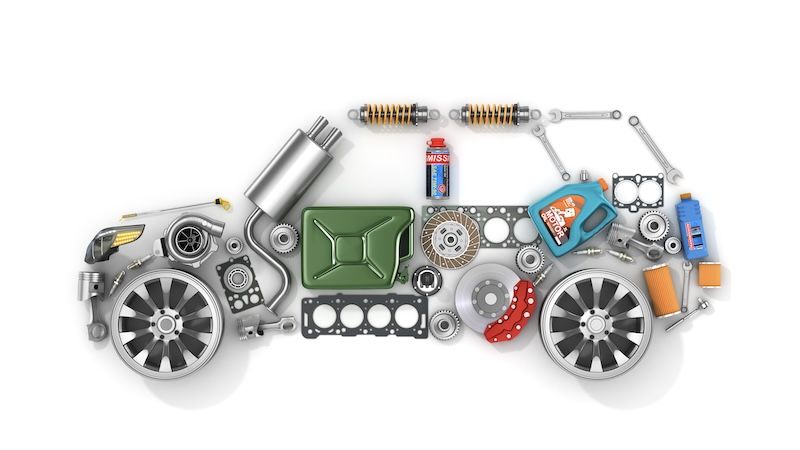
With the foundation of why prototyping matters established, it is essential to examine what mechanical engineering prototype development actually entails and how mechanical engineers transform conceptual designs into tangible, testable models. This process represents the critical bridge between theoretical mechanical design and functional products that can be manufactured at scale.
Mechanical engineering prototype development is the systematic process of creating physical or digital representations of a product concept to validate design assumptions, test functionality, and identify potential issues before committing to full-scale production. Unlike simple mockups or visual models, mechanical prototyping involves building working versions that replicate the intended mechanical systems, moving parts, material properties, and performance characteristics of the final product. A mechanical engineer approaches this development phase with specific objectives: proving that the design works as intended, uncovering hidden flaws, gathering user feedback, and demonstrating feasibility to stakeholders or investors.
The scope of mechanical prototyping extends across multiple dimensions. Functional prototypes test whether mechanisms operate correctly, whether tolerances allow proper assembly, and whether the product performs its intended tasks under realistic conditions. These prototypes may not look polished but prioritize mechanical performance over aesthetics. Visual prototypes, conversely, focus on appearance, ergonomics, and user interface elements while potentially sacrificing full functionality. Mechanical engineers often develop hybrid prototypes that balance both aspects, creating models that both work and look representative of the final design.
Mechanical engineering enabling technologies have revolutionized how prototypes are developed. Traditional methods like CNC machining, injection molding, and sheet metal fabrication remain relevant for certain applications, particularly when prototypes must closely match production manufacturing processes. However, additive manufacturing technologies such as 3D printing have dramatically accelerated prototype development timelines and reduced costs for initial iterations. A mechanical engineer can now produce complex geometries in hours rather than weeks, enabling rapid design iteration cycles that were previously impractical.
The prototype development process typically follows a progression from low-fidelity to high-fidelity models. Early-stage prototypes might use readily available materials and simplified geometries to test basic concepts quickly and inexpensively. As the design matures, subsequent prototypes incorporate production-intent materials, manufacturing-appropriate tolerances, and increasingly realistic assembly methods. This iterative approach allows mechanical engineers to fail fast and learn quickly, addressing fundamental design flaws before investing in expensive tooling or materials.
Material selection plays a crucial role in mechanical prototyping strategy. The materials used in prototypes must align with testing objectives while considering budget and timeline constraints. For thermal testing, prototypes require materials with similar heat transfer properties to the intended production materials. For structural testing, mechanical properties like tensile strength, elasticity, and fatigue resistance become paramount. A skilled mechanical engineer balances prototype fidelity with practical constraints, sometimes using substitute materials that exhibit comparable properties at lower cost or faster lead times.
Testing and validation form the core purpose of any prototype. Mechanical engineers design test protocols that subject prototypes to realistic operating conditions, stress levels, environmental factors, and usage patterns. These tests might include mechanical stress analysis, thermal cycling, vibration testing, durability testing, and user interaction studies. Data collected during prototype testing directly informs design refinements, material changes, and manufacturing process decisions. Without rigorous testing, prototypes serve little purpose beyond visual representation.
Documentation throughout the prototype development process proves essential for project success. Mechanical engineers maintain detailed records of design iterations, test results, failure modes, and modification rationale. This documentation enables teams to track design evolution, avoid repeating previous mistakes, and communicate effectively with manufacturing partners when transitioning to production. Well-documented prototype development also supports intellectual property protection and regulatory compliance requirements common in industries like medical devices or automotive applications.
The economic considerations of mechanical prototyping significantly impact development strategy. Each prototype iteration consumes time, materials, and labor resources. Mechanical engineers must balance the desire for comprehensive testing against budget limitations and market timing pressures. Strategic decisions about prototype quantity, fidelity level, and testing scope require careful analysis of risk versus investment. In the United States market, where competition drives rapid product cycles, efficient prototype development often determines whether a product reaches market ahead of competitors or misses critical launch windows.
Collaboration represents another fundamental aspect of successful mechanical engineering prototype development. Mechanical engineers rarely work in isolation; they coordinate with industrial designers, electrical engineers, software developers, manufacturing specialists, and business stakeholders. Prototypes serve as communication tools that align diverse perspectives around concrete physical examples rather than abstract specifications. This collaborative approach ensures that mechanical considerations integrate smoothly with other design disciplines and business requirements.
Understanding these multifaceted dimensions of mechanical engineering prototype development equips product teams to approach prototyping strategically rather than tactically. The next sections will explore specific methodologies and best practices that mechanical engineers employ to maximize prototype development effectiveness while managing constraints of time, budget, and technical complexity.
With a solid understanding of why mechanical engineering prototype development matters, the next critical step involves mastering the actual process that transforms abstract ideas into tangible prototypes. The journey from initial concept to functional prototype follows a structured methodology that mechanical engineers have refined over decades of product development experience.
The foundation of successful mechanical prototyping begins long before any physical component takes shape. Initial conceptualization represents the strategic phase where mechanical engineers translate market needs, technical challenges, and innovation opportunities into actionable development goals. This stage demands careful attention to detail because decisions made here cascade through every subsequent phase of prototype development.
Mechanical engineers typically start by conducting comprehensive stakeholder interviews to understand the problem they are solving. These conversations involve product managers, end users, manufacturing teams, and business stakeholders. Each perspective contributes essential insights that shape the prototype's direction. A mechanical engineer working on a new medical device, for example, must balance patient safety requirements, FDA regulatory compliance, manufacturing cost constraints, and clinical usability feedback simultaneously.
Requirements gathering transforms these insights into specific, measurable criteria. Mechanical engineering teams document functional requirements that define what the prototype must accomplish, performance requirements that establish measurable benchmarks, and constraint requirements that outline limitations such as size, weight, power consumption, or material restrictions. A consumer electronics prototype might require specific drop-test resistance (functional), battery life exceeding eight hours (performance), and a maximum weight of twelve ounces (constraint).
The conceptualization phase also involves competitive analysis and prior art research. Mechanical engineers examine existing solutions, patent databases, and industry standards to identify opportunities for innovation while avoiding infringement issues. This research helps teams understand the current state of technology and identify genuine gaps their prototype can address.
Sketch iterations and preliminary concept drawings emerge during this phase, though they remain deliberately rough and exploratory. Mechanical engineers often generate multiple competing concepts rather than committing to a single direction prematurely. This divergent thinking approach encourages creative problem-solving and reveals non-obvious solutions that might otherwise remain hidden.
Feasibility assessment concludes the conceptualization stage. Mechanical engineering teams evaluate each concept against technical viability, manufacturing practicality, cost projections, and timeline constraints. Some promising ideas may prove impractical given current technology or budget limitations, requiring teams to refine their approach or explore alternative solutions.
Risk identification occurs simultaneously with requirements gathering. Mechanical engineers catalog potential technical risks, such as unproven materials or complex assembly processes, alongside business risks like market timing or competitive pressures. Early risk awareness allows teams to build mitigation strategies into their prototype development roadmap rather than encountering surprises during later stages.
The output from this initial phase typically includes a detailed requirements document, preliminary concept sketches, a feasibility assessment matrix, and a risk register. These artifacts serve as the foundation for the mechanical design work that follows, ensuring all team members share a common understanding of project objectives and constraints. Without this rigorous groundwork, mechanical prototyping efforts often drift off course, wasting resources on solutions that fail to address genuine needs or prove impossible to manufacture at scale.
Successful conceptualization requires mechanical engineers to balance technical expertise with business acumen, user empathy with manufacturing realism, and innovation ambition with practical constraints. This multifaceted challenge explains why experienced mechanical engineering professionals bring tremendous value during the earliest prototype development stages, where their judgment shapes outcomes for months to come.
After establishing clear requirements and conceptualizing your mechanical design, the next critical decision involves selecting prototyping technologies that balance cost, speed, and functional accuracy. A mechanical engineer must evaluate multiple fabrication methods to determine which approach delivers the validation needed without exceeding budget constraints or timeline requirements.
CNC machining remains a cornerstone technology in mechanical prototyping when dimensional accuracy and material properties matter most. This subtractive manufacturing process excels at creating prototypes from production-grade materials like aluminum, steel, and engineered plastics. For mechanical engineers developing components that will experience significant loads, vibration, or thermal stress, machined prototypes provide realistic performance data that guides design refinements.
The cost structure for CNC machining typically includes setup fees ranging from $200 to $800, plus hourly machine rates between $50 and $150 depending on complexity. Small batches of three to five units often prove most cost-effective, as setup costs distribute across multiple pieces while keeping total investment below $3,000. Lead times generally span five to ten business days for standard geometries.
Additive manufacturing has transformed prototype development by enabling rapid design iterations at dramatically lower costs than traditional methods. Fused deposition modeling (FDM) serves as the entry point for most mechanical prototyping projects, with industrial-grade printers producing functional parts in ABS, nylon, and polycarbonate for $100 to $500 per build. This technology works exceptionally well for early-stage concept validation and ergonomic testing.
Stereolithography (SLA) and selective laser sintering (SLS) occupy the middle ground, offering superior surface finish and mechanical properties. SLA produces smooth, detailed prototypes ideal for assembly verification and aesthetic evaluation, with costs ranging from $300 to $1,200 per part depending on size and resin selection. SLS creates durable nylon components that withstand functional testing, though per-part costs typically start at $500 and increase with part volume.
Metal 3D printing technologies like direct metal laser sintering (DMLS) enable mechanical engineers to prototype complex geometries in titanium, stainless steel, and aluminum alloys. While expensive at $2,000 to $10,000 per build, this approach proves cost-effective when traditional machining becomes prohibitively complex or when testing metal-specific properties before committing to production tooling.
For prototypes involving enclosures, chassis, or structural brackets, sheet metal fabrication offers an economical path to production-representative parts. Laser cutting and forming operations typically cost $300 to $1,500 for prototype quantities, with lead times of three to seven business days. This technology allows mechanical engineers to validate assembly sequences, tolerance stackups, and structural performance using the same materials and processes planned for production.
When prototype development advances toward pilot production, urethane casting and low-pressure molding technologies bridge the gap between prototyping and full-scale manufacturing. Silicone molds created from master patterns enable production of 15 to 25 identical parts in a wide range of production-like materials. Initial tooling costs range from $1,500 to $5,000, with per-part costs dropping to $50 to $300 depending on complexity and material selection.
This approach particularly benefits mechanical prototyping when evaluating assembly processes, testing multiple design variants, or conducting user trials that require consistent parts. The investment makes sense when a mechanical engineer needs more units than 3D printing can economically provide but cannot justify hard tooling costs exceeding $15,000.
Selecting the appropriate prototyping technology requires balancing multiple factors specific to each development stage. Early concept validation prioritizes speed and low cost, making FDM printing or simple machining optimal choices. Functional testing demands materials and processes that replicate production conditions, shifting selection toward CNC machining, SLS printing, or sheet metal fabrication.
Mechanical engineers should consider the validation objectives before committing to any technology. If the prototype must verify structural performance under load, invest in machined or SLS parts using production-equivalent materials. When assembly fit and ergonomics drive the current iteration, lower-cost FDM or SLA printing accelerates the feedback loop without sacrificing relevant validation data.
Budget allocation across multiple prototype iterations often yields better results than investing heavily in a single perfect prototype. A typical mechanical engineering prototype development cycle might include three rounds: rough FDM prints for initial concept validation at $200 to $400 total, followed by machined functional prototypes at $1,500 to $3,000, and concluding with urethane-cast pilot units at $3,000 to $6,000 including tooling. This staged approach totals $5,000 to $10,000 but provides comprehensive validation data that reduces risk before production tooling investments.
Geographic considerations within the United States also impact technology selection and cost. Regions with concentrated manufacturing clusters like the Midwest and Southeast often provide faster access to CNC machining shops and sheet metal fabricators, while major metropolitan areas offer more additive manufacturing service bureaus. Lead time and shipping costs can shift the cost-effectiveness calculation, particularly for large or heavy prototypes requiring freight shipping that adds $150 to $500 per shipment.
The right prototyping technology ultimately depends on where your mechanical design stands in its development journey and what questions the current prototype must answer. Matching technology capabilities to validation requirements ensures every dollar spent on mechanical prototyping generates actionable data that advances the design toward production readiness.
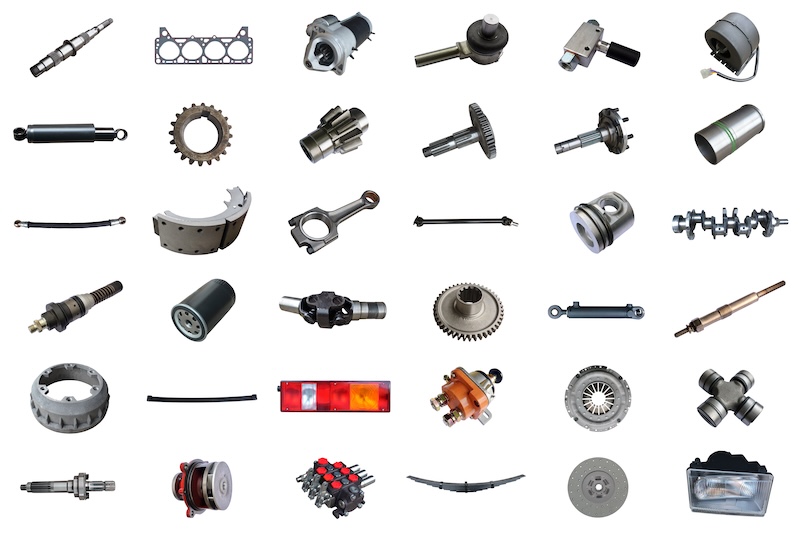
After selecting the most cost-effective prototyping technology for your budget, the next critical phase transforms your prototype from a physical model into a validated design ready for production. Testing and refinement represent where mechanical prototyping delivers its greatest return on investment, allowing mechanical engineers to identify and resolve issues that would cost exponentially more to fix during manufacturing. A prototype tested thoroughly today prevents costly tooling changes, production delays, and potential product recalls tomorrow.
The testing phase is where theoretical mechanical design meets real-world performance requirements. Mechanical engineers use prototypes as risk mitigation tools, systematically evaluating each aspect of functionality before committing to expensive production processes. This iterative approach to prototype development has become standard practice across industries, from aerospace to medical devices, because it consistently reduces development costs while improving final product quality.
Mechanical engineers employ a range of functional testing methods tailored to the specific requirements of each prototype. Stress testing forms the foundation of mechanical prototyping validation, where engineers apply forces, loads, and torques that simulate real-world operating conditions. For components expected to endure repeated use, fatigue testing reveals how materials and joints perform over thousands or millions of cycles, exposing weaknesses that might not appear during initial inspection.
Environmental testing pushes prototypes beyond normal operating parameters to establish performance boundaries. Temperature cycling evaluates how thermal expansion and contraction affect tolerances and material properties, particularly critical for products used in varying climates across the United States. Humidity and corrosion testing ensures components maintain integrity when exposed to moisture, salt spray, or chemical environments. Vibration testing simulates transportation and operational conditions, revealing potential failure points in assemblies and fasteners.
Fit and assembly testing validates that individual components integrate correctly into larger systems. Mechanical engineers examine clearances, alignment, and interaction between moving parts, often discovering interference issues that CAD models alone cannot predict. This hands-on evaluation identifies assembly challenges that could slow production or require specialized tooling, allowing design refinements before manufacturing begins.
User interaction testing brings human factors into the mechanical engineering enabling process. For consumer products, prototypes undergo ergonomic evaluation to ensure comfortable operation and intuitive functionality. Engineers observe how users grip, manipulate, and interact with controls, gathering feedback that shapes final design decisions. This testing phase often reveals unexpected usage patterns that influence durability requirements and safety considerations.
Durability testing subjects prototypes to accelerated wear conditions that compress months or years of typical use into days or weeks. Mechanical engineers establish baseline performance metrics, then monitor degradation patterns to predict service life and maintenance intervals. These tests generate data supporting warranty decisions and helping manufacturers anticipate replacement part demand.
The systematic identification of design flaws during prototype development prevents catastrophic failures and eliminates waste in the production phase. Mechanical engineers conduct failure mode analysis, deliberately pushing prototypes to breaking points to understand how and why components fail. This destructive testing reveals weak points in material selection, joint design, and structural configuration, enabling targeted reinforcement before production tooling begins.
Tolerance stack-up analysis becomes tangible when working with physical prototypes rather than digital models. Mechanical engineers measure actual dimensions and clearances, comparing them against specifications to identify areas where cumulative tolerances create problems. This physical verification often uncovers issues where nominal dimensions work perfectly but worst-case tolerance combinations cause interference or excessive play. Adjusting tolerances or redesigning features at this stage costs mere hours of engineering time compared to retooling production dies or molds.
Manufacturability assessment uses prototypes to expose production challenges before committing to tooling investments. Mechanical engineers evaluate how easily components can be machined, molded, or fabricated using intended manufacturing methods. Complex geometries that seem feasible in CAD may prove impractical or expensive to produce at scale. Prototypes allow engineers to simplify designs, add draft angles for molding, or modify features to reduce machining operations while maintaining functionality.
Assembly sequence validation ensures products can be efficiently manufactured and serviced. By physically assembling and disassembling prototypes, mechanical engineers identify sequences that minimize labor, reduce fastener counts, or eliminate specialized tools. They discover opportunities to combine parts, standardize components, or redesign assemblies for automated production. These insights directly impact manufacturing costs and product serviceability throughout its lifecycle.
Material performance verification confirms that selected materials meet actual operating requirements rather than theoretical specifications. Prototypes reveal how materials respond to specific loads, temperatures, and environmental conditions in your application. Engineers might discover that a less expensive material performs adequately, or conversely, that premium materials are necessary for reliability. This validation prevents costly mid-production material changes and ensures regulatory compliance, particularly important for industries subject to FDA regulations or other safety standards.
The documentation generated during testing and refinement creates an invaluable knowledge base for production teams. Mechanical engineers compile test results, failure analyses, and design modification rationales that guide manufacturing setup and quality control procedures. This systematic approach to prototype development transforms uncertainty into confidence, ensuring that when production begins, the design has been thoroughly validated and optimized for both performance and manufacturability.
After identifying design flaws through testing and refinement, many organizations realize they need specialized expertise to move forward efficiently. Partnering with experienced prototype development services can accelerate your timeline and deliver professional-grade results without building an in-house team from scratch.
Selecting the right mechanical engineering partner requires careful evaluation of technical capabilities, communication practices, and cost structures. This section explores the critical factors that separate exceptional prototype development firms from mediocre ones and provides strategies for managing expenses when outsourcing mechanical prototyping work.
The ideal mechanical engineering partner combines technical excellence with collaborative communication. Look for firms that demonstrate deep expertise in your specific industry or application, whether that involves consumer products, medical devices, or industrial equipment. Their portfolio should showcase completed projects similar in complexity and scale to your prototype requirements.
Technical capability extends beyond equipment ownership. Evaluate whether the mechanical engineers on their team possess hands-on experience with your target manufacturing processes. A partner who understands design for manufacturing principles will anticipate production challenges during the prototype phase, saving substantial rework costs later. Ask about their familiarity with materials relevant to your application, such as engineering plastics, aluminum alloys, or composite materials.
Communication practices directly impact project success. Strong prototype development partners establish clear milestone schedules, provide regular progress updates, and welcome iterative feedback. They should explain technical decisions in terms you understand rather than hiding behind jargon. Request references from past clients and inquire specifically about responsiveness during critical decision points.
Quality assurance processes reveal organizational maturity. Professional mechanical prototyping firms implement documented inspection procedures, maintain calibrated measurement equipment, and provide detailed quality reports with deliverables. They should willingly discuss their approach to dimensional accuracy, surface finish specifications, and functional testing protocols.
Intellectual property protection deserves serious consideration. Ensure potential partners will sign comprehensive non-disclosure agreements before discussing your design. Clarify ownership rights for any mechanical design improvements or modifications they develop during the prototyping process. Reputable firms maintain strict confidentiality protocols and secure storage for client documentation.
Outsourcing mechanical engineering work requires strategic planning to control expenses while maintaining quality standards. Start by defining your scope precisely before requesting quotes. Vague project descriptions inevitably lead to scope creep and budget overruns. Specify exact quantities, material preferences, tolerance requirements, and deadline expectations in your initial request for proposal.
Break complex projects into phases when possible. This approach allows you to validate design concepts with simpler prototypes before investing in fully functional versions. For example, begin with non-functional appearance models to confirm ergonomics and aesthetics, then progress to working prototypes for performance testing. Phased development distributes costs over time and reduces financial risk if design changes become necessary.
Negotiate clear payment terms that align with project milestones. Typical structures include initial deposits followed by payments upon design approval, first article completion, and final delivery. Avoid paying the entire project cost upfront, as this reduces your leverage if quality issues emerge. However, recognize that mechanical engineers and prototype development services operate on thin margins and require reasonable deposits to procure materials and allocate resources.
Leverage volume discounting strategically. If you need multiple iterations, discuss package pricing for a series of prototypes rather than treating each as a separate transaction. Many firms offer reduced per-unit costs when committing to larger quantities or ongoing relationships. This approach works particularly well when refining mechanical prototyping designs through several test cycles.
Consider hybrid approaches that balance internal and external resources. Your team might handle initial concept development and CAD modeling while outsourcing specialized processes like CNC machining or injection molding. This division of labor keeps core mechanical design expertise in-house while accessing advanced manufacturing capabilities as needed.
Request itemized quotes that separate design services, materials, manufacturing processes, and finishing operations. Transparent pricing helps identify cost-saving opportunities without compromising critical features. You might discover that switching from titanium to aluminum saves thousands of dollars with minimal performance impact, or that relaxing certain tolerance specifications reduces machining time significantly.
Build contingency buffers into your budget and timeline. Prototype development rarely proceeds exactly as planned. Design iterations, material availability issues, or unexpected technical challenges frequently extend schedules and increase costs. Industry veterans typically add fifteen to twenty-five percent contingency to initial estimates when outsourcing mechanical engineering projects. This buffer prevents mid-project funding crises and allows thoughtful problem-solving rather than rushed compromises.
Once you have validated your design through functional testing and identified potential flaws, the next critical phase involves bridging the gap between a working prototype and full-scale production. This transition requires careful planning to maintain quality standards while scaling manufacturing processes efficiently.
The journey from prototype development to production represents a fundamental shift in priorities for mechanical engineers. During prototyping, the focus centers on proving concepts and refining functionality. Production planning, however, demands attention to repeatability, cost optimization, and supply chain logistics. Understanding this distinction helps prevent common pitfalls that can derail promising designs.
Successful production begins with adapting your prototype design for manufacturing scalability. Mechanical engineering teams must evaluate each component through the lens of mass production capabilities. Features that work well in a prototype machined from solid stock may require redesign for injection molding or stamping processes.
Start by conducting a Design for Manufacturing (DFM) review with your mechanical engineer or production partner. This analysis identifies elements that increase manufacturing complexity or cost. Common adjustments include simplifying part geometries, reducing the number of unique components, and standardizing fasteners. A prototype might use custom brackets and specialized hardware, while the production version consolidates these into fewer, more manufacturable parts.
Material selection often changes during this transition. Prototype materials prioritize ease of machining and quick turnaround times. Production materials must balance cost, availability, and performance requirements. For example, a prototype might use aluminum 6061 for its excellent machinability, while production switches to a less expensive aluminum alloy or even engineered plastic that meets the same performance specifications.
Tolerances require careful reevaluation as well. Mechanical prototyping often specifies tighter tolerances than necessary because prototype shops can achieve them easily with precision equipment. Production-scale manufacturing becomes exponentially more expensive as tolerances tighten. Work with mechanical engineers to determine the loosest acceptable tolerances that still ensure proper function and assembly.
Your anticipated production volume fundamentally shapes manufacturing decisions. Low-volume production runs under 1,000 units might continue using methods similar to mechanical prototyping, such as CNC machining or 3D printing with production-grade materials. Mid-volume runs between 1,000 and 50,000 units often justify investing in dedicated tooling like injection molds or stamping dies. High-volume production exceeding 50,000 units demands highly automated processes with minimal per-unit costs.
Each manufacturing method carries distinct startup costs and per-unit economics. CNC machining requires minimal upfront investment but higher per-part costs. Injection molding demands substantial initial tooling expenses, often ranging from $5,000 to $100,000 depending on part complexity, but reduces per-unit costs significantly. Mechanical engineers must calculate break-even points to determine the most cost-effective approach for your projected volumes.
Consider phased manufacturing strategies when market demand remains uncertain. Starting with lower-volume methods preserves capital while you validate market fit. As demand grows, you can transition to higher-volume processes. This approach requires designing products that can adapt across manufacturing methods without major redesigns.
Establishing reliable supply chains separates successful products from failed launches. Begin identifying potential manufacturing partners early in the prototype development process. Visit facilities when possible to assess capabilities, quality systems, and production capacity. Look for manufacturers experienced with products similar in complexity and volume to yours.
Develop clear quality control protocols before production begins. Define inspection procedures, acceptable quality limits, and sampling plans. Specify which dimensions and features require 100 percent inspection versus statistical sampling. These protocols protect against defects while maintaining practical manufacturing speeds.
As you transition from prototype to production, understanding the complete development cycle becomes essential for making informed decisions. Successfully navigating mechanical prototyping requires balancing technical requirements, budget constraints, and timeline expectations while building relationships with the right engineering partners.
Essential Principles for Mechanical Prototype Development:
Start with Clear Requirements and Constraints - Before engaging with mechanical engineers or prototype development services, document your product specifications, functional requirements, performance criteria, and budget limitations. This foundation prevents scope creep and ensures alignment between your vision and technical feasibility. Include material preferences, dimensional tolerances, and any regulatory compliance needs specific to your target market.
Choose the Right Prototyping Approach for Each Stage - Different phases of mechanical engineering development demand different prototyping methods. Early concept validation benefits from rapid prototyping techniques like 3D printing, while functional testing requires higher-fidelity prototypes that accurately represent final materials and manufacturing processes. Understanding when to invest in each type optimizes both cost and development speed.
Build Strategic Partnerships with Mechanical Engineering Experts - The most successful prototype development projects involve collaborative relationships rather than transactional vendor arrangements. Look for mechanical engineers who ask probing questions about your end goals, offer alternative solutions, and demonstrate experience in your specific industry or application. Their expertise in mechanical design can identify potential issues before they become costly problems.
Plan for Iteration and Budget Accordingly - Mechanical prototyping rarely succeeds on the first attempt. Allocate budget for multiple revision cycles, typically planning for three to five iterations before achieving a production-ready design. This realistic approach reduces pressure to rush decisions and allows proper testing and refinement at each stage.
Document Everything Throughout Development - Maintain detailed records of design decisions, test results, material selections, and supplier communications. This documentation proves invaluable during the transition to manufacturing, providing manufacturers with complete specifications and helping you avoid repeating solved problems. Proper documentation also protects intellectual property and facilitates FDA compliance reviews if applicable to your product category.
Critical Success Factors:
Effective communication between stakeholders drives successful mechanical engineering enabling throughout the prototype phase. Establish regular check-ins with your mechanical engineer or development team, even when projects appear to progress smoothly. These touchpoints catch misalignments early and ensure technical decisions support your broader business objectives.
Cost management extends beyond choosing the cheapest option. Focus on value delivery by evaluating how each prototype iteration advances you toward production readiness. Sometimes spending more on a higher-quality prototype saves money overall by revealing design flaws that would prove exponentially more expensive to fix during production.
Manufacturability considerations should influence prototype design from day one. Work with mechanical engineers who understand production constraints and can guide design choices that balance performance with practical manufacturing realities. This forward-thinking approach smooths the eventual transition from prototype to production.
Moving Forward:
Successful mechanical prototyping combines technical expertise, strategic planning, and collaborative partnerships. By applying these principles throughout your development journey, you position your project for efficient execution, manageable costs, and ultimately successful market introduction. Remember that prototype development represents an investment in reducing risk and validating assumptions before committing to full-scale production. The insights gained during this phase directly impact your product's commercial viability and long-term success in the competitive United States market.
As mechanical engineers transition from planning to implementation, practical questions arise about prototype development processes, timeline expectations, and resource allocation.
After exploring the essential questions surrounding mechanical prototyping, it becomes clear that successful prototype development requires a strategic blend of technical expertise, iterative refinement, and careful resource management. Mechanical engineers who master the art of prototyping position themselves to transform conceptual designs into tangible products that meet real-world performance standards and market demands.
The journey from initial concept to functional prototype demands more than theoretical knowledge of mechanical engineering principles. It requires hands-on experience with materials selection, manufacturing processes, and testing methodologies that reveal design flaws early enough to correct them cost-effectively. Mechanical engineers who invest time in understanding the full spectrum of prototyping techniques—from rapid prototyping methods like 3D printing to traditional machining approaches—gain the flexibility to choose the right tools for each project phase.
Mechanical prototyping serves as the crucial bridge between design validation and production readiness. Each iteration teaches valuable lessons about material behavior, assembly tolerances, and performance limitations that cannot be fully captured through computer simulations alone. The most successful mechanical engineers approach prototype development as an investigative process, systematically testing hypotheses about design functionality and identifying optimization opportunities that improve both product performance and manufacturability.
As manufacturing technologies continue to advance, the barriers to entry for mechanical prototype development have decreased significantly across the United States. Desktop CNC machines, affordable 3D printers, and accessible electronics prototyping platforms now enable mechanical engineers to iterate faster and more frequently than ever before. However, technology alone does not guarantee success—the fundamental principles of good mechanical design, rigorous testing protocols, and thoughtful documentation remain as critical today as they were in previous decades.
The financial investment in mechanical prototyping should be viewed as risk mitigation rather than unnecessary expense. Every dollar spent identifying and resolving design issues during the prototype phase typically saves ten dollars or more in production costs, warranty claims, and brand reputation damage. Mechanical engineers who advocate effectively for adequate prototyping budgets help their organizations avoid the far greater costs associated with launching flawed products into competitive markets.
Looking forward, the integration of digital tools with physical prototyping will continue reshaping how mechanical engineers approach product development. Simulation software, generative design algorithms, and digital twin technologies complement rather than replace hands-on prototype development, providing additional data points that inform design decisions. The mechanical engineers who thrive in this evolving landscape will be those who balance computational analysis with empirical testing, recognizing that each approach reveals different aspects of design performance.
Ultimately, mechanical engineering success in prototype development stems from maintaining a learner's mindset throughout the entire process. Each prototype—whether it validates design assumptions or exposes critical flaws—provides invaluable feedback that strengthens engineering judgment and builds the experience necessary for creating exceptional products. The commitment to thorough, methodical prototype development distinguishes competent mechanical engineers from truly exceptional ones who consistently deliver innovative solutions that perform reliably in demanding real-world applications.
 English