Maple Sourcing Ltd.
Maple Sourcing Ltd.
We Make Your Sourcing Easy!
Need help? sales@maplesourcing.com
English
Maple Sourcing Ltd.
Maple Sourcing Ltd.

How to Find the Best Mould Manufacturers in China

2024-08-07
4098 Views
Table of Content [Hide]

    260.jpg

    Over recent decades, China’s mould manufacturing industry has evolved into a robust and intricate sector, drawing global customers with its highly competitive pricing. However, navigating this opportunity-rich market to find a reliable and qualified plastic mould manufacturer can be challenging.

    It involves more than just assessing technical expertise. Evaluating a manufacturer’s honesty, integrity, and adherence to ethical standards is equally crucial. Cultural and language differences further complicate this process.

    To effectively identify a reputable mould manufacturer, start with in-depth technical discussions. This approach helps gauge their technical knowledge and attention to detail while also revealing their patience and communication style.

    Manufacturers who engage thoroughly in technical conversations are typically more reliable, whereas those who display impatience or lack depth may raise red flags regarding their integrity.

    If you want to select a few good mould manufacturers in China, then it is important to understand its market dynamics. Of course, several mould makers are available there, and they may be quite affordable, too.

    However, if you try to find a similar mould manufacturer in countries like the USA, the UK, Germany or Japan, it will be very easy to find them as they are quite well known in the industrial circle.

    Attending mould trials is a recommended practice, but requesting sampling videos of each trial can save significant time and travel expenses. This approach is particularly useful for evaluating fewer complex moulds.

    For highly intricate or large-scale moulds, direct engagement might be necessary. Understanding these strategies will help you navigate the Chinese mould market more effectively and make informed decisions.

    How should you select a mould manufacturer in China?

    Perhaps you will be surprised to know that customers from Western countries, particularly from the USA, do not prefer to choose plastic mould from China, despite the fact that in China, such moulds are almost 35%~55% cheaper as compared to what is available in their own country.

    However, it is important to understand while selecting the mould, cost should not be the deciding factor. Besides cost, there are a few other things that are also necessary to consider. The following are a few things to consider when selecting Chinese prototype manufacturers.

    - Can they afford to offer services to customers worldwide?

    - Do their previous customers recommend their services?

    - What is the quality of tool steel utilized?

    - Does mould manufacturing in China use the gear of industry standards?

    - Does the mould manufacturer measure the quality of their mould?

    - Does the mould supplier understand what they are dealing with?

    - Can the China mould manufacturer carry out the entire task or take the help of any third party?

    The process of China mould-making

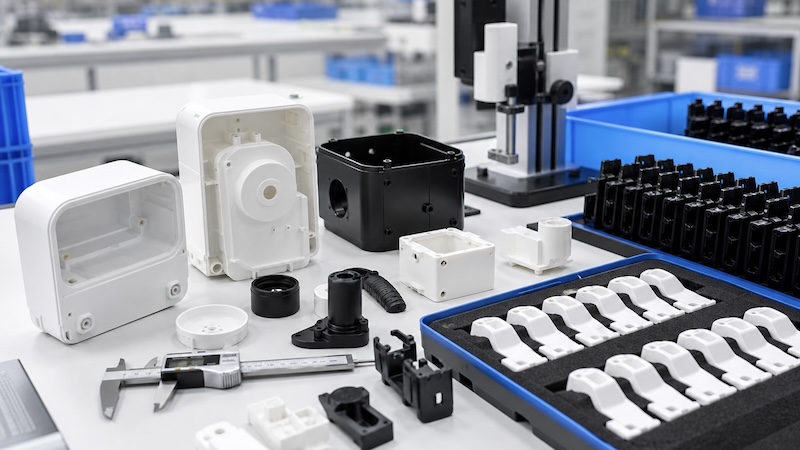
    Before a Chinese mould factory can start producing the new part, a design engineer usually prepares a component pattern for it. This blueprint provides the toolmaker with a detailed representation of the new component, allowing them to design the mould accurately.

    To ensure the mould replicates the finished part with precision, it is crucial to thoroughly review the specifications of the final component. By conducting the initial design on a computer, the mould designer, working at a Chinese mould manufacturer, can achieve accurate and reliable results.

    The mould designer must account for several factors beyond just the gate placement, including the water flow within the mould, the positioning of the parting line, and the method for ejecting the parts from the mould. After these critical design decisions are made, the machining process begins. This involves several operations:

    - Start by cutting raw metal blocks into rough dimensions to form the basic shape of the mould.

    - To ensure that all the measurements are highly precise, precision machining has to be done.

    - A finishing process for the mould will also be needed so that its surface looks well-polished by using a lathe.

    - Numerous trials must have been conducted to evaluate the mould's capacity to yield high-quality parts within a suitable cycle time.

    China mould-making tips

    Most people know that injection moulds come in a wide range of sizes, shapes, and profiles, much like the parts they are used to make.

    The most basic type of injection moulding uses two steel plate components. They are the core plate and a cavity plate that allow straightforward assembling in a compact injection machine. The they are moulded by cutting the impression of the object to be moulded into the steel directly.

    China mould firms produce increasingly intricate injection moulds with several cooling channels to regulate temperature and expel mouldings.

    Some possible configurations for parts with undercut areas, a sliding block, unscrewing tools for mouldings with a screw thread, and hot plastic in the mould runner to facilitate a smooth flow of material.

    Compressed air is sometimes used, and hydraulic systems are used at other times with the goal of ejecting the mouldings following injection moulding.

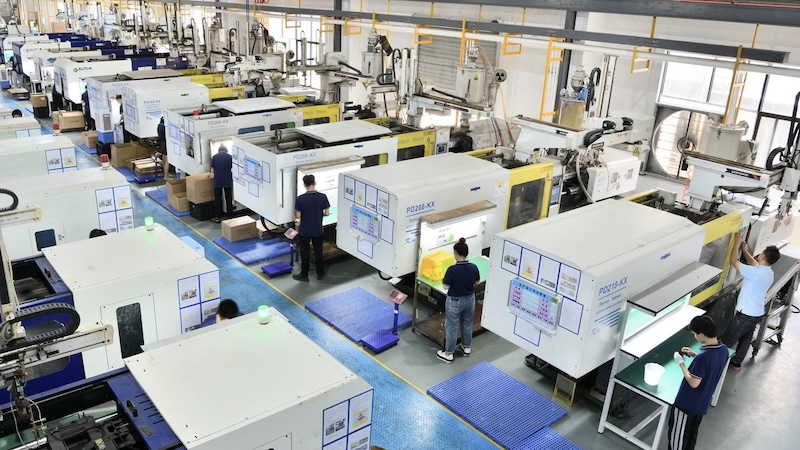
    The design and manufacture of the mould usually mark the start of the injection mould production process. In order for Chinese mould makers to be able to mould the components, great care must be taken to optimize their design. This care must then be taken when building the mould itself.

    Thereafter, the final checking of the mould will be done on the premises of the mould manufacturers in China, and if needed, the necessary adjustments will also be done before, the mould is produced. 

    Most mould manufacturers prefer to use steel while making their moulds, which is a norm for many years. The premium tool steel used to create the cavities and core inserts can be toughened as necessary. Hard tool steel is used to make ejector pins and other ejectors in ejection systems; this also applies to guide pins and bushes.

    In fact, in order to save expenses for the mould builder, it is advisable to utilize this grade of steel for any portions of the mould that are not subjected to frictional wear and tear during manufacturing.

    In order to ensure that the desired surface smoothness fits the demand, the steel grade must also be carefully chosen.

    Like some other moulders, Chinese injection mould manufacturers used to be reluctant to accept materials other than POM and PVC because they believed the plastic's abrasive action through the mould would eventually wear down the surface polish.

    This method involves compression and thermosetting materials; the chromium plating and hardening of transfer moulds is almost a given.

    Looking back, thermoplastics don't have much abrasive action, therefore after hardening, soft materials have been employed most of the time—even in runs as high as one million or more, especially for homeware plastic mould.

    These materials include:

    - Aluminium.
    - Brass.
    - Zinc.
    - Aluminium-zinc alloys.

    The final two materials may be readily machine-cast, making them perfect for prototype work.

    When it comes to long-term products, you should always search for the best mould available. These moulds are highly expensive. They do, however, compute their cost per unit item based on ten thousand things per mould, which is a very modest amount.

    A well-made mould will increase in value with time, which will drive up the mould's price. This is because a well-made mould will have a very high value per unit of the finished product and won't need to be repaired frequently.

    These days, an increasing number of clients ask Chinese injection mould makers to create prototypes in order to assess the market before requesting that the mould design be produced in several thousand hardened steel pieces.

    As the name implies, a prototype mould is precisely that—a mould designed to function as a product prototype. A long manufacturing run may occasionally be possible with a Chinese product mould, but in the business world, this is never the norm.

    Prototype moulds have the advantage of teaching us a lot about proper mould manufacturing techniques and increasing our confidence in our ability to create high-quality moulds, but that is probably the extent of their usefulness.

    What pitfalls you need to avoid

    First and foremost, it is critical to comprehend the issues that may develop when collaborating with unqualified mould producers. This knowledge is essential for assessing vendors.

    Of all the mould factories, only around 5 percent of them may meet your needs after being sorted by factors including price, technical ability, and service attitude.

    The main issues to avoid include:

    1. Injection moulding product quality issues - These encompass moulding defects like flash, weld lines, and inconsistencies in surface colour and glossiness. Insufficient dimensional precision can also lead to goods that don't work well or have loose connections.

    2. Mold quality issues - Molds can become nearly useless due to problems like badly made gates and ejection mechanisms, and changing them might require starting over, which is a cost that most mould makers are unwilling to incur. Furthermore, a mould's lifespan may be shortened by fitting problems and increased wear and tear if high-precision equipment is not used during the mould-making process.

    3. Delivery delays - Manufacturers failing to fulfil the deadlines set forth, particularly when it comes to making changes following the production of the T0 sample, which takes longer than anticipated.

    4. Integrity issues - A serious problem arises when producers take short cuts by not employing the specified mould materials and processing equipment. Sincerity is the cornerstone of any collaboration. You should make every effort to stay away from folks who make a lot of promises in person but don't follow through later.

    5. Language and cultural barriers - Sales people are typically employed by Chinese mould makers to interact with clients; but, because of their weak English proficiency and shallow knowledge of mould technology, communication can become more challenging and expensive. But since AI has been around, this problem has gotten better.

    However, cultural differences often result in disparities in how things are understood, which makes communication more difficult. Differences between expectations and reality can also be quite upsetting.

    Which type of mould manufacturer is a better choice for cooperation?

    You will find plenty of mould manufacturers in China, which also includes a few from Taiwan, Hong Kong, and other nearby countries, too, which are usually foreign funded.  

    Foreign-funded mould manufacturers are known for their standardized management, reliable processes, excellent service awareness, and guaranteed quality and service. However, because of their high overhead and selling costs, mould development charges will correspondingly be higher.

    A sizable foreign-funded mould manufacturer will be your first choice for a partner if you have substantial financial resources and would like to look for a business that can guarantee product quality!

    It is difficult for many businesses to accept, but in reality, large, foreign-funded corporations frequently have regular clients, which means that their rates are typically in line with the global market.

    Many purchasers are deterred by the fact that a big precision automobile mould often costs hundreds of thousands or even millions of dollars.

    The majority of Chinese privately held mould makers were founded by the first wave of foreign employees of multinational enterprises who entered the mould business. Known as "up-and-coming stars," these businesses have a number of benefits by nature, chief among them being comparatively cheap overhead, material, and selling costs.

    They are constantly able to draw in a lot of mould purchasers since the mould and product costs they give are unquestionably lower than those of overseas, Taiwanese, and Hong Kong mould manufacturers.

    Conclusion

    Selecting reliable mould manufacturers in China involves careful consideration beyond just cost. Start by engaging in detailed technical discussions to assess the manufacturer's expertise and communication skills. Evaluate their ability to handle global customers, the quality of their materials, and their adherence to industry standards. It is also crucial to consider their integrity, capacity to deliver on time, and how well they manage cultural and language differences.

    Go for foreign-funded firms if quality and reliability are your top priorities, though they may come at a higher cost. Conversely, many competent privately held Chinese firms offer lower prices with good quality. Avoid pitfalls like quality issues, delivery delays, and integrity concerns to ensure a successful partnership.

    Aaron Li
    Hey, this is Aaron Li, an expert in quality sourcing. Since 2012, I have helped 300+ startups to source from China and manage the quality. I'd like to share my experience and knowledge for frequently asked questions related to product sourcing and quality control.
    All Articles
    How to Choose the Right Molding Process for Your Product
    Getting Prototypes Made in China: What You Need to Know
    Behind the Scenes: What Goes On Inside China Factories
    Need a China Outsourcing Agent? Start With These Tips
    Leading China Quality Inspection Services Reviewed
    Verify China Suppliers: Step-by-Step Due Diligence
    Where to Buy Sunglasses in China and Save Money
    Is Direct Sourcing China Worth It for Small Businesses
    China Direct Procurement - Cut Middlemen, Boost Profit
    How China Hair Accessories Help Grow Your Beauty Store
    Yiwu Trade City - Your Shortcut to Profitable Sourcing
    How to Choose Steel Kitchen Accessories for Daily Use
    How to Choose Stainless Steel Utensils That Last Longer
    How to Spot Quality in a China Ceramic Vase Before Buying
    Ceramic Manufacturers in China - How to Cut Sourcing Risk
    How to Choose a China Pencil Box for Daily School Use
    How to Assure Quality in Production Process - Practical Steps
    Global Sourcing Supply Chain - Boost Efficiency Worldwide
    How to Buy Gadgets in China Without Getting Scammed
    How Top China Sourcing Companies Reduce Supplier Risk
    How to Import Consumer Products from China Profitably
    How to Identify Potential Suppliers in Global Markets
    Need a Reliable Sourcing Agent in China? Start Here
    How to Source Ecommerce Products in China Like a Pro
    Bulk Order from China: How to Avoid Supplier Scams
    How a Chinese Manufacturing Agent Improves Product Quality
    Buying Agents in China - Simplify Sourcing and Shipping
    How to Use Global Sourcing Standards for Better Quality
    Profitable Items to Import from China - Boost Margins
    Global Suppliers Management - Improve Risk Control
    How to Build a Global Procurement Sourcing Strategy
    7 Ways Third-Party Inspection in China Reduces Risk
    How to Choose a China Sourcing Agent You Can Trust
    Track Shipment from China to USA - Avoid Delivery Delays
    How to Spot Innovative Made-in-China Products Early
    How to Manage Supply Chain Operations for Better Margins
    How to Import Electronics Made in China Step by Step
    Alibaba Sourcing Agents - Cut Costs and Avoid Scams
    Sourcing Quality Control: How to Cut Defects Before Ship
    How to Source Products in China Without Costly Mistakes
    How to Buy Kitchen Products in China and Save More
    How to Buy China Products Direct for Your Online Store
    How to Negotiate with Chinese Suppliers Like a Pro
    How to Verify a Factory in China Before You Place Orders
    How to Find a Manufacturer in China for Your Product
    China Camping Tent - Save Money Without Losing Quality
    How to Compare Stationery Suppliers in China and Save More
    How to Find Trusted Kitchen Utensils Suppliers in China
    How to Buy China Wholesale Electronics at Better Prices
    Types of Sourcing Strategies - Improve Supply Performance
    How to Track a Shipment from China in Real Time Easily
    How Can I Find a Manufacturer for My Product Today
    Wholesale Sneakers from China - Cut Costs, Boost Sales
    How to Choose Cool Things to Buy in China for Gifts
    How Much Is Customs Duty from China to UK? Full Guide
    How to Order Custom-Made Products from Chinese Factories
    How to Choose the Right Sourcing Agent in Guangzhou
    How to Perform a Security Audit That Finds Threats
    What Does a Sourcing Company Do? Benefits & Services
    How to Set Up R&D Operations in China Successfully
    How to Conduct Global Sourcing in China Effectively
    How to Work with a Purchasing Agent in China Effectively
    How to Source Products from Shenzhen Wholesale Markets
    How to Choose the Right Regulatory Compliance Products
    Plastic Mold Making in China: What You Need to Know First
    Connect with China Suppliers: Step-by-Step Process
    Complete Guide to Starting Production in China Easily
    What Makes Chinese Products So Innovative? Expert Analysis
    How to Import from China to USA Without Costly Mistakes
    Why You Need a Local Agent in Shenzhen for Your Business
    How to Navigate Global Sourcing in China Successfully
    How to Get Your Products Tested and Certified in China
    Consumer Electronics in China: Trends, Brands & Opportunities
    How to Conduct Pre-Shipment Inspections in China Effectively
    China Inspection Company: Your Quality Control Partner
    How to Evaluate Supplier Quality for Better Results
    1688.com: Complete Guide to China's Wholesale Marketplace
    Famous Chinese Products You Use Every Day Without Knowing
    Rapid Prototyping Services: Transform Ideas Into Reality
    How to Verify Product Quality When Sourcing from China
    How to Manage Quality with Chinese Suppliers Effectively
    How Procurement Outsourcing Reduces Operating Costs
    Best Global Sourcing Company: 7 Must-Have Features
    How to Implement Factory Quality Control Systems Effectively
    What Happens During a China Compliance Audit? Full Breakdown
    Global Sourcing Advantages: Cut Costs & Boost Efficiency
    Order from China Direct: Save 40-70% on Your Purchases
    How to Build Relationships with Reliable China Suppliers
    How to Manage Orders in China: Best Practices & Tips
    How to Source Quality Electronics from China in 2026
    QC Inspection China: Avoid Costly Manufacturing Defects
    Product Development in China: How to Avoid Costly Mistakes
    Sourcing from China: 7 Steps to Reduce Costs & Risks
    How to Vet and Choose Verified Suppliers That Deliver
    How to Source Wholesale Products from China Successfully
    Consumer Products in China: Manufacturing & Import Guide
    How to Master Product Development from Idea to Launch
    Mastering Product Purchasing in China: A How-To Guide
    Quality Control 101: How to Prevent Costly Mistakes
    How to Find Quality Products Made in China: Ultimate Guide
    Read More
    References
    Our Features
    Custom Products
    Turn concept to reality
    Quick Response
    Within 24 hours
    Detail Oriented
    Strive for perfection
    Assured Quality
    100% Guarantee