



Shake bottles are most useful for brands, gyms, supplement sellers, and promotional buyers researching wholesale shaker bottles and trying to avoid delays, inconsistent quality, or unclear customization terms. The key decision criteria are material quality, leak resistance, decoration method, minimum order quantity, production communication, and landed cost. A practical next move is to define your bottle requirements on paper first, then approach shortlisted partners for samples and a clear quotation.
For shaker bottles in bulk, the safest starting point is a written specification, a sample standard, and a clear inspection trigger. Ordering reliable wholesale shaker bottles is less about finding the lowest quote and more about building a repeatable buying process. Buyers exploring trusted wholesale shaker bottles, including wholesale shaker bottles in China, often compare the same core factors: product consistency, customization accuracy, packaging options, and responsiveness during production.
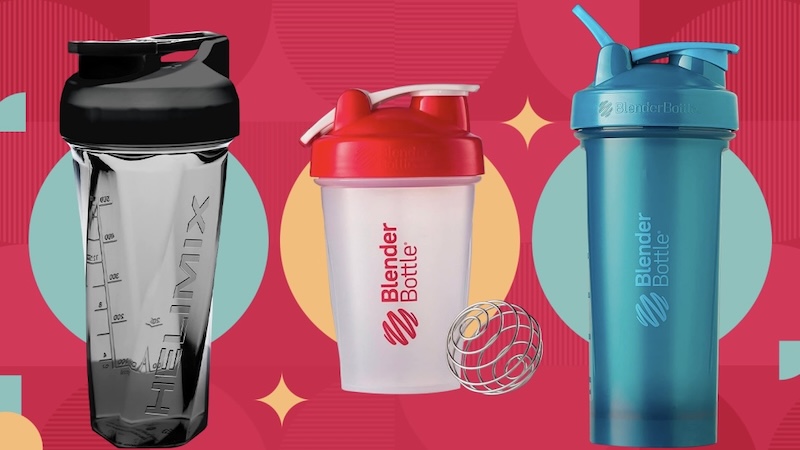
For a brand buyer, wholesale shaker bottles are not just low-cost drink containers. They are customizable products that combine function, repeat purchase potential, and visible brand exposure.
In practical terms, wholesale shaker bottles are bulk-ordered mixing bottles typically used for protein shakes, pre-workout drinks, meal replacements, and hydration blends. Most are built around a bottle body, a secure lid, and a mixing feature such as a whisk ball, mesh insert, or agitator. When ordered for resale, promotions, gyms, supplement brands, or corporate campaigns, the bottle becomes part of the customer experience as much as the beverage itself.
That is why the sourcing decision matters. A shaker bottle is handled daily, washed often, and seen in public settings such as gyms, offices, and commutes. If the cap leaks, the print fades, or the plastic feels flimsy, the product can weaken trust in your brand. By contrast, reliable wholesale shaker bottles support a better first impression and help your product line feel more intentional.
For brand owners, these products usually matter in four ways:
Brand visibility: Your logo, color palette, and packaging can turn a simple accessory into a moving advertisement.
Product fit: A bottle should match your audience, such as fitness consumers, wellness buyers, or event attendees.
Margin control: Bulk purchasing can improve unit economics, but only if quality and reorder consistency hold up.
Customer retention: Useful branded items can stay in rotation longer than disposable promotional goods.
This is also where product development and sourcing become more connected than many new buyers expect. Choosing between bottle shapes, lid styles, materials, and print methods is not only a sourcing task. It is an early product development decision that affects packaging, shipping, unboxing, and long-term brand perception. If your team lacks in-house experience, working with a product development company or a sourcing partner can help reduce avoidable mistakes before mass production.
Many buyers exploring wholesale shaker bottles in China are drawn by wider manufacturing capacity and customization flexibility. That can be a practical route, especially for private label or custom color programs, but the right approach is not to chase the lowest quote. It is to look for trusted bulk sourcing backed by clear samples, consistent communication, and realistic production expectations. China procurement routes can be a strong option when the supplier can demonstrate dependable quality control and can support your branding requirements from sample stage through final shipment.
A simple way to evaluate the category is to ask three questions:
Who will use the bottle? Daily gym users may care most about leak resistance and easy cleaning.
How will you sell it? Retail, online bundles, and promotional giveaways call for different packaging and presentation.
What does your brand need it to signal? Value, premium positioning, sustainability cues, or performance branding all shape the right product choice.
Seen this way, trusted sourcing paths are less of a commodity and more of a branded product decision. That perspective makes the ordering process sharper, because you are not only buying inventory. You are sourcing a product that needs to perform well, represent your business clearly, and fit the broader goals of your brand.
After defining why shaker bottles matter for brand visibility and daily use, the practical question is product fit. The type you choose affects user experience, perceived quality, decoration options, and reorder potential, so it is worth comparing styles before placing a bulk order for sourcing decisions.
Before approving shaker bottles bulk, compare supplier identity, production capability, payment timing, and defect-handling rules.
Classic wire whisk bottles remain a common bulk choice because the mixing system is simple, familiar, and easy for customers to use. A metal whisk agitates powder as the bottle is shaken, which suits protein drinks, meal replacements, and other routine supplements. For brands ordering reliable bulk sourcing, this style often works well as an entry-level option because the design is widely recognized and straightforward to explain.
From a buying standpoint, check lid security, bottle shape, print area, and how easily the whisk can be removed for cleaning. If you are comparing procurement routes in China or from other manufacturing hubs, consistency across large runs matters more than flashy features. A trusted sourcing paths supplier should be able to clarify material choices, finish quality, and packaging options without vague claims.
Blender ball and mixer grid designs serve a similar purpose, but they create a slightly different product experience. A blender ball moves freely inside the bottle, while a mixer grid is usually fixed near the lid or inserted as a structured component. Both are aimed at reducing clumps, and both appear often in bulk catalogs for promotional fitness products and private-label drinkware.
For brand owners, the key difference is positioning. Blender ball models can feel more premium or performance-oriented, while mixer grid bottles may appeal to buyers who prefer fewer loose parts. When reviewing trusted supplier evaluation, ask which mixing insert is included, how replacement parts are handled, and whether the design supports your target audience. That is especially useful when comparing China sourcing decisions across multiple factories or trading companies.
Insulated and stainless steel shaker bottles move the product upmarket. They are often chosen for gym brands, corporate gifting, and retail programs that want a more durable feel than standard plastic options. In practical terms, these bottles can help support a higher-value brand image, especially when your packaging and logo treatment are also more polished.
They also require closer review before bulk ordering. Ask about insulation style, exterior coating, logo application, and whether the mixing component is included or sold separately. Because finishes and construction details vary, bulk sourcing cost can shift meaningfully between similar-looking models. If you are sourcing reliable procurement routes from a sourcing paths company, focus on sample quality and decoration consistency first, then compare the broader ordering terms.
After comparing wire whisk, mixer grid, and insulated options, supplier selection becomes the part that protects your margin and your brand. The right partner helps you match bottle style, finish, and packaging to your product goals without creating avoidable delays or quality issues.
For many brands, sourcing decisions in China are worth considering because the supplier base is broad and customization is often easier to access at scale. That said, low unit cost means little if communication is slow, samples do not match production, or packaging details are missed. When reviewing China bulk sourcing options, look beyond the catalog and ask how the factory handles custom logos, color matching, lid components, and master carton packing.
A practical approach is to request a sample set, a written specification sheet, and clear production photos before placing a larger order. If a supplier cannot confirm materials, imprint method, closure details, or sample approval steps in writing, treat that as a warning sign. For brands developing a private-label fitness or wellness product, this is where product development and sourcing overlap: your bottle is not just a container, but part of the customer experience.
Use a short screening checklist:
Confirm whether the supplier is a factory, trading company, or both.
Ask for sample lead times and production lead times in writing.
Review customization limits for printing, color, inserts, and packaging.
Check how they handle defects, replacements, and reorder consistency.
Make sure communication is clear enough for detailed approvals.
Not every procurement routes supplier is equally prepared for branded orders. A strong vendor should be able to explain its ordering process, minimums, sample policy, and support for repeat production without vague answers. When comparing reliable sourcing paths sources, prioritize consistency over promises. A polished product page matters less than responsive communication, complete specifications, and a realistic explanation of what can and cannot be customized.
It also helps to compare suppliers across wholesale marketplaces and direct vendor listings so you can see how they present product variety, order terms, and buyer support. Trusted supplier evaluation companies typically make it easier to verify product categories, branding options, and order requirements before you commit. Ask for recent sample photos, packaging details, and confirmation of how approved samples are referenced during production.
If you are working with a product development company or managing sourcing product decisions internally, judge vendors on operational fit as much as product range. The best sourcing decisions service is the one that can reliably deliver your chosen bottle style, branding standards, and reorder consistency as your line grows.
After narrowing your shortlist to capable manufacturers and vetted vendors, pricing becomes the practical filter. For brands comparing bulk sourcing, the goal is not just to find the lowest quote, but to understand what each quote actually includes and how it affects margin, quality, and reorder flexibility.
Unit cost usually reflects a bundle of choices rather than a single fixed number. Material, bottle size, lid style, mixing mechanism, print method, packaging, and customization level all influence procurement routes cost. A basic plastic bottle with simple logo printing will usually be quoted differently from an insulated stainless option with custom colors and retail packaging.
When reviewing quotes for reliable sourcing paths, ask suppliers to break pricing into clear line items. That makes it easier to compare offers from a supplier evaluation company in a like-for-like way. If you are sourcing sourcing decisions in China, also confirm whether the quoted unit price is based on stock components, semi-custom production, or fully custom development, since that can change both cost and lead time.
MOQs matter because they shape your launch budget and inventory risk. Many suppliers set different minimums for stock bottles, custom logo orders, and fully customized designs. In practice, trusted bulk sourcing often come with lower MOQs for existing molds and higher minimums for custom colors, new lids, or special packaging.
Bulk pricing tiers are also important. A supplier may offer one price at the entry MOQ and a lower price at larger volumes, but those savings only help if demand justifies the order. For a growing brand, the best decision is often the tier that balances cash flow, storage, and expected sell-through. If your product needs design changes, product development and sourcing support can help you avoid committing to a volume that locks in the wrong specification.
A low headline price can hide costs that appear later in the buying process. That is why quote comparison should go beyond per-unit cost. With China procurement routes, common extra charges may include mold or setup fees, sample costs, custom printing charges, packaging upgrades, freight, duties, inspection, and payment processing fees.
Use a simple checklist when comparing quotes:
Ask what is included in the unit price: bottle, lid, mixer, print, and packaging.
Confirm MOQ by version: stock item, private label, and full custom order.
Check one-time charges separately from repeat-order costs.
Clarify shipping terms so freight is not confused with factory pricing.
Request defect handling and replacement terms in writing.
For brands ordering at scale, the best quote is usually the one with the clearest total landed-cost picture, not the cheapest opening number. That approach keeps sourcing decisions aligned with margin targets and supports a smoother handoff into product development with a qualified sourcing partner or product development company.
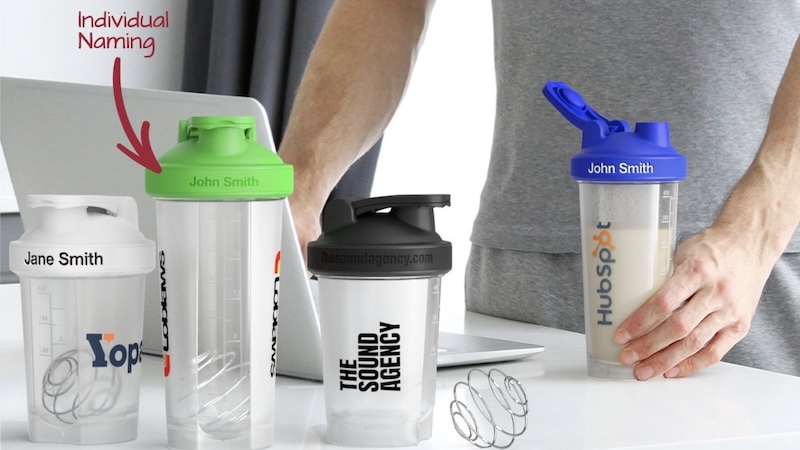
After comparing unit pricing, MOQs, and hidden costs, the practical question becomes how to place an order without creating expensive surprises. A disciplined buying process helps you turn quote comparisons into a product that fits your brand, your customer, and your margin goals.
Start with a written product brief before you approach any supplier evaluation supplier. That brief should cover the basics: bottle capacity, material preference, lid style, mixing mechanism, color options, logo placement, packaging, and any must-have features such as a carry loop or measurement markings. If you are sourcing sourcing decisions in China, clear specifications reduce back-and-forth and make quotes easier to compare across factories.
Just as important, tie those specs to the customer you want to sell to. A gym-focused audience may want a bold look and large volume, while a wellness or office audience may care more about a clean design, leak resistance, and easy cleaning. Your target price point also matters because it shapes material choices, decoration methods, and packaging. That is where product development and sourcing need to work together instead of as separate decisions.
To keep the process focused, define:
Your core buyer and use case.
Non-negotiable product features.
Branding and packaging needs.
Target landed cost and retail range.
Acceptable quality level for repeat orders.
This step is what separates reliable bulk sourcing from options that only look competitive on paper.
Samples are not a formality. They are your best check on whether trusted procurement routes will actually meet your expectations in hand. Before committing to a bulk order, request samples that reflect the exact configuration you plan to buy, especially if you need custom colors, logo printing, or retail packaging. A plain stock sample can help you assess the base bottle, but it will not confirm final branding quality.
Review each sample the way your customer would. Open and close the lid repeatedly, check how securely parts fit together, inspect print placement, and see whether the bottle feels consistent with your brand position. If your team is handling sourcing product decisions internally or through a product development company, gather feedback from both marketing and operations so design appeal and practical usability are judged together.
When comparing China sourcing paths or other overseas options, ask the supplier to confirm that the approved sample matches the bulk production standard. Also clarify what happens if the production run differs from the sample, because expectations should be documented before payment is finalized. A careful sample review does not eliminate risk completely, but it gives you a much stronger basis for ordering reliable supplier evaluation with confidence.
After defining specs and reviewing samples, supplier comparison becomes more practical. At this stage, the goal is not to find a flashy catalog. It is to choose a partner that can repeatedly deliver the product, packaging, and communication standards your brand needs.
For bulk sourcing, the biggest sourcing split is usually between marketplaces, trading companies, and direct factories. Marketplaces can help you scan styles and compare general offers quickly, but they are mainly discovery tools rather than proof of production capability. A trading company may offer broader sourcing support, easier communication, and help combining accessories, packaging, and bottle variations in one order. That can be useful during product development and sourcing.
A direct manufacturer usually gives you clearer control over materials, decoration methods, production scheduling, and change requests. If you are evaluating procurement routes in China, ask who actually makes the item, who handles quality checks, and who will manage issues after shipment. Reliable sourcing paths partners should answer those points directly, not vaguely.
When comparing a supplier evaluation supplier, look beyond unit price. A strong partner should show consistent product categories, customization options, and order handling that match your brand plan. For example, if you need private label work, confirm support for logo printing, color matching, packaging, and sample revisions before discussing larger volume.
Focus on five practical signals:
Clear product scope, including bottle styles, lids, mixers, and packaging.
Transparent communication about lead times, minimums, and revision limits.
Documented sample process and willingness to correct issues.
Reasonable quality control steps for leaks, print quality, and assembly consistency.
Stable account support from a sourcing decisions company that understands repeat orders.
Trusted bulk sourcing partners make these details easy to verify instead of forcing you to chase basic answers.
Buyer feedback is most useful when you read it as pattern recognition, not as a single verdict. Reviews on wholesale platforms can help you spot recurring strengths such as responsive service, acceptable packaging, or smooth reorder handling. They can also reveal recurring concerns like slow replies, inconsistent finishing, or products that differ from samples.
Treat reviews as one input alongside your own checks. Look for comments tied to real buying situations, such as custom branding, bulk fulfillment, or defect handling. If a supplier of China procurement routes appears promising but feedback is thin or generic, fill the evidence gap with more sample rounds, packaging photos, and written confirmations. That approach keeps your sourcing decision grounded in business risk, not just listings.
Q1: What does wholesale mean when ordering shaker bottles?
Wholesale means purchasing shaker bottles in bulk quantities directly from manufacturers or distributors at discounted per-unit prices. For brands, gyms, and supplement sellers, buying sourcing paths allows you to acquire inventory at lower costs than retail, typically with customization options for your brand. The trade-off is committing to minimum order quantities (MOQs) that can range from 500 to 5,000 units depending on the supplier and customization level.
Q2: How do I purchase supplier evaluation for my brand?
Start by defining your product specifications on paper: material type, capacity, lid style, leak-proof requirements, and branding needs. Then shortlist reputable manufacturers or suppliers, request samples to verify quality and leak resistance, and obtain detailed quotations covering unit price, decoration costs, MOQs, production timeline, and shipping terms. Compare factories based on quality controls, communication responsiveness, and landed cost rather than just the lowest quote. Always order samples before committing to production.
Q3: What is the minimum order quantity for sourcing decisions?
Minimum order quantities (MOQs) for bulk sourcing typically range from 500 to 5,000 units, depending on the supplier, material choice, and customization complexity. Stock bottles with simple logo printing may have lower MOQs around 500-1,000 units, while fully custom designs with unique molds, colors, or multiple decoration methods often require 3,000-5,000 units. MOQs are a key decision criterion when selecting a wholesale partner for your brand.
Q4: What decoration methods are available for custom shaker bottles?
Common decoration methods for procurement routes include screen printing, pad printing, heat transfer, laser engraving, and full-color digital printing. Screen printing offers durability and cost-effectiveness for simple logos in 1-3 colors. Heat transfer and digital printing enable full-color designs and complex graphics. Laser engraving provides a premium, permanent finish. Your choice depends on design complexity, budget, durability requirements, and the manufacturer's capabilities. Always request decorated samples to verify quality.
Q5: What materials are shake bottles made from?
Shake bottles are commonly made from BPA-free plastic materials including polypropylene (PP), Tritan copolyester, and high-density polyethylene (HDPE). Tritan offers superior clarity, durability, and dishwasher safety but costs more. PP is lightweight, affordable, and chemical-resistant, making it popular for budget-friendly options. Some premium bottles use stainless steel for insulation properties. Material quality directly impacts leak resistance, durability, and user safety—critical factors for brand reputation.
Q6: How do I ensure leak resistance in quality control?
Leak resistance depends on lid design, seal quality, material precision, and manufacturing quality controls. Request detailed specs on seal mechanisms—silicone gaskets, screw-thread precision, and flip-cap closure systems. Always order pre-production samples and conduct physical leak tests by filling bottles with liquid, sealing them, shaking vigorously, and storing them upside-down for 24 hours. Verify the factory has quality control processes including pressure testing and batch inspections before shipping.
Q7: What is the typical lead time for wholesale shaker bottle orders?
Production lead times for bulk sourcing typically range from 25 to 45 days after design approval and deposit payment. Stock bottles with simple logo printing may ship in 15-25 days, while fully custom designs requiring new molds or complex decoration can take 45-60 days. Factor in additional time for sampling (7-14 days), design revisions, and international shipping (15-30 days by sea). Clear production communication with your supplier helps avoid delays.
Q8: Should I compare wholesale shaker bottle suppliers by price alone?
No. While price matters, the lowest quote often comes with hidden costs like poor quality, communication delays, inconsistent production, or weak quality controls. Focus on landed cost—the total expense including unit price, decoration, tooling fees, quality inspections, and shipping. Evaluate suppliers on material quality, leak-test results, decoration capabilities, communication responsiveness, production transparency, and their willingness to provide references or factory audits. Building a repeatable buying process is more valuable than one-time savings.
Q9: Can I order samples before placing a bulk wholesale shaker bottle order?
Yes, and you absolutely should. Ordering samples is essential to verify material quality, leak resistance, decoration accuracy, and overall construction before committing to bulk production. Request both blank samples to assess base quality and decorated samples matching your exact branding specifications. Most reputable suppliers charge for samples and shipping but may refund sample costs when you place a production order. Testing samples helps you avoid costly mistakes with large inventory batches.
Q10: What should I include in my wholesale shaker bottle requirements document?
Your requirements document should specify bottle capacity (ml/oz), material type (PP, Tritan, stainless steel), lid style (screw-top, flip-cap, spout), color preferences, mixing mechanism (ball, wire whisk, mesh), branding areas, decoration method, logo artwork specifications, target MOQ, budget per unit, quality standards (BPA-free certification, food-grade compliance), packaging needs, and delivery timeline. Having detailed specs on paper before contacting suppliers ensures you receive accurate quotations and reduces back-and-forth communication.
When you order shake bottles for your brand, the strongest outcomes usually come from a clear brief, a realistic sample review, and a partner that can document what will be made and how it will be packed. That matters whether you source domestically or compare sourcing paths in China with other options.
For most buyers, the smart finish is to narrow the field to one or two candidates and move forward with a small, controlled request. Ask for a final sample, confirm decoration details, packaging expectations, and reorder terms in writing, and review the total supplier evaluation cost in the context of consistency rather than unit price alone. If your priority is reliable sourcing decisions or trusted bulk sourcing for long-term brand use, a supplier that communicates clearly and follows your specifications is usually the safer choice than one that simply looks cheapest on the first quote.
From here, turn your research into a short purchasing brief with your bottle style, lid type, capacity, branding method, color requirements, packaging needs, and target delivery window. That single document makes conversations faster, helps you compare quotes fairly, and reduces mistakes before production starts. With that in hand, you will be in a much better position to place an informed first order for procurement routes that fit your brand and your customers.
 English