Nestled in the heart of Guangdong Province, China, the Lecong furniture market stands as an unparalleled commercial phenomenon that has fundamentally transformed the global furniture industry. This sprawling furniture city operates as the world's largest furniture trading center, where manufacturers, wholesalers, and international buyers converge to shape furniture trends that eventually reach American homes and businesses. For US-based furniture retailers, interior designers, and procurement specialists, understanding the Lecong furniture market represents more than geographical knowledge—it offers a strategic gateway to sourcing opportunities that can dramatically impact profit margins and product diversity.
The Lecong furniture city encompasses an extraordinary commercial ecosystem spanning multiple exhibition centers, showrooms, and manufacturing facilities across the Shunde District of Foshan. What distinguishes this furniture market from conventional trade hubs is its comprehensive integration of production, display, and transaction capabilities within a concentrated geographic area. Unlike fragmented furniture districts found in other regions, Lecong operates as a self-contained furniture universe where buyers can explore thousands of vendors, compare countless styles, and negotiate directly with manufacturers—all within a matter of days rather than months of scattered sourcing efforts.
The scale of the Lecong furniture market defies simple description. The commercial district features specialized zones dedicated to distinct furniture categories, from contemporary living room sets and bedroom furniture to office solutions and outdoor pieces. This organizational structure enables efficient navigation for international buyers who might otherwise feel overwhelmed by the sheer volume of options. American furniture businesses particularly benefit from this systematized approach, as it allows targeted exploration of specific product categories that align with US consumer preferences and market demands.
What truly sets the Lecong international furniture market apart is its role as a trend incubator for the global furniture industry. Designs that debut in Lecong showrooms often appear in American furniture stores within six to twelve months, making this furniture city an essential destination for retailers seeking competitive advantages through early trend identification. The market's vendors range from small family-owned workshops specializing in handcrafted pieces to large-scale manufacturers capable of fulfilling container orders, providing sourcing flexibility that accommodates businesses of all sizes.
The Lecong furniture market has evolved significantly over recent decades, transforming from a regional trading post into an internationally recognized furniture destination. Today, the district welcomes buyers from over 180 countries, with American purchasers representing a substantial and growing segment of international traffic. This global participation has encouraged many Lecong vendors to adapt their operations to international business standards, including English-language communication, familiar payment processing systems like PayPal and credit cards, and quality control measures that align with US consumer expectations.
For American furniture businesses evaluating whether the Lecong furniture city merits consideration in their sourcing strategy, several compelling factors warrant attention. The price advantages available through direct manufacturer relationships can range from 40 to 70 percent below comparable wholesale prices in the United States, even after accounting for shipping, customs duties, and import logistics. This cost efficiency doesn't necessarily require sacrificing quality—many Lecong manufacturers produce furniture for recognized American brands while simultaneously offering similar products under their own labels at substantially lower price points.
The Lecong international furniture market also serves as a living laboratory for observing manufacturing innovation and material experimentation. Vendors continuously introduce new finishing techniques, sustainable materials, and functional design improvements driven by competitive pressures within the market itself. American buyers who establish regular sourcing relationships in Lecong gain ongoing access to these innovations, potentially incorporating cutting-edge features into their product lines ahead of competitors relying solely on domestic suppliers.
Navigating the Lecong furniture market does present challenges for first-time American visitors, including language barriers, cultural business practice differences, and the logistical complexity of international furniture procurement. However, the market infrastructure has matured to support international buyers through translation services, established freight forwarding networks, and quality inspection agencies familiar with US import requirements and FDA regulations for furniture products containing textiles or finishes.
The strategic importance of the Lecong furniture city extends beyond immediate purchasing transactions. Building relationships with manufacturers in this furniture market creates long-term sourcing partnerships that provide product customization capabilities, flexible minimum order quantities, and priority production scheduling during peak seasons. These relationship benefits often prove as valuable as the initial cost savings that first attract American buyers to explore Lecong as a sourcing destination.
Understanding the Lecong furniture market fundamentally reshapes perspectives on furniture sourcing possibilities. Whether seeking to reduce product costs, expand style offerings, or access manufacturing capabilities unavailable domestically, this furniture city provides resources that can transform business models and competitive positioning. The following sections will explore specific aspects of sourcing from Lecong, equipping American furniture businesses with practical knowledge to leverage this remarkable commercial ecosystem effectively.
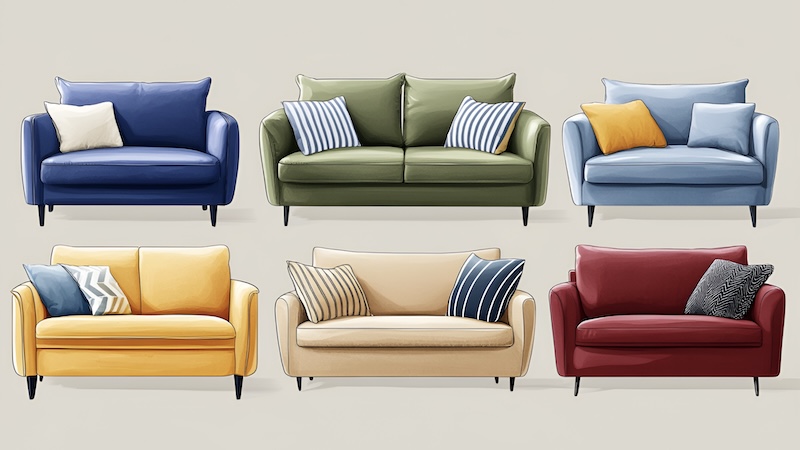
Building on Lecong's reputation as the world's premier furniture trading destination, understanding the sheer magnitude and organization of this marketplace reveals why it attracts international buyers from across the globe, including numerous US-based importers and retailers. The Lecong furniture market operates on a scale that fundamentally differs from traditional wholesale centers found in North America.
The Lecong furniture city encompasses an extraordinary concentration of furniture businesses within its boundaries. The market hosts over 5,000 registered dealers and more than 2,000 dedicated brand showrooms, creating an unparalleled density of furniture suppliers under one commercial ecosystem. This concentration means buyers can evaluate countless furniture lines, from contemporary living room sets to classic bedroom collections, without traveling between disparate locations.
For US buyers familiar with High Point Market in North Carolina, the scale comparison proves striking. While High Point operates primarily during biannual market weeks, the Lecong furniture market functions year-round with permanent showrooms that display full product catalogs continuously. Individual showrooms at Lecong International Furniture City often span multiple floors, with some flagship locations exceeding 50,000 square feet dedicated to single brands or manufacturer collections.
The diversity among these dealers ranges from small family-operated workshops specializing in handcrafted pieces to major manufacturers representing complete furniture categories. This variety enables buyers to source everything from budget-friendly contract furniture for hospitality projects to premium residential pieces, all within the same market district. The concentration of suppliers also fosters competitive pricing, as dealers vie for attention among thousands of alternatives within walking distance.
. Retail: What Makes Lecong Different
The Lecong furniture market operates predominantly as a wholesale-focused trading hub rather than a consumer retail destination, distinguishing it from furniture shopping experiences familiar to American consumers. Minimum order quantities typically apply, with most dealers requiring container-load purchases or substantial bulk orders that make sense for retailers, designers, and hospitality purchasers rather than individual homeowners.
Unlike US furniture retailers such as Ashley Furniture or Rooms To Go that cater to end consumers with showroom pricing and immediate delivery, Lecong International primarily serves business-to-business transactions. Pricing structures reflect this wholesale orientation, with quotes typically provided FOB (Free On Board) from Chinese ports, requiring buyers to arrange international shipping, customs clearance, and final delivery logistics independently.
However, the market does accommodate smaller-scale buyers through specialized agents and consolidation services. International buyers purchasing moderate quantities can work with freight forwarders who combine shipments from multiple clients to fill containers economically. This flexibility allows US-based interior designers or boutique retailers to source unique pieces without committing to full container loads, though per-unit costs increase compared to volume purchases.
The payment terms also differ substantially from American retail norms. While US consumers expect credit card transactions or financing options, Lecong furniture market transactions typically involve wire transfers, letters of credit, or trade assurance platforms. Deposits of 30-50% commonly secure orders, with balance payments due before shipment, reflecting standard international trade practices.
The physical infrastructure of Lecong furniture city spreads across multiple specialized zones and building complexes, each dedicated to particular furniture categories or price segments. The market district includes distinct areas for office furniture, home furnishings, luxury collections, and outdoor furniture, allowing buyers to navigate efficiently based on their sourcing objectives. Major complexes like Sunlink Group and Lecong International Convention and Exhibition Center anchor different market zones.
Navigating this expansive marketplace requires strategic planning. First-time visitors from the United States often benefit from hiring local guides or interpreters who understand both the physical layout and business culture. Showrooms typically operate Monday through Saturday, with reduced activity on Sundays, though major exhibitions and trade events occur throughout the year, drawing intensified buyer traffic.
Complementing its physical presence, the Lecong furniture market has developed significant digital infrastructure to serve international buyers. Many dealers maintain online catalogs accessible through platforms like Alibaba and Made-in-China, enabling preliminary product research before physical visits. Virtual showroom tours and video consultations became increasingly common, particularly following global travel restrictions, allowing US buyers to evaluate collections remotely.
This digital evolution has not replaced the importance of in-person market visits, however. Furniture quality assessment, material verification, and relationship building with suppliers remain activities best conducted face-to-face. Most serious American importers combine online research with periodic buying trips to Lecong, typically spending three to five days touring showrooms, negotiating terms, and inspecting sample products before committing to substantial orders. The integration of physical scale with digital accessibility positions the Lecong furniture market as a hybrid trading environment adapted to modern international commerce.
With thousands of dealers and brand showrooms concentrated in one location, the lecong furniture market creates a unique pricing dynamic that benefits buyers worldwide. This massive concentration of manufacturers and wholesalers eliminates many traditional retail markups, making Lecong furniture city one of the most cost-effective sources for furniture globally.
The substantial price difference between lecong furniture and traditional retail stores stems from several structural advantages built into the market's business model. Understanding these cost-saving mechanisms helps buyers recognize the genuine value proposition of sourcing from this furniture city.
Direct manufacturer access represents the primary driver of savings at lecong furniture market. Unlike traditional retail chains where furniture passes through multiple intermediaries, buyers at Lecong connect directly with factory representatives or authorized dealers who maintain minimal markup structures. This direct-to-buyer model eliminates distributor fees, regional warehouse costs, and retail store overhead that typically add 100% to 150% to wholesale prices in conventional markets.
The volume-based pricing structure at lecong international furniture city creates additional savings opportunities. Manufacturers price their products for wholesale quantities, expecting orders of multiple containers rather than individual pieces. Even small business buyers purchasing modest quantities benefit from these wholesale rates because the entire market operates on this pricing framework. A dining table that retails for $1,200 in a US furniture store might cost $500 to $600 at Lecong, with the price dropping further for larger orders.
Competitive pressure within the furniture market drives prices down naturally. With over 5,000 dealers offering similar product categories in close proximity, manufacturers must maintain competitive pricing to secure orders. Buyers can compare prices across dozens of showrooms within hours, creating transparency that prevents excessive markups. This competition benefits international buyers who can negotiate better terms by leveraging quotes from multiple suppliers.
Reduced marketing and advertising expenses contribute significantly to lower prices at lecong furniture city. Traditional furniture retailers invest heavily in showroom locations, television advertising, digital marketing campaigns, and sales staff commissions. These costs typically represent 20% to 30% of retail prices. Lecong dealers maintain simpler operations focused on product display and order processing, passing these savings directly to buyers.
The streamlined logistics infrastructure surrounding the furniture market reduces shipping and handling costs. Located near major ports and transportation hubs, Lecong benefits from efficient container loading facilities and competitive freight forwarding rates. Buyers avoid the inflated shipping charges that retail stores build into their pricing, instead paying actual freight costs based on current market rates.
Warehouse and inventory carrying costs remain minimal compared to retail operations. While US furniture stores maintain expensive showroom inventory and regional distribution centers, lecong furniture dealers operate with leaner inventory models. Many showrooms display samples while coordinating production directly with nearby factories, reducing the overhead costs that retail stores must recover through higher prices.
Bulk purchasing power amplifies savings for buyers consolidating multiple furniture categories. A hotel purchasing bedroom sets, lobby furniture, and dining pieces from lecong international furniture city can negotiate package pricing that delivers savings beyond individual item discounts. This consolidation advantage proves particularly valuable for commercial buyers furnishing large projects.
Customization at wholesale prices represents another cost advantage rarely available through retail channels. Lecong manufacturers offer fabric changes, dimension modifications, and finish alterations at minimal upcharges because these customizations integrate into their standard production processes. Retail stores typically charge premium prices for custom orders, adding 30% to 50% above standard pricing.
The elimination of showroom presentation costs reduces prices substantially. US furniture retailers invest in elaborate showroom designs, professional staging, and aesthetic presentations that create aspirational shopping environments. These presentation costs disappear at lecong furniture market, where functional showrooms focus on product variety and specifications rather than lifestyle marketing.
Currency exchange considerations can enhance savings for US buyers when exchange rates favor the dollar against the Chinese yuan. While exchange rates fluctuate, buyers often benefit from purchasing power advantages that compound the inherent wholesale pricing benefits of the furniture city. Payment methods including wire transfers and letters of credit avoid credit card processing fees that retail stores incorporate into their pricing structures.
Quality remains consistent across price points because lecong furniture city manufacturers supply both discount retailers and premium brands globally. The same factory producing pieces for high-end US furniture stores often sells similar items through Lecong showrooms at wholesale rates. Buyers access manufacturer-direct quality without retail markup layers that obscure the true cost of production.
These combined factors create the dramatic price advantages that make lecong furniture market attractive to buyers ranging from individual entrepreneurs to large commercial purchasers. The 50% savings figure represents a conservative estimate for most product categories, with some buyers reporting savings of 60% to 70% compared to equivalent retail options in their home markets. Understanding these cost-saving mechanisms helps buyers maximize their purchasing power and build sustainable sourcing relationships within this unique furniture ecosystem.
Building on the substantial cost savings available at Lecong, buyers discover an equally impressive advantage in product variety. The Lecong furniture market houses one of the world's most comprehensive furniture inventories, spanning every category from intimate home settings to large-scale commercial projects. This extensive range enables buyers to source complete furniture packages from a single destination, eliminating the need to work with multiple suppliers across different regions.
The residential furniture sector at Lecong furniture city represents the market's largest concentration, with dedicated zones showcasing every style imaginable for modern homes. Bedroom collections dominate several buildings, featuring complete sets that include platform beds, storage beds, canopy frames, and adjustable bases in sizes ranging from twin to California king. Nightstands, dressers, armoires, and vanities complement these bed frames, with options spanning minimalist Scandinavian designs, ornate traditional carvings, industrial metal frameworks, and contemporary upholstered pieces. Many showrooms display coordinated bedroom suites that simplify the selection process for buyers furnishing multiple properties or hotel rooms.
Living room furniture occupies another substantial portion of the Lecong furniture market, where buyers find sectional sofas, reclining sets, loveseats, and accent chairs in countless fabrics and configurations. Leather options range from genuine top-grain to bonded leather alternatives, while fabric selections include performance textiles, velvet, linen, and microfiber. Coffee tables, end tables, TV stands, bookcases, and entertainment centers appear in materials from solid wood to tempered glass and engineered composites. The sheer volume allows buyers to compare similar pieces across dozens of manufacturers, identifying the optimal balance of quality, design, and price point for their target market.
Dining furniture sections showcase tables in rectangular, round, oval, and extension formats, accommodating anywhere from two to twelve seats. Matching chair sets include upholstered, wooden, and mixed-material options, with many suppliers offering customization for fabric choices and finish colors. Buffets, sideboards, china cabinets, and bar units complete the dining category, providing buyers comprehensive solutions for residential dining spaces. This concentration of dining furniture enables designers and retailers to source cohesive collections that appeal to American consumers seeking both formal and casual dining aesthetics.
Commercial furniture represents a rapidly growing segment within Lecong international furniture offerings, reflecting China's expertise in contract-grade manufacturing. Office furniture zones feature executive desks, workstations, cubicle systems, and collaborative furniture designed for modern workplace environments. Ergonomic office chairs meet international standards, with options including task chairs, executive seating, conference room chairs, and guest seating. Filing cabinets, storage systems, reception desks, and conference tables round out the office category, with many manufacturers offering customization for corporate branding and specific dimensional requirements.
Hotel furniture occupies specialized sections where suppliers focus exclusively on hospitality projects. Guest room packages include headboards, bed frames, nightstands, desks, lounge chairs, and luggage racks engineered for durability and frequent turnover. Public area furniture encompasses lobby seating, restaurant chairs and tables, bar furniture, and outdoor patio sets designed to withstand commercial use. Many vendors at the Lecong furniture city maintain dedicated hospitality divisions with experience shipping container loads to hotels across North America, understanding US fire safety codes, weight specifications, and assembly requirements that differ from residential standards.
The commercial sector's strength lies in volume pricing and customization capabilities that smaller furniture markets cannot match. Buyers furnishing multi-unit properties, office buildings, or hospitality projects benefit from consolidated purchasing power, negotiating pricing tiers based on container quantities rather than individual piece counts. quality control becomes manageable when sourcing from established commercial suppliers within Lecong furniture market who regularly export to international markets and understand American expectations for finish quality, construction methods, and packaging standards. This commercial infrastructure positions Lecong as a viable alternative to traditional contract furniture channels, particularly for buyers comfortable managing international logistics or working with experienced freight forwarders.
Whether you're furnishing a residential property or outfitting a commercial space, understanding the procurement process at Lecong furniture market ensures successful sourcing. This comprehensive guide walks you through the essential steps for navigating Lecong furniture city effectively, from initial planning to final quality verification.
Successful sourcing at Lecong international furniture market begins well before your arrival. Start by defining your specific furniture requirements, including dimensions, styles, materials, and quantities. Create a detailed shopping list with photos or sketches of desired pieces, which helps communicate your needs to manufacturers who may have varying English proficiency levels. Research current furniture trends in the US market to ensure your selections align with buyer preferences.
Establish a realistic budget accounting for product costs, shipping expenses, customs duties, and potential storage fees. Lecong furniture typically costs 50-70% less than US retail prices, but international shipping can add 20-30% to your total investment. Many US buyers allocate $10,000-$50,000 for initial wholesale purchases, though smaller test orders starting at $3,000-$5,000 are common for first-time importers.
Pre-book accommodation near the furniture city and plan for at least three to five days of intensive market exploration. The Lecong furniture market spans multiple districts, and rushing through selections often leads to missed opportunities or hasty decisions. Consider hiring a local interpreter or sourcing agent familiar with the market layout, pricing norms, and negotiation customs. Many agents charge $150-$300 per day but provide invaluable assistance navigating the massive marketplace. Download translation apps and prepare business cards with Chinese translations to facilitate smoother communications with suppliers.
The Lecong furniture city encompasses over 3.5 million square feet of showrooms across multiple zones, making strategic navigation essential. Begin your first day with a general walkthrough to understand the market layout and identify clusters specializing in your target categories. The market divides into distinct sections: residential furniture zones featuring bedroom and living room sets, commercial furniture areas with office solutions, and specialized districts for hotel and restaurant furnishings.
Create a systematic route plan focusing on two to three product categories per day rather than attempting to cover everything simultaneously. Most showrooms open between 9:00 AM and 6:00 PM, with reduced crowds during morning hours providing better opportunities for detailed discussions. Take extensive photos and notes at each promising supplier, including booth numbers, contact information, and specific product codes. Many buyers use smartphone apps to organize supplier information and track pricing comparisons across different vendors.
Don't commit to purchases during your first market pass. Instead, identify your top five to ten potential suppliers for each furniture category, then return for deeper negotiations and quality inspections. At Lecong furniture market, building relationships matters significantly. Spend time discussing your business model, purchase volumes, and long-term sourcing plans. Suppliers offer better pricing and terms to buyers demonstrating serious commitment and repeat purchase potential. Request product catalogs, customization options, and minimum order quantities from shortlisted manufacturers. Most suppliers require minimum orders ranging from $2,000-$5,000 per product line, though established relationships often yield more flexible terms.
Quality assessment represents the most critical phase when sourcing from Lecong international furniture city. Begin by examining construction methods and joinery techniques. Well-made furniture features dovetail joints, mortise and tenon connections, or reinforced corner blocks rather than simple staples or glue. Check drawer slides for smooth operation and sturdy mounting, as these components often reveal overall manufacturing quality standards.
Inspect materials thoroughly by requesting product specifications and material certificates. Solid wood furniture should clearly indicate wood species and finish types. For upholstered pieces, examine fabric durability ratings, foam density specifications, and frame construction beneath cushions. Many US buyers request furniture meeting California Technical Bulletin 117-2013 fire safety standards, particularly for commercial applications. Verify that finishes and adhesives comply with EPA formaldehyde emission standards, essential for US market acceptance.
Request physical samples or product trials before committing to large orders. Reputable suppliers at the furniture market readily provide samples, typically charging sample fees of $100-$500 that often apply toward future bulk orders. Test furniture functionality by sitting on chairs, opening drawers repeatedly, and examining finish consistency under various lighting conditions. Pay special attention to weight capacity ratings for commercial furniture, ensuring products meet American specifications. Document any quality concerns with photos and discuss remediation approaches with suppliers. Establish clear quality control checkpoints and inspection protocols before production begins, including pre-shipment inspections conducted either personally or through third-party quality control services. This verification process protects your investment and ensures the furniture arriving in the US meets your exact specifications and quality expectations.
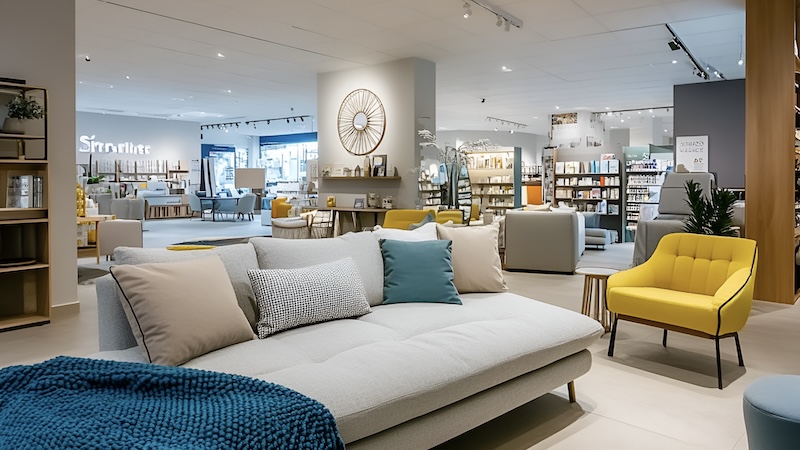
After mastering the techniques for quality verification at Lecong furniture market, the next critical challenge involves identifying trustworthy suppliers who can deliver consistent quality and competitive pricing. The distinction between reputable manufacturers and middlemen significantly impacts your procurement costs, with factory-direct access often reducing expenses by 20 to 40 percent compared to multi-tier dealer arrangements.
The Lecong furniture city landscape includes thousands of showrooms, ranging from authorized factory representatives to independent dealers who source from multiple manufacturers. Distinguishing between these entities requires systematic verification to protect your investment and ensure supply chain reliability.
Begin by requesting business licenses and manufacturing certifications during initial showroom visits. Legitimate suppliers readily provide their business registration documents, which include company names, registration numbers, and operational scope. Cross-reference these details with the showroom signage and business cards to identify inconsistencies that might indicate reseller operations rather than direct factory partnerships.
Factory tour opportunities serve as the most reliable verification method for assessing manufacturer legitimacy. Request to visit production facilities associated with suppliers at Lecong international furniture market. Authentic manufacturers welcome these inspections and can arrange transportation to their factories, typically located within 30 minutes of the main market district in Foshan region. During factory visits, observe production capacity, equipment quality, worker conditions, and inventory levels to gauge operational scale and capability.
Examine supplier portfolios and client references carefully, particularly from international buyers. Established suppliers maintain documentation of previous export transactions, including photos of container loading, shipping documents, and customer testimonials. Request contact information for buyers from the United States who have completed transactions within the past 12 months. Direct conversations with previous clients reveal practical insights about communication responsiveness, order accuracy, and after-sales support.
Payment terms and transaction methods provide additional verification indicators. Reputable suppliers at Lecong furniture market accept secure payment arrangements through trade assurance platforms or letter of credit systems that protect buyer interests. Exercise caution with dealers demanding full advance payment through personal accounts or cryptocurrency, as these arrangements offer minimal recourse for disputes or quality issues.
Professional memberships and industry certifications strengthen supplier credibility. Look for affiliations with furniture industry associations, export compliance certifications, and quality management system documentation. Suppliers serving international markets typically maintain certifications relevant to target countries, including formaldehyde emission standards and fire safety ratings applicable to United States regulations.
Factory-direct procurement represents the most cost-effective approach for furniture sourcing, eliminating intermediary markups that can substantially inflate final pricing. The Foshan region surrounding Lecong furniture city hosts hundreds of manufacturing facilities producing everything from contemporary sofas to classical dining sets, with many maintaining sales offices directly within the market complex.
Identify factory showrooms by analyzing operational characteristics and asking direct questions about manufacturing relationships. Factory-owned showrooms typically display extensive product lines from a single design philosophy and can provide detailed technical specifications, production timelines, and customization options that independent dealers cannot match. Sales representatives at factory showrooms possess comprehensive knowledge about materials, construction methods, and production capacity because they work directly with manufacturing teams.
Negotiation leverage increases significantly when dealing directly with manufacturers at Lecong international furniture market. Factory representatives hold authority to adjust pricing based on order volume, payment terms, and delivery schedules without consulting external decision-makers. Present your procurement plans clearly, including estimated order quantities, preferred product categories, and anticipated reorder frequency. Manufacturers prioritize relationships with buyers demonstrating long-term potential rather than one-time purchases.
Minimum order quantities vary considerably between factories and product categories. Some manufacturers accept container-mixed orders allowing buyers to combine different furniture pieces into single shipments, while others require minimum quantities per product line. Discuss MOQ flexibility during initial negotiations, particularly for trial orders that help establish supplier relationships before committing to larger volumes.
Bulk ordering discounts follow predictable patterns in the furniture market, with price reductions typically occurring at full container quantities. A 20-foot container accommodates approximately 8 to 12 bedroom sets or 15 to 25 dining tables depending on product dimensions and packaging efficiency. Request detailed pricing tiers showing cost reductions at various quantity thresholds to calculate optimal order sizes balancing unit costs against inventory requirements.
Payment arrangements with factories generally involve deposit structures rather than full advance payment, protecting buyer interests while securing production slots. Standard terms include 30 to 40 percent deposits upon order confirmation, with balance payment required before shipment departure. Negotiate payment milestones tied to production progress or quality inspection approval for larger orders exceeding USD 50,000.
Direct factory relationships provide additional advantages beyond pricing, including customization capabilities, priority production scheduling, and enhanced quality control access. Manufacturers accommodate design modifications, material substitutions, and finish adjustments more readily than dealers limited by existing inventory selections. These customization options enable United States buyers to adapt products for specific market preferences or regulatory requirements without significant cost penalties.
Establish clear communication protocols from the beginning, designating primary contacts and preferred communication channels. Many Foshan factories employ sales representatives with English proficiency specifically for international client management. Request direct contact information including mobile numbers and messaging app details to facilitate rapid responses during production and shipping phases.
After understanding how to verify suppliers and access factory-direct pricing in the Foshan region, it's essential to consolidate the core insights that will ensure your success when sourcing from Lecong furniture market. These takeaways distill the most critical strategies, practical considerations, and competitive advantages that American buyers should remember when navigating this massive furniture city.
Strategic Market Position and Scale
Lecong furniture city stands as the world's largest furniture wholesale hub, spanning over 38 million square feet with more than 3,800 showrooms and manufacturers. For US buyers, this unprecedented scale translates into unmatched product variety, competitive pricing structures that typically run 40-60% below domestic wholesale costs, and the ability to source everything from contemporary living room sets to specialized contract furniture under one market ecosystem. The sheer concentration of manufacturers and suppliers in Lecong international furniture market creates a competitive environment that drives innovation and keeps prices favorable for volume buyers. Understanding this market position helps you leverage the competitive dynamics to negotiate better terms and access emerging design trends before they reach Western markets.
Critical Pre-Purchase Planning Requirements
Successful sourcing from lecong furniture market demands thorough preparation before arrival. American buyers should allocate 3-5 business days minimum for effective market exploration, establish clear quality standards aligned with US consumer expectations, and prepare detailed specifications including measurements in both imperial and metric systems to avoid miscommunication. Budget planning must account for not just product costs but also quality inspection services, international shipping, customs duties averaging 0-4% for most furniture categories, and potential storage fees. Having pre-approved payment methods such as wire transfers or letters of credit ready significantly accelerates transaction processes, as many factory-direct suppliers in the furniture city prefer these secure payment channels over standard credit card transactions for bulk orders.
Quality Verification and Compliance Standards
Quality assessment remains paramount when sourcing from lecong international furniture suppliers. Establish a systematic verification process that includes physical inspection of construction joints, material authenticity testing, finish durability checks, and dimensional accuracy confirmation. For the US market, ensure suppliers understand requirements for formaldehyde emission standards compliant with CARB Phase 2 regulations, fire retardancy specifications for commercial applications, and proper labeling requirements. Request test reports from recognized third-party laboratories and verify that wooden furniture products meet lacey Act compliance requirements. Many established lecong furniture city vendors have experience with US regulatory standards, but explicit verification prevents costly compliance issues upon importation. Consider hiring local quality control professionals who understand both Chinese manufacturing standards and American expectations to conduct pre-shipment inspections.
Logistics and Import Considerations
Navigating international logistics from the furniture market to US destinations requires strategic planning. Container shipping from nearby Guangzhou or Shenzhen ports typically takes 18-25 days to West Coast ports and 30-40 days to East Coast destinations. Understanding Incoterms and negotiating favorable shipping terms directly impacts your landed costs. Most experienced lecong furniture suppliers can arrange FOB Shenzhen pricing, but clarifying responsibility for inland transportation, port handling, and documentation prevents unexpected expenses. Factor in additional time for customs clearance, which typically adds 3-7 days, and plan inventory arrival to align with your selling season. For smaller orders or initial test purchases, consider consolidated shipping services that combine multiple buyers' orders to reduce per-unit freight costs while maintaining reasonable delivery timelines.
Building Sustainable Supplier Relationships
Long-term success in sourcing from lecong furniture city depends on cultivating reliable supplier partnerships rather than transactional one-time purchases. Invest time in understanding your supplier's production capabilities, typical lead times, and minimum order requirements to ensure alignment with your business model. Communicate clearly about quality expectations, delivery schedules, and payment terms from the initial negotiation. Many American buyers find that consistent ordering patterns and prompt payment establish trust that leads to better pricing, priority production scheduling, and greater flexibility during peak seasons. Consider starting with smaller test orders to evaluate supplier reliability before committing to large-volume contracts. Maintaining regular communication through platforms like WeChat or WhatsApp helps address issues promptly and demonstrates your commitment to the partnership.
Competitive Advantages for US Market Entry
The lecong international furniture market offers American buyers distinct advantages for entering or expanding in the competitive US furniture retail landscape. Access to cutting-edge designs that mirror high-end European and American styles at fraction of retail costs enables attractive margin structures. The ability to customize products, from fabric selections to dimensional modifications, allows differentiation in crowded market segments. Fast-adapting manufacturers in the furniture city can respond to trend shifts more rapidly than traditional import channels, giving agile US retailers competitive timing advantages. Additionally, the concentration of complementary suppliers including hardware, upholstery materials, and finishing specialists within the same market ecosystem facilitates product development and quality enhancement opportunities that standalone factory relationships cannot match. Understanding these strategic advantages helps frame your sourcing strategy to maximize competitive positioning in your target US market segments.
After exploring the frequently asked questions about sourcing from Lecong furniture market, it becomes clear that this furniture city offers tremendous opportunities for US buyers seeking quality products at competitive prices. Whether you are a small business owner looking to stock your retail space or a large furniture distributor planning container orders, Lecong furniture city provides the infrastructure, variety, and value proposition needed to build a successful importing operation.
The journey to sourcing from Lecong furniture market begins with thorough preparation and realistic expectations. Understanding the logistics of international shipping, quality inspection protocols, and payment terms will position you for smoother transactions. The furniture market continues to evolve with improved digital showrooms and English-speaking sales teams, making it increasingly accessible to international buyers who may not speak Mandarin or have extensive China sourcing experience.
Lecong international furniture manufacturers have demonstrated their ability to adapt to Western design preferences while maintaining competitive pricing structures that typically range 40-60% below US retail equivalents. This pricing advantage remains compelling even when factoring in shipping costs, customs duties, and quality inspection fees. However, success in this market requires moving beyond price comparisons alone and evaluating factors like production capacity, quality consistency, and communication reliability.
The furniture city ecosystem surrounding Lecong has matured significantly, with supporting services like freight forwarding, quality inspection agencies, and warehousing facilities all located within close proximity to the main market districts. This concentration of resources simplifies the logistics chain and reduces the coordination challenges that often plague international sourcing projects. US buyers can leverage these established service providers to navigate customs documentation, arrange consolidation shipments, and conduct pre-shipment inspections without maintaining permanent staff in China.
For first-time buyers, the recommendation remains consistent: start with smaller test orders to evaluate specific manufacturers before committing to full container loads. The Lecong furniture market rewards buyers who invest time in building relationships with suppliers, visiting facilities when possible, and maintaining clear communication about quality standards and delivery expectations. These relationships often yield better pricing, priority production scheduling, and more flexible payment terms as trust develops over multiple transactions.
The future of Lecong international furniture trade looks promising as manufacturers continue investing in design capabilities, sustainable materials, and digital marketing platforms. US buyers who establish sourcing channels now position themselves to benefit from ongoing improvements in product quality and service standards. The furniture city shows no signs of slowing its growth trajectory, with new showroom buildings and manufacturing facilities regularly opening to accommodate expanding international demand.
Ultimately, success in sourcing from Lecong furniture city depends on balancing opportunity with due diligence. The market offers genuine advantages in price, variety, and customization options, but these benefits materialize fully only when buyers approach transactions with proper preparation, realistic timelines, and commitment to quality verification. By following the guidance outlined throughout this article, US furniture businesses can confidently navigate the Lecong furniture market and build sustainable sourcing relationships that support long-term growth and profitability in an increasingly competitive retail environment.
 English