The global e-commerce landscape has fundamentally transformed how entrepreneurs build retail businesses, with international dropshipping emerging as one of the most accessible pathways to entering the market. Unlike traditional retail models that demand substantial upfront inventory investment and warehouse space, modern dropshipping platforms enable business owners to source products from dropshipping suppliers worldwide and fulfill orders without ever handling physical stock. This operational model has democratized access to international markets, allowing a home-based entrepreneur in Texas to sell European fashion accessories or Asian electronics to customers across all fifty states.
Navigating the international dropshipping ecosystem requires understanding the critical distinctions between basic and premium dropshipping services. While numerous dropshipping platforms offer access to generic product catalogs, premium dropshipping solutions provide curated supplier networks, enhanced shipping options, and automated integration systems that can significantly impact your business success. Syncee premium dropshipping, for instance, exemplifies this elevated tier by connecting retailers with verified wholesale products from multiple countries while offering streamlined order management and real-time inventory synchronization.
The stakes for choosing the right dropshipping platform extend beyond simple convenience. Your supplier partnerships directly influence customer satisfaction metrics including delivery speed, product quality, and return rates. According to industry observations, businesses leveraging established dropshipping suppliers with proven international logistics networks typically experience fewer fulfillment complications and maintain higher customer retention rates. The challenge lies in identifying which platforms genuinely support scalable international operations versus those that merely aggregate low-quality supplier contacts.
This comprehensive guide examines the essential components of building a successful international dropshipping business from a United States operational base. We explore how to evaluate dropshipping platforms based on supplier quality, integration capabilities, and cross-border logistics support. You will learn practical strategies for managing currency conversions, customs considerations, and shipping timelines that affect customer expectations. Whether you are launching your first online store or expanding an existing e-commerce operation into new geographic markets, understanding these international dropshipping fundamentals will help you make informed decisions that support sustainable growth.
The following sections break down critical factors including supplier vetting processes, platform comparison criteria, compliance requirements for importing products into the US market, and optimization strategies for competing in an increasingly global marketplace. By examining both the opportunities and challenges inherent in international dropshipping, you will gain the knowledge needed to build a resilient business model that leverages worldwide supplier networks while delivering exceptional value to your American customer base.
Understanding the Business Building on the foundation of modern e-commerce, global dropshipping represents a fundamental shift in how online retailers source and deliver products. While many entrepreneurs start with domestic suppliers, understanding how international dropshipping works opens doors to broader product catalogs and competitive pricing structures.
At its core, global dropshipping enables retailers to partner with dropshipping suppliers located anywhere in the world, connecting buyers in one country with manufacturers or wholesalers in another. This model eliminates the need for physical inventory while giving store owners access to wholesale products from multiple continents. A premium dropshipping approach typically involves curated supplier networks that emphasize quality control, faster shipping times, and reliable communication rather than simply choosing the cheapest overseas options.
Traditional dropshipping typically confines retailers to suppliers within their own country or region. A store based in the United States might work exclusively with warehouses in California or Texas, ensuring predictable shipping times of two to five business days. This domestic focus simplifies logistics and customer service but limits product variety and margin potential.
Global dropshipping, by contrast, allows retailers to source from international dropshipping suppliers across Asia, Europe, and Latin America. The primary advantage lies in product diversity. Retailers can offer specialized items unavailable from domestic wholesalers or access trending products before they saturate local markets. Pricing structures also differ significantly. International suppliers often provide lower wholesale costs, though shipping expenses and longer delivery windows must factor into profitability calculations.
The operational complexity increases with global models. Time zones affect communication speed. Language barriers may complicate product specifications or return policies. Customs regulations and import duties add layers of compliance that domestic dropshipping avoids entirely. Payment processing becomes more nuanced when working with suppliers who prefer wire transfers over standard credit cards or PayPal.
Quality assurance presents another key difference. Domestic suppliers generally maintain consistent standards aligned with FDA regulations and consumer protection laws familiar to United States retailers. International partners require more rigorous vetting. A syncee premium dropshipping platform can bridge this gap by pre-screening suppliers and providing performance metrics, but retailers must still establish clear quality expectations and return procedures upfront.
Shipping transparency separates successful global operations from problematic ones. Customers accustomed to Amazon Prime expect visibility into package locations and realistic delivery estimates. International dropshipping demands careful selection of shipping methods, with many premium services offering tracking from origin to doorstep despite the extended transit periods of ten to twenty-one business days.
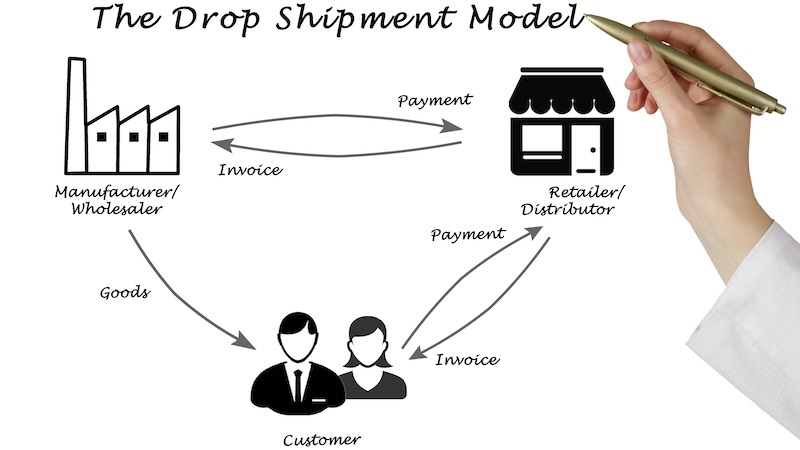
Global fulfillment networks coordinate the movement of products from manufacturers to end customers without the retailer ever handling physical inventory. When a customer places an order on your online store, the transaction details transmit automatically to the designated dropshipping supplier through your chosen dropshipping platform. This automation eliminates manual order forwarding and reduces processing errors.
The supplier receives the order information including the shipping address, product specifications, and any customization requests. They then pick, pack, and ship the item directly to your customer under your store branding when possible. Payment flows work in reverse. Your customer pays you the retail price through standard methods like credit cards or Apple Pay. You then pay the supplier their wholesale rate plus shipping fees, retaining the difference as profit.
Modern syncee premium systems integrate directly with popular e-commerce platforms, syncing inventory levels in real time. This prevents overselling situations where customers order products that suppliers have already depleted. Pricing updates propagate automatically, ensuring your store reflects current wholesale costs without manual spreadsheet management.
Quality control checkpoints vary by supplier relationship. Premium networks often include inspection protocols before shipping, photographing products to confirm they match listing descriptions. Retailers can request samples before adding items to their catalogs, testing both product quality and shipping speed firsthand. This sampling process typically costs wholesale price plus expedited shipping but provides invaluable insight into customer experience.
Return logistics require clear agreements established before problems arise. Some international dropshipping suppliers accept returns to their overseas warehouses, while others expect retailers to handle returns domestically. The most efficient premium dropshipping arrangements include quality guarantees where suppliers replace defective items at no charge, absorbing the return shipping costs themselves. These terms significantly impact your customer satisfaction rates and overall profitability margins when selling products with higher return probabilities.
Once you understand how global fulfillment networks operate across multiple regions, the next critical decision involves selecting the right dropshipping platform to manage those connections effectively. The choice between comprehensive, all-in-one solutions and fragmented tools can determine whether your international dropshipping venture scales smoothly or becomes an operational nightmare.
The dropshipping platform landscape divides into two distinct approaches: integrated ecosystems that handle everything from product sourcing to order routing, and modular solutions that require manual coordination between separate services. Understanding which approach aligns with your business model saves countless hours and prevents costly integration failures.
All-in-one platforms provide centralized dashboards where you manage inventory synchronization, order processing, supplier communications, and analytics under a single interface. These systems typically feature automated workflows that route orders to the appropriate regional warehouse based on customer location, reducing shipping times from weeks to days. Premium dropshipping solutions in this category often include built-in quality control features, supplier vetting processes, and customer service support that handles international inquiries across time zones. The primary advantage lies in operational simplicity. When a customer in California orders a product fulfilled from a warehouse in Los Angeles rather than Guangzhou, the platform handles routing automatically without requiring you to monitor multiple supplier dashboards.
Fragmented solutions appeal to experienced operators who prioritize customization over convenience. This approach involves connecting your online store to individual dropshipping suppliers through separate integrations, managing inventory across multiple spreadsheets or tools, and manually coordinating shipping methods for different regions. While this method offers greater control over supplier selection and profit margins, it demands substantial time investment. You become responsible for monitoring stock levels across various suppliers, reconciling order statuses manually, and troubleshooting integration issues when systems fail to communicate properly. For businesses handling fewer than fifty orders weekly or focusing on niche markets with specialized suppliers, fragmented solutions may provide sufficient flexibility. However, scaling beyond regional markets typically exposes the operational weaknesses inherent in managing disconnected systems.
The decision framework should prioritize three factors: order volume projections, technical expertise available within your team, and geographic expansion timeline. Businesses planning to serve customers across North America, Europe, and Asia within their first year benefit significantly from all-in-one platforms that already maintain supplier relationships in those regions. Conversely, highly specialized stores selling curated products from specific manufacturers might find fragmented approaches more cost-effective initially, accepting the operational overhead as a trade-off for product exclusivity.
Marketing materials from dropshipping platforms routinely advertise access to millions of products, creating an illusion that quantity equals opportunity. The reality proves far more nuanced. A platform offering one million products means nothing if those products include thousands of obsolete electronics, discontinued fashion items, or suppliers with poor fulfillment track records. Evaluating supplier credibility requires looking past catalog size to examine fulfillment reliability, product quality standards, and operational transparency.
Start by investigating supplier verification processes. Reputable platforms like Syncee premium dropshipping conduct supplier audits that assess production capacity, quality control procedures, and fulfillment speed before granting catalog access. These vetting procedures separate platforms that curate reliable wholesale products from marketplaces that accept any supplier willing to pay listing fees. Request specific information about how platforms verify suppliers. Do they conduct facility inspections? Review customer complaint rates? Monitor on-time shipping percentages? Platforms that cannot articulate clear verification standards likely provide minimal quality oversight.
Next, examine product sample policies and return procedures. Credible international dropshipping platforms facilitate sample ordering at wholesale prices, enabling you to assess product quality before listing items in your store. This step proves essential when sourcing products manufactured overseas, where quality standards may differ significantly from US consumer expectations. Additionally, investigate how platforms handle defective products and customer returns. Clear policies indicating who absorbs return shipping costs, how refunds process, and typical resolution timeframes reveal whether a platform truly supports your business or transfers all risk to you.
Finally, analyze real-time inventory accuracy and communication protocols. Platforms should provide API connections or automated feeds that update product availability multiple times daily. Nothing damages customer trust faster than accepting orders for out-of-stock items, resulting in delayed fulfillment or cancellations. Test potential platforms by monitoring how quickly inventory updates reflect actual supplier stock levels. Similarly, evaluate communication channels between you and dropshipping suppliers. Can you contact suppliers directly with product questions, or must all communication route through platform support tickets? Direct access typically indicates healthier supplier relationships and faster issue resolution.
The goal involves building a sustainable operation rather than merely gaining access to product catalogs. Prioritize platforms demonstrating transparent supplier relationships, documented quality standards, and infrastructure supporting genuine partnerships between retailers and manufacturers across international markets.
Once you have evaluated supplier credibility and selected your dropshipping platform, the next critical step involves building the operational infrastructure that will support your international dropshipping business. The technical and logistical foundation you establish now will determine how efficiently you can scale across multiple markets and manage the complexities of global fulfillment.
Your international dropshipping operation requires a payment infrastructure that accommodates customers across different regions. Start by integrating a payment processor that supports multiple currencies and local payment methods beyond standard credit cards and PayPal. For US-based stores expanding globally, platforms like Stripe and Square offer built-in multi-currency support with automatic conversion rates.
Configure your dropshipping platform to display prices in the customer's local currency while maintaining your base currency in USD for accounting purposes. This dual-currency approach reduces cart abandonment rates significantly, as customers prefer seeing prices in familiar denominations. Enable Apple Pay and other digital wallet options, as these payment methods have become standard expectations rather than premium features.
Consider the tax implications of selling internationally. While you are not responsible for collecting VAT in most scenarios as a dropshipper, understanding when you cross registration thresholds in major markets protects you from compliance issues. Implement geolocation tools that can automatically adjust pricing and shipping options based on the customer's location.
Real-time inventory management separates successful international dropshipping operations from those that constantly deal with overselling and customer complaints. Your syncee premium dropshipping integration or similar platform should update inventory levels at least every 15 minutes, though hourly updates represent the bare minimum acceptable standard.
Set up buffer stock rules within your system. When a supplier shows 100 units available, configure your store to display availability only up to 80 units. This buffer accounts for the time lag between inventory updates and prevents situations where multiple customers order the last few units simultaneously across different sales channels.
Create automated notifications that alert you when key products drop below specific thresholds. For premium dropshipping items with higher margins, maintain closer monitoring and consider working with backup dropshipping suppliers for your top 20 percent of revenue-generating products. This redundancy ensures you can fulfill orders even when your primary supplier experiences stock issues.
Shipping configuration represents one of the most complex aspects of global dropshipping infrastructure. Organize your shipping zones by grouping countries with similar delivery timeframes and costs rather than by geographic proximity. For example, urban areas in Australia might receive faster delivery than rural regions in neighboring countries.
Implement tiered shipping rates based on order value to encourage larger purchases while maintaining profitability. A common structure offers standard shipping at cost for orders under 50 USD, reduced rates for orders between 50 and 100 USD, and free shipping above 100 USD. Adjust these thresholds based on your average order value and profit margins.
Set clear delivery expectations on product pages and during checkout. Display estimated delivery ranges rather than specific dates, using formats like 8-12 business days for US customers or 10-15 business days for international orders. This approach manages expectations while providing buffer room for customs delays and weekend disruptions.
Before listing products from your dropshipping suppliers on your store, establish a systematic quality control process. Order samples of your top-selling categories and document the unboxing experience, product quality, and packaging condition. This firsthand knowledge enables you to write accurate product descriptions and set realistic customer expectations.
Create a standardized checklist for evaluating each new supplier relationship. Test their communication responsiveness by asking detailed questions about shipping times, return processes, and customization options. Review their product photos and request additional angles or lifestyle images if the existing media appears generic or low quality.
Develop relationships with quality control services in major manufacturing regions if you plan to scale your premium dropshipping operations significantly. These third-party inspectors can verify product quality before items ship to customers, reducing return rates and protecting your brand reputation. While this adds cost per unit, the investment pays dividends for higher-priced items where customer expectations are elevated.
Structure your order management system to handle the unique challenges of international dropshipping. When an order arrives, your workflow should automatically route it to the appropriate supplier based on the customer's location, product availability, and your predefined supplier priority rules. Manual order placement creates bottlenecks that limit your scaling potential.
Establish clear protocols for handling split shipments when customers order multiple items from different suppliers. Communicate proactively about separate tracking numbers and staggered delivery dates. Consider offering a small discount or credit when orders must split, as this gesture acknowledges the inconvenience while maintaining customer satisfaction.
Create escalation procedures for common issues like out-of-stock notifications after order placement, delayed shipments, and quality complaints. Define response timeframes for each scenario and empower your customer service team with pre-approved solutions like partial refunds, replacement orders, or upgraded shipping on future purchases.
Your global dropshipping infrastructure must include proper documentation and compliance frameworks. Maintain organized records of all supplier agreements, product certifications, and safety documentation. When selling products that require FDA compliance or other regulatory approval in the US market, verify that your dropshipping suppliers maintain current certifications.
Implement automated systems for generating commercial invoices and customs declarations. These documents must accurately reflect product values, country of origin, and harmonized tariff codes. Incorrect customs documentation causes shipment delays and creates negative customer experiences that damage your brand reputation.
Store customer data according to international privacy regulations, even when operating primarily in the US market. Your dropshipping platform should encrypt sensitive payment information and provide customers with clear options for data deletion requests. Regular security audits and SSL certification are non-negotiable elements of professional international dropshipping operations.
Once your global dropshipping infrastructure is operational, the real test begins: navigating the operational hurdles that separate struggling stores from profitable international operations. The most significant challenges revolve around shipping speed, cost management, and regulatory compliance, each capable of eroding customer trust and profit margins if not addressed strategically.
Shipping delays represent the single most damaging issue for international dropshipping businesses, with customers increasingly expecting Amazon-level delivery speeds regardless of product origin. The traditional model of shipping everything from Asia creates a fundamental disconnect between customer expectations and reality, with typical delivery windows stretching 15-30 days for standard shipping.
Local fulfillment networks provide the most effective solution to this challenge. A premium dropshipping platform should connect you with suppliers maintaining inventory in multiple geographic regions, particularly within the United States for domestic orders. When a customer in California places an order, the product ships from a US-based warehouse rather than crossing international borders, reducing delivery time to 2-5 business days.
Implementing a hybrid supplier strategy proves most effective for growing businesses. Stock fast-moving items with dropshipping suppliers who maintain US inventory, while using international dropshipping for slower-selling or test products. This approach balances inventory risk with customer satisfaction, allowing you to offer expedited shipping on popular items without the financial burden of purchasing bulk inventory upfront.
Transparency about shipping timelines matters significantly more than perfection. Display clear delivery estimates at checkout, differentiate between domestic and international fulfillment options, and consider offering tiered shipping speeds. Many successful dropshipping stores charge premium prices for expedited delivery from local warehouses while maintaining budget options for international shipping, allowing customers to choose based on urgency and budget.
Shipping costs create a delicate balancing act between competitive pricing and sustainable profitability, particularly when serving a global customer base with varied delivery expectations. International shipping rates can easily consume 15-30% of product value, forcing difficult decisions about who absorbs these costs.
The first strategic decision involves your shipping cost structure. Free shipping remains the gold standard for customer expectations, but building shipping costs into product pricing requires careful calculation. Analyze your average order value and typical shipping costs by region, then adjust product prices to accommodate these expenses while remaining competitive. A dropshipping platform with integrated shipping calculators helps model different pricing scenarios before making permanent decisions.
Weight-based product selection dramatically impacts shipping economics. Products under one pound shipped domestically typically cost $4-8 via standard carriers, while items exceeding three pounds may cost $15-25. This cost structure naturally favors lightweight, high-margin products like accessories, digital product bundles, or compact electronics. When evaluating new products from dropshipping suppliers, always calculate the shipping-to-product-value ratio before adding them to your store.
Zone-skipping strategies through a syncee premium dropshipping network reduce costs for high-volume sellers. This approach involves consolidating multiple orders destined for the same geographic region, shipping them in bulk to a regional distribution point, then dispatching individual packages locally. While this adds 1-2 days to delivery time, it can reduce per-unit shipping costs by 20-40% for stores processing significant order volumes.
Cross-border commerce introduces regulatory complexity that catches many dropshipping entrepreneurs unprepared, with customs delays and unexpected duty charges creating negative customer experiences and potential legal exposure. Understanding these requirements before they become problems protects both your business and customer relationships.
Delivered Duty Paid versus Delivered Duty Unpaid represents a critical decision point for international orders. DDP means you pay all customs duties and taxes upfront, providing customers with a single predictable price and no surprise charges upon delivery. DDU shifts this responsibility to customers, often resulting in refused shipments and chargebacks when unexpected fees appear. Most successful international dropshipping operations absorb these costs as DDP, building them into pricing structures to ensure smoother delivery experiences.
Product restrictions vary significantly by destination country and category. The FDA regulates cosmetics, supplements, and food products entering the United States with specific labeling and safety requirements. Electronics may require FCC certification. Textiles face country-of-origin labeling mandates. Your dropshipping platform should provide clear information about which wholesale products meet regulatory requirements for your target markets, preventing costly shipment seizures or returns.
Accurate customs documentation prevents the majority of border delays. Every international shipment requires commercial invoices with precise product descriptions, harmonized system codes, country of manufacture, and declared values. Generic descriptions like "general merchandise" trigger inspections and delays. Working with dropshipping suppliers who understand customs requirements and provide complete, accurate documentation saves weeks of potential delays. A syncee premium platform typically handles much of this documentation automatically, reducing your administrative burden while ensuring compliance.
De minimis thresholds offer opportunities for duty-free shipping on lower-value orders. The United States allows duty-free entry for shipments valued under $800, while other countries maintain lower thresholds. Structuring orders to stay below these limits when possible eliminates duty costs entirely, though this strategy requires careful price point selection and transparent customer communication about value limits.
After navigating customs regulations and international shipping logistics, many entrepreneurs wonder whether global dropshipping genuinely delivers profitable returns. The answer depends heavily on your business model, product selection, and operational efficiency. Understanding realistic profit margins and the factors that separate successful stores from failures helps you set achievable financial goals and build a sustainable international dropshipping business.
Profit margins in global dropshipping typically range between 15% and 45%, significantly influenced by your product category, target markets, and choice of dropshipping suppliers. Unlike domestic dropshipping where margins hover around 10% to 30%, international dropshipping can command higher margins when you source unique products or target underserved markets. However, these percentages represent gross profit before accounting for advertising, payment processing fees, and operational costs.
Premium dropshipping products in specialized niches consistently achieve the highest margins. For example, eco-friendly home goods or tech accessories often allow markup rates of 2.5x to 4x wholesale cost, while commodity items like generic phone cases struggle to exceed 1.5x markup. Your dropshipping platform choice significantly impacts these numbers, as platforms charging monthly fees versus commission-based models affect your break-even point differently.
Consider a practical breakdown: If you sell a product for $50 that costs $20 from your supplier, your gross profit is $30 or 60%. However, subtract $12 for Facebook advertising, $2 for payment processing through PayPal or credit cards, and $3 for your syncee premium dropshipping subscription allocation per order. Your net profit drops to $13 per sale, representing a 26% net margin. International dropshipping adds complexity because shipping costs vary dramatically by destination, potentially reducing margins by 5% to 15% depending on whether you absorb costs or pass them to customers.
Successful dropshippers using international dropshipping strategies focus on average order value (AOV) rather than individual product margins. Stores with AOVs above $75 maintain healthier net margins because fixed costs like advertising and platform fees spread across larger transactions. Bundling complementary wholesale products or implementing tiered pricing encourages customers to increase cart size, directly improving profitability without requiring additional marketing spend.
The difference between profitable global dropshipping stores and those that fail within six months comes down to five critical success factors. First, product-market fit determines everything. Successful stores identify specific customer problems and source products that solve them, rather than selling trending items everyone else offers. Research US consumer preferences, monitor social media conversations, and validate demand before committing to product lines.
Second, reliable dropshipping suppliers make or break your reputation. Partner with suppliers offering consistent quality, accurate inventory data, and reasonable shipping times to your primary markets. Many failed stores collapse because they chose suppliers based solely on lowest cost, leading to customer complaints, chargebacks, and damaged brand reputation. Premium dropshipping suppliers charging slightly higher wholesale prices often deliver better long-term value through reliability and quality assurance.
Third, marketing efficiency determines whether you achieve profitability. Successful dropshippers maintain customer acquisition costs (CAC) below 30% of average order value. They accomplish this through targeted advertising on platforms where their customers spend time, compelling product photography, and persuasive copywriting that addresses specific pain points. Failed stores often overspend on broad advertising campaigns that generate traffic but few conversions.
Fourth, operational excellence ensures scalability. Profitable stores automate order processing, inventory synchronization, and customer communications using their dropshipping platform capabilities. They establish clear policies for returns, set realistic shipping expectations, and respond promptly to customer inquiries. This operational foundation allows them to scale without proportionally increasing time investment or errors.
Fifth, financial discipline separates sustainable businesses from temporary ventures. Successful entrepreneurs track key metrics including conversion rate, return on ad spend (ROAS), customer lifetime value, and net profit margin. They reinvest profits strategically into testing new products, expanding to additional markets, or improving website conversion rates. Failed stores often withdraw profits prematurely or pour money into unproven strategies without measuring results. Using syncee premium features for advanced analytics helps you monitor these metrics and make data-driven decisions that protect profitability as you scale internationally.
Understanding profit margins and realistic revenue expectations sets the foundation, but execution determines whether your global dropshipping venture actually reaches those $2,000 to $10,000 monthly targets. The difference between launching a store that generates consistent sales and one that struggles often comes down to strategic planning, supplier selection, and systematic scaling.
Your choice of dropshipping platform directly impacts operational efficiency and scalability. Shopify dominates the US market with its extensive app ecosystem and reliable payment processing through Credit Cards, PayPal, and Apple Pay. The platform handles multi-currency transactions seamlessly, which proves essential for international dropshipping operations targeting customers across different regions.
WooCommerce offers more customization flexibility for businesses comfortable with WordPress, though it requires more technical expertise. The platform works well when paired with specialized dropshipping plugins that automate order routing to international dropshipping suppliers. BigCommerce provides enterprise-level features without transaction fees, making it attractive for businesses planning rapid scaling.
The critical factor involves integration capabilities with premium dropshipping directories and supplier networks. Your platform should connect smoothly with inventory management systems that sync real-time stock levels from multiple suppliers across different countries. This prevents overselling products and maintains customer trust through reliable fulfillment.
Successful global dropshipping businesses rarely rely on a single supplier or marketplace. Instead, they build diversified networks combining domestic US suppliers for fast shipping with international dropshipping suppliers offering unique wholesale products. This approach balances shipping speed with product variety and competitive pricing.
Start by vetting suppliers through sample orders to evaluate product quality, packaging standards, and actual shipping times. Document each supplier's performance metrics including average fulfillment time, defect rates, and communication responsiveness. Priority should go to dropshipping suppliers who provide branded invoicing options and quality control processes that meet FDA regulations when selling health or wellness products to US customers.
Platforms like Syncee premium dropshipping services streamline supplier discovery by offering pre-vetted catalogs of wholesale products from verified vendors. These services reduce the risk of partnering with unreliable suppliers and provide centralized inventory management across multiple supplier relationships. The premium features typically include automated order routing, real-time inventory updates, and bulk product import capabilities that save hours of manual work.
A structured 30 to 45 day launch timeline prevents critical oversights. Week one focuses on business registration, obtaining necessary permits, and setting up business banking with payment processors that support international transactions. Week two involves platform setup, theme customization, and payment gateway integration ensuring acceptance of major US payment methods.
Weeks three and four center on product research, supplier onboarding, and catalog building. Import 25 to 50 products initially rather than thousands. This manageable selection lets you test demand, refine product descriptions, and optimize pricing before scaling inventory. Week five covers legal compliance including privacy policies that meet US requirements, shipping policies transparent about international delivery times, and return policies that account for cross-border logistics.
The final week before launch involves testing the complete customer journey from multiple devices, processing test orders through each supplier, and confirming that automated email sequences trigger correctly. Create a troubleshooting document listing common issues and solutions for order processing, payment failures, and customer service scenarios.
Scaling global dropshipping operations requires systematic analysis rather than arbitrary expansion. Track conversion rates, average order value, customer acquisition cost, and profit margin by product category weekly. Products generating 60% or more of revenue deserve priority in marketing spend and inventory attention.
Expand your supplier network strategically based on customer feedback and sales data. If certain product categories consistently sell out or receive quality complaints, source alternative international dropshipping suppliers offering better terms or reliability. Use your dropshipping platform analytics to identify geographic concentrations of customers, then optimize your supplier mix to reduce shipping times to those regions.
Gradually increase advertising budgets by 15% to 25% weekly when maintaining profitable customer acquisition costs. This measured approach prevents overspending during scaling while capitalizing on proven product-market fit. Test new traffic sources systematically, allocating 10% of marketing budget to experimental channels while maintaining 90% on proven performers.
Automation separates businesses stuck at $2,000 monthly from those reaching $10,000 and beyond. Implement automated inventory syncing through your dropshipping platform to prevent stock-outs and overselling. Set up rule-based order routing that automatically assigns orders to the optimal supplier based on customer location, product availability, and shipping speed requirements.
Customer service automation through chatbots handles common inquiries about shipping times, return policies, and order tracking without human intervention. This reduces response times and frees you to focus on strategic growth activities. Email marketing automation nurtures customers through abandoned cart sequences, post-purchase follow-ups, and reorder campaigns that boost lifetime value.
Financial automation through accounting software integrated with your dropshipping platform tracks profit margins by product, calculates tax obligations automatically, and generates reports showing exactly where your business stands financially. This visibility enables data-informed decisions about which products to promote, which suppliers to prioritize, and when to invest in additional marketing.
Once your initial market performs consistently, strategic expansion accelerates growth. Add product categories adjacent to your successful offerings rather than completely unrelated items. This leverages existing customer trust and traffic while maintaining operational focus. If outdoor gear sells well, expand into camping accessories before jumping to electronics.
Consider adding premium dropshipping options for customers willing to pay more for faster shipping or exclusive products. This segments your market and increases average order values without alienating budget-conscious shoppers. Test premium product lines with limited initial inventory to gauge demand before committing to larger catalogs.
Geographic expansion into new international markets requires careful supplier evaluation. Partner with regional dropshipping suppliers who understand local preferences, shipping infrastructure, and regulatory requirements. Start with English-speaking markets like Canada, Australia, or the UK where operational complexity remains manageable while testing international demand for your products.
Global dropshipping offers legitimate opportunities for US entrepreneurs through strategic planning and consistent effort. Success requires selecting the right platform, partnering with reliable suppliers, and prioritizing customer-centric operations.
Your dropshipping platform determines operational capabilities and scalability. Premium solutions like Syncee offer centralized supplier management, automated inventory synchronization, and streamlined fulfillment. Prioritize platforms supporting multi-currency processing, regional tax compliance, and integration with Credit Cards, PayPal, and Apple Pay.
After exploring the frequently asked questions about starting and scaling your business, it becomes clear that success in this space hinges on selecting the right dropshipping platform and building relationships with reliable dropshipping suppliers. The global marketplace offers unprecedented opportunities for US-based entrepreneurs to tap into international dropshipping networks, connecting with manufacturers and wholesalers across continents while serving customers domestically and abroad.
Choosing a premium dropshipping solution like Syncee Premium Dropshipping positions your business for long-term growth by providing access to vetted suppliers, automated inventory synchronization, and streamlined order fulfillment. The investment in quality infrastructure pays dividends through reduced customer service issues, faster shipping times, and higher profit margins on wholesale products. As competition intensifies in the e-commerce landscape, the businesses that thrive will be those that prioritize supplier quality over simply finding the cheapest options.
International dropshipping presents unique challenges, from navigating customs regulations to managing extended shipping timelines, but these obstacles become manageable with proper planning and the right technology stack. US entrepreneurs who master cross-border logistics gain access to product catalogs that their competitors cannot easily replicate, creating sustainable competitive advantages. The key lies in transparency with customers about shipping expectations and providing tracking information that builds confidence throughout the delivery process.
The dropshipping model continues to evolve, with suppliers increasingly offering premium services that blur the lines between traditional dropshipping and private label arrangements. Forward-thinking retailers are leveraging these relationships to build genuine brands rather than simply arbitraging products between platforms. This shift toward brand-building requires more upfront effort in supplier vetting, product curation, and customer experience design, but results in businesses with real equity value.
Your journey in dropshipping should begin with thorough research into potential suppliers and platforms, followed by small-scale testing before committing significant resources. Start with a niche market where you can develop genuine expertise, then expand systematically as you validate your business model. The most successful dropshippers treat their businesses as legitimate retail operations, not passive income schemes, investing time in customer relationships, marketing effectiveness, and operational excellence.
As you move forward, remember that technology platforms and supplier networks are tools that amplify your strategic decisions rather than substitutes for sound business judgment. Whether you choose Syncee Premium or another dropshipping platform, success ultimately depends on your ability to identify market opportunities, deliver value to customers, and adapt to changing consumer preferences. The international marketplace offers unlimited potential for those willing to learn, iterate, and commit to building something meaningful.
The future of retail belongs to entrepreneurs who can navigate global supply chains while delivering localized customer experiences. By combining the efficiency of dropshipping with the credibility of premium suppliers and the reach of international networks, you can build a resilient business positioned to thrive regardless of market conditions. Start small, test thoroughly, scale strategically, and never stop learning from both successes and setbacks in your entrepreneurial journey.
 English