



What if the biggest risk in manufacturing a product in China is not cost, but choosing the wrong process before your first order is placed? For business founders, ecommerce brands, and procurement teams, that question matters because early mistakes can delay launches, strain cash flow, and create quality problems that are expensive to fix.
This guide focuses on how to start manufacturing in China without mistakes, and this introduction sets the direction. Instead of chasing the lowest quote, you should approach manufacturing a product in China as a structured sourcing project: define product requirements, confirm factory capability, protect payment terms, and build quality checks into every stage. That mindset is the difference between a reactive purchase and a repeatable supply strategy.
In practice, many buyers begin with the goal to buy products from china quickly, then discover that speed without validation creates avoidable risk. A better starting point is to align your commercial goals with operational reality. If your target retail launch is in the US, your supplier selection, packaging specs, labeling, and testing plan must support US market requirements from day one, including FDA regulations when products make health or wellness claims.
To keep this practical, here is the framework this article will expand:
Clarity before outreach: lock your specs, quality tolerances, packaging, and target landed cost in USD.
Supplier validation: evaluate whether a manufacturing a product in China company can actually produce your category at your quality level.
Sample and pilot discipline: test before scaling, including materials, finish, and functionality.
Payment and production controls: use staged payments through methods such as PayPal or bank transfer with clear milestones.
Inspection and shipment readiness: verify goods before final payment and freight booking.
You may also see awkward search phrases like manufacturing a product in chinas, trusted manufacturing a product in chinas, or manufacturing a product in chinas in china. Behind that wording is a real intent: find a reliable manufacturing a product in China process that is transparent, auditable, and suited to your business model. Whether you work directly with factories or through a China buying agent, the goal is the same, reduce uncertainty before you scale.
As you continue, we will break down each stage so you can compare suppliers more confidently, avoid common sourcing errors, and build a system for consistent outcomes, not one-off wins. If you are evaluating support, resources on product sourcing, hardware import from China, and buyer-side agent workflows can help you choose the right level of assistance for your team.
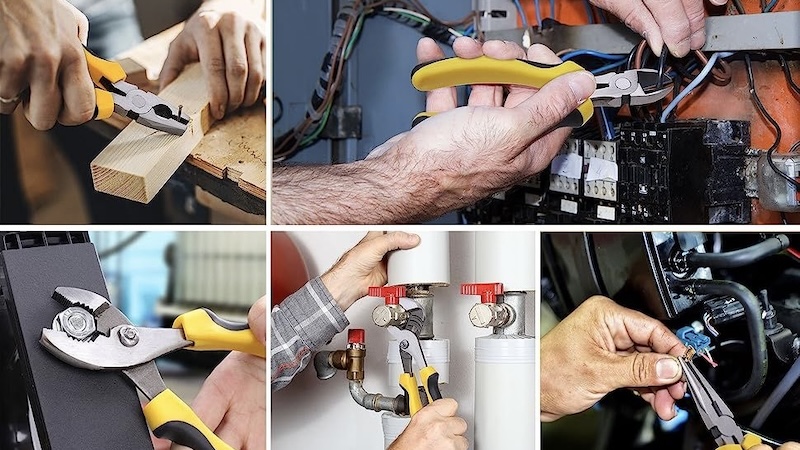
After getting oriented to how manufacturing a product in china works, your biggest risk is moving too fast with vague inputs. Pre-production planning is where you prevent expensive misunderstandings and build a process a factory can execute consistently.
For reliable manufacturing a product in China, your product file must be detailed enough that two different factories would produce nearly the same output. Start with a master specification sheet that includes dimensions (in inches and mm), materials, finish, color references, tolerances, packaging requirements, labeling, and pass/fail quality criteria. Add clear photos, exploded diagrams, and a revision history with dates so everyone works from the latest version.
For US-bound products, include compliance and market requirements early. If your item touches health or wellness positioning, define what claims are allowed and what FDA-related checks are required before launch. Also document barcode placement, carton drop-test expectations, and what defects are unacceptable at inspection. If you are manufacturing a product in China for hardware and tools, include thread standards, load ratings, and coating specs to reduce field failures.
Trusted manufacturing a product in China starts with realistic unit economics, not just the quoted unit price. Build a budget model with these line items: tooling, samples, unit cost at each quantity tier, packaging, inspection, freight, duties, and a contingency reserve. Many importers use a 10% to 15% buffer for avoidable surprises like redesign rounds or carton changes.
Then pressure-test MOQ assumptions. A low MOQ can increase unit cost, while a high MOQ can tie up cash and raise inventory risk. Ask factories for three quantity breaks and compare landed cost per unit in USD, not ex-factory cost alone. If the manufacturer of a product in China asks for terms you cannot support, negotiate staged production or split shipments. Align deposits and balances with payment methods your business can manage while protecting cash flow.
Before sharing full files, protect your core IP in practical layers. Register trademarks in relevant markets, use factory-facing agreements with clear ownership and non-use clauses, and share only what is needed at each stage. For example, send cosmetic drawings for initial quoting, then release full manufacturing files after commercial terms and legal paperwork are signed.
Operational controls matter as much as legal controls. Watermark technical drawings, track file access, and separate suppliers for sensitive components when possible. If you are evaluating a suppplier for manufacturing a product in China, verify how they handle customer tooling, molds, and data retention after project end. This discipline lowers copy risk and helps keep your launch timeline predictable, which is essential when importing from China for your market.
With your specs, budget, MOQ limits, and IP safeguards prepared, supplier selection becomes a controlled process instead of guesswork. This stage is where many mistakes happen, so disciplined vetting is essential for manufacturing a product in china without expensive delays, quality failures, or payment disputes.
Use multiple channels, then compare suppliers against the same scorecard. On Alibaba and similar marketplaces, shortlist factories that show consistent product focus, complete business profiles, and clear communication in writing. Trade shows help you validate whether a supplier truly understands your category, because technical conversations in person often reveal capability gaps quickly. For buyers, this matters when timelines and compliance obligations are strict.
A sourcing agent can be useful when you need local language support, factory screening, and production follow-up. If you use one, define scope in writing: supplier discovery, price negotiation, audit coordination, and inspection reporting. Ask how they are paid and whether they receive factory commissions. For reliable manufacturing products in China, transparency in incentives is as important as unit price.
Before you pay a deposit, screen for warning signs that often lead to preventable losses:
Pricing that is far below market without a clear reason, especially when tooling, materials, or packaging costs are vague.
Refusal to share basic company verification details, or pressure to move communication off platform immediately.
Inconsistent answers about lead times, MOQ, or quality standards across sales and engineering contacts.
Requests for full prepayment to personal accounts instead of company accounts with standard terms.
Generic quality promises with no test method, no defect criteria, and no corrective-action process.
For importers in health and wellness categories, also confirm whether the supplier can support documentation relevant to FDA-regulated labeling or product claims. This does not replace legal review, but it prevents late-stage surprises. If your goal is trusted manufacturing a product in China, prioritize process maturity over the cheapest quote.
Treat audits as risk control, not paperwork. Start with desktop verification: legal entity name, business license consistency, product scope, and bank account matching. Then use an on-site audit or qualified third-party check to confirm production lines, quality controls, subcontracting practices, and traceability records. Ask for recent examples of similar products, including inspection outcomes and how defects were handled.
During sampling, evaluate communication speed, revision control, and willingness to document tolerances. For payment protection, align milestones with evidence: sample approval, pre-production confirmation, and pre-shipment inspection. Use payment methods that support accountability, such as company-to-company transfers and approved platform protections; for smaller test orders, PayPal can reduce exposure. In short, manufacturing a product in China becomes safer when verification is structured, repeatable, and tied to clear release criteria.
After shortlisting and auditing factories, many buyers discover that execution risk now sits in day-to-day communication. In practice, manufacturing a product in china without costly errors depends on how clearly you negotiate requirements, build working relationships, and manage response timing across continents.
Language gaps rarely appear in greetings. They show up in details like tolerances, packaging specs, test methods, and defect definitions. If you want reliable manufacturing a product in China, write negotiation points in plain English, short sentences, and numbered clauses that can be checked line by line.
Use a "confirm in writing" routine after every call. Ask your counterpart to restate terms, then send a summary with quantities, unit price in USD, Incoterms, lead times, tooling ownership, and rework responsibility. Avoid idioms, sarcasm, and vague words such as "premium" or "fast." Replace them with measurable standards, sample references, and dates. This protects both sides and reduces disputes during production.
Guanxi is not a shortcut around contracts. It is the business trust that improves cooperation when issues arise, especially in trusted manufacturing a product in chinas workflows where changes happen quickly. For importers, this means showing consistency, respect, and long-term intent, not only pushing price.
Simple habits help: respond professionally, keep commitments, and share realistic forecasts instead of optimistic guesses. During negotiation, challenge terms firmly but respectfully, and explain your market constraints, such as retailer compliance, labeling boundaries for wellness products, or packaging expectations for retail channels. A balanced approach strengthens your position when requesting priority scheduling, corrective action, or payment flexibility.
Time differences can quietly delay tooling approval, sample revisions, and shipment booking. For teams manufacturing a product in chinas in china, build a communication cadence that matches both workdays. Set one overlap window, define urgent versus non-urgent channels, and agree on response targets for each message type.
A practical structure is: same-day acknowledgment for critical production issues, 24-hour turnaround for routine approvals, and a weekly tracker covering open decisions, owners, and deadlines. Keep one source of truth for version-controlled specs so your contacts in China manufacturers and internal team are never reviewing different files. Strong communication discipline turns cultural and time-zone friction into predictable operations, which is exactly how you avoid preventable mistakes while scaling.
Clear communication habits and realistic response windows now become your quality control advantage. In practice, those skills matter most when you move from concept to physical proof, because mistakes are cheapest to fix at the sample stage and most expensive after mass production starts.
For teams manufacturing a product in china, treat sampling as a structured validation process, not a formality. Ask for three sample tiers: a rough prototype, a pre-production sample with final materials, and a golden sample that both sides sign off on. That final approved unit should define color, finish, tolerances, packaging, and basic performance expectations.
To reduce rework, send a written sample brief with measurable standards. For example, if you are preparing for tools and hardware, specify dimensions in inches and millimeters, coating type, corrosion resistance expectations, drop-test needs for packaging, and carton labels required for warehouses. If your product touches health claims or wellness use, confirm labeling and packaging are aligned with rules before production artwork is frozen.
Evaluate samples with a repeatable checklist:
Function and durability: Test real use conditions, not just appearance.
Material consistency: Verify materials match your bill of materials.
Workmanship: Check seams, edges, assembly fit, and finish defects.
Packaging readiness: Confirm barcode placement, carton strength, and insert accuracy.
Spec compliance: Record pass/fail notes and photo evidence for each requirement.
This discipline supports reliable manufacturing products in China by turning subjective feedback into objective acceptance criteria.
When sample results are acceptable, shift negotiation from unit price alone to total landed-risk cost. Many importers focus only on piece price and overlook defect exposure, lead-time penalties, tooling ownership, and payment triggers. A trusted manufacturing a product in chinas workflow defines each of these in writing before purchase orders scale.
Use a simple negotiation framework that protects cash flow and quality:
Price structure: Separate unit cost, tooling, packaging, and any testing fees in USD.
Payment terms: Tie deposits and balance payments to milestones such as approved pre-production sample and passed final inspection. Use methods your finance team can control, such as wire plus card-backed protections where available.
Quality clauses: Include defect thresholds, rework responsibility, and replacement timelines.
Delivery terms: Define lead time start date, delay handling, and shipping handoff terms.
IP and tooling ownership: State who owns molds, drawings, and branded packaging files.
For businesses manufacturing a product in China at scale, contracts should match operational reality: revision control for specs, signed approval records, and clear remedies if output drifts from the golden sample. If you buy products from china through a sourcing partner, require transparent communication logs and negotiated terms that map to your US launch calendar, not only factory convenience.
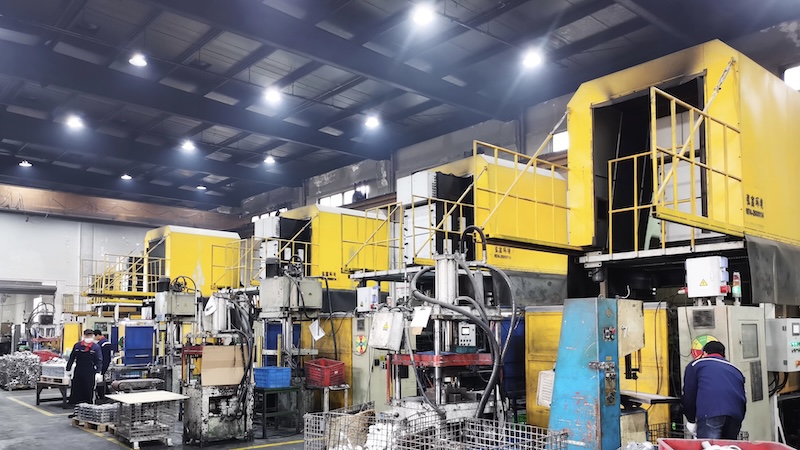
After sample approvals and contract terms are settled, execution risk moves to production quality and delivery control. For buyers focused on manufacturing a product in China without costly mistakes, this stage determines whether margins survive returns, delays, and compliance issues.
Quality control should be written into your purchase workflow before mass production starts, not added after defects appear. A practical structure is to run three checkpoints: pre-production inspection (materials and specs), during-production inspection (process consistency), and pre-shipment inspection (final random checks against your approved sample). For reliable manufacturing a product in China, define pass/fail criteria in plain language, include packaging requirements, and require photo or video evidence tied to batch numbers.
For importers, business impact is direct: each missed defect can multiply into refund costs, customer complaints, and marketplace penalties. If your product touches health or wellness claims, align labels and materials with FDA regulations before shipment release. Keep written inspection reports with timestamps and corrective actions so disputes can be resolved against documented standards rather than memory.
Shipping choices affect landed cost, cash flow, and customer delivery promises. Air freight is faster but usually more expensive per unit; ocean freight lowers unit shipping cost but requires longer lead times and stronger inventory planning. Many teams manufacturing a product in China make avoidable errors by choosing freight speed first and cost structure second.
Incoterms define who handles risk, transport stages, and key fees. For example, EXW places most responsibility on the buyer, while DDP pushes more logistics burden to the seller. Neither is universally better. The right option depends on your team capacity, broker setup, and tolerance for operational complexity. In trusted manufacturing a product in China relationships, both sides confirm Incoterm responsibilities in writing so there are no surprises at handoff points.
A shipment is not truly complete until it clears US customs correctly. Confirm product classification, expected duties, and required entry documents before goods leave China, because fixing errors after arrival can trigger storage charges and delays. If you are using a service for manufacturing a product or freight forwarder, require a pre-shipment document review checklist that includes commercial invoice accuracy, packing list detail, and declared values.
Plan for compliance as part of product design, not as a last-minute logistics task. Labeling, product claims, and material disclosures may affect admissibility and downstream sales risk in the market. For a manufacturing a product in China company model, assign one owner on your side to coordinate factory, inspector, and customs broker communication. That single point of accountability reduces handoff errors and helps keep your China manufacturing program predictable and scalable.
With quality checks, shipping terms, and import requirements now defined, the core lesson is control through clear decisions, not guesswork. For buyers focused on manufacturing a product in China, mistakes usually come from unclear requirements, weak documentation, or rushing supplier approval.
Lock the product definition before production. Confirm specifications, materials, tolerances, packaging, labeling, and testing requirements in writing so your factory and inspection team evaluate the same standard. This is the foundation of manufacturing a product in China and prevents expensive rework after mass production starts.
Treat supplier selection as risk filtering, not price shopping. Compare capability, communication quality, compliance readiness, and consistency before unit cost. A trusted supply chain relationship is built on repeatable execution, not a single low quote.
Use samples and contracts to remove ambiguity early. Approved samples should match production intent, and contracts should clearly define quality criteria, timelines, defect handling, and payment milestones in USD. This protects both sides and keeps expectations aligned during manufacturing a product in China.
Build quality control into the process, not only the finish line. Plan inspections at key checkpoints and tie release decisions to objective pass or fail criteria. This approach reduces surprises and supports a dependable manufacturing in China service outcome for importers.
Align logistics and compliance before goods ship. Confirm Incoterms, documentation, customs classification, and any US-specific requirements, including FDA regulations for health and wellness claims where applicable. Strong coordination across production, freight, and import paperwork keeps manufacturing a product in chinas in china from becoming a delivery or clearance problem.
Taken together, these decisions create a practical system for starting China production without avoidable setbacks: define clearly, verify early, document thoroughly, and execute consistently.
Start with a staged budget, not just a unit price estimate. Include sample rounds, tooling (if needed), testing, packaging revisions, freight, customs, and a contingency reserve. For many small brands, early-stage validation often starts in the low five figures in USD, but your category, complexity, and compliance needs can raise that quickly. A better plan is to define a maximum test budget and decision checkpoints before you commit.
Rushing from quote to mass production without locking the product specification is a frequent and costly error. Your specification should clearly define dimensions, materials, tolerances, finish quality, packaging details, labeling, and pass/fail criteria. If these details are vague, disputes become difficult to resolve and quality drift is likely. Treat the specification as the baseline for sampling, production, and inspections.
Use layered verification instead of one signal. Ask for business registration details, production videos tied to your product category, and recent quality documentation. Then run a third-party factory audit before paying a large deposit. If you are evaluating options for reliable manufacturing in China, compare communication quality, process discipline, and consistency across sample rounds, not just the lowest quote.
It depends on your timeline, product complexity, and internal bandwidth. Managing directly can reduce fees, but it requires disciplined project management across quoting, sample iteration, quality control, and shipping coordination. A sourcing partner can help reduce execution risk when your team is lean or inexperienced. Decide based on total risk exposure, not only cost per unit.
Use practical protections first: share only the files needed at each stage, watermark preliminary drawings, and separate critical design details across vendors where feasible. You should also use written agreements that define confidentiality, ownership of tooling, and use limitations. Operational control matters just as much as legal language. Keep a documented trail of what was shared, when, and with whom.
Confirm that product labeling, testing, and documentation meet U.S. import and category-specific requirements before final payment. If your product touches health or wellness positioning, review whether FDA-related rules apply to claims, packaging, or ingredients. Also verify carton markings, harmonized tariff classification, and broker paperwork early. Pre-shipment checks are usually cheaper than fixing delays at port.
Avoid paying 100% upfront for first-time production. A common structure is a deposit with balance after inspection and before shipment, but terms vary by factory and order size. For samples and smaller transactions, options like Credit Cards, PayPal, and sometimes Apple Pay can provide better control than irreversible transfers. As trust grows, negotiate terms tied to measurable milestones.
Use a scorecard with weighted criteria so you are comparing apples to apples:
| Criteria | What to Look For |
|---|---|
| Spec accuracy | Quote matches your exact materials, tolerances, and packaging |
| Sample quality | Repeatable results across revisions, not one good sample |
| Communication | Clear answers, documented updates, fast issue escalation |
| Quality process | In-process checks, final inspection standards, corrective action |
| Total landed cost | Unit price plus tooling, defects, freight, duties, and delays |
This approach also helps you evaluate a trusted manufacturing a product in chinas path with less guesswork.
Q1: How much does it cost to manufacture a product in China?
Manufacturing costs in China vary widely depending on product complexity, materials, order volume, and factory tier. Typical MOQs (minimum order quantities) range from 500 to 3,000 units for custom products. Unit costs decrease significantly with higher volumes due to economies of scale. Beyond the per-unit price, budget for tooling or mold fees ($500-$5,000+), shipping (air or sea), quality inspections ($200-$500 per visit), and potential import duties (0-25% depending on product category). Always request itemized quotes that separate unit price, tooling, packaging, and shipping to compare suppliers accurately and avoid hidden costs.
Q2: How long does it take to manufacture a product in China from start to finish?
The complete timeline typically spans 60-120 days from initial contact to receiving goods. This breaks down into: supplier research and quote comparison (1-2 weeks), sample development and approval (2-4 weeks), tooling or mold creation if needed (2-4 weeks), mass production (2-6 weeks depending on complexity and order size), quality inspection (3-5 days), and international shipping (3-5 days for air, 4-6 weeks for sea freight). First-time orders usually take longer due to sample iterations and production setup. Plan backwards from your launch date and add buffer time for potential delays or quality revisions.
Q3: What is the minimum order quantity (MOQ) for manufacturing in China?
MOQs vary by product type, factory size, and customization level. Standard products with minimal customization may have MOQs as low as 100-500 units. Products requiring custom molds, tooling, or specialized materials typically require 1,000-5,000 units to justify setup costs. Factories set MOQs to cover fixed costs like tooling, machine setup, and material waste during production. Smaller buyers can sometimes negotiate lower MOQs by accepting higher per-unit prices or using existing molds. Trading companies may offer lower MOQs by consolidating orders, though this can reduce quality control visibility.
Q4: How do I protect my product idea when manufacturing in China?
Protect your intellectual property through multiple layers: register trademarks and patents in China (not just your home country), use China-specific Non-Disclosure Agreements (NDAs) written in Chinese law before sharing designs, and file design patents for unique product features. Work with established factories that value long-term relationships over short-term gains. Avoid sharing complete product specifications until legal protections are in place. Consider splitting manufacturing between multiple suppliers so no single factory has your complete design. Use trusted third-party inspection companies rather than relying solely on factory QC, and watermark technical drawings shared during quoting.
The FAQ likely clarified specific concerns, but the bigger decision is how you will execute without introducing preventable risk. If your goal is manufacturing a product in china with fewer surprises, success comes from disciplined preparation, not speed alone.
A practical close to this process is to choose a controlled first run and treat it as validation, not full-scale rollout. For most business founders, that means documenting specs in plain language, confirming compliance requirements early, and testing communication response time before placing meaningful volume. In categories tied to health or wellness positioning, align product claims and packaging decisions with regulations from the start so your manufacturing choices do not create downstream legal issues.
If you are still comparing paths, use this decision checklist before committing:
Product clarity: Finalize materials, tolerances, packaging, and labeling requirements in writing before requesting final quotes. Vague specs are a common source of quality drift.
Factory verification: Confirm business legitimacy, production capability, and quality controls through documentation and direct calls. This is foundational to reliable manufacturing a product in China.
Commercial terms: Lock payment milestones, defect handling, and lead times in your purchase terms. Use methods your team can control for early-stage transactions when appropriate.
Pilot order discipline: Start with a smaller run, inspect against your checklist, and approve only after objective pass criteria are met.
Scale trigger: Increase order size only when quality consistency, communication reliability, and landed-cost assumptions are proven.
This is also where keyword promises should map to operational reality. Teams searching for trusted manufacturing a product in chinas support often need process rigor more than a low unit price. Whether you directly manufacture a product in China or evaluate a manufacturing service model, the winning approach is the same: define standards first, verify second, scale third.
For a concrete next step, block 60 minutes this week to build a one-page sourcing brief and a supplier scorecard, then use them on your next outreach round. That single action turns research into execution and keeps your manufacturing in China plan anchored to measurable decisions instead of assumptions.
 English