Maple Sourcing Ltd.
Maple Sourcing Ltd.
We Make Your Sourcing Easy!
Need help? sales@maplesourcing.com
English
Maple Sourcing Ltd.
Maple Sourcing Ltd.

Cargo Consolidation: Cut Shipping Costs for Importers

Published:
Updated:
5597 Views
Table of Content [Hide]
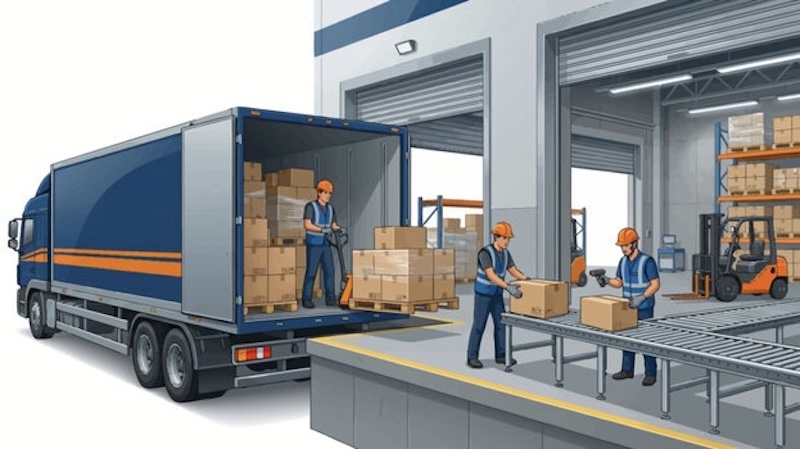
    444.jpg In today’s rapidly evolving global market, companies continually seek ways to optimize their supply chains, reduce costs, and improve efficiency. One of the key strategies that has gained significant attention is supplier consolidation. This comprehensive guide will examine in depth about what is supplier consolidation, explain the nuances of the supplier consolidation process, and outline a sound supplier consolidation strategy. Throughout this article, we will detail the benefits and challenges of consolidating suppliers, discuss practical steps for implementation, and explore real-world case studies that illustrate the transformative power of supplier consolidation.  In many organizations, managers are often left to ask: What is supplier consolidation? At its core, supplier consolidation is the deliberate reduction and streamlining of a company’s supplier base. Rather than dealing with a multitude of vendors—each providing similar products or services—a company identifies a smaller, more manageable group of suppliers that can cater to its needs reliably and efficiently.

    Key Characteristics:

    - Reduction in Numbers: The primary objective of supplier consolidation is to reduce redundancy by eliminating or combining similar sources for the same goods or services.

    - Strategic Partnerships: Consolidation shifts the relationship from transactional to strategic, as companies focus on building long-term, mutually beneficial partnerships.

    - Increased Spend Leverage: With fewer suppliers, companies can increase the volume of orders with each vendor, thereby negotiating better pricing, more favorable terms, and higher quality service. - Enhanced Control: A streamlined supplier base facilitates centralized management, robust quality control, and better oversight of the entire supply chain.

    Why Consolidate Suppliers?

    Numerous benefits drive organizations to consolidate their suppliers. These include: - Cost Reduction: By increasing the order volume with fewer suppliers, companies can leverage economies of scale. - Streamlined Processes: Fewer vendors result in simpler procurement processes, reduced administrative workload, and better contract management. - Improved Quality: With a more concentrated supplier focus, companies can enforce stricter quality standards and ensure that products and services consistently meet expectations. - Risk Management: Fewer suppliers can mean fewer points of failure, provided that the consolidated suppliers are reliable. It also allows companies to monitor risks more closely. - Innovation and Collaboration: Strategic partnerships foster a collaborative environment where suppliers often work closely with companies to drive product innovation and process improvements.

    The Rationale Behind Supplier Consolidation

    The increased complexity of today’s supply chains makes supplier consolidation not only desirable but essential for many organizations. Here, we detail several key rationales:

    1. Cost Efficiency

    Companies are always on the lookout for ways to lower procurement and operational costs. By consolidating suppliers, the combined purchase volumes enable businesses to negotiate bulk discounts, obtain better payment terms, and reduce freight and logistics costs. This approach ensures a more predictable cost structure and creates opportunities for additional savings that can be reinvested in innovation or passed along to customers.

    2. Enhanced Supplier Management

    Managing a large number of vendors can strain resources. Consolidating suppliers allows companies to concentrate on a few strategic relationships. This not only simplifies contract negotiations and performance evaluations but also frees up management resources to nurture deeper collaborative relationships. Fewer suppliers mean more regular performance reviews, better communication channels, and a higher degree of trust and reliability.

    3. Improved Quality Control

    When a company relies on many suppliers, maintaining consistency in quality is a constant challenge. By polishing the supplier base, organizations can implement standardized quality control measures. This includes setting clear quality benchmarks, monitoring compliance consistently, and cultivating suppliers who understand and meet exacting standards. Improved quality control, in turn, leads to higher customer satisfaction and reduced returns or rework.

    4. Risk Reduction

    Diversification is a common strategy for risk management; however, too much diversification in suppliers can lead to a lack of control. With a consolidated supplier base, companies can focus on identifying key risks, developing mitigation strategies, and establishing contingency plans. A well-selected pool of suppliers tends to perform under pressure, and any potential risk can be managed more effectively when relationships are close and communication is constant.

    5. Supply Chain Agility

    Supplier consolidation enables companies to respond faster to market changes. With fewer suppliers to coordinate with, decision-making processes become simpler and more agile. A streamlined supplier network can quickly ramp up production in response to increased demand or scale back when necessary. This agility is crucial in a global market where customer preferences and requirements can change rapidly.

    The Supplier Consolidation Process

    Implementing supplier consolidation is not a spontaneous decision but a strategic and systematic process. Here, we outline the key steps involved in the supplier consolidation process and how organizations can navigate each stage successfully.

    Step 1: Supplier Assessment and Data Collection

    The first step in any consolidation effort is to conduct a thorough evaluation of the existing supplier base. This includes: - Data Collection: Gather detailed data on each supplier, including pricing, quality metrics, delivery times, compliance records, and overall performance history. Utilize ERP systems, procurement databases, and other business intelligence tools to compile accurate and up-to-date information. - Spend Analysis: Analyze the percentage of total spend that each supplier represents. Identify suppliers that account for the majority of procurement costs. This analysis helps prioritize which vendors to retain and which to phase out. - Performance Evaluation: Assess suppliers on key performance indicators (KPIs) such as quality, reliability, innovation, and responsiveness. Surveys, customer feedback, and internal audits can provide valuable insights into supplier performance. - Risk Profiling: Evaluate risks associated with each supplier. Consider factors like geopolitical risk, financial stability, compliance issues, and past performance hiccups. Creating a risk profile for each vendor enables a clearer picture of which relationships are most critical and which may pose long-term risks.

    Step 2: Segmentation and Prioritization

    After gathering data, suppliers should be segmented into tiers based on spend, performance, and strategic importance. This segmentation helps determine: - Core vs. Non-Core Suppliers: Identify which suppliers are essential to the business and which are less critical. - High-Value Strategic Partners: Focus on suppliers that not only cover the majority of spend but also bring innovation, quality, and reliable service to the table. - Consolidation Candidates: Recognize overlapping categories where multiple suppliers serve similar roles. In these instances, consolidation can lead to more efficient operations and better negotiation leverage.

    Step 3: Strategic Decision Making

    At this stage, management must decide which suppliers to consolidate and formulate a clear plan for doing so. Key considerations include: - Defining Objectives: Establish clear objectives for the consolidation effort. Objectives may include cost reduction, improved quality, risk management, and enhanced supplier collaboration. - Stakeholder Involvement: Involve key stakeholders from procurement, finance, operations, and quality control. A cross-functional team ensures that all perspectives are considered in the decision-making process. - Evaluating Alternatives: For overlapping supplier roles, evaluate which supplier offers the best combination of quality, service, cost, and strategic alignment. Consider the feasibility of merging supply orders and the potential impact on production continuity. - Plan for Transition: Develop a detailed plan for phasing out redundant suppliers, including timelines, communication plans, and contingency measures. The aim is to ensure a smooth transition that does not disrupt operations.

    Step 4: Negotiation and Contracting

    Once the strategic decisions have been made, the next phase is to renegotiate contracts with the selected suppliers. During this phase: - Volume Consolidation: Leverage increased order volumes to negotiate improved pricing, better payment terms, and additional service guarantees. Use the consolidated spend as a bargaining tool. - Long-Term Partnership Agreements: Move away from short-term contracts and build long-term relationships that include performance incentives, innovations, and shared risk management practices. - Clear Service Level Agreements (SLAs): Establish SLAs that define expectations for quality, delivery, and response times. These detailed SLAs are critical for maintaining high standards and ensuring accountability. - Integration Clauses: Negotiate clear integration clauses that facilitate data sharing, continuous improvement, and coordinated planning. These will be essential in ensuring that the supplier consolidation strategy remains responsive to market changes.

    Step 5: Implementation and Integration

    Successful supplier consolidation requires careful execution and integration. This step involves: - Change Management: Implement change management practices to help both internal teams and suppliers adapt to new processes. Transparent communication, training sessions, and phased rollouts can reduce resistance and ensure a smooth transition. - System Integration: Align IT systems, such as ERP and procurement databases, with the consolidated suppliers. Ensure that data flows seamlessly between systems to provide real-time insights into orders, performance, and compliance. - Operational Alignment: Adjust internal processes to reflect the new supplier structure. This includes revising procurement workflows, updating performance metrics, and redefining roles within the procurement team. - Monitoring and Reporting: Establish robust monitoring mechanisms to track the performance of consolidated suppliers. Regular performance reviews, KPI tracking, and data analytics are used to ensure that the goals of the supplier consolidation process are being met. - Feedback Loops: Create feedback channels from suppliers and internal stakeholders to continuously improve the consolidation efforts. Use surveys, review meetings, and quality audits to identify any issues and adapt accordingly.

    Step 6: Review and Continuous Improvement

    The supplier consolidation process is dynamic and requires constant review. Even after implementation: - Regular Audits: Conduct periodic audits to ensure that consolidation is yielding the desired benefits. This includes reviewing cost savings, quality improvements, and risk reductions. - Performance Benchmarks: Compare the performance of consolidated suppliers against benchmarks and adjust strategies if necessary. - Market Changes: Stay informed about market trends, technological advances, and supplier innovations that might affect the consolidation strategy. - Ongoing Optimization: Use the insights gained from reviews to refine processes, renegotiate terms, and improve communication channels. A continuous improvement mindset is vital for long-term success in supplier consolidation. An effective supplier consolidation strategy is essential for aligning the consolidation process with the broader business objectives. This strategy lays out the roadmap for how consolidation should be approached, measured, and refined over time.

    Benefits and Challenges of Supplier Consolidation

    While supplier consolidation offers many benefits, it is not without its challenges. Understanding both sides is crucial for a successful implementation.

    Benefits:

    1. Cost Savings: - Economies of Scale: By consolidating orders with a smaller group of suppliers, companies can negotiate better prices and reduce overhead. - Reduced Administrative Costs: Fewer suppliers mean simplified procurement processes and lower management costs. 2. Improved Quality Control: - Standardized Processes: Centralizing supplier management enables the implementation of unified quality control measures. - Stronger Relationships: Close, ongoing communication with key suppliers fosters a deeper understanding of quality requirements and consistency. 3. Enhanced Operational Efficiency: - Streamlined Supply Chain: A reduced supplier base leads to fewer handoffs and less complexity in logistics. - Faster Response Times: With fewer intermediaries, companies can respond more quickly to market changes or disruptions. 4. Risk Management: - Better Monitoring: With fewer suppliers, companies can more effectively monitor performance and manage risks. - Contingency Preparedness: Consolidation often comes with well-defined fallback strategies and better contractual controls. 5. Innovation and Collaboration: - Strategic Partnerships: Working more closely with a select group of suppliers paves the way for co-innovation initiatives and process improvements. - Long-Term Commitment: Suppliers are more inclined to invest in relationship-building when they receive sustained, reliable business.

    Challenges:

    1. Potential Over-Reliance: - Single Point of Failure: Over-consolidation may lead to dependency on a few suppliers. Any disruption with one supplier could severely impact production. - Reduced Flexibility: Less diverse supplier bases may limit options in times of market volatility. 2. Internal Resistance: - Change Management: Shifting a company’s procurement strategy can face resistance from teams accustomed to long-established practices. - Short-Term Disruptions: The transition may cause temporary disturbances that affect service levels until the consolidation is fully implemented. 3. Supplier Pushback: - Negotiation Challenges: Suppliers may be resistant to renegotiating terms or increasing volumes without guarantees, potentially leading to tougher negotiations. - Loss of Niche Offerings: Smaller or specialized suppliers that are phased out might have offered unique value propositions. 4. Implementation Complexity: - Data Integration: Combining data from several systems and ensuring accuracy can be challenging. - Process Reengineering: Redesigning internal procurement processes to align with a consolidated structure requires time and resources.

    Case Studies

    To illustrate the transformative impact of supplier consolidation, consider the following examples from various industries:

    Case Study 1: Manufacturing Sector

    A multinational manufacturing company with an overly fragmented supplier base recognized that high procurement costs and inconsistent quality were eroding its competitive edge. By implementing a rigorous supplier consolidation process, the company identified overlapping suppliers for raw materials, negotiated long-term contracts with a few strategic vendors, and integrated quality control measures across the board. The results were impressive: the company realized a 20% reduction in procurement costs, a 15% improvement in delivery times, and significantly enhanced product quality. This example demonstrates the tangible benefits of a well-executed supplier consolidation strategy.

    Case Study 2: Consumer Electronics

    A leading consumer electronics firm faced challenges with the variability of component quality and inconsistent lead times, negatively impacting product launches. By consolidating suppliers, the firm zeroed in on high-performing vendors and established a centralized system for monitoring quality metrics. Leveraging the improved bargaining power with a selected supplier base, the company negotiated better pricing and implemented joint innovation programs. The initiative not only resulted in cost savings but also accelerated time-to-market and strengthened the company’s competitive position.

    Case Study 3: Retail and E-Commerce

    A major retail chain decided to overhaul its supply chain to manage inventory more efficiently and boost overall profitability. The organization streamlined its supplier network by eliminating redundant vendors and focusing on strategic partnerships that offered comprehensive product ranges. Through the supplier consolidation process, the company enhanced supply chain visibility, integrated IT systems for real-time tracking, and improved coordination between procurement and inventory management teams. The consolidation led to more reliable stock levels, fewer disruptions, and improved customer satisfaction—a potent demonstration of the long-term value of supplier consolidation.

    Conclusion

    Supplier consolidation is a powerful strategy that can transform a company’s supply chain by reducing costs, enhancing quality control, and mitigating risk. By answering the question what is supplier consolidation is, and dissecting the supplier consolidation process and a robust supplier consolidation strategy, businesses can achieve long-term strategic advantages and operational excellence. By consolidating suppliers, companies are not only able to reduce procurement costs but also foster deeper, more meaningful relationships with key vendors. These relationships lead to improved innovation, enhanced operational agility, and the creation of strategic partnerships that drive growth. The benefits of supplier consolidation extend beyond cost savings—they encompass quality improvement, risk management, and the enhancement of a company’s competitive positioning. By following the steps outlined in this guide and embracing best practices, organizations can fully leverage the power of supplier consolidation to drive profitability, innovation, and sustainable growth. Whether you are redefining your procurement function or optimizing an existing supply chain, the principles and strategies discussed here serve as a comprehensive roadmap to achieving excellence.
    Need help with China shipping or customs delays?
    Maple Sourcing can help coordinate supplier paperwork, order monitoring, pre-shipment checks and shipment readiness before your next China order leaves the factory.
    Aaron Li
    Hey, this is Aaron Li, an expert in quality sourcing. Since 2012, I have helped 300+ startups to source from China and manage the quality. I'd like to share my experience and knowledge for frequently asked questions related to product sourcing and quality control.
    All Articles
    Shipping Mark on Carton: Complete Guide for Importers
    Retail Arbitrage: Where to Source and How to Earn Profit
    Top 5 Chinese Wholesale Online Platforms (2026)
    Best China Products for Senior Care Retail Stores
    How to Source Wholesale Home Decor for Retail Businesses
    Top 10 Chinese Solar Panel OEM Factories (2026)
    How to Get Free Samples from China Factories
    African Importers: Best Dollar Store Products from China
    Pros and Cons of Cross-Border Private Label Sourcing
    Alibaba Wholesale Purchasing: 5 Hidden Risks to Prevent
    How to Source Low-MOQ Products for Online Resellers
    Ocean Freight CBM Calculation: One Easy Formula
    Ecommerce Brands: Top 5 High-Margin Product Niches
    Proforma Invoice vs Commercial Invoice: Key Differences
    Ocean & Air Freight: Gross vs Net Weight Rules
    Startups: Direct vs Indirect China Sourcing
    RFQ: Real Examples & Industry Best Practices
    How to Find the Best Freight Options for Importers
    Startup Budget for a China Import-Export Business
    Top 8 Largest China-Based Logistics Providers (2026)
    Small-Batch Startups: Tips to Cut Factory Costs
    Hidden Expenses Every China Importer Should Expect
    Amazon Resellers: Best Ways to Import from China (2026)
    MOQ of Custom Packaging for Small Business
    Quality Audit Checklist for Chinese Factories
    Key Manufacturing Industrial Hubs Across China
    Made in PRC: Meaning of This Product Label
    FCL vs LCL: 2026 Shipping Comparison Guide
    Sea vs Air Freight: Core Reasons Behind Their Price Gap
    2026 Hottest Toy Lines Imported from China
    China to Canada: Lowest-Cost Shipping Options (2026)
    Alibaba vs AliExpress: Key Differences for Importers
    US-China Tariffs 2026: Importer Compliance Handbook
    Custom Sourcing: OEM and ODM Main Differences
    5 Phases to Protect Product IP when Outsourcing in China
    FOB vs. EXW: Which Is Better for China Importers?
    1688 Sourcing Agents: Benefits for Retail Resellers
    Yiwu Wholesale Market: Top 10 Products to Import
    4PX Shipping: Full Lead Time Breakdown (2026)
    DHL Shipment On Hold? 3 Steps to Fix It (2026)
    Why You Need Taobao Agents for Kitchenware Sourcing
    Alibaba Verified Suppliers: Can You Trust Them? (2026)
    Foshan Furniture Market: Actions to Assure Quality
    Guangzhou Fabric Market: Tour Guide & Sourcing Tips
    2026 Complete Sourcing Guide for the Canton Fair
    Is Huaqiangbei Still Ideal for Importers? 2026
    High-End Electric Toothbrush Manufacturers in China
    Private Label Bags from Chinese Manufacturers
    Manage Sample Orders: Key Tips for China Importers
    Top 5 Shipping Documents Required for Imports
    Cost-Saving Tips for Logistics Management Workflow
    Top Beauty and Healthcare Items on Amazon (2026)
    3 Ways to Evaluate Production Capacity of China Factories
    Top 10 Largest Chinese Wholesale Markets (2026)
    Why China Dominates Global Toothbrush Manufacturing
    Top 10 Iconic Products Made in Shenzhen (2026)
    Custom Design Orders: Tactics for MOQ Negotiation
    How OEM Manufacturing Adds Value to Consumer Brands
    Cargo Consolidation: Cut Shipping Costs for Importers
    China to Europe: Top 10 High-Profit Import Goods (2026)
    Key Shipping Ports in China and North America
    Major Apple Manufacturers in China: 2026 Update
    Electronic Component Imports: IQC Inspection Checks
    Sourcing Agent Fees for Small-Batch China Importers
    Best China Products to Resell Across Global Markets
    Why Are Most Goods Made in China? 2026 Update
    Top 10 Inspection Companies in China (2026)
    Reduce Expenses by Manufacturing Your Goods in China
    2026 Trends for Customized Products from China
    Standard Process for Pre-Shipment Inspection in China
    Cross-Border Sourcing: Pain Points and Solutions
    Shenzhen Wholesale Markets: Ideal for Electronics Sourcing
    Verify Chinese Company Without Visiting China
    Retail Resellers: 5-Step China Bulk Sourcing Guide
    5-Step Alibaba Order Process for Small Retailers
    What Makes Chinese Supply Chains Highly Efficient
    Make Rapid Prototypes in China Manufacturers
    China Sourcing Basics for Amazon FBA Sellers
    Bulk Imports from China: Key Advantages
    LED Product Importers: Key China Sourcing Guide
    How China Sourcing Services Save You Time and Costs
    5 Effective Ways to Contact Chinese Factories
    Manage Chinese Factories to Ensure On-Time Deliveries
    Where to Source High-Quality Kitchen Utensils in China
    Top 10 Wholesale Items Imported from China (2026)
    Top 10 Trendy Consumer Electronics Made in China
    Comprehensive Guide to Find Chinese Suppliers Online
    Electronics Resellers: Why You Need Shenzhen Agents
    Handbook for Sourcing Chinese Hardware Products
    Transform Supply Chains via Direct China Sourcing
    How to Build Stable Partnerships with China Suppliers
    TikTok Sellers: Easy Steps for Direct Sourcing in China
    How to Source High-Quality Outdoor Goods from China
    Why FBA Private Label Sellers Need China Agents
    5 Top Challenges when Manufacturing Goods in China
    Boost Retail Profits with Outsourced China Procurement
    Sourcing Chinese Metal Products: Critical Details
    Calculate US Import Duties for Chinese Goods (2026)
    How In-Process QC Works in Chinese Factories
    Retailers: Guide for China Manufacturing Outsourcing
    Read More
    References