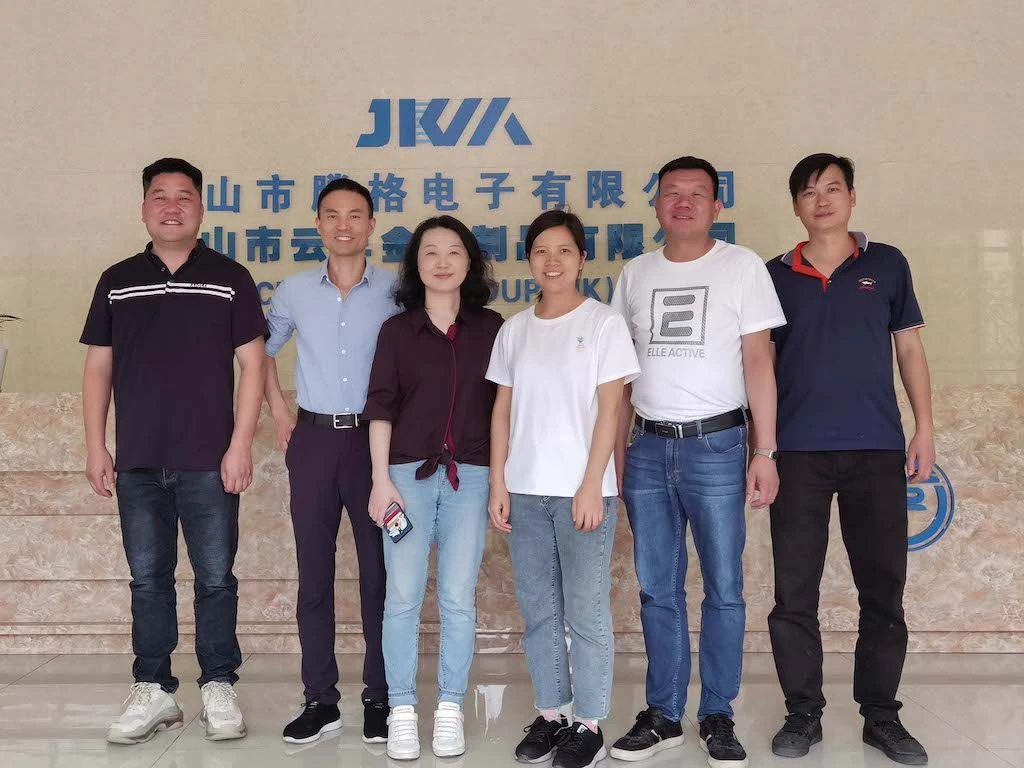
In today’s globalized economy, successful businesses understand that a reliable supply chain and competitive cost structure are critical to sustainable growth. One of the fundamental pillars that can set an enterprise apart from its competitors is a well-executed approach to obtaining quality products at the right price at the right time. This article offers a comprehensive guide on proven product sourcing methods and how to start your journey in building an effective supply base. Throughout this piece, we will explore various product sourcing methods, detail a step-by-step product sourcing process, and discuss how to develop an impactful product sourcing strategy that caters to your business needs.
Whether you are a seasoned entrepreneur looking to optimize your existing supply chain or a novice stepping into the exciting world of online retail, this guide will equip you with the insights and techniques necessary to identify, evaluate, and engage with the right suppliers. We will delve into the importance of understanding international marketplaces, negotiating with vendors, leveraging technological tools, and managing risk effectively—all while ensuring that you stay agile in a highly competitive environment.
In an increasingly competitive online market, standing out requires more than just great ideas or innovative products. Oftentimes, the challenge lies in ensuring that these products are sourced efficiently and reliably. Here are some of the key reasons why mastering product sourcing is critical for your business:
1. Cost Optimization
Efficient product sourcing can significantly reduce production and procurement costs. By leveraging strategic negotiations and economies of scale, you can minimize expenses that directly affect your bottom line. The careful selection of suppliers through proven product sourcing methods ensures that you achieve a sustainable cost structure.
2. Ensuring Quality and Consistency
With a robust product sourcing process, you can establish standards that guarantee the consistent quality of your inventory. Quality control directly influences customer satisfaction and brand reputation, making it a non-negotiable aspect of the sourcing chain.
3. Flexibility and Scalability
A comprehensive product sourcing strategy allows your business to scale operations quickly in response to market demand. This includes having contingency plans in place and diversifying supplier sources to cushion against disruptions.
4. Risk Management
Establishing strong relationships with reliable suppliers helps in minimizing risks associated with supply chain interruptions, quality issues, and price fluctuations. An effective product sourcing process incorporates risk assessment and mitigation strategies to prepare for unexpected challenges.
5. Competitive Advantage
Businesses that excel in efficient product sourcing gain a significant competitive edge. Whether it is through faster time-to-market, lower operational costs, or superior product quality, a well-executed sourcing strategy is a catalyst for innovation and market leadership.
One of the most critical aspects of initiating an effective product sourcing strategy is selecting the right product sourcing methods. In this section, we will detail several methods that have been proven successful across diverse industries. Each method has unique advantages depending on your operational scale, target market, and product niche.
1. Online Marketplaces
Online marketplaces have revolutionized the way products are sourced. Platforms such as Alibaba, Global Sources, and Made-in-China.com offer access to a vast network of manufacturers, suppliers, and wholesalers primarily located in manufacturing hubs like China, India, and Southeast Asia.
Advantages:
- Wide Selection: Access to thousands of suppliers, allowing you to compare prices, quality, and capabilities quickly.
- Cost Efficiency: Competitive pricing driven by high volumes and transparent market dynamics.
- Ease of Access: A user-friendly interface enables you to browse products, request quotes, and negotiate terms online.
Implementation Tips:
- Verify supplier credentials through reviews, third-party audits, and certifications.
- Request product samples to assess quality before making a bulk order.
- Use communication tools available on these platforms to negotiate detailed contract terms and production timelines.
2. Trade Shows and Exhibitions
Attending trade shows and industry exhibitions offers a hands-on opportunity to evaluate suppliers and products directly. Key events such as the Canton Fair in China, Global Sources Trade Shows, and regional industry-specific expos provide face-to-face interaction with suppliers.
Advantages:
- Direct Interaction: Meet suppliers in person to assess their capabilities, quality control systems, and professionalism.
- Networking Opportunities: Build long-term relationships and get insights on industry trends and innovations.
- Sample Evaluation: Evaluate products firsthand and compare different suppliers in a single venue.
Implementation Tips:
- Prepare ahead by researching scheduled exhibitors and creating a shortlist of potential suppliers.
- Schedule appointments in advance to ensure productive one-on-one meetings.
- Follow up with suppliers immediately after the event to maintain momentum and negotiate terms.
3. Supplier Directories and B2B Portals
Beyond online marketplaces and trade shows, supplier directories and business-to-business (B2B) portals offer an organized and searchable database of potential suppliers. Directories such as ThomasNet (for U.S.-based suppliers) and Kompass (international) can be leveraged to identify reputable vendors.
Advantages:
- Curated Listings: These directories often vet suppliers, ensuring a baseline level of quality and reliability.
- Organized Data: Filtering by industry category, geographic location, and supplier size can streamline the selection process.
- Detailed Information: Access to company profiles, product catalogs, certifications, and past customer reviews.
Implementation Tips:
- Cross-reference directory information with independent reviews and industry associations.
- Use advanced search features to narrow down suppliers that meet your specific criteria.
- Verify the legitimacy of supplier profiles through direct communication or by visiting their facilities if possible.
4. Referrals and Networking
Word-of-mouth and professional networks can be incredibly valuable in identifying reliable suppliers. Leveraging referrals from industry peers, joining professional associations, and participating in online forums can help uncover hidden gems that may not be readily visible on public platforms.
Advantages:
- Trusted Recommendations: Referrals often come from suppliers with proven track records.
- Deeper Insight: Referrals can provide candid feedback about supplier performance, challenges, and strengths.
- Personalized Introductions: Networking often leads to more personalized negotiations and long-term partnerships.
Implementation Tips:
- Establish connections with industry veterans and join trade associations to expand your network.
- Actively participate in online forums and social media groups relevant to your industry.
- Request detailed case studies or testimonials from referrals to assess compatibility and performance.
5. Domestic Sourcing Versus International Sourcing
Choosing between domestic and international sourcing can profoundly affect your supply chain performance. Domestic sourcing often provides faster delivery times, easier communication, and reduced shipping costs. International sourcing, particularly from countries with manufacturing expertise such as China, offers cost advantages and access to a wider range of products.
Domestic Sourcing:
- Advantages: Faster turnaround times, easier quality control, and lower logistical risks.
- Challenges: Often higher product costs due to higher labor rates and operational costs.
International Sourcing:
- Advantages: Lower production costs, access to large-scale manufacturing, and broader product variety.
- Challenges: Longer lead times, potential language and cultural barriers, and complexities in logistics and customs.
Implementation Tips:
- Evaluate both options by considering your product specifications, required lead times, and overall cost structure.
- Experiment with small orders from international suppliers to assess quality and reliability before scaling up.
- Develop contingency plans (including multiple sources) to mitigate risks associated with international supply chains.
6. Specialized Sourcing Methods for Niche Products
Certain industries require specialized sourcing methods tailored to unique products. For example, technology products may require suppliers with advanced R&D capabilities, while fashion items might demand suppliers with strong design expertise and rapid turnaround times.
Advantages:
- Targeted Expertise: Specialized suppliers provide deeper insights and capabilities for niche products.
- Customized Quality Control: Tailored processes and standards ensure that niche products meet exacting industry requirements.
Implementation Tips:
- Identify industry-specific trade shows and directories that focus on your product niche.
- Collaborate with industry experts to refine supplier criteria and negotiation strategies.
- Maintain close communication with specialized suppliers to remain updated on new developments and innovations in your niche.
A systematic product sourcing process is critical to transforming potential supplier leads into a reliable and profitable supply chain. Below is a detailed step-by-step guide to help you navigate the product sourcing process effectively.
Step 1: Planning and Requirement Definition
Establish clear objectives and detailed requirements for the products you need. Consider aspects such as:
- Desired product quality, specifications, and certifications.
- Pricing targets and acceptable cost structures.
- Estimated volumes, lead times, and logistical requirements.
- Preferred regions or countries for sourcing.
- Any regulatory or compliance requirements.
During this stage, it is imperative to involve all relevant departments (e.g., procurement, quality control, finance, and marketing) to ensure that the final sourcing plan aligns with broader business objectives.
Step 2: Market Research and Preliminary Screening
Gather comprehensive information through market research to identify potential suppliers. Utilize the product sourcing methods discussed earlier:
- Browse online marketplaces, directories, and B2B portals.
- Attend trade shows and utilize referrals.
- Investigate reviews, testimonials, and performance metrics.
The goal of this phase is to compile a long list of potential suppliers and perform preliminary screening based on factors such as:
- Production capacity and quality track record.
- Pricing competitiveness.
- Past performance and reliability.
- Ability to scale and meet future demand.
Document all findings systematically, and create a database that will be used for subsequent detailed evaluations.
Step 3: Supplier Evaluation and Qualification
Shortlist the most promising candidates from your preliminary research and evaluate them in detail. The evaluation criteria should include:
- Quality Control: Review certifications (e.g., ISO standards), sample products, and quality assurance protocols.
- Financial Stability: Assess the financial health of the supplier to ensure they can sustain long-term partnerships.
- Production Capabilities: Examine machinery, technology, and workforce capabilities.
- Communication: Evaluate responsiveness, language proficiency, and the willingness to engage.
Conduct site visits when feasible or arrange virtual tours if in-person visits are challenging. The objective is to qualify suppliers who not only meet your technical requirements but also fit culturally and logistically with your company.
Step 4: Request for Quotation and Negotiation
Once qualified, invite your shortlisted suppliers to tender. Provide detailed RFQs (Request for Quotations) that outline:
- Product specifications and quantities.
- Delivery deadlines and shipping arrangements.
- Payment terms and conditions.
- Contractual requirements and penalties for non-compliance.
Negotiation should focus on:
- Securing favorable terms and any bulk discounts.
- Ensuring clear communication regarding quality standards and delivery timelines.
- Discussing potential clauses for future scalability and risk management.
Record all negotiations and update your supplier database with finalized terms.
Step 5: Trial Orders and Sample Testing
Before committing to a large-scale order, initiate trial orders to validate:
- Quality and consistency of the product.
- Adherence to delivery timelines.
- Responsiveness to any issues or modifications required.
This step is crucial and often requires multiple rounds of testing and communication to ensure that the product sourcing process is robust and the supplier is reliable over time.
Step 6: Finalizing Contracts and Onboarding
After successful trial orders, draft a formal contract that incorporates all negotiated terms. Essential elements of the contract should include:
- Price agreements, production timelines, and quality benchmarks.
- Mechanisms for regular quality inspection and reporting.
- Terms for dispute resolution and termination clauses.
- Provisions for future revisions and adjustments.
Once contracts are signed, integrate the supplier into your operational systems. This includes updating ERP systems, training internal teams on supplier management protocols, and establishing clear communication channels for ongoing collaboration.
Step 7: Continuous Monitoring and Relationship Management
The product sourcing process does not end at contract signing. Effective monitoring and ongoing relationship management are key to sustaining quality and performance. This should involve:
- Regular performance reviews using KPIs such as on-time delivery, defect rates, and customer feedback.
- Periodic audits and site visits to ensure the maintenance of quality standards.
- Continuous communication and collaboration to address any issues promptly.
A dedicated team should manage supplier relationships to ensure that the partnership remains mutually beneficial and aligned with your long-term business objectives.
Even with robust product sourcing methods, a clear product sourcing process, and a well-defined product sourcing strategy, challenges abound in today’s dynamic marketplace. Addressing these challenges head-on is essential to maintain a competitive edge.
Primary Challenges:
1. Data Inconsistency and Limited Visibility
Many companies struggle with incomplete or inconsistent data regarding supplier performance, which can result in poor sourcing decisions.
Solution:
Invest in integrated data management systems and ensure regular audits of supplier performance.
2. Communication Barriers
When dealing with international suppliers, language differences, cultural nuances, and time zone differences can impede clear communication.
Solution:
Establish strong, direct communication channels and consider hiring staff experienced in international negotiations or using professional translation services.
3. Quality Fluctuations
Inconsistent product quality can disrupt supply chains and affect customer satisfaction.
Solution:
Firm up quality control measures in the product sourcing process through regular inspections, third-party audits, and robust sample testing protocols.
4. Cost Overruns
Hidden costs in shipping, tariffs, and unforeseen production delays can offset any cost savings achieved through low pricing.
Solution:
Factor all potential cost variables into your pricing negotiations and maintain a buffer or contingency plan in your product sourcing strategy.
5. Rapidly Changing Market Dynamics
The pace of technological change and shifting consumer tastes can render traditional sourcing methods obsolete.
Solution:
Stay agile by continuously monitoring market trends, investing in ongoing market research, and regularly updating your product sourcing process and strategy to reflect emerging realities.
Avoiding Common Pitfalls:
- Failure to Diversify:
Relying on a single supplier or region can expose your business to significant risks. Diversification within your product sourcing process is key.
- Over-Prioritizing Cost Over Quality:
While cost is a crucial factor, excessively cheap options can lead to inferior product quality and higher returns.
- Lack of Clear Documentation:
Every negotiation, evaluation, and quality inspection should be properly documented to form a robust audit trail and facilitate continuous improvement.
Drawing on industry insights and successful case studies, the following best practices are recommended for those looking to excel in product sourcing:
1. Invest in Robust Market Research
- Perform thorough market research to analyze consumer demand, competitor activities, and emerging market trends.
- Use data-driven insights to refine your product sourcing methods and guide your product sourcing process.
2. Adopt a Structured Sourcing Process
- Develop and adhere to a documented product sourcing process that covers everything from planning and research to negotiations and ongoing monitoring.
- Regularly review and refine the process to incorporate lessons learned and changes in supplier performance dynamics.
3. Leverage Technology
- Utilize ERP systems, CRM software, and predictive analytics tools to integrate data from multiple sources, automate routine tasks, and monitor supplier performance in real time.
- Ensure that your tech stack is scalable to support business growth and dynamic sourcing needs.
4. Foster Strong Supplier Relationships
- Consider forming long-term partnerships with key suppliers who can offer both cost efficiencies and consistent quality.
- Regular communication, clear contractual agreements, and joint problem-solving sessions can further solidify these relationships.
5. Be Prepared to Adapt
- The landscape of international trade is constantly evolving. Maintain a proactive approach to adapting your product sourcing strategy based on geopolitical shifts, technological advancements, and changes in consumer behavior.
- Consider contingency planning as a critical element of your overall sourcing strategy.
6. Monitor and Evaluate Performance
- Establish clear KPIs for every stage of the product sourcing process. These may include delivery times, product quality benchmarks, and cost-saving metrics.
- Use dashboards and regular performance reviews to ensure ongoing supplier accountability and continuous process improvements.
Case Study 1: An Online Retailer’s Journey
A prominent online retailer, specializing in consumer electronics, successfully implemented a structured product sourcing process that transformed its supply chain. The company began by sourcing products from multiple regions using a mix of online marketplaces and direct supplier referrals. Through rigorous supplier evaluation and trial orders, the retailer was able to identify suppliers that offered optimal cost efficiencies without compromising quality. By emphasizing regular audits and ongoing performance reviews, the company significantly reduced delays, minimized defective products, and optimized inventory levels. Moreover, the integration of a sophisticated analytics platform enabled real-time adjustments in its product sourcing strategy, contributing to an overall cost reduction of 18% and improved customer satisfaction rates.
Case Study 2: A Niche Apparel Brand
A boutique fashion brand set out to expand its product portfolio while maintaining a premium brand image. Through intensive market research and participation in international trade shows, the brand identified several potential suppliers capable of producing high-quality apparel. The company’s leadership implemented stringent quality controls, verified supplier credentials, and negotiated favorable terms tailored to small-scale production runs. This incremental approach to refining their product sourcing methods and product sourcing process allowed the brand not only to maintain quality but also to build a reputation as a reliable supplier of niche fashion items. The successful integration of multiple sourcing channels into a cohesive product sourcing strategy enabled the company to scale significantly within two years.
Case Study 3: A Technology Start-Up
A start-up in the tech industry needed to source components for its innovative smart devices quickly. The company used a hybrid strategy that combined online marketplace sourcing with direct engagement at industry-specific exhibitions. By deploying advanced data analytics and engaging in thorough supplier negotiations, the start-up developed a dynamic product sourcing process. This process allowed it to respond swiftly to demand spikes and scale production efficiently. The technology start-up’s agile product sourcing strategy was a significant factor in its ability to launch its products on schedule, maintain competitive pricing, and secure a strong market share within a highly competitive industry.
In conclusion, if you are asking yourself how to get started with reputable and proven product sourcing, the path is clear: Understand the various product sourcing methods available; implement a systematic, actionable product sourcing process; and develop a forward-thinking product sourcing strategy that evolves with your business. With these tools in hand, you can transform your operations, optimize your costs, ensure top-tier product quality, and set your online business on a course for sustainable success.
May this comprehensive guide serve as your roadmap to mastering product sourcing—from the initial spark of idea to the complex negotiations and long-term partnerships that define a successful supply chain. Good luck on your journey, and may your efforts lead to exceptional growth and unprecedented competitive advantage in the vibrant world of online commerce.
 English