



Have you ever wondered why some businesses consistently succeed with their overseas suppliers while others face endless quality issues, delivery delays, and unexpected costs? The difference often comes down to one critical factor: a rigorous vendor evaluation process.
In today’s global marketplace, finding the right manufacturing partner isn’t just about comparing prices—it’s about building reliable partnerships that protect your business interests and ensure consistent quality.
We understand that navigating international vendor evaluation can feel overwhelming, especially when dealing with cultural differences, language barriers, and complex supply chains. That’s why we’ve developed a proven framework that transforms this challenging process into a strategic advantage. Our approach focuses on three core pillars:
Thorough assessment: Evaluating potential partners against multiple criteria beyond just cost
Risk mitigation: Identifying potential issues before they impact your production timeline
Long-term partnership building: Establishing relationships based on transparency and mutual success
Consider this scenario: You find a supplier offering significantly lower prices than competitors. Without proper vendor performance evaluation, you might miss warning signs like outdated equipment, high employee turnover, or inadequate quality control systems—all factors that could derail your project months later.
A structured vendor selection methodology helps you avoid these pitfalls by providing clear, objective data to make informed decisions. It’s not just about choosing a supplier; it’s about choosing the right partner who will grow with your business and consistently meet your standards.
Throughout this guide, we’ll share practical insights and actionable strategies that you can implement immediately. Whether you’re sourcing electronics, textiles, machinery, or custom components, these principles apply across industries and product categories. By the end, you’ll have a clear understanding of how to develop and execute an effective evaluation process that delivers reliable results and protects your investment.
The journey to finding your ideal manufacturing partner starts with asking the right questions and having a systematic approach to answer them. Let’s explore how you can transform your sourcing strategy from a risky gamble into a calculated business decision.
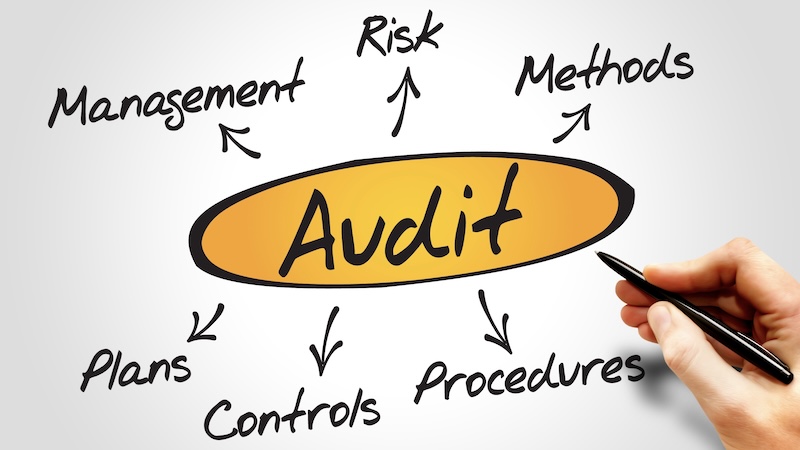
As we’ve established the importance of reliable sourcing partnerships, let’s explore how to systematically evaluate potential suppliers. Supplier performance evaluation refers to the structured process of assessing and selecting vendors based on measurable criteria to ensure they meet your quality, delivery, and compliance requirements.
Supplier performance evaluation is a comprehensive vendor selection process that goes beyond just comparing prices. It’s a multi-dimensional approach that examines a supplier’s capabilities across several key areas:
· Quality management systems and consistency
· Production capacity and scalability
· Delivery reliability and lead times
· Cost structure and transparency
· Communication effectiveness and responsiveness
· Compliance with industry standards and regulations
This systematic evaluation process transforms supplier selection from a guessing game into a data-driven decision-making exercise that protects your business from potential supply chain disruptions.
An effective supplier performance evaluation system includes these essential components:
1. Standardized scoring metrics - Quantitative measurements for objective comparison
2. Regular assessment intervals - Ongoing evaluation rather than one-time checks
3. Multi-stakeholder input - Input from quality, procurement, and operations teams
4. Performance tracking - Historical data analysis to identify trends
5. Corrective action plans - Processes for addressing performance gaps
Here’s a typical framework for evaluating suppliers:
Evaluation Criteria | Weight | Scoring Method | Frequency |
Quality Performance | 30% | Defect rates, returns | Monthly |
Delivery Reliability | 25% | On-time delivery % | Weekly |
Cost Competitiveness | 20% | Market comparison | Quarterly |
Communication | 15% | Response time, clarity | Continuous |
Technical Capability | 10% | Innovation, support | Annually |
Implementing a rigorous vendor selection process matters because your suppliers directly impact your business success. Consider these critical benefits:
Risk reduction: Proper evaluation minimizes the chances of production delays, quality issues, or compliance problems that could damage your reputation
Cost control: Beyond initial pricing, a thorough evaluation identifies hidden costs and ensures long-term value
Quality assurance: Consistent evaluation processes maintain product standards and customer satisfaction
Strategic partnerships: The right evaluation approach helps identify suppliers who can grow with your business and contribute to innovation
For US-based importers, this process is particularly crucial when sourcing internationally. It provides the due diligence needed to navigate different business cultures, quality standards, and regulatory environments while ensuring your products meet FDA requirements and other US compliance standards.
Remember: The goal isn’t just to find a manufacturer — it’s to find the right partner who aligns with your business values, quality expectations, and growth objectives. According to right vendor selection process, a well-structured evaluation process gives you the confidence that your supply chain supports rather than hinders your success.
Now that we’ve established what supplier performance evaluation is and why it’s critical for your business, let’s dive into how to execute it effectively. A systematic vendor evaluation process transforms this from a theoretical exercise into a practical framework that builds a reliable, high-performing supply chain. We’ll break down the first three steps of this essential selection process, providing you with actionable insights you can implement immediately.
The foundation of any successful vendor selection process is crystal-clear requirements. Before you even look at potential partners, you must know exactly what you need about a China sourcing agent. This goes beyond just product specifications and target price points.
Start by asking key questions:
· What are our must-have quality standards? (e.g., specific ISO certifications, material grades, performance tolerances)
· What are our logistical needs? (e.g., required lead times, shipping terms, packaging standards)
· What financial stability does the vendor need to demonstrate? (e.g., company history, annual revenue)
· What level of communication and technical support is required?
Document these criteria and weight them based on importance. For instance, quality might be 40% of your total score, while price is 30%, and logistics is 30%. This structured approach removes emotion and bias from your evaluation process, ensuring you compare vendors objectively.
Example: A U.S.-based startup sourcing custom electronic components would prioritize vendors with ISO 9001 certification, a proven track record with American clients, and the ability to provide full material disclosure reports to ensure compliance with FCC and other U.S. regulations.
With your criteria defined, the next step is to cast a wide net to identify potential suppliers. Utilize industry databases, trade shows like CES in Las Vegas, professional referrals, and targeted online sourcing platforms. The goal is to create suitable business model for startup, a long list of candidates that ostensibly meet your basic requirements.
From this long list, you’ll create a shortlist for deeper analysis. Initial research should quickly filter out vendors who don’t meet your non-negotiable criteria. This due diligence might include:
· Reviewing company websites and online presence
· Checking for any major red flags in customer reviews or news articles
· Verifying business licenses and export capabilities
A shortlist of 3-5 highly qualified vendors is ideal. This keeps the subsequent vendor performance evaluation manageable and thorough without overwhelming your team.
Before investing significant time and resources, send a Request for Information (RFI) to your shortlisted vendors. An RFI is a high-level questionnaire designed to gather essential information and gauge a vendor’s capability and responsiveness.
A well-crafted RFI should cover:
· Company Overview: Years in business, number of employees, ownership structure.
· Financial Health: Annual sales volume, major clients (especially in the U.S. market).
· Production Capacity: Factory size, number of production lines, monthly output.
· Quality Control: In-house QC team size, inspection equipment, certifications (e.g., ISO, FDA registration for relevant products).
· Compliance: Familiarity with U.S. standards like CPSIA for children’s products or Prop 65 for California.
The responses will give you a strong indication of which vendors are serious, professional, and aligned with your needs. It’s a crucial filtering step that ensures you only move forward with the most promising partners, saving you from costly mistakes down the line.
Evaluation Criteria | Weight | Vendor A Score | Vendor B Score | Vendor C Score |
Quality Certifications | 40% | 35/40 | 28/40 | 40/40 |
Estimated Unit Cost (USD) | 30% | 27/30 | 30/30 | 24/30 |
Communication & Responsiveness | 30% | 25/30 | 28/30 | 30/30 |
Total Preliminary Score | 100% | 87% | 86% | 94% |
This is a simplified example of how you can score RFI responses to objectively compare vendors during the shortlisting phase.
By meticulously following these first three steps—defining criteria, creating a smart shortlist, and conducting a preliminary assessment—you establish a rock-solid foundation for your vendor selection journey. This disciplined approach minimizes risk and sets the stage for a successful partnership built on transparency and capability.
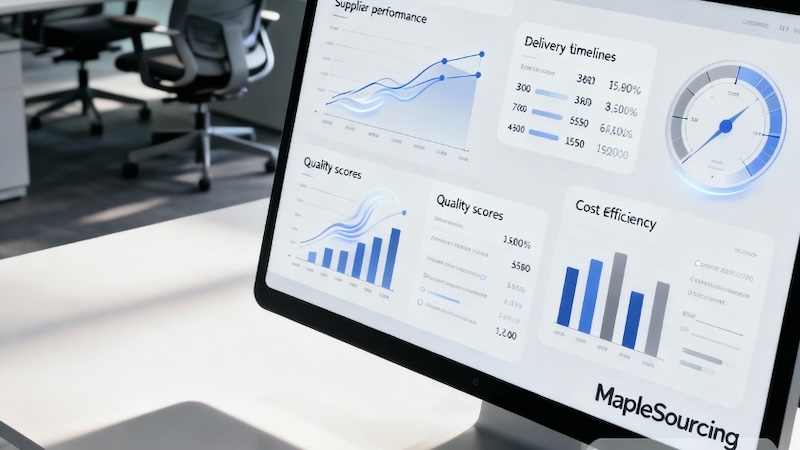
Having established clear evaluation criteria, we now move to the critical implementation phase of the vendor selection process. This is where your strategic planning translates into actionable decisions that directly impact your supply chain reliability.
Thorough due diligence separates professional procurement from amateur sourcing. This step goes beyond basic verification to uncover potential risks and opportunities. Your evaluation process should include:
· Financial stability checks: Review audited financial statements from the past 3 years to assess long-term viability
· Legal compliance verification: Confirm business licenses, export permits, and compliance with relevant US regulations (FDA, CPSC, etc.)
· Production capacity assessment: Verify actual manufacturing capabilities through documented evidence and site visits
· Quality management review: Examine ISO certifications, quality control processes, and defect tracking systems
For example, when evaluating a potential electronics vendor, we discovered through due diligence that they lacked proper FCC certification for US market distribution—a critical finding that prevented costly compliance issues down the line.
Real-world testing provides the most reliable data for your vendor selection decision. Before committing to large orders, validate quality through concrete methods:
Test Type | Purpose | Ideal Sample Size |
Pre-production sample | Verify design specifications and initial quality | 3-5 units |
Production sample | Assess manufacturing consistency and workmanship | 10-20 units from different batches |
Compliance testing | Ensure regulatory requirements are met | Varies by product and regulation |
Durability testing | Evaluate product lifespan under normal use conditions | 5-10 units subjected to stress tests |
Performance evaluation through systematic testing eliminates guesswork and provides quantitative data to support your final selection. We recommend allocating 2-3% of your project budget specifically for sampling and testing activities.
The final stage of the vendor selection process transforms evaluation data into actionable partnership agreements. Based on your comprehensive assessment, choose the vendor that best aligns with your requirements across quality, cost, reliability, and communication factors.
Once selected, immediately establish clear Key Performance Indicators (KPIs) to measure ongoing vendor performance:
· On-time delivery rate: Target 98% or higher for reliable supply chain operations
· Quality acceptance rate: Maintain 99% or better for reduced returns and customer satisfaction
· Communication responsiveness: Set expectations for 24-hour response times to critical issues
· Continuous improvement: Require quarterly business reviews to address challenges and opportunities
Remember that vendor selection isn’t just about choosing a supplier—it’s about building a partnership that grows with your business. The most successful relationships include mutual development goals and transparent communication channels from day one.
By following these structured evaluation steps, you transform vendor selection from a guessing game into a data-driven process that minimizes risk and maximizes value. Your thorough approach ensures that every partnership begins with clarity, confidence, and a shared commitment to excellence.
Having established the structured approach to supplier evaluation, let’s dive deeper into the practical execution. The final stages of the vendor evaluation process are where your diligence truly pays off, transforming raw data into actionable decisions that build reliable partnerships.
An effective vendor selection process requires more than just reviewing documents. On-site audits provide the ground truth. We visit the factory to verify their capabilities, assess their quality control systems firsthand, and observe their working conditions. This step is crucial for validating claims about production capacity, technical expertise, and compliance with international standards.
For example, during an audit for a U.S.-based electronics startup, we discovered a supplier’s assembly line wasn’t configured for the required electrostatic discharge protection. Catching this early prevented costly product failures and production delays. Audits typically focus on:
· Production capabilities: Machinery, technology, and workforce skills
· Quality management: Inspection processes, testing equipment, and documentation
· Operational compliance: Safety standards, environmental regulations, and ethical labor practices
The initial quote is just the beginning. A thorough evaluation process analyzes the Total Cost of Ownership, which includes all expenses associated with your partnership:
Cost Component | Description | Example |
Unit Price | Cost per manufactured item | $4.50 per unit |
Tooling & Setup | Initial mold and production setup | $8,000 one-time fee |
Logistics | Shipping, insurance, and customs fees | $2,800 per container |
Payment Terms | Impact of early payment discounts | 2% discount for net 15 terms |
Quality Risk | Potential costs of defects and returns | Estimated 3% failure rate |
This analysis helps you compare suppliers beyond just unit price. One vendor might offer a higher unit cost but include tooling in the price, while another might have a lower price but charge separately for molds and offer less favorable payment terms. Understanding TCO ensures you’re making the most cost-effective decision for your business.
The final stage of the vendor selection process combines all your findings into a strategic decision. We recommend creating a scoring matrix that weights different criteria according to your priorities. See Complete Guide to SaaS & software vendor evaluation for further details. A company prioritizing speed-to-market might weight production capacity higher, while a medical device company would prioritize quality certifications above all else.
Once you’ve selected your preferred vendor, negotiation begins. This isn’t just about price—it’s about establishing clear terms that protect your interests:
· Quality guarantees: Clearly defined acceptable quality levels (AQL) and consequences for defects
· Delivery commitments: On-time delivery requirements and penalties for delays
· Payment terms: Options that work with your cash flow (e.g., credit cards, PayPal, or wire transfers)
· Communication protocols: Regular update schedules and issue escalation procedures
Effective negotiation establishes a partnership framework that benefits both parties, ensuring transparency and reliability throughout your manufacturing relationship.
Having explored the structured steps of the vendor evaluation process, let’s consolidate the core insights that empower you to make informed sourcing decisions. These takeaways distill the essential principles for building reliable supplier relationships while mitigating risks in global procurement.
1. Quality and Compliance First:
Prioritize vendors with verifiable quality certifications (ISO 9001, BSCI) and compliance records
Example: A textile importer reduced defect rates by 40% after implementing mandatory pre-shipment inspections
2. Total Cost Over Unit Price:
Evaluate logistics, tariffs, and payment terms alongside product costs
Use this formula: Total Landed Cost = (Unit Price × Quantity) + Shipping + Duties + Insurance + Storage3. Performance Tracking is Continuous:
Establish quarterly scorecards measuring:
- On-time delivery rates (target >95%)
- Defect rates (industry benchmarks vary)
- Responsiveness to issues
· Factory audits: Conduct unannounced visits to verify working conditions and production capacity
· Sample Testing: Order pre-production samples for third-party lab verification
· Financial Health Checks: Use services like Dun & Bradstreet to assess supplier stability
Risk | Mitigation Strategy |
Over-reliance on price | Implement weighted scoring (quality 40%, cost 30%, service 30%) |
Language barriers | Use bilingual contracts with arbitration clauses |
Cultural misalignment | Schedule video calls to discuss expectations |
Remember: The most effective vendor selection process balances quantitative data with qualitative relationship-building. Document all evaluation criteria and decisions to create a replicable system for future sourcing projects.
As we’ve explored the comprehensive steps of the vendor evaluation process, you might still have some specific questions about implementation and best practices. Let’s address the most common questions we receive from procurement professionals like you.
We recommend a formal vendor performance evaluation at least annually for your strategic partners. However, the frequency should match your risk assessment:
High-risk/critical suppliers: Quarterly or semi-annually
Medium-risk suppliers: Annually
Low-risk/commodity suppliers: Every 2 years or triggered by performance issues
Always conduct a full re-evaluation if you notice a significant drop in quality, delivery delays, or if the supplier undergoes major organizational changes.
This is a crucial distinction in supplier management :
Aspect | Vendor Selection Process | Ongoing Performance Evaluation |
Purpose | Choosing the right partner initially | Ensuring continued performance and partnership health |
Focus | Capability, capacity, compliance track record | Actual performance data (quality, delivery, cost) |
Timing | Before contract signing | Periodic, throughout the contract term |
Data Used | RFIs, RFPs, audits, references | Scorecards, KPIs, delivery reports, quality metrics |
The selection process gets you the right partner, while ongoing evaluation ensures they stay right for your business.
While your core values (like quality and ethics) should remain consistent, your evaluation criteria should be weighted differently based on supplier category. A one-size-fits-all approach rarely works. For example:
For a raw material supplier: Quality consistency (60% weight), delivery reliability (25%), cost (15%)
For a logistics provider: On-time delivery (50% weight), cost (30%), damage rate (20%)
For a packaging supplier: Cost (40% weight), innovation (30%), delivery (30%)
Tailor your scorecards to reflect what matters most for each partnership.
Based on our experience, these pitfalls can undermine your efforts:
1. Overemphasizing price: Choosing the lowest cost bidder without considering total cost of ownership often leads to quality issues and delays.
2. Relying on subjective opinions: Failing to use data-driven metrics and scorecards makes evaluations inconsistent and unfair.
3. Skipping factory audits: Especially for new suppliers, not verifying manufacturing capabilities on-site introduces significant risk.
4. Not involving cross-functional teams: Procurement shouldn’t evaluate alone. Include quality, logistics, and end-users in the process.
5. Forgetting to share results: Suppliers can’t improve if they don’t know their scores. Provide constructive feedback after each evaluation cycle.
Your evaluation process should include a clear action plan for performance issues:
· Schedule a corrective action meeting to discuss findings face-to-face
· Develop a mutually agreed improvement plan with specific milestones
· Increase monitoring frequency during the improvement period
· Establish clear consequences if improvements aren’t made (including exit strategy)
The goal is continuous improvement, but you must be prepared to transition to alternative suppliers if performance doesn’t meet your standards.
Absolutely. In fact, systematic vendor selection might be even more critical for smaller businesses where a single supplier failure can have catastrophic consequences. You don’t need an elaborate system—start with the fundamental questions about quality, reliability, and communication. A simple scorecard with 5-10 key metrics applied consistently will significantly reduce your procurement risk.
The time invested in proper evaluation upfront saves countless hours spent dealing with quality issues, missed deadlines, and supplier conflicts later.
As we’ve seen through our FAQ section, a well-structured vendor evaluation process answers critical questions before they become costly problems. Now let’s focus on how you can implement these insights to build a reliable, high-performing supply chain.
Your vendor selection process should be:
· Systematic, Not Random: Move beyond gut feelings. A structured vendor evaluation process transforms supplier selection from a guessing game into a data-driven strategy.
· Continuous, Not One-Time: Think of vendor performance evaluation as an ongoing cycle, not a single event. Regularly assessing key metrics ensures your partners continue to meet your standards.
· Multi-Faceted: The best decisions come from balancing cost, quality, delivery timelines, and compliance. Never sacrifice long-term reliability for a short-term price cut.
Ready to launch your own evaluation? Here’s a straightforward action plan:
1. Document Your Non-Negotiables: Before you even look at suppliers, write down your absolute requirements for quality standards, compliance certifications (like FDA requirements for relevant products), payment terms, and delivery windows.
2. Create a Simple Scorecard: Build a basic spreadsheet to rate potential vendors. Use the criteria we’ve discussed: quality history, delivery reliability, communication, and cost structure. This makes your selection process objective and clear.
3. Start with a Pilot Order: Even after a thorough evaluation process, begin with a smaller test order. This live fire exercise is the ultimate vendor performance evaluation, validating your decision with real-world results before you commit to large volumes.
A rigorous vendor selection process does more than just minimize risk—it builds the foundation for true partnerships. When you invest time in a thorough evaluation upfront, you’re not just choosing a supplier; you’re selecting a long-term ally for your business growth.
This process empowers you to operate with confidence, knowing your supply chain is built on a foundation of reliability and transparency. You gain control, reduce stressful surprises, and can focus your energy on growing your business, secure in the knowledge that your production and logistics are in trusted hands.
Remember, the goal isn’t to find a perfect vendor, but to find the right partner for your specific needs through a diligent and repeatable evaluation process.
 English