



What if your most promising product launch fails, not because demand is weak, but because one sourcing decision created delays, quality disputes, and margin loss? That is the reality many importers face when they treat procurement in china as a price-first task instead of a risk-managed business process.
For growth-stage brands, distributors, and procurement teams, the stakes are high from day one. Lead times affect cash flow. Quality consistency affects returns and reputation. Communication gaps affect timelines, especially when product specifications, packaging standards, and inspection criteria are not fully aligned before production starts. In practice, procurement in China is not just about finding a factory. It is about building a controlled purchasing procurement system that protects delivery, quality, and cost at the same time.
A practical way to approach this topic is to view reliable procurement in China through three business lenses:
Commercial risk: Unit price matters, but hidden costs often come from rework, expedited freight, and failed batches.
Operational risk: Weak process control creates avoidable delays across sampling, production, and shipment milestones.
Relationship risk: Poor supplier alignment and unclear accountability can turn small issues into expensive disputes.
This is why many buyers use a procurement in China service or a purchasing/procurement agent in China to strengthen execution on the ground. The goal is not to outsource responsibility. The goal is to improve verification, negotiation discipline, and follow-through across every purchase order. A capable procurement agent can help translate business requirements into measurable supplier actions, from sample approval checkpoints to pre-shipment quality controls.
At the same time, readers should stay cautious about broad claims and one-size-fits-all playbooks. Trusted procurement in China depends on category specifics, order volumes, technical complexity, and tolerance for delay. A procurement company in China that works well for simple consumer goods may not be the right fit for regulated or highly customized products. That is why this article focuses on decision quality rather than shortcuts.
In the sections that follow, we will break down where costly mistakes typically happen, how delays begin long before shipping, and how to structure a procurement in China company workflow that is resilient under pressure. We will also clarify when direct factory management is realistic and when a specialized partner model, such as support from a purchasing agent in China, creates better control.
If you are researching procurement in China for the first time, start with this mindset: lower risk is a procurement outcome you design, not a result you hope for. That perspective will frame every step ahead, from supplier selection to final delivery.
The introduction made one point clear: small procurement errors in China can become expensive, slow-moving problems across quality, cash flow, and delivery schedules. This section turns that risk into practical guidance by focusing on the first three mistakes teams make during procurement in China and how to prevent them before orders are placed.
For many buyers, the biggest early failure is treating legal compliance as a paperwork task instead of a sourcing decision. In practice, procurement in China often involves rules on contracts, bidding behavior, documentation, and transaction transparency that directly affect enforceability and dispute handling. If your team skips legal review, uses vague purchase terms, or relies on informal supplier commitments, you increase exposure to delayed shipments, rejected claims, and payment disputes.
What matters for business operations is not legal theory, but execution discipline. Build a compliance checklist before RFQs go out, confirm contract language with local counsel, and document every specification revision in writing. If you use a procurement in China service or a purchasing agent in China, define who owns legal checks and who signs off at each stage. Reliable procurement in China starts when compliance is integrated into supplier onboarding, not bolted on after production begins.
A second costly issue is selecting partners based on price alone. A low quote from an unverified factory or a trading company with unclear authority can create hidden costs through quality drift, missed lead times, and difficult communication. In procurement in chinas projects, this mistake often appears when buyers do not verify who actually manufactures the goods, who controls materials, and who is responsible for corrective actions.
To avoid this, qualify suppliers with structured checks: business registration, production capability, quality system maturity, and export experience for your product type. Ask direct questions about subcontracting and insist on factory-level visibility. A trusted procurement in chinas process also compares at least two backup suppliers so you are not locked into one weak vendor. Whether you work internally or with a procurement in chinas company, partner selection should be treated as risk management, not just vendor selection.
Even a compliant contract and a promising supplier can fail without inspection discipline. Many importers wait until final shipment to check quality, then discover defects when it is too late to rework without missing launch dates. In procurement in China workflows, quality control has to begin before mass production and continue through in-process milestones.
Use a staged protocol tied to measurable specifications:
Pre-production approval of materials, tolerances, and packaging standards.
In-line inspections at agreed completion points to catch recurring defects early.
Pre-shipment inspection using acceptance criteria linked to the PO and product drawings.
Clear non-conformance procedures covering rework, replacement, and cost responsibility.
This structure reduces rework cost and protects timelines. If your team lacks local oversight, a procurement agent can execute these checkpoints on-site and report deviations quickly. That support is often the difference between reactive firefighting and reliable procurement in China that protects margin, delivery performance, and customer trust.
The earlier mistakes make one point clear: process failure usually starts before a purchase order is issued. To avoid delays and rework, buyers need a practical map of procurement in china in 2026, including which rules apply to which transaction and how those rules shape timelines, pricing, and supplier access.
A critical distinction is whether the buyer is operating in a government procurement channel or a commercial sourcing channel. Government procurement follows formal rules tied to public spending, domestic policy goals, and structured bidding, with stricter documentation and review steps. Commercial sourcing is more contract-driven, negotiated directly with manufacturers or intermediaries, and typically more flexible on specifications, lead times, and relationship structure.
For foreign teams, this difference affects risk planning. In public tenders, eligibility, localization requirements, and procedural compliance can determine whether you can even bid. In private purchasing procurement, success depends more on supplier qualification, quality governance, and contract enforceability. Reliable procurement in China requires identifying your channel early, because legal obligations and execution risks diverge immediately.
Policy direction has continued to prioritize domestic products in many public purchasing scenarios. In practice, that can reduce opportunities for foreign-origin goods in government-linked buying, even when technical performance is strong. Buyers should treat this as a market-access and bid-qualification issue, not just a pricing issue.
The operational impact is straightforward: product origin, local value-add, and registration pathways may affect bid competitiveness or acceptance thresholds. For commercial deals, the effect is indirect but still relevant, as domestic preference can influence component sourcing and supplier positioning. Trusted procurement in China depends on checking whether your target category is likely to face domestic-preference pressure and adjusting sourcing architecture before RFQ release.
To reduce costly errors, build a compliance-first workflow that aligns legal review with sourcing milestones. A practical sequence for procurement in China includes:
Classify the transaction correctly as public or commercial before supplier outreach.
Verify entity qualifications, product-origin treatment, and tender participation rules where applicable.
Define bid and contract documentation standards, including technical specs and acceptance criteria.
Set inspection gates, sample approval rules, and dispute-resolution terms before mass production.
Use a trusted local procurement agent or procurement in China service to manage filings, communication, and process discipline.
For many overseas buyers, a procurement in China company with on-the-ground legal and execution experience helps connect compliance requirements to factory-level action. That bridge is often what turns procurement in chinas from reactive firefighting into predictable delivery performance.
After mapping legal pathways and bid structures, partner selection becomes the practical lever that protects timelines and margin. In procurement China, the right operating model and vetting process usually determine whether requirements become delivered goods or expensive delays.
For many buyers, the choice is not "agent or factory" in absolute terms, but which model best matches risk, product complexity, and internal bandwidth. A direct manufacturer relationship can reduce layers and improve technical communication when your team can audit capabilities, manage contracts, and monitor production closely. A procurement in China service or procurement agent adds value when supplier discovery, negotiation in local business context, and day-to-day issue handling would otherwise strain your team.
Commercially, a Chinese procurement company should provide transparent scope: supplier shortlisting, sample coordination, price negotiation, production follow-up, and dispute support. Ask how fees are structured and whether supplier rebates create conflicts. Reliable procurement in China depends on incentive alignment, clear reporting, and documented ownership of tooling, specifications, and quality standards.
Use a structured checklist before placing meaningful orders. This is where trusted procurement in China is built, not assumed.
Legal identity and operating status: Verify registered entity name, business scope, and who signs contracts. Confirm the company you pay is the company producing.
Production fit: Validate core product lines, process capability, and capacity under peak demand. Confirm whether key steps are in-house or subcontracted.
Quality system discipline: Review inspection checkpoints, defect handling, and change-control practices. Require pre-production samples tied to approved specs.
Commercial and payment controls: Align Incoterms, milestone payments, lead-time commitments, and penalties for non-conformance.
Traceability and communication cadence: Set weekly reporting, escalation paths, and batch-level traceability for materials and finished goods.
If you use a procurement in chinas service, require the same checklist in writing and ask for example reporting templates. That keeps procurement agent in China support accountable to measurable outcomes, not promises.
Warning signs often appear early if you test for them. Be cautious when a vendor avoids site visits, resists third-party inspections, or cannot explain process controls in practical detail. Frequent legal-name changes, rushed payment requests to unrelated accounts, and inconsistent answers on capacity are also serious concerns.
In procurement in China, communication behavior is a strong predictor of execution behavior. If quotation details keep shifting, technical questions go unanswered, or corrective-action requests receive vague replies, expect delivery and quality risk later. For business continuity, keep a primary and backup source strategy, and consider a procurement in China company when internal teams need stronger local oversight without building a full local office.
After vetting potential partners, execution discipline determines whether your plan holds under real commercial pressure. In procurement in china, delays and hidden costs usually appear when teams move from screening into specifications, pricing, and contracts without a documented sequence.
Start by translating business goals into a sourcing brief that can be audited, not interpreted. Define product specifications, quality tolerances, packaging standards, labeling rules, testing needs, delivery windows, and acceptable Incoterms. Clarify must-have versus negotiable items so internal teams make consistent decisions when trade-offs appear.
For reliable procurement in China, qualify suppliers against your brief before requesting detailed pricing. Confirm production capability, export experience, compliance documentation, communication response time, and escalation contacts. If you use a procurement in China service, require written evidence of each screening check and site-verification method. This structure reduces rework, avoids late supplier swaps, and keeps engineering and purchasing procurement aligned.
A low headline price can hide the largest risks. Compare quotations using a single template that captures unit price, tooling, minimum order quantity, lead time, payment terms, sample costs, quality control scope, and logistics assumptions. Then normalize the offers so every supplier is measured on the same commercial basis.
In trusted procurement in chinas programs, negotiation is sequenced by risk impact: lock specification and quality checkpoints first, then negotiate delivery reliability, and only then finalize price concessions. This order protects total landed cost and timeline performance better than price-only bargaining. Where a procurement in China company supports the process, ask for a negotiation log that records concessions, counteroffers, and unresolved points. Clear documentation prevents scope drift and protects your margin planning.
Your contract should convert negotiated points into enforceable obligations. Include detailed specifications as annexes, approved sample references, inspection milestones, non-conformance remedies, late-delivery consequences, payment triggers, warranty terms, and IP/confidentiality protections. Add change-control language so any specification or schedule update requires written approval from both sides.
For procurement in China engagements, define who owns tooling, where it is stored, and how release is handled if the relationship ends. Also state dispute resolution venue and governing law in language both parties can execute operationally. A strong contract does not replace relationship management, but it prevents avoidable disputes from becoming shipment delays and cost overruns. This is where a procurement agent creates measurable value by enforcing process, records, and accountability.
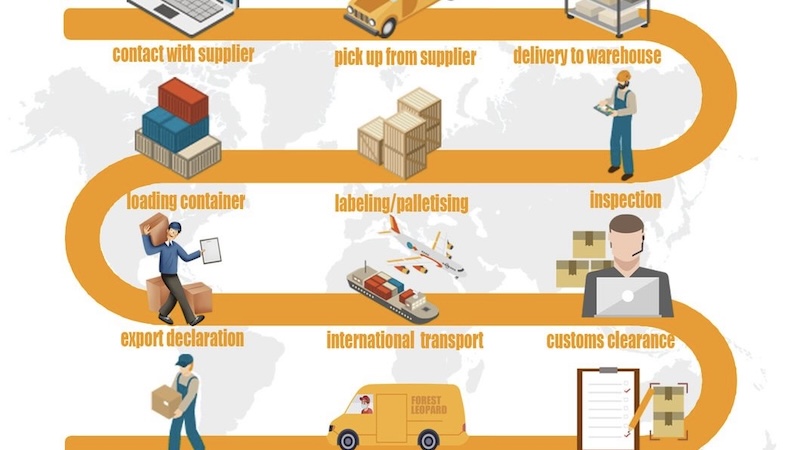
After defining requirements, comparing quotes, and tightening contract terms, the practical question is execution risk. Real-world outcomes show why procurement in china succeeds when strategy and supplier control stay connected from sourcing to delivery.
A mid-sized electronics brand sourcing power modules and cable assemblies had rising landed costs, unstable lead times, and frequent quality rework. Instead of switching suppliers based on the lowest quote, the team rebuilt its purchasing procurement approach around total cost and process control.
First, it mapped component specs into "must-have" and "acceptable variance" tiers, which reduced costly overengineering. Next, it expanded the supplier pool beyond one incumbent factory and ran structured RFQs with identical technical packs. A procurement agent reviewed factory capabilities, production planning discipline, and subcontractor exposure before price negotiations started.
The cost improvement came from multiple levers working together: cleaner specifications, better MOQ alignment, consolidated shipments, and fewer defects caught at pre-shipment checks. In practice, this is what reliable procurement in China looks like: negotiated unit pricing plus lower hidden costs. The company reported overall savings of about 40% across the targeted SKUs over the sourcing cycle, while improving delivery predictability.
For buyers evaluating a procurement in China service, the key lesson is clear: savings are strongest when supplier selection, quality checkpoints, and logistics planning are integrated, not managed as separate tasks.
A consumer goods importer moved quickly with a new vendor after receiving an aggressive quote and short promised lead time. Basic checks were skipped: no deep factory audit, no verification of sub-supplier dependencies, and weak contract language on rework liability and delivery penalties.
The first production run appeared acceptable at sample stage, but mass production exposed material substitutions and inconsistent assembly quality. When defects were discovered, replacement cycles overlapped with peak-season freight demand, forcing expensive shipping upgrades and delayed customer fulfillment. Chargebacks, emergency inventory purchases, and write-offs pushed losses to roughly $200,000.
This failure pattern is common in rushed procurement in chinas workflows: price-first decisions, shallow verification, and unclear accountability. A trusted procurement in China process would have required capability validation, staged inspections, and escalation paths before full-volume release. Whether you use an internal team or a purchasing agent in China, the business point is the same: one weak vendor decision can erase months of margin.
If your team is building a repeatable system, align supplier qualification, quality gates, and commercial protections before committing volume. That discipline turns case-study warnings into operational safeguards and keeps procurement in chinas in china focused on predictable cost, quality, and delivery.
The case outcomes make one point clear: strong results come from disciplined decisions, while weak controls create preventable losses. If your goal is reliable procurement in China, keep these core choices visible throughout every purchase cycle.
Define requirements before supplier outreach. Clear specifications, quality standards, acceptable tolerances, packaging rules, and delivery windows reduce rework and prevent quote confusion. In procurement in China, vague requirements often appear cheaper at first but create downstream costs through corrections, delays, and disputes.
Compare total value, not just unit price. Side-by-side evaluation should include tooling, sampling, inspection scope, payment terms, lead time reliability, and communication responsiveness. This keeps procurement in China focused on controllable risk, not headline pricing that can hide quality and timing problems.
Negotiate terms that prevent ambiguity. Contracts should state product specs, defect handling, inspection checkpoints, shipping responsibilities, and remedy timelines in plain language. Trusted procurement in China depends less on verbal assurances and more on written accountability that both parties can execute.
Validate suppliers through process discipline. A structured approach to qualification, sample verification, and production monitoring helps separate dependable partners from high-risk options. For teams seeking a procurement in China company, process maturity is a stronger signal than sales claims.
Manage execution as an active workflow. Procurement success is sustained through milestone tracking, issue logs, escalation paths, and documented decisions from PO to final delivery. Whether working internally or with a procurement in chinas service, consistent controls are what make procurement in chinas in china predictable, scalable, and less exposed to costly surprises.
Q1: What are the most common mistakes buyers make when sourcing from China?
The most frequent mistakes include prioritizing price over supplier reliability, skipping factory audits, inadequate quality control inspections, and poor communication of product specifications. Many buyers also underestimate lead times, fail to account for Chinese holidays, and neglect to establish clear payment terms with milestone-based releases. Another critical error is not having a written contract that covers intellectual property protection, quality standards, and dispute resolution procedures. Successful procurement in China requires treating supplier relationships as strategic partnerships rather than transactional exchanges, with proper due diligence conducted before placing orders.
Q2: How long does the typical procurement process take in China?
The procurement timeline in China varies significantly based on product complexity, customization requirements, and supplier capacity. Generally, expect 2-4 weeks for sampling and approval, 4-8 weeks for production of standard products, and 2-4 weeks for quality inspection and shipping. Custom or complex products may require 12-16 weeks total. Factor in additional time for Chinese New Year (typically February, lasting 2-3 weeks), Golden Week (October), and potential delays in peak seasons (August-October for many industries). Smart buyers build buffer time into their schedules and maintain ongoing communication with suppliers to anticipate and manage potential delays proactively.
Q3: Do I need a third-party inspection service when importing from China?
Yes, third-party inspection services are highly recommended, especially for first-time buyers or new supplier relationships. Independent quality control inspectors verify that products meet your specifications before shipment, checking dimensions, functionality, packaging, and compliance standards. This investment typically costs $200-500 per inspection but can prevent costly mistakes like receiving defective goods, incorrect quantities, or non-compliant products. Inspections should occur at multiple stages: pre-production to verify materials, during production to catch issues early, and pre-shipment as a final check. Even experienced buyers use inspections as insurance against quality deterioration and to maintain consistent supplier accountability.
Q4: What payment terms are standard when working with Chinese suppliers?
Standard payment terms in China typically involve a 30% deposit upfront and 70% balance before shipment, commonly structured as a 30/70 split. First-time buyers may face requests for higher deposits (40-50%) or even full payment, while established relationships might negotiate 30/60/10 terms (30% deposit, 60% before shipment, 10% after delivery). Letters of Credit (L/C) offer protection for both parties but involve bank fees. Avoid paying 100% upfront unless working with verified, trusted suppliers. Use secure payment methods like Trade Assurance on Alibaba or escrow services. As relationships mature and trust builds, terms can become more flexible with payment upon delivery or net-30 arrangements possible.
Successful procurement in China is rarely about finding the cheapest quote. It is about reducing uncertainty before money and lead time are committed. Teams that avoid costly mistakes usually define specifications early, validate supplier capability in stages, and use milestone-based controls for production, inspection, and logistics. That structure is what turns a risky purchase into a repeatable sourcing system.
If you are comparing options, focus your final decision on execution quality rather than promises. A practical checklist can keep the choice grounded:
Confirm scope in writing, including quality standards, packaging, labeling, and acceptable tolerances.
Require staged validation, from document checks to sample approval and pre-shipment inspection.
Map total landed cost and likely delay points before issuing the purchase order.
Set communication rhythm, escalation paths, and decision owners on both sides.
Start with a controlled pilot order before scaling volume.
This is where reliable procurement in China stands apart from ad hoc buying. Clear controls, documented expectations, and verification at each stage help protect margin and delivery performance. Whether you run sourcing internally or use a procurement in China service, the same principle applies: process discipline prevents expensive surprises.
For readers evaluating partners, the right procurement in China company should strengthen your process, not replace your judgment. Look for practical support in supplier screening, sampling, quality checks, and shipment coordination, with transparent reporting you can audit. If your search includes terms like trusted procurement in China, keep your criteria simple: can this approach lower risk, improve predictability, and support long-term purchasing consistency?
Your concrete next step is to create a one-page procurement brief for your next order this week. Include product specs, target cost, quality checkpoints, payment milestones, and delivery window. Then run that brief through one pilot transaction and review what failed, what held, and what needs tighter control. That single iteration will do more to improve outcomes than another round of generic sourcing advice.
 English