Direct and indirect are two sourcing approaches for importers seeking to procure products from China. Both have their advantages and challenges. Choosing the optimal sourcing strategy depends on product complexity, order volume, supplier relationship, risk tolerance, and internal team capabilities. For example, Complex products need close collaboration and customization, so direct sourcing is preferred. Companies with lower risk tolerance may opt for indirect sourcing to spread the risk.
In this post, let’s discuss direct sourcing solution in China. It has its challenges, but it is advantageous in procuring products with high complexity and customization, large volume orders, products with solid quality control requirements, IP protection concerns, and supply chain visibility & control.
1. Cost-savings
Direct sourcing involves establishing a direct relationship with the Chinese manufacturer, which offers significant cost-saving opportunities compared to traditional indirect sourcing models. You eliminate commissioners or intermediaries like trading agents or buying agents in China, reducing procurement expenses. You can save money from multiple facets.
- Firstly, the removal of intermediary charges is a substantial cost reduction. You can negotiate prices without the added cost imposed by the intermediaries.
- Secondly, direct sourcing often leads to economies of scale. You can try to secure volume discounts and preferential pricing terms by directly purchasing from the Chinese factory in bulk.
- Thirdly, improved supply chain visibility and control allow you to optimize your logistics and shipping costs. Direct communication with the suppliers allows for efficient order placement, production scheduling, and shipment coordination. It minimizes delays and associated expenses.
- Finally, direct sourcing can lead to cost reduction in quality control. With greater oversight over the production process, you can reduce the defects, reworks and returns, which incur significant cost.
All these aspects contribute to substantial cost savings through direct sourcing in China.
2. More effective negotiations
Negotiating optimal terms like price, lead times, payment terms, etc., is inherently complex, even between two involved parties. The introduction of intermediaries can complicate this process even more. Direct sourcing eliminates the need for a third party, offering a more streamlined and efficient negotiation environment.
When you deal with a Chinese supplier directly, your focus is aligned with your business needs and the supplier’s capabilities. It allows for an in-depth understanding of mutual priorities. For example, if cost reduction is the goal, you can directly discuss factors influencing the end product price, like raw material costs, labour rates, and production volumes. Without an intermediary’s potential markups, the negotiations can be more transparent and focused on achieving a mutually beneficial deal.
You can build more vital relationships with the suppliers through direct negotiations. This trust and collaboration can lead to more creative solutions, such as exploring alternative materials, production techniques, or packaging to achieve quality improvement or cost savings.
3. Improved quality control
You gain granular control over the production process by establishing direct relationships with Chinese manufacturers. This proximity facilitates rigorous quality inspections, allowing you to enforce stringent standards at every production stage. You get the chance to do regular on-site audits and quality checks. It allows for early detection and rectification of any defaults from specifications.
Direct sourcing fosters stronger partnerships with your supplier, encouraging a shared commitment to quality. This collaboration often leads to implementing robust quality management systems and continuous improvement initiatives.
As a result, you can expect a reduction in product defects, returns and customer complaints. You even get to ensure that your chosen supplier adheres to ethical and sustainable practices, bolstering your product integrity and brand reputation.
4. The power of choice
A direct sourcing solution empowers you with unparalleled control over the supply chain, especially when choosing the right manufacturing partners. Unlike working through intermediaries, purchasing directly allows you to personally assess and choose factories based on specific criteria like production capabilities, certifications, and overall infrastructure.
For example, suppose you are in search of precision electronic components to manufacture in China. In that case, you may need a factory with cleanroom facilities, advanced testing equipment, and experience handling sensitive materials. Engaging directly with the supplier, you can visit their facility to assess their capabilities first-hand and choose the one that aligns best with your product needs. This level of scrutiny is often impossible with an intermediary, who may have limited knowledge or influence over the chosen supplier.
The freedom to choose the right supplier will help optimize the supply chain, enhance product quality, and bond enormously with the suppliers for future benefits.
5. Enhanced intellectual property protection
Direct sourcing offers a fortified shield for intellectual property [IP] compared to indirect sourcing models. You gain significant control over sharing sensitive information with your Chinese manufacturer. The risk of IP breach through intermediaries is significantly reduced, as few parties are involved in the supply chain.
Moreover, you can implement robust IP protection measures such as non-disclosure agreements, confidentiality clauses, and IP assignment contracts. Work closely with the supplier to develop and enforce IP protection strategies customized to your needs.
Direct communication allows you to monitor the manufacturing process closely and mitigate risks of IP infringement and fake products. This enhanced level of control and collaboration provides a strong foundation for protecting IP rights in the complicated Chinese market.
6. Enduring partnership
Direct sourcing provides a fertile ground for fostering more robust, collaborative partnerships with Chinese manufacturers. By removing the intermediaries, you gain direct supplier access, promoting open communication and mutual trust. This direct channel facilitates a deeper understanding of each other’s goals, challenges, and expectations.
When you work closely with the manufacturers, there is no restraint in openly sharing product development plans, quality standards, and long-term strategies with them. This level of transparency builds trust, enabling both parties to work towards shared objectives. You can have regular face-to-face interaction on social platforms, visit the site, and participate in joint problem-solving sessions. Such personal engagements strengthen relationships and create a collaborative atmosphere.
Stronger relationships lead to increased flexibility and responsiveness from your supplier. They are more likely to accommodate changes in product designs, production schedules or order volume as you are interested in maintaining an enduring partnership. This agility level is crucial in today’s dynamic market, and adaptation is essential for success.
Direct sourcing fosters innovation by tapping their expertise and exploring new ideas together. Often, suppliers offer valuable insights into production processes, materials and technologies, leading to innovative product development. A collaborative approach can create a competitive advantage for both parties.
7. Increased supply chain visibility
Engaging directly with the manufacturers provides real-time insights into the production processes, inventory levels and shipment status. This level of transparency enables proactive management of potential disruptions like production delays or material shortages.
Nevertheless, you can enhance logistics and reduce lead times by accurately tracking product movements from the purchase of raw material to final delivery. Enhanced visibility also facilitates data-driven decision-making, allowing you to identify hold-ups, inadequacies, and cost-saving opportunities.
Increased supply chain visibility through direct sourcing improves operational efficiency, risk mitigation and customer satisfaction.
8. Real-time production alerts
The most significant benefit of direct sourcing is the ability to receive real-time alerts regarding production line issues. When you work with intermediaries, this level of visibility into the production process is virtually impossible. You can implement real-time monitoring systems like production data tracking, video surveillance and quality control checkpoints.
These systems generate alerts for equipment failures, anomalies, quality defects or production slowdowns. These instant notifications empower you to quickly respond to issues, reducing downtime and preventing potential issues from manifesting.
For example, a sudden equipment malfunction can be immediately addressed through on-site technician dispatch or remote troubleshooting. Real-time alerts enable you to optimize production schedules and resource allocation based on up-to-date information.
Real-time production alerts enhance quality control, reduce production costs, and improve overall chain supply efficiency.
9. Faster time-to-market
Working directly with suppliers significantly accelerates products' time-to-market. It eliminates the layers of communication and coordination involved in indirect sourcing. You can freely streamline the entire product development and production process. Direct interaction with your manufacturer fosters efficient communication. It allows for rapidly exchanging design specifications, production schedules, and quality standards. This streamlined collaboration reduces the lead times and expedites product development cycles.
Market trends and customer demands are fluctuating. Direct interaction with the supplier allows you to cater to the changing needs, quickly adapt production plans and introduce new products. Shortening the time between product conception and market launch gives you a competitive edge, captures market share, and maximizes revenue potential.
10. Customization & innovation
Working closely with your supplier allows you to seamlessly translate your product concept and design specifications into tangible realities. Communicating directly facilitates rapid iteration and refinement, allowing for the creation of tailored products that fulfil your customers’ expectations.
Besides, the proximity to the manufacturing process enables you to experiment with new materials, technologies, and production techniques. A collaborative environment breeds innovation, as manufacturers can share their insights and expertise to better product development. Moreover, you gain the flexibility to introduce product modifications or variations swiftly, responding to evolving market trends and customer preferences. Your products stand out and maintain a competitive edge.
Direct sourcing offers multiple benefits but also requires careful planning, due diligence, and resource allocation. You must carefully assess your specific needs and capabilities before embarking on this sourcing approach.
1. Approach with the right expectations
Looking at the FOB prices can excite you, but directly sourcing from China can involve hidden costs. Avoid trusting claims at face value but conduct thorough research, including factory visits, sample inspections, and background checks.
It is essential to temper expectations with realistic assessments. While cost-effective manufacturing is a trademark of Chinese production, factors such as quality control, communication barriers, and logistical challenges can impact profitability.
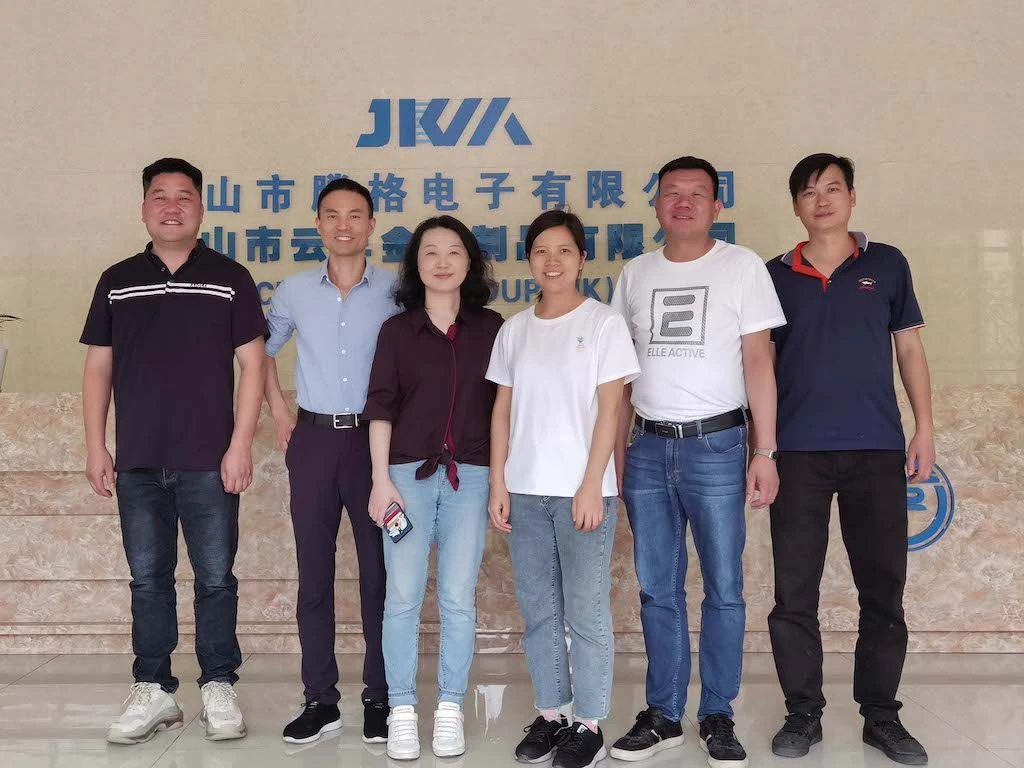
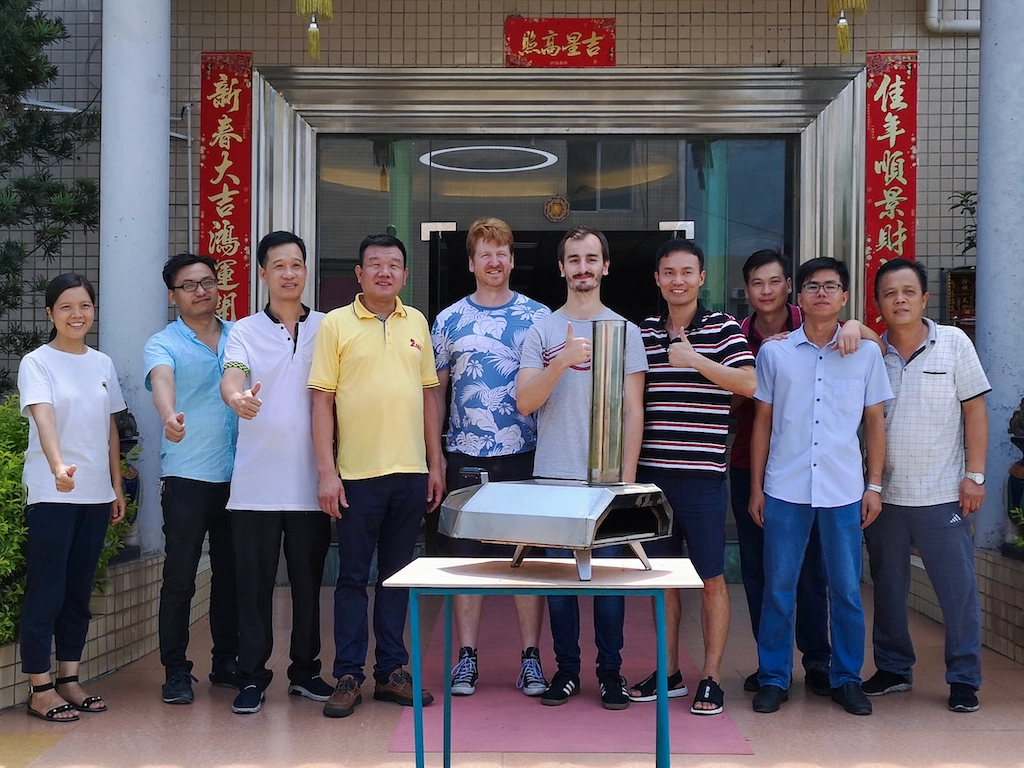
2. Visit China in person
Online platforms can be misleading. A physical visit to the factory allows you to:
- Access their machinery, production capabilities, and workforce skills first-hand. It helps to determine their suitability for your specific product requirements.
- Witness the production process allows you to evaluate their QC practices, material handling, and product finishing.
- Fosters trust and open communication, essential for long-term partnerships. You can negotiate better pricing, paying terms, and lead times directly with decision-makers.
- Uncover hidden issues like substandard working conditions, intellectual property infringement, or environmental concerns.
A visit to a Chinese supplier’s factory gives invaluable insights that cannot be obtained through online interactions or third-party reports.
3. Start small with a new supplier
Rushing into large orders with a new supplier is risky. Start with small, manageable quantities to assess product quality, supplier reliability, and overall performance. It also allows you to test the supplier’s capabilities and identify potential glitches or constraints. You can even detect areas for improvement before investing in bulk production.
4. Understand import/export regulations
For a smooth direct sourcing solution from China, it is essential to understand the specific requirements of your products and the target market [countries involved]. Understand the customs procedures, documentation needs, and potential duties or tariffs. Missing or incorrect documentation can lead to significant delays, penalties, or even product seizures. Proactive preparation and adherence to regulations are essential for a successful direct sourcing from China venture.
5. Diversify sourcing
Relying solely on a single Chinese supplier exposes your business to vulnerabilities like geopolitical instability, trade tensions, natural disasters, and economic fluctuations. Diversifying your sourcing across multiple regions will help to reduce dependency on a single supplier. It will protect your business from disruptions.
Diversification also allows you to explore alternative cost structures, quality standards, and production capabilities, potentially leading to better product offerings and cost savings.
Direct sourcing from China is a complicated process. You need in-depth market knowledge about the Chinese manufacturing landscape. Direct sourcing needs investment in time, money, and effort. Finding the right supplier can significantly reduce procurement costs and increase control over product quality.
Non-dependence on intermediaries can shorten the time spent in conversation and reporting. Direct contact with suppliers allows for promptly handling any production glitches without downtime concerns. Direct interaction builds trust and collaboration between you and the supplier, ensuring a long-term, mutually profitable relationship.
 English