
Blogs
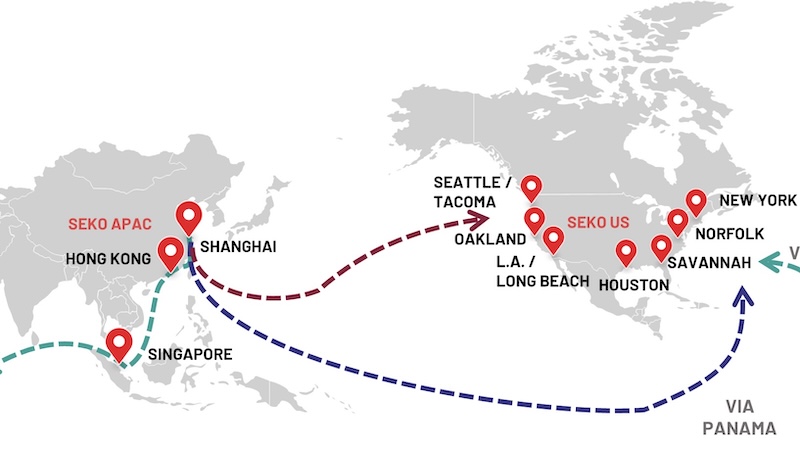
China to North America Shipping Ports: How to Choose
Mar 05, 2025
Which China and North America ports fit your goods? A plain guide for importers on export ports, arrival ports, freight cost, and peak-season delays.

What Apple Suppliers Teach Small Buyers About Sourcing
Mar 04, 2025
Copy Apple’s supplier discipline, not its supplier list. See why single sourcing gets managed rather than avoided, and what a backup really costs.
China Sourcing Agent Fees: What You Really Pay
Feb 17, 2025
Compare China sourcing agent fees properly. See the 4 charging models, what the percentage multiplies, and why the cheapest rate is often the dearest.
8 Most Profitable Items to Import from China
Feb 10, 2025
The most profitable products from China to resell are light, sell year-round, and come from deep supplier bases. See the 8 categories and their risks.
Third-Party Inspection Services in China: How to Choose
Jan 21, 2025
Third-party inspection services in China come in three kinds. Compare them on independence, accreditation, and who shows up, not on brand name.
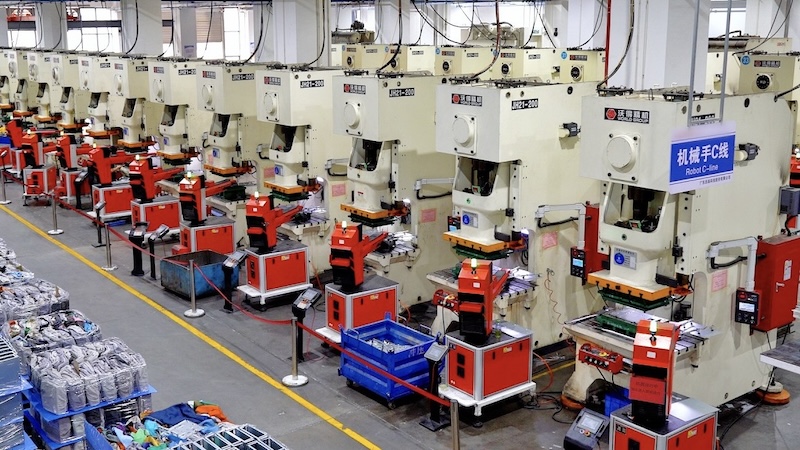
How Much Cheaper Is Manufacturing in China? 20% to 50%
Jan 15, 2025
Manufacturing in China can be 20% to 50% cheaper, but bulky or tariffed goods may lose the edge. Compare tooling, freight, duty, and inspection first.
Pre-Shipment Inspection in China: Check Before You Pay
Oct 08, 2024
Goods finished, balance unpaid: that gap is your only leverage. See when to book a pre-shipment inspection in China and how to act on the report.
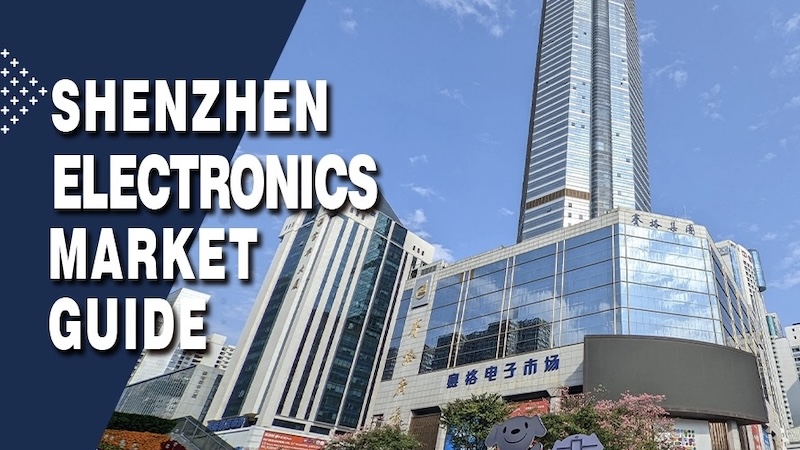
Shenzhen Wholesale Electronics Markets: What to Buy
Aug 29, 2024
A buyer’s guide to Shenzhen’s electronics markets: what each building sells, how to test on the floor, and the certificates your market will ask for.
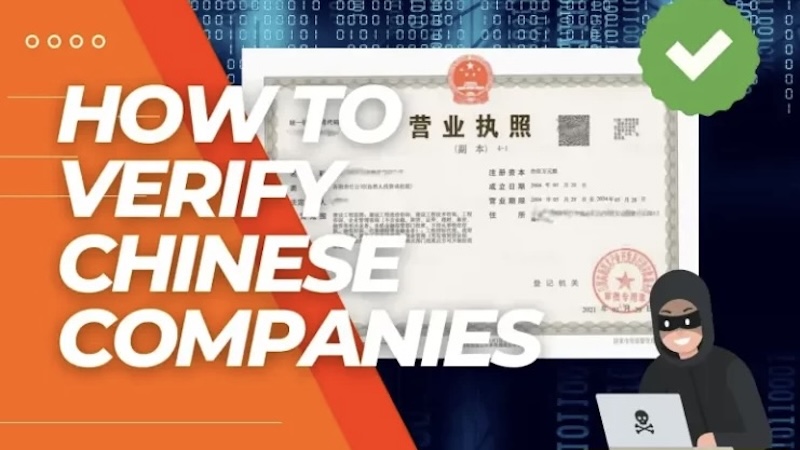
Verify a Chinese Company: 6 Checks You Can Do Remotely
Jul 18, 2024
Verify a Chinese company before you pay: check its age, registration, court and blacklist records, payment beneficiary, and whether it can deliver.
Bulk Order from China: From First Sample to Goods Ready
Jun 25, 2024
Follow a China bulk order from sample approval to production and loading. See what to put in writing, when to inspect, and when to release payment.
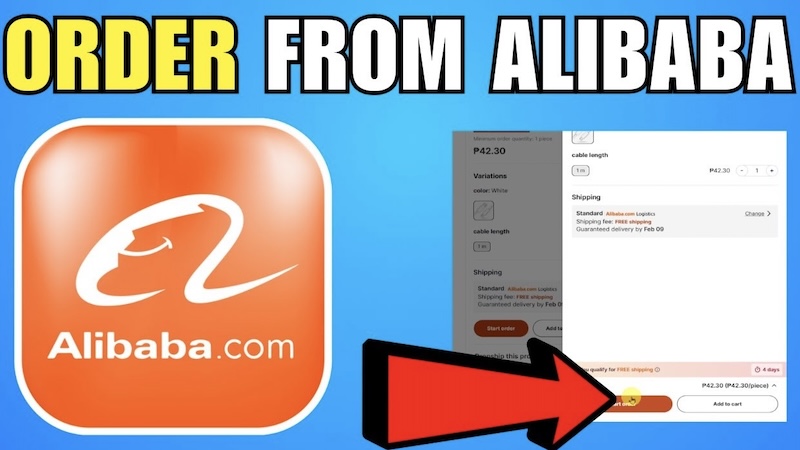
How to Order from Alibaba Safely: A Step-by-Step Guide
May 29, 2024
Learn how to order from Alibaba safely: vet suppliers, approve samples, confirm shipping, use Trade Assurance, and inspect before paying the balance.
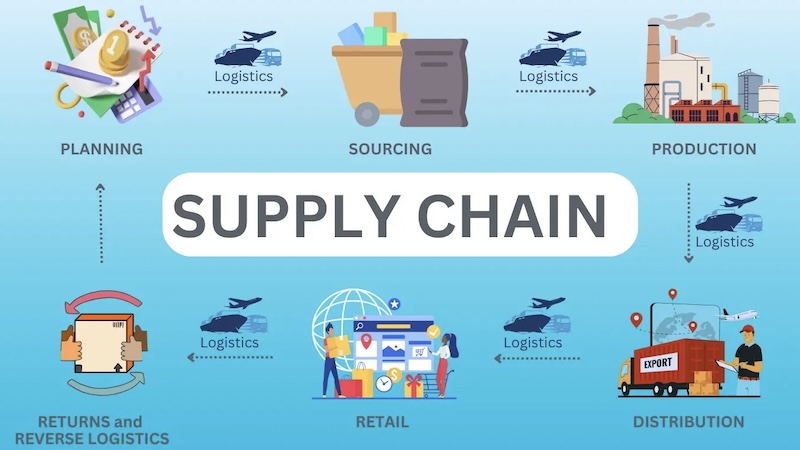
China Supply Chain Advantage: Why It’s Hard to Replace
May 21, 2024
China’s edge is component clusters, local tooling, and export scale, not low wages. See why rivals cannot copy it quickly and how importers use it.

China Prototype Manufacturing: Cost, Time, Suppliers
May 17, 2024
Rapid prototyping in China costs $50 to $3,000 and takes one to five weeks with finished files. Compare processes and shortlist the right supplier.
Ship from China to Amazon FBA: Prep It or Pay Twice
May 16, 2024
Amazon no longer prepares or labels US FBA units. See who handles prep in China, which barcode you need, carton limits, and what mistakes cost.
Is Buying in Bulk from China Worth It? The Real Math
May 13, 2024
A worked comparison of two order sizes: what falls, what barely moves, and what rises. Where the discount stops paying and the cash starts hurting.