How to Order from Alibaba Safely: A Step-by-Step Guide
A safe Alibaba purchase runs through Trade Assurance, carries the full specification in its order terms, and ties the final payment to an inspection. Do that and the balance stays in your hands until the goods are right, with a real claim channel behind you. Skip it and you are trusting a stranger with your deposit.
| Order step | The safer route | The costly one |
|---|---|---|
| Order setup | Trade Assurance order | Off-platform deals |
| Written terms | Full specification, milestones | Terms left in chat |
| Deposit stage | Deposit now, balance later | Full amount upfront |
| Inspection stage | Checked before payment | Release on trust |
| Dispute stage | Claim on the order | Arguing off-channel |
The order you build is the safety net, so most of the work happens before you pay anything.
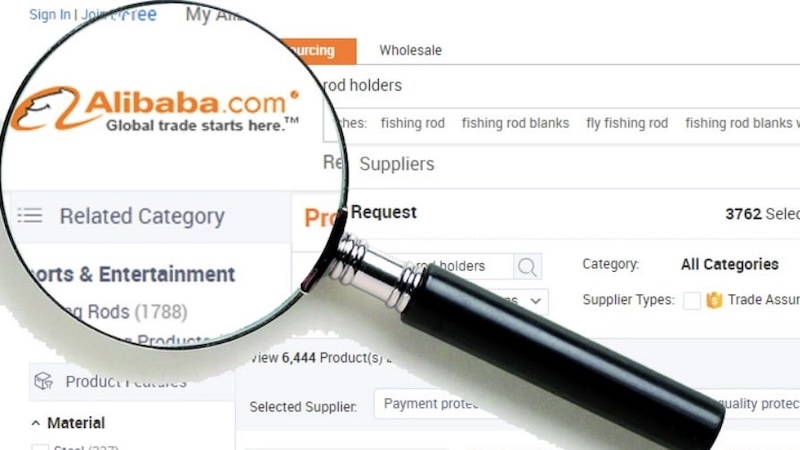
Step 1: Start From Suppliers You Already Vetted
Ordering starts after the vetting, not before it, so come to this step with a shortlist you already trust. Finding real makers, reading the assessment report, and separating a factory from a trader are the job of choosing a verified supplier, and the ordering process assumes that work is done. Bring two or three suppliers who answered clearly and match your product, not the single cheapest listing.
Alibaba is one of several Chinese wholesale websites, and the protection you get differs on each. Here the safety comes from how you build the order, not from a badge on the listing, so every step below adds a layer the one before it cannot.
Machinery and technical components deserve one check before you start, since a supplier who reads a drawing correctly is easier to find where industrial categories run deeper. That is what Made-in-China vs Alibaba compares.
Step 2: Get a Real Quote and a Sample
A vague inquiry gets a vague price, so spell out your exact requirements before you ask for a number. Send a clear quote request covering materials, dimensions, packaging, quantity, and timeline, so suppliers quote the true product and you can compare offers fairly. A supplier who engages with the detail is usually a safer bet than one who only fires back a price.
Before any bulk order, order product samples and test them against that specification. A signed, tested sample costs almost nothing next to a wrong container, and it becomes the standard the full run must match.
Holding a factory to that signed sample months later, when the run is already on the line, is what we take over under order management.
Step 3: Confirm Shipping Terms and Total Cost
A low unit price can turn expensive once freight, duties, and destination charges pile on, so settle the shipping terms before you create the order. A quote that looks unbeatable at the factory gate can land as an ordinary price once everything is counted.
Confirm the trade term, the shipping method, the delivery address, the carton sizes and weight, who books the freight, who clears customs, and who pays the duties and local charges.
Match the trade term to who actually does the work. If the supplier quotes DDP, where they deliver with duties paid, confirm who acts as the importer of record, the party that legally brings the goods into the country, and exactly which charges are included.
Under FOB, you arrange the main freight from the port of shipment. Under EXW, you normally arrange factory pickup, export handling, and the main freight, so get a complete shipping estimate before you pay the deposit.
Step 4: Build a Protected Order Through Trade Assurance
Split the money into a deposit that starts production and a balance due before shipment, so real money stays on the table until the goods actually exist. Paying inside the platform puts the agreed terms on record and opens a claim channel, though what it actually covers depends on the order’s eligibility, the protected amount, and the current policy rather than on the payment alone.
Write the terms in full rather than leaving them in the chat. Put the material and grade, sizes and tolerance, packaging and labeling, the approved sample reference, the ship date, the shipping responsibilities, and the inspection into the order, including the line that nothing ships before you release it in writing.
Then close the gaps that written terms alone leave open. Ask the supplier to confirm each specification line by line, name the drawing and sample versions the order runs on, and state that nothing changes without your written approval.
Step 5: Make the Balance Depend on an Inspection
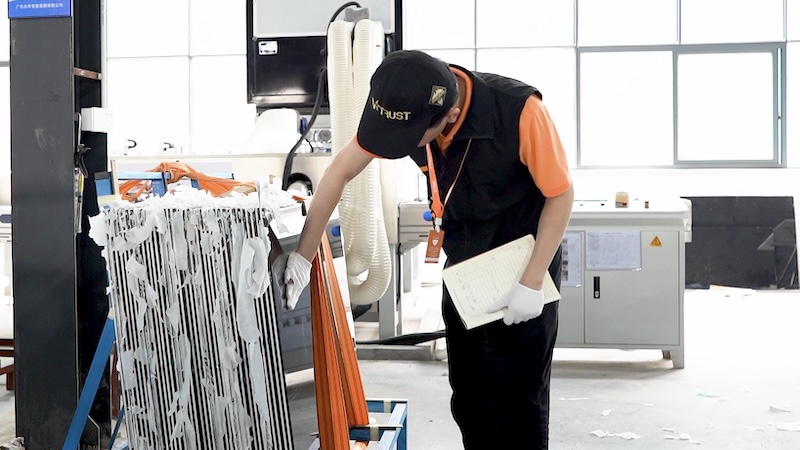
The balance payment is your one real moment of leverage, so spend it on proof, not trust. Arrange a pre-shipment inspection against your approved sample before you release the final payment. A good check confirms the quantity, tests function and finish, and photographs the packed cartons. With the release condition written into the order, a supplier who ships anyway has broken a term you can point to.
Catching a wrong material, a miscount, or a defect at the factory costs a fraction of finding it after the container lands. Releasing the balance before you inspect throws away the leverage the order structure just handed you, which is where many “Alibaba went wrong” stories actually begin.
How a Trade Assurance Claim Actually Works
If the goods miss the agreed terms, the claim runs on the order, which is why every detail went into it. Open the dispute inside the order rather than arguing off-channel, then submit the order terms, the approved sample, and the inspection report as evidence.
Alibaba mediates first and decides the case if the two sides cannot agree, so a clear, documented gap between the order and the batch is what the review actually rests on.
Raise the problem quickly and let the record do the arguing. The deadlines, the coverage limits, and what to do if you already paid off-platform sit in the full account of the risks on Alibaba.
FAQ
Q1: Is the Alibaba order enough, or do I need a separate contract?
For most routine orders, that protected order is the platform’s main record of the terms both sides accepted and the starting point for any claim. A separate signed purchase agreement is worth adding for large, custom, or high-value orders that need more detailed obligations and legal remedies.
Q2: How small an order can I place, and can I negotiate the minimum?
Minimums vary widely, and many suppliers will lower a first-order minimum if you ask, especially when you signal repeat business. Confirm the real minimum for your exact specification, since some listings show a low number that rises once you request customization.
Q3: The supplier’s English is limited, so how do I keep the order clear?
Put everything in writing, use short numbered points, and confirm key details with photos and drawings rather than long paragraphs. For a complex product, a bilingual specification sheet removes most of the room for misreading.
Q4: Can I place a Trade Assurance order for a fully custom product?
Often, though coverage depends on the supplier, the order, and how precisely the custom work is specified. Write the drawings, tolerances, and sample references into the order, and do not assume tooling or development work is protected the same way the goods are.
Q5: What if the supplier misses the ship date written in the order?
A ship date inside the order gives you a documented basis for a claim, unlike a date promised only in chat. Raise it on the platform as soon as it slips, since a delay recorded against the written order is what any remedy rests on.
Q6: Can I accept partial shipments instead of one full batch?
Partial shipments can work, but confirm how each one affects your inspection before you agree. Accepting and paying for an early batch before the rest is made weakens your hold over everything still in production.
Q7: Will a supplier who made a great sample handle my full order volume?
A good sample proves the product, not the capacity, so confirm they can produce your quantity on your timeline before scaling. Ask about their line, their current workload, and whether a rush order would push yours behind bigger clients.
Q8: Do repeat orders with a trusted supplier still need the full process?
The vetting eases once a supplier is proven, but keep the order on the platform and keep an inspection on anything high-value or changed. A clean track record lowers the odds, not the cost, of a bad batch slipping through.
Conclusion
Ordering from Alibaba goes wrong when buyers treat it as shopping. Treat it as sourcing, and the protected order, the specification you wrote, and the inspection turn the platform’s tools into real protection.
A good supplier can still produce a bad order. We set the milestones and run the pre-shipment check under order management, while the specification, the market requirements, the payment authority, and the import side stay with you.