Maple Sourcing Ltd.
Maple Sourcing Ltd.
We Make Your Sourcing Easy!
Need help? sales@maplesourcing.com
English
Maple Sourcing Ltd.
Maple Sourcing Ltd.

What Makes China's Supply Chain Impossible to Replace?

Published:
Updated:
5841 Views
Table of Content [Hide]

    Every few years, a new headline declares the end of China’s manufacturing dominance. Rising wages. Geopolitical risk. Trade tariffs. A pandemic. And yet, by 2026, China still remains the world’s largest manufacturing powerhouse and one of the most important export economies by a considerable margin.

    Why is it so hard to shift?

    The answer is not a single advantage. It is the combination of infrastructure, supplier density, skilled workforce, and accumulated industrial knowledge — built over four decades — that creates an ecosystem competitors cannot replicate by simply offering lower wages or cheaper land.

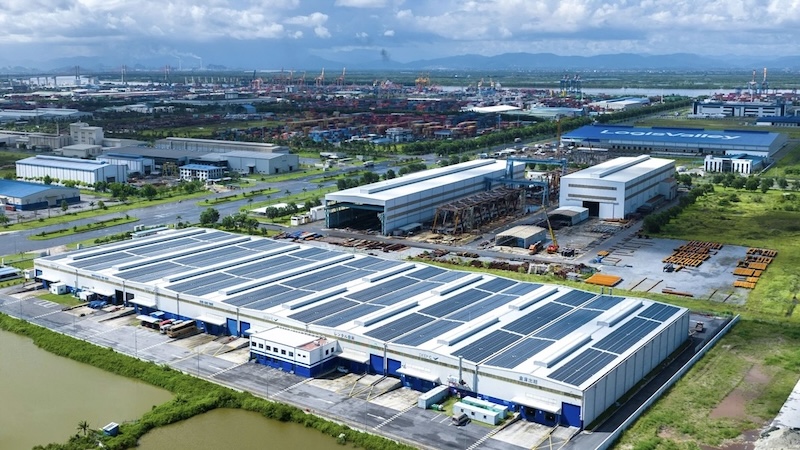
    Aerial view of China industrial cluster

    The Ecosystem Advantage No One Talks About

    The most important thing about China’s supply chain is not any single element. It is how tightly everything connects.

    A product manufacturer in Guangdong can often source materials, components, tooling, packaging, and logistics support within the same regional ecosystem — sometimes within the same city or industrial cluster. In many alternative manufacturing markets, that same supply chain may span multiple suppliers, longer transport routes, or even several countries.

    This density is the result of decades of industrial clustering, infrastructure investment, export growth, and supplier specialization. China’s manufacturing clusters — Shenzhen for electronics, Foshan for furniture, Guangzhou for apparel, Wenzhou for shoes, electrical products, and light industrial goods — developed into concentrated regional supply chains that reduce friction at every step.

    When buyers compare cost of manufacturing in China versus alternatives, they often calculate labor cost only. The real comparison includes supplier proximity, tooling availability, component access, and logistics efficiency. On those measures, the gap is wider than the headline numbers suggest.

    Infrastructure Built for Export Scale

    China has invested heavily — and consistently — in the physical infrastructure that makes efficient manufacturing possible.

    Ports: Many of the world’s busiest container ports are in China, including Shanghai, Ningbo-Zhoushan, Shenzhen, Guangzhou, Qingdao, and Tianjin — handling export volumes at a scale few countries can match.

    Rail and road: The world’s largest high-speed rail network connects manufacturing hubs to ports and to each other. Domestic rail and road networks move inland goods to coastal ports far faster and more predictably than in many emerging manufacturing markets. The road network provides overland logistics that rivals almost any market.

    Warehousing: Cold storage, bonded warehouses, free trade zones, and automated distribution centers are concentrated near major manufacturing clusters and ports. This reduces dwell time between production and export, which directly affects lead times for importers.

    Digital infrastructure: Real-time tracking, automated customs declarations, and integrated logistics management platforms are common among major Chinese freight companies. In many major export hubs, digital customs and logistics systems reduce paperwork delays and make export coordination faster.

    The Scenario That Shows What “Density” Means

    An importer designs a new consumer electronics product — a smart air quality monitor with a custom enclosure, a circuit board with specific sensor components, a rechargeable battery pack, and branded retail packaging.

    In a country without China’s supply chain density, sourcing these components involves four or five separate suppliers, potentially in different countries, each with their own minimum order quantities, lead times, and logistics arrangements.

    In Shenzhen and the Pearl River Delta, a sourcing agent can locate all five components within the same regional supply chain, with suppliers who have experience making exactly these types of parts, with MOQ options that are often more flexible than buyers expect. Assembly can happen at a fifth location nearby. The entire supply chain, from components to finished packaged product, operates within one regional ecosystem.

    The timeline difference: multiple weeks longer in a fragmented multi-country supply chain versus a tighter regional supply chain. For a seasonal product, that is the difference between launching on time and missing your window.

    This is not a hypothetical. It is the calculation many experienced importers run before deciding where to manufacture. The conclusion tends to be the same: The conclusion tends to be the same: the time and logistics savings of China’s cluster structure often offset higher per-unit labor costs, especially for multi-component products.

    Technology Is Reinforcing the Gap

    China’s supply chain advantage is not static. Technology adoption continues to make parts of the system more efficient.

    Automation: Chinese manufacturers have been investing in robotics and automated assembly at a rapid pace. Labor costs in coastal manufacturing cities have risen significantly over the past decade — factories responded by automating rather than relocating. The result is that many Chinese factories use automation to reduce labor intensity and improve productivity, even as wages rise.

    Data systems and production software: Factory management systems that integrate production scheduling, quality data, inventory levels, and logistics booking are increasingly common at mid-size and larger facilities. These systems reduce downtime, catch quality deviations earlier, and improve on-time delivery rates.

    E-commerce and B2B platforms: China’s digital commerce infrastructure means that international buyers can identify suppliers, compare options, request samples, and coordinate orders with less friction than in many other sourcing markets. Alibaba, 1688, and comparable platforms give buyers broad initial visibility into supplier options, though verification is still required.

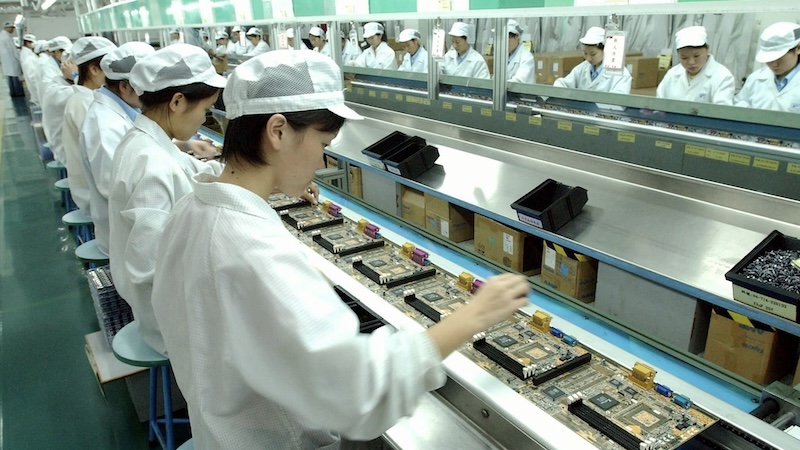
    Robots on automated factory assembly line

    What This Means for Buyers in Practice

    Understanding why China’s supply chain is strong is useful. More useful is knowing how to take advantage of it.

    Specialization: The cluster structure means that if you know which city or region specializes in your product category, you can access a concentration of relevant suppliers, component makers, and production expertise that a general sourcing search will not surface. A buyer sourcing stainless steel kitchenware will find a different quality and depth of options in Guangdong’s kitchenware and metal products clusters than on Alibaba’s front page.

    Speed through consolidation: Consolidating orders from multiple factories into a single shipment is straightforward in China specifically because suppliers in the same region can deliver to a single consolidation warehouse. This reduces freight costs and simplifies customs. In a geographically fragmented supply chain, this is far harder to execute.

    Local expertise: Working with a China sourcing agent adds local knowledge that an overseas buyer usually cannot replicate quickly from overseas — supplier relationships, knowledge of which factories are genuinely manufacturing versus trading, access to factories not listed on English-language platforms, and the ability to manage quality control and logistics on the ground.

    Supplier depth: For most product categories, China offers more supplier options at more price points than most alternative markets. This competition keeps prices down and gives buyers more leverage in negotiation. Verifying Chinese suppliers before committing is essential — the supplier depth is an advantage only if you can identify the right ones.

    Why Alternatives Have Not Caught Up

    Vietnam, India, Bangladesh, Mexico, and other manufacturing markets have absorbed some production — particularly in apparel, footwear, and lower-complexity assembly. But none has replicated China’s supply chain ecosystem across the same breadth of categories.

    The reason is time, and the nature of what was built.

    The semiconductor supply chain in Taiwan, for example, took decades to develop and cannot simply be replicated by building a factory in a new location. The same principle applies to China’s general manufacturing ecosystem. China’s industrial clusters were built over 40 years of concentrated investment, policy support, and accumulated manufacturing knowledge. The electronics cluster in Shenzhen did not emerge because wages were low — it emerged because engineers, component suppliers, tooling makers, assembly workers, and logistics providers all concentrated in the same geography over decades.

    A country that starts building a manufacturing base today is unlikely to replicate that fully in five or ten years. What it can do is attract specific industries where it has comparative advantages — but that is different from offering the full-ecosystem capability that China provides.

    For buyers, this matters because it shapes what is realistic to source where. High-volume, simple assembly work has genuinely shifted toward lower-cost countries in some categories. Complex, multi-component products with tight specifications and short lead times remain most efficiently sourced from China in most cases. The advantages of sourcing from China are real, but they are strongest in specific product types and categories.

    China vs Alternative Manufacturing Markets

    Factor China Southeast Asia India Mexico
    Supply chain depth Very high Growing Moderate Limited
    Infrastructure quality World-class Varies Improving Good near border
    Component access Extensive Limited Growing Limited
    Lead times Short (cluster proximity) Longer Longer Short (US proximity)
    Labor cost Medium Lower Lower Medium
    Complexity capability High Low-medium Medium Low-medium
    Best for Broad product range Labor-intensive assembly Textiles, IT US-bound, tariff-sensitive

    This is a broad comparison — each country has strong categories and weak categories. No column is a reason to exclude an alternative market. The combination of factors — particularly supply chain depth and infrastructure — is what makes China difficult to replace across a wide product range.

    FAQ

    Q1: Are Chinese factories still cheaper than alternatives in 2026?

    Depends on the product. For labor-intensive, low-skill assembly, some Southeast Asian markets are now cost-competitive. For complex products requiring deep supply chains, proprietary tooling, or high precision, China typically remains cost-effective when total landed cost is calculated — not just labor rates.

    Q2: How much has automation changed Chinese manufacturing?

    Significantly in higher-end factories. In some higher-end factories, robots now handle assembly steps that were previously manual, particularly in electronics, automotive components, and precision manufacturing. Smaller workshops remain more labor-intensive. The tier of factory matters more than ever.

    Q3: Does geopolitical risk make China sourcing less reliable?

    It adds a layer of planning that did not exist before. Tariffs between China and specific markets (notably the US) have shifted the economics for some categories. Many experienced importers now evaluate a China-primary strategy with contingency options in alternative markets. Total decoupling from China’s supply chain is difficult for most product categories.

    Q4: What products are genuinely better sourced outside China now?

    Basic apparel and footwear in price-sensitive categories often go to Bangladesh or Vietnam. Some US-bound products have shifted to Mexico for tariff reasons. But for electronics, custom products, tooling-heavy goods, and multi-component products requiring deep supply chains, China often remains the strongest option.

    Q5: How do I take advantage of China’s cluster structure as a buyer?

    Know which region specializes in your product before searching. A sourcing agent with regional expertise can identify the right cluster and the right tier of factory far faster than a general online search. The cluster structure exists whether or not you know about it — buyers who use it strategically get better prices and shorter lead times.

    Q6: Is the “China + 1” strategy worth it?

    For large importers with significant exposure to one country, it is often worth evaluating. Adding a secondary supplier in Vietnam, India, or another market provides backup and mitigates tariff risk. For smaller importers, the management overhead of a dual-country supply chain often outweighs the risk reduction.

    Q7: What is China’s biggest supply chain weakness?

    Concentration risk. When disruptions hit — a port closure, a factory district lockdown, a regional flood — the same density that makes China efficient can amplify the impact. Buyers with diversified sourcing (multiple factories, multiple regions within China) manage this better than those dependent on a single supplier.

    Q8: How long will China maintain this supply chain advantage?

    The ecosystem depth is unlikely to disappear quickly. What may change is the cost competitiveness in specific categories as wages rise, and the political economics of trade routes. The structural advantage — density, infrastructure, component access, tooling capability — is likely to persist for the foreseeable future.

    Conclusion

    China’s supply chain is not dominant because of cheap labor. Labor costs have risen substantially over two decades. It remains dominant because of what was built around the labor — the infrastructure, the clusters, the component networks, the logistics systems, and the accumulated manufacturing knowledge.

    Few countries can match China’s combination of scale, speed, ecosystem depth, supplier density, and cost efficiency across as many product categories. That is why sourcing from China remains the default for many importers in complex or multi-category sourcing programs, and why alternatives remain alternatives rather than replacements.

    For buyers trying to turn China’s supplier depth into a usable sourcing plan, China product sourcing services help identify, verify, and manage suppliers across the country’s major manufacturing regions.

    Need help managing China purchases?
    We help compare quotations, confirm order details, coordinate suppliers, and keep China purchasing work moving with fewer surprises.
    Aaron Li
    I’m Aaron Li, a sourcing expert. Since 2012, I’ve helped 300+ startups source from China and manage product standards. Here, I share practical answers to common questions about sourcing and quality control.
    All Articles
    How to Calculate Landed Cost from China: Formula + Example
    CIF vs FOB Shipping from China: Which Should You Use?
    Carton Shipping Marks: What Importers Should Specify
    Where to Source Products for Retail Arbitrage in 2026
    Chinese Wholesale Websites: Which One Should You Use?
    Senior Living Products from China: What Importers Should Source in 2026
    Wholesale Home Decor from China: What Retailers Should Check
    How to Source Solar Panels from China: A Buyer's Guide
    Can You Get Free Samples from Chinese Factories? Here's How
    Dollar Store Products in Africa: What Sells Best from China
    Private Label Sourcing from China: The Pros, Cons, and What Most Sellers Get Wrong
    4 Risks of Buying from Alibaba Before You Pay
    How to Find Wholesale Suppliers for Small Businesses
    CBM Calculator for Ocean Freight: Formula and Examples
    Profitable Ecommerce Niches: How to Find Gaps Before You Source
    Proforma Invoice or Commercial Invoice? What Every Importer Needs to Know
    Gross vs Net Weight in Shipping: What to Check
    Direct vs Indirect Sourcing: How to Choose the Right Model
    How to Write a Quote Request That Gets Real Prices
    Supply Chain Trade-Offs: Cost, Speed, and Risk
    How Much Does It Cost to Start an Import Export Business?
    China's Major Logistics Companies: Who They Are and What They Do
    How to Get a Supplier to Lower the Price, Not the Quality
    The Hidden Costs of Importing from China That Eat Your Margin
    Sourcing from China for Amazon: What Most Sellers Get Wrong
    Custom Packaging from China: How Small Businesses Can Start
    Supplier Quality Audit in China: What to Check and Why
    China Manufacturing Hubs: Which Region Fits Your Product?
    Made in PRC: What the Label Means and Why It Matters for Importers
    FCL vs LCL Container Shipping: Which Is Right for Your Order?
    Sea Freight vs Air Freight: The Real Cost Difference and When to Use Each
    Top Toys to Import from China: What’s Selling in 2026
    China to Canada Shipping: How to Cut Freight Costs
    Alibaba vs AliExpress: Which Platform Should You Use?
    China to USA Imports: How to Navigate Tariffs Without Losing Your Margin
    OEM or ODM? How China Manufacturers Define the Difference
    How to Protect Your Product Idea When Outsourcing from China
    FOB vs EXW for China Imports: What the Difference Really Costs You
    1688 Purchasing Agent: How to Buy from China’s Domestic Market
    Yiwu Market Product List: What to Buy and What to Avoid
    What Is 4PX Shipping? Delivery Times, Tracking, and Delays
    DHL Shipment On Hold? What to Do and Who Fixes It
    Best Taobao Agent for Kitchen Products: What to Look For
    Can You Trust an Alibaba Verified Supplier for Quality?
    Foshan Furniture Market Guide: What to Buy, What to Check
    Guangzhou Fabric Market Guide: What to Buy, What to Avoid
    Is the Canton Fair Worth It for a First-Time Buyer?
    Why Huaqiangbei Electronics Market Is Becoming Risky for Importers
    China Electric Toothbrush Suppliers: What to Check
    Bag Manufacturers in China: How to Find One That Can Execute Your Design
    Managing Sample Orders in China: Why What You Imagined Isn't What You Get
    Top 5 Shipping Documents Every Importer Must Know
    Procurement Life Cycle: Step by Step for Logistics
    Top Beauty and Healthcare Products on Amazon: Seller Risks
    Can Your Factory Actually Deliver? How to Check Before You Order
    Top 10 Wholesale Markets in China: Which One Fits Your Product?
    Why Are So Many Toothbrushes Made in China?
    Shenzhen's Best-Known Products: From Electronics to Innovation
    Lower MOQ, Same Supplier: Negotiation Tactics That Actually Work
    Why Brands Use OEM Instead of Their Own Factories
    Why Smart Importers Consolidate Shipments from Multiple Suppliers
    10 Profitable Products to Import from China to Europe (2026)
    Key Shipping Ports in China and North America for Importers
    What Apple's China Suppliers Teach Small Buyers in 2026
    Incoming Quality Control in China: What Buyers Need to Know
    China Sourcing Agent Fees: Hidden Costs and Real Rates (2026)
    8 Most Profitable Products from China to Resell in 2026
    Why Are Most Things Made in China? The Real Reasons Behind the Label
    Inspection Companies in China: How to Choose in 2026
    How Much Cheaper Is Manufacturing in China?
    Customized Products from China: 4 Trends Buyers Should Check
    China Pre-Shipment Inspection Process: What Buyers Need to Know
    Global Sourcing Challenges: What Goes Wrong and How to Fix It
    How to Source Electronics from Shenzhen Markets
    How to Verify a Chinese Company Without Visiting China
    Bulk Order from China: 7 Checks Before You Pay
    How to Order from Alibaba Without Losing Your Deposit or Getting the Wrong Product
    What Makes China's Supply Chain Impossible to Replace?
    Rapid Prototyping in China: Get Samples Faster
    China FBA Sourcing: What Amazon Sellers Must Know Before the First Order
    Buying in Bulk from China: Is It Still Worth It?
    Sourcing LED Lights from China: 6 Checks Before You Order
    How a China Sourcing Service Saves You Time, Money, and Costly Mistakes
    How to Contact Chinese Factories and Get a Reply
    China Manufacturing: 8 Steps to Keep Orders on Track
    Kitchen Products from China: 7 Supplier Mistakes to Avoid
    6 Practical Checks to Find the Best Products to Import from China
    Trendy Electronics from China: What’s Selling in 2026
    Chinese Supplier Search: How to Shortlist the Right Ones
    Shenzhen Sourcing Agent: Best for Electronics and Tech Sourcing
    Hardware Import from China: What Buyers Must Check First
    China Direct Sourcing: When It Helps and When It Hurts
    China Supplier Management: 5 Things to Lock Down
    Direct Product Sourcing in China: A Beginner's Complete Guide
    China Outdoor Product Suppliers: What Separates Good from Bad
    China Buying Agent: When You Need One and When You Don’t
    Manufacturing in China: What’s Changed and What Hasn’t
    The Real Cost of Managing China Procurement In-House
    Metal Products from China: 6 Checks Before You Order
    How a China Sourcing Agent Helps Amazon Sellers Scale Fast
    Read More
    References
    Our Features
    Custom Products
    Turn concept to reality
    Quick Response
    Within 24 hours
    Detail Oriented
    Strive for perfection
    Assured Quality
    100% Guarantee