
What Apple Suppliers Teach Small Buyers About Sourcing
The useful lesson from Apple is not that it dual-sources everything, because its own filings say it does not. Apple discloses single-source dependency as a risk it carries and manages, which is a far more realistic model for a small importer than a supply chain nobody can afford.
| What Apple discloses | What you can copy |
|---|---|
| Some critical parts single-sourced | Know which parts lack alternatives |
| New products use sole-source parts | Own your tooling and drawings |
| Supplier changes take time | Qualify before you need it |
| Many criteria, not just price | Judge on evidence you gathered |
The company with the most leverage in consumer electronics still carries this exposure, so you will too.
What Apple Actually Discloses About Single Sourcing
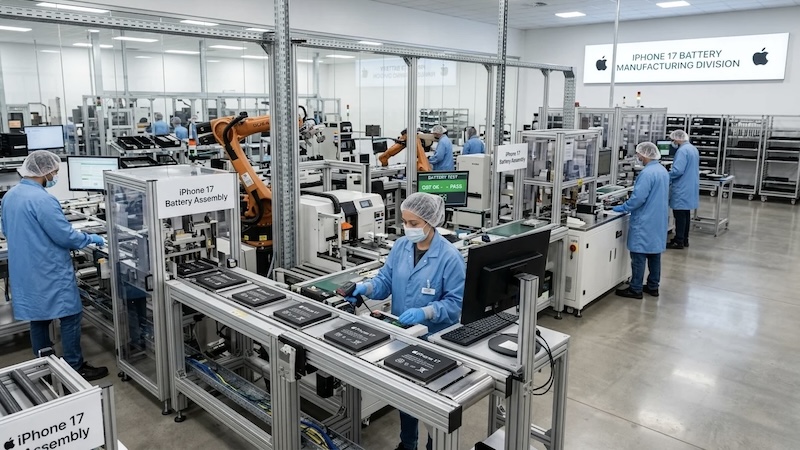
Apple’s annual filing states that some components are currently obtained from single sources, and that custom components made for a new product often come from one supplier. It lists that concentration among its risk factors rather than among its solved problems.
The same filing says adding or replacing a supplier takes significant time and resources. A qualified alternative is not a switch you flip, which is the part small buyers get wrong about their own backup plans.
Knowing what a plant is actually doing between your orders, rather than only when something goes wrong, is what manufacturing control is for.
A small buyer faces the same structure with none of the cushion. When a supplier fails Apple, the damage lands as a delayed launch and a scramble to reallocate work. When one fails you, the product itself can stop, and that exposure is the normal condition of manufacturing in China.
Measure Your Recovery Time, Not Your Supplier Count
One qualified alternative shortens recovery, and shortening it is the whole return on the work. How much depends on whether the tooling can move or has to be copied, whether the materials are available, where the plant can fit you in its schedule, and how long re-approval and any retesting take.
Rebuilding from nothing means finding a plant, transferring drawings, cutting tooling, running samples, and proving a first production batch, and none of those steps compress under pressure.
Write down what recovery would actually require for your main product. Who holds the tooling, whether the drawings and the approved sample are in your files or the supplier’s, and how much of the specification exists only in an email thread. Those three answers set your recovery time more than the number of suppliers on your list.
The factory you can move to quickly is the one you started qualifying last year. Starting that work the week your supplier stops is how a short gap turns into a season.
Judge Suppliers on Evidence You Gathered
Read Apple’s risk factors together and the picture is a company weighing supply, capacity, quality, cost, and commercial terms at once rather than ranking them. It does not publish a scoring framework, so treating any single factor as the deciding one is guesswork.
What is worth copying is the insistence on measured evidence. Pass rates and defect rates tracked across production runs turn supplier performance into numbers you can compare. A decline shows up in them well before it shows up as a rejected shipment.
A one-time audit and long-run data answer different questions. A supplier quality audit checks systems, equipment, staffing, and how the floor actually runs on the day, and it cannot tell you whether the plant hits the same measurements across ten batches. Consistency only shows up in defect records gathered over several orders, which is why the audit is the start of the file rather than the whole of it.
Copy the System, Not the Supplier List
Size is not the filter, and a big group can sometimes take a small project through a different division or an affiliated plant. What decides it is the minimum, your share of that plant’s revenue, engineering support, whether the line suits your product, and whether they will produce the documents you need. Judge on those, and a mid-market specialist with real Shenzhen consumer electronics experience often wins.
Put candidates through the same test rather than reading their quotes side by side. Send two or three shortlisted plants the same specification and the same questions, because a structured way to compare Chinese suppliers surfaces differences a price sheet hides completely.
Tie the balance to a result rather than to a date. Write supplier payment terms so the final payment falls due after an inspection passes and the documents your order requires are in your hands, since goods can pass on appearance and count while the paperwork fails. It is the one piece of leverage a small buyer has, and the one most readily signed away.
What the Backup Actually Costs You
A second qualified supplier is a real bill, and pretending otherwise is how the plan gets abandoned halfway. On a custom product it can mean a second tool, several sample rounds, a first-order minimum, and repeat compliance testing, none of which the first supplier’s history pays for.
A passed sample is not a proven supplier. Samples get built under closer supervision than production does, which is why good samples turn into disappointing first runs. The evidence you need runs from prototype to mass production rather than stopping at the approved sample.
Price the work before you start it, then decide what to buy. On a standard product bought off an existing line the qualification cost is small and worth paying early. Where tooling is involved the number gets large enough to weigh against the alternative. Keeping drawings, tooling ownership, and specification records in your own files can buy more recovery speed per dollar than a second plant.
Keep the two problems separate. A second factory in the same cluster covers one plant failing you on quality, capacity, or price, while a second country covers a port closure or a tariff change and costs several times more. Most small buyers need the first, and a cluster like the one behind products made in Shenzhen is usually deep enough to supply it.
FAQ
Q1: Does Apple own any of these factories?
Mostly not. Apple relies on independent contract manufacturers with other clients, setting specifications, funding some tooling, and auditing hard, though it also discloses owning equipment installed at supplier sites.
Q2: If Apple accepts single sourcing, why should I worry about it?
Because Apple can absorb the hit and you cannot. It has the balance sheet to keep trading through a gap that would empty your shelves, and a product range wide enough that one stalled line is not the whole business.
Q3: Who should own the tooling, and why does it matter here?
You should, in writing, before the first mold is cut. Ownership shortens a move rather than deciding it, since the tool still has to fit the new plant’s machines, be in usable condition, and actually be handed over. On a specialized part, there may also be no second source able to run it at all.
Q4: What if my supplier owns the tooling and will not release it?
Then your options are buying the tool out or cutting a new one elsewhere, and the second is what usually happens. A factory that will not release tooling rarely prices it reasonably either, so budget a replacement tool into any switch decision.
Q5: How do I qualify a second plant without handing over my design?
Release in stages, giving only what a quote or a build review actually needs at each step. Sign the confidentiality agreement with the entity that will hold the drawings before the sensitive files move, and expect a serious plant to ask for a general product outline first so it can check the category and capacity fit.
Q6: Do I tell the new plant it is only the backup?
Yes, because a plant that knows it is being qualified treats the trial as an audition. What you should not do is promise volume you have no plan to place.
Q7: Will my main supplier find out that I am testing another factory?
Sometimes, and how you handle it matters more than whether it happens. Keeping the core volume in place and framing the second source as continuity rather than price pressure keeps the relationship workable.
Q8: Should I run an audit program the way Apple does?
Not at your scale, because Apple audits hundreds of sites on a schedule its own staff enforces. Buy the same information as a booked third-party audit on the one or two plants that actually carry your revenue.
Conclusion
Apple’s supply chain is not a shopping list for small buyers but a demonstration that supplier concentration gets managed rather than solved. Damage lands hardest on buyers with nowhere to go when a decent factory has a bad quarter, not on buyers who picked badly.
Defect rates that drift, a line that slips a week, and a sample that does not match the run are things a website and a video call will never show you. We watch them on the floor through manufacturing control, so a problem reaches you while there is still time to fix it.