



What is the real cost of a shipment that arrives on time but fails quality checks the moment your customer opens the box? For importers, that question sits at the center of risk management. When production is overseas, quality inspection is not just a technical step before shipping—it is a business control that protects margin, brand reputation, and customer trust.
This article focuses on China inspection services because the stakes are practical and immediate: defects found after delivery are usually more expensive than defects caught at the factory. Returns, replacements, delayed launches, and customer support pressure can quickly erase the savings that made sourcing attractive in the first place. A structured inspection process helps you confirm that product quality, packaging, labeling, and quantity match your purchase requirements before goods leave the supplier.
For buyers evaluating a China quality inspection service agency, the right starting point is clarity. Instead of asking only for the lowest fee, define what success means for your order:
Product conformity: Does the finished batch match approved samples and specifications?
Defect tolerance: Which issues are critical, major, or minor for your market and use case?
Shipment readiness: Are labeling, cartons, barcodes, and counts accurate for receiving and resale?
Decision timing: Do you need checks during production, pre-shipment, or both?
That framework makes conversations with inspection service companies more useful and comparable. It also helps you separate truly reliable inspection services from providers that offer only basic checklists. In practice, strong partners document findings clearly, escalate risks early, and apply consistent methods across repeat orders. This consistency matters when you are comparing inspection service competitors and trying to build a dependable quality system, not just pass a single shipment.
Cost still matters, but context matters more. An inspection services quote should be reviewed against scope, inspector experience, reporting depth, and turnaround time. A cheaper quote can be costly if it misses the defects that trigger claims or retail rejection later. By contrast, a well-scoped service often pays for itself by preventing avoidable losses and negotiation disputes.
A useful way to think about inspection is to compare it with insurance that also improves operations. Insurance only pays after damage occurs; inspection helps prevent damage in the first place. For example, if a buyer catches barcode mismatches before shipment, they avoid warehouse receiving delays, relabeling labor, and missed delivery windows to retail channels. Those practical gains rarely show up in a simple line-item cost comparison, yet they strongly influence total landed profitability.
As this article continues, we will break down service types, timing, report quality, and selection criteria so you can approach China quality inspection with confidence. The goal is straightforward: ensure product quality before shipping, reduce downstream surprises, and make sourcing decisions that hold up under real commercial pressure.
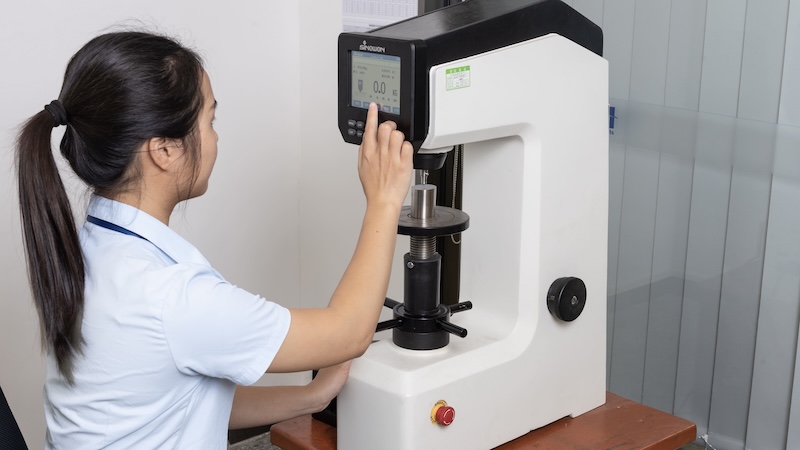 Understanding Inspection Services in China: Types and Scope
If the introduction established why inspections protect margin and brand reputation, this section clarifies what each inspection stage actually does. Knowing the scope helps you choose reliable inspection services based on risk, timeline, and product complexity—not just price.
Pre-Production Inspection verifies readiness before mass manufacturing begins. Inspectors review approved samples, raw materials, component quality, packaging specifications, and production documentation. They also confirm that the factory understands measurable standards such as dimensions, labeling, color tolerance, and function checks. For buyers, this stage prevents costly rework because issues are caught before thousands of units are produced.
In practical terms, ask for a checklist tied to your product’s critical-to-quality points. A strong China quality inspection service agency will translate your requirements into pass/fail criteria, then document findings with photos and notes you can act on immediately. When comparing inspection service companies, look at checklist depth, report clarity, and escalation speed—not only the inspection services quote.
During Production Monitoring takes place after production starts, often when 20% to 50% of units are completed. The goal is to identify process drift early, while corrections are still feasible within schedule. Inspectors sample semi-finished and finished goods, review workmanship consistency, and confirm that corrective actions from earlier findings are being applied on the line.
This stage is especially useful for first orders, complex assemblies, and seasonal launch windows where delays are expensive. It also gives procurement teams better visibility than waiting for final inspection. Among inspection service competitors, the key differentiator is how well they convert factory-floor observations into clear decisions: continue, hold, or rework. That decision support is where reliable inspection services create real business value.
Pre-Shipment Inspection is typically performed when production is complete and most goods are packed. It is the final checkpoint before balance payment and dispatch. Inspectors verify quantity, packaging integrity, labeling accuracy, visual quality, and functional performance using an agreed sampling plan. They also confirm carton marks and packing configuration to reduce receiving and distribution errors after arrival.
For importers, this is the control gate that links product quality inspection to shipping release decisions. A pass result supports smooth logistics; a fail result gives you objective grounds to pause shipment and require corrective action. If you are evaluating a Quality Inspection Service Agency, prioritize consistency in sampling execution and reporting logic so internal teams can compare results across orders, factories, and product lines.
In many buyer operations, adding a short post-inspection call creates additional value. Instead of reading the report alone, sourcing, QA, and logistics teams review findings together and decide next steps within hours. This avoids a common delay where reports are circulated but no one owns the shipment decision. Even a 20-minute decision call can protect delivery dates when cargo cutoffs are tight. In high-volume programs, this quick alignment meeting can also standardize decisions across teams, reducing the chance that similar defect patterns are treated differently from one order to the next.
Pre-production checks, in-line monitoring, and pre-shipment reviews give you coverage across the full manufacturing cycle. The next decision is who performs those checks, because the value of any inspection depends on the competence and consistency of the team behind it.
When evaluating reliable inspection services, start with verifiable quality systems—not sales language. A credible provider should clearly explain its operating standards, inspector training process, reporting protocol, and corrective-action workflow. Ask for documented proof of accreditation scope, then confirm that scope matches your product type and inspection needs.
Focus your review on practical questions:
Which management system standards govern their internal quality controls?
How are inspectors qualified, calibrated, and periodically reassessed?
How is evidence captured in reports, including photos, defect grading, and sampling logic?
What escalation process is used when critical defects are found?
How quickly can they issue a final report your team can act on before shipping deadlines?
If you request an inspection services quote, compare more than price. Two inspection service companies may quote similar rates while delivering very different rigor. A lower-cost option can become expensive if weak reporting leads to missed defects, delays, returns, or rework after goods arrive.
Standards create a baseline, but category expertise determines how well inspectors interpret real production risk. A team experienced in textiles may miss failure patterns common in electronics, furniture, or mechanical parts. For that reason, shortlisting a China quality inspection service agency should include product-specific capability checks.
Ask each provider for recent, anonymized examples of similar inspections and how they handled recurring defects. Strong firms can discuss material tolerances, function testing, packaging requirements, and acceptable quality limits in practical terms. They should also adapt checklists to your specifications instead of using a generic template.
To separate strong partners from inspection service competitors, assess operational depth:
Local inspector network near your factory locations.
Ability to scale during peak production windows.
Clear communication in reports and follow-up calls.
Consistent pass/fail criteria across different inspectors.
Support for re-inspection after corrective action.
Choosing the right partner protects shipment readiness, not just inspection compliance. A specialized quality inspection team helps you catch defects earlier, make release decisions faster, and reduce downstream cost exposure in your destination market.
After checking certifications and sector experience, buyers usually ask a practical question: what will inspections cost, and what do those fees actually buy? Clear pricing helps you compare reliable inspection services on equal terms and avoid selecting a provider only because the initial quote looks cheap.
Inspection pricing is typically built from scope, timing, and risk. The biggest driver is inspection depth: a basic visual check takes less time than functional testing, measurement, carton drop tests, or AQL-based sampling with detailed reporting. Product complexity also matters. Electronics, regulated consumer goods, and multi-SKU assortments generally require more inspector hours than simple textile or low-risk items.
Location and logistics add cost as well. Factories in major manufacturing hubs are usually less expensive to service than remote sites that require long travel. Lead time is another major factor. Rush bookings, weekend visits, and re-inspections can increase fees quickly. Finally, reporting requirements influence price. If you need photo-heavy reports, defect trend analysis, bilingual communication, or live call updates, expect a higher inspection services quote than for a standard pass/fail summary.
Most inspection service companies use day-rate or service-package pricing. While rates vary by product and city, buyers often see these working ranges:
Pre-Production Inspection (PPI): about $180 to $320 per man-day for raw materials, component checks, and production readiness review.
During Production Inspection (DUPRO): about $200 to $350 per man-day due to on-line defect checks and process verification.
Pre-Shipment Inspection (PSI): about $180 to $330 per man-day, often the most commonly requested service.
Factory Audit or Capability Audit: about $300 to $700 per audit day, depending on audit depth and checklist requirements.
Lab testing coordination: separate from on-site inspection fees, often billed per test item and standard.
When reviewing inspection service competitors, compare what each fee includes: travel, report turnaround time, rework follow-up policy, and communication support. Similar prices can represent very different service levels.
The lowest fee rarely delivers the lowest total cost. A stronger quality inspection program can reduce returns, chargebacks, emergency air freight, and repeated production delays. It also protects launch timelines and buyer trust, which is especially important for importers managing seasonal windows or private-label growth.
A practical approach is to match inspection intensity to order risk. For new suppliers or complex products, invest in broader checks early. For stable suppliers with a proven quality record, a leaner model may be enough. This risk-based method keeps spend controlled while protecting shipment quality.
If you are evaluating a China quality inspection service agency, treat price as one decision factor, not the only one. The right partner provides clear scope, predictable reporting, and actionable findings that help you prevent defects before goods leave the factory. That is where quality inspection spend becomes a measurable business safeguard, not just a compliance line item.
Price matters, but your final decision should come from performance evidence, not rate cards alone. After comparing fee structures and return on investment, this is where you separate low-cost options from reliable inspection services that consistently protect shipment quality.
When reviewing inspection service companies, focus on patterns across many reviews rather than one extreme complaint or one glowing comment. The most useful feedback explains what happened before, during, and after inspection, including report clarity, photo evidence, and response speed when defects were found.
Look for practical details such as how inspectors handled AQL sampling, whether findings matched factory reality, and how quickly the team delivered a usable report for shipping decisions. Strong reviews often mention communication quality, escalation handling, and consistency across different product categories. If multiple clients describe clear checklists, objective pass/fail criteria, and effective follow-up, that is a stronger signal than generic praise. Use these points when requesting an inspection services quote so scope and deliverables are aligned from day one.
Not all inspection service competitors are built the same. The strongest providers combine local execution depth with disciplined reporting systems that support procurement and quality teams in real time.
Key differentiators usually include:
Inspector network quality: Coverage is important, but training standards and supervision matter more for consistent outcomes.
Industry specialization: A team experienced in your product type can spot defects that a generalist may miss.
Reporting workflow: Fast, structured digital reports with clear defect grading improve shipment release decisions.
Corrective-action support: Better firms do not stop at findings; they help define practical rework and reinspection steps.
Operational transparency: Clear service scope, revision policy, and communication protocols reduce surprises.
If you are evaluating a China quality inspection service agency, compare sample reports side by side and ask how each firm handles borderline cases. This reveals process maturity faster than sales claims.
A polished website is not proof of execution quality. Watch for warning signs that can lead to delayed shipments, hidden costs, or weak defect control.
Common red flags include vague methodology, no sample report, unclear inspector qualifications, or pricing that seems unrealistically low without a defined scope. Be cautious if a provider avoids direct answers about dispute handling, subcontracting, or how they verify inspection integrity at the factory level. Another warning sign is inconsistent communication during the quotation phase, which often becomes worse under time pressure.
Before appointing a provider, run a pilot inspection on one production batch and evaluate report quality, defect evidence, and responsiveness. This practical test helps you confirm whether a provider can deliver reliable inspection services at the standard your business needs before shipping deadlines become critical.
Many importers receive inspection reports filled with defect photos but still struggle with one core question: Do we release this shipment or not? The answer is easier when your team uses a shared defect framework and a clear AQL sampling plan.
A practical inspection system groups findings into three levels:
Critical defects: Safety, legal, or severe compliance risks (for example, exposed wiring, wrong warning labels, unsafe materials). These usually require an immediate hold and correction.
Major defects: Problems that affect function, usability, or customer acceptance (for example, broken parts, wrong dimensions beyond tolerance, non-working features).
Minor defects: Cosmetic or low-impact issues that do not materially affect core function (for example, slight surface marks in non-visible areas).
Defining these categories in advance removes ambiguity when the factory challenges results. It also helps different internal teams make faster, more consistent go/no-go decisions.
AQL (Acceptable Quality Limit) is a sampling-based method that determines how many units are checked and how many defects are allowed before the lot fails. You do not inspect every unit; you inspect a statistically selected sample and compare results against pre-agreed acceptance numbers.
For example, a stricter AQL may be used for safety-sensitive products, while a slightly looser AQL can be acceptable for low-risk, non-critical goods. The key is consistency: use the same defect definitions and AQL logic across orders so supplier performance can be compared fairly over time.
To make reports actionable, align your inspection brief before production:
Define defect categories with product-specific examples.
Confirm AQL levels by defect type (critical, major, minor).
State automatic actions for each outcome (release, hold, rework, re-inspect).
Require photo evidence and quantity counts per defect type.
When this structure is in place, inspection reports become decision tools, not just documentation.
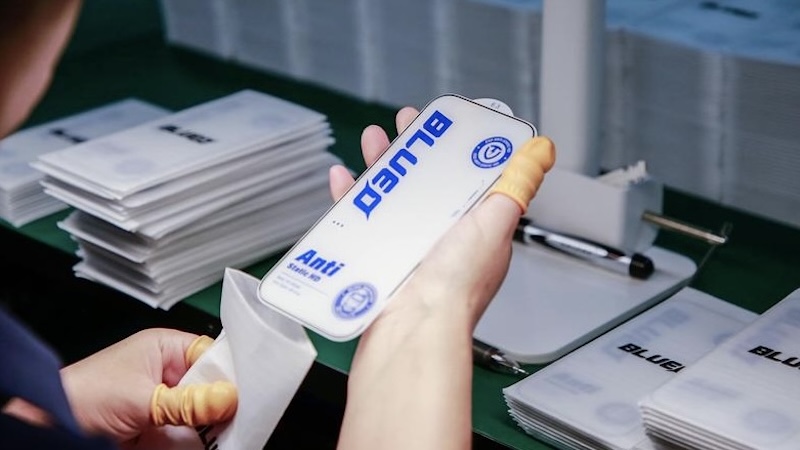
After comparing providers and spotting red flags, the practical challenge is execution. A strong sourcing plan only works when your inspection workflow is built into daily supplier communication, production milestones, and shipping decisions.
When working with manufacturers and suppliers, treat inspection as part of the purchase process, not an emergency step at the end. This shift helps you prevent avoidable delays, reduce rework, and protect margin before goods leave the factory. It also gives you better control when coordinating China direct sourcing services or a broader direct sourcing model.
Start by aligning expectations in writing before production begins. Your PO, product specification sheet, and quality checklist should all define measurable pass/fail criteria, acceptable tolerances, packaging requirements, and labeling details. Suppliers are more cooperative when they see clear standards tied to release of payment and shipment approval.
To keep execution clean, connect your manufacturer, your inspection partner, and your internal buying team around the same timeline. That usually includes a pre-production check for critical materials, an in-line inspection during early output, and a pre-shipment inspection when at least 80% of goods are packed. If quality risk is high, add container loading supervision to reduce substitution or handling issues.
A practical coordination framework includes:
Nominate inspection gates early. Confirm exact trigger points by calendar date and production percentage, so the factory cannot claim surprise visits.
Share one master quality file. Use one version-controlled document for specs, defect classifications, carton markings, and sampling rules.
Define corrective-action timing. Set response windows for defect reports, rework completion, and re-inspection requests.
Link shipment release to inspection status. Make clear that failed outcomes pause shipment until documented fixes are verified.
Review trends by supplier and SKU. Track repeat defects to decide whether to retrain, change processes, or switch factories.
Cost discussions are easier when inspection scope is matched to business risk. Instead of requesting a generic inspection services quote, specify product complexity, order volume, AQL level, and required report turnaround. Clear inputs let reliable inspection services provide accurate proposals and reduce back-and-forth. This also makes comparisons among inspection service companies and inspection service competitors more meaningful because you are evaluating like-for-like service scope.
Communication style matters as much as process design. Keep escalation factual, fast, and documented. When a defect appears, share photos, reference the agreed standard, and request corrective action with a deadline. Avoid vague messages that create room for interpretation. Suppliers typically respond better when expectations are consistent across every PO rather than changing from order to order.
In practice, integrating inspections into sourcing creates a closed loop: define standards, verify during production, correct quickly, and approve shipment only after compliance is confirmed. For importers using direct sourcing services, this approach turns inspection from a reactive cost into a planning tool that supports steady quality and fewer post-arrival surprises.
A helpful extension is a monthly supplier quality review using inspection data. Even a simple dashboard—pass rate, major defect rate, re-inspection frequency, and on-time corrective-action closure—can reveal whether supplier performance is improving or declining. Over time, this data supports better vendor allocation decisions, such as moving sensitive SKUs to better-performing factories and reducing risk concentration in weaker sites. Teams that formalize this cadence often report fewer end-of-season emergencies because quality trends are visible early, not discovered after containers are already on the water.
Strong coordination with factories and suppliers matters most when it is paired with objective verification. The core lesson is to treat inspections as a structured decision system, not a one-time checkpoint.
Define acceptance standards before production starts. Align quality expectations, tolerances, labeling, packaging, and test methods in writing so all parties inspect against the same criteria. This is the foundation for reliable inspection services and reduces disputes caused by vague requirements.
Use staged inspections to control risk earlier. A practical sequence is pre-production alignment, during-production checks, and final pre-shipment verification. This approach helps catch defects when corrections are still feasible and limits expensive last-minute surprises.
Compare inspection service companies on execution quality, not only price. A lower fee can look attractive, but consistency, inspector training, reporting clarity, and escalation discipline usually determine outcome quality. When evaluating inspection service competitors, prioritize repeatable process strength over promotional claims.
Standardize how you request and review an inspection services quote. Ask for clear scope, turnaround time, report format, revision policy, and total fees so quotes are comparable. A structured quote review prevents hidden assumptions and supports better procurement decisions.
Turn reports into operational decisions. Inspection findings should trigger predefined actions such as rework, hold, partial release, or shipment approval based on agreed thresholds. This keeps quality control tied to business decisions and preserves accountability across sourcing, quality, and logistics teams.
Start by defining your risk points: product complexity, safety requirements, and order value. Then compare proposals side by side using the same scope so pricing is meaningful. Low pricing can be reasonable for simple goods, but for complex products, extremely low bids may reduce inspection depth or reporting quality. Ask what is included in the day rate, report format, and follow-up support before deciding.
A useful inspection services quote should be specific, not generic. It should clearly state:
Inspection type (pre-production, during production, pre-shipment, or container loading)
Sampling method and quantity checked per lot size
On-site time assumptions, travel terms, and any re-inspection fees
Deliverables, including photo evidence, defect grading, and pass/fail criteria
Turnaround time for the report and escalation process for critical defects
If any of these points are missing, request clarification before approval.
Not always. Reliable inspection services are usually priced for consistency, trained inspectors, and clear reporting standards, but the best value depends on your product and failure risk. A slightly higher fee can reduce expensive downstream issues such as returns, delays, and dispute handling. Evaluate total risk cost, not just inspection cost.
Use a short comparison matrix with consistent criteria. Focus on operational fit, not marketing claims. Prioritize:
Technical capability for your product category
Report quality and defect classification clarity
Responsiveness on scheduling and issue escalation
Transparency of pricing and rework verification options
Conflict-of-interest safeguards and quality control process
This approach helps you identify which provider can execute reliably under real production timelines.
No. Inspection is a checkpoint, not a full quality system. It works best when paired with clear product specifications, approved golden samples, and documented tolerances. If your spec is vague, even a good inspector cannot enforce consistent standards. Keep ownership of standards on your side while using inspection to verify compliance.
Schedule it when at least 80% of goods are produced and a meaningful share is packed. Booking too early can create incomplete results; booking too late leaves no correction window. Confirm production status with evidence before locking the inspection date, and keep at least a small buffer before cargo cutoff.
Request a corrective action plan with deadlines, then decide whether to rework, re-inspect, or split shipment by quality level. Keep decisions tied to pre-agreed acceptance criteria to avoid subjective debates. If defects are critical, hold shipment until verification confirms closure.
Often yes, especially for new factories or first runs. For low-value, low-risk orders, you may reduce scope instead of skipping inspection entirely. A targeted check on critical functions, labeling, and packaging can still prevent avoidable problems while controlling cost.
These answers should help you move from research to execution with fewer surprises and clearer expectations.
Q1: What are the main types of inspection services available in China?
There are three primary types of inspection services in China: Pre-Production Inspection (PPI), which verifies raw materials and components before manufacturing begins; During Production Inspection (DPI), which checks quality and progress when 20-50% of production is complete; and Pre-Shipment Inspection (PSI), the most common type, conducted when 80-100% of goods are finished and packed. Additionally, Container Loading Supervision ensures proper loading procedures, and Initial Production Check (IPC) validates the first production samples. Each inspection type serves different risk management needs depending on your product complexity, order value, and supplier relationship.
Q2: How much do quality inspection services in China typically cost?
China inspection services generally cost between $200-$400 per man-day, depending on the inspection company, product complexity, and location. A standard pre-shipment inspection for consumer products usually takes one inspector one day, averaging $250-$350. More technical products requiring specialized inspectors or lab testing cost more. Travel to remote factories may include additional fees. While this represents an upfront cost, it's significantly less expensive than dealing with defective shipments, returns, or damaged customer relationships. Most importers find inspection costs represent 0.1-0.5% of order value—a worthwhile investment for risk mitigation.
Q3: When is the best time to schedule an inspection in China?
The optimal timing depends on the inspection type. Pre-Shipment Inspections should be scheduled when 80-100% of your order is complete and at least 80% is packed, typically 3-5 days before the planned shipment date. This allows time to address any issues without delaying shipping. Book inspections at least 48-72 hours in advance to ensure inspector availability. For high-risk orders, consider During Production Inspections when 30-50% complete to catch problems early. Avoid inspecting incomplete orders or rushing inspections at the last minute, as both scenarios limit your ability to implement corrective actions if quality issues are discovered.
Q4: Can I trust third-party inspection companies in China, or should I go myself?
Reputable third-party inspection companies in China offer professional, unbiased quality control services and are widely trusted by international importers. Established firms employ trained inspectors who follow international standards like ISO 2859 and provide detailed photo reports within 24-48 hours. They're cost-effective compared to traveling yourself and can inspect multiple suppliers efficiently. However, choose inspection companies carefully—verify credentials, read reviews, and start with smaller orders. Leading firms include SGS, Bureau Veritas, Intertek, and specialized agencies. For very large orders or critical products, some importers combine third-party inspections with occasional personal visits to maintain supplier relationships and verify inspection quality.
The above contents likely clarified specific concerns, but your decision still comes down to one practical goal: reduce risk before goods leave the factory. China inspection services are most valuable when they are planned early, scoped clearly, and tied to objective pass/fail criteria that protect your timeline and product quality.
Instead of comparing providers only by price, compare how each team works on the ground. Strong inspection service companies define what they will check, how findings are documented, and how quickly reports are delivered when issues appear. That level of process clarity is often what separates reliable inspection services from inspection service competitors that look similar on paper but create delays during execution.
A simple decision checklist can keep this final step focused:
Confirm inspection scope by production stage, including pre-production, during-production, and pre-shipment checks based on your risk level.
Request sample report formats and verify whether defect grading and photo evidence are clear enough for supplier corrective actions.
Ask for inspector assignment standards, escalation process, and report turnaround expectations before booking.
Compare at least two to three inspection service companies using the same checklist so the comparison is fair.
Request an inspection services quote that breaks out service scope, travel assumptions, re-inspection terms, and total cost.
With that structure, you can make a confident, decision-oriented choice rather than a rushed one. Your concrete next step is to send one standardized brief to shortlisted providers today and request a matched inspection services quote from each. When every provider is quoting the same scope, you can evaluate quality, responsiveness, and total value with much less uncertainty.
 English