In today's interconnected global marketplace, businesses across the United States face a critical challenge: how to move products efficiently from overseas manufacturers directly to their warehouse doors without navigating the complex maze of international logistics independently. Crossboarder door to door shipping has emerged as the definitive solution, transforming what was once a fragmented, multi-vendor process into a streamlined, single-point-of-contact service that handles every step from origin pickup to final delivery.
Door to door freight forwarding represents a comprehensive logistics approach where a single freight forwarder manages the entire shipping journey, eliminating the need for businesses to coordinate separately with trucking companies, customs brokers, airlines, ocean carriers, and final-mile delivery services. This integrated model has become increasingly vital as US importers demand greater supply chain visibility, predictable costs, and reduced administrative burden. Whether shipping electronics from Asia, textiles from Europe, or machinery from South America, door door services consolidate responsibility under one provider who orchestrates every connection point in the supply chain.
The mechanics of door door shipping differ significantly from traditional freight forwarding, where businesses might arrange origin pickup separately, hire an independent customs broker, and coordinate domestic delivery as distinct transactions. With door to door air freight or ocean services, your freight forwarder assumes end-to-end accountability. They pick up cargo from your supplier's facility, manage export documentation, arrange main carriage via air freight or ocean vessel, clear customs at the US port of entry, and deliver to your specified address—whether that's a distribution center in California, a retail location in Texas, or a manufacturing facility in Ohio.
For US businesses, this model offers compelling advantages beyond convenience. Door transport eliminates the communication gaps and finger-pointing that often occur when multiple vendors handle different segments. When delays happen, you have one partner to contact rather than tracking down which link in the chain failed. Cost predictability improves dramatically since freight forwarders quote comprehensive rates that include all stages, reducing the surprise fees that plague piecemeal shipping arrangements. Time savings prove substantial as well; experienced forwarding services leverage established carrier relationships and routing expertise to optimize transit times while navigating regulatory requirements efficiently.
The financial implications deserve particular attention for American importers. Traditional approaches often reveal hidden costs only after shipment begins: unexpected demurrage charges at ports, storage fees from missed pickup windows, or rush customs brokerage when documentation proves incomplete. Door door shipping providers quote all-inclusive rates upfront, typically ranging from $3.50 to $12.00 per kilogram for air freight from major Asian origins to US destinations, depending on volume, urgency, and service level. Ocean freight door to door rates prove more economical for larger shipments, often $800 to $2,500 for a full container from Asia to East Coast ports, including inland delivery up to 200 miles.
The regulatory landscape surrounding international shipping into the United States adds another layer of complexity that door to door services address systematically. US Customs and Border Protection requires precise documentation, including commercial invoices, packing lists, and potentially FDA certifications for food or medical products. Experienced freight forwarders maintain current knowledge of tariff classifications, trade agreements like USMCA, and compliance requirements specific to your product category. They prepare and file necessary paperwork, communicate with customs officials, and resolve issues without requiring your team to become import regulation experts.
Choosing between air freight and ocean options depends on your specific business needs, but both modalities work within the door door framework. Air freight delivers speed—typically 5 to 10 days from Asian origins to US destinations—making it ideal for time-sensitive products, seasonal inventory rushes, or high-value goods where inventory carrying costs justify premium rates. Ocean shipping requires longer transit times, usually 18 to 35 days from Asia to US ports, but offers significant cost savings for larger volumes, making it optimal for regular inventory replenishment or bulky products where margins cannot absorb air freight premiums.
Understanding your role in the door to door process remains essential despite the comprehensive nature of these services. You must provide accurate product information, harmonized tariff codes when known, and commercial documentation. Payment typically follows terms negotiated with your freight forwarder, with most US-based providers accepting credit cards for smaller shipments, wire transfers for larger accounts, and established credit terms for regular customers. Many forwarders also integrate with PayPal or Apple Pay for added convenience on spot shipments.
The door to door shipping model continues evolving with technology integration, offering US businesses increasingly sophisticated tracking capabilities, automated documentation, and predictive analytics. Modern freight forwarders provide real-time visibility into shipment status, automated customs clearance updates, and digital documentation that accelerates processing while creating audit trails for compliance purposes. This digital transformation makes door door services not just convenient but strategically advantageous for businesses seeking to compete effectively in fast-paced markets where supply chain agility determines success.

Building on the fundamental need for streamlined logistics, door to door freight forwarding represents a comprehensive shipping solution where a freight forwarder manages the entire transportation process from the shipper's origin location to the final recipient's destination. This end-to-end service eliminates the complexity of coordinating multiple carriers, customs brokers, and transportation modes, allowing businesses to focus on their core operations while logistics professionals handle every step of the journey.
In door door shipping, the freight forwarder assumes responsibility for pickup, documentation, customs clearance, transportation across international or domestic routes, and final delivery. Unlike traditional shipping methods where businesses must coordinate separately with trucking companies, ocean carriers, airlines, and last-mile delivery services, door transport consolidates all these functions under one provider. The forwarder acts as the single point of contact, orchestrating the movement of goods through various transit points while maintaining visibility and control throughout the supply chain.
The scope of door to door services typically includes several critical components. First, the freight forwarder arranges pickup from the shipper's warehouse, factory, or distribution center using local trucking services. Second, they handle all export documentation, including commercial invoices, packing lists, and certificates of origin required for international shipments. Third, the forwarder manages customs clearance on both ends of the journey, navigating the complex regulations specific to each country, including FDA regulations for health and wellness products entering the United States. Fourth, they coordinate the main transport leg, whether by air freight, ocean vessel, or ground transportation. Finally, they arrange customs clearance at destination and coordinate last-mile delivery to the consignee's specified address.
Air freight plays a particularly vital role in door door shipping when speed is essential. Businesses shipping high-value goods, perishable items, or time-sensitive materials often choose air freight forwarding services despite higher costs compared to ocean shipping. A freight forwarder specializing in air freight can secure competitive rates through consolidated shipments, expedite customs processing, and arrange priority delivery schedules. For shipments between major US cities and international hubs, air freight typically reduces transit times from weeks to days, making it invaluable for just-in-time manufacturing and e-commerce fulfillment.
The payment structure for door door freight forwarding typically encompasses all services in a single quote, though some forwarders itemize charges. Businesses can usually pay via Credit Cards, PayPal, or Apple Pay for smaller shipments, while larger accounts often establish credit terms. This consolidated billing simplifies accounting and budget forecasting compared to managing separate invoices from multiple carriers and service providers.
Three primary service models exist within door to door freight forwarding:
Full-Service Management: The freight forwarder handles every aspect from initial pickup through final delivery, including all documentation, customs brokerage, insurance procurement, and delivery confirmation. This model works best for businesses shipping internationally or those lacking in-house logistics expertise.
Hybrid Services: Some door shipping arrangements allow businesses to manage certain components internally while outsourcing others. For example, a company might handle domestic pickup but rely on the forwarder for international transport and destination country delivery.
Digital Platform Integration: Modern forwarding services increasingly offer technology platforms where businesses can book shipments, track cargo in real-time, access digital documentation, and manage multiple shipments simultaneously through online dashboards accessible via desktop or mobile devices.
The value proposition of door door shipping extends beyond convenience. Freight forwarders leverage established relationships with carriers to negotiate better rates than individual shippers could obtain independently. They possess expertise in navigating customs regulations across different countries, reducing the risk of delays due to documentation errors or compliance issues. Their experience with various shipping routes enables them to recommend the most cost-effective and time-efficient options based on cargo characteristics, destination, and urgency.
For US-based businesses, door to door freight forwarding proves particularly advantageous when shipping to or from countries with complex import regulations. The forwarder's knowledge of destination country requirements, combined with their established networks of local agents and customs brokers, streamlines processes that might otherwise cause significant delays or unexpected costs. This expertise becomes invaluable when dealing with specialized cargo categories such as hazardous materials, temperature-controlled pharmaceuticals, or oversized industrial equipment.
The modern freight forwarder functions as both logistics coordinator and strategic partner, offering consultative services that help businesses optimize their supply chains. By analyzing shipping patterns, they can recommend consolidation strategies, alternative routing options, or mode changes that reduce costs without compromising delivery timelines. This strategic dimension transforms door transport from a transactional service into an ongoing relationship that supports business growth and operational efficiency.
Now that we understand what door to door freight forwarding entails, let's examine the step-by-step process that makes this seamless service possible. The door to door shipping journey involves multiple coordinated stages, each managed by your freight forwarder to ensure your cargo moves efficiently from origin to final destination.
The process begins when you contact a freight forwarder with details about your shipment. You'll provide information including pickup location, delivery address, cargo dimensions, weight, and desired timeline. The forwarder evaluates whether air freight, ocean freight, or ground transport best suits your needs based on urgency, budget, and cargo characteristics. Within 24 to 48 hours, you'll receive a comprehensive quote covering all door door services, including pickup, customs clearance, transportation, and final delivery.
Once you accept the quote, the freight forwarder schedules pickup at your specified location, whether that's a warehouse, manufacturing facility, or residential address. A contracted carrier arrives to collect your cargo, verifying quantities and conducting a preliminary condition inspection. The forwarder ensures proper packaging meets international shipping standards and provides necessary documentation. For air freight shipments, time-sensitive coordination begins immediately to meet airline cutoff times and maintain your delivery schedule.
Before your shipment leaves the United States, the freight forwarder prepares all required export documentation. This includes commercial invoices, packing lists, bills of lading, and any industry-specific certificates. The forwarder submits Electronic Export Information to US Customs and Border Protection when required, ensuring compliance with FDA regulations for restricted goods like pharmaceuticals or medical devices. This documentation stage is critical for door door shipping success, as incomplete paperwork causes costly delays at borders and ports.
Your cargo now enters the main transportation phase. For air freight, shipments move through cargo terminals and are loaded onto commercial or dedicated freight aircraft. Ocean freight follows a similar path through container terminals. The freight forwarder tracks your shipment in real-time, providing regular updates on location and status. They manage connections between different carriers, handle transshipment if needed, and address any disruptions like weather delays or port congestion. This coordination distinguishes professional door transport from basic shipping services.
When your shipment arrives in the destination country, the freight forwarder manages import customs clearance. They submit required documentation to local customs authorities, pay applicable duties and taxes on your behalf, and respond to any inspection requests. For shipments entering countries with strict import requirements, experienced forwarding services navigate complex regulations efficiently. The forwarder calculates landed costs accurately, so you understand total expenses including customs fees, value-added taxes, and handling charges.
After customs release, the freight forwarder arranges final delivery to your specified address. A local carrier picks up the cargo from the port or airport and transports it directly to the recipient's door. The forwarder coordinates delivery appointments, provides tracking information, and confirms successful receipt. For residential deliveries, they may offer options like liftgate service or inside delivery for heavy items. This final stage completes the door door commitment, ensuring your cargo reaches its exact destination without requiring you to arrange separate transportation.
Upon delivery completion, the freight forwarder provides final documentation including proof of delivery, customs clearance records, and freight invoices. They reconcile any outstanding charges and process payment through your preferred method, whether Credit Cards, PayPal, or Apple Pay. Professional forwarders conduct post-shipment reviews, gathering feedback to improve future door door shipping experiences. They also retain shipping records for your accounting and compliance needs, typically maintaining files for five to seven years as required by US regulations.
Modern door to door freight forwarding relies heavily on integrated technology platforms. Freight forwarders use Transportation Management Systems that connect with carrier networks, customs databases, and client portals. You receive automated notifications at each milestone, access real-time tracking through web dashboards or mobile apps, and view digital copies of all shipping documents. This transparency eliminates the communication gaps that plagued traditional freight forwarding, giving you complete visibility into your door transport from start to finish.
The entire door door process typically takes anywhere from three to five days for express air freight within North America, seven to fourteen days for standard air freight internationally, or twenty-five to forty days for ocean freight from Asia to US ports. Your freight forwarder provides estimated transit times during the quoting phase and updates you if circumstances change during shipment. This end-to-end management transforms complex international logistics into a straightforward, predictable service that lets you focus on your core business activities rather than shipping coordination.
After understanding how door to door freight forwarding works through its complete process, businesses often wonder how this comprehensive model compares to alternative shipping arrangements. Selecting the right service model directly impacts your supply chain efficiency, cost structure, and operational complexity.
Choosing between door to door shipping and other freight forwarding services requires evaluating several factors specific to your business operations. Each shipping model offers distinct advantages and limitations that align differently with various business needs, shipment volumes, and logistics capabilities.
Port to port shipping represents the most basic freight forwarding option, where the freight forwarder handles transportation only between departure and arrival ports. Your business remains responsible for arranging inland transport from your supplier to the origin port and from the destination port to your final warehouse or facility.
This model typically costs 20 to 40 percent less than door to door shipping for the freight forwarder's services. However, businesses must coordinate multiple carriers, manage separate documentation for each leg, and handle customs clearance independently. Port to port works best for companies with established relationships with local trucking companies and in-house customs expertise.
The hidden costs often surprise businesses new to international shipping. You need staff time to coordinate pickups, monitor multiple shipments, and resolve issues across different carriers. For air freight shipments, airport storage fees can accumulate quickly if your inland carrier experiences delays.
These hybrid models split responsibilities between the freight forwarder and your business. Door to port service includes pickup from your supplier and delivery to the destination port, while port to door covers transport from the origin port to your final destination.
Businesses often choose door to port when they have reliable receiving capabilities and prefer controlling the final delivery leg. This arrangement works well for companies importing to major US port cities like Los Angeles, New York, or Miami, where they maintain warehouses near port facilities.
Port to door service suits exporters who can efficiently deliver goods to their local port but want professional handling of international transport and final delivery. The freight forwarder manages customs clearance and coordinates delivery to your overseas customer, reducing your liability once goods leave the origin port.
Within door to door shipping, you must decide between FCL (Full Container Load) and LCL (Less Than Container Load) options. FCL means your cargo fills an entire 20-foot or 40-foot container, while LCL consolidates your goods with shipments from other businesses.
FCL door door shipping provides faster transit times because containers move directly from origin to destination without consolidation delays. Your goods face lower damage risk since the container remains sealed throughout transport. Most freight forwarders recommend FCL when your shipment exceeds 15 cubic meters or requires temperature control.
LCL door to door transport costs less for smaller shipments but adds 5 to 10 days to transit times for consolidation and deconsolidation. This model allows businesses to maintain leaner inventory by shipping smaller quantities more frequently, which reduces warehousing costs and improves cash flow.
Express air freight represents the premium end of door door shipping, delivering goods in 1 to 3 days through carriers like FedEx, UPS, or DHL. These services include door to door transport, customs clearance, and delivery confirmation as standard features.
Express air freight costs 3 to 5 times more than standard air freight and 8 to 12 times more than ocean shipping. However, the speed justifies the premium for time-sensitive shipments, high-value goods, or emergency replenishment. Many US retailers use express services during peak seasons when inventory stockouts risk significant revenue loss.
Businesses shipping electronics, medical equipment, or fashion items frequently choose express air freight for its reliability and tracking capabilities. The integrated door transport eliminates handoffs between carriers, reducing loss and damage claims.
Some businesses attempt self-arranged international shipping by directly booking ocean or air freight carriers and coordinating each supply chain segment independently. This approach initially appears cost-effective but rarely delivers expected savings.
Freight carriers typically offer lower rates to freight forwarders who consolidate volumes from multiple shippers. Individual businesses without significant shipping volumes pay published tariffs that often exceed rates available through forwarding services. Additionally, managing customs documentation, duty payments, and compliance requirements demands specialized expertise.
Self-arranged shipping makes sense only for large corporations with dedicated logistics departments and consistent high-volume shipments. Most small to medium businesses discover that the time invested in coordinating shipments and resolving issues exceeds any potential savings.
Evaluating shipping options requires looking beyond quoted freight rates. Door door freight forwarding typically costs 15 to 25 percent more than port to port for the actual transportation. However, comprehensive service eliminates internal labor costs for coordination, reduces customs delays through expert handling, and minimizes risk through single-point accountability.
Consider your staff's hourly cost when calculating true expenses. If coordinating a port to port shipment requires 8 to 12 hours of employee time across pickup arrangements, documentation review, and delivery scheduling, that labor cost often exceeds the premium for door to door service.
Risk factors also affect the total cost equation. Goods delayed in port storage accumulate fees of 75 to 150 USD per day for standard containers. Customs violations due to improper documentation can result in penalties, shipment holds, or even cargo seizure. A freight forwarder's expertise helps avoid these costly complications.
The optimal shipping model depends on your specific circumstances. Door to door shipping serves businesses prioritizing simplicity, lacking logistics expertise, or shipping valuable time-sensitive goods. The comprehensive service justifies higher costs through reduced complexity and reliable delivery.
Port to port or hybrid models suit companies with logistics capabilities, consistent shipping volumes, and relationships with reliable local carriers. These businesses can capture cost savings by managing certain transport segments internally.
Most US importers and exporters find that door door shipping provides the best balance of cost, convenience, and reliability, especially when working with overseas suppliers or customers. The service model eliminates communication barriers, simplifies problem resolution, and provides clear accountability throughout the shipping process.
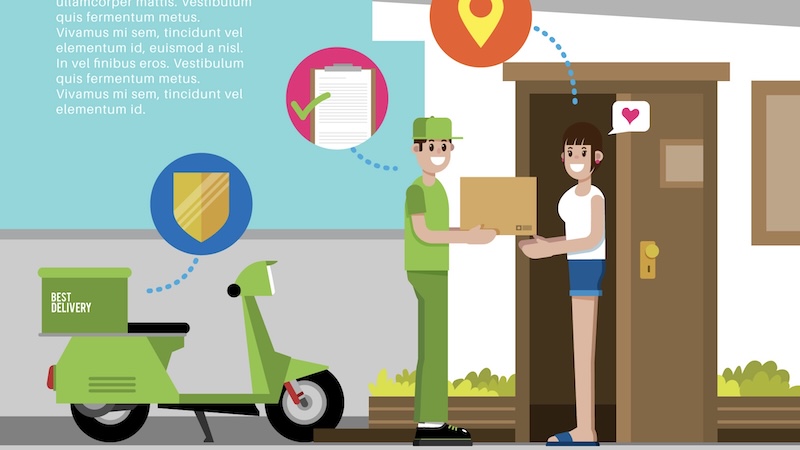
After comparing different shipping models and their operational frameworks, businesses must understand how International Commercial Terms (Incoterms) define responsibilities in door to door shipping arrangements. These standardized trade terms, established by the International Chamber of Commerce, specify who handles costs, risks, and obligations at each stage of international freight forwarding. For companies using door to door services, two Incoterms stand out as most relevant: DDP (Delivered Duty Paid) and DAP (Delivered at Place). Each term creates different responsibility structures between sellers and buyers, directly impacting how freight forwarders coordinate door to door transport operations across borders.
DDP represents the most comprehensive door to door freight forwarding arrangement, where the seller assumes maximum responsibility for the entire shipping process. Under DDP terms, the seller manages pickup from the origin facility, arranges air freight or ocean transport, handles all export documentation, pays import duties and taxes, clears destination customs, and delivers the shipment directly to the buyer's specified location in the United States. This arrangement aligns perfectly with true door to door shipping, as the freight forwarder acting on behalf of the seller coordinates every step without requiring buyer intervention.
The primary advantage of DDP for buyers centers on predictability and convenience. When purchasing goods under DDP terms, US-based companies receive shipments without unexpected customs charges, clearance delays, or coordination requirements. The landed cost is established upfront, simplifying budgeting and eliminating surprise expenses at the destination. This proves particularly valuable for businesses importing high-value electronics, pharmaceutical products subject to FDA regulations, or time-sensitive components where customs delays could disrupt production schedules.
However, DDP places significant obligations on sellers and their freight forwarders. The selling company must navigate US customs procedures, calculate accurate duty rates using the Harmonized Tariff Schedule, and potentially register for an Importer of Record number. Many international sellers partner with experienced forwarding services that maintain established customs clearance capabilities in the United States. These freight forwarder relationships enable smooth door to door operations even when the seller lacks physical presence or regulatory expertise in the destination country. For example, a German machinery manufacturer shipping equipment to a Texas factory would rely on their freight forwarder's US customs knowledge to ensure compliant DDP delivery.
DAP creates a modified door to door shipping structure where responsibilities transfer at a specified destination point before final delivery. Under DAP terms, the seller handles origin pickup, international transportation via air freight or ocean shipping, and delivery to a named place in the destination country. However, the buyer assumes responsibility for import customs clearance, duty payments, and any final transport from the clearance point to their facility. This shared arrangement differs from full door to door service but still provides substantial convenience compared to traditional port-to-port shipping.
The DAP model works effectively for US businesses with established customs brokerage relationships or internal import compliance capabilities. A pharmaceutical distributor in New Jersey importing active ingredients from India might prefer DAP terms, allowing their specialized customs broker to handle FDA documentation and import clearance while the seller's freight forwarder manages door transport to the customs clearance facility. This division of responsibilities leverages each party's expertise: the foreign seller coordinates complex international logistics, while the US buyer manages domestic regulatory requirements they understand thoroughly.
Cost considerations often drive the choice between DAP and DDP for door to door freight forwarding arrangements. Under DAP, buyers pay duties and taxes directly to US Customs and Border Protection, potentially accessing lower duty rates through free trade agreements, specialized customs programs like Foreign Trade Zones, or temporary import bonds. Companies importing goods under these programs may achieve cost savings compared to DDP arrangements where the seller's freight forwarder calculates duties using standard rates. Additionally, DAP terms provide buyers greater visibility into actual duty costs rather than bundled pricing that might include contingency margins.
Businesses selecting between these Incoterms for door to door shipping should evaluate their internal capabilities, typical shipment profiles, and risk tolerance. Companies new to international trade often prefer DDP for its simplicity, accepting slightly higher costs in exchange for turnkey door door service. Experienced importers with sophisticated supply chains frequently choose DAP, maintaining control over customs clearance while still benefiting from coordinated international transportation. The optimal choice depends on factors including shipment frequency, product classification complexity, regulatory requirements, and whether leveraging specialized customs programs justifies the additional coordination effort required under DAP terms.
After understanding how Incoterms like DAP and DDP define responsibility sharing in door to door shipping, the next critical consideration becomes cost. Whether you choose air freight or ocean transport, door to door shipping rates vary significantly based on multiple factors that every business must evaluate before committing to a freight forwarder.
Door to door freight forwarding encompasses a complex pricing structure that extends far beyond simple transportation fees. Understanding these cost drivers helps businesses budget accurately and identify opportunities for savings.
Distance and routing complexity form the foundation of door door shipping costs. Air freight typically charges based on either actual weight or volumetric weight, whichever is greater, with rates ranging from $3 to $8 per kilogram for standard international shipments from US origins. Longer distances and routes requiring multiple connections increase costs substantially. For example, shipping from Los Angeles to London may cost 30 percent less than shipping the same cargo from a secondary US city that requires repositioning to a major gateway airport.
Shipment characteristics directly influence pricing structures. Freight forwarders calculate costs based on cargo weight, dimensions, and volume. High-value or fragile goods require specialized handling and insurance, adding 15 to 25 percent to baseline rates. Temperature-controlled shipments, hazardous materials, and oversized cargo command premium pricing due to equipment requirements and regulatory compliance needs. A standard pallet measuring 48 by 40 inches typically costs less per pound than irregularly shaped cargo occupying equivalent space.
Customs and duty expenses represent a significant component of door door freight forwarding. Under DDP terms, these costs include import duties, value-added taxes, customs brokerage fees, and documentation processing. US importers should anticipate customs brokerage fees ranging from $50 to $150 per shipment, while duties vary by product classification under the Harmonized Tariff Schedule. Certain products face additional FDA or USDA inspection fees that can add $100 to $500 per shipment. Experienced freight forwarding services can often negotiate better customs processing rates through established relationships with border agencies.
Fuel surcharges and accessorial fees frequently catch businesses off guard. Fuel surcharges fluctuate monthly based on oil prices, typically adding 10 to 30 percent to base transportation rates. Common accessorial charges include liftgate service at $75 to $150 per pickup or delivery, residential delivery fees of $50 to $100, and inside delivery charges of $100 to $250. Remote area surcharges apply when origin or destination locations fall outside standard service zones, potentially adding $200 to $500 to door transport costs.
Navigating freight forwarder pricing requires understanding what comprehensive quotes should include and how to evaluate competing proposals effectively.
Complete quote components separate professional freight forwarding services from incomplete proposals. A transparent door to door shipping quote should itemize origin charges including pickup fees and export documentation, main carriage costs with fuel surcharges clearly stated, destination charges covering customs clearance and final delivery, and any applicable accessorial services. Insurance costs should appear as a separate line item, typically calculated at 0.5 to 2 percent of cargo value. Beware of quotes listing only "ocean freight" or "air freight" without destination services, as these incomplete proposals hide substantial costs that emerge later.
Comparing proposals requires standardization. Request quotes using identical shipment parameters including exact weights, dimensions, commodity descriptions, and Incoterms. Create a comparison spreadsheet listing each cost element vertically with forwarder names horizontally. This matrix reveals which providers genuinely offer competitive door door rates versus those shifting costs between categories. Pay attention to payment terms, as some forwarders offer 2 percent discounts for prepayment while others require cash in advance for new customers.
Hidden costs often include detention and demurrage when using ocean freight. Containers typically include two to five free days at destination ports before storage charges begin accruing at $75 to $150 daily. Door shipping delays caused by incomplete documentation can quickly generate $500 to $2,000 in unexpected fees. Request clear policies on free time allowances and per-diem charges. Similarly, clarify who bears responsibility for correcting documentation errors, as some freight forwarders charge $50 to $100 per amendment.
Volume discounts and contract rates provide significant savings for regular shippers. Businesses moving five or more shipments monthly should negotiate contract rates rather than accepting spot quotes. Annual contracts with minimum volume commitments typically reduce door to door shipping costs by 15 to 30 percent compared to transactional pricing. However, ensure contracts include flexibility clauses for seasonal volume fluctuations common in retail and manufacturing sectors.
Technology platforms improve price transparency by enabling real-time rate comparisons across multiple freight forwarding services. Digital freight forwarders often publish base rates online while traditional providers require formal quote requests. However, published rates may exclude local pickup and delivery fees, making apples-to-apples comparison difficult. Always request final delivered pricing including all origin, freight, and destination charges before making selection decisions. Understanding these cost factors and comparison strategies empowers businesses to secure competitive door door freight forwarding rates while avoiding unexpected expenses that erode profit margins.
After understanding the cost factors and pricing structures that influence door to door shipping, it becomes clear why businesses across the United States are increasingly adopting this comprehensive logistics solution. The tangible benefits extend far beyond simple convenience, offering strategic advantages that directly impact operational efficiency and bottom-line results.
Managing international shipments traditionally requires coordinating multiple service providers, each handling different segments of the journey. Door to door freight forwarding consolidates these fragmented processes into a single, streamlined operation. Your freight forwarder assumes responsibility for customs clearance, documentation preparation, carrier coordination, and last-mile delivery, eliminating the need for internal staff to become experts in international trade regulations.
This consolidation delivers measurable time savings for logistics teams. Instead of tracking separate bills of lading for ocean transport, air freight segments, and domestic trucking, you work with one point of contact throughout the entire shipping cycle. The administrative burden reduction proves particularly valuable for small to medium-sized enterprises lacking dedicated import-export departments. Compliance management becomes simpler as your forwarder ensures proper documentation meets FDA regulations and other US import requirements, reducing the risk of costly delays at customs checkpoints.
After exploring the cost factors and business benefits of door to door freight forwarding, it's essential to consolidate the critical insights that will guide your logistics decisions. Understanding these core principles will help you leverage door to door shipping effectively while avoiding common pitfalls.
Door to door freight forwarding represents a comprehensive logistics solution that eliminates coordination complexity. By entrusting a single freight forwarder with the entire shipping process from origin pickup to final destination delivery, businesses eliminate the need to manage multiple carriers, coordinate transfers, or handle customs documentation separately. This integrated approach transforms international shipping from a multi-vendor juggling act into a streamlined single-point-of-contact operation.
Cost transparency and accurate quoting are foundational to successful door to door partnerships. When evaluating forwarding services, demand detailed breakdowns that specify origin charges, freight costs, customs clearance fees, destination handling, and final delivery expenses. Understanding what drives your door transport costs including shipment weight, dimensional factors, service speed, and route complexity enables better budget planning and more informed carrier selection.
Multi-modal flexibility delivers significant competitive advantages for time-sensitive and budget-conscious shipments. Quality door to door shipping providers seamlessly integrate air freight for urgent deliveries, ocean freight for cost-effective bulk shipments, and ground transportation for the first and last mile. This modal versatility allows businesses to optimize each shipment based on specific urgency and budget parameters rather than being locked into single-mode solutions.
Real-time tracking and global network coverage have become non-negotiable service standards. Modern freight forwarders must provide visibility throughout the entire door door journey, from initial pickup through customs clearance to final delivery. Comprehensive tracking capabilities reduce uncertainty, enable proactive exception management, and provide the data necessary for continuous supply chain optimization.
After exploring the key considerations and common questions surrounding door to door shipping, it becomes clear that selecting the right freight forwarder can fundamentally transform your logistics operations. Door door freight forwarding eliminates the complexity of coordinating multiple carriers and handling customs procedures independently, allowing businesses to focus on their core competencies while ensuring reliable, end-to-end delivery of their goods.
The door to door shipping model has evolved into an essential solution for companies operating in today's fast-paced global marketplace. Whether you're shipping electronics from China, machinery from Germany, or perishable goods requiring temperature-controlled air freight, a comprehensive door door service provides the visibility, accountability, and convenience that modern supply chains demand. By entrusting a single freight forwarder with your entire shipment journey from origin pickup through final destination delivery, you gain a strategic partner invested in your success rather than just a transactional service provider.
For United States importers and exporters, the value proposition extends beyond mere convenience. Door to door shipping addresses critical pain points including customs clearance complexities, last-mile delivery challenges in diverse geographic regions, and the administrative burden of managing multiple vendor relationships. When your freight forwarder handles documentation, coordinates with customs brokers, arranges inland transportation, and manages any issues that arise during transit, you reclaim valuable time and resources that can be redirected toward revenue-generating activities.
The cost-effectiveness of door door freight forwarding becomes particularly evident when you account for hidden expenses. While paying separate providers for each leg of the journey might appear cheaper on paper, the reality includes coordination costs, potential delays from miscommunication between carriers, liability gaps when problems occur, and the internal labor costs of managing multiple relationships. A single door to door rate encompasses these elements while providing clear accountability and often negotiated volume discounts that individual shippers cannot access independently.
Air freight door to door services deserve special consideration for businesses with urgent or high-value shipments. The speed advantage of air transport combines powerfully with door door logistics to create truly expedited supply chains. When every hour counts, having your freight forwarder coordinate airport handling, customs clearance, and immediate ground delivery as one seamless operation can mean the difference between meeting critical deadlines and facing costly production delays or lost sales opportunities.
As you evaluate forwarding services for your business needs, prioritize transparency, communication capabilities, and proven experience in your specific trade lanes. The best freight forwarder relationships are built on mutual understanding of your business requirements, consistent performance, and proactive problem-solving when challenges inevitably arise. Request references from companies with similar shipping profiles, verify insurance coverage and financial stability, and establish clear performance metrics from the outset.
Looking forward, door to door shipping will continue adapting to technological advances and changing market demands. Digital tracking systems, artificial intelligence-powered route optimization, and blockchain-based documentation are already enhancing visibility and efficiency. However, the fundamental value proposition remains unchanged: comprehensive, accountable freight forwarding that simplifies international logistics while delivering your goods safely and punctually from origin to final destination. By embracing door door transport solutions today, you position your business to compete effectively in an increasingly interconnected global economy while maintaining the operational simplicity that allows you to scale sustainably.
Now that you understand the benefits and key takeaways of door to door freight forwarding, you likely have practical questions about implementation. Here are answers to the most common questions businesses face when evaluating door to door shipping solutions.
 English