What if your product looks perfect in a sample box, but fails the moment it reaches customers? For importers and brand owners, that gap between factory output and customer experience is where quality control in China becomes a strategic priority, not an optional checkpoint.
This guide is built to help you master quality control in China step by step, and this introduction sets the foundation. The core idea is simple: quality should be managed as a process across sourcing, production, and shipment, not treated as a last-minute inspection. When you approach it this way, you reduce costly rework, protect your brand reputation, and create more predictable delivery performance.
For most buyers, the first mistake is relying on trust alone. A better approach combines clear specifications, routine verification, and independent oversight. That is where quality control audits and field inspections add practical value. They help confirm that materials, workmanship, packaging, and labeling match your requirements before inventory leaves the factory.
To frame the rest of this article, focus on four operating principles:
Define quality in measurable terms. Use approved samples, tolerance limits, test methods, and acceptance criteria so your supplier and inspector are aligned.
Inspect at more than one stage. Pre-production, during-production, and pre-shipment checks catch different risk types and prevent late surprises.
Use qualified third-party support when needed. A reliable quality control partner or quality control company can provide local execution and objective reporting.
Close the loop with corrective actions. Findings only matter when they trigger root-cause fixes, retraining, and process updates.
In practice, many teams work with quality control experts or a China quality inspection service agency to execute inspections, run factory assessments, and verify corrective actions on the ground. This is especially useful when your internal team cannot be onsite regularly. It also strengthens accountability because inspection standards are documented and repeatable.
Business relevance is direct: stronger control over manufacturing and quality control decisions lowers defect-related costs, reduces chargebacks and returns, and supports stable long-term supplier relationships. If your sourcing model already involves a manufacturing sourcing company, quality checkpoints should be integrated into that workflow rather than treated as a separate track.
As you continue through this step-by-step guide, you will learn how to build reliable quality control into daily operations, choose the right inspection moments, and evaluate reports with confidence. If you need a practical reference point for implementation, a structured quality inspection service framework can help translate policy into consistent factory-level execution.
After an introduction to quality control in China, the practical challenge is execution inside a fast-moving manufacturing environment. Mastering this landscape helps you move from general awareness to repeatable control, so your quality plan works on the factory floor, not just in a checklist.
Quality outcomes can vary widely between factories, product lines, and even production batches. A supplier may produce a strong pilot run, then struggle during scale-up because of subcontracting, labor turnover, or uneven incoming materials. For buyers, this makes reliable quality control dependent on process visibility, not assumptions based on early samples.
In practice, teams should combine clear specifications with staged quality control audits at pre-production, in-line, and pre-shipment points. This structure catches issues when correction is still affordable. It also helps distinguish one-off defects from system-level process weaknesses. Many importers use a quality control company to standardize inspection methods across multiple factories and reduce variation in reporting quality.
Many quality disputes begin as communication gaps rather than technical failure. Terms like “acceptable finish” or “minor defect” can be interpreted differently unless criteria are visual, measurable, and confirmed in writing. Time pressure can make this worse, especially when production starts before all requirements are fully aligned.
To reduce friction, convert expectations into factory-ready documents: approved samples, tolerance tables, defect photos, packaging standards, and pass/fail rules. Keep language direct and avoid idioms in critical instructions. Regular review calls and bilingual documentation can prevent costly misunderstandings. When internal capacity is limited, quality control experts can act as an operational bridge between your team and factory managers, ensuring that standards are interpreted consistently during production.
Quality control in manufacturing is not only about appearance and function; it also includes market compliance. Products may pass factory checks but still fail at destination if labeling, material restrictions, safety testing, or documentation is incomplete. This risk is especially relevant for categories with strict import requirements, such as electronics, toys, and consumer goods with chemical exposure limits.
A strong control manufacturing approach links compliance tasks to production milestones. Confirm applicable standards before purchase orders, verify raw material declarations during production, and check labeling and carton marks before shipment release. This creates a traceable path from specification to delivery. If your team sources across several factories, a manufacturing sourcing company can help align manufacturing and quality control workflows so compliance is managed proactively rather than fixed after delays.
The challenges discussed earlier become manageable when you turn them into a structured inspection workflow. In practice, reliable quality control depends on checking the right things at the right time, not only at the end of production.
Pre-Production Inspections set the baseline before materials are consumed and deadlines tighten. Your team should confirm the approved sample, bill of materials, packaging specs, labeling rules, and critical tolerances in one signed checklist. This is also the point to align test methods and acceptable quality limits with the factory and your buyer-side team. When quality control audits start here, you reduce costly rework, avoid specification drift, and create a clear record for later dispute resolution.
During Production Quality Checks, often at 20% to 50% completion, catch process errors before they scale across the full order. Inspectors verify workmanship consistency, in-line measurements, and assembly controls against your approved standard. If defects appear, corrective actions can be implemented while production is still active, protecting both lead time and margin. For many importers, this is where a quality control company adds the most value by turning findings into immediate factory action rather than end-stage surprises.
Pre-Shipment Inspections are your final quality gate before balance payment and dispatch. Using statistically valid sampling, inspectors review product function, appearance, labeling, quantity, and packaging condition against your purchase requirements. A practical inspection report should separate critical, major, and minor defects and state a clear pass or fail outcome. This checkpoint supports better shipping decisions, stronger accountability, and more predictable customer outcomes across retail, e-commerce, and distribution channels.
Container Loading Supervision confirms that passing goods are the same goods that get shipped, in the right quantity and condition. Inspectors verify carton counts, package integrity, pallet condition, container cleanliness, and loading sequence to reduce crushing, moisture risk, and mix-ups. They also document seal numbers and loading evidence for traceability. In manufacturing and quality control programs, this step closes a common gap between finished-goods approval and real-world delivery performance.
Third-Party Laboratory Testing validates product safety, performance, or material claims when visual inspection is not enough. Depending on category, this can include chemical screening, durability checks, electrical safety, or composition verification against your technical file. Independent testing is especially useful for regulated or high-liability products and supports market-entry confidence. Many sourcing teams combine lab testing with on-site quality control experts to build a dependable, audit-ready process that scales across suppliers.
Together, these five methods form a practical control system rather than isolated checks. Whether managed internally or through a China quality inspection service agency working alongside a manufacturing sourcing company, the goal is consistent execution: prevent defects early, contain risk mid-process, and verify compliance before goods leave the factory.
After setting up pre-production checks, in-process inspections, and final shipment controls, your results now depend on who executes those steps consistently. Strong systems fail when the inspection partner is weak, so choosing a reliable quality control company becomes a strategic sourcing decision, not just an operational task.
Start by matching provider capability to your product risk profile. A team that handles apparel well may not be the right fit for electronics, machinery, or regulated consumer goods. Ask potential quality control experts for sample checklists, defect classification methods, and escalation workflows. Their process should be clear enough that your internal team can verify decisions, not just accept a pass or fail report.
When comparing a China quality inspection service agency, focus on execution discipline in daily operations:
Inspector qualifications and coverage: Confirm training standards, factory-region coverage, and backup capacity during peak season.
Audit consistency: Review recent quality control audits for structure, photo evidence quality, and issue traceability.
Reporting speed and clarity: Same-day draft reports and actionable findings reduce production delays.
Communication ownership: You need a direct account lead who can resolve disputes quickly with suppliers.
Independence and ethics controls: Ask how they prevent conflicts of interest and inspector bias.
A practical test is to run a paid pilot on one active purchase order. Compare findings against your own tolerance limits, then evaluate whether the agency identified root causes or only surface defects. Reliable quality control is measured by repeatable judgment under real production pressure.
Pricing models vary, so evaluate total cost against risk reduction, not day rate alone. Most quality inspection services charge by inspector-day, with add-ons for travel, remote locations, urgent bookings, and specialized tests. Lower quotes can be misleading if the scope is narrow, reports are delayed, or reinspection support is excluded.
To compare offers fairly, request a standardized cost breakdown that includes inspection type, expected man-days, reporting deliverables, and retest policy. For budgeting, many importers in the United States, Canada, and Europe track inspection spend as part of landed cost, since preventing one failed shipment often offsets several routine inspections.
Before signing, clarify commercial terms that affect real spend: cancellation windows, overtime rules, weekend surcharges, and payment methods such as credit card or PayPal where available. If your sourcing program is growing, ask about volume pricing tied to monthly inspection days and multi-factory coordination. A good quality control company should help you control both defect risk and operating cost while supporting long-term supplier performance.
After comparing service providers and pricing models, the practical question is how to verify that a supplier can consistently meet your standards. This is where quality control audits move from theory to execution, giving buyers a structured way to confirm process strength before defects become expensive.
Factory audits check whether a manufacturer’s systems can produce repeatable quality, not just pass a one-time inspection. A solid audit usually reviews licenses, production flow, incoming material control, in-process checks, final testing, corrective-action records, and traceability. For buyer teams, the key is to map audit points to your product’s critical risks, such as safety features, cosmetic finish, or tolerance limits.
To implement well, use a pre-audit checklist with pass/fail criteria and evidence requirements. If you work with a quality control company, ask for photo-based findings, document snapshots, and a clear risk rating by process area. This creates a decision-ready view of whether to approve, conditionally approve, or pause sourcing.
A capability assessment goes beyond facility condition and asks whether the supplier can scale with stable quality over time. It covers staffing depth, engineering support, tooling maintenance, subcontractor control, quality culture, and response speed when nonconformities appear. In practice, this protects you from suppliers that look acceptable in a single audit but struggle under volume or timeline pressure.
For implementation, define your required capability profile before sampling begins. Keep it simple and measurable:
Process capability for key specifications
Capacity at peak and normal demand
Change-control discipline for materials and components
Corrective and preventive action closure speed
Communication cadence with your internal team
Many quality control experts combine this assessment with trial-run monitoring so decisions are based on both systems and live output.
Social compliance audits evaluate labor practices, workplace safety, and management controls that support ethical and stable operations. While these audits are often discussed separately from product quality, they directly affect delivery reliability and reputational risk. Poor labor management can increase turnover, training gaps, and process instability, all of which can degrade product consistency.
For buyers focused on reliable quality control, implementation should include document review, site walkthroughs, and confidential worker interviews, followed by a time-bound corrective action plan. Keep the business lens clear: social compliance is not only a values issue, it is an operational control. When aligned with technical audits and capability assessments, it strengthens your full manufacturing and quality control strategy and supports long-term supplier performance.
If internal resources are limited, a qualified quality inspection service agency or manufacturing sourcing company can coordinate these audit layers into one governance process.
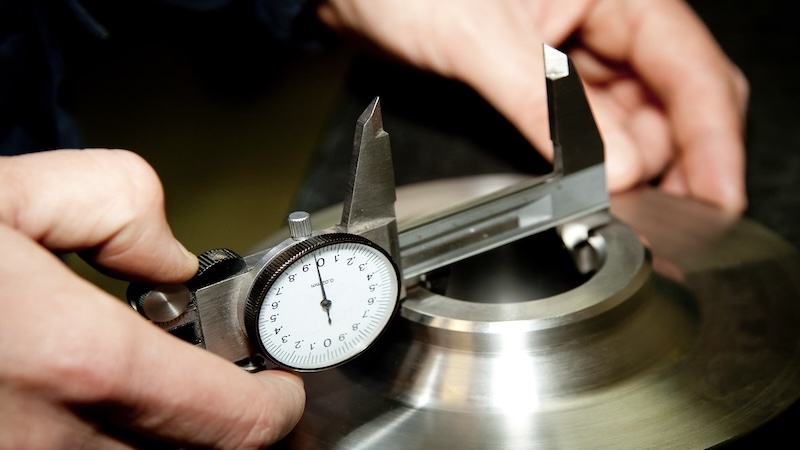
After factory audits and supplier capability checks identify where risk lives, software helps you manage those risks consistently across every order. Instead of treating each inspection as a standalone event, digital tools turn quality control audits into a connected operating system that supports faster decisions and more reliable outcomes.
A Digital Quality Management System (QMS) centralizes standards, inspection records, non-conformance reports, and corrective action tracking in one place. For teams managing production remotely, this matters because it reduces version confusion, shortens response times, and creates a clear audit trail for buyers, factories, and internal stakeholders.
When evaluating a platform, focus on practical fit before feature volume. The best setup should match your product complexity, supplier network, and approval workflow. In day-to-day operations, a digital QMS supports reliable quality control by giving every party the same checklist logic, defect definitions, and escalation rules.
What to prioritize in a QMS:
Standardized templates for pre-production, inline, and final inspections.
CAPA workflow (corrective and preventive actions) with owner and deadline tracking.
Supplier scorecards tied to defect trends and recurring root causes.
Permission controls so your team, factory, and any quality control company see only relevant data.
Integration readiness with ERP, sourcing, or shipment systems.
If you work with external quality control experts or a quality inspection service agency, a shared system also reduces back-and-forth via email and spreadsheets, especially when multiple SKUs are running simultaneously.
Real-time reporting tools complement the QMS by improving speed and visibility during production. Mobile inspection apps, live dashboards, and instant defect alerts help teams intervene earlier, before issues spread across a full batch. In practice, this is where technology protects margin: faster detection usually means less rework, fewer shipment delays, and fewer disputes.
For sourcing teams and any manufacturing sourcing company coordinating several factories, real-time reporting should answer three questions quickly: What failed, where it failed, and what action is currently open. If those answers are not visible within minutes, reporting is still too slow.
Useful reporting habits include:
Triggering automatic alerts for critical defects.
Reviewing trend dashboards by supplier, product family, and production stage.
Attaching photos and short notes directly to inspection checkpoints.
Closing the loop with verification checks after corrective action.
Used together, digital QMS and real-time reporting create a tighter manufacturing and quality control process. They do not replace inspectors or audit discipline; they make both more consistent, transparent, and scalable as your order volume grows.
Digital quality systems and real-time reporting make quality issues visible faster, but lasting results come from disciplined decisions around process, accountability, and follow-through. This section distills the guide into the core choices that support reliable quality control from planning through post-shipment learning.
Build quality control audits into the production timeline, not as a final checkpoint. Define inspection points before production starts, align them to product risk, and tie pass/fail criteria to measurable requirements. This prevents late surprises and keeps corrective actions practical while production is still adjustable.
Treat supplier capability validation as a gate, not a formality. A supplier can meet price and lead-time targets yet still miss consistency expectations. Use structured capability reviews to confirm process control, documentation habits, and escalation discipline before scaling volume.
Use technology to accelerate judgment, not replace it. Digital workflows and live dashboards are most valuable when paired with clear ownership and response rules. Quality control experts should interpret patterns, prioritize actions, and close root causes so reports translate into operational improvement.
Standardize communication across internal teams, factories, and any quality control company involved. Shared defect definitions, aligned sampling logic, and uniform reporting formats reduce disputes and speed decisions. Consistency in language and thresholds is essential for multi-site execution.
Evaluate outcomes across cycles, not single inspections. Reliable quality control depends on trend visibility: repeat defects, closure speed, and recurrence after corrective action. The objective is a system that learns and stabilizes over time, not isolated inspection wins.
Together, these points reinforce a practical model: audit early, verify capability, combine software with expert analysis, align communication, and manage quality as a repeatable operating system.
Q1: What is the difference between quality control and quality assurance in China manufacturing?
Quality control (QC) focuses on identifying defects through inspections and testing at various production stages—before, during, and after manufacturing. It's reactive and product-focused. Quality assurance (QA), however, is proactive and process-oriented, establishing systems and standards to prevent defects from occurring in the first place. In China manufacturing, effective quality management requires both: QA to set up proper processes with your supplier, and QC to verify products meet specifications through inspections. Most importers prioritize QC inspections, but combining both approaches delivers the best results and fewer surprises.
Q2: When should I conduct inspections during the production process in China?
The most effective approach includes three key inspection points: Pre-Production Inspection (PPI) verifies raw materials and components before manufacturing begins; During Production Inspection (DUPRO) checks quality and progress when 20-50% of production is complete, allowing time to correct issues; and Pre-Shipment Inspection (PSI) examines finished products before they leave the factory. For high-risk orders or new suppliers, all three inspections are recommended. Established supplier relationships may only require PSI, though adding DUPRO for large orders provides extra security and helps catch problems early when corrections are less costly.
Q3: How much does quality control inspection cost in China?
Third-party inspection costs in China typically range from $200 to $400 per man-day, depending on the inspection company, location, and complexity. A standard pre-shipment inspection usually takes one day and covers basic quality checks. More complex products, large orders, or factory audits may require multiple days. While this seems like an added expense, it's minimal compared to the cost of receiving defective goods—including returns, refunds, customer complaints, and brand damage. Many importers find that inspection costs represent less than 1% of order value while preventing losses that could reach 10-30% or more.
Q4: Can I trust the factory's own quality control team instead of hiring third-party inspectors?
Relying solely on factory QC teams creates a conflict of interest. Factory teams report to management whose primary goal is shipping on time and maximizing profit, not necessarily rejecting defective products. While good factories do maintain internal QC, independent third-party inspectors work for you, apply your standards objectively, and have no incentive to overlook problems. They provide unbiased reports with photo evidence and detailed findings. For new suppliers, complex products, or large orders, third-party inspection is essential. Even with trusted long-term suppliers, periodic independent verification helps maintain standards and prevents quality drift over time.
Mastering quality control in China comes down to discipline in execution. Your strongest advantage is not a single inspection, but a connected process: clear specifications, risk-based checkpoints, well-scoped quality control audits, and fast corrective action when defects appear. When these steps are documented and repeated, you build reliable quality control that protects delivery dates, margins, and customer trust.
A practical way to finish your planning is to make one decision in each core area:
Define your acceptance standard. Finalize pass/fail criteria, defect classifications, and sampling rules before production starts. If the standard is vague, every audit result will be debatable.
Set audit timing by risk. Use pre-production, during-production, and pre-shipment checks based on product complexity and supplier performance. Higher-risk items need earlier intervention.
Assign ownership for corrective action. Name who approves rework, who verifies fixes, and how quickly each action must close. Accountability prevents repeat defects.
Choose your execution model. Decide whether your internal team can run this consistently or whether a quality control company should support capacity, coverage, or technical depth.
Create a 90-day review cadence. Track recurring defect types, root causes, and supplier response quality, then update checklists and tolerances accordingly.
If you need external support, prioritize quality control experts who can follow your standards exactly, report findings clearly, and help your team improve supplier performance over time. The right partner strengthens your system; it does not replace your decision-making.
Your concrete next step is simple: draft a one-page quality control playbook for your next purchase order this week. Include your acceptance criteria, audit points, escalation timeline, and responsible owner for each stage. Running this playbook on one live order will give you immediate insight into gaps and show you where to tighten the process before scaling.
 English