



What actually makes international freight feel so complicated: the ocean voyage, the customs paperwork, the handoff between carriers, or the simple fact that one small mistake can delay an entire shipment? For many U.S. importers, ecommerce brands, and operations teams, the challenge is not just moving goods from one country to another. It is understanding how pricing, transit times, documentation, compliance, and risk all connect across a single shipment.
This article is designed as a practical international freight guide for readers who want a clear, structured view of global shipping without the jargon overload. Whether you are shipping container loads to a U.S. port, arranging air cargo for urgent inventory, or comparing freight options for a growing product line, the goal is the same: make informed decisions that reduce surprises and improve delivery outcomes.
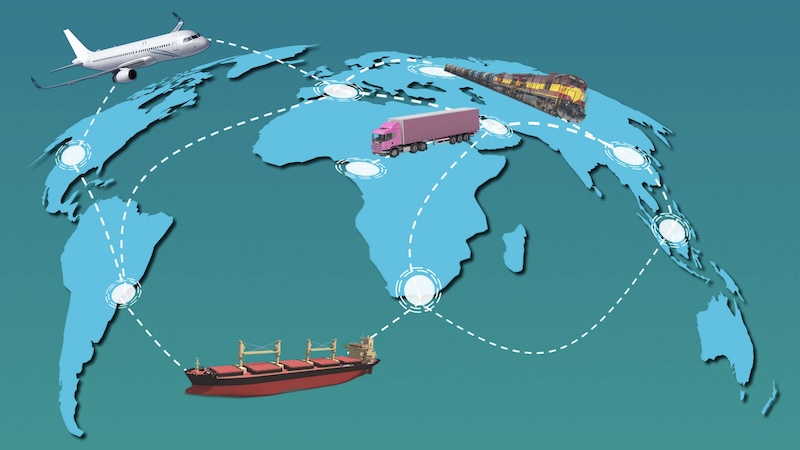
At its core, international freight is the coordinated movement of goods across borders by ocean, air, rail, or truck, usually involving multiple parties. A shipment may pass through suppliers, freight forwarders, carriers, customs brokers, port operators, warehouses, and final-mile transportation providers before it reaches its destination. Because each step affects cost, timing, and compliance, a useful understanding starts with the international freight basics rather than isolated tactics.
A complete approach to global shipping should answer a few essential questions early. What mode fits the cargo and timeline? Who is responsible for booking, insurance, and customs clearance? Which documents must be prepared before departure? How do duties, inspections, and port congestion affect delivery planning in the United States? These are the kinds of operational questions that turn a general overview into a workable shipping plan.
That is why this guide treats international freight as a system, not a one-time transaction. Instead of focusing only on rates, it looks at the broader international freight workflow behind successful shipments. In practice, that workflow often includes product readiness, packaging, routing, booking, export documentation, transit visibility, customs entry, inland delivery, and post-shipment review. When one step is ignored, the entire chain becomes harder to manage.
For readers in the U.S., this matters beyond convenience. Import timelines can affect seasonal launches, inventory availability, cash flow, marketplace performance, and customer satisfaction. A delayed ocean shipment can create stockouts. An incomplete document set can lead to customs holds. A poor mode selection can turn a cost-saving decision into an expensive recovery effort. Good shipping decisions are rarely based on one variable alone.
To keep the process manageable, it helps to use a simple international freight framework built around five core areas:
Mode selection: choosing ocean, air, rail, truck, or a multimodal option based on speed, cost, cargo type, and delivery requirements.
Documentation and compliance: preparing commercial invoices, packing lists, shipping instructions, and customs-related records accurately and on time.
Cost structure: understanding freight rates, fuel-related charges, duties, taxes, storage, insurance, and destination fees in USD.
Risk control: planning for delays, damage, inspections, capacity shortages, and payment exposure.
Visibility and coordination: keeping suppliers, forwarders, brokers, and receiving teams aligned from origin to final delivery.
Taken together, these pillars form a practical starting point for anyone building an international freight roadmap. They also support smarter planning when volumes increase, routes change, or compliance requirements tighten. Modern supply chains reward preparation, and many of the strongest results come from straightforward habits rather than overly complex systems.
This introduction also sets up the article as more than a glossary. It is meant to function as an international freight playbook that helps readers move from basic concepts to operational confidence. Along the way, we will cover how global shipping works, what choices matter most, where delays commonly happen, and how businesses can build more resilient shipping processes. The aim is to make international freight understandable enough to evaluate options and practical enough to improve real decisions.
If you are new to importing, think of this article as a step-by-step orientation. If you already ship internationally, use it as a way to review your current process against proven international freight best practices. In both cases, the most valuable perspective is often the simplest one: successful freight management depends on preparation, communication, and consistency far more than last-minute problem solving.
A few principles will appear throughout this guide because they shape nearly every shipment:
Clear terms of responsibility reduce disputes over who handles pickup, export clearance, insurance, and delivery.
Accurate documents support smoother customs processing and fewer avoidable delays.
Realistic transit planning is more reliable than optimistic scheduling.
Mode choice should reflect total landed impact, not just the quoted freight rate.
Contingency planning is part of disciplined shipping, not a sign that the process is failing.
These ideas may sound basic, but they are the foundation of effective international freight strategies. Many shipping problems begin with small planning gaps: incomplete cargo details, vague delivery terms, poor packaging, or missing coordination between booking and customs entry. Strong execution usually comes from getting the fundamentals right early and repeating them consistently.
It is also worth noting that modern international freight techniques are changing how businesses manage shipments. Better tracking tools, stronger integration between logistics partners, and more disciplined forecasting can improve visibility and decision-making. Still, technology does not replace process. A delayed shipment with perfect tracking is still delayed. Digital tools work best when they support a sound operating model.
To make the rest of this article easier to apply, think in terms of a simple international freight checklist before any shipment moves:
Now that the article has framed why global shipping matters, the next step is understanding how international freight actually works in day-to-day e-commerce operations. For a US-based seller, the goal is not to master every shipping rule at once, but to build a clear decision process for moving inventory across borders with fewer delays, surprises, and margin losses.
At its core, international freight is the movement of goods from one country to another through coordinated transportation, documentation, customs review, and final delivery. In e-commerce, that usually means products moving from an overseas manufacturer or fulfillment point into the United States, then onward to a warehouse, marketplace prep center, or direct customer destination. A practical international freight guide starts with this idea: shipping cost is only one part of the job. Timing, paperwork, duties, packaging, carrier capacity, and import compliance all affect whether a shipment arrives profitably.
For most online businesses, the international freight basics come down to five connected decisions:
What is being shipped? Product type, value, dimensions, battery content, materials, and country of origin can all change requirements.
How fast does it need to arrive? Urgent replenishment may justify air freight, while stable inventory planning often favors ocean freight.
Who manages the handoffs? Carriers, customs brokers, warehouses, and cross border freight forwarding services may each handle part of the workflow.
What import rules apply in the US? Customs clearance, tariff classification, labeling, and product-specific rules can affect release.
Where do hidden costs appear? Freight charges, fuel surcharges, duties, taxes, storage, demurrage, and last-mile delivery can all reshape landed cost.
This is why an e-commerce shipping plan needs more than rate shopping. It needs an international freight framework that connects logistics decisions to inventory turnover, customer promises, and cash flow. A shipment that looks cheap at booking can become expensive if it misses a launch window, sits for inspection, or arrives with incomplete documentation.
A useful way to think about freight is to separate it into three stages: origin, transit, and destination. At origin, goods are packed, labeled, collected, and prepared for export. During transit, they move by air, ocean, truck, rail, or a combination of modes. At destination, they go through customs, transfer to domestic transportation, and arrive at a fulfillment location or buyer. This international freight workflow sounds simple, but each stage has checkpoints that e-commerce teams need to manage carefully.
The first major choice is transportation mode. Air freight is typically faster and better suited to high-value, lightweight, time-sensitive inventory. Ocean freight is commonly more economical for larger volumes, though transit times are longer and scheduling can be less flexible. Express parcel services can work well for samples, small orders, or urgent restocks, but they may become costly at scale. Modern international freight techniques often combine modes, such as shipping a core inventory batch by ocean while sending a smaller emergency quantity by air to prevent stockouts.
Another foundational concept is the distinction between direct carrier service and managed logistics support. Many e-commerce brands do not coordinate every shipping step themselves. Instead, they rely on a freight forwarder or cross border freight forwarding services to arrange bookings, prepare shipping documents, coordinate customs-related steps, and manage communication across multiple parties. That does not remove the seller's responsibility, but it can simplify execution when the supply chain involves several handoffs.
Documentation is one of the most important parts of the process. Commercial invoices, packing lists, shipping labels, and transport documents help customs authorities and logistics partners identify what is moving, who owns it, and how it should be handled. If the paperwork does not match the cargo details, delays are more likely. For e-commerce businesses importing into the US, accurate product descriptions and values matter because they influence customs processing and duty assessment.
An effective international freight playbook also includes landed cost thinking. Landed cost is the total expense of getting products from supplier to usable inventory, not just the quoted freight rate. A simple planning view might include:
| Cost element | Why it matters for e-commerce |
|---|---|
| Freight charge | Base transportation cost by air, ocean, or parcel |
| Duties and taxes | Affects margin and final pricing decisions |
| Customs brokerage | Often required for smoother import processing |
| Storage and port fees | Can increase quickly when shipments are delayed |
| Domestic delivery | Final move to a US warehouse, 3PL, or customer |
This matters because international freight strategies should support the broader business model. If you sell on thin margins, a missed duty estimate or repeated storage fee can erase profit. If you run seasonal promotions, transit reliability may be more valuable than getting the lowest headline rate. If you accept customer payments through PayPal before inventory is physically available, freight delays can quickly turn into customer service problems and refund risk.
Customs is another area where new importers often underestimate complexity. Customs authorities review shipment details, assess duties or taxes where applicable, and may hold goods for clarification or inspection. Not every shipment faces the same level of scrutiny, but every shipment should be prepared as if accuracy will be checked. For some product categories sold in the US, additional compliance layers may apply. For example, health-related products may require careful review of FDA regulations before import and sale. Freight planning should therefore be tied to product compliance, not treated as a separate afterthought.
From an operational perspective, businesses benefit from building an international freight roadmap instead of handling each shipment as a one-off event. That roadmap should define who approves bookings, who verifies documents, how delivery milestones are tracked, and what happens when delays occur. It should also set reorder triggers that reflect realistic transit times rather than ideal-case estimates. This is one of the most practical international freight best practices for growing e-commerce teams.
A simple international freight checklist for US e-commerce businesses can include:
Confirm product details, dimensions, declared value, and country of origin before booking.
Choose the shipping mode based on margin, urgency, and inventory risk, not rate alone.
Verify required documents and make sure product descriptions are specific and consistent.
Estimate landed cost before the shipment leaves origin.
Confirm who handles customs clearance and final delivery in the United States.
As volumes grow, the strongest international freight strategies usually focus on predictability. That may mean using standard carton sizes, consolidating purchase orders, planning around peak shipping periods, or working with logistics partners that can coordinate border freight handoffs more smoothly. It may also mean segmenting inventory by urgency so every order does not default to the fastest and most expensive option.
In practical terms, understanding international freight is about reducing uncertainty. When an e-commerce business knows its shipping modes, document requirements, customs touchpoints, and total landed cost, it can make better purchasing and fulfillment decisions. That knowledge becomes the foundation for scaling globally with fewer disruptions, and it prepares the business for the more detailed shipping, compliance, and partner selection decisions covered later in the guide.
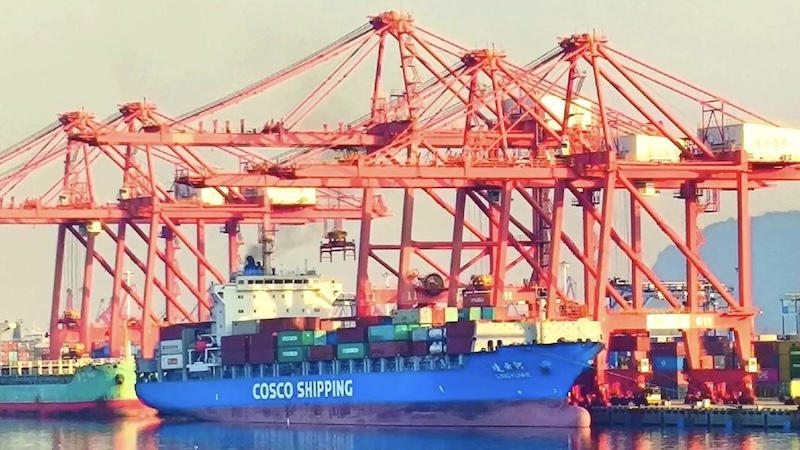
Once you understand the core terms, documents, and responsibilities in global shipping, the next decision is practical: which transport mode fits your order, margin, and delivery promise. This part of the international freight guide focuses on how e-commerce businesses can choose between air, ocean, ground, and rail without turning a routine shipment into a costly exception.
For most U.S.-based importers and cross-border sellers, mode selection shapes the entire international freight workflow. It affects landed cost, inventory timing, customer satisfaction, and how much buffer you need in your international freight checklist. The right choice depends less on a single "best" method and more on matching shipment characteristics to your business goals.
Once you have chosen the right freight mode, the next factor that determines whether a shipment moves smoothly is paperwork. In practice, many delays in an international freight workflow come less from transit itself and more from missing, inconsistent, or inaccurate documentation during customs review.
For U.S. e-commerce brands, importers, and sourcing teams, this is where the operational side of global shipping becomes real. A strong documentation process supports landed cost control, reduces clearance risk, and protects the customer experience. If you are building an international freight guide for your business, treat compliance as a core operating system rather than a last-minute task.
For U.S. sellers, regulated products deserve extra care. Health and wellness items, ingestibles, skincare, and some devices may trigger FDA-related scrutiny, and customs issues often begin with incomplete product descriptions or unsupported claims. If your business is working with a product development company or managing sourcing product decisions internally, confirm compliance details while the item is still in development. It is far easier to correct labeling, ingredients documentation, or packaging language before production than after a shipment is detained.
Once your documents are in order and your customs process is mapped, the next decision is operational: choosing a freight forwarder that can execute those requirements consistently. In any practical international freight guide, forwarder selection is where compliance planning turns into day-to-day shipment performance.
A strong freight forwarder does more than book cargo space. For U.S. importers and e-commerce brands, the right partner helps reduce delays, coordinate carriers, flag documentation gaps early, and keep the international freight workflow aligned with inventory and customer delivery expectations. That makes vetting a forwarder an important part of any international freight playbook, especially for businesses managing cross border shipments from sourcing markets into the United States.
Once you have vetted a freight partner for reliability, route strength, and regional know-how, the next step is making that partnership perform at scale. For e-commerce brands shipping into the United States, strong execution depends on disciplined cost control, better shipment visibility, and a repeatable process for avoiding common cross border mistakes.Helpful Resources
The case studies and KPI discussion show a simple pattern: strong global shipping results usually come from disciplined execution, not guesswork. If you want to turn those lessons into repeatable decisions, the next step is to distill them into an international freight playbook your team can actually use.
For most U.S. e-commerce brands, the core lesson is that international freight basics still matter even as tools and carrier networks become more sophisticated. Product dimensions, shipping mode, landed cost, transit time, customs documentation, packaging strength, and customer delivery expectations all affect profitability. A practical international freight guide is not just about moving cartons from one country to another. It is about building a shipping system that protects margin, supports compliance, and gives customers a predictable experience.
A useful way to think about global shipping is as a connected workflow rather than a series of isolated tasks. Sourcing, order timing, freight booking, document accuracy, customs clearance, last-mile delivery, and returns all influence one another. When businesses treat each step separately, they often create avoidable delays, duplicate fees, or poor handoffs between internal teams and logistics partners. By contrast, a clear international freight framework helps teams make faster decisions because everyone understands the trade-offs between cost, speed, and service.
The most reliable international freight strategies usually share a few traits:
They match shipping mode to business goals. Air freight can help with urgent replenishment or product launches, while ocean freight often works better for planned, higher-volume moves where cost control matters more than speed.
They calculate landed cost early. Freight charges, duties, taxes, insurance, storage risk, and final delivery costs should be evaluated before products are listed or promotions are launched.
They build documentation discipline into daily operations. Commercial invoices, packing lists, product descriptions, and classification details need to be consistent and complete to reduce customs friction.
They use visibility tools to manage exceptions, not just to watch shipments move. Tracking is most valuable when it triggers action on delays, missed milestones, or inventory risk.
They review performance regularly. Transit time, damage rates, customs holds, and total shipping cost per order are more useful when trends are monitored over time.
For readers looking for an international freight checklist, the best version is short enough to use and detailed enough to prevent expensive mistakes. Before a shipment moves, confirm the product details, packaging suitability, Incoterms, destination requirements, and document accuracy. Before you scale internationally, confirm that your freight plan also covers customer communication, returns handling, and a realistic service promise at checkout. A checklist should support execution, not become a static document nobody reviews.
It also helps to separate decisions into strategic and operational layers. Strategically, brands need an international freight roadmap that answers bigger questions: Which countries are priority markets, what service levels can the business support, and when does it make sense to shift from ad hoc shipping to a more structured transportation plan. Operationally, teams need a day-to-day international freight workflow for booking shipments, validating paperwork, tracking milestones, and escalating problems quickly. Keeping those two layers connected is one of the most practical modern international freight techniques because it prevents short-term shipping choices from undermining long-term growth.
Another major takeaway is that freight performance should be evaluated in business terms, not only logistics terms. A shipment that arrives on time but erodes margin through rush fees or repeated address corrections is not a clear win. Likewise, the lowest quoted rate may not be the best option if it increases stockout risk or creates unreliable delivery windows for U.S. customers paying with Credit Cards, PayPal, or Apple Pay and expecting clear order updates. Good freight management supports customer trust as much as it supports transportation efficiency.
To keep this section actionable, use the following simplified international freight playbook as a closing reference:
Start with the customer promise. Define acceptable delivery windows, shipping charges, and product availability expectations for your U.S. audience before selecting freight methods.
Model the full cost. Estimate freight, duties, taxes, insurance, and potential exception costs in USD so pricing decisions reflect real landed cost.
Choose the right mode for the situation. Use air, ocean, or hybrid approaches based on urgency, order volume, product type, and inventory risk.
Standardize documents and packaging. Build repeatable processes for invoices, packing lists, labels, and carton specifications to reduce clearance and damage issues.
Measure and refine. Review key metrics consistently, then adjust carriers, routes, reorder timing, or packaging based on what the data shows.
In practical terms, an effective international freight guide should leave you with clarity on three essentials: what must happen before goods ship, what must be monitored while they are in transit, and what should be improved after delivery. That is why international freight best practices are less about one perfect carrier or one perfect route and more about building a repeatable system. The companies that scale global shipping well usually do the simple things consistently, document their process, and improve it every cycle.
Ultimately, the strongest takeaway from this complete guide is that international freight works best when it is treated as an operational discipline tied directly to business goals. If you understand the international freight basics, apply a realistic checklist, and refine your strategy using performance data, you can create a more resilient shipping program. That approach gives growing brands a practical path from first cross-border shipment to a more confident, scalable global operation.
Q1: What is international freight?
International freight is the coordinated movement of commercial goods across international borders using ocean vessels, cargo planes, or trucks. It involves not just transportation, but also customs clearance, documentation, compliance with regulations, and handoffs between multiple carriers. For U.S. importers and ecommerce brands, international freight encompasses the entire process from origin to destination, including pricing negotiations, transit time management, and risk mitigation to ensure goods arrive on time and without costly delays.
Q2: What's the difference between LCL and FCL in international freight?
FCL (Full Container Load) means your goods fill an entire shipping container, giving you exclusive use and typically faster transit since the container goes directly from origin to destination without consolidation stops. LCL (Less than Container Load) is used when your shipment doesn't fill a full container, so your goods share space with other shippers' cargo. LCL offers cost savings for smaller volumes but usually takes longer due to consolidation and deconsolidation at warehouses. Choosing between them depends on your shipment volume, budget, and timing requirements.
Q3: What are the main types of international freight shipping?
The four primary types of international freight are ocean freight, air freight, road freight, and rail freight. Ocean freight is the most common for large volumes moving between countries, offering cost-effective container shipping. Air freight provides faster delivery for urgent or high-value goods but at premium rates. Road freight handles cross-border trucking, often for final-mile delivery. Rail freight serves as a middle option for certain international corridors. Most international shipments use a combination of these modes, with ocean and air being the dominant choices for U.S. importers.
Q4: What documentation is required for international freight shipments?
International freight requires several key documents to clear customs and move goods legally across borders. Essential paperwork includes the commercial invoice detailing goods and values, bill of lading (ocean) or air waybill (air) as the contract of carriage, packing list showing shipment contents, and certificates of origin. Depending on your products, you may also need import licenses, compliance certificates, or industry-specific documentation. Incomplete or incorrect documentation is one of the most common causes of shipment delays, making proper preparation critical for smooth international freight operations.
After working through the most common questions, the next step is turning those answers into a practical shipping routine. That is where a strong conclusion matters: it helps you connect the details of global shipping into a process you can actually use.
At its core, international freight is easier to manage when you treat it as a repeatable system instead of a one-time transaction. The most useful lesson from this international freight guide is that success rarely comes from reacting at the last minute. It comes from planning documentation early, choosing the right mode for the shipment, confirming customs requirements, and building enough lead time for inspections, port delays, and final-mile delivery.
For US importers, the best approach is to return to the international freight basics whenever a shipment becomes complicated. Start with the product, destination, timing, cost tolerance, and compliance needs. From there, map the shipment through a clear international freight workflow so each stage, from booking to customs clearance to delivery, has an owner, a deadline, and a backup plan.
A simple way to keep that discipline is to rely on an international freight checklist before every shipment. Even experienced teams benefit from a standardized review that covers commercial invoices, packing lists, Incoterms, cargo dimensions, insurance, duties, and destination handling requirements. That kind of consistency reduces avoidable errors and supports better communication between importers, freight forwarders, customs brokers, warehouses, and carriers.
The same principle applies to decision-making. Strong international freight strategies are usually not the most complex ones. They are the ones that match the shipment profile. Air freight may make sense for urgent, higher-value goods. Ocean freight often fits larger, less time-sensitive orders. Consolidation, earlier bookings, and better forecasting can improve landed cost control without adding unnecessary risk. In other words, the most effective international freight playbook is the one that balances speed, cost, visibility, and compliance for your specific operation.
As your shipping volume grows, it also helps to build an internal international freight framework that your team can follow consistently. That framework should define when to use air or ocean freight, what paperwork must be reviewed before departure, who approves carrier choices, and how exceptions are escalated. A documented process supports better training, cleaner handoffs, and fewer surprises when supply chain conditions change.
To keep this guide actionable, focus on five habits:
Plan shipments earlier than you think you need to, especially during peak seasons and around major holidays.
Verify product classifications, documentation, and import requirements before cargo moves, not after it arrives.
Compare total landed cost, not just freight rates, when choosing between shipping options.
Build communication checkpoints into your international freight roadmap so delays are identified quickly.
Review shipment outcomes regularly and refine your modern international freight techniques based on real performance.
Taken together, these practices reflect international freight best practices that scale well for growing businesses in the United States. Whether you are importing consumer goods, industrial components, or regulated products, the goal is the same: create a shipping process that is predictable, compliant, and aligned with business timelines. That includes paying attention to customs filings, accurate product descriptions, and any product-specific rules that may affect entry into the US market.
The broader takeaway is simple. International freight does not need to feel opaque or overwhelming when you have a clear international freight roadmap and a disciplined operating process. If you use the concepts in this guide as a working reference, you will be in a better position to reduce delays, avoid preventable costs, and make smarter shipping decisions over time.
In the end, a reliable international freight guide is not just about learning terminology. It is about building confidence in how shipments move from origin to destination. Use the international freight basics as your foundation, apply an international freight checklist before cargo moves, and refine your international freight strategies as your business evolves. That is the most practical way to turn information into execution and create a stronger global shipping operation.
 English