



What if your product is profitable on paper, but your margin disappears before inventory even reaches Amazon? That is the real risk many sellers face when they start with FBA in China without a shipping plan that matches Amazon requirements.
This guide is built for importers and brand owners who want to move goods from Chinese factories to Amazon fulfillment centers while avoiding expensive errors. The core idea is simple: shipping is not just a logistics task. It is a margin-control system that affects lead time, cash flow, listing performance, and customer experience.
In practice, most avoidable losses come from operational gaps rather than one dramatic mistake. Common pain points include carton labeling errors, incomplete documentation, poor handoffs between supplier and forwarder, and unclear responsibility when shipments are delayed or rejected. Sellers searching for a reliable FBA in China workflow often discover that success depends on process discipline more than luck.
To frame the topic clearly, this article focuses on how to reduce preventable cost and delay across each stage of the route from factory to FBA. We will cover practical best practices of shipping to Amazon FBA, including packaging compliance, shipment planning, freight method selection, and communication checkpoints that keep your timeline realistic.
A useful starting approach is to evaluate your current setup against four operational questions:
Who owns each handoff from factory to final warehouse check-in?
Are carton specs, labels, and pallet rules verified before pickup?
Is the chosen freight mode aligned with inventory urgency and budget?
Do you have a repeatable escalation path for customs or appointment issues?
If those answers are vague, your FBA in China service model may look efficient but still carry hidden risk. This is where many teams compare a direct factory-managed process with a specialized FBA in China company that understands prep, consolidation, and Amazon compliance details.
You will also see why decision quality matters when reviewing FBA in China cost and FBA in China pricing. The cheapest quote is not always the lowest total landed cost if it leads to relabeling, storage penalties, or stockouts. Likewise, reading FBA in China reviews is most useful when you focus on execution consistency, issue resolution, and communication quality rather than headline promises.
Throughout this article, the objective is not to promote a one-size-fits-all model. It is to help you build a trusted FBA in China process with clear standards, measurable checkpoints, and fewer surprises. Whether you work with an internal team, an FBA in China supplier, or FBA in China experts, the goal remains the same: ship correctly the first time and protect your margin while scaling.
From here, we will break down the specific shipping decisions that prevent costly mistakes and support a more predictable FBA pipeline.
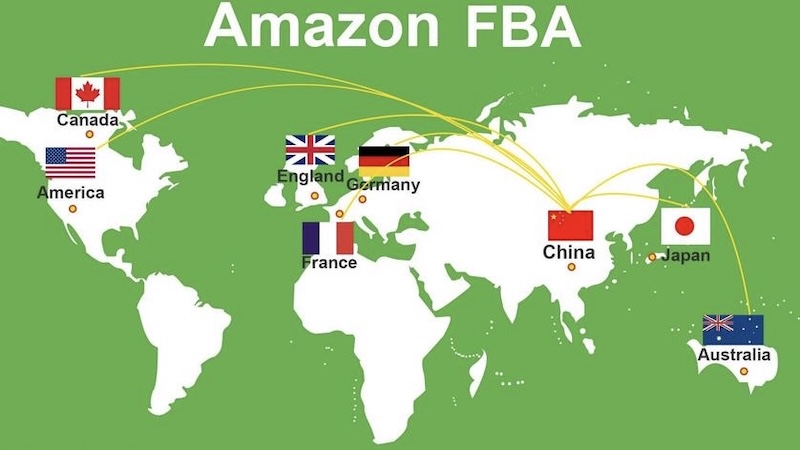
Getting started with FBA shipping from China is a strong first step, but execution is where margin is won or lost. The most expensive errors usually happen before inventory reaches the fulfillment center, especially when sellers rely on outdated assumptions instead of current best practices of shipping to Amazon FBA.
This mistake creates preventable receiving delays, relabeling fees, and shipment rejections. Amazon’s prep standards evolve, and small misses such as incorrect carton labels, mixed-SKU packing errors, or non-compliant poly bag and carton specs can trigger costly corrections. For sellers using fba in China workflows, prep compliance should be treated as a pre-dispatch quality gate, not a final checklist item.
A practical way to reduce risk is to align your FBA in China service with three controls: carton-level inspection photos, barcode scan verification, and pallet configuration confirmation before booking. A reliable FBA in China partner should document each checkpoint and share proof in a shipment file. If your current FBA in China company cannot provide this visibility, your landed cost is likely higher than it appears because hidden non-compliance fees surface later.
Many sellers still plan small-parcel strategies around old de minimis assumptions. When rules or enforcement patterns shift, expected duty treatment may no longer apply, and total import cost can rise suddenly. The result is not just higher fees. It can also disrupt cash flow, pricing strategy, and restock timing.
For a trusted FBA in China process, model scenarios before shipping: one with expected duty treatment and one with conservative assumptions. Then evaluate whether direct-to-FBA or a staged domestic routing path protects margin better for your product category. Strong FBA in China experts will flag when shipment structure appears designed for tax outcomes rather than operational stability. Sellers who plan with compliance-first logic usually avoid emergency repricing and stockout-driven ad waste.
Route selection is often treated as a freight decision, but it is really an inventory risk decision. Direct shipping can reduce handling steps and speed receipt when documentation and prep quality are strong. Domestic routing can add flexibility for relabeling, split shipments, and appointment control, but it may add storage and transfer costs.
Choose based on your constraints, not habit:
Use direct routing when your prep accuracy is consistently high and launch timing is critical.
Use domestic routing when you need buffer stock, relabel capacity, or multi-channel allocation.
Recalculate FBA in China cost and FBA in China pricing by lane every quarter, including correction fees and delay risk.
Review operational feedback, including FBA in China reviews from your own team, not only freight quotes.
Sellers who compare routes this way make fewer reactive decisions and build a more reliable replenishment system. If you are refining your process now, prioritize partners that combine direct sourcing from China discipline with transparent FBA handoff controls.
After prep-rule updates and de minimis changes, route design becomes a margin decision, not just a logistics choice. If you ship from China to Amazon FBA, your path should match your product risk, reorder speed, and cash-flow tolerance.
Direct-to-FBA can lower handling layers, but it is not automatically the cheapest option. A practical comparison starts with total landed cost per sellable unit, then adds risk costs you might absorb later. For many sellers, direct shipping works best when cartons are already FBA-compliant, case packs are stable, and the factory has a repeatable export process. In that setup, a reliable FBA in China workflow often reduces relabeling, storage days, and domestic transfer fees.
Routing through your home country can still win when you need split shipments, frequent bundle changes, or market-specific packaging updates. You pay extra touches, yet you may avoid expensive downstream corrections at the fulfillment center. Use this simple decision lens before booking:
Direct from origin: Strong for standardized SKUs, predictable replenishment, and tight launch timelines.
Domestic routing first: Better for mixed pallets, final QC tweaks, or custom inserts added late.
Hybrid model: Send core volume direct, route a smaller control batch domestically for adjustments.
When evaluating FBA in China cost and FBA in China pricing, request side-by-side quotes that include prep, documentation support, carton-level labeling, and exception handling. A trusted FBA in China partner or FBA in China company should be able to model both lanes with transparent assumptions, not just freight rates.
Cost savings disappear quickly when inspection is weak. Direct shipping requires stronger upstream control because fewer checkpoints exist after cargo leaves origin. If your products are fragile, seasonal, or quality-sensitive, build inspection gates into your FBA in China service plan before dispatch. This is where direct sourcing from China and China direct sourcing discipline matter: clear specs, pre-shipment checks, and photo-confirmed carton compliance reduce avoidable chargebacks and receiving delays.
For practical control, align three checkpoints with your logistics route:
Pre-production alignment: Confirm packaging specs, barcode placement, and carton limits in writing.
Pre-shipment verification: Validate quantity, labeling, and pallet/carton condition against your FBA booking.
Exception protocol: Define who reworks non-compliant units, where, and at what turnaround time.
If your team is lean, working with FBA in China experts can improve consistency across sourcing and shipping handoffs. Review operational feedback, not just sales claims, when comparing FBA in China reviews. The right model is the one that protects sellable inventory while keeping lead times and landed cost stable as you scale.
After comparing routes and inspection control, the cost decision now shifts to compliance detail. In 2026, tariff classification, de minimis treatment, and Amazon prep rules can change your landed cost more than a small freight-rate difference, especially for sellers moving products from China into FBA.
Tariffs affect more than import duty on paper. They also influence cash flow timing, customs brokerage complexity, and whether a product remains profitable after final-mile fees. For small and mid-size brands using fba in China workflows, the key is to calculate landed cost before booking freight, not after inventory is in transit.
Focus on a practical pre-shipment check:
Confirm product classification and duty treatment early with your broker.
Model best-case and worst-case tariff scenarios in your margin sheet.
Separate freight cost from tariff cost so pricing decisions stay clear.
Re-check assumptions when product specs, materials, or bundling change.
If you work with a reliable FBA in China partner, ask for shipment documentation review before departure to reduce reclassification risk and avoid expensive holds.
De minimis changes matter most to small sellers because they can disrupt low-value shipment strategies that once kept landed costs predictable. If your model depended on splitting orders into smaller parcels, rule updates can erase that advantage and create compliance exposure.
A safer approach is to treat de minimis as conditional, not guaranteed. Build pricing around compliant import scenarios first, then treat any de minimis eligibility as upside. This protects margins when enforcement tightens or screening rules change.
For teams comparing FBA in China cost options, this means evaluating total compliance cost, not just line-haul price. A trusted FBA in China operation should help map shipment structure to current thresholds and documentation requirements so your plan stays stable across policy shifts.
Amazon prep and labeling updates in 2026 can trigger inbound delays, relabel fees, or inventory refusals when cartons, unit labels, or packaging details miss current standards. These are avoidable costs, but only with process discipline at origin.
Before cargo leaves, align three checkpoints with your FBA in China service provider: unit-level barcode accuracy, carton labeling format, and packaging compliance for the product category. Then run a final photo-based QA record tied to shipment IDs. This creates traceability if receiving issues appear later.
When selecting an FBA in China company, prioritize operational accuracy over promotional claims. Strong FBA in China pricing is valuable only if prep quality prevents downstream penalties. In practice, many sellers use FBA in China experts or a sourcing partner to integrate product sourcing, prep, and documentation into one repeatable workflow that reduces costly shipping mistakes.
Tariffs and stricter labeling rules changed more than landed cost. They also raised the risk of chargebacks, receiving delays, and inventory holds when prep is inconsistent. That is why your decision between outsourced prep and in-house coordination is now a core part of shipping best practices to Amazon FBA, not just an operations detail.
Most providers package an "FBA in China service" in layers, so you can buy only what reduces risk in your workflow. Common services include carton labeling, FNSKU application, poly-bagging, bubble wrapping, kitting, bundling, palletization, and appointment-ready carton planning. Many also offer photo inspection, carton dimension checks, and shipment consolidation across multiple factories.
For sellers using direct sourcing from China, consolidation plus final prep at one facility can prevent mixed standards across suppliers. If you ship fragile, oversized, or multi-pack products, ask for category-specific SOPs and sample photos before launch. A reliable FBA in China setup should show exactly how each SKU is handled, who signs off, and what happens when cartons fail inspection.
A trusted FBA in China company should be evaluated like a logistics risk partner, not just a low-cost warehouse. Start with process evidence, then confirm communication quality.
Request documented SOPs: You need written steps for labeling, kitting, carton limits, and exception handling.
Test with a pilot shipment: Send a small SKU batch first and review prep accuracy, speed, and issue reporting.
Check proof quality: Ask for timestamped photos, carton labels, and packing logs tied to PO or SKU IDs.
Review service boundaries: Confirm who books freight, who handles relabeling, and who pays for rework errors.
Validate reputation signals: Use practical FBA in China reviews from seller communities to spot repeat complaints.
If your team is comparing multiple providers, shortlist only FBA in China experts who can explain their QC checkpoints in plain language. Clear escalation contacts and response-time expectations matter as much as pricing.
Use a simple comparison model before deciding DIY or outsourced prep. Calculate total monthly prep cost for both paths:
Outsourced prep = per-unit prep fee + inbound local transport + storage days + rework/exception fees DIY/self-managed prep = staff time + training + facility overhead + consumables + error cost + delay cost
The key is including hidden costs. DIY often looks cheaper until relabeling mistakes trigger shipping delays, split shipments, or destination corrections. Outsourcing can be more economical when your SKU count is high, packaging rules are complex, or supplier consistency is low. DIY can still work for stable, low-variation SKUs and teams with tight process control.
As a practical rule, compare the projected FBA in China cost for one quarter, then rerun after your pilot. This keeps your decision grounded in real operating conditions and helps you choose a reliable FBA in China model that protects margin while supporting growth.
After comparing prep-service costs versus DIY, partner quality becomes the biggest lever for avoiding expensive surprises. In practice, reliable FBA in China depends less on one low quote and more on a coordinated chain of sourcing, freight, and inspection partners who understand Amazon requirements.
A strong sourcing partner should protect margin, quality, and lead time from day one. When evaluating a product sourcing agent/company for fba in China, focus on process transparency instead of sales promises. Ask how they qualify factories, manage sample revisions, and document defects before mass production.
Use this short vetting checklist:
Factory access and verification: Confirm they can show real factory audit workflows, not only trading-company catalogs. For China product sourcing, ask for anonymized examples of supplier comparison sheets.
Quality control method: Require pre-production checks, in-line inspections, and pre-shipment reports with photos tied to your spec sheet and packaging rules.
Cost clarity: Request an itemized fee model, including sourcing commission, quality control fees, and rework handling so your FBA in China cost and FBA in China pricing stay predictable.
Communication discipline: Test response speed, escalation paths, and English clarity during sampling. Slow communication early usually becomes costly during peak shipping windows.
Amazon readiness: Verify they know carton limits, labeling standards, and documentation needs for a trusted FBA in China handoff.
If an agent cannot explain how they prevent defects and shipment delays, treat that as a risk signal, even if their unit price is attractive.
Your forwarder is not only moving cartons. They are managing booking strategy, documentation accuracy, and warehouse appointment timing that directly affect check-in delays and storage fees. For a dependable FBA in China service, prioritize forwarders with repeat experience handling Amazon-bound cargo rather than general cargo specialists.
Screen candidates on these points:
Route and mode fit: They should explain when to use air, sea, or hybrid options based on launch date, replenishment urgency, and budget.
FBA documentation control: They must reliably handle carton labels, pallet labeling, commercial invoices, and destination-specific booking requirements.
Exception handling: Ask for examples of how they handled customs holds, split shipments, or relabeling issues without derailing inventory plans.
Pricing structure: Compare total landed logistics costs, not just freight rate headlines, to avoid hidden surcharges that distort FBA in China reviews and vendor comparisons.
Operational visibility: Choose teams that provide milestone updates and proactive alerts so you can adjust ads, stock, and reorder timing.
For growing sellers, the best results usually come from an aligned trio: a sourcing lead, independent quality checks, and an FBA-focused forwarder. That alignment is what turns a basic FBA in China company relationship into a scalable operation with fewer avoidable shipping mistakes.
Strong partner vetting only matters when it connects to shipment execution. With your sourcing and freight relationships already screened, the final focus is preventing avoidable errors that increase landed costs, delay check-in, or trigger Amazon compliance issues.
Align every shipment decision to total landed cost, not just the lowest quoted freight rate. For teams managing fba in China, the practical checkpoint is whether packaging, prep, labeling, and booking choices reduce rework and penalties at receiving. This keeps FBA in China cost planning realistic and avoids false savings.
Standardize handoffs between your supplier, prep workflow, and forwarder before cargo moves. A reliable FBA in China workflow is built on one agreed instruction set for carton specs, label placement, pallet rules, and document ownership. Fewer handoff gaps mean fewer last-minute corrections and lower disruption risk.
Separate partner trust from process control. Choosing a trusted FBA in China setup means validating that each party follows your SOP, milestone checks, and exception rules every shipment, not just in onboarding. Consistent process discipline is what prevents repeat shipping mistakes.
Compare providers on execution fit, not marketing language. Whether you use an FBA in China service or a full FBA in China company, evaluate how clearly they handle prep scope, cut-off timing, communication cadence, and issue escalation. This makes FBA in China pricing comparisons meaningful across options.
Use post-shipment reviews to tighten future cycles. Practical FBA in China reviews should capture what caused delays, extra charges, or relabeling events, then feed those lessons into the next shipment plan. Over time, this creates a more predictable operation with fewer costly surprises and stronger coordination with your FBA in China experts.
Book as soon as your production date is stable and your carton count is reasonably accurate. For most shipments, locking space earlier gives you better routing options and fewer surprise fees. Waiting until cartons are finished often forces premium rates or fragmented shipments. A trusted FBA in China service will help you set a booking window tied to production milestones, not guesswork.
The most common issue is mismatched labels between carton content, outer carton marks, and the shipment plan. Even small mismatches can trigger relabeling, check-in delays, or chargebacks. Before dispatch, confirm that SKU labels, carton labels, and pallet labels all match the final plan version. This is where FBA in China experts add value by running a pre-dispatch document and label check.
Use total landed cost and stockout risk together, not freight price alone. Air can protect revenue during urgent restocks, while ocean is usually better for stable demand and heavier goods. A mixed strategy is often the safest: send a smaller air batch to cover near-term sales and move the balance by ocean. This approach improves cash flow while controlling FBA in China cost.
Use a simple scorecard before you commit:
| Checkpoint | What to verify |
|---|---|
| Quotation clarity | Line-item charges, surcharge rules, and validity window |
| Operational controls | Label checks, carton audits, handoff process, exception handling |
| Communication rhythm | Response time, escalation path, and single point of contact |
| Experience fit | Similar product type, shipment size, and destination patterns |
| Reputation signals | Consistent FBA in China reviews that mention problem resolution |
This helps you identify a trusted FBA in China partner based on process quality, not only headline price.
Keep it short and mandatory:
Confirm final carton count, dimensions, and weight against booking data.
Verify shipment plan version and all FBA labels.
Recheck packaging strength for long transit and handling.
Validate commercial invoice and packing list consistency.
Confirm handoff timing and cut-off with your forwarder.
A disciplined checklist prevents avoidable disputes and protects FBA in China pricing from last-minute correction fees.
Sometimes yes, but only if responsibilities are clearly documented. If one provider coordinates pickup, export handling, line-haul, and final appointment, define ownership for delays, relabeling, and damages in writing. Many sellers prefer a specialized FBA in China company plus an independent QC step for control. The best structure is the one that reduces errors and keeps accountability clear.
Usually not. Low quotes can exclude services you will still need, such as label verification, pallet compliance checks, or exception support. Compare all-in scope, not just base freight. A slightly higher quote from a reliable FBA in China operator can lower total cost by preventing rework, storage penalties, and missed sales windows.
Q1: Does Amazon have fulfillment centers in China?
Yes, Amazon operates fulfillment centers in China, but most international sellers shipping from China use FBA programs in their target markets (US, EU, UK, etc.) rather than Amazon China's domestic network. When sourcing products from Chinese factories for FBA, sellers typically ship directly to Amazon fulfillment centers in their selling marketplace. This requires careful coordination between your Chinese supplier and freight forwarder to ensure compliance with Amazon's strict receiving requirements, proper carton labeling, and complete documentation to avoid rejection or delays at the warehouse.
Q2: What are the biggest FBA mistakes to avoid when shipping from China?
The most costly FBA mistakes from China include carton labeling errors that don't meet Amazon's requirements, incomplete or incorrect shipping documentation, poor coordination between suppliers and freight forwarders, and unclear responsibility chains when shipments are delayed or rejected. Other critical errors involve miscalculating landed costs which erode profit margins, choosing the wrong shipping method for your timeline and budget, and failing to plan for lead times that affect inventory levels and listing performance. These operational gaps cause more financial damage than single dramatic mistakes.
Q3: How does FBA shipping from China affect profit margins?
FBA shipping from China directly impacts your bottom line through landed costs, lead times, and cash flow. Many sellers find products profitable on paper, but margins disappear once all shipping costs, duties, and fees are factored in. Shipping isn't just logistics—it's a margin-control system. Poor planning leads to higher per-unit costs, stockouts that hurt listing rankings, or rushed air freight that eliminates profit. Successful FBA sellers from China treat shipping as a strategic component, carefully balancing cost, speed, and reliability to maintain healthy margins while meeting Amazon's inventory requirements.
Q4: What documentation is required for FBA shipments from China?
Proper documentation for FBA shipments from China includes commercial invoices, packing lists with accurate carton contents and dimensions, bills of lading (for ocean freight) or airway bills (for air freight), and customs documentation including HS codes for classification. You'll also need Amazon shipment IDs, FBA box labels, and any certificates of compliance for regulated products. Incomplete or incorrect documentation is a major cause of customs delays, rejected shipments, and unexpected fees. Working with experienced freight forwarders familiar with both Chinese export requirements and Amazon FBA standards helps ensure all paperwork is complete and accurate.
To avoid costly shipping mistakes from China to Amazon FBA, you need a repeatable process that protects margin before freight is booked.
A strong plan starts with landed-cost visibility and clear shipment rules. That includes carton dimensions, labeling, prep standards, split-shipment logic, and buffer time for inspections and port delays. If you are evaluating an FBA in China service, treat communication speed and error prevention as core criteria, not extras. The right partner should reduce rework, prevent chargebacks, and keep inventory flowing instead of creating expensive surprises.
Use this final checklist before confirming your next shipment:
Validate total landed cost, not just factory price, including prep, storage, duties, and last-mile delivery.
Confirm Amazon-compliant labeling, carton limits, and pallet requirements before packing starts.
Schedule quality checks and carton audits before goods leave origin to prevent relabeling and returns.
Compare at least two routing options for speed, risk, and FBA in China cost impact.
Set one accountable owner for each handoff so delays are flagged early and resolved fast.
If you are choosing between providers, look for a reliable FBA in China workflow with transparent milestones and documented exception handling. Review how a trusted FBA in China team handles peak-season congestion, booking changes, and customs documentation without shifting confusion to your side. Whether you work with an FBA in China company, an agent, or an internal ops team, the winning approach is the same: standardize the process, monitor every handoff, and fix issues before they become fees.
Your concrete next step is simple: build a one-page shipment playbook today, then test it on your next small batch. That pilot will show where your current process leaks time and money, and it will give you a reliable baseline to scale future FBA shipments with fewer surprises.
 English