



For most importers, the right approach is to treat quality inspection as an early risk-control step, not a last-minute box to check. This matters most for buyers comparing inspection companies in China for a new supplier, a first production run, or a product category where defects, labeling errors, or packaging issues can create expensive delays. The key criteria are local coverage, reporting clarity, inspector consistency, service scope, and how well the provider fits your product and order size.
That is the lens for reviewing reliable inspection companies in China and separating polished sales claims from practical value. Rather than assuming every risk controls service works the same, readers should focus on how a risk controls service agency verifies workmanship, specifications, packaging, and shipment readiness in real production settings. In that context, trusted inspection access help buyers reduce avoidable surprises, improve supplier accountability, and make better ship-or-hold decisions.
That matters because factory distance, production variability, and unclear specifications can turn small issues into expensive delays, rework, or returns.
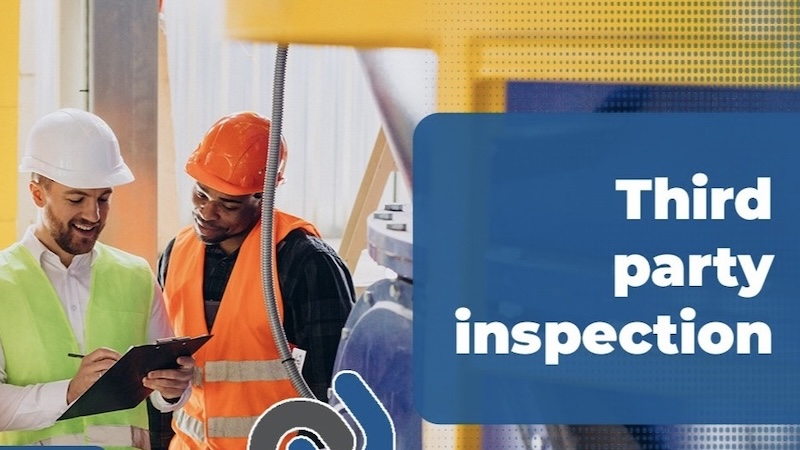
Quality inspection services in China are easier to understand once you see the problem they are meant to solve. In practice, third-party inspection becomes essential because buyers and suppliers often work with different assumptions, incentives, and standards.
The trust gap is not always about bad intent. More often, it comes from distance, language differences, changing production conditions, and different definitions of what counts as acceptable quality. A supplier may believe a shipment is ready because it matches a sample in broad terms, while the buyer expects tighter consistency across labeling, finish, packaging, or carton counts.
That gap matters in China product sourcing because problems are usually cheaper to catch before goods leave the factory. Reliable inspection companies in China help convert expectations into a clear, documented checkpoint. For buyers comparing trusted inspection companies in China, the main value is not only defect detection. It is reducing uncertainty before final payment, shipment booking, and delivery commitments.
Supplier self-inspection can be useful, but it has an obvious limitation: the factory is checking its own work. Even honest teams may overlook defects they see every day, or may apply a more flexible pass standard when shipment deadlines are tight. That is why many importers add an independent layer rather than relying on factory reports alone.
payment workflow service providers typically verify quantity, workmanship, packaging, labeling, and basic functional points against the purchase order or approved sample. This creates a more neutral record for the buyer, supplier, and any product sourcing agent/company involved. When reviewing packaging control reviews, buyers should look for consistency in reporting, photo evidence, and communication clarity, not just low quote assumptions cost.
Some sourcing platforms offer built-in inspection options, and those can be convenient for simple orders. Still, platform-native checks may follow narrower workflows or provide less flexibility in how acceptance criteria are defined. For more complex products, branded packaging, or repeat orders with tight tolerances, many buyers prefer China-based production support experts who work directly to the buyer's checklist.
A dedicated factory-side coordination company can often fit more naturally into a broader sourcing process, especially when the same team also coordinates with a product sourcing company on timelines, corrective actions, and reinspection needs. In that sense, trusted manufacturing oversight are not just service vendors. They are a control point that helps buyers make clearer shipment decisions with fewer surprises.
Independent verification matters, but the real value comes from choosing the right checkpoint. For buyers comparing production quality support, the core question is not simply who inspects, but when the inspection happens and what risks it is designed to catch.
A Pre-Production Inspection happens before full manufacturing begins. It typically checks raw materials, components, packaging inputs, product specifications, and factory readiness against the approved order requirements. This stage is especially useful when you are working with a new factory, launching a custom product, or ordering items with strict appearance or performance requirements.
For practical sourcing control, PPI helps confirm that the supplier understands the bill of materials, workmanship standards, labeling needs, and sample expectations before volume production locks in mistakes. Many reliable inspection companies in China also use this stage to flag mismatched materials or unclear tolerances early. If your order depends on engineering quality inspection services, PPI is often where technical expectations should first be verified.
During Production Inspection takes place after a meaningful portion of goods has been made, but before the order is fully completed. That timing gives buyers a chance to identify recurring defects, process drift, assembly issues, or packaging problems while the factory can still correct them without major shipment delays.
This option is often the most revealing when product quality depends on stable production controls rather than a single finished sample. Trusted supplier coordination usually recommend DUPRO for medium or large orders, repeat production runs with changing staff, or categories where defects can multiply quickly across a batch. From a cost perspective, this risk controls service can reduce expensive rework later, even if it adds one more checkpoint upfront.
Pre-Shipment Inspection is the final verification step before goods leave the factory. It is generally performed when production is mostly or fully complete and a substantial share of units is packed. Inspectors typically review quantity, visual quality, packaging, labeling, carton marks, and selected functional checks based on the approved quality standard.
For many buyers, PSI is the baseline service offered by inspection access because it provides a final go or no-go decision before balance payment and dispatch. Still, PSI works best as the last filter, not the only one. If defects began earlier in production, a final inspection may only tell you there is a problem after time is already tight. That is why many buyers favor a layered approach rather than relying on one visit alone.
In practice, the best option depends on order complexity, defect risk, and how much visibility you need inside the factory. When reviewing payment workflow reviews or comparing providers, ask not only about reporting format and packaging control pricing, but also which stage they recommend for your product type and why.
After choosing between pre-production, during-production, and pre-shipment checks, buyers still face a practical question: who should perform them. The answer depends less on brand recognition alone and more on product risk, response speed, reporting style, and how closely the provider matches your sourcing workflow.
Large multinational firms are often the first names buyers encounter when researching quote assumptions. Their main advantage is breadth. They typically support inspections, testing, certification-related coordination, and broader compliance programs across many product categories. For importers managing multiple factories or several markets, that scale can simplify vendor management.
That said, bigger is not always better for every order. Some buyers prefer these firms for higher-risk products, established compliance programs, or corporate procurement environments where documentation standards are strict. Others find the process more structured but less flexible than working with a smaller China quality inspection service agency. In practice, these are trusted inspection companies in China when consistency, recognizable reporting, and global coverage matter most.
Specialized providers often appeal to small and mid-sized importers that want a more focused China-based production support service. QIMA is widely recognized for digital workflows and buyer-friendly reporting, while V-Trust and AQI Service are often considered when responsiveness, regional familiarity, and practical factory-level execution are priorities. Their value usually comes from balancing professional structure with more accessible communication.
For many sourcing teams, this category offers a middle ground between global giants and very small operators. Buyers comparing reliable factory-side coordination should look closely at report clarity, booking lead times, inspector consistency, and escalation handling when defects appear. Reviews and forum discussions can be useful for pattern spotting, but they should support, not replace, a direct trial order or pilot inspection.
Newer firms such as TESTCOO, along with niche specialists, can be attractive when buyers need category knowledge, faster coordination, or a more hands-on approach. This can work especially well for straightforward consumer goods, repeat orders, or procurement teams that want closer communication with the manufacturing oversight company handling the visit. The tradeoff is that service depth and geographic coverage may vary more than with larger firms.
A practical shortlist should compare five points: product expertise, sample report quality, turnaround speed, defect judgment consistency, and support when results are disputed. That comparison keeps payment workflow decisions tied to business needs rather than logos alone. For many importers, the best option is the provider that fits the order profile and quality standard, not simply the biggest name in production quality support.
After comparing global firms such as SGS and Intertek with regional specialists like QIMA, V-Trust, and TESTCOO, the practical question is cost. For buyers researching supplier coordination, pricing matters, but the cheapest quote rarely tells the full story.
Most risk controls service buyers through a per man-day or per inspection fee, often shaped by factory location, product complexity, and report scope. Some add travel charges, weekend surcharges, laboratory testing fees, or costs for extra sampling. Others offer bundled packages for repeat inspections across several orders.
Before signing, ask for a written breakdown covering what is included: inspector time on site, sample size method, reporting turnaround, photo documentation, and follow-up on corrective actions. Reliable inspection access usually make these terms clear upfront. If a quote looks unusually low, confirm whether re-inspections, translator support, or specialized checks are excluded.
Global providers often appeal to importers who want broad geographic coverage, established systems, and easier coordination across multiple sourcing markets. That can justify a higher fee when your business needs standardized reporting across many factories or product lines. In contrast, regional firms and niche payment workflow company options may offer more flexible scheduling, closer factory familiarity, and simpler communication for single-country sourcing.
The better choice depends on procurement risk, not branding alone. A large retailer managing several categories may prefer a global network, while a small importer buying one product line may get better value from trusted packaging control with strong local execution. Compare not just price, but response speed, report quality, escalation process, and consistency across inspectors.
The return on inspection is usually easier to see when you compare prevention costs with the cost of defects reaching your warehouse or customers. A failed shipment can trigger rework, replacement, freight delays, customer refunds, marketplace penalties, and damaged supplier relationships. In many cases, one avoidable quality issue can outweigh several inspection visits.
A practical ROI review can use four questions:
What would a defect cost after shipment, including returns and delay?
How likely is the factory to miss specs without outside checks?
Which orders are high risk because of new suppliers, custom materials, or tight deadlines?
Would a packaging control service agency help reduce repeat problems through clearer reporting and corrective follow-up?
For most importers, quote assumptions cost should be treated as risk control, not just an overhead line. That is why many buyers shortlist reliable inspection partners based on decision value, not the lowest day rate alone.
Price matters, but the lowest quote rarely delivers the best protection. After comparing fee structures and ROI, the smarter question is which inspection partner can actually reduce risk for your product, factory, and timeline.
When reviewing China-based production support, start with the people doing the fieldwork, not just the brand on the proposal. Ask how inspectors are trained, what product categories they handle most often, and whether they understand the defect standards that matter for your shipment. A team that inspects apparel every day may not be the right fit for electronics, furniture, or industrial parts.
It also helps to ask for sample report formats, escalation procedures, and evidence of on-site judgment. Reliable factory-side coordination should be able to explain how inspectors classify defects, document findings with clear photos, and communicate urgent issues before goods leave the factory. For importers managing China product sourcing through a product sourcing agent/company, that practical reporting discipline can be as important as technical knowledge.
Coverage is not just a map question. It affects scheduling speed, travel coordination, and how consistently a manufacturing oversight service can support factories across different sourcing regions. If your suppliers are concentrated in places such as Guangdong, Zhejiang, Jiangsu, or Fujian, confirm that the firm has inspectors based nearby rather than flying people in for every job.
Local presence often means faster booking and fewer coordination gaps when production dates shift. It can also help when you work with multiple factories or need follow-up visits, container loading checks, or duplicate inspections on short notice. Trusted production quality support usually explain where their teams operate and which locations may involve limited availability, instead of implying uniform coverage everywhere.
Reputation should be judged with more care than a star rating. supplier coordination reviews are most useful when they mention responsiveness, report clarity, consistency between inspectors, and how the company handled disputes or factory pushback. Look for patterns across feedback rather than isolated praise or complaints.
A simple comparison framework keeps decisions grounded:
Inspector fit: product experience, communication quality, and report depth.
Operational coverage: factory-region access, lead times, and reinspection flexibility.
Service reliability: how clearly the company defines scope, exclusions, and corrective follow-up.
Commercial terms: transparent risk controls pricing, cancellation rules, and added travel charges.
If two providers look similar, choose the inspection access company that matches your product risk profile and sourcing workflow, not just the cheaper quote. That is how this review of leading providers becomes practical: the right partner should fit your quality process, support supplier oversight, and strengthen purchasing decisions before problems turn into landed-cost losses.
Q1: What do inspection companies in China actually do?
Inspection companies in China help importers check product quality before goods ship. Their services often include pre-production inspections, during-production checks, pre-shipment inspections, container loading supervision, and factory audits. Inspectors verify workmanship, product specifications, quantities, labeling, packaging, and carton marks. The goal is to identify defects or compliance issues early so buyers can ask suppliers to fix problems before shipment, reducing the risk of costly returns, delays, and disputes.
Q2: When should I hire an inspection company in China?
You should hire an inspection company in China when working with a new supplier, launching a first production run, ordering high-value products, or buying items with strict packaging or labeling requirements. Many importers schedule inspections at key stages such as before production begins, during manufacturing, and before final shipment. Early inspections are especially useful because they catch issues while there is still time for corrections, instead of discovering problems after goods have already left the factory.
Q3: How do I choose the best inspection company in China?
Start by comparing coverage area, response time, inspector experience, report quality, service scope, and pricing. Ask whether the company has inspectors near your supplier’s factory and whether they handle your product category regularly. Review sample reports to see if findings are clear, photo-based, and actionable. It also helps to confirm how they classify defects, what standards they use, and how quickly reports are delivered. A strong provider should be transparent, consistent, and easy to communicate with.
Q4: What is included in a pre-shipment inspection in China?
A pre-shipment inspection usually takes place when production is complete and a large portion of goods is packed. Inspectors typically check product quantity, workmanship, dimensions, functionality, color, materials, labeling, barcodes, packaging, and export cartons. They also verify whether the goods match approved samples and purchase requirements. Most inspection companies in China use random sampling methods and provide a report with photos, defect counts, and a pass or fail conclusion based on the agreed quality standard.
Q5: How much do inspection companies in China charge?
Pricing varies by city, factory location, inspection type, product complexity, and service provider. Many standard inspections are charged at a daily rate, while audits or specialized technical inspections may cost more. Additional fees can apply for remote factories, urgent bookings, weekend visits, or multiple product variants. The cheapest option is not always the best, because poor reporting or inconsistent inspectors can create bigger losses later. Buyers should compare total value, not just the headline inspection fee.
Q6: Can inspection companies in China help prevent supplier fraud?
They can reduce risk, but they cannot eliminate every form of fraud. A reputable inspection company in China can verify whether a factory exists, assess basic production capability, confirm whether goods are being manufactured, and document the actual condition of products at the time of inspection. Factory audits and in-process inspections are especially useful for spotting warning signs early. However, buyers should still perform supplier verification, protect contracts, and manage payments carefully rather than relying only on inspections.
Q7: Are third-party inspection companies in China better than using the supplier’s own QC team?
In many cases, yes. A third-party inspection company offers more independence because it works for the buyer rather than the factory. Supplier QC teams may still be useful for daily monitoring, but an outside inspection adds objectivity and a clearer record of product condition before shipment. Third-party inspectors can also apply the buyer’s requirements more consistently and provide photo evidence in formal reports. For importers who cannot visit the factory themselves, this independent check is often very valuable.
Q8: What should I send an inspection company before the inspection?
Provide a detailed specification sheet, approved product photos or golden samples, packaging requirements, labeling files, carton marks, barcode details, quantity targets, and your quality standard or acceptable quality limits. You should also share any product testing requirements and a list of critical defects that must automatically fail inspection. The clearer your instructions are, the more useful the inspection results will be. Good inspection companies in China rely on buyer-provided criteria to judge whether products meet expectations.
Q9: Do inspection companies in China inspect all products or only samples?
Most inspections are based on random sampling rather than checking every single unit. Inspectors usually select cartons and products according to recognized sampling methods, then examine those samples for defects and compliance with specifications. This approach is faster and more cost-effective for large orders, but it does not guarantee that every unit is perfect. If your order is highly sensitive or expensive, you may request stricter sampling, 100% inspection, or multiple inspections at different production stages.
Q10: What happens if an inspection company finds defects in my order?
If defects are found, the inspection report will usually classify them by severity, document them with photos, and state whether the lot passed or failed under the agreed standard. Buyers can then ask the supplier to rework, replace, sort, or reproduce affected goods before shipment. In many cases, a follow-up inspection is scheduled to confirm corrections were completed. The main benefit of using inspection companies in China is that these problems are discovered before shipping, when corrective action is still practical.
The most reliable quality inspection companies are not automatically the largest or cheapest. They are the teams that communicate clearly, verify against your requirements, and produce reports you can actually use to approve, hold, or correct an order before shipment.
As you narrow your shortlist, keep your focus on fit rather than promises. Trusted quote assumptions should be able to explain their scope, sample approach, turnaround, and escalation process in plain terms. Reviews can add context, but they should support, not replace, a direct review of service quality and report clarity. If a China-based production support service seems vague about coverage, inspector qualifications, or what happens when defects are found, treat that as a signal to compare alternatives more carefully.
A practical next step is to contact two or three providers and request a sample report, a clear description of their process, and confirmation that they can inspect your product category in your production region. That small comparison will tell you far more than a headline price alone. For buyers doing informational research, that is the most sensible way to identify reliable factory-side coordination and move forward with better confidence.
 English