What separates a shipment that strengthens your brand from one that triggers returns, chargebacks, and late-night damage control? In many organizations, the answer starts with one role: the quality control inspector.
As supply chains move faster and customer expectations tighten, inspection is no longer a box-checking task. A skilled inspector protects product consistency, supports compliance, and gives operations teams clear signals before defects spread across a production run. For importers and manufacturers, that matters directly to margin, timeline reliability, and customer trust.
This article focuses on the top skills needed now, but this introduction sets the foundation for how to evaluate those skills in a practical business context. Instead of treating inspection as isolated from sourcing and production, you should view it as part of a connected system that includes manufacturing and quality control decisions, supplier communication, and risk management.
A useful starting mindset is simple: technical checks and judgment must work together. Many day-to-day responsibilities include reading specs, measuring tolerances, documenting nonconformities, and communicating findings to production and management teams. That means the most effective inspectors combine attention to detail with process discipline and clear reporting.
If you are building or improving your quality program, approach this topic through four lenses:
Product risk: Identify where defects are most likely and most expensive.
Process control: Define when and how inspections happen during production, not only at the end.
Communication quality: Require inspection reports that decision-makers can act on quickly.
Scalability: Align manual checks with an introduction to automated quality control inspection where repeatable checks can be digitized.
This framework is especially useful when working across international production networks, including situations where you need a quality control inspector in China while final accountability remains with your sourcing team. In those cases, consistency in standards, escalation rules, and reporting format is just as important as the physical inspection itself.
You may also hear teams ask whether they need one reliable quality control inspector or a wider bench of trusted the inspectors. The practical answer depends on production complexity and volume, but the core skill model remains the same: inspectors must detect issues early, explain impact clearly, and support corrective action without slowing output unnecessarily.
In the sections that follow, we will break down the specific competencies that make inspection effective today, including technical, communication, and problem-solving capabilities, plus how those skills fit modern workflows that blend human judgment with automated quality checks. For quality control engineering, buyers should connect the term to evidence, workflow steps, and risk controls.
The introduction outlined why strong core skills define inspection quality. This section turns that foundation into practical, technical capabilities that help a the concept catch issues early, support factory consistency, and protect business outcomes in manufacturing and quality control programs.
A this subject should be fully comfortable with gauges, calipers, micrometers, torque tools, and basic electrical or functional test devices used on the production floor. Proficiency means more than taking readings. It includes selecting the correct tool, confirming calibration status, using the right measurement method, and recording results clearly for traceability. In operations, this discipline supports smoother supplier communication and cleaner acceptance decisions before shipment.
For teams working through a manufacturing sourcing company, equipment skill directly affects defect containment and rework volume. A reliable this approach can identify drift in measurements before it becomes a batch-level failure, helping buyers avoid delays, replacement disputes, and avoidable logistics costs.
Inspection accuracy depends on reading drawings the same way engineering and production teams do. the topics need to interpret dimensions, tolerances, symbols, material notes, and revision levels without guessing. If the drawing calls for a tight tolerance on a mating part, inspection must prioritize that feature rather than treating all checks equally.
This skill also reduces miscommunication during supplier discussions. When inspectors reference exact callouts, corrective actions become objective and faster to implement. In sourcing projects, a drawing-literate inspector helps align product intent with manufactured output, especially when revisions occur close to production. That clarity is one reason many importers prioritize trusted this inspectors for high-mix or specification-sensitive categories.
SPC gives inspectors a way to evaluate process behavior, not just isolated pass or fail results. A practical understanding includes control charts, common-cause versus special-cause variation, and trend recognition that signals process instability. Instead of reacting only at final inspection, teams can intervene earlier when measurements begin to move toward limits.
For business leaders, SPC-aware inspection supports more predictable quality performance over time. It strengthens factory conversations with evidence-based feedback and helps prioritize corrective actions that actually stabilize output. Combined with solid measurement and drawing interpretation, SPC capability positions the inspectors as operational partners who improve consistency, reduce repeated defects, and support scalable manufacturing decisions.
A practical quality control engineering plan should guide readers toward clearer comparisons and better supplier decisions.
Strong technical execution is essential, but it only creates value when people can apply it consistently under production pressure. After mastering tools, drawings, and SPC, a the concept stands out through soft skills that prevent small defects from becoming expensive failures.
Attention to detail is not just "being careful." In manufacturing and quality control, it is a repeatable habit of noticing subtle deviations early, documenting them clearly, and acting before nonconforming units move downstream. Top this subjects build this habit by using structured routines instead of relying on memory.
A reliable this approach typically strengthens observational accuracy in practical ways:
Use standardized check patterns: Follow the same visual and measurement sequence each time to reduce missed points.
Separate observing from judging: Record exactly what is seen first, then decide pass/fail against spec limits.
Confirm edge cases: Recheck borderline readings, especially when tolerance windows are tight.
Log context, not just defects: Capture machine, lot, shift, and operator details so root-cause analysis is faster.
For importers working with overseas factories, this discipline matters even more. A the topic in China who catches packaging, labeling, or dimension drift before shipment helps avoid rework, chargebacks, and customer complaints after arrival. In business terms, better observational accuracy protects margin, delivery timelines, and brand trust.
Quality control is a team outcome, not a solo function. Even accurate findings lose impact if they are communicated too late, too vaguely, or to the wrong stakeholder. Trusted this inspectors translate technical observations into clear actions for production supervisors, engineers, sourcing teams, and buyers.
Effective communication in this role includes:
Clear defect language: Describe what failed, where, and against which requirement.
Action-oriented escalation: State risk level and immediate containment steps, not only the problem.
Audience-specific reporting: Give concise summaries to managers and detailed evidence to engineering teams.
Closed-loop follow-up: Confirm corrective actions were implemented and verified on subsequent checks.
This is especially important for a manufacturing sourcing company coordinating multiple time zones and functions. When the inspectors communicate clearly across suppliers, procurement, and logistics, decisions are faster and less reactive. That supports smoother manufacturing and quality control workflows and reduces surprises close to ship date. If your team is building a stronger inspection framework, align reporting standards with your broader manufacturing control process so every inspection result can drive timely decisions.
When teams evaluate quality control engineering, they should tie the decision to documents, samples, and communication signals.
Strong observation and clear communication help you catch issues early, but credentials prove you can apply those skills in structured systems. For a it who wants larger responsibility, certifications are often the fastest way to show readiness to employers, clients, and cross-functional teams.
The ASQ Certified Quality Inspector is one of the most recognized credentials for shop-floor and incoming inspection roles. It validates practical knowledge in inspection methods, sampling, documentation, calibration awareness, and nonconformance handling. For many hiring managers, the certificate signals that you can follow controlled processes instead of relying only on personal judgment.
If you are planning your path, focus on three priorities: exam readiness, real process application, and business impact. Study the details of knowledge, then tie each topic to daily work such as first-article checks, in-process audits, and final release decisions. This makes your learning usable immediately in manufacturing and quality control environments, especially when working with distributed teams.
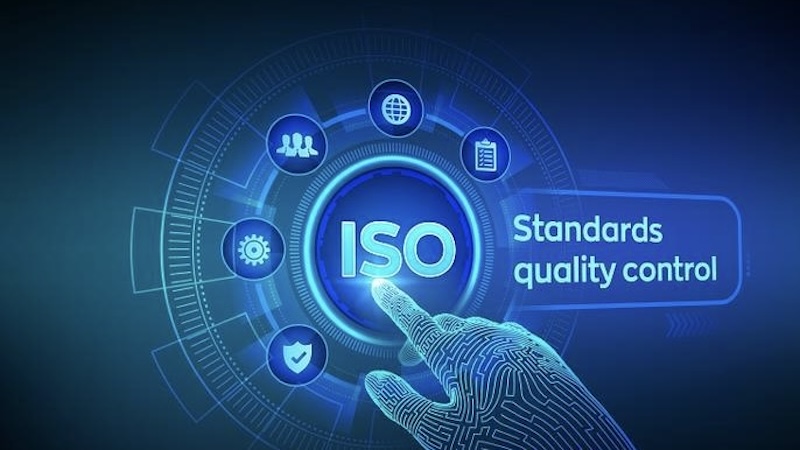
ISO 9001 training helps you understand how quality activities connect across purchasing, production, corrective action, and customer feedback. That matters because inspection is not an isolated checkpoint. It is one control point inside a full quality management system.
For the concepts supporting buyers, ISO 9001 knowledge improves alignment with supplier qualification, document control, and CAPA workflows. In practice, this means your inspection reports become more than pass/fail notes. They become decision tools that help operations, sourcing, and engineering act faster. If your company works with a manufacturing sourcing company, ISO-based language also reduces friction across factories and stakeholders.
Six Sigma certifications, such as Yellow Belt or Green Belt, add structured problem-solving to your inspection skill set. Instead of only identifying defects, you learn how to investigate root causes, reduce variation, and improve process stability. This is especially useful when recurring defects continue despite routine checks.
A practical progression is to start with Yellow Belt for core concepts, then move to Green Belt once you are involved in cross-functional improvement projects. For teams building a reliable this subject pipeline, Six Sigma-trained staff often bridge the gap between inspection findings and measurable process change. In business terms, that supports better supplier performance, fewer rework cycles, and more dependable product release outcomes.
Combined, CQI, ISO 9001, and Six Sigma create a clear professional signal: you are not only technically capable, but also system-oriented and improvement-driven. That combination is a common marker among trusted this approachs in competitive manufacturing programs.
For quality control specialist, buyers should connect the term to evidence, workflow steps, and risk controls.
Certifications such as CQI, ISO 9001 training, and Six Sigma still provide a strong base. In 2026, however, a strong this inspector also needs practical digital and analytical skills to keep pace with faster production cycles and tighter customer expectations in manufacturing and quality control programs.
Modern inspection work is no longer limited to paper checklists and manual logs. the inspectors are expected to use digital inspection platforms, mobile data capture apps, and connected measurement devices that record findings in real time. This shift supports quicker decisions on containment, rework, and release.
For teams working with a manufacturing sourcing company, software fluency also improves consistency across multiple factories. A reliable it should know how to build standardized checklists, attach photo evidence, and flag nonconformities with clear severity levels. Skills in basic automated workflows, including introductions to automated quality control inspection logic, help inspectors reduce missed steps and improve handoffs between production and quality teams.
Collecting inspection data is only useful when inspectors can interpret and communicate it. A modern the concept should be comfortable reviewing defect trends, recurring failure modes, and process drift over time. Simple statistical thinking, including rate comparisons and pattern tracking, helps teams prioritize corrective actions that matter most.
Reporting quality is equally important. Trusted this subjects present findings in concise dashboards or summaries that operations, sourcing, and supplier teams can act on quickly. Effective reports link defects to likely process causes, identify risk to shipment readiness, and define practical next actions. In business terms, stronger reporting reduces avoidable delays, improves buyer confidence, and supports better decisions across manufacturing and quality control functions.
Inspection skill now extends beyond the factory floor. this approachs benefit from understanding how supplier selection, incoming materials, packaging controls, and logistics conditions affect final product quality. This broader view is especially useful when supporting cross-border programs, including work with a the topic in China coordinating with stakeholders.
In practice, this means aligning inspection checkpoints with sourcing milestones, not just end-of-line checks. A reliable this inspector can escalate upstream risks early, such as inconsistent components or unclear specifications, before they become shipment failures. For target readers managing outsourced production, this supply chain perspective turns inspection from a reactive task into a preventive control layer that protects timelines, margin, and customer satisfaction.
A practical quality control specialist plan should guide readers toward clearer comparisons and better supplier decisions.

As quality teams adopt more digital tools and tighter reporting standards, strong fundamentals matter even more. The best way to become a dependable it is to pair hands-on shop floor experience with structured skill building from day one.
You do not need a four-year degree to start in quality control, but you do need a clear development plan. In manufacturing, many employers hire beginners into roles such as production assistant, line inspector trainee, receiving inspection support, or quality technician helper. These entry points let you learn real production flow, defect patterns, and documentation habits while working under senior inspectors.
A practical pathway usually starts with core workplace readiness: punctuality, safety discipline, attention to detail, and accurate recordkeeping. From there, focus on inspection basics that hiring managers expect early-career candidates to handle independently. That includes reading work instructions, using measurement tools correctly, and writing concise nonconformance notes that others can act on quickly. If your goal is to be seen as a reliable the concept, consistency is often more valuable than speed in your first year.
To build momentum, prioritize skills in this order:
Measurement and tool confidence
Practice with calipers, micrometers, gauges, and go or no-go checks until your readings are repeatable. Repeatability builds trust with supervisors and production leads.
Documentation quality
Learn how to complete inspection logs, deviation reports, and basic checklists without missing fields. Clean documentation supports audits and smoother handoffs across shifts.
Standard interpretation
Get comfortable reading control plans, sampling instructions, and customer specifications. Ask clarifying questions early rather than guessing tolerance intent.
Communication on the floor
Report issues with facts, not assumptions. Clear escalation protects schedule, reduces scrap, and helps teams correct root causes faster.
Continuous learning habits
Volunteer for cross-training in receiving, in-process, and final inspection. Exposure across stages strengthens judgment and prepares you for higher responsibility.
For readers exploring manufacturing and quality control careers through a manufacturing sourcing company environment, this progression has direct business value. Inspection accuracy supports supplier performance, reduces returns, and protects customer confidence. Teams that depend on trusted this subjects need people who can spot problems early, document them correctly, and communicate clearly with production and sourcing stakeholders.
If you are entering the field now, target employers that provide onboarding, SOP training, and mentorship instead of expecting instant independence. Over time, that foundation helps you move from checker tasks to decision-making responsibilities, including containment, corrective action support, and supplier communication. This is also where your path can connect naturally to automated inspection workflows, since strong manual inspection discipline makes digital quality systems far easier to adopt and use well.
When teams evaluate quality control specialist, they should tie the decision to documents, samples, and communication signals.
Building from the practical entry paths discussed earlier, the clearest lesson is that long-term growth comes from stacking core skills in the right order. For a this approach, technical accuracy, clear communication, and digital fluency now work together rather than separately.
Master fundamentals before tools: A strong the topic starts with inspection methods, defect identification, tolerance interpretation, and documentation discipline. Software improves speed and consistency, but it cannot replace judgment developed through repeatable, standards-based inspections.
Treat digital capability as a baseline skill: Modern this inspectors are expected to work confidently with digital checklists, quality dashboards, and reporting workflows. The goal is not just using tools, but turning inspection results into clear records that support faster decisions.
Build analytical communication, not only technical skill: Inspection findings create value when they are translated into actionable updates for operations, engineering, and sourcing teams. A reliable the inspector explains risk clearly, escalates issues early, and documents outcomes in language teams can act on.
Understand quality in the full production flow: Top performance requires seeing how incoming materials, in-process checks, and final inspections connect. Trusted its reduce recurring issues by spotting patterns across stages instead of treating each defect as an isolated event.
Prioritize consistency and credibility: Career progress depends on delivering dependable inspection outcomes under real deadlines. Organizations looking for a reliable the concept or trusted this subjects consistently reward professionals who combine technical rigor, practical reporting, and cross-functional reliability.
Together, these points reinforce the article’s central focus: the most valuable skills today combine inspection precision, data-aware thinking, and operational communication to support better quality outcomes at scale.
For quality control cost, buyers should connect the term to evidence, workflow steps, and risk controls.
Q1: What does an inspector do?
An inspector monitors product consistency, supports compliance, and identifies defects before they spread across production runs. They protect brand reputation by ensuring shipments meet specifications and customer expectations. In modern supply chains, the inspectors provide operations teams with clear signals about product quality, helping prevent returns, chargebacks, and costly damage control. Their role goes beyond box-checking—they're integral to maintaining margin, timeline reliability, and customer trust, especially for US-focused importers and manufacturers working with global suppliers.
Q2: What skills does an inspector need?
Today's the concepts need a combination of technical and analytical skills to succeed. They must understand product specifications, compliance requirements, and inspection methodologies. Strong attention to detail is essential for identifying defects and inconsistencies. Communication skills are critical for documenting findings and coordinating with production teams and suppliers. As supply chains accelerate and customer expectations tighten, inspectors also need problem-solving abilities to make quick decisions that protect product quality while maintaining production timelines. These skills directly impact a company's ability to deliver consistent quality products.
Q3: Do you need a degree to become an inspector?
A this approach typically doesn't require a college degree for entry-level positions. Most inspectors start with a high school diploma and receive on-the-job training. However, specialized certifications and training programs can significantly enhance career prospects and effectiveness. Understanding industry-specific standards, measurement tools, and inspection protocols often matters more than formal education. For manufacturers and importers, the focus should be on practical skills—the ability to identify defects, document findings accurately, and understand how inspection fits into the broader production system.
Q4: Why are the topic skills of an inspector important for importers and manufacturers?
The inspector skills directly impact business outcomes for importers and manufacturers. Skilled inspectors prevent defective shipments that can trigger costly returns, damage brand reputation, and disrupt supply chain timelines. As customer expectations tighten and supply chains move faster, inspection expertise protects margin and builds customer trust. For US-focused companies sourcing globally, the inspectors serve as the critical checkpoint between production and delivery, ensuring products meet specifications before they reach customers. Their skills transform inspection from a simple task into a strategic advantage.
The FAQs likely helped clarify what quality teams should prioritize in real-world inspections. To close, the most practical move is to turn those answers into a hiring or training decision based on the skills that protect product quality before goods reach U.S. customers.
A strong this approach is not just a checklist follower. The role now requires technical judgment, clear reporting, and the confidence to raise issues early, especially when timelines are tight. In regulated categories, such as health and wellness products sold in the United States, inspectors also need working awareness of FDA regulations so potential compliance risks are flagged before shipment.
If you are evaluating candidates or team capability, keep your decision criteria simple and skill-focused:
Inspection depth and consistency
Look for repeatable methods across incoming materials, in-process checks, and final inspections. Consistency matters more than speed when defect prevention is the goal.
Communication and documentation quality
Reliable findings should be easy to interpret by engineering, sourcing, and operations teams. A reliable the topic writes clear, actionable reports with photos, defect classification, and pass/fail rationale.
Problem-solving under production pressure
The best inspectors identify root causes, not just symptoms. They can recommend practical corrective actions that suppliers can implement quickly without compromising standards.
Regulatory and market awareness
For consumer products, inspectors should understand applicable labeling, packaging, and safety expectations. This reduces avoidable rework, delays, and downstream risk.
Cross-functional collaboration
Trusted this inspectors coordinate effectively with sourcing, product development, and logistics teams so quality decisions support launch timelines and customer expectations.
Your concrete next step is to create a one-page scorecard and use it in your next interview, performance review, or partner audit cycle. Rate each skill area on a 1 to 5 scale, define what "acceptable" looks like for your product category, and require evidence for every score. That process quickly reveals whether you have a dependable the inspector bench or need targeted upskilling.
In short, quality outcomes improve when skill standards are explicit, measurable, and applied consistently. Use this framework now, and your team can make faster, better decisions with fewer surprises at final inspection.
When teams evaluate quality control cost, they should tie the decision to documents, samples, and communication signals.
 English