Maple Sourcing Ltd.
Maple Sourcing Ltd.
We Make Your Sourcing Easy!
Need help? sales@maplesourcing.com
English
Maple Sourcing Ltd.
Maple Sourcing Ltd.

Quality Control Inspection Solutions for Importers

2024-07-30
3879 Views
Table of Content [Hide]

    250.jpg

    Many importers procuring goods from China often question the necessity of quality control inspections before shipping. They wonder about the reasonable costs involved in hiring inspection services, and they weigh the actual value derived from such inspections against the risks of forgoing them.

    Importers who also need to meet their customer requirements must calculate all these expenses to ensure that they can maintain their profit margin. Businesses from Western countries who import from a country like China need to safeguard their customers by ensuring that they are importing the goods meeting all the specifications and safety regulations as needed in their country.

    What is quality control in manufacturing?

    Products must pass stringent testing, inspection, and certification procedures as part of quality control to guarantee that they meet legal or corporate standards. This procedure detects quality issues early, allowing proactive corrective actions. Inspectors conduct tests across the manufacturing stages, ensuring both customer satisfaction and a streamlined, waste-free supply chain.

    What is quality control particularly in China?

    China's quality control involves proactive measures by importers and their inspection agencies to ensure product quality. This process helps in selecting reliable suppliers by utilizing China quality control service to screen potential partners and conduct factory audits to assess capabilities.

    Social audits further evaluate ethical practices such as workplace equality and environmental responsibility. Pre-production inspections establish the foundation, guided by a comprehensive checklist.

    Upon securing a supplier, a nominated inspection service oversees checks like initial production, during production, and pre-shipment inspections, culminating in supervising product loading for shipping. Adhering to these practices when sourcing from China yields numerous benefits for importers.

    What are the different types of quality control inspections?

    1. Initial production inspection - The quality inspection control usually starts with the initial production inspection. This inspection is performed before commencing production activities. Basically, during this inspection, the raw materials to be used for the production are checked for their suitability. This offers manufacturers to screen out defective raw materials that may cause problems during production activities.

    2. During production inspection – During production inspection involves inspecting products while they are being manufactured. Usually conducted when 10-15% of production is complete, during production inspection verifies that products are being made according to specifications and identifies any defects. Corrections are made, and the products are rechecked and reported on, reducing delays and costly reworks later in the production process.

    3. Pre-shipment inspection - When the products are manufactured and are ready for shipping, this inspection is again performed. With the help of pre-shipment inspection, it is possible to ensure that the products that are likely to fail and not meet the stringent requirements specified by the client are identified.

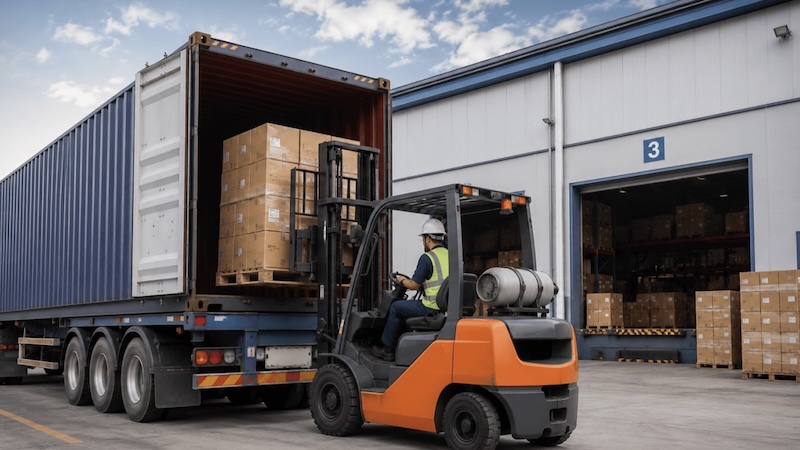
    4. Container loading inspection - This is the inspection during the last phase of the production cycle when items are ready for loading in the container. The purpose of this inspection is to ensure that products have been packaged properly so that they may not get damaged during transit.

    How do importers control quality inspection?

    Effective quality inspection control will need careful planning, collaboration, and observance of the best practices throughout the sourcing and import process:

    1. Define clear quality requirements - Develop precise product specifications, quality criteria, and acceptable tolerance levels through collaborative efforts with suppliers. Clearly communicate these expectations to minimize misunderstandings and ensure both parties are aligned on quality standards.

    2. Select qualified inspection partners - In the country where the inspection is required, the experts in charge of quality inspection control must be properly chosen. To ensure they perform well it is critical to check their qualifications.

    3. Implement inspection protocols - Create standardized inspection protocols customized for your product category and specific needs. Clearly define inspection checkpoints, sampling methodologies, acceptance criteria, and reporting formats to ensure uniformity throughout the inspection process.

    4. Schedule inspections strategically - Plan strategically timed inspections for important production and shipping milestones to keep a close eye on quality across the supply chain. Early inspections, including during production inspection and pre-production inspection, help to mitigate the risk of quality concerns worsening throughout the production process by facilitating timely intervention and corrective steps.

    5. Conduct random sampling - Employ statistically robust sampling methods to ensure that the samples inspected are representative of the entire production batch. Random sampling techniques are essential for validating product quality across various production batches and minimizing bias in inspection outcomes.

    6. Document inspection findings - It is important to keep a record of the findings of inspection performed with necessary photographs, observations and measurements taken. You should be able to trace them in future if they ever need to be referred. This can help resolve disputes in the future.

    7. Collaborate with suppliers - Encourage honest and open dialogue with vendors during the inspection procedure. To improve overall quality performance, encourage suppliers to take an active role in inspections, swiftly resolve any faults found, and carry out corrective actions. This collaborative approach fosters a shared commitment to maintaining high standards and continuous improvement in product quality.

    What are the benefits of quality control inspection?

    Let us delve into the significant benefits of quality control inspections for importers, focusing on what matters most:

    1. Quality control inspection lowers your procurement costs

    Despite the upfront costs of paying for product inspection services at your supplier's factory, inspections generally reduce overall costs for importers. They achieve this by preventing expensive rework and minimizing defects that would otherwise lead to unsellable products.

    2. Quality control inspection prevents expensive rework and repairs

    Imagine importing household refrigerators from a factory in China without inspection. Upon receiving the goods, you discover that 30% of the units have loose dry filters and misaligned doors.

    To remedy this, you must hire technicians for repairs before shipping to customers, potentially risking delays and customer satisfaction. Inspection could have detected these issues early, allowing your supplier to address them at no additional cost, avoiding the need for expensive repairs and potential customer dissatisfaction.

    Early inspection minimizes rework needs, reduces costs and ensures product quality meets expectations before shipment.

    3. Quality control inspection limits unsellable goods

    Consider promotional sunglasses where the correct logo is crucial. Without quality control inspection, an incorrect logo printed on the entire order renders them unsellable. Customers won't accept sunglasses with the wrong branding.

    Contrast this potential loss with the minimal cost of a one-day factory inspection. Even a basic inspection of a small sample size would detect logo errors early, preventing the entire batch from becoming unsellable.

    This proactive approach not only saves significant costs associated with unusable inventory but also protects your brand reputation and customer relationships by ensuring product integrity.

    4. Quality control inspection leads to highly satisfied customers

    In addition to potentially lowering costs for customers through competitive pricing, quality control inspection plays a crucial role in enhancing customer satisfaction. By ensuring timely delivery and minimizing defects, inspections contribute to reliably meeting customer expectations for product quality and service.

    Customers appreciate knowing that products undergo screening to detect and address defects and issues before purchase. While they may accept a certain level of defects, serious issues often lead to product returns.

    Earlier examples of refrigerator and sunglasses orders underscore this. Implementing QC inspection significantly reduces return rates across product types. By identifying defects early, importers prevent shipping substandard goods to customers, ensuring products meet expectations.

    This results in higher customer satisfaction and positive word-of-mouth, enhancing the overall buying experience and fostering customer loyalty.

    5. QC inspection helps the customers receive their goods on time

    A lesser-known yet crucial benefit of inspection for customers is its role in preventing production and shipping delays. Inspectors provide valuable insights in two key ways:

    a. Firstly, inspectors monitor production status and promptly alert importers if the supplier's factory is falling behind schedule. This early notification allows importers to take proactive measures, such as adjusting timelines or requesting expedited production, to ensure the timely delivery of goods to customers.

    b. Secondly, inspections during production (DPI. and incoming quality control (IQC. detect quality issues early on. For instance, consider importing wood moulding from Indonesia, a complex product involving multiple production processes.

    By sending inspectors, you uncover critical details: the factory is two weeks behind schedule, and incorrect gilded coatings are being applied to certain SKUs.

    Thanks to this early detection, you can immediately address these issues with the supplier, ensuring corrective actions are taken before they impact a significant portion of the order. You can also hold the supplier accountable to agreed deadlines and conduct re-inspections to verify production is back on track.

    In the end, inspection is essential to meeting quality standards and delivering items on schedule in order to fulfil responsibilities to consumers. This proactive strategy guarantees that customers receive the things they expect when they expect them, which not only reduces risks but also improves customer happiness.

    6. QC inspection improves your supplier relationships

    Initially, when lots of inspections are performed, it can create a bit of tension between the suppliers and clients; however, it is the duty of the inspector to perform inspection at any cost.

    The reluctance of suppliers to invest additional time and resources in correcting problems before shipping can be a significant risk. Suppliers who do not embrace this responsibility are typically one’s importers should steer clear of.

    Implementing product inspection safeguards importers from engaging with such suppliers, ensuring they partner with reliable manufacturers committed to delivering high-quality products.

    7. QC inspection helps you screen potential suppliers

    The most effective strategy to minimize product defects is to prevent them proactively, starting with clear expectations communicated during the sourcing process before selecting a supplier.

    It is crucial to inform potential suppliers of your inspection requirements early in the engagement rather than near the factory's completion date. This approach ensures that suppliers are aware of your quality standards and prepared for inspections.

    From the perspective of a third-party inspector, securing supplier cooperation for an inspection scheduled unexpectedly can be challenging. Supplier reluctance to accept external inspections, whether from your own team or a contracted third party, often indicates potential issues or unwillingness to adhere to stringent quality controls.

    When you clearly state your intention to inspect goods before shipment and encounter resistance from the supplier, it serves as a red flag. This resistance suggests the supplier may not be committed to meeting your quality expectations or transparency requirements.

    Therefore, using inspections to establish upfront your intent to enforce quality standards helps screen out suppliers who may not align with your quality assurance needs.

    8. Inspection encourages greater responsibility and transparency from suppliers

    There are several effective methods to ensure suppliers meet your standards. One powerful approach is to articulate your expectations clearly in documented formats:

    a. Detailed QC checklist: This document specifies product specifications, packaging needs, on-site testing procedures, and other essential details for quality control.

    b. Purchase order (PO): This document typically includes Incoterms, pricing, and a breakdown of unit quantities per SKU, formalizing the transaction terms and obligations between you and the supplier.

    These documents serve as critical tools to establish accountability, ensuring suppliers understand and adhere to your requirements throughout the procurement process. They provide clarity, facilitate effective communication, and help enforce standards to achieve consistent quality and fulfilment of business objectives.

    A vendor guide or "vendor agreement" allows you to formally outline expectations, including potential chargebacks or financial penalties for suppliers failing to comply. However, enforcing legal accountability through such agreements can be challenging and costly in foreign jurisdictions.

    In contrast, product inspection offers transparency by verifying your requirements directly at the supplier's facility.

    Imagine receiving a shipment of granite table tops with chips and cracks. Inspectors following your QC checklist can determine if these issues occurred during production or transit.

    They provide detailed reports on the extent of damage at the factory, enabling you to compare them with the goods you received. This process holds suppliers accountable by identifying areas for improvement in quality control.

    Conclusion

    Quality control inspections play a pivotal role for businesses engaged in outsourcing overseas, ensuring they maintain a competitive advantage and avoid product failures. Through rigorous inspection and analysis of defect patterns, businesses can enhance their manufacturing processes and deliver greater value to customers.

    By uncovering inefficiencies and streamlining production processes, quality control inspections also help cut costs. In the end, these procedures not only protect the quality of the product but also promote operational effectiveness, allowing companies to continuously satisfy customers and maintain growth in cutthroat international markets.

    Aaron Li
    Hey, this is Aaron Li, an expert in quality sourcing. Since 2012, I have helped 300+ startups to source from China and manage the quality. I'd like to share my experience and knowledge for frequently asked questions related to product sourcing and quality control.
    All Articles
    How to Build Relationships with Reliable China Suppliers
    How to Manage Orders in China: Best Practices & Tips
    How to Source Quality Electronics from China in 2026
    QC Inspection China: Avoid Costly Manufacturing Defects
    Product Development in China: How to Avoid Costly Mistakes
    Sourcing from China: 7 Steps to Reduce Costs & Risks
    How to Vet and Choose Verified Suppliers That Deliver
    How to Source Wholesale Products from China Successfully
    Consumer Products in China: Manufacturing & Import Guide
    How to Master Product Development from Idea to Launch
    Mastering Product Purchasing in China: A How-To Guide
    Quality Control 101: How to Prevent Costly Mistakes
    How to Find Quality Products Made in China: Ultimate Guide
    How to Perform Quality Control Checks in Chinese Factories
    How to Audit Manufacturing Suppliers Before Ordering
    How to Compare Sourcing Agents and Choose the Best One
    How to Order Bulk Products from China: Beginner Guide
    Sourcing from China Wholesalers: How to Get the Best Deals
    How to Optimize Your China Supply Chain for Efficiency
    Shenzhen Electronics Shopping: Avoid Common Mistakes
    From Alibaba to Amazon: Your Complete FBA Sourcing Guide
    China Inspection Services: Ensure Quality Before Shipping
    Finding Chinese Suppliers: 7 Steps to Source Products Safely
    How to Master Quality Control in China: A Step-by-Step Guide
    How to Buy Quality Products from China Online Safely
    Finding Trusted Chinese Agents for Alibaba Procurement
    How to Buy Products from China Factories Direct
    How to Manage China Procurement: From Factory to Fulfillment
    Supply Chain Management: Complete Guide to Success
    China Trade Agent vs. Sourcing Directly: Which Is Better
    Why You Need an Inspection Agent for China Manufacturing
    China to Amazon FBA: Avoid Costly Shipping Mistakes
    How to Hire Export Agents in China and Avoid Scams
    Guide to Understanding China's Product Development Boom
    How to Source from China: Manufacturer Selection Tips
    How to Choose Quality Inspection Methods That Work
    How to Build Relationships with Wholesale Tea Suppliers
    China Sourcing Guide: Avoid Costly Mistakes & Scams
    How to Choose an Alibaba Sourcing Agent That Saves Money
    Where to Source Products to Sell on Amazon in 2026
    Where Are Lululemon Products Made? China Factory Guide
    How to Source Artificial Flowers from China and Assure Quality
    Does Rolex Source Parts from China? The Truth Revealed
    How to Source Manufacturers in China: Complete Guide
    How to Request Product Sourcing Quotes That Save Money
    Sourcing Outdoor Products from China: Buyer's Handbook
    Top Skills Every Quality Control Inspector Needs Now
    Finding the Right China Factory: 5 Essential Steps to Follow
    Procurement in China: Avoid Costly Mistakes & Delays
    Import from China: Quality Control & Sourcing Tips
    Importing from China to Europe: Step-by-Step Process
    Professional QC Inspection Services: From Factory to Customer
    China Purchasing Guide: Avoid Costly Import Mistakes
    China Outsourcing Guide: How to Avoid Common Pitfalls
    Asia's Leading Sourcing Firms: Reviews & Comparisons
    How to Start Manufacturing in China Without Mistakes
    China Sourcing Agent Fees: Complete Cost Breakdown
    How to Source from China Suppliers Without Getting Scammed
    Quality Control in China: Expert Service Providers
    China Quality Control: How to Inspect Your Products
    Import Goods from China to UK: Step-by-Step Process
    How to Conduct a Successful Factory Audit in China
    How to Choose the Best Shenzhen Sourcing Agent for You
    How to Avoid Low-Quality Products When Sourcing from China
    Leading Strategic Sourcing Firms for Better Negotiations
    How to Source Products from China Wholesale Suppliers
    What is Quality Management in Manufacturing Industry
    How to Choose the Right Product Development Factory
    How to Implement Quality Control in Manufacturing Process
    How to Source Products from China Without Getting Scammed
    How to Build a Strategic Sourcing Management System
    How to Verify Quality of A Product Made in China
    Tips for How to Verify China Sourcing Companies
    How to Find Reliable Factories in China for Your Business
    Top China Sourcing Companies: What You Need to Know
    How to Avoid Scams When Sourcing from China Factories
    Consumer Goods Business Model: How to Start & Scale
    China Sourcing Agent Services: Save Money & Avoid Scams
    How to Order Custom Metal Products from China Safely
    How to Implement IQC in Chinese Manufacturing Facilities
    Is a Buying Agent Necessary for Importing from China
    Complete Guide to Ordering OEM Products from China
    How to Source Profitable Products for Amazon FBA in 2026
    How China Sourcing Agents Help Find Suppliers Fast
    Affordable Outdoor Gear from China: What You Need to Know
    China's Supply Chain Dominance: What Businesses Must Know
    Ship from China to USA: Costs, Times & Best Methods
    International Freight: Complete Guide to Global Shipping
    Complete Guide to Purchasing Steel Products from China
    Where to Buy Bulk Products from China: Complete Guide
    Buying Wholesale from China: Avoid Scams & Save Money
    How to Conduct Quality Inspections in China Effectively
    How to Choose FBA Product Development Services in China
    How to Find Reliable Suppliers for Consumer Products from China
    LED Downlights Factory Direct: Save 40% on Bulk Orders
    Prototype Circuit Board Manufacturing: 7 Key Steps
    Manufacturing Quality Control: Complete Inspection Guide
    How Custom Order Software Reduces Fulfillment Errors
    How to Source Quality Massage Guns at Wholesale Rates
    How LED Advertising Boards Boost Business Visibility
    Read More
    References
    Our Features
    Custom Products
    Turn concept to reality
    Quick Response
    Within 24 hours
    Detail Oriented
    Strive for perfection
    Assured Quality
    100% Guarantee