Maple Sourcing Ltd.
Maple Sourcing Ltd.
We Make Your Sourcing Easy!
Need help? sales@maplesourcing.com
English
Maple Sourcing Ltd.
Maple Sourcing Ltd.

Explanations of Manufacturing Quality Process in China

Published:
Updated:
5400 Views
Table of Content [Hide]

    251.jpg

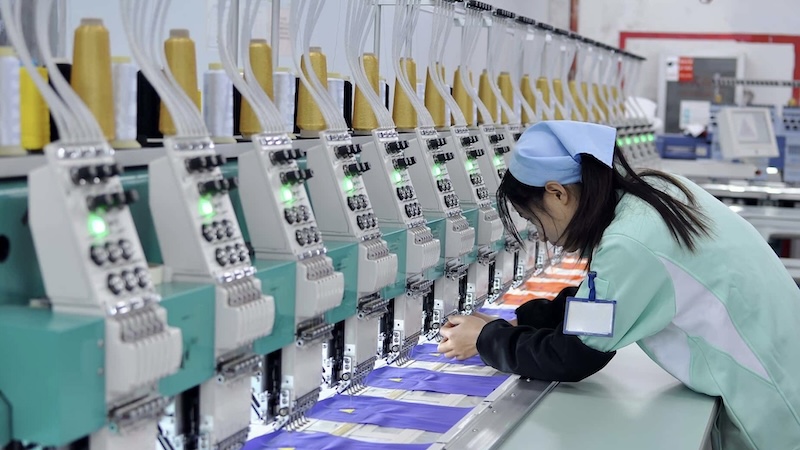
    China is a key location for low-cost manufacturing solutions for many enterprises in the quickly growing global commercial market. However, maintaining the quality of the products through strict quality control and assurance techniques is the primary factor that will determine the success of these endeavours.

    In addition to pricing, Western companies that source from China place a high value on Chinese manufacturers' ability to satisfy their exacting requirements for quality. Quality control procedures are essential in production because they guarantee that products meet criteria.

    Although trustworthy Chinese manufacturers carry out internal inspections while a product is in production, it is strongly advised that purchasers carry out their own intermediary examinations using third-party organizations. This becomes particularly vital when products must comply with governmental safety regulations.

    The specific steps involved in the manufacturing quality process may vary depending on the nature of the product being sourced and the particular industry involved.

    In this post, we will try to explore the various considerations and strategies needed to ensure quality when any business is engaged with Chinese manufacturing partners.

    Why quality inspection is essential?

    - Ensures production of quality goods: A combination of quality assurance (QA) and quality control (QC) can positively impact quality and adherence to your product’s required specifications.

    - Minimises variations in production: During manufacturing, it is obvious that variations can be found in the items. Once you have understood the underlying reasons behind this, then it is possible to include steps and checks to your instructed QA processes to eliminate these variations.

    - Reduces your losses: By performing QC checks, you can reduce the number of defective items you receive that you may not be able to sell. The more defective items you have, the higher the chances of loss you make. 

    - Increases or maintains your planned sales margins: QC checks can also cut down the chance of you getting low-quality items that you may have to sell at a reduced/discounted price. 

    - Leads to consumer retention: You would have decided your target customer group based on what quality you are expecting to offer them. If you supply goods of inferior quality, even at a reduced price, you risk the chance of losing your customer base. 

    - Increased consumer satisfaction: It enables you to guarantee and demonstrate to your customers that you are maintaining the level of quality they anticipate from the products you supply.

    Providing certifications and accreditations enhances their satisfaction and increases the likelihood of long-term business relationships. There is a clear connection between ensuring quality and fostering customer loyalty.

    Importance of quality assurance

    While importing from China, you must ensure that whatever reputation you have achieved over the years is still maintained. Therefore, you must take the following quality control measures during manufacturing in China.

    1. Supplier selection

    It is important that you look for a reputed company with good reviews when selecting your Chinese suppliers. You can check their track record and find out whether they have done any business with companies in any of the Western countries.

    2. Quality management systems

    Make sure that you only collaborate with companies that have ISO 9001 certification and have certain systems in their manufacturing process. Check their QMS and try to read the SOPs that are used in the manufacturing line.

    3. Product inspections and testing

    Quality inspections must be implemented throughout the manufacturing process. Your manufacturing quality process must start even before your production activities start. There is every chance that if you ignore checking your raw materials, you will end up getting defective products during the manufacturing process.

    Therefore, inspection and testing must start from incoming materials till the final products are loaded into shipping containers. These days, most businesses prefer to hire a third-party product inspection services in China for product quality checks. 

    Third-party inspection services in China can offer the following services:

    - Pre-production quality inspection
    - During production inspection
    - Pre-shipment inspection
    - Container loading supervision in China.

    4. Certifications and compliance

    It is important to make sure that products manufactured in China are following certain standards or certifications. In the international market, it is essential that the following certifications are used:

    - CE for Europe.
    - RoHS for Europe.
    - UCKA for the UK.
    - FDA for USA.
    - UL for USA.
    - CCC for China.

    Quality control management in high-volume production

    When any production is carried out in bulk quantity, then quality issues can occur more frequently. It becomes very challenging to maintain quality during high-volume production. If any quality issues are noticed in a small batch of production, then it is likely to get amplified when the production quantity is increased.

    So, it is necessary to include a robust inspection process during the production stage. By following this proactive approach, it will be possible to eliminate any defective products at a much earlier stage so that they may not leak into the market.

    1. Addressing communication gaps

    Quality issues often arise due to a lack of communication between buyers and suppliers. Therefore, ensure both you and your supplier must have enough dialog about the technical specification of the products. It is also important that all these discussions must be held in writing.

    2. Implementing third-party inspections

    We have already mentioned about third-party inspections, which are the best tools to check the quality of your product in China. An independent agency can perform quality checks at several production stages and also before shipping.

    There are many highly specialised third-party quality inspection services available in China.  

    3. Leveraging technology for quality control

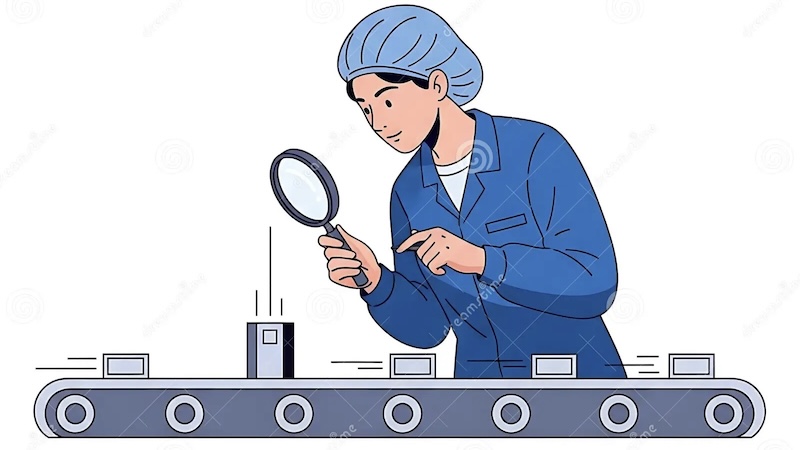
    Today, numerous advanced technologies are available for quality inspection during manufacturing processes. Vision inspection systems, for instance, can accurately detect defects as products are being manufactured. If such technology is used, then one can check the quality on a real-time basis.

    Moreover, leveraging data analytics aids in identifying patterns and trends related to production quality. By analysing production data, businesses can uncover hidden issues and steer enhancements in manufacturing processes.

    4. Building long-term relationships with suppliers

    Cultivating enduring partnerships with suppliers can markedly enhance quality outcomes. Long-term alliances cultivate trust and cooperation, encouraging suppliers to prioritize maintaining high standards. Consistent interaction with suppliers can also streamline communication and expedite problem-solving.

    To foster robust relationships, engage closely with suppliers to grasp their strengths and challenges. Offer constructive feedback and assistance to aid in their process improvements. Embracing a collaborative strategy can yield mutually advantageous results and elevate product quality and also your manufacturing quality process.

    What happens when any issues are found during inspections?

    When issues arise, factories are directed to rectify the products already manufactured and prevent the recurrence of the problem throughout the remainder of the order.

    Occasionally, reworking defective batches can incur costs and cause delays in delivery. When quality control inspections uncover such instances for clients, the quality team determines the appropriate course of action based on the specific circumstances.

    If the quality team understands the product's intended use, they may allow a faulty batch to proceed if they determine the deviation will not impact its functionality. However, they will implement corrective measures for subsequent batches.

    For example, consider a bathroom water tap with an exposed side and a side that fits into the sink or wall. If a defect is found on the side that fits into the sink or wall, they may choose to approve the batch while notifying the factory and informing the client.

    Typically, clients agree with this decision as the defect does not affect usability and is unlikely to be noticed by the end customer.

    Strategies for effective quality assurance in China

    1. Transparent communication with your suppliers in China - Develop transparent communication channels with your manufacturing partners in China. Clearly communicate your quality standards, specifications, and expectations. Foster an open dialogue that promotes feedback and ongoing enhancement efforts.

    2. On-site audits and visits - Visiting manufacturing facilities in person can offer valuable insights into production processes and quality control measures. This direct interaction helps establish relationships, reinforces expectations, and enables immediate resolution of any issues that may arise.

    3. Investing in training - It is important to join hands with your Chinese suppliers and invest in certain training program to offer training to the workers. If the people involved in the production are fully trained, then it is very likely that they will do a better job, and your manufacturing quality process will be better.

    4. Implementing technology solutions - As mentioned before, consider implementing certain technological solutions in the production line that can identify any issues on a real-time basis. Some of the technologies used can be IoT devices, sensors, and data analytics.

    Things to include in your QC checklist

    Before confirming your order or commencing production, it is essential to provide your supplier with a comprehensive QC checklist detailing your product specifications and quality standards. This checklist should include clear criteria for inspection. Below are the key parameters that should be incorporated into your QC checklist.   

    - Product requirements: Material, weight, height, among other aspects. 

    - Packaging and labelling: Accurate packaging and labelling are critical compliance requirements across various industries. For certain products, confirmation and labelling must be conducted by certified laboratories.

    - Visual inspection: This must be included in your checklist to inform your supplier that this must happen. 

    - Defect classification: During QC inspections, defects are classified into three types: minor, major, and critical. It is essential to always provide your quality control inspector with an approved sample, whether it is the actual product, images, or videos.

    - Functional tests: If you are importing any device from China, then outline the guidelines for testing your product's use or function. 

    - Special tests:  For certain products like pharmaceuticals or chemicals, specific samples are sent to laboratories to assess their quality according to the importers' guidelines.

    - Carton drop tests: This is performed to check the strength and durability of the packaging before your goods are transported. 

    What is expected in a quality control report?

    - Presented product quantity: The supplier provides the inspector with the quantity of finished products. The inspector counts these products to verify that they match the quantity specified in your order.

    - Visual defects: These imperfections are visible on either the product or its packaging. The maximum number of acceptable defects is defined by the defect tolerance level specified in your QC checklist. If the number of defects exceeds this permissible limit, the inspection will result in a failure.

    - Conformity to requirements: These outcomes confirm that the goods satisfy the quality control requirements. Conformance inspection is carried out in accordance with the guidelines provided in your quality control checklist. In the final inspection report, the inspector will note any irregularities that they find.

    - On-site tests and checks: This may be necessary to ascertain compliance with specific requirements based on your product. Following their quality control inspection, the inspector issues a comprehensive report covering all pertinent areas.

    Tips for selecting a 3rd-party QC company in China

    - Make sure that the business has both an ISO 9001 certification and an AQSIQ license, which are required for offering quality control services in China.

    - Pre-production, in-line, pre-shipment, container loading supervision, and a variety of auditing services like factory, social, and environmental audits are just a few of the many quality control inspection services that a trustworthy QC business will offer.

    - Select a company with relevant experience and expertise in your product category. This ensures they can make informed quality control decisions.

    - Request previous reports they have issued to customers, particularly in a similar product category, to assess their capability to deliver professional and clear reports.

    - Ensure they grasp your specific quality requirements.

    - Lastly, choose a company that offers transparent pricing for their quality control inspection services. This transparency allows you to understand your total import costs and plan your budget effectively.

    Conclusion

    Implementing manufacturing quality process in China is not so difficult and any businesses need not visit China for that. It is important to communicate effectively with the Chinese suppliers and support them so that they can implement quality in their system.

    These days, many technological solutions are available to check quality from a remote distance. Also, hiring a third-party inspection service in China will also help your cause. With these steps, the quality control process in China can be successful for your business.

    Need support with your China imports?
    We offer full service from new product development to shipment: sourcing, supplier vetting, order monitoring and quality inspections. Submit your inquiry today.
    Aaron Li
    Hey, this is Aaron Li, an expert in quality sourcing. Since 2012, I have helped 300+ startups to source from China and manage the quality. I'd like to share my experience and knowledge for frequently asked questions related to product sourcing and quality control.
    All Articles
    Shipping Mark on Carton: Complete Guide for Importers
    Retail Arbitrage: Where to Source and How to Earn Profit
    Top 5 Chinese Wholesale Online Platforms (2026)
    Best China Products for Senior Care Retail Stores
    How to Source Wholesale Home Decor for Retail Businesses
    Top 10 Chinese Solar Panel OEM Factories (2026)
    How to Get Free Samples from China Factories
    African Importers: Best Dollar Store Products from China
    Pros and Cons of Cross-Border Private Label Sourcing
    Alibaba Wholesale Purchasing: 5 Hidden Risks to Prevent
    How to Source Low-MOQ Products for Online Resellers
    Ocean Freight CBM Calculation: One Easy Formula
    Ecommerce Brands: Top 5 High-Margin Product Niches
    Proforma Invoice vs Commercial Invoice: Key Differences
    Ocean & Air Freight: Gross vs Net Weight Rules
    Startups: Direct vs Indirect China Sourcing
    RFQ: Real Examples & Industry Best Practices
    How to Find the Best Freight Options for Importers
    Startup Budget for a China Import-Export Business
    Top 8 Largest China-Based Logistics Providers (2026)
    Small-Batch Startups: Tips to Cut Factory Costs
    Hidden Expenses Every China Importer Should Expect
    Amazon Resellers: Best Ways to Import from China (2026)
    MOQ of Custom Packaging for Small Business
    Quality Audit Checklist for Chinese Factories
    Key Manufacturing Industrial Hubs Across China
    Made in PRC: Meaning of This Product Label
    FCL vs LCL: 2026 Shipping Comparison Guide
    Sea vs Air Freight: Core Reasons Behind Their Price Gap
    2026 Hottest Toy Lines Imported from China
    China to Canada: Lowest-Cost Shipping Options (2026)
    Alibaba vs AliExpress: Key Differences for Importers
    US-China Tariffs 2026: Importer Compliance Handbook
    Custom Sourcing: OEM and ODM Main Differences
    5 Phases to Protect Product IP when Outsourcing in China
    FOB vs. EXW: Which Is Better for China Importers?
    1688 Sourcing Agents: Benefits for Retail Resellers
    Yiwu Wholesale Market: Top 10 Products to Import
    4PX Shipping: Full Lead Time Breakdown (2026)
    DHL Shipment On Hold? 3 Steps to Fix It (2026)
    Why You Need Taobao Agents for Kitchenware Sourcing
    Alibaba Verified Suppliers: Can You Trust Them? (2026)
    Foshan Furniture Market: Actions to Assure Quality
    Guangzhou Fabric Market: Tour Guide & Sourcing Tips
    2026 Complete Sourcing Guide for the Canton Fair
    Is Huaqiangbei Still Ideal for Importers? 2026
    High-End Electric Toothbrush Manufacturers in China
    Private Label Bags from Chinese Manufacturers
    Manage Sample Orders: Key Tips for China Importers
    Top 5 Shipping Documents Required for Imports
    Cost-Saving Tips for Logistics Management Workflow
    Top Beauty and Healthcare Items on Amazon (2026)
    3 Ways to Evaluate Production Capacity of China Factories
    Top 10 Largest Chinese Wholesale Markets (2026)
    Why China Dominates Global Toothbrush Manufacturing
    Top 10 Iconic Products Made in Shenzhen (2026)
    Custom Design Orders: Tactics for MOQ Negotiation
    How OEM Manufacturing Adds Value to Consumer Brands
    Cargo Consolidation: Cut Shipping Costs for Importers
    China to Europe: Top 10 High-Profit Import Goods (2026)
    Key Shipping Ports in China and North America
    Major Apple Manufacturers in China: 2026 Update
    Electronic Component Imports: IQC Inspection Checks
    Sourcing Agent Fees for Small-Batch China Importers
    Best China Products to Resell Across Global Markets
    Why Are Most Goods Made in China? 2026 Update
    Top 10 Inspection Companies in China (2026)
    Reduce Expenses by Manufacturing Your Goods in China
    2026 Trends for Customized Products from China
    Standard Process for Pre-Shipment Inspection in China
    Cross-Border Sourcing: Pain Points and Solutions
    Shenzhen Wholesale Markets: Ideal for Electronics Sourcing
    Verify Chinese Company Without Visiting China
    Retail Resellers: 5-Step China Bulk Sourcing Guide
    5-Step Alibaba Order Process for Small Retailers
    What Makes Chinese Supply Chains Highly Efficient
    Make Rapid Prototypes in China Manufacturers
    China Sourcing Basics for Amazon FBA Sellers
    Bulk Imports from China: Key Advantages
    LED Product Importers: Key China Sourcing Guide
    How China Sourcing Services Save You Time and Costs
    5 Effective Ways to Contact Chinese Factories
    Manage Chinese Factories to Ensure On-Time Deliveries
    Where to Source High-Quality Kitchen Utensils in China
    Top 10 Wholesale Items Imported from China (2026)
    Top 10 Trendy Consumer Electronics Made in China
    Comprehensive Guide to Find Chinese Suppliers Online
    Electronics Resellers: Why You Need Shenzhen Agents
    Handbook for Sourcing Chinese Hardware Products
    Transform Supply Chains via Direct China Sourcing
    How to Build Stable Partnerships with China Suppliers
    TikTok Sellers: Easy Steps for Direct Sourcing in China
    How to Source High-Quality Outdoor Goods from China
    Why FBA Private Label Sellers Need China Agents
    5 Top Challenges when Manufacturing Goods in China
    Boost Retail Profits with Outsourced China Procurement
    Sourcing Chinese Metal Products: Critical Details
    Calculate US Import Duties for Chinese Goods (2026)
    How In-Process QC Works in Chinese Factories
    Retailers: Guide for China Manufacturing Outsourcing
    Read More
    References