



When costs rise, lead times shift, or a key input becomes hard to source domestically, procurement leaders often face the same question: what global sourcing can realistically do for the business right now. In practice, global sourcing is less about chasing the lowest unit price and more about designing a repeatable, controlled way to access capabilities, materials, and capacity across borders without creating avoidable risk. This introduction sets the thesis for the article: the global sourcing process works best when it is treated as a disciplined sourcing process with clear requirements, built-in compliance checks, and decision points that match how US companies actually buy, pay, and receive goods.
For many US teams, the challenge is not deciding whether to source internationally, but clarifying what global means for their specific category. Does "global" mean adding a second country of origin to reduce disruption, or does it mean building a multi-region pipeline for long-term resilience. Defining what global sourcing means upfront prevents a common failure mode of the sourcing process: jumping to quotes before requirements, total cost, and operational constraints are understood. A well-run global sourcing process starts with scope and governance, then moves through market mapping, qualification, commercial evaluation, and launch, with feedback loops for performance.
Because this is a guide global teams can apply across categories, it helps to frame the global sourcing process in terms of outcomes rather than geography alone. The goal might be cost stability in USD, access to specialized manufacturing, or faster scaling when US demand changes. Each outcome affects the sourcing strategy, from how you set specifications and quality thresholds to how you manage payment workflows using common US methods such as Credit Cards, PayPal, or Apple Pay where appropriate for smaller transactions and samples. For larger orders, your internal controls and finance policies will usually dictate the payment approach, but the principle is the same: align payment terms with risk and verification steps in the sourcing process.
A practical global sourcing process also accounts for what can slow or stop a shipment after you have selected a source. That includes documentation requirements, import compliance, labeling expectations, and category-specific rules. For example, if your product touches health and wellness, you cannot treat marketing claims as an afterthought. US businesses should consider how FDA regulations and other applicable requirements affect labeling, ingredient statements, and claims substantiation before committing to production. This is not legal advice, but it is a reminder that compliance checks belong early in the sourcing process, not after goods are on the water.
To keep the rest of this article useful and scannable, here is the operating definition we will use:
Global sourcing: a structured sourcing process that identifies, evaluates, and engages supply options outside the US to meet defined business requirements.
Global sourcing process: the end-to-end workflow from defining requirements and risk tolerance to selecting a source, validating quality, placing orders, and managing ongoing performance.
In the sections ahead, we will break down the global sourcing process into actionable stages you can adapt to your category and company size. You will see how to translate goals into measurable requirements, how to choose sourcing strategies that fit your risk profile, and how to avoid common execution gaps that turn "what global sourcing" promised into operational friction. The throughline is consistency: when global sourcing is run as a repeatable sourcing process with clear guardrails, it becomes a practical lever for US organizations rather than a one-off project.

Understanding the Strategic Global sourcing is a strategic approach to procurement, not just buying from overseas. It expands supplier evaluation across regions to improve total cost, capability, and resilience.
Global sourcing means deliberately widening where you assess and purchase inputs to balance total cost, capability, and risk. Traditional procurement often favors domestic suppliers, existing contracts, and short-term availability.
A local-only sourcing process is usually linear: requirements, quotes, orders, delivery management. The global sourcing process adds multi-country market scanning, compliance screening (including U.S. import and labeling where applicable), and contingency planning for lanes, lead times, or regulatory changes.
Global sourcing is common in categories like electronics, apparel, packaging, and manufactured components. The goal is stronger competition and alignment to business priorities, not “going global” by default.
Global sourcing works when options are compared using consistent criteria.
Cost optimization beyond unit price: Focus on total landed cost, including freight, duties, packaging changes, payment terms, and working-capital effects from longer lead times.
Quality and capability access: Source specialized processes, materials expertise, or tighter tolerances; define measurable specifications for consistent comparisons.
Risk management and continuity: Evaluate geographic concentration, logistics constraints, and compliance needs early; diversify and build alternatives.
Strong sourcing strategies translate these drivers into clear category priorities (cost stability, quality consistency, lead time, risk tolerance) and embed them into the global sourcing process.
International purchasing is transactional: buying from a supplier outside the U.S. and managing shipping, customs, and payment terms. It can happen without changing how the sourcing process is designed.
Global sourcing is an enterprise-level approach that optimizes decisions across regions, time horizons, and business units.
Scope: International purchasing is a single cross-border buy; global sourcing designs the sourcing process for a category or portfolio.
Intent: International purchasing buys outside the U.S.; global sourcing selects the best-fit global option using defined criteria.
Governance: International purchasing may be handled by one buyer; global sourcing typically includes quality, finance, operations, and compliance.
If you are asking “what global option best meets our requirements and risk tolerance over time,” you are doing global sourcing. If you are placing an overseas order, you are doing international purchasing.
US companies adopt global sourcing to build a repeatable process that improves cost, quality, resilience, and speed. The goal is consistent decision-making, not a one-time low price.
Global sourcing focuses on total landed cost, not the quoted unit price. Teams compare freight, duties/tariffs, packaging, insurance, payment terms, and inventory impact. It also standardizes cost modeling so decisions stay consistent across regions and lanes.
Some products require specialized tooling, materials, or manufacturing expertise concentrated in specific regions. Global sourcing helps match requirements to the best-fit capability. It also adds capacity options when demand grows faster than domestic supply can scale.
Buying globally often forces clearer specifications, inspection criteria, packaging standards, and documentation. This discipline can improve quality across all suppliers. Strong processes treat quality as an upfront requirement with defined acceptance criteria and compliance checkpoints.
Global sourcing can reduce concentration risk by diversifying geographies and logistics paths. It works best when risk is assessed intentionally, not reactively. Common risk inputs include lead-time variability, logistics disruptions, currency exposure, geopolitical change, and regulatory complexity.
Global sourcing expands access to materials, components, and manufacturing methods that can support product development. Faster feasibility and earlier validation can reduce delays. US launch timing also depends on production schedules and shipping cadence, so timeline planning becomes a core sourcing requirement.
Companies make the “why” operational by turning it into decision rules and templates. This keeps global sourcing consistent, scalable, and auditable.
Common decision lenses include:
Total landed cost model: Unit price plus logistics, duties/tariffs, packaging, testing, and inventory assumptions.
Fit-to-requirement score: Specifications, performance tolerances, and documentation needs.
Risk profile: Disruption exposure, lead-time variability, and compliance complexity.
Companies adopt global sourcing strategies to balance these tradeoffs in a repeatable way.
Companies use global sourcing to expand supply options, manage cost, and improve resilience. A repeatable global sourcing process makes sourcing auditable, consistent, and improvable.
Define what you are buying, success criteria, and constraints. Align scope, total cost assumptions, capacity needs, and compliance requirements.
Key outputs: requirements brief, budget range, timeline, and sourcing strategy (single vs. multi-source, country limits, risk tolerance). Confirm US business, legal, and quality requirements.
Research regions and suppliers that match specs, volume, and compliance. Consider operational friction: time zones, shipping routes, and payment methods you can support.
Shortlist using a small set of criteria: capability, certifications, lead time, responsiveness. Validate logistics feasibility and labeling/packaging compatibility for the US.
Evaluate beyond price: technical fit, quality systems, financial stability, and scalability. Verify repeatability with documentation and proof of control.
Confirm US compliance handling for regulated products and labeling expectations. Review risks such as geopolitical exposure, single points of failure, and backup capacity.
Lock commercial and operating terms that protect execution. Define quality specs, acceptance criteria, lead times, dispute processes, and remedies.
Specify payment terms, currency, invoicing triggers, and approved methods. Clarify IP/tooling ownership, change control, and shipping responsibilities with required documentation.
Run onboarding as a managed project with owners, dates, and acceptance gates. Align supplier setup, internal systems, and first production plan.
Complete supplier contacts, escalation paths, purchasing workflows, and packaging/labeling/shipping requirements. Validate ERP item data and run a pilot order to confirm end-to-end execution.
Use a simple scorecard: on-time delivery, defect rate, responsiveness, cost stability. Monitor regularly and act early on drift.
Match QC to risk using inspections, sampling, and periodic audits. Track corrective actions with owners and deadlines, and control changes through documented review.
Treat global sourcing as an operating system, not a one-time event. Use performance data to improve quality, lead time, and cost control.
Hold recurring reviews on forecasts, demand shifts, and product changes. Maintain risk plans and update them when conditions change.
After negotiation and contract development, teams need systems that turn agreements into repeatable execution. The right tools help keep the global sourcing process consistent, auditable, and resilient as volumes, regions, and requirements change.
Technology does not replace judgment, but it tightens the sourcing process by improving visibility, standardizing data, and reducing cycle time between decision points. In practice, these platforms help answer what global sourcing looks like day to day: finding qualified suppliers, validating risk and compliance, and running procurement workflows with fewer manual handoffs.
Supplier discovery tools are the front door to global sourcing because they expand your options beyond incumbent vendors and local networks. They support the early stages of the global sourcing process by centralizing supplier profiles, capabilities, certifications, and basic commercial details, which helps teams compare like-for-like and avoid chasing poor-fit leads.
For US-based organizations, this is especially useful when a category has domestic constraints or when you need second-source capacity to protect continuity. A good discovery platform also makes it easier to document “why this supplier” decisions, which matters when stakeholders ask what global sourcing means for quality, cost, and lead time.
When evaluating discovery platforms, prioritize features that directly strengthen your sourcing process:
Structured supplier profiles and capability filters: Look for filters by manufacturing process, materials, minimum order quantities, and quality system maturity so your global sourcing shortlist is grounded in requirements.
Verification signals and document capture: The system should support storing certifications, audit reports, and insurance documents alongside supplier records to reduce rework during due diligence.
RFx support and comparison views: Built-in RFIs/RFQs and side-by-side comparison tables help enforce consistent questions and scoring across the global sourcing process.
US import readiness fields: Practical fields such as country of origin, HS code notes, packaging specs, and labeling constraints reduce handoffs later with logistics and compliance.
To keep discovery work focused, define “must-have” specifications before searching, then use the platform to create an evidence-based longlist and shortlist. This keeps global sourcing from becoming a broad supplier hunt and keeps the sourcing process aligned to business requirements.
As you move from shortlist to selection, risk and compliance tools help operationalize due diligence. They are critical in global sourcing because risk is multi-dimensional: geopolitical disruption, financial stability, cybersecurity exposure, labor practices, and product safety can all affect supply continuity and brand outcomes.
In the United States, compliance requirements also shape what global sourcing can and cannot do in regulated categories. For example, if you are sourcing ingredients, supplements, or personal care items, your tools should help you track documentation that supports FDA-aligned quality expectations and avoids unsupported health and wellness claims. Even for non-regulated products, you still need structured controls for supplier approvals, material changes, and corrective actions.
Effective risk and compliance software typically supports the global sourcing process in three practical ways:
Risk scoring with configurable criteria: Customize scoring based on your sourcing strategies, such as weighting business continuity for single-source parts or quality risk for customer-facing products.
Workflowed due diligence: Standard questionnaires, automated reminders, and approval gates prevent “checkbox” reviews and make your sourcing process repeatable.
Issue management and traceability: CAPA tracking, audit findings, and remediation plans should link to specific sites, parts, and contracts so the global sourcing decision remains defensible over time.
Keep the output actionable. A risk score is only useful if it triggers a clear decision path in your global sourcing process, such as adding a second source, raising safety stock, or requiring a site audit before award.
Once a supplier is approved and contracted, procurement systems turn the plan into execution. These tools support the later stages of the global sourcing process by managing purchasing, enforcing contract terms, and creating clean data trails for finance, compliance, and operations.
For US organizations, strong procure-to-pay capabilities also help with practical payment realities in global sourcing, including support for Credit Cards, PayPal, or Apple Pay where appropriate, as well as standard methods like ACH and wire. The goal is not to add complexity, but to ensure the sourcing process can scale without creating uncontrolled spend or inconsistent terms.
Focus on automation that reduces errors and protects margins:
Catalogs and guided buying: Reduce off-contract purchases by steering internal users to approved items, suppliers, and prices.
Approval workflows and budget controls: Align purchasing authority with risk levels so higher-risk categories receive tighter review in the global sourcing process.
Three-way matching and invoice automation: Match PO, receipt, and invoice to reduce disputes and late payments that can strain global sourcing relationships.
Contract and clause controls: Enforce key terms like incoterms, change notification requirements, and quality clauses so execution matches the sourcing strategy.
Performance dashboards: Track on-time delivery, defect trends, and responsiveness to ensure global sourcing outcomes stay aligned with the original award rationale.
The most effective setup integrates discovery, risk, and procurement data so you can trace decisions end to end. That closed-loop visibility is often the difference between a one-time deal and a mature, repeatable global sourcing process that stakeholders can trust.
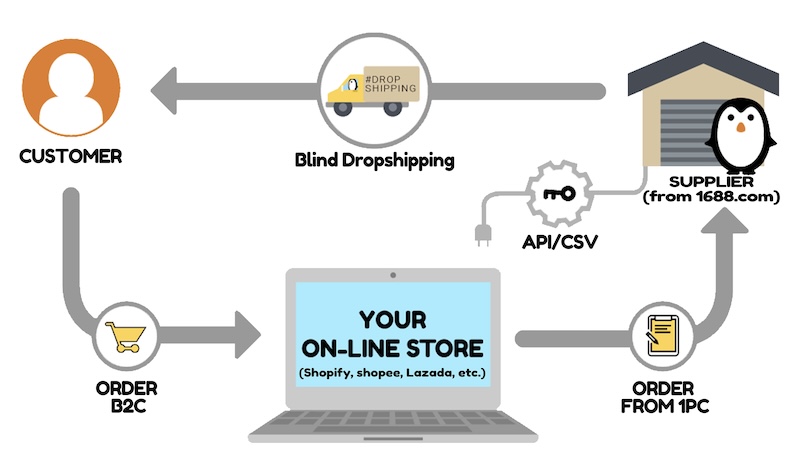
With the right platforms and procurement automation in place, the next step is applying those tools to real decisions. These examples show how the global sourcing process works in practice, and how teams translate a sourcing process from a checklist into repeatable operating discipline.
Apple is often used to illustrate what global sourcing can look like at scale: a product designed in one country, assembled in another, with components and subassemblies coming from multiple regions. The key takeaway for US procurement leaders is not to copy Apple’s footprint, but to copy the logic of its global sourcing process: build resilience by avoiding single points of failure and aligning sourcing strategies to product requirements.
At a high level, Apple’s approach reflects a structured sourcing process that can be mapped to the same stages many organizations use:
Needs and risk framing before supplier selection: For high-volume consumer electronics, the “need” is not only cost. It is also capacity, yield consistency, lead time stability, and the ability to scale quickly for launches.
Multi-country qualification: Instead of treating “what global” as simply buying from overseas, teams qualify multiple geographies to reduce exposure to disruptions, port congestion, or policy changes.
Quality systems and auditability: A global sourcing strategy works only when quality expectations are measurable and verified through controlled processes, not informal assurances.
Contracting that protects continuity: Agreements commonly emphasize supply continuity, change control, and clear remediation paths when defects or delays occur.
For mid-market US companies, the practical lesson is to design your global sourcing process around the risk profile of each component. For example, you might dual-source only the highest-risk parts (long lead times, limited tooling capacity, or strict tolerances) while keeping lower-risk items single-sourced to reduce complexity.
Walmart demonstrates another angle of what global sourcing means: using scale, standardization, and disciplined execution to keep availability high while managing cost. For US-based teams, the transferable idea is how a consistent global sourcing process can be applied across many categories without losing control.
Walmart’s model highlights three process behaviors that matter in day-to-day procurement operations:
Category discipline and repeatability: A sourcing process is easier to scale when each category follows the same gating steps, such as requirement definition, supplier prequalification, evaluation, negotiation, and performance management. This prevents “hero sourcing” where results depend on individual buyers rather than a global sourcing process the organization can sustain.
Logistics-aware sourcing decisions: Effective global sourcing includes total landed cost thinking, not just unit price. Even without quoting numbers, the principle is simple: transportation mode, packaging, and port routing can change outcomes as much as quoted cost.
Compliance and documentation as built-in work: Large US retailers operate under strict product safety and labeling expectations. A practical guide global teams can follow is to bake compliance checkpoints into the sourcing process, such as confirming documentation, test plans, and traceability requirements before purchase orders become routine.
If you are sourcing products that touch regulated areas in the US, such as health and wellness, do not treat compliance as a post-sourcing task. Ensure your global sourcing process includes review steps for claims, labeling, and documentation so you are aligned with FDA expectations and can support downstream audits.
Small businesses can benefit from global sourcing without adopting enterprise complexity. The most successful approach is to define a lightweight global sourcing process that prioritizes clarity and control: fewer SKUs, tighter specifications, and faster feedback loops.
Consider a US-based small brand scaling a consumer product line. The team may begin domestic, then expand to international suppliers when demand grows or when specialized materials and manufacturing capabilities are needed. The difference between a smooth expansion and a painful one typically comes down to whether the business follows a consistent sourcing process.
After working through common challenges like cross-border communication and consistent quality control, the clearest path forward is a repeatable, documented global sourcing process. The goal is not to "go global" once, but to build a sourcing process that stays resilient when markets, regulations, and logistics change.
Global sourcing works best when you treat it as an operating system, not a one-time project. If you are still clarifying what global sourcing is, the practical answer is: it is the disciplined practice of finding, qualifying, contracting, and managing production or inputs across countries in a way that improves cost, capacity, quality, or continuity. In other words, what global sourcing delivers is optionality, but only if your global sourcing process is measured and controlled.
Key takeaways to apply immediately (US-focused):
Define success before you expand your sourcing footprint. A strong sourcing strategy starts with what you need to improve (unit cost in USD, lead time to US warehouses, defect rate, or business continuity). This keeps global sourcing from becoming scattered and helps the sourcing process stay anchored to measurable outcomes.
Standardize the global sourcing process from intake to purchase order. Write down each step, required inputs, and approvals so the sourcing process does not depend on institutional memory. At minimum, your global sourcing process should include: requirements definition, market scan, sampling, quality checks, landed-cost review, compliance checks, contract terms, and ongoing scorecards.
Build landed cost and risk into every comparison, not just price. Global sourcing decisions should reflect total cost to deliver into the US, not only the per-unit quote. Include tariffs/duties where applicable, freight and insurance, packaging changes for US retail, payment fees (Credit Cards, PayPal, Apple Pay), and the operational cost of longer lead times. This keeps the global sourcing process honest and prevents surprises that derail the sourcing process later.
Document quality expectations with testable criteria, then verify early. Managing quality across borders is easier when requirements are objective and checkable. Use clear specifications, defined tolerances, and pre-shipment inspection criteria tied to acceptance thresholds. This turns global sourcing from opinion-based debates into a controlled sourcing process where issues are found earlier, when they are cheaper to fix.
Design compliance into the sourcing process, especially for regulated categories. US requirements can change what "good" looks like. If you source health or wellness products, do not treat compliance as an afterthought: align packaging claims, ingredient documentation, and labeling expectations to FDA-related considerations before you place volume orders. Even if you are not in a regulated category, build a compliance checkpoint into your global sourcing process so you do not discover requirements after goods are already in transit.
To keep these takeaways actionable, use the checklist below as a lightweight control layer that fits most sourcing strategies without adding unnecessary bureaucracy:
| Global sourcing process checkpoint | Why it matters | Practical output |
|---|---|---|
| Requirements & constraints locked | Prevents scope drift and rework | One-page spec (use case, target cost in USD, lead time target) |
| Landed-cost model completed | Avoids selecting based on incomplete cost | Scenario table (best/expected/worst) |
| Quality plan defined before sampling | Reduces late-stage disputes | Inspection criteria and acceptable limits |
| Compliance checkpoint included | Prevents blocked shipments and relabeling | Documentation list and label review notes |
| Ongoing performance review scheduled | Makes global sourcing repeatable | Monthly or quarterly scorecard cadence |
As you refine your approach, remember that the question is not only what global sourcing can unlock, but what global systems you will rely on to keep it stable. A guide global teams can follow is one that reduces ambiguity: consistent inputs, clear decision gates, and a global sourcing process that is easy to audit, improve, and repeat.
Q1: What is the global sourcing process and how does it differ from domestic procurement?
The global sourcing process is a structured approach to identifying, evaluating, and purchasing goods or services from suppliers across international borders. Unlike domestic procurement, it involves additional considerations such as currency fluctuations, import/export regulations, longer lead times, cultural differences, and compliance requirements. The key difference is that global sourcing requires a more disciplined framework with built-in risk assessments, quality control mechanisms, and contingency planning. It's not simply about finding the cheapest supplier overseas, but rather building a repeatable system that balances cost savings with supply chain reliability, regulatory compliance, and operational continuity.
Q2: What are the main steps in implementing a global sourcing process?
A structured global sourcing process typically includes five main steps: First, define your sourcing requirements including specifications, volumes, and quality standards. Second, conduct market research to identify potential supplier countries and evaluate their capabilities. Third, assess and qualify suppliers through audits, certifications, and compliance checks. Fourth, negotiate terms covering pricing, payment terms, Incoterms, and delivery schedules. Fifth, establish ongoing supplier management with performance metrics, quality monitoring, and relationship governance. Throughout these steps, procurement teams should incorporate decision gates that evaluate risk factors like tariffs, shipping costs, intellectual property protection, and geopolitical stability before committing to international suppliers.
Q3: How can US companies manage risks when implementing global sourcing?
US companies can manage global sourcing risks through several practical strategies. Start by diversifying your supplier base across multiple countries to avoid single-source dependency. Build compliance checks into your sourcing process, including verification of labor standards, environmental regulations, and import/export laws. Establish clear quality control protocols with inspection points before shipment. Use appropriate payment terms like letters of credit to protect financial interests. Factor in total landed costs including duties, freight, and currency hedging rather than focusing solely on unit price. Create contingency plans for supply disruptions and maintain safety stock for critical items. Finally, work with experienced partners who understand cross-border logistics and regulatory requirements.
Q4: What is the difference between strategic global sourcing and low-cost country sourcing?
Strategic global sourcing is a comprehensive approach that considers multiple factors including innovation, quality, capacity, and supply chain resilience across international markets. It aims to build long-term competitive advantages through supplier relationships and capabilities that may not exist domestically. Low-cost country sourcing, by contrast, focuses primarily on reducing unit costs by purchasing from countries with lower labor or material expenses. While cost reduction may be one outcome of strategic global sourcing, the broader goal is to access specialized expertise, advanced technology, or unique materials that strengthen your overall supply chain. Strategic global sourcing requires more investment in supplier development, quality systems, and risk management compared to purely cost-driven approaches.
Q5: How long does it typically take to establish a successful global sourcing process?
Establishing a functional global sourcing process typically takes 6-12 months from initial strategy development to first stable production deliveries, though timelines vary by category complexity and supplier readiness. The initial phase of defining requirements and identifying potential suppliers may take 2-3 months. Supplier qualification, audits, and compliance verification often require another 2-4 months. Sample development, testing, and quality approval can add 1-3 months depending on product complexity. Finally, establishing logistics, payment systems, and initial production ramp-up takes additional time. Companies should expect to invest in relationship building and process refinement for 12-18 months before achieving fully optimized operations. Starting with pilot programs or less critical categories can help teams learn and adjust before scaling globally.
If the key takeaways and FAQ clarified the major decisions and common sticking points, the final step is turning that clarity into repeatable execution. A strong global sourcing process is not a one-time project. It is a managed system that keeps cost, quality, timing, and compliance aligned as conditions change.
At its core, global sourcing is the discipline of identifying and securing inputs across borders while maintaining control over specifications, risk, and performance. Many teams start by asking what global options exist for their category, or what global sourcing looks like in practice. The most useful answer is operational. Define your requirements, build a consistent evaluation method, validate feasibility, and then run the sourcing process with the same rigor you apply to product development and finance.
Because the US market often adds constraints, treat compliance and customer expectations as design inputs, not afterthoughts. For example, if you source ingredients or finished goods tied to health and wellness, your global sourcing process should include checkpoints to avoid unsubstantiated claims and to stay aligned with FDA regulations on labeling and marketing. If you source packaging or electronics, account for US labeling, safety testing, and any import documentation requirements early in the sourcing process so you do not create last-minute delays.
A practical way to keep the work tight is to standardize decisions around a few recurring questions:
Scope: What is being sourced, in what quantities, and to what specification, and what “must-not-change” requirements protect the US customer experience?
Feasibility: What lead times, logistics paths, and payment flows (Credit Cards, PayPal, Apple Pay where applicable) fit your working capital and operational cadence?
Risk: What can break the plan, and what controls make failures visible early rather than late?
Execution: Who owns each step of the global sourcing process, and what documentation proves the outcome is repeatable?
As you refine your approach, keep your sourcing strategies simple enough to run consistently. The best sourcing strategy is the one your team can follow every cycle, with clear handoffs and measurable gates. A concise internal guide global teams can rely on should document the same core stages each time: requirement definition, evaluation, validation, contracting, and ongoing performance management. When people can see the full global sourcing process on one page, it becomes easier to spot bottlenecks, reduce rework, and make trade-offs intentionally.
Before you close out a cycle, run a brief “finish strong” review to reinforce learning without bloating the workflow:
Confirm the final specification and acceptance criteria match what you originally approved in the sourcing process.
Capture what changed and why (cost drivers, lead-time drivers, quality constraints) so the next global sourcing cycle starts from reality.
Validate that compliance artifacts are stored and accessible for audits, internal reviews, and customer questions in the US.
Reset thresholds for when a change triggers re-approval, so the global sourcing process stays controlled as volumes grow.
When you treat global sourcing as a disciplined operating rhythm, the payoff is predictability. You spend less time reacting to surprises and more time improving the inputs that matter: clear specs, realistic timelines, documented decisions, and risk controls that fit your business. If you keep the sourcing process measurable and repeatable, your global sourcing process becomes a competitive capability rather than an occasional scramble, and your team can answer “what global sourcing should we do next?” with a plan instead of a guess.
 English