



What is more expensive than a defective shipment? Discovering those defects after the goods arrive, payments are settled, and delivery promises are already made. That is exactly why pre shipment inspection China is not just a quality check, but a risk-control step that protects margin, timelines, and customer trust.
For importers and brand teams sourcing from overseas factories, preshipment inspection is the final verification performed when production is complete and a large share of units are packed. It confirms whether finished goods match approved samples, purchase order requirements, labeling rules, and packaging standards before products leave the factory. In practical terms, this is your last meaningful chance to catch problems before they become landed-cost losses.
A reliable final inspection in China supports the core goal of this guide: conducting inspections effectively, not mechanically. Effectiveness means you are not simply "checking boxes." You are defining what must pass, measuring it consistently, and using findings to make shipment decisions with confidence. This is especially important when product quality, brand presentation, and seasonal delivery windows directly impact revenue.
At this introductory stage, your approach should be structured and business-first:
Treat inspection as a shipment gate, not a formality. If results fail agreed criteria, shipment should pause until corrective action is confirmed.
Align standards before production ends. Inspection works best when checklists, tolerances, and defect definitions are agreed in advance.
Focus on commercial risk. Prioritize defects that trigger returns, compliance issues, breakage, or customer complaints.
Use independent verification when needed. A qualified China quality inspection service agency can add objectivity and local execution discipline.
Document for decision-making. Clear reports, photos, and defect categorization should support release, rework, or hold decisions.
Many teams assume quality problems are mainly factory-side issues. In reality, outcomes are often shaped by buyer-side preparation: unclear specs, vague acceptance criteria, or late inspection planning. A well-run final inspection closes that gap by translating requirements into observable checkpoints and pass/fail logic.
This article builds from that foundation. You will learn how to prepare inspection criteria, choose sampling methods, coordinate on-site checks, review reports, and act on findings without slowing your supply chain unnecessarily. You will also see where a quality agency can fit into your process when internal resources are limited.
If your objective is consistent China quality across repeated orders, start by framing pre-shipment inspection as a control system tied to business outcomes, not a one-time task. That mindset is what makes the rest of the process effective.
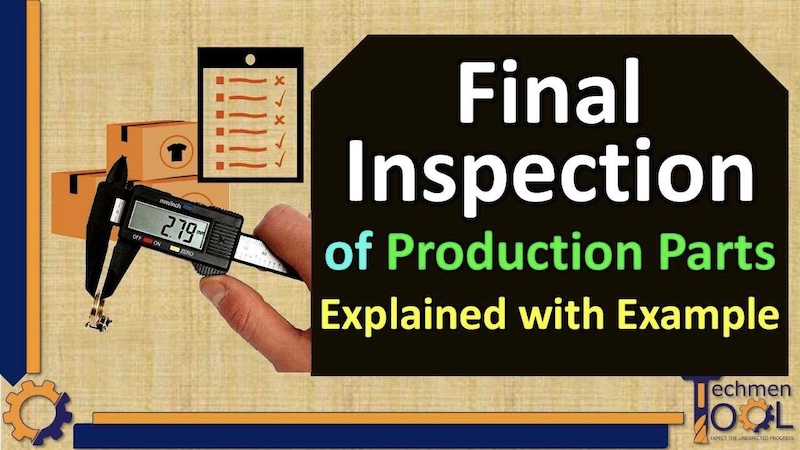
After introducing the role of inspection in export workflows, it is important to understand why this step carries so much weight in day-to-day sourcing decisions. In practice, a pre shipment inspection China process is not just a quality check. It is a control point that protects timelines, landed cost, and customer trust before goods leave the factory.
Chinese manufacturing offers deep capacity, but production consistency can still vary across batches, shifts, and subcontracted lines. A supplier may approve a golden sample, then drift on materials, workmanship, labeling, or packaging during mass production. These gaps are often hard to detect remotely, especially when buyers manage multiple SKUs and tight launch dates.
A structured preshipment inspection helps convert quality expectations into measurable pass or fail criteria at the end of production. For buyers handling China product sourcing, this is where defect grading, quantity verification, carton checks, and basic function tests become practical safeguards. A final inspection in China also gives teams a last chance to correct issues before balance payment and dispatch.
Skipping a final inspection may look like a way to save a few hundred dollars, but it can trigger much larger downstream costs. If nonconforming goods ship, buyers often face rework, expedited replacements, port delays, chargebacks, and refund pressure. The cash impact is worse when payment terms release most funds before product performance is verified.
From a procurement standpoint, preshipment inspection works as risk pricing. You spend a controlled amount to avoid open-ended losses after shipment. This is especially relevant for importers scaling new SKUs through a product sourcing company or a product sourcing agent, where supplier networks are broader and variation risk is higher. A consistent inspection gate supports more predictable margin and planning.
Brand damage usually starts with small quality misses that become visible at customer touchpoints: poor finishing, incorrect accessories, weak packaging, or labeling errors. Even minor defects can translate into negative reviews, higher return rates, and lost repeat purchases. For private-label and eCommerce sellers, that reputational cost can exceed the value of a single shipment.
A disciplined final inspection in China protects brand standards before products reach end users. Many importers use a China quality inspection service agency to apply the same checklist across suppliers, which improves comparability and accountability. Within an effective sourcing system, inspections are not a formality. They are a repeatable quality assurance mechanism that keeps product promises aligned with what customers actually receive.
After seeing how production variability can affect cost and reputation, the practical question is how to inspect in a way that matches your risk level. Choosing the right pre shipment inspection China method is less about theory and more about deciding what level of certainty your shipment needs before final payment.
In a full inspection, every unit is checked against your requirements. This approach gives the highest visibility and is often used for high-value goods, safety-sensitive items, or first orders with a new factory. The tradeoff is time and cost, especially when order volumes are large.
Random sampling, by contrast, reviews a statistically selected portion of units and uses that result to judge the full lot. In most preshipment inspection programs, this is the standard because it balances confidence with efficiency. For routine products with stable production history, sampling can be enough when paired with clear acceptance criteria.
For buyers managing final inspection in China, a practical rule is simple: use full inspection when the cost of one defective unit is very high, and use sampling when defects are tolerable within predefined limits.
AQL (Acceptable Quality Limit) defines the maximum defect level considered acceptable for a shipment. During a final inspection, inspectors classify defects (commonly critical, major, minor), then compare findings against your chosen AQL threshold. This creates a transparent pass-or-fail decision instead of subjective debate.
Inspection level determines sample size. Higher levels mean more units checked and higher detection confidence, but also more inspection effort. Lower levels reduce cost but increase the chance that defects remain hidden.
To use AQL well, align it with product risk and brand promise. Tight AQL settings make sense for products where reliability matters most, while moderate levels may fit commodity items with lower consequence of minor cosmetic issues.
Not all products fail in the same way, so inspection scope should reflect category-specific risks. A generic checklist may miss the issues that actually trigger returns, delays, or compliance problems.
A focused quality inspection plan often includes:
Functional testing for electronics and powered items.
Measurement and fit checks for apparel, footwear, and accessories.
Packaging drop-resistance and barcode verification for retail distribution.
Workmanship and finish review for furniture, home goods, and gift items.
Labeling and document checks for regulated or customs-sensitive shipments.
If your team lacks in-country capacity, a China quality inspection service agency can help standardize checklists across suppliers and keep reporting consistent. That consistency is what makes pre shipment inspection China effective at scale, especially when you are managing multiple SKUs and repeat orders.
After choosing between full checks, sampling plans, and product-specific methods, execution becomes the difference between a useful report and an expensive surprise. A strong pre shipment inspection China process turns your standard into a repeatable control point before goods leave the factory.
Start with a written inspection specification, not verbal expectations. Your checklist should convert product requirements into measurable pass/fail points: dimensions with tolerances, appearance limits, functionality tests, labeling rules, packaging standards, and carton marks. For a preshipment inspection, include both critical defects (automatic fail) and major/minor thresholds aligned to your agreed AQL plan. If your product has market-specific compliance needs, list document checks and test report requirements in the same file.
Business impact is immediate: clear criteria reduce disputes, speed corrective action, and protect margin by avoiding rework after shipment. Share this document with your supplier and your quality inspection service agency before production finishes so everyone audits the same standard.
Timing controls how much leverage you still have. In practice, a final inspection in China is most effective when at least 80% of goods are packed and 100% are produced, so sampling reflects the actual shipment lot. Book your inspector early, then confirm readiness 24 to 48 hours before the visit to avoid wasted trips.
Build a buffer into your shipping plan for possible re-inspection. If nonconformities appear, you need time for sorting, rework, and verification before vessel or air cargo cutoff. This scheduling discipline is especially important when your China product sourcing model depends on multiple SKUs consolidating in one shipment. A rushed final inspection often creates higher total delay than a properly planned one.
Choose a partner based on process quality, not only price. A dependable inspection team should provide category-relevant checklists, trained inspectors, photo-rich reports, and fast escalation on critical findings. Ask practical questions: How do they verify sample randomness? How are defects graded? What is the report turnaround time? Can they coordinate with your product sourcing company when corrective action is required?
For consistency, use the same inspection framework across orders, factories, and seasons. That makes trend tracking possible and helps you identify recurring root causes. A credible China quality inspection service agency supports this with standardized reporting and clear communication, so each pre shipment inspection China result informs better purchasing decisions on the next order.
After you set clear acceptance criteria and lock in inspection timing, outcomes depend heavily on who executes the check. A capable partner turns your standards into consistent decisions on the factory floor, while a weak one can miss critical defects during the final inspection.
When evaluating providers for pre shipment inspection China, start with operational credibility, not sales claims. Prioritize firms with a documented quality management system, inspector training records, and category-specific experience with your products. Ask whether inspectors are full-time employees or freelancers, how reports are reviewed internally, and how photo evidence is validated before release.
For higher confidence, verify whether the company follows recognized inspection frameworks (including AQL-based sampling where applicable) and can execute a reliable preshipment inspection workflow from booking to corrective action feedback. In practice, the best partner is one that can explain its process clearly, show sample reports, and align inspection checkpoints to your purchase order, packaging specs, and labeling requirements.
Reviews are useful when you read them for decision signals rather than star ratings alone. Focus on patterns: communication speed, report clarity, dispute handling, and whether findings were actionable for shipment decisions. Strong feedback often mentions concrete details such as same-day report delivery, consistent defect classification, and practical recommendations after a failed final inspection in China.
Treat testimonials as a screening tool, then validate with direct questions during onboarding. Ask for anonymized report samples from similar product categories and clarify escalation steps when results are borderline. If you are comparing a China quality inspection service agency, check whether clients describe long-term consistency, not just a single successful visit. Consistency is what protects reorder cycles, margin, and brand reputation.
Create a simple comparison matrix so selection stays objective and tied to business risk. Keep it short and practical:
Technical fit: Product familiarity, defect taxonomy, and ability to conduct repeatable quality inspection checks.
Reporting quality: Clear pass/fail logic, evidence depth, and usable corrective-action notes.
Coverage and responsiveness: Inspector availability in your production regions and speed for urgent bookings.
Commercial clarity: Transparent pricing scope, re-inspection terms, and cancellation policy.
Account management: Named contact, escalation path, and support during shipment-release decisions.
This approach keeps your final inspection program aligned with operational goals rather than vendor promises. If your team is building a repeat sourcing process, partnering with a dependable Quality Inspection Service Agency can reduce preventable shipment risk, shorten decision cycles, and make supplier performance easier to manage over time.
After comparing credentials, reviews, and provider capabilities, buyers usually ask a practical question: what will this actually cost, and what pricing model is fair? Understanding pre shipment inspection China pricing helps you control landed cost while still protecting product quality, delivery timelines, and customer satisfaction.
A preshipment inspection quote is rarely a single flat number. Most providers price by inspection scope, effort, and risk. If you understand what drives the quote, you can compare offers on equal terms instead of choosing by headline price alone.
Key cost drivers include:
Inspection type and depth: A basic final inspection checks quantity, workmanship, labeling, packaging, and sample-based functional tests. More complex product categories need deeper testing protocols, which increases inspector time and reporting complexity.
Order size and SKU complexity: More SKUs, variants, or packaging configurations require larger sample plans and longer on-site verification. A mixed container load often costs more to inspect than one simple SKU run.
Factory location and travel logistics: Pricing can rise when the site is far from major industrial hubs, especially if extra travel time, transport, or overnight stay is required.
Lead time and urgency: Rush bookings and weekend inspections commonly carry surcharges. Early scheduling generally secures better rates and better inspector availability.
Add-on services: Container loading supervision, laboratory coordination, duplicate checks, or special compliance checks are usually billed separately.
For business planning, treat inspection spend as risk control, not overhead. A lower quote can become expensive if the scope is too thin to catch defects before shipment.
Costs vary by region, product, and provider model, but most buyers see day-rate or per-visit pricing for final inspection in China. As a practical planning guide, many inspections for standard consumer goods fall into the low hundreds of US dollars per man-day, with additional fees for travel or special tests.
Common pricing models you may encounter:
Per man-day rate: Best when scope is clear and inspection duration is predictable.
Per visit flat fee: Useful for standard checklists and repeat products.
Package pricing: Bundles multiple visits (for example, in-line plus final inspection) and can improve cost predictability.
Custom quote: Common for technical goods, tight tolerances, or multi-site production.
Typical inspection categories and budget direction:
| Inspection type | Typical pricing pattern | Budget impact |
|---|---|---|
| Final random inspection | Per day or per visit | Moderate |
| During production inspection | Per day, sometimes multi-day | Moderate to high |
| 100% piece-by-piece check | Labor-intensive custom quote | High |
| Container loading check | Add-on or separate visit fee | Low to moderate |
When evaluating a China quality inspection service agency, ask for a line-item quote that separates base fee, travel, testing, and re-inspection. That structure makes it easier to compare providers, forecast total quality inspection spend, and choose the model that fits your shipment risk profile.
After reviewing how pricing varies by scope, product complexity, and timing, the practical takeaway is to treat cost as one decision input, not the decision itself. Effective pre shipment inspection China outcomes come from matching the inspection method to risk, quality targets, and shipment consequences.
Define pass/fail criteria before booking any preshipment inspection. Clear tolerances, defect categories, and sampling rules reduce disputes and keep the final inspection focused on measurable outcomes rather than last-minute interpretation.
Align inspection timing with production readiness. A final inspection in China is most useful when goods are substantially complete, packed as planned, and representative of the shipment, so findings reflect real shipment risk.
Choose inspection depth based on product and order risk. Standard checks work for stable, repeat products, while higher-risk categories require tighter checkpoints and clearer escalation paths.
Evaluate providers on consistency, reporting clarity, and execution reliability, not price alone. The strongest option is the one that delivers repeatable inspection quality and actionable defect reporting.
Use findings as a release gate. Treat inspection results as a structured decision point for ship, rework, or hold, so quality control supports predictable delivery and protects downstream customer outcomes.
Taken together, these points keep the process disciplined: define standards, inspect at the right moment, select the right scope, and act on results with consistency.
Q1: What is the best time to schedule a pre-shipment inspection in China?
The optimal time to schedule a pre-shipment inspection is when at least 80% of your order is finished and packed, but before the goods leave the factory. This timing gives inspectors enough product volume to assess quality accurately while leaving room to address issues before shipment. Typically, this occurs 2-3 days before the planned shipping date. Scheduling too early means incomplete production may not represent final quality, while scheduling too late risks delaying shipments if problems are discovered. Coordinate with your supplier to confirm production completion percentage and pack status before booking the inspection.
Q2: How much does a pre-shipment inspection in China typically cost?
Pre-shipment inspection costs in China generally range from $200 to $500 per man-day, depending on the inspection company, product complexity, order size, and factory location. A standard inspection for most consumer goods takes one inspector 4-8 hours and costs between $250-$350. Larger orders, technical products, or remote factory locations may require additional inspectors or travel time, increasing costs. Many third-party inspection companies offer tiered pricing based on order value or unit count. While this represents an additional expense, it typically costs less than 0.5% of order value—significantly less than the potential losses from accepting defective shipments.
Q3: Can I conduct a pre-shipment inspection myself instead of hiring a third party?
Yes, you can conduct your own pre-shipment inspection if you have the resources, expertise, and staff in China. Self-inspection works best for importers with local offices, quality control teams, or representatives already stationed near manufacturing hubs. However, most small to mid-sized importers find third-party inspection services more practical and cost-effective. Professional inspectors bring standardized checklists, measurement tools, technical knowledge, and objective reporting without the overhead of maintaining staff in China. They also provide documentation that's useful for disputes or insurance claims. Consider self-inspection only if you have consistent volume and local presence to justify the investment.
Q4: What happens if my products fail the pre-shipment inspection in China?
If products fail inspection, you receive a detailed report identifying specific defects, quantities affected, and severity classifications (critical, major, minor). With this information, you have several options: request the factory to rework or replace defective items, negotiate a price reduction to compensate for quality issues, accept the goods as-is if defects are minor and acceptable, or reject the shipment entirely. Most suppliers will address critical issues to avoid shipment rejection. You may need to schedule a re-inspection after corrections are made, which typically costs less than the initial inspection. The key advantage is discovering problems while goods are still at the factory, giving you maximum leverage and options.
A strong pre shipment inspection China process is not just a checklist activity. It is a control system that turns your purchase order, specs, and timeline into measurable release criteria.
If you want better outcomes from preshipment inspection, treat the final inspection as a pass or hold gate tied to clear tolerances. Define what is critical, what is acceptable, and what requires rework before goods leave the factory. This keeps quality conversations objective and reduces late disputes about what "good enough" means.
A practical close-out plan should fit on one page and answer five points:
Scope and timing: Confirm which SKUs, lot sizes, and packaging levels are included, and schedule the final inspection in China when at least 80% of units are packed.
Acceptance criteria: Lock defect categories, sampling level, and labeling standards so everyone evaluates against the same rules.
Evidence format: Require photo sets, quantity counts, carton checks, and test records in a consistent report template.
Escalation path: Pre-assign who decides pass, conditional release, or hold, and set turnaround times for corrective actions.
Shipment trigger: Release payment and logistics booking only after inspection status is approved against your written criteria.
This structure helps import teams move from reactive troubleshooting to predictable quality control. It also improves communication across sourcing, QA, and logistics because decisions rely on documented facts, not assumptions.
Your concrete next step is simple: create or update a reusable inspection brief for your next order and review it with your internal team before production reaches completion. Then run one disciplined cycle, measure where decisions slowed down, and refine the brief for the following shipment. Consistency across cycles is what makes pre-shipment inspections in China effective over time.
 English