



What if your factory could ship faster, reduce rework, and protect margins without adding chaos to production? That question sits at the center of effective factory quality control systems. For operations leaders, sourcing teams, and founders scaling production, quality is not a final checkpoint. It is a structured operating method that shapes how materials, processes, and finished goods are managed from day one.
In practical terms, a factory quality control system is a repeatable framework for preventing defects, detecting issues early, and correcting root causes before they spread across batches. This is where manufacturing and quality control must work as one system, not as separate teams with separate goals. When these functions are aligned, production decisions become more predictable, supplier communication gets clearer, and customer complaints become less frequent.
A strong introduction to implementation starts with scope, not tools. Before selecting quality inspection services or designing a quality control check list, define what "good" looks like for your product category. That includes measurable specifications, acceptable tolerances, packaging standards, and inspection points tied to production stages. Without that shared definition, even a thorough quality control inspection can produce inconsistent outcomes.
To approach this effectively, focus on four building blocks:
Quality standards and risk priorities
Translate customer and technical requirements into factory-ready criteria. Rank defect risks by business impact, safety implications, and return likelihood.
Control points across production
Set checks for incoming materials, in-process steps, and pre-shipment units. This staged approach supports product quality inspection before defects become expensive.
Roles, escalation paths, and documentation
Clarify who inspects, who approves, and how nonconformities are handled. Consistent records make corrective actions faster and easier to verify.
Feedback loops for continuous improvement
Use findings from each quality control inspection to refine work instructions, supplier expectations, and operator training.
This article will show how to turn these ideas into an executable system, including how to set control criteria, design inspection workflows, and track corrective action performance. It will also clarify where a manufacturing sourcing company can support implementation, especially when internal teams need on-the-ground visibility during ramp-up or multi-factory production.
The goal is straightforward: build a quality control structure that protects brand reputation while supporting output, cost discipline, and long-term operational reliability.
After introducing factory quality control systems, the practical question is how to make them work day to day on real production lines. Solid fundamentals turn quality from a final checkpoint into an operating discipline that protects timelines, margins, and customer trust.
Factory quality control is the structured process of checking whether materials, in-process work, and finished goods meet defined requirements before shipment. In practice, that means setting standards, running a consistent quality control check at critical stages, and documenting nonconformities for correction. When teams treat quality control inspection as part of production, they catch defects earlier, reduce rework, and avoid expensive returns.
For companies managing manufacturing and quality control across multiple products, this is a business lever, not just a compliance task. Better control improves forecast reliability, protects brand reputation, and supports smoother scaling. It also gives sourcing and operations leaders a common language for supplier performance, corrective action, and release decisions.
An effective system is repeatable, measurable, and easy for teams to execute under production pressure. It combines process design with field execution so quality does not depend on individual judgment alone.
Clear specifications and acceptance criteria: Define measurable tolerances, visual standards, and packaging rules so inspectors and factories evaluate the same way.
Inspection planning by risk: Assign checkpoints for incoming materials, inline production, and final random inspection based on defect risk and product criticality.
Standardized methods and records: Use consistent sampling plans, defect grading, and report formats to make product quality inspection results comparable over time.
Corrective action loop: Require root-cause analysis, containment, and verified fixes before repeating orders.
Ownership and escalation: Set decision rights for pass, hold, rework, and ship so teams act quickly when issues appear.
Many organizations strengthen execution by combining internal oversight with external quality inspection services when capacity or technical coverage is limited.
Quality inspection and quality assurance work together but solve different problems. Inspection is detection: it verifies whether current output meets the standard. Assurance is prevention: it builds processes, training, controls, and audits that reduce the chance of defects occurring in the first place.
A practical implementation uses both. For example, a factory may run incoming and final quality control inspection while assurance teams maintain control plans, operator training, and change management. If inspection finds repeated cosmetic defects, assurance updates work instructions and process controls so the issue does not return.
For teams building a durable system, this distinction matters. Inspection alone can block bad shipments, but assurance reduces firefighting and total quality cost. Together, they create a scalable model for control manufacturing performance and support more confident sourcing decisions with a manufacturing sourcing company.
With the fundamentals in place, implementation is where quality control turns from policy into daily execution. The goal is to build a repeatable system that connects standards, inspections, people, and tools so defects are prevented early and corrected quickly.
Start by defining what “acceptable quality” means in measurable terms for each product. Clear standards should cover dimensions, materials, appearance, packaging, labeling, and performance expectations. Include acceptable tolerance ranges and defect classifications so teams make consistent pass/fail decisions during a quality control inspection.
For manufacturing and quality control teams, this step prevents ambiguity between design, procurement, and production. A practical approach is to create a master specification sheet and approved sample library that suppliers and inspectors use as the same source of truth. If you work with a manufacturing sourcing company, align these documents before production starts to reduce disputes and rework.
After standards are defined, map where and how inspections happen across the production lifecycle. Strong protocols typically include incoming material checks, in-process inspections, and final pre-shipment verification. Each quality control check should define method, sample size, acceptance criteria, responsible role, and escalation steps for nonconformities.
This structure ensures product quality inspection is not left to individual judgment. It also helps teams decide when third-party quality inspection services are useful, such as during first runs, high-risk components, or peak season output. Consistent checkpoints improve control manufacturing outcomes by catching issues before they scale.
Even the best process fails without capable people applying it consistently. Train inspectors, line leaders, and operators on defect recognition, measurement tools, documentation standards, and corrective-action workflows. Use real examples from your product categories to reduce interpretation gaps between shifts or facilities.
Training should also include communication routines between production and QC so problems are solved at root cause, not patched at the end of the line. Refresher sessions and calibration exercises keep scoring consistent over time, especially when teams grow or product specifications change.
Digital tools make implementation more reliable by standardizing records and improving traceability. A practical system can include mobile inspection checklists, photo-based defect logging, trend dashboards, and corrective-action tracking tied to lot or purchase order numbers.
For growing operations, software helps compare supplier performance, recurring defect types, and closure rates across sites. It also supports faster decisions when a quality control inspection fails, because teams can review evidence and act quickly. Pair software with calibrated tools such as gauges and test fixtures so data quality matches process quality.
Implementation is ongoing, not a one-time setup. Track a focused set of indicators, such as first-pass yield, defect recurrence, rework volume, and on-time corrective-action closure. Review trends in regular cross-functional meetings so quality, production, and sourcing teams prioritize the same issues.
When patterns emerge, update standards, retrain staff, or revise inspection points rather than adding ad hoc checks. This closed-loop approach turns every quality event into process learning. Over time, it strengthens quality control, lowers avoidable costs, and creates more dependable delivery for customers and internal stakeholders.
For teams managing multi-supplier production, these five steps provide a practical operating model that scales while keeping quality expectations clear.
With your standards, checkpoints, team training, and software in place, the system is ready for execution on the factory floor. This is where inspection methods turn planning into prevention, and pre-production inspections are often the highest-leverage starting point.
A pre-production inspection happens before mass manufacturing begins, usually after raw materials are received and before full-line output starts. In a practical factory quality control system, this early-stage quality control inspection verifies that the supplier can produce to your approved specifications, not just to a sample that looked good once.
For implementation, treat pre-production inspection as a formal gate in your workflow, not an optional check. It should confirm three essentials: input materials, production readiness, and specification clarity. If any of these fail, production pauses until corrective action is verified. This single rule prevents the common problem of discovering defects only after thousands of units are complete.
A strong product quality inspection checklist at pre-production stage should cover:
Raw material and component verification: Confirm material grade, dimensions, color, finish, and critical tolerances against approved documentation.
Pre-production sample validation: Compare pilot samples to drawings, approved golden sample, labeling rules, and packaging requirements.
Line and tooling readiness: Check machine calibration status, fixture condition, and operator setup for repeatable output.
Process-risk review: Identify high-risk defect points and define targeted quality control check frequency before scale-up.
Documentation alignment: Ensure BOM, work instructions, inspection criteria, and acceptance thresholds are consistent.
Business relevance is direct: early detection costs less than late correction. When defects are caught before full production, teams avoid expensive rework, shipment delays, and stockouts in downstream markets. For brands importing from overseas factories, this stage is also where coordination with quality inspection services can reduce communication gaps across time zones and technical expectations.
Many companies use a quality inspection service agency when internal teams cannot be physically present at the plant. The key is to integrate that partner into your existing SOPs so findings flow into the same CAPA and approval path as internal audits. Whether you use in-house staff or a China quality inspection service agency, the method should stay consistent: defined checklist, objective pass/fail criteria, documented evidence, and clear release authority.
To keep pre-production inspections effective over time, connect each result to your broader quality metrics. Recurring failures in materials, tooling setup, or sample approval should trigger updates to supplier onboarding, training, and inspection plans. In other words, pre-production inspection is not only a gate; it is a feedback loop that strengthens the entire factory quality control system.
Pre-production inspections help prevent obvious misalignment before raw materials and labor are fully committed. The next practical question is cost: how much to invest in a repeatable quality system so every quality control check protects margin, lead time, and customer trust.
Factory quality costs are best planned as a system, not a single line item. Budget for setup and ongoing operations: standards documentation, sample approval workflows, inspector training, digital reporting tools, and scheduled product quality inspection activities at critical stages. A one-time spend without recurring execution usually creates gaps.
For most teams, investment planning should map directly to risk points in manufacturing and quality control. Complex products, tight tolerances, and high return risk typically justify deeper quality control inspection coverage. Simpler products may need fewer checkpoints, but still require clear pass/fail criteria. In practice, leaders should estimate prevention costs versus failure costs by asking: what is the financial impact of defects escaping to customers, rework, delays, and expedited freight?
A practical budgeting framework includes:
Baseline controls: incoming material checks, in-process checks, and final checks.
Capability costs: staffing, training, and calibration.
Systems costs: dashboards, reporting templates, and corrective action tracking.
Contingency: extra inspections during launch, supplier changes, or defect spikes.
Choosing between internal teams and outsourced quality inspection services depends on volume, product complexity, and management bandwidth. In-house inspection can provide tighter process familiarity and faster internal communication. It often works well when production is stable, product families are consistent, and you can justify full-time quality headcount.
Outsourced quality inspection services offer flexible coverage, especially when sourcing across multiple factories or regions. They can be easier to scale during peak demand and useful when you need independent verification before shipment. For many importers and growing brands, this model reduces fixed overhead while maintaining structured quality control inspection.
A blended model is common: internal quality ownership plus third-party execution at key milestones. If you work with a manufacturing sourcing company, define responsibilities clearly. Specify who sets inspection criteria, who performs each quality control check, who approves disposition decisions, and how nonconformance reports flow into corrective actions.
The strongest cost-benefit analysis ties inspection spend to business outcomes, not just per-inspection pricing. Start with total quality cost categories: prevention, appraisal, internal failure, and external failure. Then compare scenarios: minimal controls, balanced controls, and intensive controls. This helps leadership see where additional product quality inspection spend reduces larger downstream losses.
Use operational indicators instead of assumptions: defect recurrence, rework hours, on-time shipment reliability, claim frequency, and customer complaint patterns. Even without broad external statistics, internal trend data usually shows whether your quality control system is paying back.
For implementation, begin with a focused scope and scale based on results. Pilot a tighter quality control inspection plan on high-risk SKUs, track outcomes for one or two production cycles, and then expand. This keeps quality investment disciplined while supporting reliable control manufacturing decisions and healthier long-term unit economics.
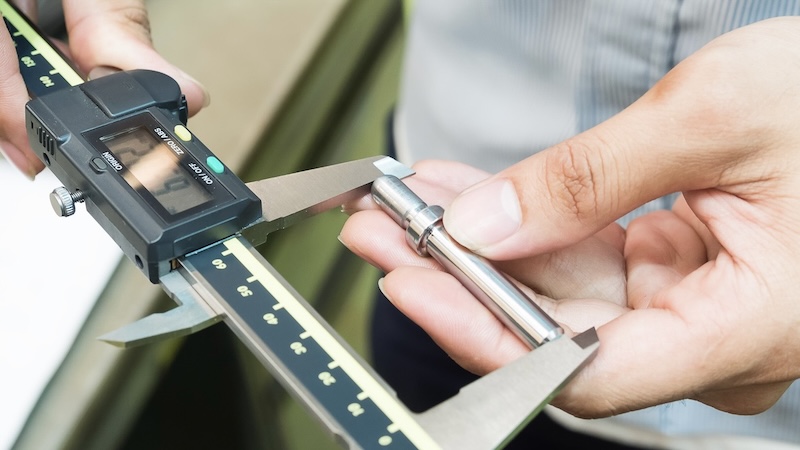
Cost planning only creates value when teams can execute consistently on the factory floor. To make that investment practical, you need tools and partners that turn standards into repeatable actions, visible records, and faster decisions.
Good system should support your actual workflow for product quality inspection, not force your team into generic forms. Start with configurable digital checklists tied to your quality control check points, including incoming materials, in-process controls, and final release. This keeps criteria consistent across shifts, factories, and product lines.
A second priority is real-time defect tracking with clear severity levels, photo evidence, and root-cause tags. When a quality control inspection finds recurring issues, your team should be able to see patterns quickly and assign corrective actions with owners and due dates. Without this, defects are documented but not managed.
Third, confirm integration readiness. The platform should connect smoothly with ERP, purchasing, and production systems so inspection results feed business decisions, from supplier scorecards to shipment approval. For manufacturing and quality control programs, this shared data reduces delays and prevents duplicate reporting.
Finally, look for audit trails and role-based permissions. You need traceability for internal reviews and customer requirements, plus secure access for factory staff, managers, and external quality inspection services. In practice, the best system is the one your operators can use reliably in minutes, not hours.
System alone will not fix weak execution, especially when you work with multiple factories or complex SKUs. When evaluating service partners, focus on operational fit, reporting discipline, and escalation speed rather than broad marketing claims.
Use these criteria to compare providers:
Industry and product familiarity: Inspectors should understand your product risks, tolerances, and defect taxonomy. A provider that has handled similar products can run a tighter quality control inspection from day one.
Inspection protocol alignment: Ask how they build inspection plans and whether they can mirror your acceptance criteria. Strong partners adapt their process to your control manufacturing standards, not the other way around.
Reporting quality and turnaround: Review sample reports for clarity, evidence quality, and actionability. Fast reports matter only if they clearly support release, rework, or hold decisions.
Corrective action follow-through: Confirm how they track nonconformities to closure. Effective quality inspection services should help verify fixes, not just log failures.
Scalability across sourcing locations: If your volume shifts by season, the provider should scale inspector coverage without sacrificing consistency.
For many importers and brand owners, working with a manufacturing sourcing company that combines factory coordination with structured quality control can reduce handoff risk. The practical goal is simple: your software and service partner should function as one system, giving you faster decisions, fewer surprises, and stronger shipment confidence.
After selecting system capabilities and evaluating provider fit, the focus shifts to execution discipline. Effective factory quality control systems are built by connecting standards, process controls, people, and review cycles into one operating routine.
Define quality standards before production starts. Document measurable acceptance criteria for materials, in-process checkpoints, and finished goods so every quality control check is consistent across teams and shifts. Clear standards reduce judgment calls and make product quality inspection outcomes easier to compare over time.
Design inspections into each production stage, not only final output. A practical system combines incoming checks, in-line verification, and pre-shipment review. This layered quality control inspection structure catches defects earlier, lowers rework pressure, and prevents late-stage surprises that increase cost and delivery risk.
Assign ownership and escalation paths for every finding. Each nonconformance should have a named owner, correction deadline, and verification step. Whether teams run internal reviews or use quality inspection services, accountability keeps issues from repeating and turns inspection results into process improvement.
Use tools to standardize execution, then audit the system itself. Checklists, digital records, and controlled workflows help teams perform repeatable product quality inspection activities. Periodic internal audits confirm that procedures are followed as written and reveal where training, documentation, or process controls need adjustment.
Track a small set of operational quality signals and review them regularly. Prioritize actionable indicators such as defect trends by process step, rework recurrence, and closure speed for corrective actions. Reviewing these signals on a fixed cadence helps leadership verify that quality control inspection efforts are improving stability, not just producing reports.
Taken together, these decisions keep quality management practical: define standards clearly, inspect at the right points, enforce ownership, maintain process discipline, and continuously review outcomes. That combination is what makes implementation effective rather than performative.
Q1: What is a factory quality control system?
A factory quality control system is a structured, repeatable framework designed to prevent defects, detect issues early in production, and correct root causes before they affect entire batches. It integrates materials inspection, in-process monitoring, and finished goods verification into daily operations. Rather than treating quality as a final checkpoint, effective systems embed quality standards throughout the manufacturing process—from raw material receiving to shipping. This approach aligns production teams, suppliers, and quality personnel around shared standards, making defect prevention predictable and reducing costly rework, delays, and customer returns.
Q2: What are the main types of quality control inspections in factories?
Factories typically use three main inspection types: pre-production inspections verify raw materials and components before manufacturing begins; during production inspections (DUPRO) catch defects while goods are being made, typically when 20-50% of the order is complete; and final inspections assess finished products before shipment. Some operations also conduct pre-shipment inspections (PSI) as a last verification step. Each inspection type serves a specific purpose—early detection saves more money than late-stage corrections, as fixing defects before they multiply across batches prevents waste and protects delivery schedules.
Q3: How do you implement a quality control system in a factory?
Implementation starts with defining clear quality standards and acceptance criteria for materials, processes, and finished goods. Next, establish inspection checkpoints at critical stages—incoming materials, key production steps, and pre-shipment. Train personnel on standards, measurement methods, and documentation procedures. Deploy quality tools like checklists, statistical process control, and root cause analysis frameworks. Integrate quality data into production planning so teams can act on trends before defects escalate. Successful implementation requires cross-functional collaboration between production, quality, and sourcing teams, with regular audits to ensure the system remains effective as operations scale.
Q4: What are the benefits of having a strong factory quality control system?
Strong quality control systems deliver measurable operational and financial benefits. They reduce defect rates and rework costs by catching issues early when corrections are least expensive. Production schedules become more predictable as quality problems decrease, enabling faster shipping and improved on-time delivery. Customer returns and complaints drop, protecting brand reputation and margin. Supplier relationships improve through clearer communication and shared quality standards. Internal teams gain visibility into recurring issues, making continuous improvement data-driven rather than reactive. Ultimately, effective quality control transforms from a cost center into a competitive advantage that supports profitable scaling.
A strong system is not defined by one inspection event. It is defined by repeatable decisions, clear ownership, and fast correction loops.
To implement factory quality control systems effectively, focus on the operating rhythm rather than isolated fixes. Build a practical structure that connects incoming checks, in-process controls, and final release criteria. In that structure, product quality inspection is a checkpoint, not a substitute for process discipline. Teams that treat inspection as feedback to improve process capability usually reduce rework pressure over time.
A useful way to close this planning stage is to commit to one implementation cycle with clear scope and accountability:
Define critical quality points for one product family. Map where defects are most likely, then assign pass/fail criteria at each point. Keep criteria measurable and visual so operators and supervisors interpret them the same way.
Standardize execution with one quality control check format. Use the same checklist logic across shifts, and include escalation triggers when limits are missed. Consistency is what makes trend analysis reliable.
Set a cadence for product quality inspection reviews. Weekly review meetings should focus on root causes, containment actions, and closure dates, not only defect counts.
Verify capability with targeted quality control inspection audits. Audit whether controls are actually followed at line speed. If the method is ignored under production pressure, redesign the method.
Decide build, partner, or hybrid support. If internal bandwidth is limited, use quality inspection services for surge capacity or specialized product categories, while keeping process ownership in-house.
This approach keeps your program decision-oriented: you are not asking whether quality matters, you are deciding where to control it, who controls it, and how quickly issues are corrected. Over time, that discipline strengthens shipment reliability, protects margins, and improves customer confidence without relying on emergency firefighting.
Your concrete next step is simple: select one active SKU, run a 30-day pilot using the five-step cycle above, and review outcomes against baseline defects and rework effort. At the end of that pilot, either scale the same model to adjacent lines or adjust control points before expansion. That decision gate turns quality from a broad goal into an operating system.
 English