



The global hardware industry increasingly looks to China as the manufacturing powerhouse that supplies everything from precision fasteners to complex power tools, yet navigating the vast landscape of China hardware wholesale markets remains a challenge for American buyers seeking quality products at competitive prices. Understanding how these wholesale markets operate, what they offer, and how to access them effectively can transform your sourcing strategy and significantly impact your bottom line.
China's hardware wholesale ecosystem represents the world's largest concentration of hardware products, with manufacturing clusters producing an estimated 70 percent of the global hardware supply. For businesses in the United States, this presents both an opportunity and a complexity. The sheer scale of the market hardware sector means that virtually any hardware product you need exists somewhere in China's manufacturing network, but finding the right supplier, ensuring quality standards, and managing logistics requires specific knowledge and strategic planning.
The wholesale market dynamics in China differ substantially from domestic American wholesale channels. Rather than working through traditional distributor networks, buyers can often connect directly with manufacturers or access specialized wholesale markets where hundreds of vendors congregate in purpose-built trading centers. These hardware wholesale hubs operate on principles of volume pricing, relationship-based negotiation, and flexible customization options that may be unfamiliar to first-time importers.
Successful procurement of hardware products from china requires understanding several key factors that distinguish this market from others. First, the pricing structure typically operates on tiered volume discounts, meaning that order quantities directly impact your unit costs in ways that are more pronounced than in domestic markets. Second, quality control becomes your responsibility rather than being guaranteed by established brand reputations, making verification processes essential. Third, payment terms and methods differ, with international wire transfers and letter of credit arrangements replacing the standard credit card or PayPal transactions common in domestic purchasing.
The competitive advantage of sourcing from China hardware suppliers extends beyond simple cost savings. Many American businesses discover that Chinese manufacturers offer greater flexibility in product customization, faster prototyping for new designs, and access to emerging hardware technologies before they become widely available in Western markets. However, realizing these benefits requires careful vendor selection, clear communication about specifications and standards, and robust quality assurance protocols.
This comprehensive guide will walk you through the essential aspects of engaging with China's hardware wholesale market, from identifying reliable trading centers and manufacturers to navigating quality standards, managing shipping logistics, and ensuring compliance with US import regulations. Whether you're a construction company seeking bulk fasteners, a retailer stocking home improvement supplies, or a manufacturer requiring specialized components, understanding the China hardware wholesale landscape will equip you to make informed decisions that balance cost, quality, and reliability in your supply chain strategy.

Building on the foundational understanding of China's role in global manufacturing, the hardware wholesale market represents one of the country's most dynamic and competitive sectors. The scale and complexity of this market can be overwhelming for US-based buyers seeking reliable suppliers and quality hardware products at competitive prices.
China's hardware wholesale infrastructure clusters around several key industrial hubs, each specializing in different product categories. The Guangdong province, particularly the cities of Foshan and Dongguan, dominates metal hardware production including tools, fasteners, and building materials. Zhejiang province has emerged as the epicenter for hand tools and power tool accessories, while Jiangsu specializes in precision hardware components and industrial fittings. This geographic concentration creates powerful economies of scale, allowing manufacturers to reduce costs while maintaining quality standards that meet international requirements.
The proximity of these hardware manufacturing zones to major shipping ports like Shenzhen and Ningbo significantly reduces logistics costs and transit times for US importers. This infrastructure advantage enables the wholesale market to offer competitive pricing structures that typically range from 40 to 70 percent below comparable US domestic wholesale prices, depending on product complexity and order volume.
The china hardware wholesale market operates through multiple distinct channels, each serving different buyer needs and order volumes. Large-scale trading companies aggregate products from numerous factories, offering one-stop sourcing for diverse hardware categories but typically requiring minimum orders of $10,000 to $50,000. Direct factory purchasing provides the lowest unit costs and greatest customization flexibility, though it demands higher minimum order quantities, often starting at $25,000 per product line.
Smaller wholesale markets and specialized hardware districts cater to buyers seeking lower entry thresholds, with some accepting initial orders as modest as $2,000 to $5,000. These markets serve as incubators for testing new product lines before scaling to larger factory orders. Digital wholesale platforms have disrupted traditional models by connecting international buyers directly with verified suppliers, though quality control remains a critical consideration requiring third-party inspection services.
The breadth of hardware products available through China's wholesale market encompasses virtually every category relevant to US commercial and retail buyers:
Construction Hardware: Door handles, hinges, locks, brackets, and architectural fittings represent substantial wholesale volumes, with factory prices typically 50 to 65 percent below US wholesale equivalents
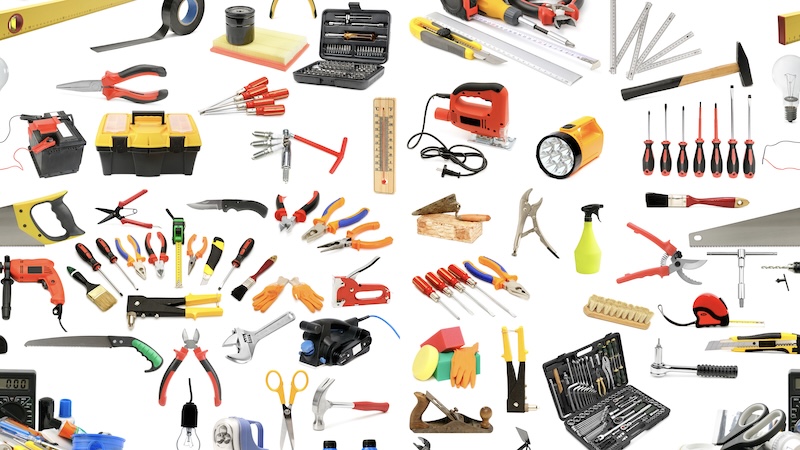
Tools and Equipment: Hand tools, power tool accessories, measuring instruments, and safety equipment form a major segment, with particular strength in mid-range quality tiers that balance affordability and durability
Fasteners and Components: Screws, bolts, nuts, washers, and specialized fasteners are produced in massive volumes with tight tolerances, meeting ANSI and other international standards
Industrial Hardware: Casters, hinges, drawer slides, and furniture hardware components supply both OEM manufacturers and aftermarket distributors
Garden and Outdoor Hardware: Irrigation fittings, outdoor furniture hardware, and landscape maintenance tools address seasonal demand patterns in the US market
Understanding the quality stratification within the market hardware sector proves essential for successful sourcing. The wholesale market serves three distinct quality tiers, each aligned with specific price points and target applications. Entry-level products typically cost 30 to 50 percent less than mid-tier alternatives but may require more rigorous quality inspection protocols before shipment to US destinations.
Mid-tier hardware products represent the market's volume sweet spot, offering reliable performance at competitive prices while meeting basic US safety and quality standards. Premium-tier manufacturers increasingly target US buyers who prioritize certifications, consistent quality, and established factory audit records, commanding prices approximately 20 to 35 percent above mid-tier alternatives while remaining well below US domestic wholesale rates.
Seasonal patterns significantly influence pricing and availability within the china hardware wholesale ecosystem. The pre-Chinese New Year period, typically spanning November through January, sees increased buyer activity as US companies lock in inventory for the spring construction and renovation season. Post-holiday periods from March through May often yield better negotiating leverage as factories seek to maintain production momentum.
Currency fluctuations between USD and Chinese Yuan directly impact landed costs for US buyers, with the exchange rate potentially shifting total costs by 3 to 8 percent annually. Successful buyers monitor these trends and time larger purchases to capitalize on favorable exchange conditions. Lead times for custom hardware products generally range from 35 to 60 days for initial samples and 45 to 90 days for production runs, requiring careful planning to align with US market demand cycles.
Navigating regulatory requirements poses unique challenges when sourcing hardware products from China for the US market. While industrial hardware typically faces fewer restrictions than consumer electronics or food-contact items, certain categories require specific certifications. Power tools and electrical hardware components must meet UL standards, adding approximately 8 to 15 percent to total landed costs when factory certification is required.
Material composition documentation becomes critical for hardware products, particularly those containing metals potentially subject to tariffs or trade restrictions. Forward-thinking buyers establish clear specifications regarding materials like steel grades, aluminum alloys, and coating processes to ensure consistent compliance with US import regulations and end-user safety requirements. The wholesale market increasingly accommodates these demands as Chinese manufacturers recognize the value of maintaining access to the substantial US market for hardware products.
With a solid understanding of China's hardware wholesale market landscape, the next crucial step involves identifying the specific locations where you can source quality hardware products efficiently. China's hardware wholesale industry concentrates in several key regional hubs, each offering distinct advantages in terms of product specialization, pricing structures, and logistical capabilities. These major wholesale markets serve as central procurement points for international buyers seeking everything from construction hardware to precision tools and specialized equipment.
Located in the Panyu District of Guangzhou, the Dashi Hardware Market stands as one of China's most comprehensive hardware wholesale destinations. This sprawling complex houses over 2,000 shops spread across multiple buildings, creating an ecosystem where buyers can source virtually any type of hardware product under one roof. The market specializes in construction hardware, architectural fittings, bathroom fixtures, door and window hardware, and industrial fasteners. Suppliers here maintain strong relationships with manufacturing facilities throughout Guangdong Province, ensuring competitive wholesale pricing and quick inventory turnover.
The Dashi market operates with a business model that favors volume purchases, making it particularly attractive for US importers seeking container-load quantities. Most vendors accept credit cards and facilitate international payment arrangements through established trading companies. The market's proximity to Guangzhou's port infrastructure means reduced inland transportation costs and simplified export procedures. English-speaking staff members are increasingly common in larger wholesale shops, though bringing a translator remains advisable for complex negotiations. The market hardware selection ranges from budget-friendly options suitable for resale in discount retail chains to premium-grade products meeting international quality standards. US buyers typically find the southern location advantageous when coordinating shipments through Hong Kong or direct ocean freight to West Coast ports.
Yiwu International Trade Market in Zhejiang Province has earned global recognition as the world's largest wholesale market for small commodities, with an extensive hardware products section that attracts buyers from over 200 countries. The hardware wholesale area occupies several dedicated districts within the massive complex, focusing primarily on hand tools, small mechanical parts, electrical accessories, and precision hardware components. This market excels in offering an extraordinary variety of products at highly competitive price points, with minimum order quantities often lower than other major wholesale centers.
What distinguishes Yiwu from other china hardware wholesale hubs is its unique business infrastructure designed specifically for international trade. The market features on-site logistics companies, quality inspection services, and export documentation support, streamlining the procurement process for overseas buyers. Most suppliers here understand export requirements and maintain experience shipping to the United States, including familiarity with FDA regulations when applicable to certain hardware products. The hardware market sections operate year-round with extended hours, allowing buyers to maximize their sourcing trips. Many vendors offer product customization services, from packaging modifications to minor design adjustments that help US importers differentiate their offerings. The wholesale market atmosphere encourages comparative shopping, with similar product categories clustered together, enabling buyers to evaluate quality and pricing across multiple suppliers efficiently. Payment flexibility includes acceptance of major credit cards and PayPal for smaller transactions, though larger orders typically require wire transfers or letters of credit.
Shanghai South China City represents the premier hardware wholesale market in eastern China, strategically positioned to serve both domestic and international buyers. This modern commercial complex specializes in mid-to-high-grade hardware products, including power tools, precision instruments, automotive hardware, and specialized industrial components. The market maintains higher quality standards compared to some competitors, with many suppliers holding certifications that facilitate sales into regulated markets like the United States. The wholesale market infrastructure includes warehousing facilities, product showrooms, and integrated logistics services that simplify bulk purchasing.
For US importers, Shanghai's location offers distinct advantages in supply chain management. The city's world-class port facilities and established air freight networks provide multiple shipping options with competitive rates. Many china hardware suppliers operating in South China City maintain English-language websites and employ export specialists familiar with US import regulations and documentation requirements. The market attracts a more sophisticated buyer demographic, resulting in a professional business environment where negotiations follow clearer protocols and contractual agreements. Hardware products available here often target professional contractors and industrial applications rather than consumer-grade items. The market's payment infrastructure accommodates international transactions smoothly, with most established vendors accepting credit cards for deposits and offering standard 30-day payment terms on approved accounts. The concentration of quality-focused suppliers makes this wholesale market particularly valuable for US businesses prioritizing product reliability and consistency over absolute lowest pricing.
After exploring major hardware wholesale hubs like Guangzhou, Yiwu, and Shanghai, the next critical decision involves choosing your sourcing approach. Both online platforms and physical market visits offer distinct advantages when purchasing china hardware wholesale products, and understanding when to leverage each method can significantly impact your margins and product quality.
Visiting physical hardware wholesale markets in China remains the gold standard for serious buyers seeking competitive pricing and direct supplier relationships. Walking through markets like Guangzhou's Dashi Hardware Market allows you to inspect hardware products firsthand, negotiate face-to-face, and build trust with manufacturers who may not have robust online presences.
Successful market navigation begins with strategic timing. Arrive early in the morning, typically between 8:00 AM and 9:00 AM, when vendors are fresh and more willing to negotiate. Most china hardware markets operate six days weekly, with Monday through Friday offering the most comprehensive vendor availability. Avoid major Chinese holidays, particularly Chinese New Year and Golden Week, when markets either close or operate with skeleton crews.
Dress professionally but practically. Vendors in wholesale markets assess buyers within seconds, and appearing serious yet approachable signals you're a legitimate purchaser rather than a casual browser. Bring a measuring tape, notepad, and smartphone with translation apps. While many wholesale market hardware dealers speak basic English, having translation capabilities demonstrates respect and facilitates clearer communication about specifications.
Develop a systematic market walking strategy. Start at one corner and work methodically through each aisle, taking notes on pricing, quality variations, and vendor responsiveness. Resist making purchases during your first walkthrough. Instead, collect business cards, take photos of products you're interested in, and note price ranges. This reconnaissance allows you to identify which vendors offer the best combination of quality and pricing before committing funds.
Negotiation etiquette differs significantly from Western business practices. Begin conversations by asking about product specifications rather than immediately discussing price. Show genuine interest in the hardware products, asking about materials, manufacturing processes, and customization options. When price discussions begin, expect the quoted figure to be 20-40% higher than the vendor's bottom line. Counter with an offer approximately 30% below their initial quote, then negotiate toward a middle ground.
Quantity significantly influences pricing in china hardware markets. Vendors typically offer tiered pricing structures, with substantial discounts kicking in at specific volume thresholds. A single carton might cost USD 150, but ordering ten cartons could drop the per-unit price by 25-35%. Always inquire about MOQ requirements and volume discount breakpoints before finalizing orders.
Payment terms require careful attention. Most physical market vendors prefer cash transactions in Chinese yuan, though established suppliers may accept bank transfers for larger orders. Avoid paying full amounts upfront unless working with verified, trusted suppliers. Standard practice involves paying 30-50% as a deposit, with the balance due upon quality inspection before shipping. For first-time purchases, consider using escrow services or letter of credit arrangements to protect your investment.
Quality inspection cannot be overlooked when sourcing from wholesale market hardware vendors. Bring a checklist covering critical specifications: material composition, dimensional accuracy, finish quality, and functional testing. Request samples from different production batches, as quality can vary significantly. If ordering substantial quantities, hire a third-party quality control inspector who can visit the factory before shipment.
Building relationships extends beyond single transactions. Successful buyers invest time in developing rapport with key suppliers, sharing meals, and maintaining regular communication. Chinese business culture values long-term partnerships, and vendors often reserve their best pricing and priority service for established customers. Exchange WeChat contact information, as this platform dominates business communication in China and allows for quick price checks and product updates.
Documentation practices protect both parties. Request detailed invoices listing product specifications, quantities, unit prices, and total amounts in both Chinese yuan and USD. Obtain signed contracts for orders exceeding USD 5,000, clearly outlining delivery timelines, quality standards, and dispute resolution procedures. Keep photographs of products before packaging, as this evidence proves invaluable should quality issues arise during customs clearance.
Logistical coordination separates successful sourcing trips from disappointing ones. Partner with reliable freight forwarders who maintain offices near major hardware wholesale markets. These professionals handle export documentation, consolidate shipments from multiple vendors, and navigate customs requirements. Expect shipping costs to represent 15-30% of your product cost, depending on volume and urgency. Sea freight offers the most economical option for full container loads, while air freight suits smaller, time-sensitive orders despite costing 4-6 times more.
Language barriers, while manageable, require proactive solutions. Consider hiring a local sourcing agent for your first few market visits. These professionals, typically charging USD 150-300 daily, provide translation services, supplier vetting, and negotiation support. Their market knowledge often saves more than their fees through better pricing and avoiding problematic vendors.
After mastering the art of navigating physical markets, the next critical step is ensuring your chosen suppliers meet quality standards and business legitimacy requirements. Proper verification prevents costly mistakes and protects your investment in the china hardware wholesale market.
Every legitimate hardware wholesale supplier in China must possess a valid business license issued by the Administration for Industry and Commerce. Request a copy of their business license and verify the registration number through official government databases. Cross-reference the legal entity name with the supplier's operational name to identify any discrepancies that might signal fraudulent operations.
Additionally, examine their export licenses and quality certifications. Suppliers dealing in hardware products intended for the US market should have documentation proving compliance with relevant safety standards. Look for ISO 9001 certification for quality management systems, which demonstrates a commitment to consistent product standards. For electrical hardware items, CE or UL certification becomes essential for import clearance and liability protection.
Schedule facility visits whenever possible before committing to large purchase orders. A physical inspection of the manufacturing facility reveals production capabilities that paper documentation cannot capture. Examine the production floor for equipment condition, worker safety measures, and raw material storage practices. Hardware wholesale operations with proper quality controls maintain organized inventory systems and clean production environments.
During your visit, assess production capacity by observing the workflow and asking detailed questions about manufacturing processes. Request samples from current production runs rather than pre-prepared showcase items. This approach provides authentic insight into the actual quality of hardware products leaving the facility. Document your observations with photographs and detailed notes for future reference when comparing multiple suppliers.
Implement a rigorous sample testing protocol before placing bulk orders in any wholesale market hardware sourcing relationship. Order samples of every product variation you plan to purchase, including different sizes, finishes, and materials. Test these samples against your specifications using objective measurements and functional assessments.
Create a standardized evaluation checklist that includes dimensional accuracy, material composition, finish quality, and functional performance. For example, test hinges for smooth operation and weight capacity, measure bolt threading precision with gauges, and verify coating thickness on finished hardware. Consider engaging third-party inspection services like SGS or Bureau Veritas for technical testing that requires specialized equipment, particularly for products subject to FDA regulations or safety standards in the United States.
Structure payment arrangements that protect your interests while building supplier relationships. Avoid suppliers demanding full payment upfront, as this increases financial risk significantly. Standard payment terms in the china hardware wholesale industry typically involve a 30% deposit with the balance paid upon inspection or against shipping documents.
Utilize secure payment methods that offer buyer protection. While traditional wire transfers remain common for large transactions, platforms like PayPal or Alibaba Trade Assurance provide additional security layers for international hardware wholesale purchases. These services offer dispute resolution mechanisms and payment holds until you confirm satisfactory delivery. For new supplier relationships, consider using letters of credit through your bank, which ensures payment only after the supplier meets specified conditions and provides proper documentation.
Conduct thorough background research on potential suppliers through multiple channels. Request references from current clients, particularly those in the United States who can share relevant export experience. Contact these references directly to inquire about product quality consistency, communication responsiveness, and problem resolution capabilities.
Explore online reputation indicators through trade platforms, industry forums, and business directories. Review ratings, transaction histories, and complaint records on platforms where the supplier maintains a presence. Search for the company name in industry publications and trade association memberships, which often indicate established market hardware suppliers with professional standing. However, remain skeptical of perfect reviews or suspiciously similar testimonials that might indicate fabricated feedback.
Assess supplier communication capabilities early in your relationship. Professional hardware wholesale suppliers maintain responsive communication channels and provide clear, detailed answers to technical questions. Test their responsiveness by asking specific questions about product specifications, customization options, and shipping logistics. Evaluate whether they communicate proactively about potential delays or issues.
Language proficiency matters significantly for preventing misunderstandings about hardware products specifications and delivery expectations. Suppliers serving the US market should have English-speaking staff capable of discussing technical details accurately. Request detailed quotations that specify exact product descriptions, quantities, unit prices in USD, and complete delivery terms. Vague or incomplete documentation suggests potential communication problems that could escalate into costly mistakes during actual transactions.
Establish ongoing quality monitoring systems for regular suppliers in the china hardware wholesale market. Implement inspection protocols for every shipment, documenting any quality variations or defects. Maintain detailed records tracking on-time delivery rates, product conformity percentages, and responsiveness to quality complaints.
Schedule periodic facility re-inspections to ensure consistent manufacturing standards. Production quality can deteriorate over time due to equipment aging, workforce changes, or management shifts. Annual or bi-annual audits help maintain accountability and demonstrate your commitment to quality standards. Share performance feedback regularly with your suppliers, acknowledging improvements and addressing concerns promptly to foster mutually beneficial long-term partnerships in the wholesale market hardware sector.
After establishing robust supplier verification and quality assessment protocols, buyers must master the financial dimensions of sourcing from China hardware wholesale markets. Understanding pricing structures and negotiation techniques directly impacts profit margins and competitive positioning in the United States market. Hardware wholesale operations in China follow complex pricing models that reward informed buyers who invest time in learning market dynamics.
China hardware suppliers implement sophisticated tiered pricing systems that vary significantly based on order volume, payment terms, and buyer relationships. Most hardware products in wholesale markets operate on three to five pricing tiers, with the base tier applying to orders under 100 units and premium discounts activating at volumes exceeding 5,000 units. The difference between tier one and tier five pricing can range from 30 to 60 percent for standard hardware items like hinges, locks, and fasteners.
Market hardware pricing also fluctuates based on seasonal demand cycles. Peak purchasing periods from August through October, when retailers prepare for holiday inventory, typically see prices increase by 8 to 15 percent across major wholesale market categories. Conversely, post-holiday periods from January through March offer strategic buying opportunities as suppliers clear inventory and offer deeper discounts to maintain cash flow.
Payment terms significantly influence pricing structures in the hardware wholesale sector. Suppliers typically offer three payment models: full advance payment with 5 to 8 percent discounts, 50 percent deposit with balance on shipment at standard pricing, and letter of credit arrangements that may add 3 to 5 percent to base costs. Understanding these payment-price relationships allows buyers to calculate true landed costs when comparing suppliers.
Longer-term contracts spanning six to twelve months enable buyers to lock in favorable pricing and protect against raw material cost fluctuations. China hardware manufacturers often provide volume commitment discounts of 10 to 20 percent for buyers who guarantee minimum quarterly orders. However, these agreements require careful demand forecasting and inventory management capabilities to avoid excess stock situations.
Successful negotiation in China hardware markets requires preparation, relationship building, and strategic timing. Begin by researching baseline pricing across multiple suppliers for identical or comparable hardware products to establish market rate benchmarks. This intelligence provides negotiating leverage and helps identify suppliers whose initial quotes fall outside reasonable ranges.
Building personal relationships with supplier representatives remains critical in Chinese business culture. Schedule face-to-face meetings at wholesale market locations or factory sites rather than relying solely on digital communication. These interactions demonstrate commitment and create opportunities to discuss pricing flexibility that suppliers rarely offer through email exchanges. Bringing small gifts appropriate to business settings and showing respect for cultural norms strengthens negotiating positions.
Flooring materials through hardware wholesale sources include engineered hardwood, laminate, luxury vinyl plank, and ceramic tile products. Container purchasing enables per-square-foot costs of $0.85-2.40 for laminate flooring and $1.60-4.20 for engineered hardwood, representing significant savings versus domestic wholesale distributors. Quality assessment requires physical samples verification, including wear layer thickness measurement, locking mechanism testing, and moisture resistance evaluation. Import considerations include proper species documentation for hardwood products and compliance with formaldehyde emission standards mandated by the California Air Resources Board, which effectively serves as the national standard for United States distribution.
Having explored the diverse product categories spanning industrial fasteners to construction materials, it becomes clear that success in the China hardware wholesale market requires strategic planning and informed decision-making. Here are the essential insights that buyers and procurement professionals should keep in mind when navigating this complex marketplace.
The China hardware wholesale market represents one of the world's most extensive sourcing ecosystems for hardware products, offering unparalleled variety across industrial components, construction materials, and specialty fasteners. Understanding the market's structure—from regional manufacturing hubs to tiered pricing frameworks—enables buyers to identify optimal sourcing opportunities while managing costs effectively. The wholesale market hardware landscape in China operates on economies of scale, where volume commitments translate directly into competitive pricing advantages that can significantly impact your bottom line.
Quality verification remains paramount when sourcing hardware products from Chinese manufacturers. Establishing robust inspection protocols, requesting third-party certifications, and conducting pre-shipment evaluations protect against quality inconsistencies that could compromise project timelines or product performance. US buyers should prioritize suppliers who demonstrate familiarity with international standards such as ASTM, ANSI, and ISO specifications relevant to their specific hardware categories.
Building strong supplier relationships yields long-term benefits beyond initial price negotiations. Consistent communication, clear specifications, and professional conduct foster trust that often results in preferential treatment, priority production slots, and flexibility during supply chain disruptions. The most successful procurement strategies in the China hardware wholesale space balance cost optimization with relationship cultivation.
Logistics planning deserves equal attention to product sourcing. Understanding shipping timelines, customs clearance procedures, and landed cost calculations prevents unexpected expenses that erode wholesale pricing advantages. Container consolidation, strategic inventory positioning, and choosing appropriate Incoterms all contribute to optimized supply chain efficiency when importing market hardware from China.
Currency fluctuations and payment terms significantly influence total acquisition costs. Negotiating payment structures that balance supplier security with buyer protection—such as letters of credit or staged payments upon quality milestones—reduces financial risk while maintaining positive supplier relations. Monitoring USD-CNY exchange rates and timing large purchases strategically can yield additional savings on substantial orders.
The digital transformation of China's wholesale market hardware sector offers unprecedented transparency and accessibility. Online platforms, virtual factory tours, and digital communication tools have reduced geographical barriers, enabling US buyers to conduct thorough supplier research and comparison shopping without immediate travel requirements. However, physical verification for high-value or critical hardware products remains advisable before committing to long-term partnerships.
Compliance with US import regulations and safety standards cannot be overlooked. Hardware products must meet applicable FDA regulations where relevant, consumer product safety requirements, and industry-specific standards. Documentation accuracy, proper classification codes, and proactive communication with customs brokers ensure smooth entry into US markets and prevent costly delays or rejections at ports of entry.
Market specialization knowledge empowers better sourcing decisions. Whether procuring industrial fasteners, construction door hardware, or specialized components, understanding category-specific quality indicators, typical price ranges, and manufacturing capabilities helps buyers evaluate supplier claims critically and negotiate from positions of informed strength within the wholesale market.
The competitive advantage in China hardware sourcing lies not in finding the absolute lowest price, but in optimizing the complete value equation—balancing cost, quality, reliability, and service. Suppliers offering marginally higher prices but demonstrating consistent quality, responsive communication, and flexible minimum order quantities often deliver superior total value compared to bottom-tier alternatives that introduce operational risks.
Successful navigation of the China hardware wholesale market requires continuous learning and adaptation. Market conditions, manufacturing capabilities, and regulatory landscapes evolve constantly. Buyers who invest in ongoing market intelligence, maintain diverse supplier networks, and remain flexible in their sourcing strategies position themselves to capitalize on emerging opportunities while mitigating supply chain vulnerabilities in this dynamic global marketplace.
Building on the essential takeaways about navigating China's hardware wholesale market, many buyers encounter similar questions when planning their sourcing strategies. Understanding these common concerns helps streamline the procurement process and reduces potential risks when dealing with hardware wholesale operations.
What minimum order quantities should I expect from China hardware suppliers?
Minimum order quantities vary significantly across different hardware products and suppliers. Industrial hardware and fasteners typically require orders of 1,000 to 10,000 pieces per SKU, while larger items like doors and windows may have minimums of 50 to 200 units. Wholesale market vendors in major trade hubs often accommodate smaller initial orders ranging from $500 to $2,000 to help new buyers test product quality. Direct factory orders generally demand higher volumes but offer better pricing, with minimums often starting at $5,000 to $15,000 per shipment. Specialized hardware products or custom specifications typically increase minimum requirements due to tooling and setup costs.
How can I verify the quality of hardware products before placing large orders?
Quality verification follows a structured approach when sourcing from China hardware wholesale suppliers. Request product samples before committing to bulk orders, typically costing $50 to $300 including shipping, which allows hands-on evaluation of materials, finish, and functionality. Third-party inspection services provide pre-shipment quality checks for $200 to $500 per inspection, examining product specifications, packaging, and compliance with your requirements. Factory audits offer comprehensive assessments of manufacturing capabilities, quality control systems, and certification validity. Many hardware wholesale buyers use a graduated approach by starting with small test orders, then scaling up after confirming product consistency across multiple shipments.
What are the typical payment terms when ordering from market hardware suppliers?
Navigating the complex landscape of China hardware wholesale requires careful planning, strategic decision-making, and a thorough understanding of both the opportunities and challenges that come with sourcing hardware products from the world's manufacturing hub. Whether you're a small retailer testing the waters or an established business scaling your operations, the Chinese wholesale market offers unparalleled access to competitive pricing, diverse product ranges, and manufacturing capabilities that remain unmatched globally.
The key to success in this market lies in balancing cost advantages with quality assurance, building reliable partnerships with verified suppliers, and implementing robust logistics and compliance strategies. From understanding the intricacies of MOQ negotiations to ensuring your hardware products meet FDA regulations and US safety standards, every step of the sourcing journey demands attention to detail and informed decision-making.
As the hardware wholesale landscape continues to evolve with digital platforms, changing trade policies, and shifting manufacturing trends, staying informed and adaptable becomes increasingly critical. The market hardware sector in China is not static—it responds to global demand, technological innovations, and economic pressures. Successful buyers recognize that sourcing China hardware is not merely a transactional activity but a strategic business function that requires ongoing relationship management, quality monitoring, and market intelligence.
For US businesses, the China hardware wholesale market represents both a competitive necessity and a strategic opportunity. While challenges such as communication barriers, quality consistency, and shipping complexities exist, the potential rewards—including cost savings of 30-60% compared to domestic sourcing, access to innovative hardware products, and the ability to customize specifications—make it a worthwhile endeavor for those willing to invest time in proper supplier vetting and relationship building.
The most successful importers approach the wholesale market with realistic expectations, adequate preparation, and contingency plans for common obstacles. They understand that initial orders may require adjustments, that building trust with suppliers takes time, and that quality control measures are non-negotiable investments rather than optional expenses. By implementing the strategies outlined throughout this guide—from conducting factory audits to negotiating payment terms that protect both parties—you position your business for sustainable, profitable sourcing relationships.
As you move forward with your China hardware sourcing initiatives, remember that the wholesale market rewards patience, persistence, and professionalism. Start with smaller test orders to validate supplier capabilities, gradually scale your volumes as confidence builds, and continuously monitor market conditions that may affect pricing, availability, or regulatory requirements. The hardware products landscape in China offers tremendous potential for businesses ready to navigate its complexities with informed confidence and strategic foresight.
Ultimately, success in the China hardware wholesale market comes down to treating it as a long-term business strategy rather than a short-term cost-cutting measure. Build relationships, invest in quality assurance, stay compliant with US import regulations, and continuously optimize your sourcing processes. With the right approach, China's hardware wholesale market can become a powerful competitive advantage for your business, providing the products, pricing, and flexibility needed to thrive in today's demanding retail environment.
 English