For US businesses, sourcing from China is a cornerstone of global supply chains, but the journey from factory floor to warehouse door is fraught with complexity. The critical decision often isn't about finding a supplier, but about selecting the right logistics partner to bridge the 7,000-mile gap. This article focuses on identifying the best freight forwarder in China—a partner who can expertly navigate international shipping customs fees, optimize the sea freight vs air freight cost equation, secure a competitive shipping container quote international, and manage specialized services like international LCL shipping rates.
A top-tier forwarder acts as your single point of control, transforming logistical hurdles into a streamlined, predictable process. They handle the intricate paperwork, tariff classifications, and compliance with agencies like US Customs and Border Protection (CBP) and the Food and Drug Administration (FDA) for relevant goods. Their expertise is measured not just in moving boxes, but in providing clarity on total landed cost, ensuring on-time delivery, and offering proactive communication.
Key differentiators for the best partners include:
End-to-End Visibility: Providing real-time tracking from pickup in Shenzhen to delivery in Los Angeles, with clear updates on any customs holds.
Cost Transparency: Delivering detailed, all-inclusive quotes that break down ocean freight, fuel surcharges, terminal fees, and estimated duties, avoiding hidden surprises.
Flexible Solutions: Advising on the most cost-effective and timely mode—whether a full container load (FCL), less-than-container-load (LCL), or expedited air freight—based on your budget and inventory needs.
US-Centric Expertise: Understanding domestic drayage, warehouse receiving in cities like Chicago or Dallas, and preferred local payment methods including Credit Cards, PayPal, and wire transfers.
Navigating this world successfully means partnering with a forwarder who provides strategic guidance, not just transactional shipping. The following sections will detail the essential criteria for making this vital choice.
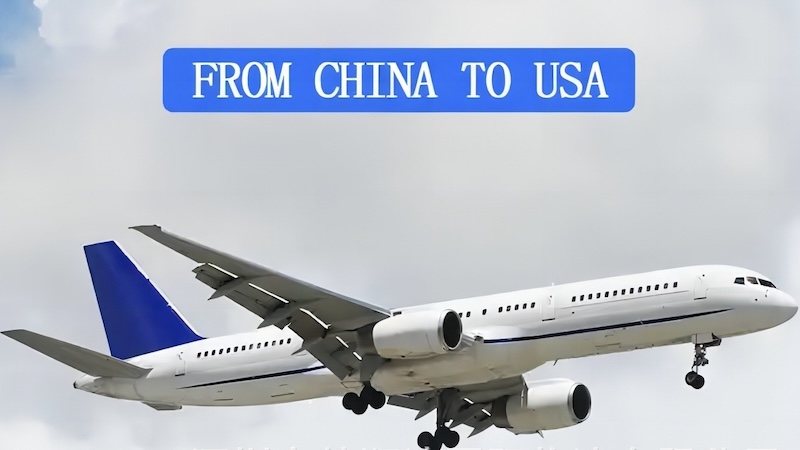
Building on the complexities of navigating China's logistics landscape, identifying a truly top-tier freight forwarder requires evaluating specific capabilities beyond basic shipping arrangements. The best partners act as strategic extensions of your supply chain, offering a blend of operational excellence, technological integration, and specialized knowledge that directly impacts your bottom line and reliability.
A premier forwarder provides a comprehensive, integrated service portfolio. This includes end-to-end management of international shipping customs fees and documentation, ensuring compliance and avoiding costly delays. They should offer transparent comparisons between sea freight vs air freight cost for your specific cargo, helping you optimize for speed or budget. The ability to provide a detailed shipping container quote international, inclusive of all surcharges and terminal handling charges, is a hallmark of transparency. Furthermore, expertise in securing competitive international LCL shipping rates for smaller shipments demonstrates their capability to serve businesses of all scales. Essential services also encompass cargo insurance, warehousing, last-mile delivery coordination within the US, and robust post-shipment support for issue resolution.
In today's market, digital capability is non-negotiable. A top-tier forwarder offers a client portal or platform for real-time shipment tracking, document management, and accessing digital bills of lading. This infrastructure should facilitate seamless communication, providing proactive updates on shipment status, port congestion, or customs holds. The platform must support US-centric operations, allowing for easy payment via Credit Cards, PayPal, or Apple Pay, and displaying all costs in USD. This digital transparency is critical for managing inventory and supply chain planning, replacing opaque, email-based processes with reliable, data-driven visibility from factory floor to US warehouse.
The most valuable forwarders possess deep expertise in specific verticals. For example, a forwarder specializing in electronics will understand precise packaging, battery transportation regulations (IATA/IMDG), and anti-static requirements. For US importers of supplements or cosmetics, a forwarder with proven experience in FDA regulations is essential to navigate prior notice submissions, labeling reviews, and facility registration. This niche knowledge prevents rejected shipments at US ports. Similarly, forwarders experienced in automotive parts, machinery, or apparel will understand the unique documentation, handling, and compliance needs of those goods, providing tailored advice that generic providers cannot.
Having identified the hallmarks of a top-tier freight forwarder, the next critical step is a systematic vetting process to select your ideal partner. This decision directly impacts your supply chain's reliability, cost structure, and compliance posture.
Begin by requesting and scrutinizing detailed, itemized quotes. A professional forwarder will provide transparent breakdowns for all major cost components, including the base shipping container quote international, terminal handling charges, and estimated international shipping customs fees. This clarity is essential for accurate budgeting and prevents unexpected surcharges. Always compare these quotes across multiple forwarders, paying close attention to the sea freight vs air freight cost analysis they provide for your specific cargo. This comparison should factor in not just the raw freight rate but also the total landed cost, including insurance and destination charges.
Verification of credentials is non-negotiable. Confirm the forwarder's valid NVOCC (Non-Vessel Operating Common Carrier) license with the Federal Maritime Commission (FMC) for ocean shipments and their status as an Indirect Air Carrier (IAC) for air freight. For shipments regulated by agencies like the FDA or CPSC, inquire about their specific experience and processes for handling such goods. Reputable forwarders will readily provide their FMC license number and details of their relevant bonds.
Evaluate their operational communication and problem-solving capability. Ask for case studies or references from clients with similar shipping profiles, particularly regarding complex shipments or navigating delays. A competent partner should explain their escalation procedures and how they manage exceptions, such as Customs holds or port congestion. Inquire about their digital tools for tracking and documentation; seamless integration with your systems can significantly reduce administrative overhead.
Finally, assess their pricing strategy for different shipment types. A forwarder should clearly explain how they calculate international LCL shipping rates (Less than Container Load) versus FCL (Full Container Load) and the cost implications of each. They should also advise on the most cost-effective and reliable routing for your needs, whether that's a direct service or a transshipment via a major hub like Los Angeles or Long Beach.
Following a rigorous vetting process, identifying specific, reputable forwarders is the logical next step. One of the most prominent names in the market is Sinotrans, a state-owned enterprise with a long history and extensive global network.
Sinotrans Limited is a comprehensive logistics service provider and a flagship subsidiary of the Sinotrans & CSC Holdings Co., Ltd. It is one of the largest and most established players in China, offering a full spectrum of services crucial for U.S. importers. Its core strengths lie in its deep-rooted domestic infrastructure and government affiliations, which can be advantageous for navigating complex Chinese export procedures and securing favorable shipping container quote international rates due to high volume.
For businesses comparing sea freight vs air freight cost, Sinotrans provides robust options for both modes. Their integrated service model is designed to handle everything from factory pickup and consolidation to customs clearance and final delivery. This is particularly valuable for managing international shipping customs fees, as their in-house expertise and established relationships with Chinese customs can streamline the declaration process, though final duties owed to U.S. Customs and Border Protection remain the importer's responsibility.
A key service for small to medium-sized businesses is their Less than Container Load (LCL) consolidation. Sinotrans operates numerous consolidation centers across major Chinese manufacturing hubs, allowing multiple shippers' goods to share a single container. This makes their international LCL shipping rates highly competitive for shipments that don't justify a full container. When requesting a quote, U.S. clients should ensure all costs are broken down in USD and clarify the Incoterms® rules (e.g., FOB Shanghai vs. DDP Los Angeles) to understand exactly what fees are included versus what they will pay separately, such as destination port charges or U.S. customs brokerage.
Beyond Sinotrans, the market includes other significant forwarders with distinct strengths. Companies like DHL Global Forwarding and Kuehne+Nagel offer extensive global networks and advanced digital platforms, ideal for businesses requiring high-tech visibility and multi-country logistics. For SMEs, forwarders like Flexport have gained prominence by combining technology with user-friendly interfaces and advisory services. Regional specialists with strong ties to specific Chinese provinces can offer highly competitive rates and local knowledge for businesses sourcing from those areas. The key is to match the forwarder's scale and specialization with your specific shipping volume, product type, and need for technological integration.
While selecting a freight forwarder is a strong start, the real test comes in managing the relationship and avoiding costly mistakes. Navigating the complexities of international shipping from China to the US requires vigilance against common pitfalls that can derail your supply chain and inflate your final landed costs.
A major red flag is a forwarder who provides a vague initial shipping container quote international. Legitimate quotes should be detailed and all-inclusive, clearly breaking down ocean freight, terminal handling charges, documentation fees, and estimated international shipping customs fees. Be wary of quotes that seem unusually low, as they often exclude critical charges that appear later, turning a bargain into a budget blowout. Always request a formal, itemized quote in writing before committing.
Understanding the fundamental cost drivers is crucial. A common error is automatically choosing sea freight vs air freight cost based on speed alone without a full cost-benefit analysis. While air freight is faster, sea freight is dramatically cheaper for large, non-urgent shipments. However, for smaller volumes, don't overlook international LCL shipping rates (Less than Container Load). A forwarder pushing for a full container when your volume doesn't justify it may be prioritizing their margin over your economics. Calculate the total landed cost per unit for both LCL and FCL options.
Operational and communication failures are significant pitfalls:
Lack of US Compliance Expertise: Your forwarder must have proven experience with US customs, FDA regulations for consumer goods, and other agency requirements (e.g., CPSC for toys, EPA for electronics). Failure here can lead to seized shipments and steep fines.
Poor Documentation & Communication: Inconsistent or slow communication, especially across time zones, is a warning sign. All documentation, including the commercial invoice, packing list, and bill of lading, must be accurate. Errors cause customs delays.
Opacity in Tracking and Updates: You should have access to a real-time tracking portal. A forwarder who cannot provide timely updates on vessel location or customs clearance status is not managing your shipment proactively.
Inflexible Payment Terms: Be cautious of forwarders who demand full payment upfront or do not accept standard US payment methods like Credit Cards or PayPal for deposits. Reputable partners offer transparent, staged payment schedules.
No Contingency Planning: A reliable forwarder will discuss potential disruptions (port congestion, weather) and have backup plans. If they claim nothing ever goes wrong, they are being dishonest.
Finally, avoid the pitfall of focusing solely on price. The cheapest forwarder often cuts corners on service, insurance, and compliance, leading to higher hidden costs. The best freight forwarder in China provides value through reliability, expertise, and transparency, ensuring your goods move smoothly from factory floor to US door.
A critical, yet often misunderstood, aspect of working with a freight forwarder is the proper use of Incoterms® rules. These internationally recognized terms define the responsibilities, costs, and risks split between the seller (your Chinese supplier) and the buyer (you, the US importer). Misalignment on Incoterms is a primary cause of disputes and unexpected charges in a shipping container quote international.
For US importers, the most common terms are FOB (Free On Board) and DDP (Delivered Duty Paid). Under FOB (Port of Origin), your responsibility and risk begin once the goods are loaded onto the vessel at the Chinese port. You are responsible for the main freight, insurance, and all destination costs, including international shipping customs fees. This term gives you control over selecting and managing your freight forwarder and customs broker. In contrast, DDP places maximum responsibility on the seller (or their agent) to deliver the goods to your named place in the US, with all duties and taxes paid. While seemingly simpler, DDP can result in less transparency on cost breakdowns and may involve markups from the supplier's chosen logistics provider.
Your forwarder should clearly explain how the chosen Incoterm affects the services they provide and the costs on your quote. For example, a quote based on FOB terms will explicitly show the ocean/air freight and destination charges. A forwarder can also advise on the most suitable term based on your desired level of control, risk tolerance, and internal logistics capability. Properly defining Incoterms in your purchase contracts prevents confusion over who pays for what, from the sea freight vs air freight cost decision to the final trucking leg to your warehouse.
A seamless import process relies heavily on expert customs brokerage. While some freight forwarders have in-house brokerage divisions, others partner with licensed brokers. Understanding this relationship is vital. Your forwarder should either directly manage or seamlessly coordinate with a broker who files your entry with US Customs and Border Protection (CBP). They are responsible for submitting accurate documentation, calculating and paying duties on your behalf, and ensuring compliance with all regulations. A top-tier forwarder will have a strong track record in this area, minimizing the risk of inspections, delays, or penalties. They should proactively advise on Harmonized Tariff Schedule (HTS) classification, which directly impacts duty rates, and ensure all data for the Importer Security Filing (ISF) is submitted accurately and on time.
In an era of global disruptions, a forwarder's value is proven during crises. Beyond day-to-day operations, evaluate their contingency planning capabilities. Do they have diversified carrier relationships to offer alternatives if a shipping line cancels sailings? Can they leverage multiple port pairs (e.g., Shanghai to Long Beach vs. Ningbo to Seattle) to avoid congestion? A resilient partner will have established protocols for handling emergencies, such as rerouting shipments, arranging temporary storage, or expediting critical components via air freight. Discuss their approach to peak season surcharges and capacity constraints. A forwarder who provides strategic foresight and actionable alternatives helps you build a supply chain that can withstand volatility, protecting your inventory flow and customer commitments.
Effectively managing your logistics budget requires a forwarder who provides more than just a quote; they must be a partner in cost control. A detailed shipping container quote international is the starting point, but ongoing financial management is key. Your forwarder should help you understand the volatility of freight rates, explaining factors like bunker adjustment factors (BAF) for fuel and peak season surcharges (PSS). They can advise on strategies to lock in rates for longer-term contracts if your volume is consistent, providing budget certainty.
Furthermore, they should assist in analyzing the true sea freight vs air freight cost by incorporating all ancillary expenses. For instance, while sea freight has a lower base rate, it incurs longer inventory holding costs and higher insurance premiums for extended transit times. Air freight, while pricier, reduces warehousing costs and can prevent stockouts. A sophisticated forwarder will use total cost of ownership (TCO) modeling to illustrate these trade-offs. For smaller shipments, they should transparently present international LCL shipping rates and any consolidation or deconsolidation fees. By providing clear, anticipatory financial guidance, a top forwarder helps you avoid budget overruns and make informed decisions that align logistics spending with broader business financial goals.
Modern freight forwarding is deeply intertwined with technology, which goes beyond basic tracking. The best forwarders offer integrated platforms that serve as a command center for your supply chain. These systems should provide predictive analytics, such as estimated time of arrival (ETA) adjustments based on real-time vessel speeds and port congestion data. They can automate documentation workflows, generating packing lists and commercial invoices from your purchase orders to reduce errors.
For US importers, technology also facilitates compliance. Advanced platforms can integrate with US customs systems to streamline the submission of Importer Security Filings (ISF) and other required data. They may offer duty calculation tools based on HTS codes, helping you forecast international shipping customs fees more accurately. Furthermore, these platforms often include features for managing claims and disputes digitally, creating a clear audit trail. By leveraging a forwarder with robust technological capabilities, you gain not just visibility but also actionable intelligence, transforming logistics from a cost center into a source of strategic advantage and operational efficiency.
Having navigated the red flags, pitfalls, and critical contractual terms, the core principles for selecting the best freight forwarder in China become clear. Success hinges on aligning your specific shipping needs with a forwarder's proven capabilities, ensuring transparency, and building a relationship based on clear communication.
Core Selection Criteria
Match Service to Need: The choice between sea freight vs air freight cost and speed is fundamental. Use sea freight for high-volume, non-urgent shipments and air freight for time-sensitive, lower-volume goods. For smaller shipments, consolidating with international LCL shipping rates is a cost-effective alternative to a full container.
Prioritize Transparency: The best partners provide detailed, all-inclusive shipping container quote international documents. They proactively clarify all potential international shipping customs fees, port charges, and terminal handling fees upfront, avoiding costly surprises.
Verify Operational Strength: Look for a forwarder with a strong physical presence in your origin and destination regions. They should have direct relationships with carriers and a track record of handling goods similar to yours, whether they are FDA-regulated items or general merchandise.
Embrace Digital Tools: A modern forwarder offers a customer portal for real-time tracking, document management, and easy communication. This is essential for US-based importers who expect transparency and may use payment methods like Credit Cards or PayPal for deposits.
Value Communication & Compliance: Choose a partner that communicates proactively in English, understands US import regulations, and can guide you through complex documentation like the Importer Security Filing (ISF). Their role as a compliance advisor is as critical as their logistical one.
Ultimately, the "best" freight forwarder is not a universal title but the partner whose expertise, network, and communication style best fit your business's unique supply chain, ensuring your goods move from China to the United States reliably, compliantly, and cost-effectively.
Following the key takeaways, the final step is to solidify your strategy for selecting the best freight forwarder in China. This partnership is foundational for navigating complex logistics, from managing international shipping customs fees to securing competitive rates. A forwarder acts as your strategic ally, ensuring your goods move efficiently and compliantly from factory floor to your US warehouse.
Before finalizing your contract, verify these critical elements. First, confirm the forwarder's specific expertise with your product type and target US ports. They should provide transparent breakdowns for all potential charges, including duties, terminal fees, and their own service fees, helping you avoid unexpected costs. Second, request and compare detailed shipping container quote international proposals. These should clearly outline the cost difference between sea freight vs air freight cost for your shipment, including options for Less than Container Load (LCL) services. Understanding international LCL shipping rates and transit times is crucial for balancing budget and speed. Third, assess their communication and technology. Do they offer a dedicated account manager and a real-time online portal for tracking and documentation? Finally, verify their compliance capabilities, especially for goods regulated by US agencies like the FDA, ensuring all paperwork is accurate to prevent customs delays.
Initiate the selection process by shortlisting three to five forwarders with strong reputations and US office support. Prepare a detailed Request for Quote (RFQ) that includes your product specifications, annual volume estimates, origin cities in China, and destination ZIP codes in the United States. During consultations, ask scenario-based questions about how they handle customs holds, peak season surcharges, or shipment delays. Discuss payment terms; many forwarders accept major Credit Cards, PayPal, or wire transfers for deposit and final payment. Once you select a partner, start with a smaller pilot shipment to evaluate their service quality, documentation accuracy, and problem-solving responsiveness before committing your full volume. This measured approach builds a data-driven, successful partnership for scalable growth.
Q: What is the most important factor when comparing freight forwarders?
A: While cost is important, the most critical factor is total reliability and transparency. A forwarder must provide a clear, all-inclusive shipping container quote international, demonstrate proven expertise in US compliance (managing international shipping customs fees), and offer proactive communication and real-time tracking. The cheapest option often lacks these essentials, leading to hidden costs and delays.
Q: How do I decide between sea freight and air freight for my shipment from China?
A: The decision between sea freight vs air freight cost involves balancing budget, timeline, and cargo characteristics. Sea freight is vastly more economical for large, heavy, or non-urgent shipments (transit times of 3-6 weeks). Air freight is for high-value, low-volume, or time-sensitive goods (transit times of 3-7 days). Your forwarder should help you analyze the total landed cost per unit, which includes freight, insurance, and duties, for both options to make the most cost-effective choice.
Q: Can a freight forwarder help with customs clearance in the United States?
A: Yes, most top-tier freight forwarders either have an in-house licensed customs brokerage division or work closely with trusted partner brokers. They manage the entire clearance process, including filing entry documents, paying duties and taxes on your behalf, and ensuring compliance with CBP and other agency regulations. This integrated service is crucial for avoiding delays and penalties.
Q: What should I do if my shipment is delayed or held at customs?
A: Your freight forwarder should be your first point of contact. A reliable partner will have established procedures for such events. They will investigate the cause (e.g., port congestion, missing paperwork, inspection), communicate the status clearly, and work to resolve the issue, whether by liaising with customs, providing additional documentation, or advising on next steps. Their proactive management is key to minimizing disruption.
Q: How can I ensure I am not overpaying for freight services?
A: To avoid overpaying, always obtain multiple detailed quotes and ensure they are comparing like-for-like services under the same Incoterms. Scrutinize the breakdown for any vague "miscellaneous" or "administrative" fees. Ask your forwarder to explain each line item. Furthermore, leverage their expertise to explore all modal options—don't just default to a full container; ask for a comparison with international LCL shipping rates if your volume is lower. A transparent forwarder will justify their costs and show you where value is added, rather than hiding fees.
 English