Maple Sourcing Ltd.
Maple Sourcing Ltd.
We Make Your Sourcing Easy!
Need help? sales@maplesourcing.com
English
Maple Sourcing Ltd.
Maple Sourcing Ltd.

How to Select Suitable Cooperative Factory Through China Supplier Audit?

Published:
Updated:
6555 Views
Table of Content [Hide]

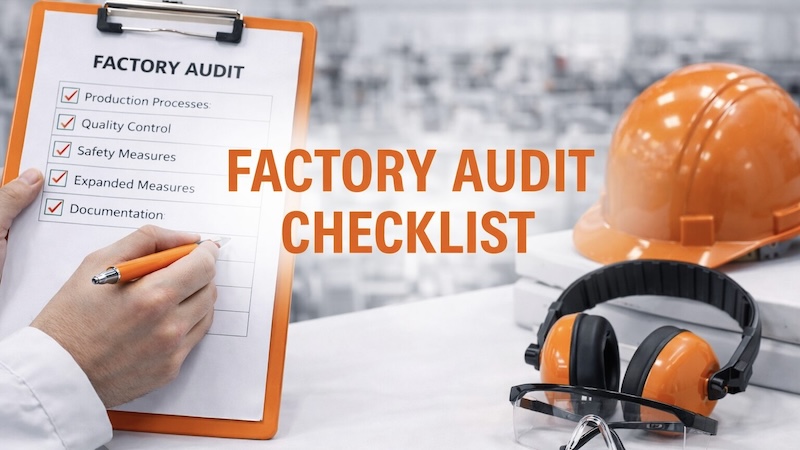
    206-1.jpg

    Today, China is in a position to manufacture all kinds of goods and meet the demands of the whole world. Despite that, it is not easy to find a suitable Chinese supplier if you want to search for a company that meets your exact requirements.

    There is no guarantee that any company that you select after searching online will be a reliable company for you. If you are looking for a suitable Chinese company that can perfectly meet your requirements, then you must conduct a proper China supplier audit before you select.

    By auditing the manufacturing company in China, you can confirm whether the supplier will be able to offer you quality products and meet the social and environmental responsibilities required these days. Some cash-rich companies prefer to visit China and conduct such audits through their own staff. Most of small and mid-size companies prefer any third-party sourcing service to conduct supplier audit in China and send a detailed report. This helps them to save on travel and accommodation costs.

    Why is it necessary to find the right Chinese supplier?

    If you want to succeed in your business, then it is extremely important that you select a few reliable companies in China.

    - It enables legal compliance with requirements without adding to the worry about whether the supplier has falsified any paperwork.

    - It ensures that no resources are lost during procurement in the event that the supplier is later discovered to be dishonest during production.

    - It makes sure that being connected to a dishonest source carries no bad consequences.

    These factors alone should highlight how important it is to choose suppliers carefully because of the potential financial and reputational consequences they may have on your business. The supplier qualification audit, sometimes referred to as a China supplier audit, is an essential action that assesses a supplier's competence before starting a manufacturing order and sending any down payment.

    These audits in China cover a wide range of topics, including:

    - Supplier technical audits
    - Manufacturing audits
    - Company audits
    - Management audits
    - Quality management system audits.

    Although the international evaluation standard ISO 9001 is typically followed for these audits, the individual audit plan and processes can be modified to accommodate the particular needs and management systems of the client.

    Importance of auditing

    For importers managing large bulk orders, obtaining a factory audit report is crucial before partnering with a Chinese supplier. This ensures the supplier meets compliance standards, has reliable production capabilities, and maintains quality, consistent lead times, and effective in-house quality control throughout the business relationship.

    The following are a few key strategies to ensure that you end up selecting reliable Chinese suppliers and building a successful business partnership:

    1. Define your needs clearly

    - Product specifications: Be careful about your product specifications, materials, quality standards, and other certifications.

    - Order quantities: Consider your minimum order quantities (MOQs) and how they can align with your production requirements.

    - Delivery requirements: Specify your lead times, shipping methods, and any other specific packaging needs.

    2. Leverage online platforms

    - B2B marketplaces: Use well-known sites such as Global Sources or Alibaba to look through supplier profiles, evaluate quotes, and get in touch.

    - Industry-specific platforms: Search internet directories tailored to your sector to identify vendors who specialize in the category of products you sell.

    3. Verify supplier qualifications

    - Business licenses: Get copies of business licenses and use government databases to confirm their validity.

    - Manufacturing capabilities: You must ensure that the manufacturer that you have shortlisted has the proper knowledge and facility to produce goods at higher volume.

    - Quality certifications: Check whether the company you have chosen is ISO 9001 and/or ISO 14001 certified.

    4. Communication is key

    - Language barriers: To close communication gaps, think about collaborating with a translator or sourcing agency.

    - Responsiveness: Assess the supplier's responsiveness to questions in terms of timeliness and professionalism.

    - Clear communication style: Make sure the provider is aware of your requirements and alerts you to any possible problems in advance.

    5. Go beyond price

    Prioritize quality, dependability, and transparent communication over the least expensive choice, even though cost is important. Transparently negotiate terms of payment, volume discounts, payment schedules, and modes of operation.

    Unless and until the supplier can make a sample as per your specification after your evaluation, you cannot partner with the Chinese company. Evaluate the supplier's quality management system by visiting the factory.

    6. Payment Terms and Contracts

    - Payment methods: Agree to safe payment arrangements like third-party escrow services or Letters of Credit (LCs).

    - Detailed contracts: Get a lawyer to examine a detailed contract that covers terms and conditions, payments, intellectual property rights, and dispute resolution processes.

    7. Build relationships

    - Long-term partnerships: Prioritize developing a strong, cooperative relationship with your supplier in order to improve communication and maybe engage in further discussions.

    - Regular communication: Keep in regular contact to talk about pending orders, possible difficulties, and upcoming product development.

    8. Quality control measures

    - Inspection services: To ensure product quality is confirmed prior to shipment, think about working with an independent inspection company.

    - Clear quality standards: Within the contract, be sure to include acceptable defect rates and quality control processes.

    9. Recognize cultural differences

    - Respectful communication: Be aware of and mindful of possible cultural variations in communication preferences.

    - Patience and flexibility: To prevent misconceptions, be patient during negotiations and give yourself enough time for clear communication.

    By employing these tactics, you will be well-positioned to negotiate the complicated Chinese supplier market and identify a dependable collaborator to advance your company. Keep in mind that having a successful relationship with Chinese suppliers requires open communication, respect for one another, and an emphasis on quality.

    What precisely is included in an audit for supplier verification?

    A supplier verification audit may go through several other factors which can contribute to a proper understanding of a supplier’s legitimacy. These may include:

    1. Legal operating status - Inspectors will go into the supplier's history to make sure they are conducting business lawfully in China. It is a clear indication that the supplier may be involved in fraud if they supply this information.

    2. Factory ownership - As part of the inspection process, identifying the factory owner is also important. This involves comparing legal documents with official records to check that the individual conducting the conversations is indeed connected to the actual factory.

    3. Confirmation of business locations - Additionally, an inspection will confirm that the locations are accurate as stated. In China, most sectors have districts like Shenzhen, Shanghai, or Guangzhou, where suppliers and companies transact business. Even though it is not always the case, factories should take care to make sure all the information in their documentation is accurate.

    4. Manufacturing capacity - A thorough accounting of the business's size, including factory numbers, business units, and employee numbers, will be examined as part of their documentation to make sure that no staff members are being used fraudulently or to make the company appear larger. This is a clear warning sign for businesses selecting suppliers because it may demand additional labour to fulfil orders to the necessary standards.

    A supplier audit in China verifies the legitimacy of a business and inspects the supplier's Minimum Order Quantity (MOQ). Factories typically require larger orders for financial viability, while traders accept smaller orders. For instance, if a supplier accepts an order for 100 units without question before a larger order, it may indicate they are a trader, not a factory.

    5. General production capabilities - An audit includes inspecting the supplier's factory and reviewing its quality, size, and equipment to assess production capacity. This is crucial for ensuring the supplier can meet large or growing demands, preventing potential supply chain disruptions, delays, and financial issues for your organization.

    Additional tips

    While establishing new business prospects with Chinese suppliers requires a supplier verification audit, there are other considerations that should be made in your organization's business strategies.

    1. Review supplier’s expertise - After verifying a supplier’s legitimacy through an audit, it is crucial to review their product specialization. A supplier experienced in clothing may not produce high-quality electrical products despite having the machinery. Partnering with industry-established factories mitigates risks and ensures high-quality output for your business.

    2. Always be vigilant - An audit for supplier verification guarantees the legitimacy of a manufacturing company or supplier. Always use caution while interacting with new suppliers or business partners. The common-sense dictates that there is usually a problem if you feel that something is off. Discuss about it with your sourcing agent and get a proper clarification from them.

    Types of supplier audit in China

    1. Quality management system audit

    Quality management system audits are crucial for ensuring product quality and timely delivery. Auditors identify risks through site visits, process observations, employee interviews, and record inspections. These assessments provide insight into whether a supplier’s management system meets quality standards. Without understanding a supplier’s quality activities, manufacturers risk instability in the supplier's quality system.

    2. Social compliance audit

    A social compliance audit helps businesses assess suppliers on health and safety, working hours, wages, and human rights abuses, including child labour and forced labour. Auditors use interviews, on-site assessments, and document checks. Retailers like Walmart, Tesco, Costco, Zara, Disney, and Guess require these audits to ensure proper working conditions.

    3. Environmental management audit

    An environmental management audit confirms if the business has complied with the policies, goals, and performance standards established by management. Audits of environmental management are important for sustainability. An audit provides information about a company's operations and environmental legislation compliance. In today's highly regulated world, doing an environmental audit is a prudent precautionary practice that is no longer optional.

    4. Supplier assessment

    By inspecting suppliers on-site, particular information about suppliers and their companies is gathered for the purpose of supplier assessment. To ensure that a possible new supplier meets your demands or that a current supplier is developing, each importer should perform a supplier assessment.

    Most companies hire the services of China based sourcing agents to supplier assessments and factory audits. A supplier assessment lowers the chances of production delays, quality compromises, product rejects, and logistical issues. It allows you to weed out the suppliers who are unable to complete your order at the price, quality, and timeline you have in mind. It also helps you confirm that your new vendor is legitimate and reliable.

    5. C-TPAT

    The Customs Trade Partnership Against Terrorism (C-TPAT) is a voluntary program fostering collaboration between CBP and key supply chain stakeholders to ensure cargo security. Participants must apply and evaluate their supply chain security against CBP criteria. A security audit can help assess your supply chain’s security for C-TPAT participation. It works like an insurance to ensure the safety of your goods.

    6. VR factory audit

    VR factory audits provide an advanced method for new supplier assessments. VR audit services of the factory may use video camera and conferencing technology, allowing retailers, importers, and buyers to assess the factory as if they are on-site. From the office, you can view the factory in 360 degrees, with inspector’s professional comments highlighting every detail.

    This system ensures product quality, compliance, and safety, supporting a healthy environment in the production process. It saves a lot of time and money for importers because they do not have to visit China for personal inspections, but also ensures that they are always kept in the loop.

    Conclusion

    A supplier audit in China is an essential procedure for companies looking to collaborate with Chinese suppliers. Importers can facilitate successful collaboration and build trust and reliability in the supply chain by confirming the validity and skills of their suppliers. By entrusting these factory audit services to a reliable China sourcing company, importers can get the job done from their own countries. It is especially useful and cost-effective for companies that do not have an office in China. If you think it is not possible for you to personally visit China and conduct such an audit, you can hire sourcing experts to do this job.

    Need support with your China imports?
    We offer full service from new product development to shipment: sourcing, supplier vetting, order monitoring and quality inspections. Submit your inquiry today.
    Aaron Li
    Hey, this is Aaron Li, an expert in quality sourcing. Since 2012, I have helped 300+ startups to source from China and manage the quality. I'd like to share my experience and knowledge for frequently asked questions related to product sourcing and quality control.
    All Articles
    Shipping Mark on Carton: Complete Guide for Importers
    Retail Arbitrage: Where to Source and How to Earn Profit
    Top 5 Chinese Wholesale Online Platforms (2026)
    Best China Products for Senior Care Retail Stores
    How to Source Wholesale Home Decor for Retail Businesses
    Top 10 Chinese Solar Panel OEM Factories (2026)
    How to Get Free Samples from China Factories
    African Importers: Best Dollar Store Products from China
    Pros and Cons of Cross-Border Private Label Sourcing
    Alibaba Wholesale Purchasing: 5 Hidden Risks to Prevent
    How to Source Low-MOQ Products for Online Resellers
    Ocean Freight CBM Calculation: One Easy Formula
    Ecommerce Brands: Top 5 High-Margin Product Niches
    Proforma Invoice vs Commercial Invoice: Key Differences
    Ocean & Air Freight: Gross vs Net Weight Rules
    Startups: Direct vs Indirect China Sourcing
    RFQ: Real Examples & Industry Best Practices
    How to Find the Best Freight Options for Importers
    Startup Budget for a China Import-Export Business
    Top 8 Largest China-Based Logistics Providers (2026)
    Small-Batch Startups: Tips to Cut Factory Costs
    Hidden Expenses Every China Importer Should Expect
    Amazon Resellers: Best Ways to Import from China (2026)
    MOQ of Custom Packaging for Small Business
    Quality Audit Checklist for Chinese Factories
    Key Manufacturing Industrial Hubs Across China
    Made in PRC: Meaning of This Product Label
    FCL vs LCL: 2026 Shipping Comparison Guide
    Why Sea Freight Is Cheaper than Air Freight
    2026 Hottest Toy Lines Imported from China
    China to Canada: Lowest-Cost Shipping Options (2026)
    Alibaba vs AliExpress: Key Differences for Importers
    US-China Tariffs 2026: Importer Compliance Handbook
    Custom Sourcing: OEM and ODM Main Differences
    5 Phases to Protect Product IP when Outsourcing in China
    FOB vs. EXW: Which Is Better for China Importers?
    1688 Sourcing Agents: Benefits for Retail Resellers
    Yiwu Wholesale Market: Top 10 Products to Import (2026)
    4PX Shipping: Full Lead Time Breakdown (2026)
    DHL Shipment On Hold? 3 Steps to Fix It (2026)
    Why You Need Taobao Agents for Kitchenware Sourcing
    Alibaba Verified Suppliers: Can You Trust Them? (2026)
    Foshan Furniture Market: Actions to Assure Quality
    Guangzhou Fabric Market: Tour Guide & Sourcing Tips
    2026 Complete Sourcing Guide for the Canton Fair
    Is Huaqiangbei Still Ideal for Importers? 2026
    High-End Electric Toothbrush Manufacturers in China
    Private Label Bags from Chinese Manufacturers
    Manage Sample Orders: Key Tips for China Importers
    Top 5 Shipping Documents Required for Imports
    How to Improve Procurement Life Cycle in Logistics Management?
    Top Beauty and Healthcare Items on Amazon (2026)
    3 Ways to Evaluate Production Capacity of China Factories
    Top 10 Largest Chinese Wholesale Markets (2026)
    Why China Dominates Global Toothbrush Manufacturing
    Top 10 Iconic Products Made in Shenzhen (2026)
    Custom Design Orders: Tactics for MOQ Negotiation
    How OEM Manufacturing Adds Value to Consumer Brands
    How Supplier Consolidation Helps China Importers
    China to Europe: Top 10 High-Profit Import Goods (2026)
    Key Shipping Ports in China and North America
    Major Apple Manufacturers in China: 2026 Update
    Electronic Component Imports: IQC Inspection Checks
    Sourcing Agent Fees for Small-Batch China Importers
    Best China Products to Resell Across Global Markets
    Why Are Most Goods Made in China? 2026 Update
    Top 10 Inspection Companies in China (2026)
    Reduce Expenses by Manufacturing Your Goods in China
    2026 Trends for Customized Products from China
    Standard Process for Pre-Shipment Inspection in China
    Cross-Border Sourcing: Pain Points and Solutions
    Shenzhen Wholesale Markets: Ideal for Electronics Sourcing
    Verify Chinese Company Without Visiting China
    Retail Resellers: 5-Step China Bulk Sourcing Guide
    5-Step Alibaba Order Process for Small Retailers
    What Makes Chinese Supply Chains Highly Efficient
    Make Rapid Prototypes in China Manufacturers
    China Sourcing Basics for Amazon FBA Sellers
    Bulk Imports from China: Key Advantages
    LED Product Importers: Key China Sourcing Guide
    How China Sourcing Services Save You Time and Costs
    5 Effective Ways to Contact Chinese Factories
    Manage Chinese Factories to Ensure On-Time Deliveries
    Where to Source High-Quality Kitchen Utensils in China
    Top 10 Wholesale Items Imported from China (2026)
    Top 10 Trendy Consumer Electronics Made in China
    Comprehensive Guide to Find Chinese Suppliers Online
    Electronics Resellers: Why You Need Shenzhen Agents
    Handbook for Sourcing Chinese Hardware Products
    Transform Supply Chains via Direct China Sourcing
    How to Build Stable Partnerships with China Suppliers
    TikTok Sellers: Easy Steps for Direct Sourcing in China
    How to Source High-Quality Outdoor Goods from China
    Why FBA Private Label Sellers Need China Agents
    5 Top Challenges when Manufacturing Goods in China
    Boost Retail Profits with Outsourced China Procurement
    Sourcing Chinese Metal Products: Critical Details
    Private Label FBA Sellers: China Sourcing Agent Guide
    Calculate US Import Duties for Chinese Goods (2026)
    How In-Process QC Works in Chinese Factories
    Read More
    References