



Clean drinking water feels basic until you start comparing what comes out of different taps, pipes, and treatment systems across the United States. That is where the search for the best drinking water purifier begins. People are no longer asking only whether water looks clear. They want to know what was removed, what remains, and whether the system they choose fits real life, real budgets, and real health priorities. In that context, water filters have moved from optional kitchen gadgets to everyday household decisions.
The core thesis of this guide is simple: choosing the best water filter is not about buying the most expensive device or following trend-heavy marketing claims. It is about matching a tested filtration method to your specific water profile, household habits, maintenance tolerance, and budget. When this match is done well, water filters can improve taste and odor, reduce selected contaminants, and make hydration easier and more consistent. When it is done poorly, even highly advertised water filter products can underperform for your needs.
In the US market, the number of water filters available can feel overwhelming. You will see pitcher units, under-sink systems, whole-home options, gravity-fed units, and countertop water purifiers with advanced membranes. You will also see broad claims that one model is the best water solution for everyone. In practice, there is no universal winner. The best water filters for a family in an older Midwest home with legacy plumbing may be very different from the best water filter setup for a renter in a newer apartment in Texas.
A useful starting point is to separate goals. Some households care most about taste. Others prioritize reducing lead, chlorine byproducts, sediment, or specific local concerns. Some need high daily output for larger families. Others need flexibility because they move often. The best water experience is usually the result of clarity on these goals first, then product selection second. That is why this article emphasizes practical water filter buying criteria over hype.
Another critical point is expectation management. Even strong water filters are not all-purpose medical devices, and product language should be interpreted carefully. In the US, health-related statements around filtration should align with applicable standards and FDA regulations for health and wellness claims. A responsible water filter discussion focuses on contaminant reduction claims that are specific, test-backed, and transparent. If a product promises extreme outcomes without clear testing language, it should not be treated as the best water filter by default.
To keep this introduction actionable, here are the main evaluation lenses we will use throughout the full guide:
Water quality match: The best water filters are selected after understanding your source water, not before.
Filtration technology fit: Carbon, membrane-based systems like reverse osmosis, and multi-stage designs each serve different needs.
Cost over time: Upfront price in USD matters, but replacement schedules, filter lifespan, and waste ratios matter more in long-term value.
Daily usability: Flow rate, installation effort, noise, and refill behavior determine whether a water filter gets used consistently.
Claim credibility: The best water filter choices are tied to clear testing standards and realistic performance language.
This framework is especially important because US consumers often shop in fast-moving digital marketplaces where product pages can mix strong facts with vague promises. A sleek countertop water unit that accepts Credit Cards, PayPal, and Apple Pay may be convenient to purchase, but payment flexibility does not indicate filtration quality. Likewise, premium branding does not guarantee that a product is among the best water filters for your tap conditions.
Price also needs context. A $40 pitcher may be enough for one person in a small apartment who mainly wants better taste. A $250 to $700 under-sink setup may be more practical for a household that cooks frequently and wants higher daily volume. A reverse osmosis system might deliver deeper contaminant reduction in some scenarios, but it can involve slower output, maintenance commitments, and more wastewater depending on design. In other words, the best water choice is not a single number. It is a balance of performance, convenience, and ongoing cost.
Timing matters too. Many buyers only start comparing water filters after a move, a plumbing update, a boil notice, or a sudden taste change. Those moments are valid triggers, but rushed decisions often lead to mismatched purchases. A better approach is to treat water filter buying like any other household infrastructure decision: identify needs, compare technologies, check replacement availability, then decide. Doing this once, carefully, is usually better than cycling through multiple products that never fully fit.
It is also worth noting that installation constraints shape what counts as the best water filter. Renters may avoid permanent modifications, making countertop water and faucet-mounted systems more attractive. Homeowners may prefer under-sink or point-of-entry setups for long-term convenience. Families with children may prioritize easy refill systems and predictable maintenance reminders. Older adults may value simpler cartridge changes over technically advanced but complicated systems. The best water filters are the ones people can realistically maintain month after month.
Because this article is centered on identifying the best drinking water purifier, we will stay focused on residential use cases rather than vendor promotion. You will get a decision-oriented breakdown of filtration types, performance trade-offs, practical budget planning, and maintenance realities. We will also clarify where reverse osmosis is a strong fit, where it may be unnecessary, and how it compares with other water filter approaches for common US household priorities.
By the end of this guide, you should be able to answer the questions that matter most: What contaminants am I trying to reduce. Which technology addresses those concerns. What does ownership cost over one to three years. Which option is likely to be the best water choice for my home, not someone else’s. That clarity is the real goal. The best water filter is not the loudest product in the market. It is the one that consistently delivers clean, better-tasting water in a way your household can sustain.
If you are comparing options right now, this introduction sets the path: filter claims through evidence, align features with your water reality, and evaluate total value instead of sticker price alone. That is how informed buyers identify the best water filters without guesswork, and how they turn water filter shopping into a durable, health-conscious home decision.
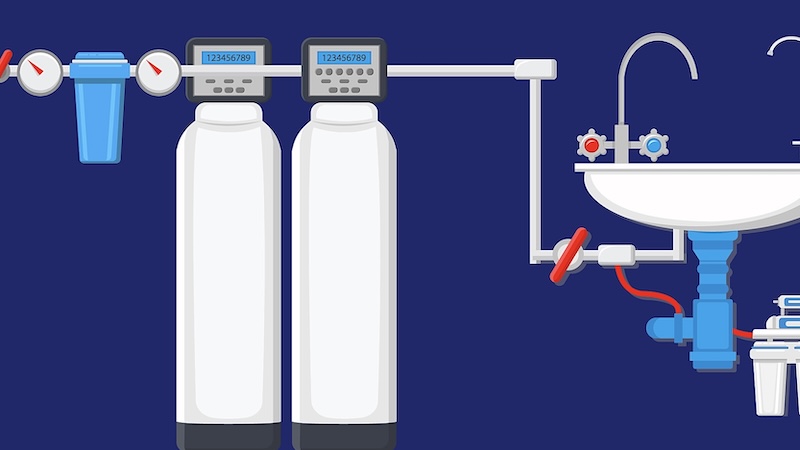
After introducing why water quality matters at home, the next practical step is understanding how purification actually works in daily life. Families do not need a chemistry degree to choose among water filters, but they do need a clear framework for what a water filter can and cannot do.
At a household level, water purification is about reducing risk, improving taste, and increasing confidence in every glass. Municipal systems in the US are designed to meet legal standards, but “meets standards” does not always mean water tastes great, and it does not mean every home has identical conditions. Older plumbing, local disinfection practices, seasonal shifts, and private well exposure can all change what reaches your tap. That is why many families compare water filters based on their own health priorities, not just on broad marketing claims.
A useful starting point is to separate three goals. First, remove contaminants associated with potential health concerns. Second, improve taste and odor so everyone drinks enough water. Third, make the routine easy enough that the system is used consistently. The best water filter for one household may fail in another if maintenance is ignored or if it does not match the actual contamination profile.
A water filter is not a magic device that removes everything equally. Different technologies target different classes of contaminants. In practical terms, the best water filters are specific tools, and families should match those tools to their water source and usage habits.
Common target categories include chlorine taste and odor, lead, sediment, volatile organic compounds, microbial risks, and dissolved solids. Activated carbon is often strong for taste and odor concerns. Reverse osmosis is often used when families want broad reduction of dissolved contaminants. Ultraviolet treatment can play a role for microbial control in some setups. No single method is universally “best water” for every home unless it aligns with test results and day-to-day needs.
Because labeling can be confusing, families should focus less on vague “pure” language and more on certified performance claims for specific contaminants. For US consumers, this is also where FDA regulations matter indirectly. Home treatment devices are generally governed through product and safety standards, and brands must avoid unsupported health claims. If a product sounds like it cures disease, that is a red flag. A credible best water filter presents clear, limited, testable claims.
In many homes, people search for the best water online and immediately see conflicting recommendations. That confusion often comes from skipping context. A suburban family on city water has a different profile than a rural household using a private well. An apartment renter has different installation limits than a homeowner renovating a kitchen. A family with infants may prioritize one risk set, while athletes focused on hydration may care most about taste and convenience.
When evaluating water filters, ask practical questions first:
What is the source: municipal supply or private well?
What issues are confirmed: taste, odor, lead concern, hardness, sediment, or microbial risk?
How much drinking and cooking water is used daily?
What installation and maintenance burden is realistic?
What monthly and annual cost in USD fits the household budget?
These questions improve water filter buying decisions because they convert a broad search for best water filters into a tailored decision process.
Families usually compare several formats before choosing a water filter. Each can be a best water filter in the right scenario.
Pitcher and dispenser water filters: Lowest upfront cost, often around $20 to $80. Good for taste and odor improvement, simple for renters, but require frequent cartridge changes and may have limited contaminant scope.
Faucet-mounted water filter units: Affordable and compact, often $25 to $120. Useful for small kitchens and moderate use. Flow rate and compatibility vary by faucet style.
Countertop water systems: Countertop water options can include carbon blocks or more advanced multi-stage units. Typical range is about $80 to $500. These are attractive when under-sink modifications are not allowed.
Under-sink systems, including reverse osmosis: Broader treatment capability and cleaner kitchen appearance. Commonly $200 to $900 plus periodic filter replacement. Reverse osmosis can provide substantial contaminant reduction but may produce reject water and slower flow without a storage tank.
Whole-home systems paired with point-of-use drinking units: Best for homes addressing sediment, hardness, or chlorine across all taps. Higher cost and installation complexity, often from $1,000 upward before maintenance.
Reverse osmosis is often discussed as the best water filter technology because it can reduce a wide range of dissolved substances. For many families, that broad performance is valuable, especially when there are concerns about specific contaminants not addressed well by simple carbon filters.
Still, reverse osmosis is a design choice with tradeoffs. Systems can be more expensive, use more space, and require disciplined maintenance. They may also remove minerals that influence taste, which some users address through remineralization stages. If a family wants quick, high-volume access to cold drinking water for multiple people, tank size and refill speed should be considered before purchase.
In short, reverse osmosis can be among the best water filters for targeted concerns, but it is not automatically the best water for every family when cost, convenience, and installation limits are considered.
A common mistake in water filter buying is selecting based on broad promises rather than specific verification. A disciplined approach protects both health and budget.
Look for these signs of a trustworthy water filter:
Clear contaminant reduction claims, not vague purity language.
Transparent replacement schedule and realistic annual maintenance cost.
Installation requirements explained in plain language.
Performance claims that match your household water profile.
Customer support and warranty terms that are easy to understand.
This approach helps identify the best water filters for your situation rather than the loudest product listing. It also reduces the chance of overpaying for features you do not need.
Upfront price is only part of the story. Families should compare total cost of ownership over at least 12 months. A low-cost water filter with expensive cartridges can exceed the annual cost of a mid-range system. Likewise, a premium unit may be worthwhile if replacement intervals are longer and contaminant coverage is better aligned with your needs.
A practical budgeting view includes purchase price, filter replacement frequency, installation supplies, and any optional upgrades. For US households, many major retailers and direct-to-consumer brands support Credit Cards, PayPal, and Apple Pay, which can make recurring filter purchases easier to manage. Auto-ship can help consistency, but only if the interval matches actual use.
Even the best water filter will underperform if maintenance is skipped. Families often focus heavily on initial features and overlook routine care. That creates a false sense of security.
Create a simple household protocol:
Label installation and replacement dates using MM/DD/YYYY format.
Keep one replacement cartridge in reserve.
Flush new cartridges as instructed before drinking.
Track taste or flow changes and address them early.
Consistency matters more than perfection. In real homes, a well-maintained mid-tier system can deliver better daily outcomes than premium water filters that are neglected.
For most families, the path to best water is not about chasing the most expensive technology. It is about matching a water filter to real water conditions, household habits, and a sustainable maintenance routine. When you evaluate water filters through that lens, the best water filters become easier to identify, and the final choice feels less like a gamble.
If you remember one principle, let it be this: the best water filter is the one your family will use correctly every day. Reliable performance, honest claims, and manageable upkeep are what turn a product into safer, better-tasting drinking water at home.
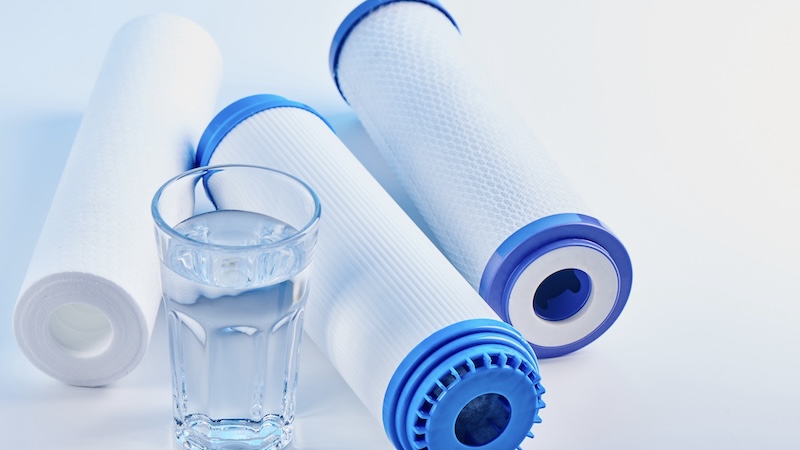
As you evaluate what may be in your household water and how that affects your family, the next step is choosing the right system type. The best drinking water purifier is not one universal product. It is the water filter setup that matches your contaminant concerns, home layout, daily usage, and budget.
When families compare water filters for maximum contaminant reduction, reverse osmosis usually leads the list. A reverse osmosis system pushes water through a semipermeable membrane that removes a broad range of dissolved solids and many difficult contaminants that basic carbon water filters may not catch. For many US households, this makes RO a practical route to the best water quality at the tap used for drinking and cooking.
Most under-sink reverse osmosis units use multiple stages, often including sediment prefiltration, carbon filtration, the RO membrane, and a final polishing filter. This layered approach is why many shoppers consider RO the best water filter category for comprehensive treatment. Depending on system design, RO can reduce issues tied to taste, odor, certain heavy metals, and other dissolved impurities, but performance always depends on certified test claims for the specific model.
There are tradeoffs. RO systems usually cost more upfront than pitcher water filters, often in the roughly $150 to $800 range for consumer systems, plus replacement filters and membrane maintenance. They also typically reject some water during purification, though newer high-efficiency models can improve this ratio. If your priority is the best water filters for broad contaminant reduction in a single point-of-use application, RO is often worth serious consideration in a water filter buying plan. Look for clear maintenance schedules, filter replacement costs, and independent certification details before purchase.
Pitcher water filters remain popular because they are simple, affordable, and accessible. For renters, college students, small households, or anyone starting with basic treatment, a pitcher can be a sensible first water filter. Many options in US stores are priced around $20 to $70, and replacement cartridges are generally easier on the budget than larger systems.
In practical terms, pitcher water filters can improve taste and odor and reduce certain contaminants depending on filter media and certification. They are often a strong entry-level choice for households that do not need whole-home treatment and want better-tasting drinking water without installation. If your goal is to move toward the best water at low cost, a quality pitcher may be enough, especially when source water concerns are modest.
Still, pitchers have limits. Filter capacity is smaller, refill frequency is higher, and contaminant coverage is usually narrower than advanced reverse osmosis systems. They may not be the best water filter option when you need broader reduction of dissolved solids or higher daily volume for a larger family. For water filter buying decisions, pitchers work best when convenience and cost are the top priorities.
To get the most from pitcher water filters:
Choose certified models with claims that match your local water concerns.
Follow replacement timing strictly to avoid performance drop-off.
Keep the pitcher refrigerated if recommended by the manufacturer.
Wash components regularly to maintain hygiene and taste quality.
Beyond filtration technology, placement matters. The best water filters for one home can be completely wrong for another because installation style affects convenience, coverage, and long-term cost.
Under-sink systems are common for families seeking a dedicated drinking water filter at one faucet. They are hidden, space-efficient on the counter, and often include multistage filtration or reverse osmosis. If your focus is a best drinking water purifier for cooking and drinking only, under-sink setups often provide strong value.
Countertop water systems are easier to install and remove, making them attractive for renters or households that prefer minimal plumbing changes. A countertop water unit can deliver better treatment than many pitchers while staying portable. This category can be a practical middle ground between simple pitcher water filters and permanent under-sink installations.
Whole-house systems treat water as it enters the home, supporting showers, laundry, and appliances in addition to kitchen use. They can be helpful for sediment, chlorine-related issues, or hardness when paired with other equipment. However, whole-house systems are not always the best water filter solution for final drinking water purification unless paired with a point-of-use system at the tap.
A quick framework for choosing the best water setup:
Choose under-sink if you want strong drinking-water treatment with a clean kitchen look.
Choose countertop water systems if you need flexibility and easier installation.
Choose whole-house treatment if concerns affect all water uses, then add a dedicated drinking water filter if needed.
Before checkout, confirm total ownership cost, replacement schedule, and warranty terms, and make sure payment options fit your household preferences, whether by Credit Cards, PayPal, or Apple Pay. Also remember that in the US, health-related claims around water filters should be consistent with applicable standards and not interpreted as medical treatment claims under FDA regulatory expectations.
In short, the best water filter is the one that addresses your specific risks and daily habits. By comparing reverse osmosis, pitcher water filters, and installation formats side by side, you can narrow down the best water filters for your home with confidence rather than guesswork.
After comparing system styles like pitcher, under-sink, countertop water units, and whole-house setups, the next step is deciding what your water filter actually needs to remove. Choosing between water filters becomes much easier when you match a purifier to the contaminants most likely in your tap water, not just to brand promises.
In the US, water quality can vary by city, building age, plumbing material, and local treatment practices. That is why the best water approach is practical and test-driven: identify likely contaminants, confirm with a recent water quality report or lab panel, then choose a best water filter rated for those specific risks. Many families buy water filters based on taste alone, but taste does not always reveal health-relevant contaminants. Some chemicals and metals can be present without obvious odor or color changes. A strong water filter buying decision should therefore prioritize certified contaminant reduction claims and realistic maintenance needs.
If your goal is a best drinking water purifier, focus first on contaminants with meaningful long-term health concern and known presence in US systems. The best water filters are usually those tested against categories that matter most in your home.
A practical checklist for many households includes:
Heavy metals (lead, arsenic, mercury, cadmium): Older US housing stock can still have lead service lines, solder, or fixtures. Lead risk is often linked to aging infrastructure and stagnant water in pipes. Many high-performance water filters can reduce lead, but not all models are equal. For heavy metals, reverse osmosis and certain certified carbon-block systems are often stronger choices than basic pitcher units.
Fluoride: Municipal fluoridation levels are regulated, but some families prefer lower fluoride intake for personal reasons. Standard activated carbon water filters generally do not remove much fluoride. Reverse osmosis water filter systems are commonly selected when fluoride reduction is a priority.
Disinfection byproducts and chlorine-related chemicals: Chlorine can affect taste and smell, while byproducts may require more advanced treatment. Carbon-based water filter designs are often effective for chlorine and odor, but performance depends on contact time and cartridge quality.
Industrial and agricultural chemicals (such as certain pesticides, solvents, PFAS-related compounds): Reduction performance varies widely by technology and certification scope. Some water filters target specific chemical classes, while others provide broader reduction only at lower capacities.
Nitrates and similar dissolved contaminants: These are especially relevant in certain agricultural regions. Reverse osmosis is frequently used where dissolved ions are a concern.
When comparing options, do not assume one label covers everything. A best water filter for lead may not be the best water filter for fluoride or dissolved salts. This is where careful water filter buying matters. For US households, look for products with clear contaminant reduction claims, replacement intervals, and tested flow rates that match actual daily use.
You should also factor in practical ownership details. A system that removes many contaminants but gets expensive or inconvenient to maintain can fail in real-world use. Families often start with a strong under-sink or countertop water purifier because it balances performance and convenience. Typical annual replacement costs can range from under $100 to several hundred USD depending on cartridge type and usage volume. Since many brands accept Credit Cards, PayPal, or Apple Pay for subscription filters, auto-replacement can help keep performance consistent.
Reverse osmosis is often positioned as the best water technology for broad contaminant removal, and in many cases that reputation is deserved. RO water filters can reduce heavy metals, fluoride, many dissolved salts, and multiple chemical categories more comprehensively than basic filtration methods. But there is an important trade-off: RO also removes beneficial minerals that naturally occur in water, including calcium and magnesium.
This does not make reverse osmosis a poor choice. It simply means your best water decision should reflect both purity goals and nutritional context. For most healthy adults eating a balanced diet, mineral intake from food is usually much larger than mineral intake from tap water. Still, some people prefer the taste of mineralized water or want to avoid very low-total-dissolved-solids output. Many best water filters in the RO category now include remineralization stages to address taste and mouthfeel.
Consider these trade-off questions before choosing a best water filter based on RO:
Do you need broad-spectrum removal? If your test results show multiple dissolved contaminants, reverse osmosis may be the most reliable path.
Do you prefer mineral taste? If yes, choose RO models with a remineralization stage or blend strategy approved by the manufacturer.
Can you manage maintenance? RO systems need periodic prefilter, membrane, and postfilter changes to stay effective.
Is water efficiency important to you? Modern RO designs have improved recovery ratios, but wastewater output still varies by model.
For many US homes, the best water filters are not necessarily the most aggressive systems, but the ones that align with measured risk and sustainable upkeep. If your local water report is generally strong and your primary issue is chlorine taste, a high-quality carbon water filter may be enough. If you need reduction for lead, fluoride, nitrates, and multiple dissolved chemicals, an RO-based best water filter may be more appropriate.
Finally, keep health claims in perspective. Under FDA regulations and general US consumer protection standards, water filters are not medical treatments and should not be marketed as cures for disease. The best water strategy is prevention-focused: reduce relevant contaminants, keep cartridges current, and retest periodically. That is how a best water filter becomes a dependable best drinking water purifier for daily family use, not just a one-time purchase decision.
In the last section, you identified which contaminants matter most in your home and why removal goals should come before shopping. Now we can apply that framework to top-performing water filters and narrow down a best water filter option based on real-world use, maintenance, and value in the US market.
When comparing best water filters, focus on certified contaminant reduction, ongoing filter costs, and fit for your routine. A system can look like the best water on paper but fail in daily life if cartridge changes are expensive or output is too slow. The picks below are widely recognized choices in water filter buying conversations and are practical starting points for households seeking best water quality at home.
For many households that want broad contaminant reduction, the APEC ROES-50 is often discussed as a best water filter candidate because it balances strong filtration with approachable cost. It is a multi-stage reverse osmosis system designed for under-sink installation and is especially relevant when your water test shows mixed contaminants rather than one isolated issue.
Why this model often ranks among best water filters:
After comparing household priorities and total ownership costs, the final step is to convert all that analysis into a practical buying decision you can feel confident about. For most US households, the right choice is not the most expensive unit, but the option that consistently delivers safe, good-tasting water at a manageable long-term cost.
If you remember only one idea from this guide, make it this: the best water filter is the one your household will use correctly every day. Many families start by chasing premium specs, then discover replacement schedules, flow rate, sink space, or noise do not fit real life. The best water filters balance performance, maintenance, and convenience so your family actually drinks more filtered water instead of returning to bottled water or unfiltered tap.
A practical way to decide is to align your purchase with three non-negotiables: your local water profile, your household consumption pattern, and your willingness to maintain the system. In water filter buying decisions, these three factors matter more than branding language. A compact pitcher can still be the best water option for a renter with low usage and limited installation freedom, while a reverse osmosis system may be the best water filter for a family that needs stronger contaminant reduction and can handle filter changes on schedule.
Match filtration method to your water concern, not to marketing labels. If taste, chlorine, and common sediment are your priorities, many certified carbon-based water filters can perform well at lower cost. If dissolved solids, certain metals, or broader reduction goals are central, reverse osmosis may be the better fit. The best water filters clearly state what they reduce and under what test conditions. Keep health claims grounded in product certifications and avoid assuming any single water filter addresses every possible contaminant in every home.
Plan around lifetime ownership from day one. A low upfront price can become expensive if cartridges are frequent or costly. Conversely, higher initial pricing may be justified when replacement intervals are longer and water quality outcomes are more consistent. When comparing water filters, estimate annual filter costs, expected membrane life where relevant, and any accessory maintenance. The best water choice for budget-conscious families is often the model with predictable yearly spending, not the cheapest checkout total.
Prioritize usability because behavior determines results. A system that is difficult to refill, slow to dispense, or hard to service usually gets neglected. Under-sink systems can be excellent for convenience if your kitchen layout supports installation. Countertop water systems can be a practical middle ground when drilling or plumbing changes are not ideal. In real households, the best water filter is the one that fits routines with minimal friction, including filter reminders and easy cartridge swaps.
Use a decision threshold tied to your family context. For many US buyers, pitchers and faucet attachments are entry-level options with lower setup burden, under-sink units are the mainstream sweet spot, and whole-home systems are justified when broad household treatment is needed. When deciding among best water filters, define success in advance: better taste, reduced bottled water spending, fewer concerns about specific contaminants, or all three. A defined success threshold prevents overbuying and simplifies comparison.
Buy responsibly and verify claims at checkout. Confirm certification details, replacement part availability, and warranty terms before payment. In the US market, most households pay with Credit Cards, PayPal, or Apple Pay, so use payment methods that support dispute resolution and purchase protection if product claims are unclear. For health-oriented products, stay mindful of FDA boundaries around disease-treatment claims. A credible water filter brand presents performance transparently and avoids exaggerated promises.
In short, the best water filters are those that align treatment capability with your local water realities, your budget horizon, and your daily habits. The best water outcome is reliable hydration your family trusts, without constant troubleshooting or surprise costs. If you choose a water filter that your household can maintain consistently, you are far more likely to achieve durable value over five years than by selecting based on headline features alone.
Q1: What is the best type of drinking water purifier for home use?
The best type depends on your specific water quality and needs. Reverse osmosis systems excel at removing the widest range of contaminants including heavy metals, fluoride, and dissolved solids, making them ideal for comprehensive purification. Carbon filters are excellent for improving taste, removing chlorine, and filtering organic compounds at a lower cost. UV purifiers effectively kill bacteria and viruses but don't remove chemical contaminants. For most households, a multi-stage system combining carbon filtration with reverse osmosis or UV treatment offers the best balance of effectiveness and practicality. Start by testing your water to identify specific contaminants, then match the filtration technology to those results rather than assuming the most expensive option is automatically best.
Q2: How much does a good drinking water purifier cost?
Quality drinking water purifiers range from $30 to over $500 depending on type and capacity. Pitcher filters cost $20-50 with replacement filters at $8-15 each every 2-3 months. Faucet-mounted filters run $25-70 with cartridges costing $15-30 quarterly. Undersink carbon systems range from $150-400 with annual filter costs of $50-100. Reverse osmosis systems typically cost $200-500 upfront with membrane and filter replacements totaling $80-150 annually. Whole-house systems start around $300 and can exceed $1,000. When evaluating cost, calculate the total five-year expense including installation, filters, maintenance, and water waste. Sometimes a mid-priced system with affordable replacement parts proves more economical than a cheap initial purchase with expensive ongoing costs.
Q3: Do drinking water purifiers remove healthy minerals from water?
Reverse osmosis systems remove most minerals including beneficial calcium and magnesium, producing very pure but demineralized water. However, this isn't a health concern for most people since we obtain the majority of essential minerals from food, not water. A balanced diet easily compensates for any minerals lost through RO filtration. If mineral content matters to you, consider RO systems with remineralization stages that add back beneficial minerals, or choose carbon-based filters that remove contaminants while preserving mineral content. Alternatively, you can add a pinch of mineral salt to purified water. The health benefits of removing harmful contaminants like lead, arsenic, and bacteria typically far outweigh concerns about losing trace minerals from drinking water.
Q4: How often do I need to replace filters in my water purifier?
Replacement schedules vary significantly by filter type and usage. Pitcher and faucet filters typically need replacement every 2-3 months or after filtering 40-100 gallons. Undersink carbon filters last 6-12 months depending on water quality and household size. Reverse osmosis systems have multiple components: sediment and carbon pre-filters need changing every 6-12 months, while the RO membrane lasts 2-4 years with proper maintenance. UV bulbs require annual replacement regardless of usage. Always follow manufacturer guidelines, but also watch for decreased water flow, changes in taste, or extended filter use as signs replacement is needed. Setting phone reminders or subscribing to automatic filter deliveries helps maintain consistent performance and prevents drinking inadequately filtered water.
Q5: Can a water purifier remove all contaminants from drinking water?
No single water purifier removes all possible contaminants, which is why matching your system to your specific water quality is essential. Reverse osmosis systems remove the broadest spectrum—typically 95-99% of dissolved solids, heavy metals, fluoride, nitrates, and many chemicals—but they don't effectively kill all bacteria without additional UV treatment. Carbon filters excel at removing chlorine, pesticides, and organic compounds but can't remove dissolved minerals or salts. UV systems kill microorganisms but leave chemical contaminants untouched. The most comprehensive protection comes from multi-stage systems combining different technologies. Start with a water quality test to identify which contaminants are present in your supply, then choose a purifier certified to remove those specific substances rather than assuming any system handles everything.
After the FAQ, the final step is simple: turn your questions into a clear purchase decision and a practical maintenance plan. Choosing among water filters is less about finding a single perfect device and more about matching the right water filter to your home, your local water profile, and your daily habits.
If there is one idea to keep from this guide, it is that the best water is the water you will actually drink every day because it tastes good, feels safe, and is convenient to access. The best water filter for one household may be a basic pitcher, while another home may need reverse osmosis or a higher-capacity under-sink unit. What matters is performance for your contaminants of concern, independent certification, cost over time, and real-world usability.
A practical way to decide is to align your choice with your use case. If you rent and want a low-commitment option, countertop water systems and certified pitchers can be a strong starting point. If you own your home and want dedicated drinking water at a single tap, an under-sink water filter often provides better flow and less day-to-day handling. If your local report or private test suggests multiple dissolved solids and specific contaminant priorities, reverse osmosis can be appropriate, provided you are comfortable with filter changes, tank space, and the expected wastewater tradeoff.
In the US, your decision should also account for household routine and budget in USD, not just upfront cost. Many buyers focus only on initial price and miss replacement frequency, annual cartridge expense, and installation needs. A lower-priced water filter can become more expensive if filters are proprietary and changed often. Conversely, one of the best water filters on paper may still disappoint if replacement parts are hard to find or if maintenance reminders are easy to ignore. The best water filter is the one your household can maintain consistently.
For health-related claims, keep expectations grounded in standards and compliance language. Products can support safer and better-tasting drinking water when properly certified and used as directed, but no home water filters should be treated as a medical device or cure-all. In the US context, claims should align with recognized testing standards and FDA-related boundaries for health and wellness messaging. In other words, choose proven reduction claims, then use and maintain the system exactly as instructed.
As you complete your water filter buying process, keep this short checklist in mind:
Confirm your target contaminants first using your local water quality report and, if needed, a home test.
Compare water filters by certified reduction claims, not marketing language alone.
Calculate total first-year and ongoing cost in USD, including replacement schedules.
Match format to your routine, whether pitcher, faucet, countertop water unit, under-sink, or reverse osmosis.
Plan the reorder workflow now, using Credit Cards, PayPal, or Apple Pay to avoid missed changes.
The replacement workflow deserves special attention because performance depends on it. Even the best water filters lose effectiveness when cartridges are overdue. Set phone reminders, subscribe only if timing matches your actual usage, and keep one spare filter at home. If flow slows or taste changes unexpectedly, treat that as a maintenance signal and troubleshoot promptly. Long-term value from water filters comes from consistency more than novelty.
You should also define success in practical terms. Better flavor, improved confidence, reduced bottled water purchases, and easier hydration are meaningful outcomes. For many US households, that combination is what best water means in everyday life, not technical perfection. Start with your highest-priority concern, validate performance through certifications, then optimize convenience. This is the most reliable path to the best water filter experience.
Finally, remember that your choice can evolve. A starter water filter may be enough today, and later you may move to one of the best water filters with broader reduction capability as needs change. Reassess after major household shifts, moves, or plumbing updates, and review your local report periodically. If your objective is the best water for daily drinking, you do not need to overcomplicate the decision. You need a certified system, a realistic budget, and a maintenance habit you will keep. Do that, and your investment in water filters will deliver steady, practical results for years.
 English