Maple Sourcing Ltd.
Maple Sourcing Ltd.
We Make Your Sourcing Easy!
Need help? sales@maplesourcing.com
English
Maple Sourcing Ltd.
Maple Sourcing Ltd.

Ensuring Product Quality Through Factory Compliance Audits

2024-07-19
4648 Views
Table of Content [Hide]

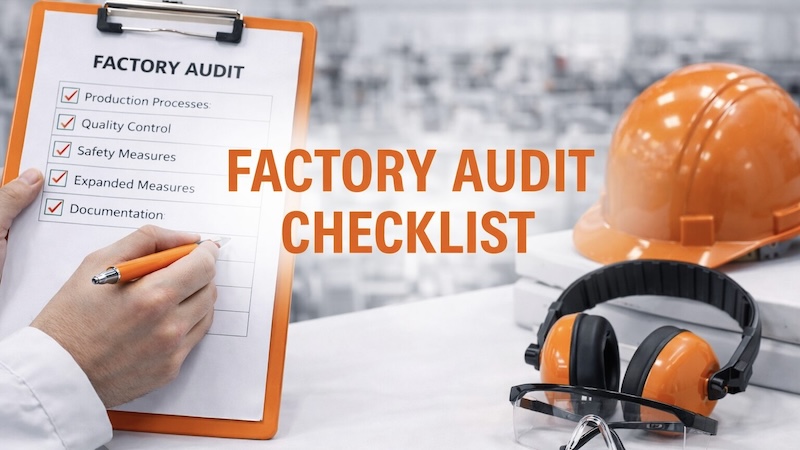
    235.jpg

    In the highly competitive global market, ensuring product quality and safety is the key to the survival and development of enterprises. As an important means of quality management and risk control, factory compliance audit plays an irreplaceable role in improving product quality, protecting consumer rights and establishing corporate image. In this paper, we will discuss the role of factory compliance audit in ensuring product quality and safety, and respectively from the regulatory compliance, risk prevention, continuous improvement and brand reputation in the following aspects.

    Regulatory compliance: to ensure that factory operations in line with legal requirements

    The first and foremost task of a factory compliance audit is to ensure that factory operations are in full compliance with national and international legal frameworks. This requires not only adherence to labor laws in human resource management to ensure employee rights and interests, but also strict compliance with environmental laws to reduce pollution and quality standards to ensure consumer safety. Compliance audit is designed to ensure that every aspect of a company's operations is legally compliant, thereby avoiding legal disputes, safeguarding the company's reputation, and achieving sustainable development.

    1. Compliance with laws and regulations

    The primary responsibility of the factory compliance audit is to ensure that the plant's operations are conducted in strict compliance with the framework of national and international laws and regulations. This covers strict compliance with key regulations such as labor laws, environmental laws, and product quality laws. In the area of human resource management, compliance audit ensures compliance with labor laws and regulations, protects employee rights and interests, and builds harmonious labor relations; in the area of environmental protection, audit ensures compliance with environmental laws and regulations, and takes the necessary measures to reduce pollution and protect the natural environment; and in the area of product testing, audit ensures that product quality is in line with legal standards and protects the rights and interests of consumers. Through these measures, enterprises can effectively avoid legal risks arising from violations of laws and regulations, and ensure sound operation and sustainable development.

    2. Compliance with industry standards

    The core mission of factory audit services is to ensure that the company always adheres to the bottom line of national and international laws and regulations in its daily operations. This audit process not only covers strict compliance with labor laws to protect the rights and welfare of employees, but also the meticulous implementation of environmental laws to ensure that the company's production activities do not have a negative impact on the environment; in addition, product quality laws are also a key focus of the audit, which requires the company to strictly control product quality, to ensure that the products provided to consumers are safe and reliable. Through a comprehensive factory compliance audit, an enterprise can establish a solid legal barrier, effectively avoiding any possible legal risks and laying a solid foundation for its long-term development.

    Risk prevention: to reduce potential risks and ensure product safety

    Factory compliance audit focuses on risk prevention to ensure product safety. Through comprehensive monitoring of the production process, including the quality of raw materials, equipment maintenance, and the production environment, companies can reduce production risks and ensure product quality. At the same time, factory compliance audit also includes the assessment and responses to potential risks. By identifying, analyzing and evaluating possible risks, companies are able to formulate appropriate measures to effectively prevent risks from occurring. This process not only guarantees the safety and quality of products, but also safeguards the rights and interests of consumers, and is the key to the realization of sound development of enterprises.

    1. Production process monitoring

    Factory compliance audit is a key part of ensuring that production processes are standardized and risks are minimized. During an audit, the production process is thoroughly and meticulously monitored to ensure that every step of the way complies with the established norms and standards. This covers everything from quality control of raw materials to ensure that the materials used meet quality requirements, to regular maintenance and overhaul of production equipment to ensure that it is in optimal operating condition, to hygiene and safety inspections of the production environment to create a clean and safe production environment. Through such comprehensive monitoring, enterprises are able to quickly identify and solve potential problems in the production process, thus ensuring product quality and safety, and enhancing overall production efficiency and enterprise competitiveness.

    2. Risk assessment and response

    Factory compliance audit is not limited to adherence to existing norms, but also involves a comprehensive assessment and response to potential risks. During the audit process, the company will analyze every aspect of the plant's operation and identify possible risk points, such as equipment failure, interruption of raw material supply, and unstable production environment. Subsequently, these potential risks are carefully analyzed and evaluated to identify their possible consequences and impacts. Based on these assessment results, the enterprise will formulate corresponding risk response measures, such as establishing contingency plans, strengthening equipment maintenance, optimizing supply chain management, etc., in order to effectively reduce the likelihood of risk occurrence. Such risk assessment and response mechanism help enterprises better safeguard product quality and safety, protect consumer rights and interests, and ensure the soundness and sustainability of their operations.

    3. Risk early warning mechanism

    In addition to risk assessment and response, the establishment of a risk early warning mechanism is also an indispensable part of a factory compliance audit. This mechanism is designed to identify potential risks through real-time monitoring of key indicators and data, and to take preventive measures in advance. Through the risk early warning mechanism, companies are able to intervene before a risk occurs, avoiding the expansion of the problem and guaranteeing product safety and production stability. This early warning mechanism not only improves the enterprise's risk response capability, but also provides the enterprise with greater operational flexibility and security.

    Continuous improvement: promote the continuous improvement of factory quality management and safety system

    Factory compliance audit is a key part of promoting the continuous improvement of factory quality management and safety systems. Through audit, companies can identify problems in their operations, such as aging equipment and management loopholes, and formulate improvement measures accordingly. At the same time, the company will also establish a sound quality management and safety system, including the development of a sound quality management system, the establishment of a safety management system and the strengthening of staff training. These measures will help enterprises to continuously improve product quality and safety, thereby enhancing market competitiveness and ensuring the long-term stable development of factories.

    1. Problem identification and improvement

    A factory compliance audit is an important step in ensuring that your operations are sound. During the audit process, companies will explore and identify problems and deficiencies in their operations, which may range from decreased productivity due to aging equipment to safety hazards caused by management loopholes. Faced with these problems, the enterprise will not avoid them, but will proactively formulate corresponding improvement measures. These measures may involve the updating and upgrading of equipment, optimization of management processes, and enhancement of employee training, etc., with the aim of promoting the continuous improvement of the factory's quality management and safety system. Through continuous improvement and optimization, enterprises will be able to enhance product quality and safety, thereby strengthening consumer trust, improving market competitiveness and achieving sustainable development.

    2. Establishment of quality management and safety system

    Factory compliance audit is not only a simple inspection, but also an important opportunity to promote the comprehensive upgrade of enterprise quality management and safety system. During the audit process, companies will actively develop and improve their management systems in response to the problems and deficiencies identified. This includes the establishment of a detailed quality management system to ensure that the quality of products from raw materials to finished products are in line with high standards; at the same time, the construction of a perfect safety management system to prevent potential safety hazards and ensure the safety of employees and the production environment. In addition, the enterprise will also strengthen the staff training, enhance the staff's quality awareness and safety awareness, so that they can strictly comply with the relevant regulations in their daily work. Through the implementation of these measures, enterprises can always adhere to the quality management and safety requirements in the operation process, providing a solid guarantee for product quality and safety.

    3. Standardizing and streamlining

    In the process of continuous improvement, enterprises will also focus on standardizing and streamlining their quality management and safety systems. This means that companies will establish uniform, standardized operating procedures and standards to ensure that every task can be carried out in accordance with the established requirements, reducing human error and uncertainty. Standardization and process not only help to improve efficiency, but also to ensure the stability and consistency of product quality, and further enhance the competitiveness of enterprises in the market.

    Brand reputation: establish a good image of the enterprise to win the trust of consumers

    Factory compliance audit is a key part of building a good corporate image and earning consumer trust. Through audit, companies demonstrate their compliance and integrity, which not only enhances their credibility, but also strengthens consumers' trust in them. As consumers are increasingly concerned about product quality and safety, factory compliance audit has become an important reference for consumers in choosing products. Enterprises use them to ensure that product quality and safety meet consumer expectations, thus winning consumers' trust and recognition. This not only helps companies expand their market share, but also increases brand awareness and reputation, laying a solid foundation for long-term development.

    1. Enhance corporate reputation

    Factory compliance audit is an important window for companies to demonstrate their compliance and integrity to the outside world. This process is not only a rigorous examination of the company's internal operational processes, but also a concrete expression of the company's commitment to adhere to laws, regulations, industry standards and norms to the outside world. Through the factory compliance audit, the enterprise can demonstrate to consumers its strict control of product quality, prove to partners the reliability and stability of its business cooperation, and show to regulators its commitment to social responsibility and fulfillment. Such a demonstration not only helps to enhance the credibility and image of the enterprise, but also deepens consumers' trust and recognition of the enterprise, and wins a broader market space and longer-term development opportunities for the enterprise.

    2. Winning consumer trust

    In today's society, consumers are increasingly concerned about product quality and safety, making factory compliance audit an important consideration when purchasing products. Through rigorous factory compliance audit, companies are able to ensure that every aspect of their products, from raw material procurement to manufacturing, meets quality standards and ensures the reliability and safety of product quality. This ability to accurately grasp and meet consumer expectations can greatly enhance consumer trust and recognition of the company. This trust and recognition will be further transformed into consumer purchasing behavior, which will help the enterprise expand its market share and stand out in the competitive market. At the same time, this will also enhance the brand awareness and reputation of the enterprise, laying a solid foundation for the long-term development of the enterprise.

    3. Strengthening market position

    With consumers placing increasing emphasis on product quality and safety, factory compliance audit has become an important tool for companies to strengthen their position in a competitive marketplace. Through a rigorous compliance audit, companies can ensure that the quality and safety of their products meet or exceed consumer expectations, thereby establishing a unique competitive advantage in the marketplace. This competitive advantage not only helps companies to attract more consumers, but also enhances consumer loyalty to the company and further strengthens the company's position in the market.

    Conclusion

    Factory compliance audit plays a key role in ensuring product quality and safety. It ensures that companies comply with laws, regulations and industry standards. By rigorously monitoring the production process, assessing potential risks and making continuous improvements, companies are able to reduce legal risks and improve product quality and safety. At the same time, compliance auditing also enhances the credibility and image of an enterprise and strengthens consumers' trust in the enterprise, which in turn helps the enterprise to expand its market share and improve brand awareness. Therefore, enterprises should attach great importance to factory compliance audit as an important means to enhance competitiveness and win consumers' trust.

    Aaron Li
    Hey, this is Aaron Li, an expert in quality sourcing. Since 2012, I have helped 300+ startups to source from China and manage the quality. I'd like to share my experience and knowledge for frequently asked questions related to product sourcing and quality control.
    All Articles
    How to Order Bulk Products from China: Beginner Guide
    Sourcing from China Wholesalers: How to Get the Best Deals
    How to Optimize Your China Supply Chain for Efficiency
    Shenzhen Electronics Shopping: Avoid Common Mistakes
    From Alibaba to Amazon: Your Complete FBA Sourcing Guide
    China Inspection Services: Ensure Quality Before Shipping
    Finding Chinese Suppliers: 7 Steps to Source Products Safely
    How to Master Quality Control in China: A Step-by-Step Guide
    How to Buy Quality Products from China Online Safely
    Finding Trusted Chinese Agents for Alibaba Procurement
    How to Buy Products from China Factories Direct
    How to Manage China Procurement: From Factory to Fulfillment
    Supply Chain Management: Complete Guide to Success
    China Trade Agent vs. Sourcing Directly: Which Is Better
    Why You Need an Inspection Agent for China Manufacturing
    China to Amazon FBA: Avoid Costly Shipping Mistakes
    How to Hire Export Agents in China and Avoid Scams
    Guide to Understanding China's Product Development Boom
    How to Source from China: Manufacturer Selection Tips
    How to Choose Quality Inspection Methods That Work
    How to Build Relationships with Wholesale Tea Suppliers
    China Sourcing Guide: Avoid Costly Mistakes & Scams
    How to Choose an Alibaba Sourcing Agent That Saves Money
    Where to Source Products to Sell on Amazon in 2026
    Where Are Lululemon Products Made? China Factory Guide
    How to Source Artificial Flowers from China and Assure Quality
    Does Rolex Source Parts from China? The Truth Revealed
    How to Source Manufacturers in China: Complete Guide
    How to Request Product Sourcing Quotes That Save Money
    Sourcing Outdoor Products from China: Buyer's Handbook
    Top Skills Every Quality Control Inspector Needs Now
    Finding the Right China Factory: 5 Essential Steps to Follow
    Procurement in China: Avoid Costly Mistakes & Delays
    Import from China: Quality Control & Sourcing Tips
    Importing from China to Europe: Step-by-Step Process
    Professional QC Inspection Services: From Factory to Customer
    China Purchasing Guide: Avoid Costly Import Mistakes
    China Outsourcing Guide: How to Avoid Common Pitfalls
    Asia's Leading Sourcing Firms: Reviews & Comparisons
    How to Start Manufacturing in China Without Mistakes
    China Sourcing Agent Fees: Complete Cost Breakdown
    How to Source from China Suppliers Without Getting Scammed
    Quality Control in China: Expert Service Providers
    China Quality Control: How to Inspect Your Products
    Import Goods from China to UK: Step-by-Step Process
    How to Conduct a Successful Factory Audit in China
    How to Choose the Best Shenzhen Sourcing Agent for You
    How to Avoid Low-Quality Products When Sourcing from China
    Leading Strategic Sourcing Firms for Better Negotiations
    How to Source Products from China Wholesale Suppliers
    What is Quality Management in Manufacturing Industry
    How to Choose the Right Product Development Factory
    How to Implement Quality Control in Manufacturing Process
    How to Source Products from China Without Getting Scammed
    How to Build a Strategic Sourcing Management System
    How to Verify Quality of A Product Made in China
    Tips for How to Verify China Sourcing Companies
    How to Find Reliable Factories in China for Your Business
    Top China Sourcing Companies: What You Need to Know
    How to Avoid Scams When Sourcing from China Factories
    Consumer Goods Business Model: How to Start & Scale
    China Sourcing Agent Services: Save Money & Avoid Scams
    How to Order Custom Metal Products from China Safely
    How to Implement IQC in Chinese Manufacturing Facilities
    Is a Buying Agent Necessary for Importing from China
    Complete Guide to Ordering OEM Products from China
    How to Source Profitable Products for Amazon FBA in 2026
    How China Sourcing Agents Help Find Suppliers Fast
    Affordable Outdoor Gear from China: What You Need to Know
    China's Supply Chain Dominance: What Businesses Must Know
    Ship from China to USA: Costs, Times & Best Methods
    International Freight: Complete Guide to Global Shipping
    Complete Guide to Purchasing Steel Products from China
    Where to Buy Bulk Products from China: Complete Guide
    Buying Wholesale from China: Avoid Scams & Save Money
    How to Conduct Quality Inspections in China Effectively
    How to Choose FBA Product Development Services in China
    How to Find Reliable Suppliers for Consumer Products from China
    LED Downlights Factory Direct: Save 40% on Bulk Orders
    Prototype Circuit Board Manufacturing: 7 Key Steps
    Manufacturing Quality Control: Complete Inspection Guide
    How Custom Order Software Reduces Fulfillment Errors
    How to Source Quality Massage Guns at Wholesale Rates
    How LED Advertising Boards Boost Business Visibility
    How to Choose the Best Water Purifier for Your Family
    Best Biodegradable Takeout Containers for Your Business
    How to Select the Best Drinkware Suppliers for Retail
    How to Choose a Watch Manufacturer in China Safely
    Find a Manufacturer in China: Best Practices and Expert Insights
    Shipment Inspection Checklist: Avoid Costly Mistakes
    What Is Direct Sourcing in Procurement? Complete Guide
    Best Practices for Prototype Development for Startups
    Shipping Mark on Carton: Complete Guide for Exporters
    Factory Social Audit Requirements: Pass with Confidence
    How to Find a Reliable 1688 Agent for Bulk Purchases
    High-Quality Chinese Products: Your Complete Buying Guide
    How to Choose the Right China Sourcing Agent for You
    Global Procurement Process: From Planning to Results
    How to Develop Mechanical Prototypes Cost-Effectively
    Electronic Prototype Development Made Simple & Fast
    Read More
    References
    Our Features
    Custom Products
    Turn concept to reality
    Quick Response
    Within 24 hours
    Detail Oriented
    Strive for perfection
    Assured Quality
    100% Guarantee