



China's dominance in the global toy industry is not a recent phenomenon, but understanding how to navigate its vast wholesale toys ecosystem can transform your retail or e-commerce business overnight. The country manufactures over 70 percent of the world's toys, creating an unparalleled supply chain that connects small boutique retailers in Kansas City to major department store chains across the United States. This concentration of manufacturing expertise, combined with sophisticated wholesale infrastructure, has positioned China as the epicenter of the toy market for businesses seeking competitive advantages through direct sourcing.
The landscape of toys wholesale in China extends far beyond simple manufacturing. It encompasses specialized trading hubs, digital marketplaces, and intricate networks of toys suppliers who serve every conceivable niche from educational STEM kits to collectible action figures. For US-based businesses, this presents both tremendous opportunity and notable complexity. The sheer scale of markets China offers can be overwhelming, with thousands of factories and trading companies competing for international buyers. However, this competitive environment also drives innovation, quality improvements, and pricing structures that remain difficult to match elsewhere in the global supply chain.
Understanding the fundamentals of China's wholesale toy market requires examining several interconnected elements that distinguish it from domestic US suppliers. First, the cost advantages extend beyond labor expenses to include specialized manufacturing clusters where entire regions focus on specific toy categories. Guangdong Province, for instance, houses concentrated zones where plastic injection molding, electronic component assembly, and packaging operations exist within miles of each other, reducing logistics costs and production timelines. Second, the regulatory framework has evolved significantly, with Chinese manufacturers increasingly familiar with US safety standards including CPSC requirements and ASTM F963 toy safety specifications, though verification remains the buyer's responsibility.
The wholesale model itself operates differently in Chinese markets compared to traditional US distribution channels. Minimum order quantities vary dramatically based on factory size, product complexity, and customization requirements. A standardized plush toy might require 500-unit minimums, while custom-designed electronic toys could demand 3,000 to 5,000 pieces per production run. Payment structures typically involve 30 percent deposits upon order confirmation with the balance due before shipping, though established relationships may negotiate more favorable terms. These financial arrangements differ substantially from the net-30 or net-60 payment terms common among US-based wholesalers, requiring careful cash flow planning for businesses new to direct importing.
Seasonal dynamics play a crucial role in navigating the toy market effectively. Chinese manufacturers typically experience peak production periods from May through September as they prepare inventory for the Western holiday season. During these months, factory capacity tightens, lead times extend, and negotiation leverage shifts toward suppliers. Conversely, the post-Lunar New Year period from March through April often presents opportunities for better pricing and more flexible terms as factories seek to maintain production schedules. Understanding these cyclical patterns enables strategic buyers to time their purchases for optimal pricing and delivery schedules.
The digital transformation of China's wholesale toys sector has accelerated dramatically in recent years, fundamentally changing how international buyers connect with toys suppliers. While traditional trade shows like the Canton Fair and Hong Kong Toys & Games Fair remain important, digital platforms now facilitate year-round sourcing activities. However, the digital marketplace introduces its own complexities, including verification challenges, communication barriers, and quality assurance concerns that require systematic approaches to mitigate risks effectively.
Quality variance represents perhaps the most critical consideration for US buyers entering markets China offers. The country produces toys across the complete quality spectrum, from premium products that meet or exceed international standards to budget items that may fall short of US regulatory requirements. This range exists because Chinese manufacturing can accommodate virtually any price point and quality specification a buyer requests. The key lies in clearly communicating requirements, conducting proper due diligence on potential suppliers, and implementing robust quality control processes before products reach US shores. Many successful importers utilize third-party inspection services to verify compliance with FDA consumer product safety regulations and other relevant standards before authorizing shipment.
Currency considerations add another layer to wholesale toy sourcing from China. While most international transactions occur in US dollars, exchange rate fluctuations between the dollar and Chinese yuan can impact pricing over extended production cycles. Suppliers typically lock exchange rates at the time of deposit payment, but contracts should explicitly address how currency movements will be handled, particularly for large orders with extended production timelines spanning several months.
The competitive advantage of sourcing wholesale toys from China ultimately depends on matching your business model with appropriate supplier tiers and product categories. High-volume retailers focusing on price-sensitive segments benefit most from large-scale factory direct relationships, while specialty boutiques might find better success with trading companies offering lower minimums and greater product variety. Understanding where your business fits within this ecosystem, what trade-offs you're willing to accept, and how to structure relationships for long-term success forms the foundation for profitable importing operations that can significantly enhance your competitive positioning in the US toy market.
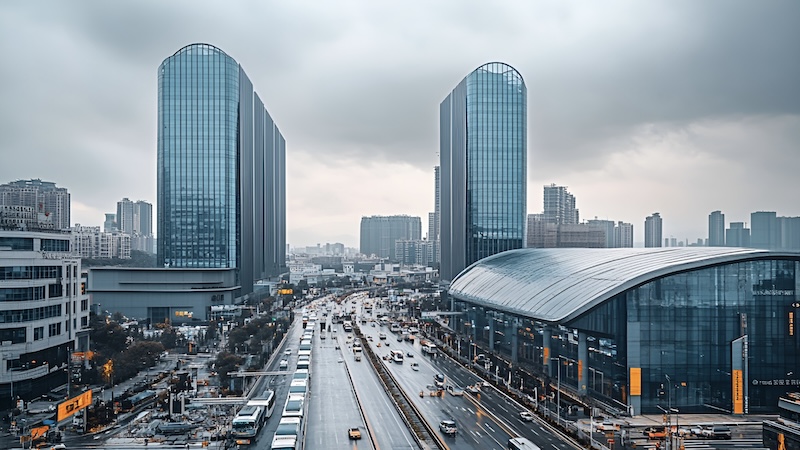
China's dominance in the wholesale toys industry stems from its concentrated manufacturing and distribution centers that have evolved over decades to serve global buyers. To effectively source toys wholesale from China, understanding the geographic landscape of these major hubs becomes essential for identifying reliable toys suppliers and securing the best price points.
Yiwu stands as the world's largest small commodities market, with its International Trade City spanning over 5.5 million square feet dedicated to various products including an extensive toy market section. This Zhejiang Province hub attracts buyers seeking diverse toy inventories from thousands of suppliers under one roof. The market operates through five distinct districts, with District One housing the primary toy wholesale sections where merchants display everything from educational toys to electronic gadgets. American buyers particularly value Yiwu for its one-stop shopping experience, enabling them to compare prices and quality across multiple toys suppliers within walking distance. The infrastructure supports English-speaking staff and streamlined export documentation services tailored for international transactions. Most vendors in the toy market accept USD-based negotiations and understand Western quality standards, making communication more straightforward for US importers.
Guangzhou hosts several concentrated wholesale toys markets that cater specifically to bulk buyers and international importers. The Yide Road Toy Wholesale Market represents one of the oldest and most established trading centers in southern China, featuring multi-story buildings packed with toys wholesale vendors specializing in plush toys, plastic figures, and seasonal merchandise. Nearby, the Guangzhou International Toy & Gift City provides a more modern facility with showrooms displaying premium toy lines and innovative products. These markets china locations benefit from proximity to manufacturing facilities in the Pearl River Delta region, allowing suppliers to maintain competitive pricing while offering shorter lead times. The Guangzhou toy wholesale ecosystem particularly excels in custom manufacturing arrangements, where buyers can negotiate modifications to existing designs or develop proprietary products. Payment flexibility remains a key advantage, with many established toys suppliers accepting PayPal for sample orders and credit card deposits for larger shipments destined for US markets.
Chenghai District in Shantou city serves as China's primary toy manufacturing base, earning its reputation as the country's toy capital with over 3,000 toy factories concentrated in this relatively small area. Unlike pure wholesale markets, Chenghai offers direct factory access where buyers can negotiate with manufacturers rather than intermediary traders. This direct relationship often translates to better price points and greater customization flexibility for wholesale toys orders. The district specializes in specific toy categories including die-cast vehicles, building blocks, remote-controlled toys, and battery-operated products. American importers working with Chenghai toys suppliers gain advantages in production scheduling and quality control oversight, though language barriers may require interpreter assistance or partnerships with local agents. The local government established the Chenghai Toy Trade City to facilitate international commerce, providing exhibition halls, negotiation rooms, and logistics support services. Most factory representatives understand FOB pricing structures and container loading requirements relevant to US-bound shipments.
Shenzhen's evolution from manufacturing center to technology innovation hub has positioned it as the premier source for electronic toys and smart toy products. While not traditionally known as a toy market destination, Shenzhen's Huaqiangbei electronics markets and surrounding districts now feature numerous suppliers specializing in app-connected toys, robotic toys, and STEM learning products. The concentration of electronics component manufacturers enables local toys wholesale vendors to offer competitive pricing on tech-integrated products while maintaining shorter development cycles for new innovations. US buyers targeting the educational technology segment find Shenzhen particularly valuable for sourcing products that align with American consumer preferences for interactive learning tools. The business environment accommodates international standards discussions, with many toys suppliers familiar with FDA regulations for electronic components and FCC compliance requirements for wireless toys. Credit card processing and Apple Pay acceptance have become increasingly common among established exporters serving the North American market.
Ningbo serves as both a manufacturing center and a major export port, creating a strategic wholesale toys sourcing location for efficiency-focused buyers. The city's toy wholesale markets integrate closely with nearby factories in Cixi and Yuyao, specializing in outdoor toys, sports equipment, and juvenile products. This integration allows for factory tours and quality inspections within the same business trip, reducing the time and cost associated with supplier verification. The Ningbo toy market ecosystem emphasizes export-oriented businesses, with most toys suppliers maintaining English-language catalogs and understanding international shipping documentation. The port proximity enables buyers to oversee container loading and take advantage of competitive freight rates for shipments to US West Coast destinations. Local trading companies often provide consolidated shipping services, allowing smaller importers to combine orders from multiple vendors while achieving better per-unit shipping costs.
Navigating these major hubs requires understanding that each markets china location offers distinct advantages depending on your sourcing objectives, order volumes, and product categories. Strategic buyers often combine visits to multiple hubs during single sourcing trips, maximizing their exposure to different toys wholesale opportunities while building relationships with diverse toys suppliers across China's vast toy industry landscape.
Having explored the major toy wholesale hubs in cities like Yiwu and Guangzhou, the next critical phase involves executing your import strategy effectively. Understanding the practical steps to source wholesale toys from China ensures you minimize risks while maximizing the value of your investment in the toy market.
Identifying trustworthy toys suppliers in China requires a methodical approach that goes beyond browsing online directories. Start by utilizing established B2B platforms like Alibaba and Global Sources, but apply rigorous verification criteria before committing to any supplier relationship. Review supplier profiles for business license verification, years of operation, and transaction history. Look for Gold Supplier status or similar premium memberships that indicate the platform has conducted background checks.
Request comprehensive company documentation including business licenses, tax registration certificates, and export licenses. Legitimate toys wholesale suppliers operating in markets China will readily provide these credentials. Contact multiple suppliers to compare pricing structures, minimum order quantities, and payment terms. Be cautious of prices significantly below market average, as these may indicate quality compromises or potential fraud.
Conduct video factory tours using platforms like WeChat or WhatsApp to verify manufacturing capabilities. During these virtual inspections, ask suppliers to show their production lines, quality control processes, and warehouse facilities. Request samples before placing bulk orders, understanding that sample costs typically range from fifteen to fifty dollars plus shipping. Evaluate these samples against your quality standards and US market expectations.
Check supplier references by requesting contact information for previous international clients. Speaking directly with businesses that have successfully imported from a toys supplier provides invaluable insights into reliability, communication quality, and problem resolution capabilities. Additionally, consider hiring third-party verification services that conduct on-site audits of manufacturing facilities, though these services typically cost between three hundred and eight hundred dollars.
Establish clear communication protocols from the outset. Reliable suppliers respond promptly to inquiries, provide detailed product specifications, and demonstrate understanding of international trade requirements. Test their responsiveness during initial conversations, as communication quality often predicts the overall partnership experience. Document all agreements in writing, including product specifications, delivery timelines, payment schedules, and quality expectations.
Quality control represents the most critical aspect of importing toys wholesale from China, particularly when selling in the United States market. US regulations require toys to meet strict safety standards enforced by the Consumer Product Safety Commission. Understanding these requirements before production begins prevents costly rejections and potential legal liabilities.
Ensure your chosen toys suppliers obtain ASTM F963 certification, the mandatory safety standard for toys sold in the United States. This comprehensive standard covers mechanical hazards, flammability, and chemical composition. Request copies of test reports from accredited laboratories, verifying that tests were conducted within the past twelve months. Legitimate toy market suppliers maintain current certifications and willingly share documentation.
Implement a three-stage quality control process: pre-production inspection, during-production inspection, and pre-shipment inspection. Pre-production inspections verify raw materials meet specifications before manufacturing begins. During-production checks identify issues early when corrections cost less. Pre-shipment inspections examine finished products, packaging, and shipping readiness. Third-party inspection companies charge approximately two hundred to four hundred dollars per inspection day, representing essential insurance against defective merchandise.
Require suppliers to conduct and document lead content testing, phthalate testing, and small parts testing as mandated by US regulations. Toys intended for children under three years cannot contain small parts that pose choking hazards. Paint and surface coatings must contain less than ninety parts per million of lead. Request Certificates of Conformity that document compliance with all applicable Consumer Product Safety Commission requirements.
Establish clear quality acceptance criteria before production begins, including acceptable defect rates, packaging standards, and labeling requirements. Typical industry standards allow defect rates between two and four percent for major defects and four to six percent for minor cosmetic issues. Document these standards in your purchase agreement to provide recourse if quality falls short.
Maintain detailed records of all certifications, test reports, and inspection results. US Customs and Border Protection may request this documentation during import clearance. Additionally, retailers increasingly require proof of compliance before accepting wholesale toys into their inventory systems. Organized documentation streamlines both customs clearance and downstream sales processes, ultimately improving your competitive position in the toy market.
After establishing quality control measures and safety certifications with your toys suppliers, understanding which product categories deliver the strongest profit margins becomes essential for sustainable business growth. The toy market in China continues to evolve rapidly, with manufacturers in wholesale markets China increasingly focusing on high-value segments that align with changing consumer preferences in the United States. Educational toys represent one of the most lucrative opportunities for importers seeking to maximize returns while meeting the growing demand from American parents and educators who prioritize developmental benefits alongside entertainment value.
The educational toy segment commands premium pricing in the US market, with profit margins typically ranging from 40% to 65% compared to traditional toy categories that average 25% to 35%. This significant margin advantage stems from parents' willingness to invest more in products that promise cognitive development, skill-building, and academic preparation. When sourcing wholesale toys from China, importers can leverage the manufacturing cost advantages while positioning these products at higher retail price points that reflect their educational value proposition.
STEM-focused toys represent the fastest-growing subcategory within educational products. Building sets that teach engineering principles, robotics kits designed for elementary through middle school students, and coding toys that introduce programming concepts through hands-free play consistently outperform general toy categories. Chinese manufacturers have developed sophisticated production capabilities for these complex products, offering toys wholesale at prices 50% to 70% lower than comparable US-manufactured alternatives while maintaining quality standards that satisfy FDA safety requirements and ASTM testing protocols.
Montessori-inspired toys have emerged as another high-margin opportunity within the educational segment. These products emphasize natural materials, open-ended play, and developmental appropriateness for specific age ranges. The toy market shows particularly strong demand for wooden puzzles, sensory exploration toys, and practical life skill sets that align with Montessori educational philosophy. Wholesale markets China now feature specialized suppliers who understand these design principles and can produce authentic Montessori-style products at competitive wholesale prices, typically ranging from $3 to $15 per unit depending on complexity and materials.
Language learning toys also command premium positioning and attract parents seeking early childhood development tools. Interactive books with bilingual content, phonics-based learning systems, and vocabulary-building games demonstrate consistent sales velocity across multiple retail channels. When working with toys suppliers in China, importers should prioritize manufacturers who understand US pronunciation standards and can integrate American English audio components rather than generic international English versions.
The subscription box model has created additional profitability pathways for educational toy importers. Monthly STEM activity kits, age-progressive learning toy collections, and themed educational packages allow businesses to establish recurring revenue streams while purchasing wholesale toys in larger quantities that secure better pricing from Chinese manufacturers. This model typically supports gross margins of 60% or higher when accounting for the premium pricing customers accept for curated, delivered-to-door convenience.
Market trends indicate that parents increasingly seek educational toys that address social-emotional learning alongside traditional academic skills. Products that teach empathy, emotional regulation, conflict resolution, and cooperation skills are gaining market share rapidly. Chinese toy manufacturers have begun developing specialized product lines in this category, though importers should conduct thorough content review to ensure cultural appropriateness and alignment with US educational standards and parenting approaches.
Pricing strategy significantly impacts profitability in the educational toy segment. Premium positioning works effectively when supported by strong branding, clear educational benefits communication, and quality packaging that justifies higher retail prices. Products sourced from wholesale markets China at $8 to $12 per unit can retail successfully at $29.99 to $49.99 when positioned as comprehensive learning systems rather than simple toys. This pricing architecture requires investment in marketing materials that articulate developmental benefits and provide parents with confidence in the educational value.
Seasonal considerations affect educational toy profitability patterns throughout the year. Back-to-school periods from July through September generate peak demand for learning-focused products, while the holiday shopping season from November through December sees parents purchasing educational toys as gifts that feel both fun and responsible. Importers should plan wholesale toy purchases from China to ensure inventory availability during these high-demand windows, typically requiring orders placed four to six months in advance to account for production time, quality inspection, and ocean freight transit.
Compliance requirements for educational toys often exceed standard toy safety regulations, particularly for products marketed to specific age ranges or claiming developmental benefits. The FDA scrutinizes any health or developmental claims, while the Federal Trade Commission monitors advertising accuracy. Working with toys suppliers who understand these requirements and can provide documentation supporting educational claims helps importers avoid costly regulatory challenges while building credibility with retail buyers and consumers who increasingly research products before purchasing.
The best price advantages in educational toys come from developing long-term relationships with specialized manufacturers rather than trading companies or generalist suppliers. Direct factory partnerships enable customization of educational content, adaptation of products for the US market, and negotiation of favorable payment terms that improve cash flow. Importers who commit to consistent order volumes typically secure pricing 15% to 25% below spot market rates, directly improving profit margins without requiring retail price increases that might reduce sales velocity in the competitive toy market.
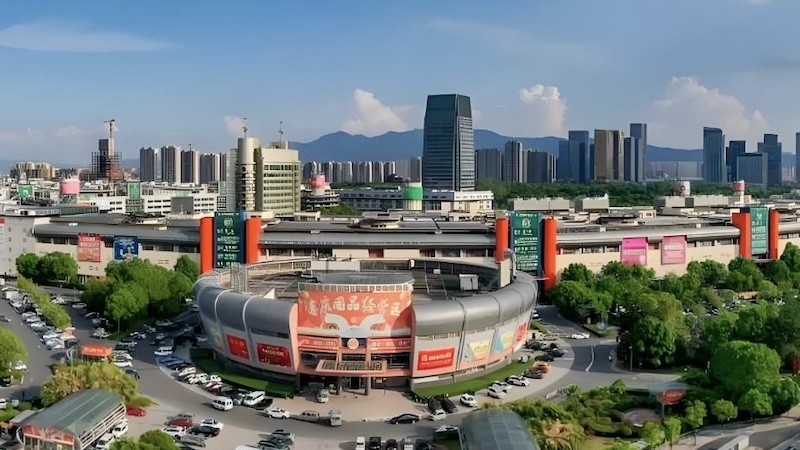
After identifying profitable educational toy categories with strong margins, the next critical decision involves choosing your sourcing method. Buyers entering the wholesale toys market must decide between partnering with sourcing agents or establishing direct relationships with Chinese factories, as each approach significantly impacts costs, quality control, and operational complexity.
Sourcing agents serve as intermediaries between US importers and toys suppliers in China, offering distinct advantages and trade-offs that vary based on your business experience and order volume.
Advantages of Sourcing Agents
Sourcing agents provide invaluable local expertise when navigating China's complex toy market. They communicate fluently in Mandarin, understand regional business customs, and maintain established relationships with verified toys wholesale manufacturers across major production hubs like Shenzhen, Dongguan, and Guangzhou. For first-time importers unfamiliar with Chinese business practices, agents eliminate language barriers and cultural misunderstandings that frequently derail negotiations.
Agents handle time-consuming logistics including factory verification, sample procurement, quality inspections, and shipment coordination. A competent agent visits factories on your behalf, conducts pre-shipment inspections, and identifies potential quality issues before products leave China. This service proves especially valuable when sourcing educational toys requiring strict safety compliance, as agents verify certifications and production standards match US requirements. Many agents also negotiate better pricing by leveraging relationships built through years of consistent business with toys suppliers.
The consolidation services offered by experienced agents deliver additional cost savings. Rather than managing multiple factory relationships independently, agents coordinate orders from various toys wholesale suppliers, consolidate shipments, and arrange container loading to optimize freight costs. For small to medium importers ordering 500 to 5,000 units monthly, this consolidation reduces per-unit shipping expenses by 15 to 30 percent compared to individual factory shipments.
Disadvantages of Sourcing Agents
Agent commissions typically range from 5 to 10 percent of order value, directly impacting your profit margins. On a $20,000 wholesale toys purchase, commission fees add $1,000 to $2,000 in costs that wouldn't exist with direct factory relationships. These fees accumulate significantly as order volumes increase, making agent partnerships less economical for established importers processing large container loads.
Quality control transparency becomes limited when relying on third-party agents. While reputable agents conduct thorough inspections, you depend entirely on their standards and honesty. Some agents maintain undisclosed relationships with specific factories, receiving kickbacks that incentivize steering clients toward particular toys suppliers regardless of best price or quality considerations. This conflict of interest occasionally results in suboptimal factory selection or overlooked quality defects.
Direct factory communication suffers when agents control all interactions. You lose opportunities to build relationships with manufacturers, understand production capabilities firsthand, and negotiate custom specifications directly. This distance from production limits your ability to request modifications, address quality concerns immediately, or develop long-term partnerships that yield volume discounts and priority production scheduling.
The dependency on agent availability and responsiveness creates operational vulnerabilities. If your agent becomes unresponsive during critical production phases or leaves the business unexpectedly, you face potential delays and communication breakdowns. Markets China operate on different time zones and holiday schedules, and relying on a single agent as your sole connection point introduces business continuity risks.
When Sourcing Agents Make Strategic Sense
Sourcing agents deliver maximum value for new importers ordering diverse product ranges from multiple toys wholesale suppliers. If you're testing various educational toy categories from different manufacturers before committing to large volumes, agents efficiently manage this complexity while you learn the market. Businesses ordering smaller quantities (under $10,000 per shipment) often find agent fees worthwhile compared to the time investment required for direct factory management.
Companies lacking Chinese language skills or Asian business experience benefit substantially from agent partnerships during their first 12 to 18 months importing from the toy market. Agents navigate payment terms, quality disputes, and shipping complications that frequently overwhelm inexperienced buyers. The educational value gained through observing agent processes helps build knowledge for eventual direct sourcing transitions.
When Direct Factory Sourcing Becomes Preferable
Established importers with consistent order volumes exceeding $25,000 monthly typically benefit from direct factory relationships. The commission savings accumulated over repeated orders justify investing time in building manufacturer partnerships. Direct communication enables faster problem resolution, custom product development, and preferential pricing unavailable through agents.
Businesses specializing in specific toy categories from single or few toys suppliers find direct sourcing more efficient. When ordering exclusively educational STEM toys from two verified Chinese manufacturers, maintaining direct relationships eliminates unnecessary intermediaries. You gain production visibility, negotiate payment terms directly, and build trust that yields priority treatment during peak manufacturing seasons.
Importers with established quality control systems, including third-party inspection services and clear specification documentation, can effectively manage factory relationships independently. The combination of precise quality standards, independent inspection companies, and detailed purchase agreements reduces reliance on agent oversight while maintaining product consistency and safety compliance for the US market.
After establishing your sourcing strategy through direct factory partnerships or agent relationships, the next critical phase involves navigating the complexities of international logistics to ensure your wholesale toys reach United States markets efficiently and cost-effectively. Understanding shipping methods, transit times, and cost structures becomes essential for maintaining competitive pricing while meeting customer delivery expectations in the dynamic toy market.
Selecting the appropriate shipping method represents one of the most impactful decisions for toys wholesale importers, directly affecting both profit margins and inventory turnover rates. Each shipping option presents distinct advantages and trade-offs that influence your overall supply chain performance when sourcing from markets china.
Ocean Freight: The Foundation of Wholesale Toy Importing
Ocean freight remains the dominant choice for toys suppliers importing substantial volumes from China, typically offering the best price per unit when shipping containerized loads. Full Container Load (FCL) shipments provide exclusive container use, with 20-foot containers holding approximately 1,000 to 1,200 cubic feet and 40-foot containers accommodating roughly 2,400 to 2,700 cubic feet. Transit times from major Chinese ports like Shenzhen or Ningbo to United States West Coast destinations average 14 to 21 days, while East Coast ports require 28 to 35 days including Panama Canal routing.
Less than Container Load (LCL) shipments suit smaller wholesale toys orders, allowing importers to share container space and costs with other shippers. However, LCL typically adds five to seven days to overall transit time due to consolidation and deconsolidation processes at origin and destination ports. The per-unit cost advantage of LCL diminishes compared to FCL when shipment volumes exceed approximately 15 cubic meters, making careful volume planning essential for cost optimization.
Ocean freight costs fluctuate significantly based on seasonal demand, fuel surcharges, and port congestion. Peak shipping seasons during August through October, when retailers stock inventory for the holiday toy market, often see rates increase 30 to 50 percent above baseline pricing. Savvy importers negotiate annual contracts with freight forwarders to secure more predictable pricing and priority vessel space during these critical periods.
Air Freight: Speed at a Premium
Understanding Market Dynamics and Supplier Selection
China's toys wholesale market operates on tiered pricing structures with significant breaks at 500, 1,000, and 5,000 units. Pre-season orders yield 15-25% savings versus peak periods. Verify supplier business licenses, factory certifications, and third-party audits before committing to orders.
Strategic Sourcing Approaches
Direct factory sourcing suits companies ordering 10,000+ units quarterly, eliminating intermediary costs. Smaller retailers purchasing 500-2,000 units benefit from sourcing agents who consolidate orders and handle inspections. Specializing in specific toy categories develops stronger supplier relationships than diversified purchasing.
Quality Assurance and Compliance Framework
US importers must ensure CPSIA compliance including mandatory third-party testing for lead, phthalates, and small parts hazards. Allocate 2-3% of order value for pre-shipment quality checks. Establish clear written specifications with photographic references to prevent disputes.
Financial Planning and Cost Management
Total landed cost includes product price, international shipping, customs duties (0-6.8% for toys), brokerage fees, and warehousing. New buyers typically pay 30% deposits with 70% before shipment. Currency fluctuations can impact margins by 3-5% annually.
Building Sustainable Supplier Relationships
Maintain year-round communication, sharing market feedback and seasonal forecasts. Annual contracts with agreed pricing provide stability for both parties. In-person visits to Guangzhou or Yiwu markets strengthen relationships and provide production insights unavailable through video calls.
Risk Mitigation Strategies
Source from 2-3 qualified suppliers to prevent inventory outages. Letter of credit terms protect orders exceeding $20,000. Product liability insurance starts at $500-800 annually for small importers. Maintain 30-45 days safety stock for bestselling items.
Leveraging Market Intelligence
Monitor trade shows like Hong Kong Toys & Games Fair and Canton Fair for trends emerging six months before retail availability. Peak factory activity occurs February-April for summer inventory and August-September for holiday stock. Ordering during shoulder periods provides negotiating leverage.
Success in China's toys wholesale market requires balancing supplier management, quality assurance, financial planning, logistics coordination, and regulatory compliance. Treat sourcing as strategic business function rather than transactional purchasing, building knowledge and relationships that compound value over time.
After reviewing the essential considerations for working with the China toys wholesale market, buyers often have practical questions about navigating this complex landscape. This FAQ section addresses the most common concerns to help you make informed decisions when sourcing toys wholesale from Chinese suppliers.
Q: What is the typical minimum order quantity (MOQ) when purchasing toys wholesale from China?
MOQ requirements vary significantly depending on the supplier type and product category. Factory-direct manufacturers typically require 500 to 1,000 units per design for custom orders, while standard products may have lower thresholds of 100 to 300 units. Trading companies and wholesale markets in China often accept smaller orders, sometimes as low as 50 units per item, making them ideal for testing the toy market before committing to larger volumes. When negotiating with toys suppliers, consider that higher order quantities usually unlock better price breaks, sometimes reducing unit costs by 15 to 30 percent compared to minimum orders.
Q: How can I verify a toys supplier's legitimacy before placing an order?
Verification involves multiple layers of due diligence to protect your investment. Start by checking business licenses and export certifications through official databases or third-party verification services. Request product testing reports from accredited laboratories, particularly for safety standards like ASTM F963 and CPSIA compliance required for the United States market. Consider hiring local inspection agencies to conduct factory audits that assess production capacity, quality control systems, and working conditions. Many successful buyers arrange video calls to tour facilities virtually before committing to large orders. Request and contact previous clients, particularly those in the US market, to gather firsthand feedback about reliability, communication, and product quality.
Q: What payment methods are safest when working with Chinese wholesale toys suppliers?
The most secure approach combines trade assurance programs with staged payments. Alibaba's Trade Assurance and similar platform protections offer recourse if products fail to meet agreed specifications. Standard payment terms typically involve 30 percent deposit via wire transfer (telegraphic transfer) and 70 percent balance before shipment. For first-time orders, consider using letters of credit through established banks, which release payment only when shipping documents confirm proper fulfillment. PayPal and credit cards offer fraud protection but carry higher transaction fees that suppliers may pass along. Avoid Western Union or direct transfers to personal accounts, as these offer no buyer protection. Many experienced importers also utilize escrow services for orders exceeding $10,000, ensuring funds release only after quality inspection confirms satisfactory products.
Q: How long does it typically take to receive wholesale toys orders from China to the United States?
Timeline expectations depend heavily on your chosen shipping method and current logistics conditions. Express shipping via DHL or FedEx delivers in 5 to 7 business days but costs significantly more, making it practical only for samples or urgent small orders. Air freight requires 8 to 15 days door-to-door and offers reasonable pricing for orders under 500 pounds. Standard ocean freight to major US ports takes 25 to 35 days, with additional time for customs clearance (typically 2 to 5 days) and inland transportation. Always add production time to shipping estimates. Standard wholesale orders require 15 to 30 days for manufacturing, while custom products may need 45 to 60 days. Peak seasons (August through October for holiday inventory) often extend all timelines by 1 to 2 weeks due to factory capacity constraints and port congestion.
Q: What are the most important certifications for importing toys from China to the US market?
US regulations mandate strict compliance for children's products. The Consumer Product Safety Improvement Act (CPSIA) requires third-party testing for lead content, phthalates, and mechanical hazards. Products must include tracking labels with manufacturing date and batch information.
After exploring the frequently asked questions surrounding China's wholesale toy market, it becomes clear that success in this industry requires careful planning, thorough supplier vetting, and ongoing market awareness. The Chinese toy market continues to dominate global wholesale distribution, offering unparalleled manufacturing capacity, competitive pricing structures, and increasingly sophisticated quality control systems that meet international standards.
Navigating the wholesale toys landscape demands more than simply finding the lowest price point. Successful importers in the United States recognize that sustainable partnerships with toys suppliers require balancing cost efficiency with quality assurance, regulatory compliance, and reliable logistics. The toy market has evolved significantly over the past decade, with Chinese manufacturers investing heavily in safety certifications, intellectual property protection, and customer service infrastructure that meets Western business expectations.
For businesses entering the toys wholesale sector, the key to long-term profitability lies in building strategic relationships rather than pursuing transactional exchanges. Understanding the cultural nuances of Chinese business practices, maintaining clear communication channels, and establishing robust quality control protocols will differentiate successful importers from those who struggle with consistency issues. The markets china offers are vast and varied, from Yiwu's small commodity hub to Shenzhen's electronics-integrated toy manufacturers, each presenting unique advantages depending on your product requirements and target demographic.
The regulatory landscape governing toy imports into the United States demands meticulous attention to detail. ASTM F963 compliance, CPSIA regulations, and FDA guidelines for certain toy categories are non-negotiable requirements that responsible toys suppliers understand and accommodate. Working with manufacturers who proactively maintain certification documentation, conduct third-party testing, and implement traceability systems throughout their production processes minimizes the risk of costly customs delays or product recalls that can devastate small to medium-sized businesses.
Price competitiveness remains a significant advantage when sourcing wholesale toys from China, but smart buyers look beyond initial quotations to calculate total landed costs. Shipping expenses, import duties, quality inspection fees, and potential rework costs all impact the true best price available. Experienced importers typically budget an additional fifteen to twenty-five percent beyond the FOB price to account for these variables, ensuring their profit margins remain healthy even when unexpected logistics challenges arise.
The digital transformation of China's manufacturing sector has made connecting with reputable toys wholesale suppliers more accessible than ever before. However, this accessibility also means increased competition among buyers and greater scrutiny from manufacturers regarding minimum order quantities and payment terms. Building credibility through professional communication, demonstrating market knowledge, and honoring commitments helps establish the trust necessary for preferential pricing and priority production scheduling.
Looking forward, the toy market will continue evolving in response to changing consumer preferences, technological innovations, and sustainability concerns. Chinese manufacturers are increasingly investing in eco-friendly materials, reducing packaging waste, and implementing energy-efficient production methods that appeal to environmentally conscious American consumers. Staying informed about these trends and aligning your product selection accordingly positions your business for sustained growth in an increasingly competitive marketplace.
Ultimately, success in the wholesale toys industry requires treating supplier relationships as genuine partnerships rather than purely transactional arrangements. Regular factory visits, consistent order volumes, and transparent communication about quality expectations create mutual value that transcends individual purchase orders. The markets china provides offer extraordinary opportunities for American entrepreneurs willing to invest time in understanding the complexities of international trade, cultural differences, and quality management systems.
Whether you are launching a new toy retail venture or expanding an existing product line, the foundation of sustainable success rests on informed decision-making, thorough due diligence, and realistic expectations about timelines and processes. The wholesale toys sector rewards patience, attention to detail, and willingness to learn from both successes and setbacks as you refine your sourcing strategy over time.
 English