



Reliable purchasing from China depends less on finding the cheapest quote and more on choosing the right product, verifying supplier capability, confirming quality expectations in writing, and planning shipping and compliance before money changes hands. This handbook is for buyers comparing factories, trading companies, or a purchasing from China service, and it is most useful when you need a practical way to reduce avoidable mistakes. The best starting move is to define your product requirements, order volume, acceptable defects, and delivery window so every later decision has a clear common comparisons.
For sourcing agents in China, the safest starting point is a written specification, a sample standard, and a clear inspection trigger.
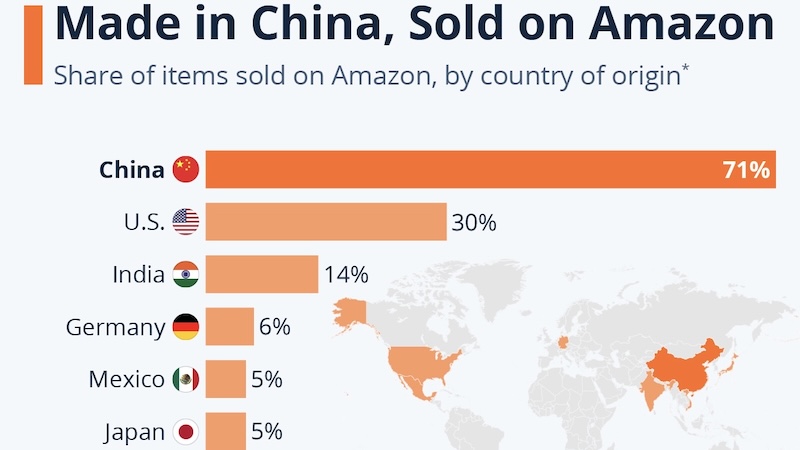
The practical question is not whether China is perfect. It is whether purchasing from China still offers a smart path for importers who want competitive sourcing, broad product choice, and scalable operations in the current period. For many buyers, the answer is still yes, provided the process is disciplined.
Before approving sourcing agents in China, compare supplier identity, production capability, payment timing, and defect-handling rules.
China remains compelling because it combines manufacturing depth with sourcing flexibility. In many categories, buyers can compare multiple factories, trading companies, and component options within the same supply chain ecosystem. That makes it easier to balance cost, customization, minimum order quantities, and lead times instead of accepting a one-size-fits-all offer from a single domestic source.
Another reason purchasing from China still matters is product range. Importers can source simple private-label goods, custom assemblies, packaging, and accessories through connected supplier networks. That variety is valuable for businesses testing new SKUs, expanding a catalog, or refining a product after early customer feedback. A thoughtful purchasing procurement process can turn that variety into a practical advantage rather than a source of confusion.
Reliable purchasing from China also makes sense when buyers focus on process quality, not just unit price. A low quote means little if communication is poor, samples do not match production, or shipping terms are misunderstood. In practice, trusted China-based production support usually depends on a few operational habits:
Verify supplier identity, business scope, and communication consistency before discussing large orders.
Compare quotations on equal terms, including materials, packaging, Incoterms, and quality expectations.
Use samples and pre-production confirmation to reduce misunderstandings.
Define inspection checkpoints and documentation requirements before goods ship.
Build payment and timeline plans that protect cash flow and reduce avoidable risk.
For smaller importers, one challenge is managing all of this from abroad. That is where a China-based production support service or procurement agent can be useful. A procurement agent in China can help with supplier screening, quote comparison, sample follow-up, and production coordination. The value is not magic access. It is local execution, clearer communication, and faster issue resolution when details start to drift.
That matters because factory-side coordination in China is often won or lost in small decisions: which factory is actually producing the goods, how specifications are translated, and whether quality checks happen before final payment. Buyers who treat sourcing as a managed workflow tend to make better decisions than buyers who chase the cheapest quote.
There is also a strategic reason China manufacturing oversight remains relevant. Even when businesses diversify suppliers across regions, China often stays in the mix for mature manufacturing capacity, component availability, and the ability to move from prototype to production with fewer handoffs. In other words, it can remain part of a resilient sourcing strategy rather than an all-or-nothing choice.
For readers of this importer’s handbook, the right approach is simple: view sourcing as a procurement system, not a marketplace gamble. If you need support, working with production quality support experts or a supplier coordination company can help structure supplier selection and reduce avoidable mistakes. That keeps China-based production support cost aligned with quality, timelines, and long-term business value rather than headline price alone.
China remains attractive in 2025, but the right buying path depends on what you are trying to achieve. For an importer, the real difference is not just where you buy products from China, but whether you need a supply chain partner or a simple retail checkout.
For ordering products from China to sell, the safest starting point is a written specification, a sample standard, and a clear inspection trigger.
B2B manufacturing oversight is built for businesses that need repeat orders, custom specifications, private labeling, or better unit economics at scale. Instead of shopping for a finished listing, you are evaluating factories, trading companies, and a production quality support supplier that can meet production, quality, packaging, and shipping requirements over time.
That changes the job. Reliable supplier coordination usually means checking sample quality, clarifying materials, confirming lead times, negotiating payment terms, and documenting product requirements in writing. A trusted China-based production support support process also includes factory verification, inspection planning, and a clear agreement on defects, rework, and delivery expectations. These steps matter because small misunderstandings become expensive when the order size grows.
For many importers, a candidate partners service or China buying agent helps bridge language, sourcing, and follow-up gaps. That can be useful when comparing multiple suppliers or managing categories with compliance, custom packaging, or several components. In practice, B2B buyers should focus on supplier fit, communication quality, and total manufacturing oversight cost rather than chasing the lowest quote.
B2C risk controls is much simpler. The buyer selects a product from an online marketplace, pays through the platform, and waits for delivery. This route suits personal use, small test purchases, and low-risk product trials where speed and convenience matter more than customization or long-term supply planning.
Still, B2C and B2B should not be confused. Direct platform buying may work well for a phone accessory, home gadget, or sample order, but it is not always ideal for reliable supplier coordination at business scale. Product listings may not provide the production detail, packaging control, or consistency a company needs for resale. Returns, warranty handling, and batch uniformity can also be harder to manage across repeated orders.
A practical rule is simple: use B2C when you want to test demand or buy small quantities, and use B2B when you need a dependable supplier relationship. If your goal is trusted supplier evaluation in China for a growing business, factory sourcing and structured supplier management are usually the stronger path. That distinction keeps China vendor shortlisting practical instead of risky.
After choosing between factory sourcing and direct retail buying, the practical question becomes where to place orders. The right platform shapes product access, negotiation room, risk, and follow-up support, so it is central to reliable inspection access rather than a minor detail.
For importers handling bulk orders, Alibaba and 1688 serve different but related roles. Alibaba is built for international buyers, so supplier listings, messaging, and transaction tools are generally easier to navigate in English. It is often the more accessible starting point for trusted supplier coordination when you need to compare factories, request samples, discuss minimum order quantities, and review trade terms before committing.
1688 is aimed mainly at the domestic market, which often means lower base prices but a more difficult process for overseas buyers. Product pages, support, and seller communication are usually designed for local users, so manufacturing oversight in China through 1688 often works best with language support or a China buying agent. For many businesses, Alibaba is better for initial supplier discovery, while 1688 is better for cost checking and deeper sourcing validation.
Taobao, Tmall, and JD.com are more relevant when the goal is to buy products from China in smaller quantities, study product trends, or test consumer demand before scaling up. Taobao is broad and price-driven, with many independent sellers and a huge product range. Tmall is more brand-focused, while JD.com is often preferred for a structured retail experience and stronger platform-operated fulfillment on selected listings.
These marketplaces are less suited to classic wholesale procurement, but they can still support China partner verification research. Importers use them to compare packaging styles, spot popular variations, and understand how products are positioned for domestic buyers. If you are evaluating a potential manufacturing oversight supplier, checking similar items on these platforms can also help you judge whether quoted prices and product claims feel reasonable.
Shopping agents can bridge the gap when a platform does not support international shipping, foreign payment methods, or English-language communication. Services such as Superbuy, Yoybuy, and Yebuy typically help buyers place orders on domestic marketplaces, receive goods at a local warehouse, combine parcels, and arrange onward shipping. That can make payment workflow much easier for smaller orders or platform testing.
Still, convenience does not remove the need for caution. A supplier coordination service or packaging control company should be evaluated on communication quality, fee clarity, photo inspection options, and responsiveness when an order goes wrong. For business buyers, a broader sourcing relationships experts model may be more useful than a simple forwarding tool, especially when supplier verification, quality checks, and consolidation matter as much as manufacturing oversight cost.
After comparing major marketplaces and shopping agents, the real challenge is deciding which seller deserves your money and timeline. For reliable quote assumptions, platform choice matters less than supplier verification, because a polished listing does not prove consistent production, clear communication, or dependable after-sales support.
Before approving consumer products from China to sell, compare supplier identity, production capability, payment timing, and defect-handling rules.
Start with basic business verification. A legitimate supplier coordination supplier should be able to provide a business license, company name, and operating details that match its storefront and bank information. If the legal name, payment recipient, and export documents do not line up, treat that as a warning sign rather than a minor admin issue.
Reviews help, but read them with judgment. Look for patterns across order accuracy, response speed, packaging quality, and how the supplier handles problems. A few short positive comments are less useful than detailed feedback from buyers discussing repeat orders, customized products, or shipping disputes. For trusted supplier coordination, consistency matters more than a perfect rating.
Trade Assurance and similar order protection tools can reduce risk, especially for first orders. They are not a substitute for due diligence, but they can help define payment terms, delivery expectations, and dispute handling. Many importers also ask for recent factory photos, product videos, sample orders, and clear proforma invoices before committing to larger volumes. If you are using a candidate partners service or a manufacturing oversight company, confirm exactly what verification steps they perform on your behalf.
Some warning signs appear early if you know where to look. A supplier that avoids direct answers, changes specifications casually, or pressures you to pay quickly without documentation can create expensive problems later. In China-based production support in China, communication discipline often reveals more than marketing claims.
Watch for these common red flags:
The supplier refuses to share company registration details or gives documents that do not match the selling account.
Product photos look inconsistent, heavily edited, or copied from multiple brands, suggesting the seller may be a trader with limited control.
Pricing is dramatically lower than competing quotes without a clear reason such as materials, order volume, or simplified packaging.
Payment is pushed to a personal account instead of a registered business account.
Sample quality, lead time promises, and final invoice terms keep changing during negotiation.
For China supplier coordination decisions that affect inventory, margins, and customer satisfaction, test small before scaling. A sample order, a limited first production run, or a third-party inspection can expose issues before they become a larger supplier evaluation support cost. This handbook approach keeps supplier selection practical: verify the company, validate the product, document the terms, and only then increase order size.
A supplier can look legitimate on paper and still ship goods that miss your standards. That is why quality control often becomes the real dividing line between smooth factory-side coordination and expensive rework, refunds, or dead inventory.
For products to import from China, the safest starting point is a written specification, a sample standard, and a clear inspection trigger.
For reliable manufacturing oversight, inspection should happen before, during, and after manufacturing, not only when cartons are ready to leave the factory. Pre-production inspection checks raw materials, components, packaging requirements, labels, and approved samples before mass production starts. This is where buyers confirm details such as color, dimensions, logo placement, and workmanship expectations so mistakes do not scale across the full order.
In-line inspection takes place while production is underway. It helps catch issues like inconsistent assembly, poor finishing, or substitutions before the factory completes the run. Final inspection happens when goods are finished and packed, or mostly packed, and focuses on whether the shipment matches your purchase order, approved sample, and packaging instructions. In practical China factory audit workflows, these three checkpoints reduce surprises far better than relying on trust alone.
Many importers cannot be on site, so an independent inspection company or procurement agent in China can add an extra layer of control. A third-party inspector usually follows your checklist, reviews workmanship, verifies quantities, checks labeling and packaging, and documents issues with photos and notes. This matters for trusted supplier coordination because the factory is not grading its own homework.
When comparing providers, ask what they inspect, how they report findings, whether they understand your product category, and how quickly they can visit the factory. A vendor shortlisting company or partner verification experts may also coordinate inspections as part of a broader purchasing procurement process, which can be useful if you are sourcing from multiple factories. The key is clarity: define acceptable defects, testing points, and pass or fail standards before the visit.
Samples are one of the cheapest ways to reduce manufacturing oversight cost tied to quality problems. Before placing a full order, request a sample that reflects real production materials and finishing, not only a polished showroom version. If possible, approve both a product sample and a packaging sample so there is less room for misunderstanding.
Use the sample review to create a written standard. Note measurements, material feel, print quality, accessories, barcodes, inserts, and carton markings. If anything changes after sample approval, require confirmation in writing before production begins. For a first order, many buyers start with a smaller batch even after sampling, especially when working with a new manufacturing oversight supplier. That cautious approach supports more reliable supplier coordination than jumping straight into a large-volume commitment.
After samples, inspections, and third-party checks, the financial picture becomes much clearer. That is where many buyers improve reliable manufacturing oversight: they stop comparing only factory quotes and start comparing the full cost of getting sale-ready goods into inventory.
Before approving products to import from China, compare supplier identity, production capability, payment timing, and defect-handling rules.
For sourcing relationships, the quoted unit price is only one part of the decision. Total landed cost usually includes the product price, tooling or setup charges if applicable, sample fees, packaging, freight, insurance, customs-related charges, local delivery, payment fees, and the cost of inspections or rework. If you skip these items, a "cheap" supplier can become the expensive option.
A simple example helps. Supplier A offers a lower unit price, but uses fragile packaging and is farther from the port. Supplier B quotes a slightly higher unit price, yet packs better, has smoother export handling, and produces fewer issues during inspection. In practice, Supplier B may create a lower manufacturing oversight cost because you avoid damage, delays, and replacement orders.
A practical landed-cost checklist includes:
Product cost: unit price, mold or setup fees, and sample charges.
Export-side cost: inland trucking, documents, and port handling when not included.
Shipping cost: air, express, or ocean freight, plus insurance if used.
Import-side cost: duties, taxes, brokerage, and final-mile delivery.
Risk cost: inspection, defects, returns, chargebacks, and slow-moving stock.
For trusted production quality support, ask every supplier coordination supplier to quote on the same basis so you are comparing like for like. If cost visibility is weak, a supplier coordination company or product sourcing agent can help standardize quotes and uncover hidden line items before you place the order.
Good negotiation is less about aggressive bargaining and more about making the order easier to produce. Many factories set MOQs to protect machine time, material purchasing, and labor efficiency. If your opening order is small, do not ask only for a lower price. Ask for a structure that reduces the factory's risk.
Useful negotiation options include combining colors or sizes into one production run, accepting standard packaging, paying for raw materials upfront, or agreeing to a trial order that can scale later. You can also request tiered pricing instead of pushing for the lowest unit price immediately. That approach often works better for China candidate partners than demanding a price cut with no volume commitment.
Keep your message specific. Share target quantity, quality standard, packaging requirements, and reorder potential. If a supplier rejects your MOQ request, ask what would make a smaller order workable. Sometimes a manufacturer can lower the MOQ for a simpler version of the product or for mixed SKUs packed in one shipment.
For manufacturing oversight in China, the strongest leverage is preparation. A factory is more flexible when it sees organized forecasts, clear specifications, and realistic long-term demand. If negotiations stall, a China product sourcing partner or product sourcing company can often identify where the factory has room to move without creating quality or delivery problems.
Q1: Can I still order items from China in 2026?
Yes, production quality support remains fully operational and accessible for businesses worldwide. The key to successful supplier coordination is focusing on reliable processes rather than just finding the lowest price. You should prioritize choosing the right products, verifying supplier capabilities, documenting quality expectations in writing, and planning shipping and compliance requirements before placing orders. China continues to be a major manufacturing hub for private-label goods, standard components, packaging, and repeatable manufactured products.
Q2: Will items shipped from China still be able to enter the US?
Yes, items shipped from China can enter the US, but proper compliance planning is essential. Before China-based production support and shipping to the US, you need to understand import regulations, customs requirements, duties, and any product-specific restrictions. Planning shipping and compliance before money changes hands is a critical step in the purchasing process. Working with experienced freight forwarders or factory-side coordination services can help ensure your shipments meet all US customs and regulatory requirements for smooth entry.
Q3: What should I define before manufacturing oversight?
Before production quality support, define four critical elements: your product requirements, order volume, acceptable defect rates, and delivery window. These specifications create a clear foundation for all future decisions and enable accurate comparisons between suppliers. Having these parameters documented ensures consistent communication with factories and trading companies. Vague specifications make supplier coordination much harder and increase the risk of costly mistakes, while clear requirements enable a repeatable, reliable process.
Q4: Should I work with a factory or trading company for China-based production support?
The choice between factories, trading companies, or a factory-side coordination service depends on your specific needs and capabilities. Factories offer direct manufacturing relationships and potentially lower costs, while trading companies provide consolidation services and supplier management. A dedicated manufacturing oversight service can handle verification, quality control, and logistics coordination. Consider your order volume, product complexity, quality control requirements, and internal resources when making this decision. Each option has advantages depending on your situation.
Q5: What types of products work best for production quality support?
Supplier coordination works particularly well for private-label goods, standard components, packaging materials, and repeatable manufactured products. These product categories benefit from China's established manufacturing infrastructure and economies of scale. However, China-based production support becomes more challenging when product specifications are vague or when oversight capabilities are weak. Products requiring precise tolerances, complex quality standards, or frequent design changes need stronger supplier relationships and quality control processes to succeed.
Q6: How do I verify supplier capability before factory-side coordination?
Verifying supplier capability is essential for reliable manufacturing oversight. Request production samples, certifications, and references from previous customers. Conduct factory audits either in person or through third-party inspection services. Review their manufacturing equipment, quality control processes, and production capacity. Ask detailed questions about their experience with similar products and their ability to meet your volume requirements. Document all supplier claims and verify them through independent sources whenever possible before committing to large orders.
Q7: Why is confirming quality expectations in writing important?
Confirming quality expectations in writing prevents misunderstandings and provides a clear reference point if disputes arise during supplier coordination. Written specifications create accountability and ensure both parties understand acceptable defect rates, inspection criteria, and product standards. This documentation becomes crucial for quality control inspections and resolving any issues. Without written confirmation, suppliers may have different interpretations of quality requirements, leading to rejected shipments, delays, and financial losses. Always document quality standards before production begins.
Q8: What is a repeatable process for China-based production?
A repeatable process for factory-side coordination includes consistent steps that reduce avoidable mistakes. Start by shortlisting qualified suppliers based on verified capabilities. Document product specifications, quality standards, and delivery requirements clearly. Confirm all expectations in writing before placing orders. Plan shipping and compliance requirements in advance. Implement regular quality control checkpoints during production. Maintain detailed records of each transaction for future reference. This systematic approach builds trusted relationships with suppliers and improves outcomes over time, making manufacturing oversight more predictable and reliable.
Q9: What are common mistakes to avoid for production quality?
Common mistakes when supplier coordination include focusing solely on the cheapest quote, failing to verify supplier capabilities, using vague product specifications, and not confirming quality expectations in writing. Other errors include inadequate compliance planning, poor shipping coordination, and weak oversight during production. Rushing into large orders without samples or quality checks also creates risk. The most successful buyers treat China production quality as a process requiring careful supplier selection, clear documentation, and consistent quality control rather than a simple transaction focused only on price.
Q10: How do I plan shipping and compliance for factory-side coordination?
Plan shipping and compliance before placing orders when manufacturing oversight. Research import duties, customs regulations, and product-specific requirements for your destination country. Choose appropriate shipping methods based on your delivery window and budget. Arrange proper documentation including commercial invoices, packing lists, and certificates of origin. Consider working with experienced freight forwarders who understand international shipping regulations. Factor compliance costs into your total landed cost calculations. Proper planning prevents delays, unexpected fees, and potential customs issues that can significantly impact your production quality support profitability.
In practice, reliable supplier coordination is less about finding a perfect factory on day one and more about reducing avoidable risk at each decision point. A trusted supplier evaluation approach means documenting product requirements clearly, confirming expectations before production starts, and checking total cost instead of chasing the lowest quoted unit price. If you are evaluating a manufacturing oversight supplier, keep your standards simple and strict: clear communication, consistent documentation, realistic lead times, and a willingness to verify details in writing.
To close out your research, choose one product, build a short sourcing brief, and compare a small set of qualified suppliers using the same criteria for every quote. That single exercise will turn general reading into a practical sourcing plan and give you a stronger foundation for risk controls in China without unnecessary guesswork. When your decisions stay organized and evidence-based, China supplier coordination becomes far more manageable and far more professional.
 English