



What separates a smooth import from a costly delay when you order products from China for the US market? In most cases, it is not one dramatic decision. It is a chain of practical choices about cost, transit time, product category, documentation, and visibility from factory to final destination.
Shipping from China to USA is no longer a simple matter of booking the cheapest rate and waiting for a delivery notice. Today, importers need a clearer plan that balances speed, landed cost, customs readiness, and customer expectations. That is especially true for brands selling through online storefronts, marketplaces, and retail channels where stockouts, margin pressure, and late deliveries can hurt revenue quickly.
This article focuses on the real factors that shape costs, times, and best methods for moving goods from China to the United States. The goal is to help readers approach the process with a practical framework rather than guesswork. Whether you are placing your first china order or refining an existing import workflow, the right starting point is understanding how shipping method, cargo profile, and supplier coordination affect the final result.
A useful guide to shipping from China to USA starts with one core principle: shipping decisions should be made before production is finished, not after. If you wait until goods are packed to think about air freight, ocean freight, express courier, customs paperwork, or warehouse delivery, you lose options. Early planning gives you time to compare rates, confirm packaging dimensions, align Incoterms, and build a realistic receiving schedule for the US side.
For many businesses, modern shipping from China to USA techniques depend on visibility and timing as much as transportation mode. Importers often need to coordinate product readiness, factory handoff, export processing, carrier booking, customs clearance, and final-mile delivery in one connected timeline. That is why order monitoring matters. When production milestones and shipment preparation are tracked closely, buyers are better positioned to avoid missed sailings, rushed upgrades to air freight, and preventable documentation errors.
A strong E-Commerce shipping from China to USA strategy also looks different from a traditional bulk-import approach. Online sellers usually work under tighter delivery promises, faster inventory turnover, and more frequent replenishment cycles. Instead of treating freight as a back-end task, they need shipping built into assortment planning, launch calendars, and reorder points. In practice, that means choosing methods that fit both sales velocity and cash flow, not just the lowest quoted freight charge.
At a high level, most US importers evaluate shipping around four questions:
How fast do the goods need to arrive?
What is the total landed cost in USD after freight, duties, and related fees?
What shipping method best fits the cargo size, weight, and product type?
How much shipment visibility and control is needed from supplier pickup through delivery?
These questions seem simple, but they drive nearly every downstream choice. Small, urgent shipments may favor express or air freight. Larger, less time-sensitive orders often make more sense by ocean freight. Certain products may also require closer attention to packaging, labeling, or agency compliance before they enter the US market. For example, importers in health, beauty, or wellness categories should evaluate applicable FDA regulations early instead of assuming standard shipping documents are enough.
The most effective shipping from China to USA strategies for growing businesses connect logistics with sourcing operations. Freight performance starts at the supplier level. If factory timelines are vague, carton data is incomplete, or booking readiness is unclear, shipping costs can rise before cargo even leaves China. This is where disciplined order monitoring and coordination between sourcing, production, and logistics become valuable. Buyers who order products with clear checkpoints usually make better shipping decisions than those reacting to last-minute updates.
To frame the rest of this article, it helps to look at the main levers that shape outcomes:
Mode selection: express, air, sea, or a combined approach depending on urgency and shipment profile.
Cargo details: weight, dimensions, carton count, and packaging quality all affect rates and handling.
Trade terms and responsibilities: who pays for which segment, and where risk transfers.
Customs readiness: accurate paperwork, product descriptions, and classification support smoother clearance.
Operational visibility: order monitoring and milestone tracking reduce surprises before departure and after arrival.
This practical structure is more useful than relying on broad rules like "air is fast" or "sea is cheap." Those ideas are directionally true, but they do not answer what method is best for your shipment, margin, launch date, or replenishment model. The better approach is to treat logistics as part of a larger sourcing system, especially if you are scaling product development and sourcing across multiple purchase orders.
For that reason, this article will move beyond generic advice and focus on how importers can compare methods, estimate likely timelines, and avoid common mistakes. Along the way, we will highlight shipping from China to USA checklist for planning decisions that matter before booking, including supplier readiness, documentation, destination requirements, and timing buffers. We will also touch on shipping from China to USA tools and workflow habits that help buyers stay organized when they order products repeatedly rather than as a one-time purchase.
If you are researching step-by-step shipping from China to USA for your first order, the main takeaway is simple: start early, define your priorities, and verify every handoff. If you already import regularly, the bigger opportunity is improving consistency through better forecasting, clearer communication, and stronger shipment visibility. With that foundation in place, the next sections will break down the cost drivers, transit times, and best shipping methods for different business needs in the US market.
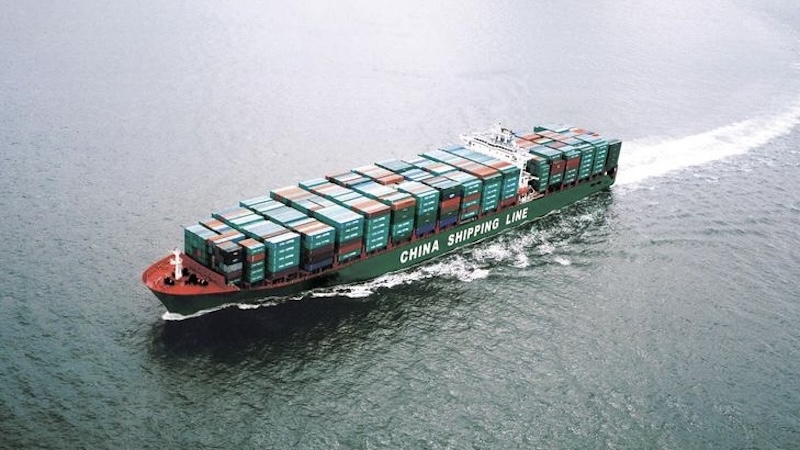
After understanding the basics of shipping from China to the USA, the next step is choosing the method that best matches your budget, delivery window, and product type. This cost-versus-speed comparison helps importers, brand owners, and e-commerce teams build practical shipping from China to USA strategies for real business needs instead of relying on one default option.
Sea freight is usually the lowest-cost choice when you are moving larger volumes, heavier cargo, or goods with less urgent delivery timelines. For many importers, it is the foundation of a guide to shipping from China to USA because it offers better unit economics once shipment size increases. If you order products from China in pallets or full container quantities, ocean shipping often becomes the most financially efficient path.
The tradeoff is time. Sea freight generally takes much longer than air or courier services because cargo must move through port handling, customs review, terminal scheduling, and inland delivery. That longer timeline means sea freight works best when demand planning is stable and inventory is monitored carefully. In practice, this is where order monitoring and accurate forecasting become important parts of modern shipping from China to USA techniques.
Sea freight usually appears in two common formats:
FCL (Full Container Load): Best when your shipment can fill most or all of a container. It can reduce handling and improve cargo control.
LCL (Less than Container Load): Useful for smaller loads that do not justify a full container, though added consolidation and deconsolidation can increase transit complexity.
For an E-Commerce shipping from China to USA strategy, sea freight is often used for base inventory rather than emergency restocks. A seller may ship core products by ocean to keep landed costs lower, then reserve faster methods for seasonal gaps or unexpected demand spikes. This is one of the most practical shipping from China to USA tactics to shipping from China to USA planning: use slower, cheaper transport for predictable stock and protect margin where speed is not critical.
Air freight sits between ocean shipping and express courier in both transit time and price. It is significantly faster than sea freight, but usually more affordable than premium door-to-door express for larger commercial shipments. For US importers balancing inventory risk against shipping spend, air freight is often the middle-ground option.
This method is especially useful when products are higher value, lighter in weight, or time-sensitive but not urgent enough to justify the highest shipping premium. Many businesses use air freight when launching a new SKU, replenishing fast-moving inventory, or recovering from a delayed production run. In those cases, paying more than sea freight can still make sense if it prevents stockouts, missed marketplace rankings, or lost sales momentum.
From a planning perspective, air freight supports more flexible shipping from China to USA strategies for companies that need shorter reorder cycles. It can also fit a step-by-step shipping from China to USA for growing brands that are not yet importing at full container scale. A common pattern is to combine sourcing product decisions with freight planning: compact, lightweight items may remain viable by air, while bulky goods often do not.
Air freight also requires attention to cargo classification, packaging, and customs paperwork. Batteries, liquids, and certain regulated categories may face extra handling rules. For US-bound health, beauty, or wellness products, shipping from China to USA compliance should be reviewed early, including whether FDA-related requirements affect documentation, labeling, or admissibility. In short, air freight offers a useful balance, but the shipment must still be prepared correctly to avoid expensive delays.
Express courier services are built for speed, convenience, and streamlined door-to-door movement. They are usually the fastest option for shipping smaller parcels from China to the USA, which makes them attractive for samples, urgent replenishment, product testing, and early-stage e-commerce orders. The downside is cost: per-unit shipping expense is typically the highest of the three methods, especially as weight and parcel dimensions increase.
For many sellers, express works best when time matters more than margin. Examples include sending pre-production samples to a US team, replacing defective inventory for a marketplace launch, or moving a small batch ahead of a promotion. These are practical shipping from China to USA examples for shipping from China to USA decision-making because they show that the right method depends on the shipment objective, not just the posted rate.
Express courier is also easier for businesses that want a simpler experience. Tracking is usually straightforward, delivery is direct, and operational coordination is lighter than arranging standard freight. That convenience makes it useful for startups and smaller importers using shipping from China to USA tools to compare delivery windows, landed cost, and parcel surcharges before checkout. Still, convenience should not hide the math. If the product has low margins or oversized packaging, express can quickly erode profitability.
A simple shipping from China to USA checklist for method selection is:
Choose sea freight for bulk inventory, lower urgency, and stronger cost control.
Choose air freight for faster replenishment when margin can support moderate shipping spend.
Choose express courier for samples, urgent parcels, and small high-priority shipments.
Review customs, product restrictions, and packaging before booking.
Match shipping speed to sales cycle, not preference alone.
Overall, the best method is rarely universal. The strongest shipping strategies for US importers often combine all three, using each one at the right stage of inventory planning, product development, and order execution.
After comparing transit speed and service levels, the next question is usually more practical: what actually drives the price you pay per shipment. For US importers, the real cost of shipping from China to USA depends less on a single published rate and more on how carriers calculate chargeable weight, shipment volume, handling, and delivery requirements.
A useful guide to shipping from China to USA starts with one principle: cost per kilogram changes with the shipping mode, but it also changes with the shipment profile. Sea freight often delivers the lowest unit cost for larger loads, air freight typically sits in the middle, and express courier usually carries the highest per-kilogram price because it bundles speed, customs handling support, and final-mile delivery into one service.
For small businesses, this means the cheapest option on paper may not be the cheapest landed decision. A 22 lb sample shipment may look manageable by air, but express can still make sense if faster delivery reduces stockout risk or shortens a product launch timeline. By contrast, a heavier replenishment order usually favors ocean freight, especially when the goods are dense, stack efficiently, and can tolerate longer transit windows.
Carriers and forwarders rarely price only by physical weight. They often compare actual weight with dimensional or volumetric weight, then charge whichever is higher. That matters for lightweight but bulky products such as pillows, plastic organizers, or promotional kits. In those cases, modern shipping from China to USA techniques focus on packaging design as much as freight mode selection, because reducing carton size can lower billed weight without changing the product itself.
A practical way to think about per-kilogram pricing is to group shipments by use case:
Express courier works best for urgent samples, replacement parts, or high-margin goods. The billed rate per kilogram is typically the highest, but the all-in convenience can justify the premium for time-sensitive orders.
Air freight is often a balanced choice for mid-volume commercial shipments. It may offer a better cost curve than express once the shipment is large enough to move as freight rather than parcel.
Sea freight generally becomes the strongest value for larger, planned purchases. The per-kilogram cost is often the most economical, but importers must account for port charges, drayage, customs clearance, and delivery timing.
For a shipping from China to USA, the key is not chasing the lowest headline rate. The better approach is to calculate landed cost per sellable unit. That includes freight, duties, customs brokerage, warehouse receiving, packaging, and any delays that affect inventory availability. This is where shipping from China to USA tactics to shipping from China to USA become operational rather than theoretical: the right mode depends on margin, reorder cadence, and how quickly your US customers expect delivery.
Are cartons optimized to reduce empty space?
Can units be nested, flat-packed, or bundled differently?
Is the shipment large enough to qualify for better freight pricing tiers?
Will splitting cargo across air and sea improve total inventory availability?
Are order monitoring steps in place to prevent last-minute carton changes that increase chargeable volume?
Volume-based pricing also connects closely to sourcing quality. If suppliers use inconsistent carton sizes or overpack to avoid damage, your freight bill can rise even when product cost stays flat. Clear packaging specifications, pre-shipment checks, and order monitoring can help keep freight assumptions aligned with the purchase plan. In that sense, it is not only about logistics. It also depends on disciplined product development, sourcing product specifications, and supplier execution.
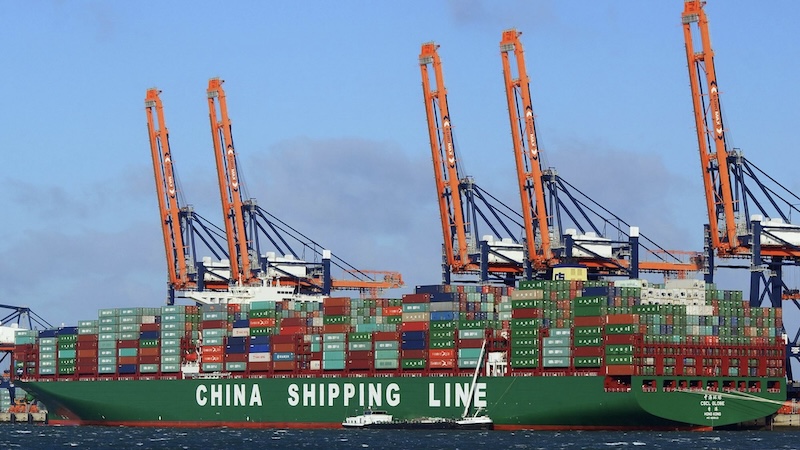
Once you understand how pricing changes by weight and volume, the next question is timing. For U.S. importers and online sellers, transit speed and shipment visibility often matter just as much as landed cost because customer promises, inventory planning, and cash flow all depend on accurate delivery expectations.
These shipping from China to USA tactics to shipping from China to USA operations are especially relevant when product development and sourcing teams coordinate launches. If a product development company is managing prototypes, pilot orders, and commercial production at the same time, tracking helps prevent delays from cascading across the wider launch calendar.
Once transit times and tracking are mapped out, the next cost and timing variable is customs. Even a well-planned shipment can stall at the border if tariff exposure, Incoterms, or paperwork are misunderstood.
The first step in any guide to shipping from China to USA is product classification. Your goods are assigned an HTS code, and that code drives duty treatment at entry. If the classification is wrong, you may underpay and face corrections later, or overpay and hurt margins from the start. This is why many importers build tariff review into product development and sourcing rather than waiting until the cargo is ready to leave.
Once tariffs, Incoterms, and paperwork are clear, the next decision is who will actually move your goods and manage the handoff points. The right provider can reduce landed-cost surprises, support compliance, and make your shipping from China to USA strategy easier to scale.
In practice, the best freight forwarder for a growing US importer is usually the one that balances responsiveness and process control, not simply the one with the lowest base rate. If your business is still sourcing product or adjusting specifications, a provider that works smoothly with a product development company or sourcing team can prevent delays before goods even leave China. That operational fit is often more valuable than small savings on paper.
After comparing provider types and service models, the practical question is how to turn those choices into a repeatable shipping plan. The strongest results usually come from matching cost, speed, and compliance needs to the right lane, terms, and fulfillment workflow rather than chasing the cheapest quote alone.
For most US importers, the best shipping decision starts with product profile. Small, urgent, high-value orders often fit express or air, while larger replenishment orders usually work better with ocean freight. That basic split is one of the most reliable modern shipping from China to USA techniques because it keeps transit expectations realistic and protects margins.
A simple framework helps:
Use express for samples, launch inventory, or fast-moving SKUs where speed matters more than unit freight cost.
Use air freight for mid-sized shipments that need faster delivery than ocean but do not justify parcel pricing.
Use ocean freight for bulk orders when landed cost control is the priority.
Choose DDP only after confirming exactly what duties, fees, and last-mile services are included.
Build extra buffer time around customs, port congestion, and peak retail periods in the US.
Another major takeaway is that shipping cost should be evaluated as landed cost, not freight cost by itself. A low base rate can become expensive if it creates delays, storage fees, customs problems, or failed deliveries. In practice, the smarter shipping from China to USA strategies for growing businesses focus on total cost, delivery reliability, and operational simplicity together.
For shipping from China to USA, the winning model is usually inventory segmentation. Fast sellers can be positioned closer to US customers through domestic fulfillment, while slower or test products can move in smaller batches. This approach supports better cash flow, lower stockout risk, and more predictable delivery promises on marketplaces and direct-to-consumer stores.
Q1: How much does it cost to ship a package from China to the USA?
Shipping costs from China to USA vary significantly by mode. Ocean freight (LCL) typically ranges from $100-300 per cubic meter with 25-40 day transit times, making it the most economical for large shipments. Air freight costs $4-8 per kilogram with 5-10 day delivery, suitable for urgent or high-value goods. Express courier services like DHL or FedEx charge $6-12 per kilogram for 3-5 day delivery. Your final cost depends on shipment size, weight, destination, product category, and seasonal demand. Ocean freight offers the lowest per-unit cost for bulk orders, while air and express provide speed at premium rates.
Q2: Do I pay tariffs if I order from China?
Yes, most goods imported from China to USA are subject to customs duties and tariffs. The tariff rate depends on the product's HS code classification and can range from 0% to over 25% of the declared value. Beyond tariffs, you may also pay customs processing fees, merchandise processing fees (typically 0.3464% of value), and harbor maintenance fees. Shipments valued under $800 may qualify for de minimis exemption, avoiding formal customs entry. It's essential to classify your products correctly and factor these costs into your landed cost calculation when shipping from China to USA.
Q3: What is the fastest way to ship from China to USA?
Express courier services (DHL, FedEx, UPS) are the fastest option for shipping from China to USA, delivering in 3-5 business days door-to-door. Air freight is the next fastest alternative, taking 5-10 days including customs clearance. These methods work best for urgent orders, high-value products, time-sensitive inventory, or small to medium shipments where speed justifies higher costs. Ocean freight takes 25-40 days and is too slow for urgent needs. Your choice should balance delivery urgency against shipping costs and inventory planning requirements.
Q4: How long does shipping from China to USA typically take?
Transit time for shipping from China to USA depends on your chosen method. Ocean freight is slowest at 25-40 days port-to-port, plus additional time for inland transport and customs clearance. Air freight takes 5-10 days total including ground handling and customs processing. Express courier delivers fastest at 3-5 business days door-to-door with simplified customs. Plan for potential delays during peak seasons (pre-holiday periods), customs inspections, or port congestion. Factor these timelines into inventory planning to avoid stockouts while balancing cost against speed for your specific business needs.
After working through common questions, the final takeaway is simple: the best shipping plan is usually the one that matches your product, margin, timeline, and compliance needs rather than the cheapest rate on paper. In practice, successful importers treat shipping from China to the USA as a repeatable process with clear cost controls, realistic transit expectations, and backup options when conditions change.
If you are comparing air freight, ocean freight, express courier, or hybrid fulfillment routes, start by defining what matters most for each shipment: landed cost, delivery speed, inventory risk, and customs readiness. That is where modern shipping from China to USA techniques become useful. Instead of relying on one method year-round, many businesses use a flexible mix, such as express for urgent launch inventory, air for replenishment during demand spikes, and ocean for lower-cost restocks when forecasting is stable.
A practical shipping from China to USA strategy also recognizes that logistics decisions affect more than transit time. They influence customer experience, refund rates, stockouts, cash flow, and even marketplace performance. For a US seller, the right plan often includes realistic delivery promises, buffer inventory for peak sales periods, and packaging that can move efficiently through customs, warehousing, and final-mile delivery without avoidable damage or relabeling.
Before you book your next shipment, use this simple shipping from China to USA checklist for better decision-making:
Confirm the shipment profile. Check product type, carton dimensions, total weight, declared value, and whether the goods are time-sensitive or routine replenishment.
Match method to business goal. Use express or air when speed protects revenue, and use ocean when lower unit cost matters more than rapid delivery.
Review import requirements. Make sure product labeling, documentation, and category-specific rules are in order, especially if your goods could trigger FDA regulations or other US entry checks.
Calculate true landed cost. Include freight, duties, customs-related fees, insurance, storage risk, and domestic delivery to your warehouse or fulfillment partner.
Prepare a fallback plan. Keep alternate carriers, routing options, and reorder points ready in case of port delays, demand swings, or document issues.
These shipping from China to USA strategies for US-based importers are most effective when they are documented and reviewed regularly. A lightweight operating checklist can prevent costly mistakes such as choosing the wrong Incoterms, underestimating dimensional weight, or booking a mode that saves money upfront but creates expensive stock gaps later. Even a basic guide to shipping from China to USA becomes far more valuable when it is tied to reorder planning, seasonal demand, and customer delivery expectations.
It also helps to think in scenarios. For example, a small e-commerce brand launching a new item may accept a higher per-unit freight cost to get inventory into the US quickly and validate demand. By contrast, an established seller with predictable monthly sales may benefit more from ocean freight and tighter freight budgeting. These shipping from China to USA examples for shipping from China to USA show why the right tactic depends on context, not a one-size-fits-all rule.
For growing online brands, shipping from China to USA compliance mindset is just as important as carrier selection. Product category rules, customs documentation, declared values, and destination handling procedures all shape whether a shipment moves smoothly or gets delayed. In the US market, that means paying close attention to product claims, labeling, and any agency oversight relevant to your goods, especially in regulated categories such as health and wellness.
To keep execution consistent, many teams build a step-by-step shipping from China to USA for internal use. That workflow may include purchase order confirmation, packaging review, pre-shipment document checks, freight quote comparison, insurance review, customs preparation, and warehouse receiving steps. Supported by the right shipping from China to USA tools, this process can reduce avoidable errors and make each shipment easier to forecast and manage.
In the end, strong shipping from China to USA tactics to shipping from China to USA are not about chasing a single perfect method. They are about choosing the best method for the shipment in front of you, understanding the full cost and time tradeoffs, and staying prepared when variables change. If you keep your approach focused on costs, times, best methods, and compliance readiness, you will be in a much better position to protect margins and deliver reliably to US customers.
 English