



A factory floor can look orderly on a walkthrough and still hide the kinds of labor and safety risks that later become urgent, expensive problems. Leaders responsible for sourcing, operations, or ESG in the United States increasingly recognize that “trust but verify” is not just a motto, it is a process. That process is often a social audit: a structured, evidence-based review of working conditions, labor practices, and management systems inside a manufacturing facility.
This article focuses on factory social compliance and how organizations use social audits to evaluate whether a site’s day-to-day reality aligns with internal standards and applicable labor expectations. A well-run compliance audit does more than check paperwork. It examines how policies are implemented on the floor, how supervisors are trained to apply them, and whether workers can raise concerns without fear of retaliation. When done correctly, a social compliance audit helps translate values like social responsibility into operational controls that can be measured, improved, and sustained.
At its core, what social auditing tries to answer is simple: Are people working in conditions that are safe, lawful, and respectful, and are there management systems in place to keep them that way when pressure increases or leadership changes. Because factories are complex environments with shift work, production targets, and layered supervision, a single document review rarely tells the whole story. That is why a credible social audit combines multiple lines of evidence, such as facility observations, worker interviews, time and pay record sampling, and management interviews.
A practical way to think about factory social compliance is that it covers both outcomes and systems. Outcomes include obvious issues like blocked exits, missing machine guards, unpaid overtime, or unsafe chemical handling. Systems include whether the facility can prevent recurrence through training, corrective actions, and internal monitoring. A social compliance audit typically looks for both: the immediate risks that need attention and the management gaps that allow those risks to reappear.
In the US context, factory leaders often juggle overlapping requirements: customer standards, internal codes of conduct, and expectations shaped by employment law and workplace safety norms. The purpose of a factory social compliance audit is not to “grade” a site based on appearances, but to identify actionable gaps and prioritize remediation. It can also help clarify where a factory’s practices are strong, so those controls can be standardized across shifts or departments.
To keep this article grounded in real factory operations, the discussion will stay focused on how a social audit works in practice, what “good” looks like when auditors test evidence, and how factories can prepare without turning the process into theater. We will also distinguish a social compliance audit from a broader compliance audit that may include environmental, quality, or security topics. While these audits can be coordinated, social auditing has its own methods because it involves people, power dynamics, and worker voice.
A useful factory social auditing approach generally aims to:
Reduce risk by identifying labor and safety nonconformities early, before they escalate into injuries, disputes, or production stoppages.
Improve consistency by validating that policies are actually applied across lines, shifts, and supervisors.
Strengthen worker voice through confidential interviews and clear channels for reporting concerns.
Support continuous improvement by converting findings into corrective actions that can be verified over time.
Build operational resilience by embedding social compliance into training, supervision, and internal checks rather than relying on a single annual visit.
If you have ever wondered what social audits are supposed to accomplish beyond a checklist, the thesis is this: a factory social audit is most valuable when it functions like a management diagnostic. It tests whether the systems that protect workers are real, understood, and practiced under production pressure. The rest of this guide will explain what a factory social compliance audit typically covers, how evidence is evaluated, and how to prepare in a way that strengthens performance long after the auditors leave.
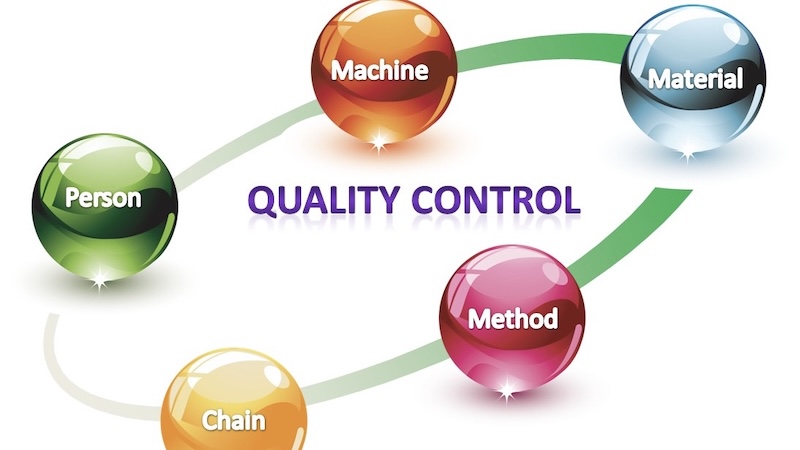
A factory social audit is a structured assessment of a manufacturing site’s labor and workplace practices against laws, buyer codes of conduct, and recognized standards. It reviews hiring, wages and hours, worker treatment, grievance channels, health and safety, and supporting records and interviews to confirm day-to-day practices match requirements.
Its core purpose is human-centered risk control, helping organizations verify alignment with social responsibility commitments and social compliance expectations.
Social audit and social compliance audit are often used interchangeably, but the difference is usually emphasis and scope. A social audit typically looks broadly at labor conditions and how management systems and worker voice function in practice.
A social compliance audit usually focuses on alignment with specific social compliance requirements (such as a brand code or program criteria) and may be framed more as pass/fail.
A compliance audit can also cover environmental, quality, security, or financial topics; not all compliance audits address labor. On-site methods often overlap: walkthroughs, document review, management interviews, and worker interviews.
The value of social audits is reducing risks that can disrupt production, create legal exposure, or harm workers. A strong audit assesses both outcomes and the systems that produce them.
Common goals include:
Verify real working conditions, not only written policies.
Identify legal and contractual risk early, including wages and hours, recordkeeping, discrimination and harassment controls, and health and safety.
Drive corrective action and prevention through findings and corrective action plans tied to root causes.
Factory social audits are commonly required by organizations accountable to consumers, investors, and regulators for ethical supply chains. Requirements often come from contracts, internal risk policy, or brand protection.
Typical drivers include:
Retailers and consumer brands seeking documented social compliance.
Public companies and investor-backed firms managing labor and human-rights risk.
Importers and sourcing organizations needing consistent social compliance audit evidence.
A serious labor issue can halt production, trigger disputes, or damage reputation. Credible audits and timely corrective actions help stakeholders decide on continued production, remediation, or escalation.
After clarifying what a factory social audit is and how it differs from a social compliance audit or a compliance audit, the next step is understanding the standards auditors use to judge performance. In practice, most social audits translate broad expectations into measurable checkpoints, so factories and brands can align on what “good” looks like.
The frameworks below are the most common reference points for social compliance in manufacturing. Even when a program is not “certified,” the audit criteria often map back to these standards and to client codes of conduct.
International Labor Organization (ILO) standards are a foundational reference for social audits because they describe widely accepted labor rights and working conditions principles. A factory social audit will often interpret these principles through site evidence: interviews, time records, wage documentation, safety walkthroughs, and management system checks. While the ILO does not “run” your social compliance audit, its conventions are frequently reflected in brand requirements and audit protocols.
In a factory setting, ILO-aligned topics commonly assessed during a social audit include:
Forced labor and human trafficking indicators: Auditors look for restrictions on worker movement, retention of identity documents, coercive recruitment practices, and fees that create debt bondage. A social compliance audit will typically require proof of voluntary employment terms and accessible grievance channels.
Child labor protections: Audits focus on age verification practices, apprentice and student worker safeguards, and remediation processes if underage work is identified. The expectation is a system that prevents recurrence, not just a one-time file check.
Freedom of association and collective bargaining: In the US context, auditors still evaluate whether workers can raise issues without retaliation, whether worker committees function credibly, and whether policies support lawful organizing activities.
Non-discrimination and respectful workplace: A factory social audit checks hiring, promotion, discipline, and termination practices for fairness, and evaluates harassment prevention training and complaint handling.
Working hours, wages, and benefits: Social audits compare payroll and timekeeping against legal requirements and stated policies, then test for consistency through worker interviews. The strongest social compliance programs also verify that overtime is voluntary where required and that pay practices are transparent.
For US-based factories, ILO concepts are typically applied alongside federal and state rules. The practical takeaway is that ILO standards help keep a social audit from becoming a narrow compliance audit that only checks a local legal box. They provide a rights-based baseline that buyers, auditors, and factories can share.
SA8000 and WRAP are two widely recognized frameworks that can shape how social compliance is evaluated in a factory social audit. They differ in structure and emphasis, but both aim to turn expectations into repeatable management practices rather than one-off fixes.
SA8000 is a certification standard focused on workplace conditions and management systems. In social audits aligned to SA8000, auditors typically examine not only outcomes (for example, accurate wage payments) but also the processes that keep outcomes stable over time. That can include internal complaint mechanisms, training, corrective action tracking, and how management reviews risks.
WRAP (Worldwide Responsible Accredited Production) is commonly used in apparel and sewn-product environments and evaluates lawful, ethical manufacturing with an emphasis on facility controls and documented procedures. A WRAP-aligned social compliance audit often includes a close look at:
Hiring and onboarding controls that prevent discrimination and unethical recruitment.
Time and payroll systems that can demonstrate accurate hours, overtime, and deductions.
Health and safety management such as machine guarding, chemical handling, and emergency preparedness.
Security and subcontracting controls to confirm the factory scope being audited matches what is actually produced on-site.
For factories deciding whether to pursue certification, it helps to view certification as a structured way to mature your social compliance program. Many buyers still require their own social audits even if a certification exists, but certifications can reduce friction by improving readiness and documentation quality. Either way, the day-to-day benefit comes from adopting the management-system mindset that makes a social compliance audit less disruptive over time.
Beyond global frameworks, most factory social audits are anchored to a brand or industry code of conduct. These codes often incorporate ILO concepts and local law, then add buyer-specific requirements for how compliance is demonstrated. In the US market, this matters because factories may be supporting retailers, consumer packaged goods companies, or regulated product categories that expect tighter controls.
Common examples of code-driven requirements that show up in a social audit include:
Stricter rules on working hours and rest than what the law alone requires, especially during peak production.
Enhanced documentation expectations such as written policies in languages workers understand, training records, and corrective action evidence.
Health and safety specifics tailored to the process, like lockout/tagout, powered industrial truck training, or chemical communication practices.
Rules on subcontracting and homeworking to ensure production stays within approved sites.
Expectations for responsible sourcing and due diligence that influence how a social compliance audit reviews recruitment, labor brokers, and worker-paid fees.
A useful way to think about codes of conduct is that they convert “what social” responsibility means for a particular industry into auditable requirements. They also explain why two compliance audit programs can look different at the same factory. To reduce audit fatigue, factories can create a crosswalk that maps each customer code to a single internal standard, then build one consistent set of procedures, records, and training that can satisfy multiple social audits with minimal rework.
The audit process defines how expectations are tested through records, interviews, and on-site observation.
Preparation confirms policies are practiced, not just written, and aligns scope and logistics. The goal is objective evidence that workplace practices meet legal requirements and the applicable code of conduct.
Use an internal self-assessment that mirrors the audit: document review, worker input, management interviews, and facility walk-through. Compile records in a consistent format covering the full audit period, not a recent snapshot.
Key pre-audit items include:
Payroll/time records with overtime calculations
Personnel files (including age verification where required)
Health and safety procedures and training logs
Plan access to shifts, break times, and all relevant areas. Clear scheduling reduces disruption and supports accurate findings.
Auditors triangulate three sources: what the facility documents, what workers and managers report, and what is observable on-site. Single records or interviews are not treated as sufficient on their own.
Document review checks completeness, consistency, and alignment with legal/code requirements. Auditors typically sample records to identify patterns such as time/pay mismatches or missing documentation.
Worker interviews are confidential and focus on wages, hours, treatment, and grievance access without retaliation. Management interviews confirm responsibilities, implementation steps, and how exceptions are controlled.
Site inspection covers production areas, warehouses, break areas, restrooms, and medical/first-aid spaces. Health and safety checks focus on physical controls, emergency readiness, chemical management, PPE availability, and whether practice matches logs and training records.
Nonconformities are documented with clear evidence tied to specific requirements. This supports targeted corrections rather than vague commitments.
Post-audit work converts findings into a corrective action plan (CAP) with owners, deadlines, and verification. Findings are often prioritized by severity, especially for worker safety, wages, and legal exposure.
A useful CAP states root cause, corrective steps, and the evidence that will confirm closure. Controls should be embedded into normal operations through internal checks and accountability.
Follow-up may involve evidence review, targeted re-audits, or verification in the next cycle based on program rules and finding severity. Treat follow-up as a management system process to reduce repeat findings.

After the audit team completes document review, interviews, and site walkthroughs, the next step is synthesizing findings into consistent evaluation buckets. In a factory social audit, auditors do not simply note issues; they test whether day-to-day practices align with written policies and legal requirements.
Although programs label them differently, most social audits assess five recurring categories of social compliance. Three of the most scrutinized areas in a social compliance audit are working hours and compensation, health and safety, and prevention of child labor and forced labor. These categories often drive the highest-risk findings in a compliance audit because they are measurable, traceable in records, and directly tied to worker well-being.
In a social audit, working time and pay practices are evaluated by triangulating time records, payroll, production schedules, and worker interviews. Auditors look for evidence that policies are implemented consistently across departments and shifts, not only during peak production.
Key checkpoints in a factory social compliance audit typically include:
Timekeeping integrity and overtime controls: Whether time records match shift patterns, badge logs, or machine start times, and whether off-the-clock work is prevented. Auditors also check if overtime is voluntary where required by the applicable standard and whether approval practices create hidden pressure.
Wage calculations and pay transparency: Whether base pay meets legal requirements, whether overtime premiums are correctly applied, and whether pay statements are understandable. The compliance audit will often test sample pay periods end-to-end, from hours worked to gross pay, deductions, and net pay.
Deductions, fees, and withholdings: Whether deductions are lawful, documented, and consented to when necessary. Red flags include unexplained charges for uniforms, tools, housing, transportation, or “administrative” fees that reduce take-home pay.
Benefits administration and earned leave: Whether eligibility is documented, accruals are accurate, and leave is taken without retaliation. Auditors may compare HR rosters, benefit enrollments, and payroll codes to spot inconsistencies.
Timely and accessible wage payment: Whether wages are paid on the promised schedule and through accessible methods. In US-based examples, workers may be paid via direct deposit, pay cards, or checks, while administrative fees tied to accessing wages can still be scrutinized under social compliance expectations.
A practical example auditors commonly test is a “busy month” scenario: if the factory reports a surge in output, the social compliance audit team will often pull timecards and payroll from that same period to see whether overtime, breaks, and premiums were handled correctly.
Health and safety is assessed through direct observation and documentation, because conditions on the floor can diverge from written procedures. In a factory social audit, auditors typically start with life-safety essentials and then evaluate broader occupational health controls.
Auditors commonly examine:
Emergency preparedness and life safety: Clear and unobstructed exits, posted evacuation routes, functional alarms, and documented drills. They also look for locked or blocked egress and improper storage in exit pathways.
Machine safety and guarding: Evidence that guards are installed and used, lockout/tagout procedures are understood, and maintenance records show routine inspection. Interviews may test whether workers can stop equipment safely and report defects without retaliation.
Chemical safety and hazard communication: Proper labeling, safety data access, and training for handling, storage, and spills. If a factory uses cleaners, adhesives, or coatings, auditors will check whether PPE is appropriate and available in the right sizes.
Ergonomics, heat, and general workplace conditions: Adequate ventilation, lighting, housekeeping, and potable water access. When heat is a realistic exposure, auditors focus on practical controls like hydration access and rest breaks rather than relying on broad claims.
Medical response and incident management: First-aid readiness, injury logs, and whether corrective actions follow incidents. A social audit will often check that near-miss reporting is encouraged and trends are reviewed.
From a US audience perspective, it helps to think of this category as verifying that safety controls are not only designed, but maintained across shifts and staffing changes. A recurring social compliance issue is “paper compliance,” where training records look complete but workers cannot describe procedures or locate emergency equipment during interviews.
This category evaluates whether the factory can reliably prevent underage work and any form of coercion. In social audits, auditors review policies, hiring workflows, and worker files, then validate implementation through interviews and floor observations.
For child labor prevention, a social compliance audit typically checks whether the factory:
Verifies age using credible documentation and retains records securely
Defines and applies rules for young workers, including restricted tasks and working hour limits where applicable
Trains hiring managers and supervisors on age verification and escalation steps
For forced labor prevention, the compliance audit looks for indicators that workers can leave employment freely and control their personal documents and wages. Common checkpoints include:
No retention of identity documents: Workers should keep passports, IDs, or immigration documents unless a narrow, voluntary, and well-documented process exists.
No recruitment-related debt pressure: Auditors examine whether workers paid fees to obtain jobs and whether any repayment is deducted from wages in a way that creates dependency.
Freedom of movement and resignation: Policies and practice should allow workers to resign with reasonable notice and without penalties that function as coercion.
Clear, understandable contracts: Terms should match what workers report in interviews, including pay, hours, and deductions.
In a factory social audit, these controls are tested through confidential interviews because forced labor indicators often surface in worker experience rather than formal records. Auditors will also check whether grievance channels exist and whether workers trust them. If workers report they cannot raise issues without retaliation, the social responsibility system is considered weak even when policies look strong.
Transitioning to the remaining categories, these three pillars are often where the most visible risk appears. The next areas auditors evaluate build on the same logic: verify management systems and worker voice, then confirm the factory can sustain social compliance between audit cycles.
Choose based on the decision and the confidence stakeholders require. Self-audits drive operations; third-party audits add credibility.
Internal audits are best for continuous improvement and fast follow-up. They work when the objective is internal decision-making and the team is trained and independent.
Internal audits work best with:
Clear standards and evidence rules.
Independence from the area audited.
Documented corrective action discipline.
Use internal audits after changes (new timekeeping, shift patterns, added weekend work) to catch issues quickly. Speed matters more than certification.
Third-party verification helps when independence, trust, and comparability matter. It reduces concerns about “marking your own homework” and adds standardized methods.
Third-party audits are most useful when:
After you have organized documents, trained interviewees, and walked the floor with your internal prep checklist, the next step is making sure the lessons stick. The point of a factory social audit is not just to "pass" audit day, but to build repeatable habits that hold up under real-world scrutiny.
A strong factory social compliance program is easiest to manage when you treat each social compliance audit as both a test and a feedback loop. That mindset helps you move from last-minute fixes to stable controls that reduce risk, improve working conditions, and make future social audits faster and less disruptive.
Keep the audit scope clear and consistentA common cause of confusion in social audits is inconsistent scope: which buildings, shifts, dorms (if any), subcontracted processes, and labor providers (if used) are in scope for the social compliance audit. Define your scope in writing, align it with your policies, and keep a site map and headcount snapshot ready for the auditor. When teams understand what the compliance audit will review, they can maintain the right records daily instead of scrambling right before the audit.
Treat documentation as operational evidence, not paperworkIn a factory social audit, auditors look for evidence that your processes work in practice. Prioritize records that show repeatability: time records that match payroll, training sign-in sheets tied to relevant roles, incident logs that show corrective action, and proof that policies are communicated to workers in a language they understand. If your documentation is clean but daily practice is inconsistent, social compliance breaks down quickly in worker interviews and in floor observations. Conversely, strong daily practices supported by simple, accurate records tend to hold up even when auditors ask follow-up questions.
Worker interviews succeed when trust and consistency exist before audit dayMany factories focus on coaching workers for a social compliance audit, but the better approach is building a culture where workers do not fear retaliation. Make sure your grievance channels are visible, usable, and tracked with outcomes, and confirm that supervisors understand non-retaliation expectations. When workers can describe normal overtime practices, pay accuracy, safety routines, and complaint resolution in their own words, it supports social responsibility without turning interviews into rehearsed scripts. This is also where people often ask "what social audits are"; a simple answer is that social audits are structured reviews of labor and workplace practices using documents, observations, and interviews.
Corrective action is the real test of social complianceA factory can still earn findings in a social audit even when intent is good. What matters is whether you respond with a practical corrective action plan that addresses root cause, assigns owners, and sets realistic dates. Keep the plan short and usable: what will change, who will do it, how you will verify it worked, and how you will prevent recurrence. In a mature social compliance system, corrective actions are tracked like any other operational KPI, and the next social compliance audit checks whether the fix was sustained.
Common themes to monitor between auditsBelow is a focused checklist you can use monthly or quarterly to stay audit-ready. It helps convert the one-time push to pass a compliance audit into a routine that supports ongoing social compliance.
| Area | What to check regularly | Why it matters in a social audit |
|---|---|---|
| Working hours | Timecards vs. production logs; overtime approvals; rest day records | Inconsistent hours are easy to spot and often trigger deeper review in social audits |
| Wages & deductions | Payroll accuracy; deduction authorization; pay stub clarity | Wage issues are high-impact findings in a social compliance audit |
| Health & safety | PPE availability; machine guards; emergency exits unobstructed | Floor observations can confirm or contradict your written program in a factory social audit |
| Grievances | Channel visibility; case tracking; non-retaliation reminders | Interview credibility improves when workers see issues resolved |
| Training & communication | New hire onboarding; role-based training; policy posting | Demonstrates that social responsibility expectations are implemented, not just written |
Keep your focus on the factory floor: consistent records, credible interviews, and sustained corrective action are the fastest path to steady social compliance. When those fundamentals are in place, each social audit becomes less about surprises and more about continuous improvement.
Q1: What is a factory social audit?
A factory social audit is a structured, evidence-based review of working conditions, labor practices, and management systems within a manufacturing facility. It goes beyond checking paperwork to examine how policies are actually implemented on the factory floor, how supervisors are trained, and whether workers can safely raise concerns. Social audits help organizations verify that suppliers and manufacturing partners comply with labor standards, internal codes of conduct, and applicable regulations. The process typically includes document reviews, worker interviews, facility walkthroughs, and management system assessments to identify labor and safety risks before they become urgent, expensive problems.
Q2: Why do companies conduct social compliance audits?
Companies conduct social compliance audits to verify that their suppliers and manufacturing partners meet labor standards and ethical expectations. These audits help identify hidden risks such as excessive working hours, unsafe conditions, underpayment, or discrimination that may not be visible during casual facility tours. For organizations focused on ESG (Environmental, Social, and Governance) commitments, social audits provide documented evidence of due diligence. They also protect brand reputation, reduce supply chain disruptions, ensure regulatory compliance, and demonstrate to stakeholders that the company takes worker welfare seriously. Ultimately, social audits turn 'trust but verify' from a motto into an actionable process.
Q3: What does a social audit typically examine?
A comprehensive social audit examines multiple aspects of factory operations. Key areas include working hours and overtime practices, wage payment systems and record-keeping, health and safety conditions and equipment, freedom of association and worker representation, disciplinary practices and grievance mechanisms, hiring practices and employment contracts, child labor and forced labor protections, and discrimination and harassment policies. Auditors review documentation, conduct confidential worker interviews, inspect dormitories if applicable, observe production areas, and assess whether management systems effectively implement stated policies. The goal is to evaluate whether day-to-day reality on the factory floor aligns with written standards and legal requirements.
Q4: How often should factories undergo social audits?
The frequency of social audits depends on several factors including the factory's risk profile, past audit performance, industry requirements, and buyer expectations. High-risk facilities or those with previous non-compliance issues may require audits every 6-12 months. Factories with strong compliance track records might be audited annually or every 18-24 months. Many brands and retailers have specific audit schedules outlined in their supplier agreements. Additionally, unannounced audits may be conducted periodically to get a more accurate picture of day-to-day conditions. Regular follow-up audits are essential to verify that corrective actions have been implemented and sustained over time.
Q5: What happens after a social audit identifies issues?
When a social audit identifies non-compliance issues, the factory typically receives a detailed report outlining findings with severity classifications (critical, major, or minor). The factory must then develop a Corrective Action Plan (CAP) with specific remediation steps and timelines. The buyer or auditing organization usually reviews and approves this plan. Follow-up verification, either through document review or re-audit, confirms that corrections have been implemented. Critical issues like child labor or severe safety hazards may require immediate action and could result in order suspension until resolved. The process emphasizes sustainable improvement rather than punishment, though repeated failures may lead to business relationship termination.
The FAQ likely clarified what social audits are and how a factory social audit works in practice. To close, it helps to pull the guidance together into a simple, repeatable approach you can use the next time you plan, host, or follow up on an assessment.
A strong factory social compliance program is not a one-time event. It is an operating discipline that connects your policies to what actually happens on the production floor, in time records, in payroll, and in worker communication. A well-scoped social audit helps validate that connection by checking whether systems are designed well, implemented consistently, and understood by supervisors and workers.
In the US context, the most effective social compliance audit results are achieved when the factory treats the visit like a learning cycle rather than a pass or fail exam. That means preparing complete documentation, making managers available to explain processes, and maintaining worker access to safe reporting channels. It also means acting quickly on corrective actions and verifying that fixes hold up over time.
Because many factories already run quality, safety, or security reviews, it can be useful to treat a compliance audit as complementary rather than separate. Where quality audits focus on product conformity, a social compliance audit focuses on workplace practices such as hours, wages, health and safety controls, and respectful treatment. When those systems are aligned, the factory spends less time chasing paperwork and more time preventing issues from recurring.
If you want a practical way to stay ready for future social audits, focus on a short set of habits that reduce last-minute risk while improving working conditions:
Keep core records audit-ready year-round. Timekeeping, payroll, age documentation, training logs, safety inspections, and incident records should be complete, consistent, and easy to retrieve by date range. Avoid backfilling records just for a social audit, because inconsistencies often create more questions than they solve.
Reinforce supervisor practices that match written policy. Many social compliance findings come from gaps between policy and day-to-day decisions, such as break coverage, overtime approvals, or disciplinary actions. Routine coaching and clear escalation paths help operations stay compliant under real production pressure.
Maintain safe worker voice mechanisms. Worker interviews are central to social audits are designed to test whether policies are real. Ensure workers know how to raise concerns without retaliation and that reports are logged, investigated, and closed with documented outcomes.
Treat corrective action as project management. Assign owners, deadlines, and evidence requirements for each item, then verify effectiveness after implementation. This is where a social compliance program matures from documentation to prevention.
Validate claims before communicating them. If your factory makes health or wellness claims in training materials or postings, confirm they are accurate and do not imply medical benefits without appropriate support, especially where communications could be interpreted through an FDA-regulated lens.
Finally, remember that the purpose of a factory social compliance audit is broader than a report. It is to reduce operational and reputational risk while building a workplace that can sustain quality output and stable staffing. When you understand what social compliance requires, prepare records and people accordingly, and follow through on corrective actions, the audit becomes a practical tool for continuous improvement rather than a disruption.
By keeping social compliance embedded in everyday management routines, each social audit becomes more predictable, less stressful, and more useful. Over time, consistent performance across social audits supports a culture of social responsibility that workers can recognize and leadership can measure through clear, repeatable controls.
 English