



In the intricate and hyper-competitive arena of global commerce, the traditional pillars of business success—product innovation, marketing prowess, and customer service—are no longer sufficient on their own. A fourth, often underestimated, pillar has emerged as a critical determinant of long-term viability and growth: the resilience, agility, and efficiency of the supply chain. At the very core of a high-performing supply chain lies a strategic discipline that separates market leaders from the rest: effective supplier relationship management (SRM). This is not merely about procurement; it is about partnership. It signifies a fundamental shift from a transactional, often adversarial, buyer-seller dynamic to a collaborative, value-driven alliance. For enterprises engaged in international trade, particularly those sourcing from the world's manufacturing powerhouse, China, mastering the art and science of relationship management in procurement is the definitive factor in navigating complexity, mitigating risk, and unlocking sustainable competitive advantage. A sophisticated approach to the relationship in supply chain transforms procurement from a tactical cost center into a potent engine for strategic growth, innovation, and market dominance.
This comprehensive guide will explore the multifaceted practices that constitute world-class supplier relationship management. We will dissect the strategic frameworks, operational mechanics, and cultural nuances required to build and sustain powerful supplier partnerships. By understanding and implementing these practices, your organization can fortify its supply chain, enhance its product offerings, and build a more resilient and profitable business for the future.
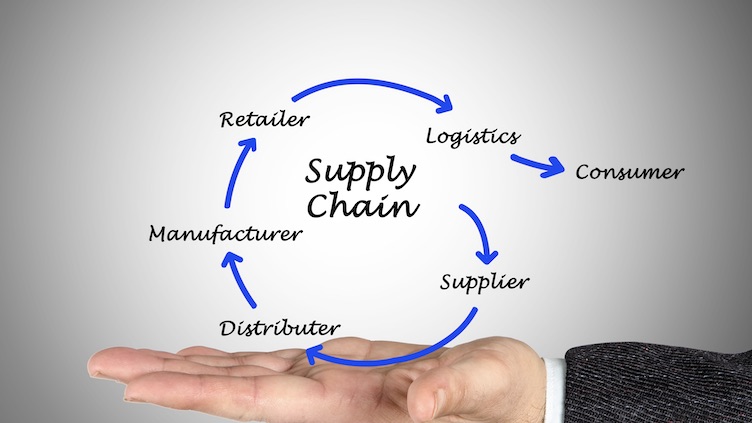
For decades, many procurement departments operated under a single, overriding directive: reduce costs. This often led to aggressive negotiation tactics, frequent supplier switching, and relationships that were purely transactional. The modern business landscape, however, has exposed the profound flaws in this short-sighted approach. Geopolitical tensions, trade policy upheavals, pandemics, and climate-related disruptions have demonstrated with brutal clarity that the cheapest supplier is not always the best-value partner. Companies that treated their suppliers as interchangeable commodities found themselves at the back of the line for critical capacity, while those that had invested in strong, collaborative relationships discovered their partners willing to go the extra mile to ensure supply continuity. This has elevated procurement supplier relationship management from a back-office function to a strategic boardroom conversation.
The business case for a strategic investment in SRM is clear and compelling, extending far beyond simple risk mitigation. It is a driver of holistic business value across several key dimensions:
Evolving from Price to Total Cost of Ownership (TCO)
A myopic focus on unit price is a dangerous trap. Effective SRM champions a shift to evaluating the total cost of ownership, a far more insightful metric. TCO encompasses the entire lifecycle of costs associated with a purchase, including:
Acquisition Costs: The initial purchase price, negotiation costs, and transportation fees.
Operating Costs: The cost of holding inventory (warehousing, insurance, capital cost), costs related to poor quality (inspections, scrap, rework, warranty claims), and administrative overhead.
End-of-Life Costs: Disposal, recycling, or costs related to product returns.
A strong supplier relationship can dramatically lower TCO. For example, a reliable supplier with consistent quality reduces inspection and rework costs. A supplier willing to hold inventory or offer flexible delivery schedules can lower your warehousing expenses. This holistic view reveals that a slightly more expensive supplier who excels in quality and reliability can often be the most cost-effective partner in the long run.
Your suppliers are specialists in their fields. They possess deep knowledge of materials, manufacturing technologies, and process efficiencies that your own organization may lack. Treating them as mere order-takers leaves this vast reservoir of potential innovation untapped. A core practice of advanced relationship management in procurement is early supplier involvement. This means bringing your strategic suppliers into the product development process at the earliest stages. By collaborating on design, they can provide critical feedback on:
Design for Manufacturability: Suggesting design tweaks that make a product easier, faster, and cheaper to produce without sacrificing quality.
Material Innovation: Recommending alternative or new materials that could improve performance, reduce weight, or lower costs.
Technology Access: Providing access to their own R&D capabilities and technology roadmaps, allowing for joint development of next-generation products.
This collaborative approach accelerates speed-to-market, reduces development costs, and results in a superior final product.
In the age of social media and instant online reviews, a single quality failure can inflict lasting damage on a brand's reputation. A strong supplier partnership is one of your most effective defenses. It fosters a shared culture of quality. When suppliers feel valued and secure in the relationship, they are more likely to invest in robust quality management systems, proactively identify potential issues, and be transparent when problems do occur. This contrasts sharply with a transactional relationship where a supplier, fearing penalty or loss of contract, might be tempted to hide defects. A core tenet of effective supplier relationship management is building a foundation of trust where problems can be solved collaboratively, not punitively, leading to consistently higher quality and stronger brand equity.
Modern supply chains are vulnerable to the "bullwhip effect," where small fluctuations in retail demand are amplified into massive swings in orders further up the supply chain, causing chaos in inventory and production planning. A close, transparent relationship with suppliers is the most effective antidote. By sharing demand forecasts, sales data, and strategic plans, you can help your suppliers plan their own capacity and material procurement more effectively. This shared visibility dampens the bullwhip effect and creates a more agile relationship in supply chain. When faced with unexpected disruptions, a supplier with whom you have a strong partnership is far more likely to be flexible, prioritize your orders, and work creatively to find solutions, turning a potential crisis into a manageable challenge.
An effective SRM strategy must be intrinsically linked to your company's overarching business goals. If your strategy is cost leadership, your SRM program will focus on efficiency and TCO reduction. If you compete on innovation, it will prioritize co-development with strategic suppliers. This alignment ensures that your procurement relationship management efforts are not just an operational activity but a direct contributor to your strategic success.
One of the most fundamental principles of effective supplier relationship management is the recognition that not all suppliers are created equal. A one-size-fits-all approach to relationship management is inefficient, wasting valuable resources on low-impact suppliers while neglecting the strategic partnerships that truly drive the business forward. The cornerstone of a strategic SRM program is, therefore, supplier segmentation: a systematic process of categorizing suppliers to apply differentiated management strategies.
The most widely respected model for this is the Kraljic Matrix. Developed in 1983, its strategic relevance has only intensified over time. The matrix segments suppliers into four categories based on two critical dimensions: Profit Impact (the supplier's impact on the company's bottom line) and Supply Risk (the complexity and risk associated with the supply market).
These are your most vital partners, the crown jewels of your supply base. They provide goods or services that are critical to your product's functionality or your company's profitability, and there are few, if any, alternative sources of supply.
Example for a Smartphone Company: The supplier of the custom-designed central processing unit. A disruption would halt all production and is a core differentiator.
Relationship Goal: Forge a deep, collaborative, long-term partnership built on mutual trust and shared destiny.
Management Approach: This is where you invest the most significant relationship capital. The approach includes executive-level sponsorship and engagement, joint strategic business planning, shared technology roadmaps, co-investment in new capabilities, and complete transparency. The goal is to create a seamless extension of your own enterprise, where the relationship in supply chain is so strong that both parties operate as one team.
These suppliers are commercially important, representing a significant portion of your spend, but they operate in a competitive marketplace with plenty of qualified alternatives. This gives you leverage as the buyer.
Example for a Smartphone Company: The supplier of standard DRAM or NAND memory chips. These components are critical and high-spend, but are largely commoditized with multiple global suppliers.
Relationship Goal: Maximize value for money and optimize the total cost of ownership.
Management Approach: The focus here is on professional, data-driven procurement. Strategies include leveraging your volume through competitive bidding, regular e-auctions, and negotiating favorable contracts. While the relationship should be professional and fair, the primary driver is optimizing your commercial advantage.
These suppliers provide items that may have a low financial value but pose a high risk of disruption. They might be the sole source for a specific, low-cost but essential part. The absence of this small part could bring a multi-million dollar production line to a standstill.
Example for a Smartphone Company: The manufacturer of a proprietary, uniquely shaped connector. It costs pennies, but only one supplier is tooled up to produce it, and without it, the phone cannot be assembled.
Relationship Goal: Assure supply continuity and mitigate risk. The primary objective is simply to ensure you get the part when you need it.
Management Approach: The strategy is defensive. It involves securing long-term supply contracts, holding strategic buffer stock, actively seeking and qualifying alternative or substitute materials, and maintaining a good working relationship to ensure you are considered a "customer of choice" should supply become constrained.
This category encompasses suppliers of low-value goods and services that are easy to source from a multitude of vendors. Think office supplies, standard fasteners, or janitorial services.
Example for a Smartphone Company: The supplier of cleaning supplies for the corporate office.
Relationship Goal: Maximize process efficiency and minimize the administrative burden.
Management Approach: The key here is automation and simplification. The goal of relationship management in procurement for this quadrant is to spend as little time as possible. This involves implementing e-catalogs, procurement cards, and automated purchase order systems. The focus is on streamlining the procure-to-pay process to free up the procurement team for more strategic activities.
By thoughtfully segmenting your supplier base, you can tailor your approach, ensuring that your most valuable resources—time, talent, and executive attention—are focused on the relationships that truly matter. This structured approach is the foundation upon which all other SRM practices are built.

"What gets measured, gets managed." This timeless business axiom is the operational heart of effective supplier relationship management. Without objective, data-driven performance metrics, supplier management descends into a series of subjective conversations based on anecdotes and gut feelings. A robust performance management system provides clarity, fosters accountability, and creates a factual basis for continuous improvement.
A comprehensive supplier scorecard moves beyond the traditional metrics of price and on-time delivery. It provides a holistic, 360-degree view of a supplier's performance, capturing the total value they bring to the partnership. This balanced scorecard should be built around several key categories:
Quality Performance: This is the non-negotiable foundation.
- Defect Rate: Parts Per Million (PPM) defective is a standard measure of outgoing quality.
- Incoming Acceptance Rate: The percentage of shipments that pass your incoming quality inspection without issue.
- Cost of Poor Quality: A powerful metric that quantifies the total financial impact of quality failures, including rework, scrap, warranty claims, and administrative time spent resolving issues.
Delivery & Logistics Performance:
- On-Time Delivery: The percentage of orders that arrive on the agreed-upon date.
- Lead Time Accuracy & Variance: Measures the supplier's ability to consistently meet their quoted lead times, which is critical for your own production planning and inventory management.
Commercial Performance:
- Cost Savings/Avoidance: Tracks the supplier's contribution to your cost reduction goals through negotiated price decreases, process improvements, or value engineering proposals.
- Payment Term Compliance: Measures adherence to agreed-upon payment schedules.
- Invoice Accuracy: The percentage of invoices that are correct on the first submission, reducing administrative rework.
Service, Responsiveness & Collaboration:
- Responsiveness: Measures the time it takes for a supplier to respond to inquiries, quotes, or corrective action requests.
- Innovation Contribution: For strategic partners, this tracks the number and quality of new ideas, technologies, or process improvements they bring to the table.
The scorecard data is not meant to be used as a weapon. It is the basis for a constructive, collaborative conversation. The cadence and format of these reviews should be tailored to the supplier segment.
Strategic Partners: Require quarterly business reviews attended by senior executives from both organizations. A typical agenda includes: a review of the past quarter's scorecard, a discussion of strategic alignment and market trends, a deep dive into the joint innovation pipeline, a forward-looking risk assessment, and the development of a joint action plan for the next quarter.
Leverage & Bottleneck Partners: Benefit from monthly or quarterly operational reviews with key day-to-day contacts. These are more tactical, focusing on recent performance data, resolving current issues, and reviewing near-term forecasts.
Non-Critical Partners: Performance is typically managed by exception. Formal reviews are only held if performance drops below an acceptable threshold.
A successful review is a two-way dialogue. It's a chance to provide feedback, but also to ask, "How can we be a better customer? What can we do to help you perform even better?" This transforms the dynamic from a critique into a problem-solving session.
The pinnacle of a mature SRM program is not just monitoring suppliers, but actively developing them. Supplier development is the process of working collaboratively with strategic partners to improve their capabilities, which in turn enhances their value to you. This creates a virtuous cycle of improvement. A formal supplier development program might include:
Candidate Identification: Identifying strategic suppliers with high potential but specific performance gaps.
Joint Goal Setting: Collaboratively defining the goals of the development program.
Gap Analysis: Using tools like process mapping to identify the root causes of performance issues.
Implementation of Improvement Projects: Launching joint projects, such as implementing a new quality system, conducting Kaizen events to reduce waste, or training their staff in lean manufacturing principles.
Measurement and Gain Sharing: Tracking the results of the initiatives and, in some cases, sharing the financial gains that result from the improvements.
Supplier development is the ultimate expression of partnership. It demonstrates a long-term commitment and builds immense loyalty, cementing a powerful and resilient relationship in supply chain.
Applying the principles of SRM in a global context, particularly when sourcing from China, adds layers of complexity that require a more nuanced and deliberate approach. The vast distances, cultural differences, legal systems, and sheer scale of the market make procurement relationship management both more challenging and more critical.
The first step in any sourcing journey is finding and qualifying the right partner. This process must be meticulous.
Distinguishing Factories from Trading Companies: A common pitfall is engaging with a trading company that is posing as a factory. Telltale signs of a trading company include offering a vast and unrelated range of products, being unable to answer deep technical questions about production, and having a business license that specifies "trading" or "wholesale" rather than "manufacturing."
Due Diligence: This involves verifying business licenses with local authorities, checking quality certifications (like ISO 9001), and asking for financial statements to assess stability.
Factory Audits: A physical, on-site audit is non-negotiable for any strategic or bottleneck supplier. An audit assesses not just the machinery, but the management systems, quality control processes, working conditions, and true production capacity.
Sample Evaluation: Rigorously test product samples to ensure they can meet your technical and quality specifications before committing to a production order.
This vetting process is resource-intensive but is the single most important risk mitigation step you can take. For many companies, leveraging the expertise of an on-the-ground partner is the most effective way to manage this crucial phase. An experienced sourcing partner streamlines the process of sourcing products from China, connecting you with pre-vetted, reliable manufacturers and saving you from costly mistakes.
Your purchase contract is your primary legal protection. It must be clear, detailed, and, crucially, written in bilingual (English and Chinese) format and governed by Chinese law to be enforceable in China. A contract governed by US or European law is effectively useless in a Chinese court. Key elements include:
Detailed Product Specifications: Leave no room for ambiguity. Include all dimensions, materials, colors, components, and packaging requirements.
The NNN Agreement: Before sharing any sensitive information, have the potential supplier sign a Non-Disclosure, Non-Use, Non-Circumvention (NNN) agreement. This is far superior to a Western NDA. It contractually prevents them from using your IP for any other purpose, producing your product for themselves, or selling it to your competitors.
Official Company Chops: Ensure the contract is executed with the supplier's official red company seal, or "chop." In China, the chop is often more legally significant than a signature.
Payment Terms: A standard structure is 30% upfront and 70% after the goods have passed a pre-shipment inspection. Avoid paying 100% in advance.
Penalties: Include clear clauses for production delays or failure to meet quality standards.
The 3-Tiered Quality Control Fortress
Managing quality from thousands of miles away requires a systematic, multi-stage approach:
Pre-Production Inspection: Before mass production begins, an inspector visits the factory to verify that the raw materials and components match your specifications and that the factory's team understands the production requirements.
During Production Inspection: When 5-20% of the production run is complete, the inspector returns to check the first finished products against your specs. This catches any systemic issues early, before the entire batch is produced incorrectly.
Pre-Shipment Inspection: This is the final and most critical check. When the order is 100% complete and at least 80% packed, an inspector conducts a random sampling of the finished goods based on established statistical standards (AQL). This is your last chance to find and fix any issues before the products are shipped and paid for.
For small and medium-sized enterprises, managing the complexities of a global procurement supplier relationship management program can be overwhelming. A professional sourcing company acts as your boots-on-the-ground team, an extension of your own procurement department. A dedicated partner like Maple Sourcing goes beyond simply finding factories. We manage the entire relationship lifecycle on your behalf—conducting audits, negotiating contracts, overseeing production, managing multi-stage quality control, and troubleshooting issues in real-time. We bridge the cultural and linguistic divides, ensuring clear communication and transforming a complex, high-risk process into a streamlined, secure, and strategic operation. By handling the executional complexities, we empower you to focus on your core business. This partnership model is the epitome of leveraging a strategic relationship in supply chain to drive business success. To learn more, explore our full range of sourcing services.
In conclusion, the journey to mastering effective supplier relationship management is a continuous, strategic, and profoundly transformative endeavor. It requires moving beyond the outdated, transactional mindset of traditional procurement and embracing a new paradigm of collaboration and partnership. The principles are clear: build a disciplined framework through segmentation and governance; manage the relationship with objective data through scorecards and performance reviews; and never lose sight of the human elements of trust, communication, and mutual respect that bring the framework to life.
In the globalized economy, and especially when sourcing from a dynamic and complex market like China, these practices are not just best-in-class—they are essential for survival and growth. A well-managed supplier base is more than a source of goods; it is a source of innovation, quality, resilience, and a formidable competitive advantage. By investing in the art and science of relationship management in procurement, you are not just building a better supply chain; you are building a better, more resilient, and more profitable future for your business.
Popular Topics you may be interested in:
 English