



What if your biggest cost advantage is not negotiating harder, but choosing the right sourcing path from the start? For many importers and eCommerce brands, working with Chinese wholesalers can unlock better unit pricing, broader product selection, and faster scaling. The catch is that lower prices alone do not guarantee better deals. Real value comes from balancing cost, consistency, communication, and risk.
This guide focuses on sourcing from China wholesalers in a practical, business-first way. Instead of treating procurement as a one-time price hunt, think of it as a repeatable system that protects margins over time. That is especially important when you are planning direct sourcing from China, where decisions about supplier type, order structure, and quality expectations can shape every shipment that follows.
A common mistake is assuming all Chinese wholesalers operate the same way. In practice, they vary widely in specialization, quality control standards, lead times, and willingness to support smaller test orders. Some are ideal for fast-moving catalog expansion, while others are better for stable, high-volume lines. Understanding those differences early helps you avoid costly restarts.
To approach this topic effectively, keep your objective simple: get the best total deal, not just the cheapest quote. In direct sourcing, that means evaluating a wholesaler across several factors before committing.
Commercial fit: Compare minimum order quantities, payment terms, sample policies, and price-break tiers to see whether the offer fits your cash flow.
Operational fit: Confirm production capacity, packaging options, and replenishment reliability so your inventory plan stays realistic.
Quality fit: Align on specifications, acceptable defect levels, and inspection checkpoints before purchase orders are finalized.
Communication fit: Test response speed and clarity early. Miscommunication in China direct sourcing often becomes expensive after production starts.
Scalability fit: Check whether the partner can support product line growth, private labeling, or seasonal volume shifts.
If you are in the research phase, a structured Chinese wholesalers review process is often more useful than rushing to request bulk quotes. Reviewing suppliers with the same checklist makes comparisons clearer and reduces emotional decision-making. It also creates a paper trail you can use when negotiating terms later.
Throughout this article, you will learn how to identify reliable China wholesalers, compare quotes without overlooking hidden costs, and negotiate terms that protect both margin and product quality. You will also see where direct sourcing works best, where intermediaries may still help, and how to set up a sourcing workflow you can repeat as your business grows.
The goal is straightforward: help you make smarter sourcing decisions that produce better deals not just on your next order, but across your entire procurement strategy.
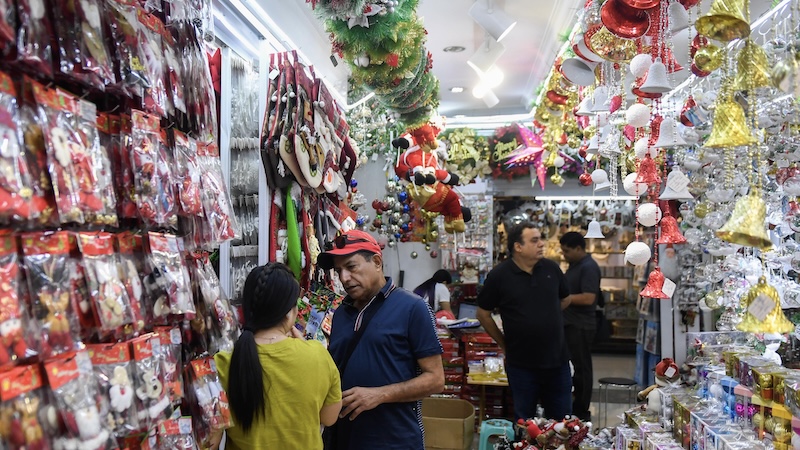
After an initial overview of sourcing, it helps to look at why so many buyers build their strategy around Chinese wholesalers in the first place. The value is not only lower unit cost. It is the combination of pricing flexibility, production depth, and smoother purchasing workflows that supports better deal-making over time.
For most buyers, the first advantage is margin room. China wholesalers often provide tiered pricing based on order volume, packaging format, and repeat purchase terms, which gives you several levers to improve landed cost without sacrificing quality. In practice, the best deals come from comparing total cost, not just unit price.
When evaluating reliable China wholesalers, check:
MOQ levels and how pricing changes at each quantity break
Packaging, labeling, and bundling fees
Payment term options such as deposit balance splits
Shipping method impact on per-unit cost and lead time
Defect handling terms that protect reorder profitability
A useful Chinese wholesalers review process should document these factors in one sheet so your team can compare offers side by side and negotiate from a clear baseline.
Another major advantage is manufacturing scale tied to broad product ecosystems. China wholesalers frequently operate within clusters where factories, component makers, and finishing services are close together. That setup can reduce coordination friction and support faster product iteration when you need new features, revised materials, or seasonal variations.
For growing businesses, this scale matters because you can test multiple SKUs without building a fragmented supplier base too early. You may source core items from one partner and adjacent variants from nearby producers under similar quality expectations. This makes direct sourcing from China more practical, especially when your catalog strategy depends on frequent refreshes and private-label customization.
Beyond price and selection, experienced buyers use Chinese wholesalers to simplify cross-border operations. Many wholesalers can coordinate documentation, consolidation, and export handling in ways that reduce process errors for first and repeat orders. This is where China direct sourcing becomes a business system rather than a one-off purchase.
To keep this advantage, align your purchasing plan with operational checkpoints: sample approval, production milestones, pre-shipment inspection, and delivery confirmation. Then connect those checkpoints to reorder triggers and sales forecasts. This approach keeps sourcing decisions tied to revenue goals, not isolated transactions.
As you refine your method, prioritize partners who support transparent communication, predictable lead times, and consistent execution. That discipline helps you secure better deals while building a supply chain that can scale with your business.
Strong pricing and broad product choice only create value when your partner can deliver consistently. To turn those earlier advantages into better margins and fewer disruptions, you need a repeatable process for identifying reliable China wholesalers before you place larger orders.
Online marketplaces are usually the fastest place to start a Chinese wholesalers review process, but speed can hide risk. Focus on supplier depth, communication quality, and operational proof rather than the lowest quote. Build a shortlist of China wholesalers using clear filters such as years in business, product specialization, response consistency, and willingness to share factory documentation.
Use a structured check before engaging:
Compare product detail quality across listings to spot trading companies versus true specialists.
Ask the same technical questions to multiple suppliers and evaluate clarity, not just response time.
Request sample terms, lead times, and packaging specs in writing.
Verify business licenses and export experience for your product category.
Start with a small paid test order before negotiating volume pricing.
This approach keeps China product sourcing practical and lowers avoidable mistakes.
Trade shows help you validate online impressions with in-person evidence. You can compare materials, finishes, and packaging side by side, which is difficult to do through listing photos alone. For buyers sourcing from Chinese wholesalers, events are useful for checking whether a supplier understands your quality standards, delivery expectations, and private-label needs.
To make events productive, arrive with a short supplier scorecard: product fit, minimum order quantity, quality control process, lead-time reliability, and communication quality. During meetings, ask how they handle defects, production changes, and rush timelines. After the event, continue with a documented follow-up process that includes sample approval and a pilot order. This turns trade show conversations into measurable sourcing decisions instead of informal promises.
When internal bandwidth is limited, a product sourcing agent/company can reduce execution risk and save procurement time. A qualified Product Sourcing Company can pre-screen factories, coordinate samples, and support price negotiations while keeping your specifications consistent across suppliers. This is especially useful when you are comparing multiple Chinese wholesalers across product categories.
Choose support partners with transparent fee structures, clear scope, and written quality checkpoints. Ask how they manage factory audits, inspection standards, and dispute handling. A strong partner should improve decision speed without removing your control over supplier approval. If your team needs a scalable workflow, a dedicated China product sourcing service such as a product sourcing company can help bridge research, validation, and purchase execution while keeping deal quality at the center.
After shortlisting partners through marketplaces, trade shows, and sourcing support, your leverage comes from how clearly you negotiate commercial terms. With Chinese wholesalers, the best price is rarely a single quote. It is the combined result of MOQ structure, tiered unit pricing, payment timing, and risk controls that protect both sides.
MOQ is not just a barrier. It is a planning variable that affects landed cost, inventory risk, and cash tied up in stock. Many China wholesalers set MOQs based on production setup time, material purchasing, and packaging runs, so asking for a lower MOQ without offering any trade-off often stalls discussions.
Use a structured approach during negotiation:
Ask for a full tier sheet, not one price. Request pricing at multiple breakpoints, such as 500, 1,000, and 3,000 units.
Separate tooling, packaging, and unit costs. This helps you compare offers from reliable China wholesalers on an equal basis.
Propose a mixed-SKU MOQ if product specs are shared. This can reduce slow-moving inventory while still meeting factory efficiency.
Offer a forecast and reorder plan. Predictable volume can justify better pricing even if your first order is smaller.
Confirm whether MOQs differ by customization level, because printed logos or custom parts usually increase minimums.
A practical negotiation mindset is to optimize total deal economics, not only the first shipment price. This aligns with best practice for China components sourcing, where repeatability and quality consistency matter as much as unit cost.
Payment terms directly influence your true procurement cost. A low quoted unit price from Chinese wholesalers can become expensive if terms create heavy prepayment pressure or expose you to quality disputes before shipment.
Start by clarifying standard terms, often a deposit with balance before shipment, then negotiate based on relationship stage and order history. Early orders may require tighter terms, but documented performance gives you room to request better conditions over time.
Focus discussions on practical safeguards:
Tie milestone payments to inspection points, such as pre-shipment quality checks.
Use clear proforma invoices with agreed specs, tolerances, and packaging details.
Match payment method to risk profile and order size, balancing speed, fees, and dispute options.
Explore trade financing through your bank when larger orders strain working capital.
Build a step-down plan, such as reduced deposit percentages after successful repeat orders.
For buyers comparing offers after a Chinese wholesalers review process, the winner is often the partner with balanced terms, not simply the lowest quote. In business terms, stronger payment structure improves cash flow predictability, lowers dispute costs, and supports stable scaling as order volume grows.
Strong pricing and workable payment terms protect your margin, but they do not protect your brand if the shipment arrives with defects. To get the best deals from Chinese wholesalers and keep those deals profitable, you need quality control rules that are written, timed, and enforced before goods leave the factory.
Pre-shipment inspection is your final quality checkpoint before balance payment and cargo release. In practice, an inspector visits the factory, checks finished units against your approved sample, and verifies packaging, labeling, quantity, and visible workmanship. For buyers working with China wholesalers, this step turns quality from a verbal promise into a documented decision point.
Set inspection criteria in advance: acceptable defect levels, critical fail conditions, carton drop expectations, barcode placement, and carton count tolerances. Share these requirements in your purchase order and inspection brief so both the wholesaler and inspector use the same standard. If results fail, require corrective action and a reinspection before shipment. This process reduces expensive returns, customer complaints, and rushed after-sales fixes.
Samples are not just for appearance checks. They are your baseline for material quality, dimensions, fit, function, and packaging durability. Request at least one "golden sample" approved by your team and keep its specification sheet on file. When possible, compare production samples from different lots, not only one hand-picked unit.
Create a simple testing protocol tied to real use: measure key dimensions, test moving parts repeatedly, verify color consistency under normal lighting, and perform basic packaging stress checks. For higher-risk categories, use third-party lab testing before scaling volume. This discipline helps you identify whether reliable China wholesalers can repeatedly meet your standards rather than pass one-time sample reviews. It also strengthens your Chinese wholesalers review process with objective pass/fail records.
Negotiation outcomes should be reflected in contract language, not left in chat threads. Your purchase agreement should define product specifications, inspection rights, defect remedies, delivery windows, packaging standards, and penalties for non-conforming goods. Include clear terms for rework, replacement, refund paths, and who pays for corrective logistics.
Use plain, unambiguous wording and attach technical appendices such as artwork files, bill of materials details, and testing checklists. For Chinese wholesalers, a contract is most useful when it connects payment milestones to inspection outcomes and document submission. In commercial terms, this lowers preventable risk, supports dispute resolution, and preserves the value of your negotiated price. Over time, these protections help separate reliable partners from high-risk vendors and improve long-term sourcing consistency.
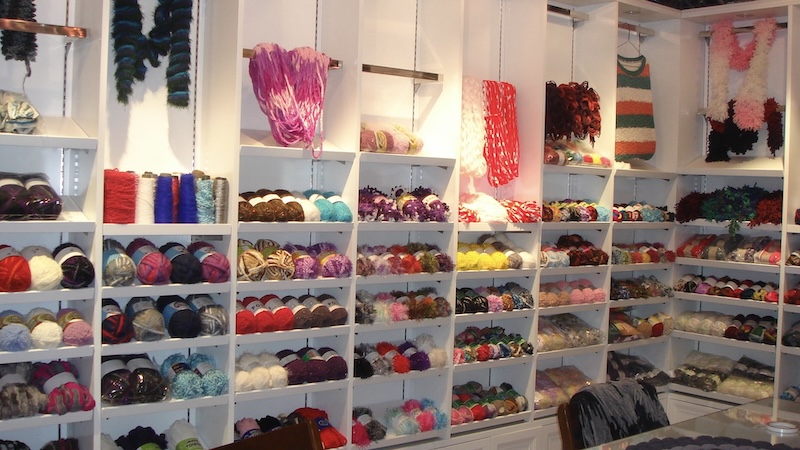
Strong inspection results and clear contracts reduce product risk, but your margin can still disappear during transit and import. To get the best deals from Chinese wholesalers and China wholesalers, you need a shipping plan that is as disciplined as your sourcing process.
Freight mode changes both unit economics and inventory risk. Air freight is faster and useful for small, high-value, or urgent replenishment orders, but it usually carries the highest per-unit transport cost. Ocean freight lowers cost per unit for larger volumes, yet lead times are longer and planning errors are more expensive. Rail and express courier can fit niche cases, depending on destination and shipment profile.
When comparing quotes from reliable China wholesalers, ask for side-by-side terms on the same order assumptions:
Shipment volume and chargeable weight
Incoterm used for pricing responsibility
Transit time range, not a single promised day count
Included and excluded surcharges
Port or final-mile handling assumptions
This keeps your comparison clean and avoids accepting a cheap headline rate that becomes expensive after add-ons.
Customs delays often come from mismatched paperwork, not transport failure. Align your documents before cargo moves: commercial invoice, packing list, bill of lading or airway bill, and product classification details should match exactly on product description, quantity, and declared value. If a wholesaler uses inconsistent naming between sample stage and shipment stage, request correction before departure.
For buyers working with multiple China wholesalers, build a simple document checklist and require each seller to submit files in one standard format. That standardization makes broker handoff faster and reduces costly holds. It also supports your Chinese wholesalers review process, because documentation quality becomes a measurable performance signal, not just a shipping admin task.
The best unit price is not always the best deal. Total landed cost includes product price, freight, insurance, duties, taxes, customs brokerage, port charges, and inland delivery. Add expected quality-loss allowance and carrying cost when lead times are long. This gives a truer margin forecast before you commit to a reorder.
A practical method is to model two to three shipping scenarios per SKU, then compare landed cost per sellable unit and cash tied up in transit. For example, a lower ocean rate may still underperform if it forces larger purchase batches and slower inventory turns. By connecting landed-cost math to reorder timing, you can negotiate smarter with Chinese wholesalers and prioritize partners that protect both price and operational reliability.
After covering freight choices, customs paperwork, and landed-cost math, the core lesson is that shipping efficiency only delivers value when your sourcing model is disciplined from the start. In practice, the strongest results come from pairing pricing leverage with supplier controls so your total cost stays predictable, not just your unit quote.
Treat price as a full-structure decision, not a single number. With Chinese wholesalers and China wholesalers broadly, better deals usually come from balancing MOQ, payment terms, quality thresholds, and delivery reliability. Lower headline pricing can lose its advantage if rework, delays, or compliance gaps add downstream costs.
Use scale intelligently to secure cost savings and competitive pricing structures. The main advantage of reliable China wholesalers is access to manufacturing depth and broad product variety, which can improve negotiation position. The key is aligning order volume with real demand so pricing gains are not offset by excess inventory or cash-flow pressure.
Keep direct sourcing from China tied to margin control. Whether you call it direct sourcing from China or China direct sourcing, the objective is tighter visibility across quoting, production, inspection, and logistics. This reduces hidden markups and helps convert negotiated prices into dependable landed margins.
Prioritize consistency over one-time discounts in any Chinese wholesalers review process. A useful Chinese wholesalers review framework compares repeat-order performance, communication quality, documentation accuracy, and issue resolution. Sustainable profitability comes from suppliers that can repeat acceptable outcomes, not just win one RFQ round.
Anchor every sourcing choice to business fit. For teams focused on sourcing from China wholesalers to get the best deals, the winning approach combines cost discipline, product-market alignment, and operational reliability. The advantage is not simply buying cheaper. It is building a repeatable procurement system that protects margin as order volume grows.
Taken together, why source from Chinese wholesalers is less about chasing the lowest quote and more about building a controllable buying model where cost, quality, and execution support the same commercial goal.
Q1: What is the difference between a wholesaler and a manufacturer in China?
A wholesaler in China purchases finished products from multiple manufacturers and resells them in bulk quantities, while a manufacturer produces the goods themselves. Wholesalers typically offer lower minimum order quantities (MOQs), faster delivery, and access to a wider variety of products from different factories. This makes them ideal for businesses testing new products or those unable to meet high factory MOQs. Manufacturers, on the other hand, offer better unit pricing for large volumes and allow for product customization. Your choice depends on your order size, customization needs, and whether you prioritize flexibility or the lowest possible cost per unit.
Q2: What are typical minimum order quantities (MOQs) when sourcing from Chinese wholesalers?
Chinese wholesalers generally have lower MOQs compared to manufacturers, typically ranging from 50 to 500 units per product, though this varies significantly by product category and supplier. Electronics and accessories might require 100-300 units, while clothing or home goods may start at 50-200 pieces. Some wholesalers on platforms like 1688.com offer even smaller quantities for mixed orders. MOQs also depend on whether you're ordering a single SKU or multiple products from the same supplier. Always negotiate MOQs during initial discussions, especially if you're placing your first order, as many wholesalers will reduce requirements for new customers willing to build long-term relationships.
Q3: How can I verify if a Chinese wholesaler is legitimate and reliable?
Verify Chinese wholesalers through multiple channels: check business licenses and export credentials, request references from existing clients, and use third-party verification services like those offered by Alibaba or SGS. Visit the supplier's physical location if possible, or hire a local inspection agent to audit their operations. Review their transaction history on B2B platforms, looking for Gold Supplier status, trade assurance options, and customer reviews. Request product samples before placing bulk orders to assess quality firsthand. Video calls can help verify their facilities and staff. Be wary of suppliers asking for full payment upfront, offering prices significantly below market rate, or refusing verification requests—these are red flags indicating potential fraud.
Q4: What payment methods are safest when dealing with wholesalers in China?
The safest payment methods include Trade Assurance on Alibaba, Letters of Credit (L/C) through banks, and escrow services that release funds only after shipment verification. For established relationships, a 30% deposit with 70% payment before shipment or upon delivery is standard practice. Avoid wire transfers for full payment upfront, especially with new suppliers. PayPal offers buyer protection but many Chinese wholesalers prefer Alibaba's payment system or bank transfers due to lower fees. For larger orders, consider inspection services where payment is released after quality verification. Always use contracts specifying payment terms, delivery schedules, and quality standards. Document all communications and transactions to protect yourself in case disputes arise.
To close this research phase, convert those answers into a buying decision framework you can apply consistently across different Chinese wholesalers.
Strong sourcing outcomes usually come from process discipline, not luck. A useful Chinese wholesalers review is less about finding a single "perfect" partner and more about comparing multiple China wholesalers against the same scorecard: product fit, transparent pricing, sample quality, responsiveness, and dispute handling. When you evaluate suppliers this way, you reduce emotion-driven choices and make trade-offs visible before money is committed.
Use this final decision checklist before placing your first full order:
Shortlist three options. Include at least one established and one emerging seller so you can compare flexibility against stability. Keep your criteria fixed across all candidates.
Validate the real landed cost. Confirm unit price, minimum order quantity, packaging, freight assumptions, and likely rework risk from defects. The lowest quote is not always the best deal.
Run a controlled sample test. Check dimensions, materials, finish consistency, labeling accuracy, and carton durability. Record pass/fail notes so decisions are evidence-based.
Set payment and quality gates. Define milestone payments, inspection timing, and acceptance thresholds in writing before production starts.
Start small, then scale. Place a limited first production order, review performance, and only expand volume after on-time delivery and quality consistency are proven.
If your goal is to work with reliable China wholesalers over the long term, treat the first order as a validation sprint rather than a volume play. Document what worked, what failed, and what must change in the next purchase cycle. That operating rhythm will help you negotiate better terms, avoid repeated mistakes, and secure better deals with greater confidence.
 English